How to Apply Granular Fertilizer (spreader Settings and Tips)
 James ThorntonLawn Equipment & Maintenance Expert | 20 Years
As an Amazon Associate we earn from qualifying purchases.
Patchy, uneven lawns and wasted fertilizer are common frustrations I hear from homeowners every season. Too often, the culprit isn’t the fertilizer itself, but how it’s applied-incorrect spreader settings, rushed application, or skipping key prep steps. Granular fertilizer can deliver lush, green results when used right, but it’s just as easy to scorch your lawn or throw money down the drain if you get the details wrong.
Loading Fertilizer Calculator...
The key to success is matching the right product with the proper equipment settings and following a proven, step-by-step approach. When you dial in the spreader calibration and pay attention to timing and technique, you’ll see healthier turf, denser growth, and improved soil over time. After maintaining thousands of lawns, the pattern is clear: the difference between a professional result and a wasted weekend is all in the prep, calibration, and execution. This guide walks you through every stage-from fertilizer selection and spreader setup to advanced tips and seasonal strategies-so you get consistent results, year after year.
Uneven color, thin patches, or burned streaks after fertilizing usually mean the spreader setting was too high, your passes overlapped, or the lawn prep wasn’t right. To confirm, check for granular clumps or obvious lines where green growth surges next to pale or burned areas. If you see these patterns, perform a catch test (spread over a tarp and weigh collected granules) to verify the output matches the label rate for your square footage.
The fix is to calibrate your spreader-measure your lawn, adjust the dial to match the bag’s recommended setting, and walk at a steady pace. Never guess the setting or speed, and don’t apply before heavy rain or on drought-stressed turf. Expect visible results in 7-14 days for nitrogen-rich blends, but always water in thoroughly unless the label says otherwise. Skip the marketing claims-here’s what I’ve seen actually work: precise calibration and steady application beat fancy product features every time.
Understanding Granular Fertilizer: Types, Benefits, and How It Works
What Is Granular Fertilizer?
Granular fertilizer consists of dry, solid particles-small beads or pellets-formulated to deliver nutrients to your lawn or garden over time. Unlike liquid fertilizers, which are mixed with water and sprayed, granular products are spread dry and rely on soil moisture to activate. You’ll find two main categories on store shelves: slow-release (coated) and quick-release (uncoated). Slow-release blends gradually break down over weeks, minimizing burn risk and feeding roots steadily. Quick-release types deliver nutrients rapidly, which can green up a lawn fast but also raise the risk of burning if overapplied.
There are also organic granular fertilizers (made from plant, animal, or mineral sources) and synthetic (chemically manufactured) options. Granular fertilizer is ideal when you want consistent, measured nutrient delivery, especially across larger or irregular areas where spraying would be inefficient.
Benefits of Granular Fertilizer for Lawns and Gardens
Why choose granular fertilizer? For starters, it’s easy to store-bags are shelf-stable, so you can buy in bulk and keep leftovers for next season. Application is straightforward with a spreader, and you’re much less likely to over-apply compared to liquids. Granular products deliver nutrients evenly over time, which helps avoid the peaks and valleys in growth caused by liquid “spurts.” For most home lawns, especially those larger than 2,000 square feet, granular is the most efficient and cost-effective choice.
Granular fertilizer works well for both small and large turf areas. You can control exactly how much product goes down, target specific zones, and avoid excessive runoff with the right technique. If you’re seeding a new lawn or patch, granular starter blends are often preferred for their stable, predictable nutrient release.
How Granular Fertilizer Works in the Soil
Once spread, granular fertilizer requires soil moisture to dissolve and release nutrients. Water from rainfall or irrigation activates the granules, which then break down and interact with soil microbes. Coated slow-release types use temperature, moisture, and microbial activity to gradually make nutrients available, while quick-release types dissolve rapidly and are taken up by the grass roots almost immediately. This interaction is why timing-both the weather and your watering routine-matters so much for results.
Granular fertilizers rely on the soil’s existing biology. In healthy, living soil, microbes help convert nutrients into forms your grass can use. That’s also why organic granular blends, which feed soil life as well as the grass, are gaining popularity for sustainable lawn care. If you want to know more about how soil conditions affect fertilizer performance, see How to Improve Soil pH for Grass and Composting for a Healthier Lawn.
Choosing the Right Granular Fertilizer for Your Lawn
Reading Fertilizer Labels: N-P-K Ratios Explained
The three numbers on every fertilizer bag-known as the N-P-K ratio-stand for nitrogen (N), phosphorus (P), and potassium (K). Nitrogen drives green top growth, phosphorus supports root development, and potassium helps with stress tolerance and disease resistance. For established lawns, a high-nitrogen formula like 24-0-6 is typical in spring, while starter blends for new lawns or overseeding have more phosphorus, such as 18-24-12.
To match the right N-P-K to your grass, check the bag label and your lawn’s seasonal needs. Cool-season grasses (like Kentucky bluegrass, fescue, ryegrass) thrive with higher nitrogen in spring and fall. Warm-season types (bermudagrass, zoysia, St. Augustine) benefit from balanced or slow-release blends in late spring and summer. Our Grass Database recommends up to 4.0 lbs of nitrogen per 1,000 sq ft per year for Kentucky bluegrass, typically split into 2-4 applications.
Matching Fertilizer to Lawn Goals and Local Conditions
Before buying, clarify your goals: are you trying to green up a tired lawn, fill in bare spots, or prep for heavy summer use? Cool-season lawns often need a kick of nitrogen in early spring (soil temps above 50°F), while warm-season lawns should wait until after dormancy breaks (soil consistently above 65°F). Soil testing takes the guesswork out of fertilizer selection-use a simple mail-in soil test kit to check for deficiencies or excesses. For step-by-step instructions, see How to Test Your Lawn's Soil.
Don’t ignore your local climate. Lawns in rainy regions may need less soluble nitrogen to avoid runoff, while drought-prone areas benefit from slow-release or organic blends. If you’re dealing with new construction soil or recently overseeded turf, look for starter formulas or gentle, balanced products. For more, see Best Fertilizers for Lawns and Organic vs Synthetic Fertilizers.
Selecting the Best Brand and Product Type
Here’s what actually matters after 20 years of testing: product consistency, reliable labeling, and proven results beat brand hype every time. Look for granules that are evenly sized (for even spread), clear N-P-K labeling, and bonus features only if you need them-like pre-emergent weed control (“weed & feed”) or iron for deep green color. Organic blends are a solid choice for sustainable lawns or pet-friendly yards, but check for OMRI certification for true organic status.
Coated slow-release granules minimize burn risk and extend feeding, which is ideal for busy homeowners or those in hot summer regions. For new lawns or recent overseeding, starter fertilizers with extra phosphorus help roots establish quickly. Our overseeding after fertilizing guide breaks down which products help new seed take hold fastest.
Selecting and Calibrating Your Spreader: The Key to Even Application
Types of Spreaders: Broadcast vs. Drop vs. Handheld
The spreader you use has a major impact on coverage, accuracy, and ease of use. Here are the main types:
- Broadcast (Rotary) Spreaders: Sling granules in a wide arc (up to 8-12 feet), ideal for medium to large lawns. Fast coverage, but less precise near edges.
- Drop Spreaders: Drop fertilizer straight down in a narrow band, usually 2-4 feet wide. Excellent for precise control, small lawns, or tight borders. Slower but minimizes overlap.
- Handheld/Shoulder Spreaders: Best for spot-treating small areas, slopes, or hard-to-reach spots. Limited capacity but good for quick fixes or garden beds.
Choose a broadcast spreader for most home lawns over 2,000 sq ft. Use a drop spreader for smaller, irregular shapes, or when you need to avoid spreading onto sidewalks or flower beds. If you have not bought a spreader yet and are weighing the two, our guide on the broadcast versus drop spreader decision compares precision, speed, and striping risk so you pick the right type for your lawn before you ever calibrate it. You don’t need expensive equipment for this-here’s what actually matters: even distribution and a reliable adjustment dial are more important than brand or price.
How to Find the Correct Spreader Settings
Most fertilizer bags list recommended spreader settings-numbers or dial positions-for the most common brands and models. Start by checking the back of the bag; look for your spreader make and model. If it’s not listed, check your spreader’s manual or look up the model on the manufacturer’s website. Many brands have online calculators where you select your product and spreader, and they’ll provide a suggested setting.
Always remember: even with the right setting, real-world conditions (humidity, granule size, walking speed) can vary. Use the product’s labeled coverage (for example, “covers 5,000 sq ft”) and your measured lawn area to cross-check the output. If your spreader isn’t listed, start with a mid-range setting and use the calibration method below.
Calibrating Your Spreader for Accuracy
Calibrating your spreader is the single most important step for even, safe fertilizer application. Here’s the process I use:
- Measure your lawn area (length x width in feet). Remove obstacles from your calibration zone.
- Weigh out the correct amount of fertilizer for a 1,000 sq ft test plot (for example, if the bag says 3 lbs per 1,000 sq ft, weigh exactly 3 lbs).
- Set your spreader dial to the recommended (or estimated) setting.
- Apply the test amount over your marked 1,000 sq ft section, walking at a steady, normal pace.
- Check for leftover product or if you run out early-adjust the setting up or down and repeat the test as needed.
- For drop spreaders: Use a tarp or catch trays to confirm the spread pattern and ensure no gaps or heavy bands.
Pro tip: If you have an oddly shaped or sloped lawn, break it into smaller rectangles for calibration. Record your final dial setting for each product you use; settings can vary widely between brands and even between batches.
Troubleshooting: What to Do if Your Spreader Doesn’t Match the Bag’s Settings
It’s common for older or off-brand spreaders not to match the bag’s listed settings. If your model isn’t on the chart, start with a conservative (lower) setting and use the calibration process above. For persistent uneven spread, check for clogged openings, worn parts, or granules sticking inside the hopper. If you’re still not getting consistent output, use a custom setting based on your catch test results-adjust until your test plot matches the label rate.
For more on fixing common spreader issues (from stuck gears to uneven flow), see the troubleshooting spreader problems guide.
Recommended products
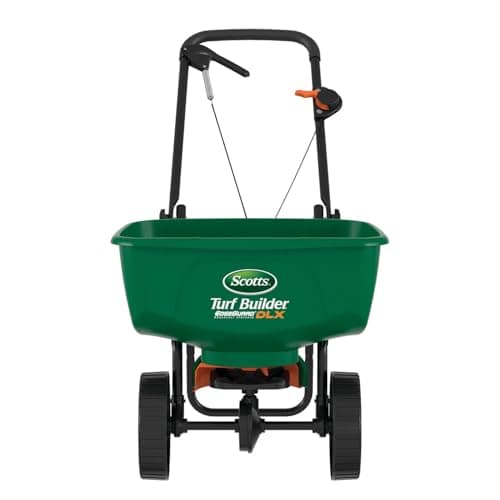
Scotts Turf Builder EdgeGuard DLX Broadcast Spreader
A broadcast spreader with a blocker plate that keeps granules off driveways and out of beds.
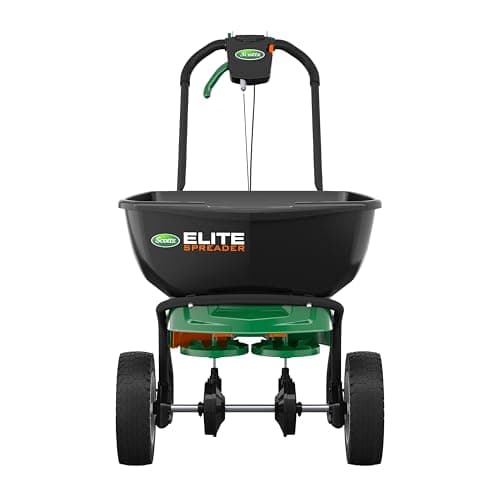
Scotts Elite Spreader
A twin-rotor broadcast spreader with a six foot spread pattern and never-flat tires for uneven ground.
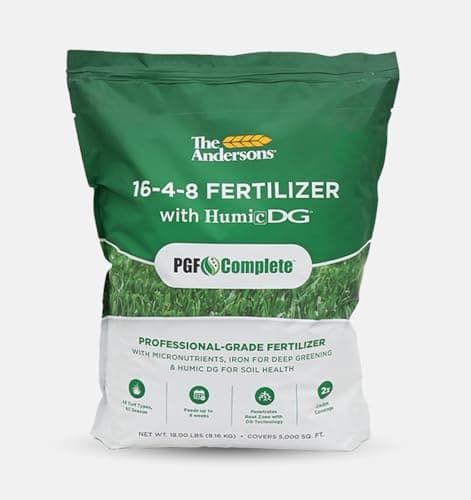
The Andersons PGF Complete 16-4-8
A slow-release 16-4-8 with a fine particle size that meters consistently through any broadcast spreader.
Preparing Your Lawn and Fertilizer for Application
Timing: When to Apply Granular Fertilizer for Best Results
Timing is everything. For most lawns, apply granular fertilizer:
- Cool-season grasses: Early spring (soil temps above 50°F), late spring, early fall, and late fall (winterizer). Avoid midsummer unless using slow-release, as heat stress can burn turf.
- Warm-season grasses: Late spring (soil temps above 65°F), early to midsummer, and early fall. Avoid fertilizing during winter dormancy or drought.
Always check your local soil temperatures and forecast. Never fertilize before a heavy rain (which can wash product away) or during drought (which can stress roots). Optimal timing windows can vary by region, so consult our Regional Climate Data or your local extension office for exact dates.
Lawn Preparation Checklist
Prep your lawn for even coverage and nutrient uptake:
- Mow 1-2 days before application to the recommended height for your grass type (Our mowing data shows the optimal height for Bermudagrass is 1.0-2.0 inches; for Kentucky bluegrass, 2.0-2.5 inches).
- Remove leaves, sticks, and debris for unobstructed spreader movement.
- Check for even, dry ground-avoid soggy or muddy conditions.
- Moisten the lawn slightly if soil is bone dry, but don’t apply to saturated turf. For more, see watering after fertilizing guide for pre- and post-application watering instructions.
Preparing Your Fertilizer and Equipment
Safety comes first: wear gloves, a dust mask, and eye protection if handling large amounts or working in windy conditions. Inspect your spreader for cleanliness-old product residue or rust can clog the mechanism. Check that all moving parts (gears, wheels, agitator) work smoothly. Weigh and measure fertilizer before loading to avoid overfilling, and keep bags sealed and upright to prevent spills. Only load what you plan to use in one session to avoid moisture clumping inside the hopper.
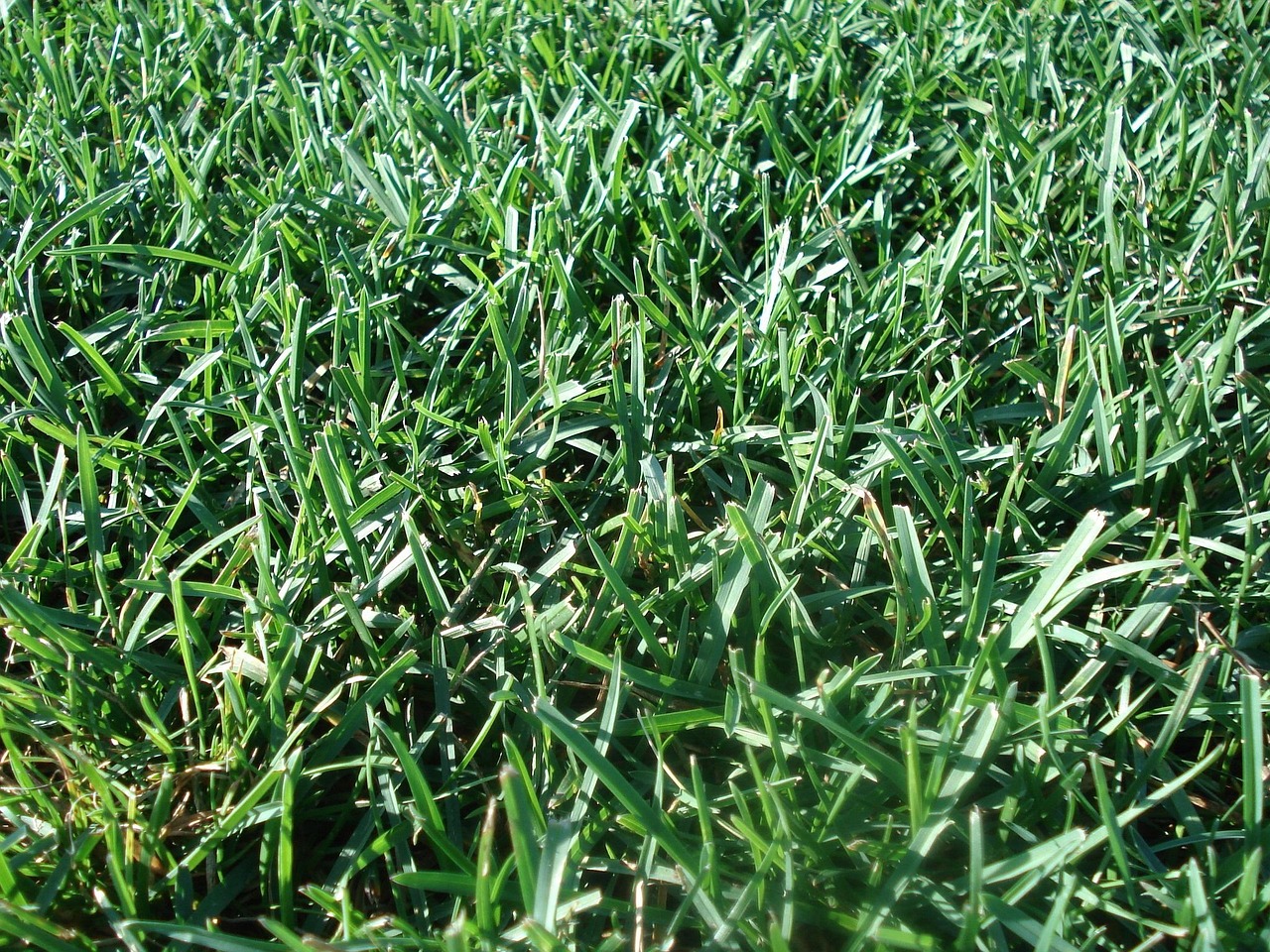
Step-by-Step Guide: How to Apply Granular Fertilizer (Spreader Settings and Tips)
Step 1: Mark the Lawn and Plan Your Route
Start by outlining the boundaries you want to fertilize. Use flags, string, or landscape paint to mark edges and obstacles (like flower beds or driveways). Plan your walking route for maximum efficiency-typically, start with a border pass around the perimeter, then work in straight lines across the lawn. This helps you avoid overlap and missed strips.
Step 2: Set and Double-Check Spreader Settings
Set your spreader dial to the recommended setting from the bag or calibration process. Before hitting the lawn, do a quick test run on a paved driveway or tarp-spread a small amount and check for even, consistent granule flow. Adjust if you see clumps, skips, or uneven scatter. Better to catch a mistake here than on the grass.
Step 3: Apply Fertilizer with Proper Technique
Consistency is everything. Walk at a steady pace (about 3 feet per second is standard) and keep the spreader level at all times. For broadcast spreaders, overlap each pass by about 50% of the spread width to ensure even coverage-this means the wheel path from your previous pass should line up with the edge of the new spread pattern. For drop spreaders, line up your wheel with the previous track for full coverage without overlap.
Keep the spreader opening closed when turning or stopping. For hills or slopes, walk side-to-side across the grade to avoid uneven distribution. Don’t rush-uneven speed leads to skips and stripes. After maintaining thousands of lawns, the pattern is clear: the best results come from slow, deliberate passes, not speed or guesswork.
Step 4: Post-Application Tasks
As soon as you’re done, clean your spreader thoroughly-hose down the hopper and wipe moving parts to prevent corrosion or leftover product mixing with the next treatment. Store leftover fertilizer in a cool, dry place, sealed tightly to avoid clumping or accidental spills. Keep out of reach of pets and children.
Pro Tips for Advanced Users
If you want to take your results to the next level, try these expert techniques:
- Apply in two directions: Split your total rate in half and make two perpendicular passes (north-south, then east-west) for maximum evenness.
- Use buffer zones: Stop spreading 3-5 feet from flower beds, driveways, or water features to prevent runoff and accidental damage.
- Blend with soil amendments: If needed, mix granular fertilizer with lime or soil conditioners for one-step application-just check compatibility first.
- Overseeding after fertilizing: For fall renovations, fertilize first, then overseed within 3-7 days for best seed-to-soil contact. See overseeding after fertilizing guide for specifics.
Seasonal Strategies: How to Adjust Granular Fertilizer Application Year-Round
Spring: Kick-Start Growth and Prevent Weeds
Early spring is prime time for pre-emergent weed control and nutrient boost. For cool-season lawns, apply a high-nitrogen, slow-release blend when soil temps reach 50-55°F. For southern/warm-season lawns, wait until soil hits 65°F. If using a weed & feed product, follow the bag rate and timing window strictly-too early, and you waste the pre-emergent; too late, and weeds already sprout.
Enter your ZIP code below to find your exact timing:
Loading Herbicide Timing Calculator...
Summer: Feeding Without Burning
Summer brings heat stress and drought risk. Use slow-release or organic granular fertilizers to reduce burn risk, and water in immediately after application. Cut back on rates-typically no more than 0.5-0.75 lbs of nitrogen per 1,000 sq ft per application. Never fertilize during drought or when daytime highs exceed 90°F for several days running. If your grass is already stressed or dormant, wait until conditions improve.
Fall: Preparing for Dormancy or Overseeding
Fall feeding builds root reserves and preps your lawn for winter. For cool-season grasses, apply a winterizer blend (higher potassium) 4-6 weeks before your region’s first frost. In the south, use balanced granular fertilizer for warm-season lawns before dormancy sets in. If you’re overseeding, fertilize just before or right after seeding for best results-see our overseeding after fertilizing guide for details. Our Regional Climate Data shows that for the Midwest, the ideal fall fertilizer window is late September to mid-October.
Winter: Special Considerations (if applicable)
In milder climates, some lawns benefit from dormant feeding with slow-release products, but this is only for regions where grass stays semi-active all winter (like parts of the Deep South or Pacific Northwest). Avoid fertilizing frozen soil or during storm runoff periods. Always check local extension guidelines for winter feeding recommendations.
Advanced Tips for Optimal Results
Using Soil Tests to Fine-Tune Application Rates
Soil testing is the gold standard for dialing in fertilizer rates. A lab report will show your actual nutrient levels and pH, letting you adjust the spreader setting to correct deficiencies or avoid excess. For example, if your soil test shows high phosphorus, skip starter blends and use a nitrogen-only fertilizer. If potassium is low, choose a winterizer or balanced blend in fall.
Adjust your spreader setting based on actual needs, not just the bag rate. If the label says 3 lbs per 1,000 sq ft but your soil already has high nitrogen, reduce to 2 lbs. For more, see How to Test Your Lawn's Soil and How to Improve Soil pH for Grass.
Combining Fertilizer with Other Lawn Care Tasks
Maximize results by pairing fertilizer with core aeration or dethatching. Aerate compacted lawns first to boost nutrient uptake, ideally 1-2 weeks before fertilizing. Dethatch before fertilizing if you have more than 0.5 inches of thatch. Sequence matters: aerate or dethatch, then fertilize, then water in thoroughly. For more, see our guides on core aeration and dethatching.
Environmental and Safety Best Practices
Prevent fertilizer runoff into waterways by never applying before heavy rain and keeping spread at least 3-5 feet from storm drains, streams, or ponds. Protect pets and children by following label re-entry intervals-usually 24-48 hours after application and watering in. Choose pet-safe or organic products if you have frequent yard use by animals. For more, see pet-safe lawn care guide.
- NC State Extension recommends applying granular fertilizer only when turf is actively growing and to keep products off hard surfaces to reduce runoff.
Data Table: Spreader Settings and Application Rates by Lawn Size
The table below shows typical spreader settings and fertilizer rates for different lawn sizes and popular product types. Always confirm with your product label and calibrate your spreader for your specific brand and model.
| Lawn Size (sq ft) | Product Example (N-P-K) | Recommended Rate (lbs/1,000 sq ft) | Broadcast Spreader Setting (typical range) | Drop Spreader Setting (typical range) |
|---|---|---|---|---|
| 2,500 | 24-0-6 (slow-release) | 3.0 | 3.5 - 4.0 | 7.0 - 8.5 |
| 5,000 | 29-0-10 (quick-release) | 2.5 | 3.0 - 3.5 | 7.5 - 9.0 |
| 10,000 | 16-4-8 (organic blend) | 4.0 | 5.0 - 6.0 | 10.0 - 12.0 |
| 2,500 | 18-24-12 (starter) | 4.0 | 4.0 - 4.5 | 8.0 - 9.5 |
These ranges are averages; always refer to the label and calibrate. For more, use our fertilizer-calculator to match product and lawn size.
What Other Guides Miss: Common Mistakes to Avoid When Applying Granular Fertilizer
Most online guides gloss over the pitfalls that trip up homeowners every season. Here are the most common mistakes-and the fixes:
Skipping Calibration or Confirmation Tests
Assuming your spreader setting matches the bag is a recipe for uneven results. Always calibrate with a catch test or tarp method before a full application. “One size fits all” settings lead to over- or under-application in real-world conditions.
Misjudging Timing or Weather Conditions
Applying fertilizer right before a downpour or during a drought wastes product and can damage turf. Check the 48-hour forecast and soil moisture-never fertilize when heavy rain is expected or the soil is bone dry. Watch for regional variations: for example, avoid fertilizing cool-season lawns in midsummer or southern lawns during winter dormancy.
Overlapping Passes and Product Application Errors
Double-applying at pass edges causes burned stripes, while missed strips leave pale streaks. Always follow the overlap strategy for your spreader type, and close the hopper when you stop or turn. If you see uneven growth, review your application pattern next time.
Safety Oversights: Pets, People, and Environment
Many skip the label’s re-entry interval or store leftover fertilizer in the wrong place. Always keep products out of reach, follow safety gear guidelines, and review the label for safe waiting periods before letting pets or kids back on the grass. For more, see pet-safe lawn care guide.
- Contact your local extension office for specific spreader settings or environmental best practices for your region.
Conclusion
Getting granular fertilizer application right isn’t about luck or expensive gear-it’s about careful prep, correct spreader settings, and steady, consistent technique. By calibrating your spreader, choosing the right fertilizer for your soil and grass type, and adjusting your strategy for the season, you’ll see a thicker, greener, more resilient lawn without waste or risk. Your next steps: do a soil test, measure your lawn, calibrate your spreader, and follow the seasonal timeline that fits your region and grass species.
For deeper expertise, check out related guides on How to Test Your Lawn's Soil, overseeding after fertilizing, watering after fertilizing, and pet-safe lawn care. When you focus on the details that matter-and skip the marketing claims-you’ll get results you can count on, year after year.
Top Picks
- Ortho Dial N Spray Hose-End Sprayer (14 Dilution Settings)Check price on Amazon
- Scotts Turf Builder Starter Fertilizer for New GrassCheck price on Amazon
- Encap Fast Acting Pelletized Lime (25 lb)Check price on Amazon
As an Amazon Associate we earn from qualifying purchases.
Free Lawn Care Tools
Check your fertilizer bag for recommended settings by spreader brand and model. If not listed, start with a mid-range setting and calibrate using a 1,000 sq ft test plot, adjusting until the output matches the labeled rate.
Apply in early spring and fall for cool-season grasses and late spring through summer for warm-season types, when soil is moist and grass is actively growing. Avoid application before heavy rain or during drought.
Yes, but use a starter fertilizer with higher phosphorus content and apply just before or right after seeding. Follow the bag rate and water in thoroughly for best results.
In most cases, yes—watering helps dissolve granules and move nutrients into the soil. Check the product label for specific instructions, but typically water within 24 hours of application unless rain is expected.
Broadcast spreaders cover wide areas quickly but are less precise near edges, while drop spreaders deliver exact, narrow bands—ideal for small lawns or tight borders. Choose based on your lawn’s size and shape.
You’ll typically see greener growth in 7-14 days for nitrogen-rich blends. Slow-release products act over several weeks, while quick-release types show results faster but require careful watering and timing.
Photos: Macleay Grass Man / Openverse, Engin Akyurt / Pexels, www.kaboompics.com / Pexels

Your lawn plan, in your pocket all season
Grass ID, a season plan, soil-timed reminders, and a lawn journal that remembers what you did. Free on iPhone.