How Much Does Lawn Care Actually Cost? A Realistic 2026 Breakdown
 James ThorntonLawn Equipment & Maintenance Expert | 20 Years
As an Amazon Associate we earn from qualifying purchases.
The average homeowner spends between $500 and $2,000 per year on lawn care, depending on lawn size, region, and whether you go DIY or hire a pro. Fertilizer runs $80 to $250 annually, seed $30 to $150, and equipment maintenance adds another $100 to $400. Use our Lawn Cost Estimator to get a personalized breakdown for your yard.
Why Lawn Care Costs Are So Hard to Pin Down
If you've ever searched "how much does lawn care cost," you've probably seen answers ranging from $200 to $5,000 a year. That's not helpful. The truth is, your costs depend on a handful of specific factors: your lawn's size, what grass type you're growing, where you live, and how much of the work you're willing to do yourself.
I've been helping homeowners figure out this stuff for 15 years, and the biggest mistake I see is people either wildly overspending on services they don't need, or underspending on the basics and then paying more later to fix problems. Let's walk through what lawn care actually costs in 2026 so you can budget with confidence.
The Big Categories: Where Your Money Goes
Lawn care spending falls into five main buckets. Here's what each one looks like for a typical 5,000 square foot lawn.
1. Fertilizer: $80 to $250 per year
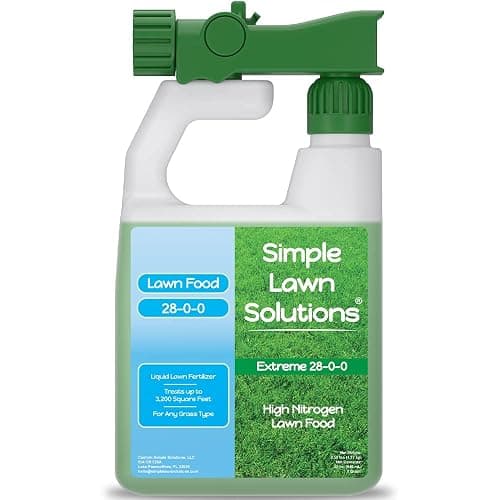
Most lawns need 3 to 5 fertilizer applications per season. A bag of quality granular fertilizer (like a 50-lb bag of Scotts or Milorganite) costs between $20 and $45. If you're treating 5,000 square feet, plan on buying 3 to 6 bags annually depending on your grass type and soil conditions.
Organic options like Milorganite tend to cost a bit more per application but can reduce your need for other products. Synthetic fertilizers are cheaper upfront but may require more frequent soil amendments over time.
2. Seed and Overseeding: $30 to $150 per year
If you have a cool-season lawn (Kentucky bluegrass, tall fescue, perennial ryegrass), you should be overseeding every fall. A 5-lb bag of quality seed runs $15 to $40 depending on the variety. Warm-season lawns typically don't need annual overseeding unless you're patching bare spots.
For a full lawn renovation with seed, expect to spend $200 to $600 for a 5,000 sq ft yard, including soil prep and starter fertilizer. Sod runs considerably higher for the same area, and our guide to the cost to install sod breaks down the per square foot pricing.
3. Weed and Pest Control: $50 to $300 per year
Pre-emergent herbicide in spring is one of the best investments you can make. A bag of granular pre-emergent costs $25 to $50 and covers most average lawns. Post-emergent spot treatments add another $15 to $30 for a bottle of concentrate.
Grub control, if you need it, runs $30 to $60 per application. Fungicide treatments for disease-prone lawns can add $40 to $100 per season.
4. Equipment and Maintenance: $100 to $400 per year
If you already own a mower, your annual costs include blade sharpening ($10 to $20 per sharpening, recommended 2 to 3 times per season), oil changes ($15 to $30), air filters ($8 to $15), and fuel. String trimmer line, spreader calibration, and miscellaneous tool upkeep round out this category.
If you're buying equipment for the first time, a solid push mower starts at $250 to $400, a broadcast spreader at $40 to $80, and a good string trimmer at $80 to $200. These are one-time costs that last years with proper maintenance.
5. Soil Health: $30 to $100 per year
A soil test ($15 to $30) is the single most cost-effective thing you can do for your lawn. Based on results, you might need lime ($12 to $20 per bag), sulfur, or specific micronutrient amendments. Most lawns need a soil test every 2 to 3 years and lime or sulfur adjustments annually.
DIY vs. Professional: The Real Cost Comparison
This is where the numbers get interesting. Here's a side-by-side comparison for a 5,000 sq ft lawn.
DIY Costs
Total annual spend for a DIY homeowner doing their own mowing, fertilizing, weed control, and overseeding typically falls between $400 and $900. That includes products, equipment maintenance, and fuel. It does not include the value of your time, which is typically 2 to 4 hours per week during the growing season.
Professional Lawn Care Service
A full-service lawn care program (fertilization, weed control, aeration, overseeding) from a company like TruGreen or a local provider runs $400 to $800 per year for just the treatment program. Add weekly mowing at $30 to $60 per visit, and you're looking at $1,200 to $3,000+ annually for the full package.
The Hybrid Approach
The sweet spot for many homeowners is doing your own mowing and basic maintenance while hiring a pro for specialized treatments like aeration, overseeding, and targeted weed control. This typically costs $600 to $1,200 per year and gives you professional results without the full professional price tag.
Not sure which approach makes sense for your situation? Check out our guide on how to choose between DIY and professional lawn care for a deeper breakdown.
How Region Affects Your Costs
Where you live has a major impact on what you'll spend. Here's how costs shift by region.
Northeast and Midwest (Cool-Season Lawns)
Shorter growing season means fewer mowing weeks (typically 28 to 32 weeks), but cool-season grasses need more seed, more fertilizer, and regular overseeding. Annual DIY costs: $450 to $900. Fall is your biggest spending season.
Southeast and Gulf Coast (Warm-Season Lawns)
Longer growing seasons (36 to 44 weeks of mowing) mean higher mowing costs, but warm-season grasses like Bermuda and Zoysia need less seed. However, pest pressure is higher, so expect to spend more on insect and fungus control. Annual DIY costs: $500 to $1,100.
Southwest and Arid West
Water is the wild card here. If you're maintaining a traditional lawn in Arizona or Nevada, irrigation costs can add $50 to $150 per month during summer. Many homeowners in these areas are switching to drought-tolerant grass types like Buffalo grass or hybrid Bermuda to cut water bills.
Pacific Northwest
Mild temperatures and regular rain keep costs moderate. You'll spend less on watering but may need more fungicide treatments due to humidity. Annual DIY costs: $350 to $750.
Hidden Costs Most People Miss
When budgeting for lawn care, don't forget these commonly overlooked expenses:
- Soil amendments after a soil test: Lime, gypsum, or iron supplements can add $30 to $80 per application
- Sprinkler system maintenance: Winterization and spring startup typically cost $100 to $200 per year if you hire it out
- Tree and shade management: Pruning lower limbs to improve sunlight to your lawn can cost $100 to $500 depending on the tree
- Equipment replacement: Budget $50 to $100 per year as a sinking fund for eventual mower and tool replacement
Smart Ways to Cut Your Lawn Care Budget
After years of testing tools and products, here are my top tips for saving money without sacrificing lawn quality:
- Always soil test first. You might be buying products your lawn doesn't need.
- Buy products in bulk at the start of the season. Prices typically rise 10 to 15% by midsummer.
- Sharpen your mower blades regularly. Dull blades tear grass, making it more susceptible to disease and requiring more treatments.
- Mow at the right height. Taller grass shades out weeds naturally, reducing your need for herbicides.
- Use the right amount of product. Over-applying fertilizer wastes money and can burn your lawn.
For more budget-friendly strategies, take a look at our 10 DIY tips for affordable lawn care.
Get Your Personalized Cost Estimate
Every lawn is different, and generic cost ranges only get you so far. That's why we built the Lawn Cost Estimator. Plug in your lawn size, grass type, region, and desired service level, and you'll get a customized annual cost breakdown in about 30 seconds.
Whether you're trying to budget for your first year of lawn care or looking for ways to trim your current spending, having accurate numbers makes all the difference. And if you're building up your tool collection, don't miss our guide to essential lawn care tools every homeowner needs to make sure you're investing in the right equipment from the start.
Free Lawn Care Tools
For a typical 5,000 sq ft lawn, monthly DIY costs average $40 to $75 during the growing season, including fertilizer, weed control products, fuel, and equipment maintenance. Professional mowing services add $120 to $240 per month on top of that.
DIY lawn care is generally 40 to 60% cheaper than full professional service. A DIY approach costs $400 to $900 per year for a 5,000 sq ft lawn, while full professional service (mowing plus treatments) runs $1,200 to $3,000+. However, a hybrid approach where you mow but hire pros for treatments offers a good middle ground at $600 to $1,200 per year.
Regular mowing is the single biggest expense if you hire it out, typically accounting for 50 to 60% of total professional lawn care costs. For DIY homeowners, fertilizer and weed control products are the largest ongoing expense category at $130 to $550 per year depending on lawn size and grass type.
Start with a soil test to avoid buying unnecessary products. Buy fertilizer and seed in bulk at the start of the season. Mow at the tallest recommended height for your grass type to naturally suppress weeds. Sharpen mower blades regularly to prevent disease. And consider a hybrid approach where you handle mowing yourself but hire pros for specialized treatments like aeration.

Your lawn plan, in your pocket all season
Grass ID, a season plan, soil-timed reminders, and a lawn journal that remembers what you did. Free on iPhone.