Is It Too Late to Seed Your Lawn? Spring and Fall Deadlines by Region
 Sarah MitchellLawn Diagnostics Specialist | 12 Years
As an Amazon Associate we earn from qualifying purchases.
For cool-season grasses, the ideal seeding window is late August through mid-October (or early spring, March to mid-April). For warm-season grasses, aim for late April through June when soil temps stay above 65°F. Missed your window? Use our Seeding Calculator to check exact dates for your ZIP code and grass type.
Why Timing Makes or Breaks Your Seeding Project
You could buy the best seed on the market, prep your soil perfectly, and water like clockwork. But if you seed at the wrong time, you'll watch your investment wash away or bake in the sun. I've seen it happen year after year with homeowners who follow calendar dates instead of actual growing conditions.
The truth is, seeding success comes down to soil temperature, not the date on your phone. And those temperatures vary wildly depending on where you live. Someone in Charlotte, NC and someone in Minneapolis, MN might both think "early September" is the right time to seed, but their soil conditions could be 15°F apart.
Let's break down exactly when you should be putting seed down, what soil temps to watch for, and what your backup plan looks like if you missed the window.
When Should You Seed Your Lawn? (Spring and Fall Timing)
The short answer on when to seed your lawn: it depends on whether you grow cool-season or warm-season grass, and it always comes down to soil temperature rather than a fixed date. Cool-season lawns do best seeded in early fall, with spring as a solid second choice. Warm-season lawns want late spring into early summer. Below is a quick, direct answer for each so you know exactly when to seed your yard.
When to Seed a Cool-Season Lawn (Early Fall Is Best, Spring Second)
If you have Kentucky bluegrass, tall fescue, perennial ryegrass, or fine fescue, the best time to seed your lawn is early fall, roughly late August through mid-October, once soil temperatures settle into the 50°F to 65°F range. Warm soil, cooling air, and lighter weed pressure make fall the easiest time to get grass established.
The next-best window is early spring, from March to mid-April, as soon as the soil warms past 50°F. Spring works, but your new grass has less time to root before summer heat, and you can't lay down crabgrass pre-emergent without also blocking your seed. So when people ask when they should seed their lawn in the spring, the answer is: as early as the soil hits 50°F, and accept that fall would have been the stronger play.
When to Seed a Warm-Season Lawn (Late Spring to Early Summer)
For bermuda, zoysia, St. Augustine, centipede, or bahiagrass, the best time to seed your yard is late spring into early summer, generally late April through June, once soil temperatures hold above 65°F. These grasses love heat, so there's no rush to beat the cold the way there is with cool-season lawns. The thing to avoid is seeding too late in the season. Stop by mid-August so the grass has time to establish before fall.
Is It Too Late to Plant Grass Seed?
Whether it's too late to plant grass seed depends on your grass type and your current soil temperature. For cool-season grass, you're fine as long as soil temps stay at or above 50°F, which usually means mid-October in the North and late October farther south. Once soil drops below 45°F, it's too late for normal seeding, and your move is dormant seeding or waiting for spring. For warm-season grass, if it's past mid-August it's too late to plant grass seed for the year, and you should wait until next spring. When in doubt, check your soil temperature at a 4-inch depth instead of guessing from the calendar.
Cool-Season Grass: Your Two Seeding Windows
If you're growing Kentucky bluegrass, tall fescue, perennial ryegrass, or fine fescue, you have two realistic seeding windows each year. But they are not created equal.
Fall: The Gold Standard (Late August to Mid-October)
Fall seeding is your best bet, and it's not even close. Here's why it works so well:
- Soil temperatures are still warm (55°F to 65°F), which is the sweet spot for germination
- Air temperatures are cooling down, which reduces stress on young seedlings
- Weed pressure drops significantly as annual weeds die off
- Fall rain usually provides consistent moisture without you running the sprinkler constantly
The key soil temperature threshold for cool-season germination is 50°F to 65°F. When soil temps drop below 50°F, germination slows dramatically. Below 45°F, most cool-season seeds won't germinate at all.
Regional Fall Deadlines
Here's a general guide, but keep in mind that microclimates can shift these dates by a week or two:
- Northern states (MN, WI, MI, NY, New England): Seed by mid-September. First frost often arrives in early October.
- Transition zone (VA, KY, TN, NC, MO, KS): You have until early to mid-October in most years.
- Upper South (northern GA, SC, AR): Mid-October is usually still fine, sometimes even late October.
Spring: The Backup Plan (March to Mid-April)
Spring seeding can work, but you're fighting an uphill battle. The soil is warming up, which is good for germination. But summer heat is right around the corner, and your young grass plants won't have deep root systems to handle it.
The biggest problem with spring seeding? You can't use pre-emergent herbicides. Pre-emergent prevents crabgrass and other annual weeds from germinating, but it also prevents your new grass seed from germinating. So you'll be choosing between fighting weeds and establishing new grass.
If spring is your only option, get seed down as early as the soil hits 50°F. That gives your grass the longest possible growing window before summer stress kicks in.
Warm-Season Grass: Waiting for the Heat
Bermuda, zoysia, St. Augustine, centipede, and bahiagrass all need warm soil to germinate. We're talking 65°F minimum, and 70°F to 80°F is ideal.
The Warm-Season Window (Late April to June)
For most of the South and Southwest, this window opens in late April and runs through June. Some key details:
- Deep South (FL, Gulf Coast, South TX): You can often start seeding in mid-April when soil temps reliably hit 65°F.
- Mid-South (GA, AL, MS, central TX): Late April to May is your prime window.
- Transition zone (warm-season side): Wait until mid-May to be safe. A late cold snap can ruin everything.
Unlike cool-season grasses, warm-season varieties actually love the heat. So there's less urgency about getting seed down early. The bigger risk is seeding too late in the summer when drought stress becomes a factor, or too close to fall when cooler temperatures will slow growth before the grass is established.
The Late-Summer Cutoff
Stop seeding warm-season grasses by mid-August at the latest. The grass needs 60 to 90 days of active growth to establish roots before dormancy. If you seed in September, you might see some germination, but those baby plants likely won't survive their first winter.
How to Check Your Soil Temperature
Forget the calendar dates. Go buy a soil thermometer (they cost about $10) and check your soil temperature at a 4-inch depth. Take readings in the morning for three consecutive days and average them. That's your actual soil temperature.
You can also use our Seeding Calculator, which pulls real-time soil temperature data for your ZIP code and tells you exactly whether conditions are right for the grass type you want to plant.
What If You Missed the Window?
It happens. Life gets busy, the weather doesn't cooperate, or you just didn't realize the clock was ticking. Here are your options:
If You Missed the Fall Window for Cool-Season Grass
You have two choices. First, you can try dormant seeding in late November or December. Spread seed on frozen or near-frozen ground, and it will sit there until spring conditions trigger germination. It's a gamble, as freeze-thaw cycles can actually work the seed into the soil, but heavy rain or snow melt can wash it away too.
Second, you can wait for early spring. Mark your calendar for March and be ready to go the moment soil temps hit 50°F.
If You Missed the Spring Window for Warm-Season Grass
If it's already July, you can still seed, but you're cutting it close. Water management becomes critical because summer heat will dry out the soil surface quickly. Consider using a thin layer of straw mulch to retain moisture and protect the seedlings.
If it's August or later, wait until next spring. Trying to establish warm-season grass heading into fall is almost always a waste of seed and effort.
Soil Temperature Thresholds: Quick Reference
- Cool-season germination: 50°F to 65°F (optimal around 55°F to 60°F)
- Warm-season germination: 65°F to 85°F (optimal around 70°F to 80°F)
- Too cold for any grass seed: Below 45°F
- Dormant seeding range: Below 40°F (seed won't germinate until spring)
Tips for Seeding Success, No Matter When You Plant
Once you've nailed your timing, these fundamentals will maximize germination rates:
- Seed-to-soil contact is everything. Rake the area, spread seed, then lightly rake again or roll it. Seed sitting on top of thatch won't germinate well.
- Keep the top inch of soil consistently moist for the first 2 to 3 weeks. That usually means light watering 2 to 3 times per day.
- Don't mow until the new grass reaches 3 to 4 inches. And when you do mow, never cut more than one-third of the blade height.
- Hold off on herbicides for at least 6 to 8 weeks after germination. Young grass can't handle the chemical stress.
For a step-by-step approach to growing grass from seed, check out our Complete Guide to Growing Grass from Seed. And if you want the quickest results possible, take a look at the Fastest Growing Grass Varieties: 5 Picks That Sprout in 3-7 Days to pick a species that will fill in quickly.
Recommended products
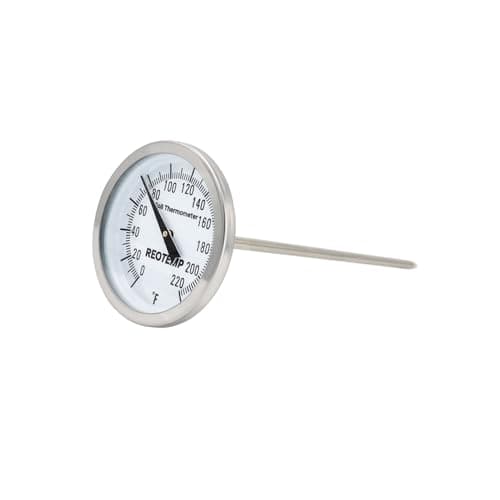
REOTEMP Waterproof Soil Thermometer
A five-inch stem thermometer for the four-inch soil readings this article calls for.

Jonathan Green Black Beauty Ultra Grass Seed
A deep-rooting cool-season blend that germinates reliably in the fall window.
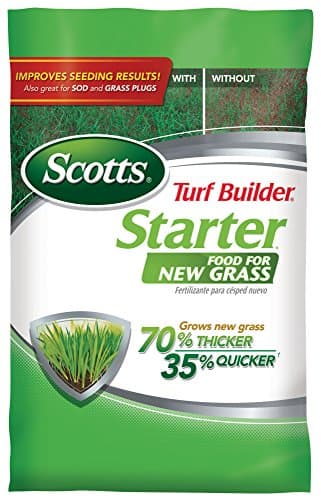
Scotts Turf Builder Starter Food for New Grass
A starter fertilizer sized for new seedings, with phosphorus placed where young roots can reach it.
Get Your Exact Seeding Dates
Regional guidelines are helpful, but your specific location matters. Elevation, proximity to water, urban heat islands, and local weather patterns all shift your ideal seeding window by days or even weeks.
Our Seeding Calculator takes your ZIP code and grass type, checks current soil temperatures, and gives you a personalized seeding recommendation. It takes about 30 seconds and removes the guesswork entirely.
If you're planning to overseed an existing lawn this fall, our Fall Lawn Overseeding Prep Guide walks you through the complete process from start to finish.
Free Lawn Care Tools
Cool-season grasses (fescue, bluegrass, ryegrass) germinate best when soil temperatures are between 50°F and 65°F, with 55°F to 60°F being optimal. Warm-season grasses (bermuda, zoysia, St. Augustine) need soil temps of at least 65°F, with 70°F to 80°F being ideal. Below 45°F, no grass seed will germinate.
It's not ideal for cool-season grasses because summer heat stresses young seedlings that haven't developed deep roots. Warm-season grasses can still be seeded in early summer, but you should stop by mid-August to give the grass enough time to establish before fall dormancy.
Dormant seeding means spreading cool-season grass seed in late November or December when soil temperatures are too cold for germination. The seed sits dormant through winter and germinates in early spring. It can work well because freeze-thaw cycles help work the seed into the soil, but heavy rain or snowmelt can wash seed away.
Fall is significantly better for cool-season grasses. Soil is still warm enough for germination, air temps are cooling (less stress on seedlings), weed pressure is lower, and fall rain provides natural moisture. Spring seeding can work but competes with weed germination and gives grass less time to establish before summer heat.
For cool-season grass, seed in the spring as early as the soil warms to 50°F, usually around March to mid-April depending on your region. Getting seed down early gives the new grass the longest possible growing window before summer heat arrives. Keep in mind that fall is still the stronger time to seed cool-season grass, and spring seeding means you can't use crabgrass pre-emergent without also blocking your new seed. Warm-season lawns should wait until late spring, once soil holds above 65°F.
For cool-season grass, it's too late once soil temperatures drop below 45°F, which is typically after mid-to-late October in much of the country. At that point your options are dormant seeding or waiting until spring. For warm-season grass, it's too late to plant grass seed once you're past mid-August, since the grass needs 60 to 90 days of active growth to establish before winter. Check your soil temperature at a 4-inch depth rather than relying on the calendar.
You can seed a cool-season lawn in early fall (late August to mid-October) or early spring (March to mid-April), whenever soil temperatures sit between 50°F and 65°F. You can seed a warm-season lawn from late spring through early summer (late April to June), once soil holds above 65°F. The reliable rule is to seed based on a 4-inch soil temperature reading, not a calendar date, since conditions vary a lot by region and year.

Your lawn plan, in your pocket all season
Grass ID, a season plan, soil-timed reminders, and a lawn journal that remembers what you did. Free on iPhone.