How to Fix Overfertilized Lawn
 Sarah MitchellLawn Diagnostics Specialist | 12 Years
As an Amazon Associate we earn from qualifying purchases.
Brown or bleached patches after fertilizing usually fall into two categories: stressed grass that can recover or turf that has been killed by salt and nitrogen overload. Identifying which one you are dealing with is the first step to fixing an overfertilized lawn the right way.
Overfertilization causes a concentration of salts and nutrients around the roots that pulls moisture out of the plant, burns root tips, and disrupts normal soil biology. The result is fertilizer burn, desiccation, and turf that suddenly looks worse right after you tried to help it. In mild cases you can flush and nurse the lawn back to health. In severe cases you will need to reseed or resod the dead spots, but even then, you can correct the soil so it does not happen again.
Most people searching "how to fix overfertilized lawn" need immediate, step-by-step rescue instructions. This guide covers emergency actions for the first 24 to 72 hours, recovery steps over the next several weeks, and long-term prevention so you can fertilize confidently in the future. It will also help you confirm that fertilizer is actually the problem and not drought, disease, or insect damage.
If your lawn turned yellow, brown, or crispy within a few days of fertilizing, and the damage follows the pattern of your spreader passes or a spill, it is usually fertilizer burn. Confirm by checking the crowns at the base of the grass blades: if they are white or cream and firm, the grass is stressed but alive. If they are brown and dry or mushy, that turf is dead and will need to be replaced.
To fix an overfertilized lawn that is still alive, irrigate deeply as soon as you notice the issue. Water enough to apply about 0.5 inch immediately, then another 0.5 inch 4 to 6 hours later to flush excess salts below the root zone without drowning the grass. Do not add more fertilizer "to green it up," and avoid weed-and-feed or any additional chemicals for at least 4 to 6 weeks. You should see stabilization in 3 to 7 days and new healthy growth in 2 to 4 weeks if the crowns survived.
If large areas are totally dead, rake out the dead turf, lightly loosen the top inch of soil, and reseed or resod once temperatures are suitable for your grass type. In the meantime, correct your spreader settings, timing, and product choice so you do not repeat the overapplication. Long-term, consider a soil test and a more moderate feeding plan like in Best Fertilizers for Lawns or Organic vs Synthetic Fertilizers to keep the lawn thick without risking burn.
Understanding Overfertilization in Lawns
What Does “Overfertilized Lawn” Actually Mean?
When professionals talk about an overfertilized lawn, they are not just describing any lawn that got "too much food." Overfertilization is a specific situation where nutrient and salt levels in the root zone rise high enough to damage turfgrass tissues or disrupt soil function.
This can happen in several ways. The most obvious is applying too much fertilizer product in a single application, either by using the wrong spreader setting or going over the same area multiple times. A subtler form is applying the correct rate too frequently, such as putting down a full-rate weed-and-feed every 3 weeks. Another common cause is using the wrong N-P-K analysis for the season or grass type, for example, very high nitrogen on cool-season grass during summer heat.
There is a spectrum of damage. Slight overapplication often results in temporary cosmetic stress - darker than normal green followed by minor tip burn. Severe overfertilization produces "fertilizer burn," where grass blades bleach, dry out, and die. Nitrogen burn comes from too much soluble nitrogen, while salt burn is caused by the total salt load from many synthetic fertilizers. Both pull moisture out of plant cells by osmosis and scorch tender tissue.
Inside the soil, overfertilization increases soluble salt levels, can shift pH, and interferes with nutrient uptake. Roots may lose their fine tips, grow shallower, and become more vulnerable to drought. Above ground, blades may show chlorosis (yellowing from nutrient imbalance), followed by necrosis (dead tissue) if the stress is not relieved quickly. Understanding that you are dealing with a chemical and osmotic stress, not just "thirsty grass," is key to choosing the right fix.
Common Causes of an Overfertilized Lawn
Most overfertilized lawns are not the result of one reckless decision but a small mistake in product choice or equipment use. The fertilizer label usually provides a safe rate, but misreading or ignoring that label is one of the leading causes of burn. Applying "a little extra for good measure" can easily double the nitrogen rate and push the lawn past its tolerance.
Spreader misuse is another frequent culprit. If you use the wrong setting, walk too slowly, or overlap passes heavily, you effectively stack multiple full-rate applications on top of each other. Many localized burned streaks happen right where homeowners stop and start with the spreader, leaving piles when they open or close the hopper while standing still.
Stacking products without doing the math is also a common problem. Using a regular fertilizer, followed a week later by a weed-and-feed, and then a "lawn starter" is often equivalent to three fertilizer applications in a very short window. High nitrogen fertilizers applied during heat or drought magnify the risk, because stressed grass is more easily burned. Spills from broken bags or dumping leftover fertilizer on the lawn can create small zones of very high salt concentration that kill grass outright.
Finally, using agricultural fertilizers at lawn rates can go wrong quickly. Products designed for crops or pastures may have very different nutrient concentrations or release characteristics. Without adjusting the rate, you may deliver 2 to 3 times more nitrogen than intended. All of these scenarios fit under the broad heading of "overfertilized lawn," and the repair strategy is similar even though the original mistake may differ.
Is Your Lawn Actually Overfertilized? Confirm Before You Fix
It is important not to assume overfertilization just because you see brown patches after fertilizing. Several other lawn problems produce similar symptoms. If you misdiagnose, you could delay the correct treatment or even make the real issue worse by adding extra water or avoiding needed fungicides or insect control.
Drought stress typically shows as a uniform grayish or straw-colored area that corresponds to sun and dryness patterns rather than spreader passes. When you walk on drought-stressed grass, your footprints may linger because the blades do not spring back. Fungal diseases like brown patch or dollar spot often produce irregular or circular patches with water-soaked, dark borders, sometimes with visible mycelium (white fuzz) in the early morning.
Dog urine spots can look very similar to small fertilizer burns: a green "halo" ring around a brown center. The difference is that urine spots are usually randomly scattered, correspond to where a pet frequents, and do not match your fertilization pattern. Grub damage shows as turf that feels spongy and lifts like sod because the roots have been eaten, not chemically burned.
Suspect overfertilization if three conditions line up: you applied fertilizer within the last 1 to 7 days, the damage appeared suddenly within that window, and the pattern matches your spreader paths, overlaps, or a known spill. Straight lines, sharp edges, or "burn stripes" along mower-width swaths usually point to application error rather than disease or drought. Confirming with a couple of simple field checks will give you confidence before you start flushing the soil.
Step 1: Diagnose the Severity of Fertilizer Damage
Visual Symptoms of an Overfertilized Lawn
Visual clues are your first tool for judging how badly the lawn has been overfertilized. In early stages, turf may look extra dark green or almost blue-green within a day or two of application. This is often followed by yellowing as the plant experiences stress and roots struggle to keep up with the sudden nutrient load. You might notice leaf tips turning tan or brown as the most exposed cells dehydrate and die.
Moderate fertilizer damage looks more dramatic. Patches turn straw-colored, blades feel crunchy underfoot, and the edges between damaged and healthy grass can be quite sharp. You may see distinct stripes, arcs, or blotches that match where you overlapped or spilled fertilizer. Sometimes individual granules remain visible on the soil surface, especially if it has been dry since the application.
In severe cases, entire sections of turf are completely dead. When you look closely, there is no green at the base of the blades, and the crowns are discolored. The surface of the soil may have a slight crust or whitish film from salts, particularly in very dry climates. The damage is usually worst where the highest concentration of fertilizer landed, such as at spreader turn points or from a ripped bag.
These visual stages are important, because slightly scorched tips can usually be reversed, while fully bleached and brittle plants with brown crowns cannot be revived. Knowing where your lawn falls on this spectrum will guide how aggressively you flush the soil and whether you plan on recovery or replacement in the affected spots.
Simple “Field Tests” to Confirm Overfertilization
Beyond looking at the lawn, a few quick hands-on checks help you confirm that overfertilization is the primary issue. Start with the "tug test." Grab a small handful of grass in a damaged area and pull upward gently. In fertilizer burn, the roots are often still anchored, but the upper portions of the blades are crispy. The grass may break at the leaf blades rather than lifting the whole sod layer. In contrast, with grub damage, the sod often peels back easily because roots have been eaten away.
Next, inspect the crown, which is the whitish growing point at the base of each grass plant where roots and shoots meet. Peel back some dead or dying leaves and look closely. If the crown is white or cream colored and firm to the touch, the plant is usually still alive and can regrow with proper care. If the crown is tan or brown and either very dry and brittle or soft and mushy, that individual plant is dead. When most crowns in an area are dead, that patch will not recover and will need reseeding or resodding.
You can also look at the soil itself. Scratch away debris and see if there are undissolved granules concentrated on the surface. If you can still see many pellets several days after application, particularly in burned areas, that indicates a high localized dose. In heavy clay or compacted soils, you may also notice slower infiltration when you attempt to water, which can make flushing more difficult and may require more, lighter irrigation cycles.
If these tests all line up with recent fertilization and burn patterns, you can proceed with confidence that you are dealing with an overfertilized lawn and not a disease or pest. If anything seems inconsistent, consider adding a quick check for grubs or consulting a local extension office to rule out common fungal issues before you commit to a recovery plan.
Step 2: Immediate Actions - The First 24 to 72 Hours
Stop Additional Inputs and Protect the Turf
Once you realize the lawn is overfertilized, the first and simplest step is to stop adding anything else. Do not apply more fertilizer to "even things out" or green up the lawn. Avoid weed-and-feed products, insecticides, or fungicides unless you are very certain of a second issue that must be treated immediately. Stacking additional chemicals adds stress to already damaged turf and soil microbes.
If visible fertilizer granules are still sitting on the leaf blades, try to remove as much as possible before you start heavy watering. Use a leaf blower set to low, a stiff broom on very short grass, or a light raking to get granules off the foliage and down to the soil where you can flush them. On cool-season grasses that are actively growing, mow slightly higher than usual to avoid scalping stressed plants, but make sure your mower does not throw more product into concentrated lines.
Mark areas of severe damage or known spills so you can monitor them separately. This can be as simple as using flags or stakes at the corners. Those spots may require more aggressive flushing and later reseeding, while the rest of the lawn may recover with standard irrigation adjustments.
Flush the Soil to Dilute and Move Salts
The core of any "how to fix overfertilized lawn" plan is flushing excess fertilizer and salts below the active root zone. The objective is to lower the salt concentration around the roots, not to wash every bit of nutrient away. Overwatering so much that you create standing water can suffocate roots, so aim for controlled, deep irrigation.
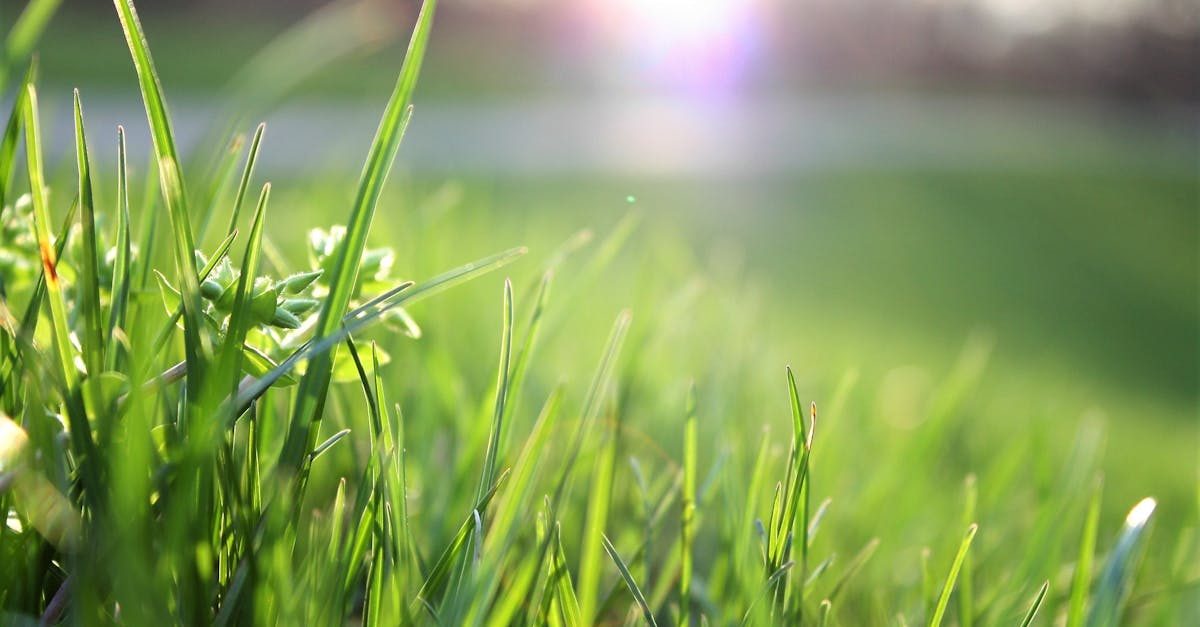
As a practical starting point, apply about 0.5 inch of water right away. You can measure this using a simple rain gauge or several straight-sided containers placed around the yard. Once the first half inch has infiltrated, apply another 0.5 inch 4 to 6 hours later. This staggered approach moves salts downward without saturating the soil all at once. Your total of around 1 inch within the first day is a good flushing threshold for many soils.
On very sandy soils, infiltration is quick, so you might be able to apply the full 1 inch in two closely spaced cycles. On heavy clay or compacted areas, break irrigation into more, shorter cycles to avoid runoff. For example, three cycles of roughly 0.3 inch each, spaced an hour apart, can be more effective than trying to force all the water in at once.
Focus extra attention on the most badly burned zones and any places where you know a spill occurred. You may water those specific squares a bit more than the general lawn, but continue to avoid standing water. If local regulations limit irrigation volume, prioritize flushing the worst areas first and then resume a more moderate schedule over the next few days to continue moving salts downward.
What Not to Do in the First Few Days
Several well-meant reactions can accidentally make fertilizer burn worse. Do not apply lime, gypsum, or soil amendments "just in case" unless you have a recent soil test that calls for them. Lime in particular can alter pH and add more ions to an already stressed environment. Similarly, do not spread compost or topsoil on top of severely burned areas immediately. The added organic matter can be helpful later, but in the first 72 hours your priority is dilution and leaching, not adding more material.
Avoid heavy traffic on damaged areas. The combination of salt stress and compaction from foot or equipment traffic can further reduce oxygen to roots and slow recovery. Keep pets, children, and wheelbarrows off visibly burned patches while the soil is wet and the plants are vulnerable.
Finally, resist the temptation to mow very short to "get rid of the brown tips." Scalping removes remaining healthy tissue and reduces the plant's ability to photosynthesize and recover. Stick to your normal mowing height, or even increase it by 0.5 inch for a few weeks. Taller grass shades the soil, moderates temperature, and encourages deeper rooting, all of which help a recovering lawn.
Step 3: Short-Term Recovery - The Next 2 to 4 Weeks
Adjust Watering to Support Recovery
After the initial flush, you move into a maintenance watering pattern that keeps the soil consistently moist, but not saturated, while the lawn recovers. For most turf, a target of about 1 to 1.5 inches of water per week, including rainfall, is ideal. In the first week after a severe overfertilization event, lean toward the higher end of that range, split into two to three deep waterings rather than daily sprinkles.
If day temperatures are high or you are dealing with cool-season grasses in summer, check soil moisture by pushing a screwdriver or soil probe into the ground. It should penetrate 4 to 6 inches with moderate pressure. If it only goes in an inch or two before hitting hard resistance, the soil is too dry, and you should adjust watering accordingly. Conversely, if the soil feels soggy or you see standing water, reduce frequency to allow more air into the root zone.
As you see signs of new green growth from the crowns, gradually transition back to your regionally appropriate irrigation schedule. The goal is to encourage roots to grow deeper again, not keep them dependent on daily shallow water. Deep, infrequent watering supports long-term resilience and reduces the risk of future fertilizer burn because the lawn can better buffer short-term salt spikes.
Monitor Color, Growth, and Root Health
During the first 2 to 4 weeks after an overfertilization event, expect a period where the lawn looks worse before it looks better. Some damaged tissue will continue to die and dry even after you have flushed the salts, because those cells were already beyond recovery. Your focus should be on watching for positive indicators: new leaf blades emerging from the crown, a subtle shift from straw to light green at the base, and a gradual reduction in the size of visibly dead patches.
Repeat the crown inspection weekly in a few representative spots. If previously questionable crowns are now clearly pushing new white shoots, your recovery plan is working. If a particular area still shows mostly brown, dead crowns after 3 to 4 weeks in the growing season, that turf is unlikely to rebound on its own and you should prepare to renovate those patches.
If you suspect root damage is extensive, you can cut a small sample plug with a trowel to examine the root depth. Healthy roots during active growth should extend at least 2 to 3 inches deep, and ideally more in good soil. Severely burned lawns may show roots concentrated in the top inch. With correct watering and no additional fertilizer stress, you should see gradual root extension downward over a month or two, particularly if you aerate later in the season as part of your recovery strategy.
Hold Off on Additional Fertilizer and Chemicals
It is natural to want to "feed" a struggling lawn, but for an overfertilized lawn, additional fertilizer is the last thing it needs right away. Typically you should avoid any further nitrogen applications for at least 4 to 6 weeks after a burn incident, and sometimes longer if the damage was severe or temperatures are stressful for your grass type.
If weed pressure is high during this recovery window, favor spot treatments with selective herbicides rather than blanket applications, or hand removal where feasible. Many preemergent and postemergent weed controls can add to plant stress. Read labels carefully and look for any cautions regarding use on stressed or damaged turf.
Fungicides and insecticides should also be used judiciously. If you legitimately identify a concurrent disease like brown patch or an insect problem like white grubs, treat them according to label directions, but do not use such products "just in case." Unnecessary applications do not help and can slow down beneficial soil biology that assists recovery.
Step 4: Repairing and Regrowing Damaged Turf
Deciding Between Recovery, Reseeding, and Resodding
After 3 to 4 weeks of careful irrigation and monitoring, you will have a much clearer sense of which areas are recovering and which are not. Where crowns are alive and sending out new leaves, simply maintain good cultural practices and be patient. Thin areas with some live plants can often fill in over time, especially for spreading grasses like Kentucky bluegrass, bermudagrass, or St. Augustine.
Where most or all crowns in an area are dead, you must decide between reseeding and resodding. Reseeding is usually more economical and works well for cool-season grasses like fescue and bluegrass when soil temperatures are in the optimal germination range, often 50 to 65 degrees Fahrenheit for cool-season species. Resodding provides an instant surface and is often preferred for warm-season lawns or where erosion control is important, but it is more expensive.
A rough rule of thumb is that if more than about 50 percent of the plants in a zone are dead, overseeding into the remaining turf will be slow and patchy. In that case, treating it as a full renovation area with aggressive seeding or sod replacement is more efficient. Smaller dead patches can be spot repaired, while very large burned zones might be managed as a full-lawn renovation if the rest of the turf was already in poor condition.
Preparing the Soil in Burned Areas
Before you seed or lay sod, you need to correct the burned soil so new grass has a better environment than the plants that died. Start by raking out all dead grass and debris. Use a stiff rake or dethatching rake to remove brown thatch down to mineral soil, which also helps you see whether any fertilizer granules remain. Dispose of this material rather than composting it if you suspect heavy salt residues.

Lightly loosen the top 1 to 2 inches of soil with a rake, cultivator, or small tiller in larger patches. The goal is to break up any crust, improve seed-to-soil contact, and encourage better infiltration for future watering. Avoid deep tilling in small repair areas, because that can create uneven settling and bumps.
At this point, consider adding a thin layer (about 0.25 to 0.5 inch) of quality compost over the area. Composting for a Healthier Lawn explains why this helps: it buffers salts, improves structure, and provides slow, gentle nutrition without the burn risk of synthetic fertilizers. Mix the compost lightly into the loosened soil. If you have not done a soil test in the last 2 to 3 years, this is also a good time to pull samples, since overfertilization may have altered pH or specific nutrient levels. How to Test Your Lawn's Soil covers simple procedures to follow.
Reseeding After Overfertilization
For reseeding, choose a grass seed that matches your existing lawn type and local climate. Best Fertilizers for Lawns often pairs recommended seed types with fertilizer strategies, which can guide your selection. Apply seed at the rate suggested on the bag, usually something like 3 to 5 pounds per 1,000 square feet for tall fescue or 1 to 2 pounds per 1,000 square feet for Kentucky bluegrass in overseeding situations. For complete bare-soil seeding, rates are typically higher.
Spread seed evenly over the prepared soil and gently rake to ensure good seed-to-soil contact. A light rolling with a lawn roller, or simply walking over the area with flat-soled shoes, can help press seed into the top layer without burying it too deep. Optionally, you can topdress with a thin layer of compost or straw mulch (no more than 0.25 inch) to help retain moisture and protect the seed from erosion or birds.
Water seeded areas lightly but frequently until germination. Aim to keep the top 0.5 inch of soil consistently moist, which often means watering 2 to 3 times per day for short durations in warm weather. Once seedlings emerge, gradually shift to deeper, less frequent watering to encourage root growth. Delay any additional fertilizer until seedlings have been mowed at least twice, and then use a low- to moderate-nitrogen starter at a reduced rate to avoid repeating the burn problem.
Resodding Severely Burned Sections
When using sod to repair overfertilized lawn damage, proper site prep is even more critical because sod is less forgiving of poor soil conditions. After removing dead turf and loosening the topsoil, level and smooth the area so the new sod will sit flush with surrounding grass. Moisten the soil lightly before installing, but do not saturate it.
Lay sod pieces tightly together, staggering joints like bricks to avoid long seams that can dry out. Press edges firmly to ensure good contact with the soil. Immediately after installation, water enough to soak the sod and top few inches of soil - typically 0.5 inch right away. Continue watering daily, or twice daily in hot weather, for the first week so the sod does not dry out. After 7 to 10 days, you can reduce frequency as roots begin to anchor, checking by gently tugging on a corner.
Avoid heavy foot traffic on new sod until it is well rooted, typically 2 to 3 weeks under good conditions. Hold off on fertilizer for at least 3 to 4 weeks, and then use a light application following the sod farm's guidelines. Since the underlying issue was overfertilization, your early focus should be on rooting and moisture management rather than pushing top growth with nutrients.
Recommended products

MySoil Soil Test Kit
A mail in soil test that shows whether salts and nutrients are still elevated after flushing.
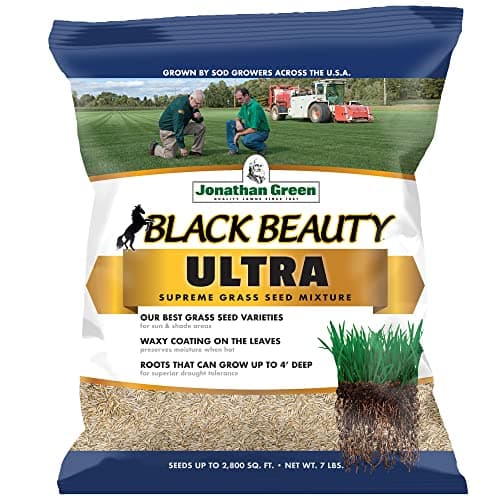
Jonathan Green Black Beauty Ultra Grass Seed
A tall fescue, bluegrass and ryegrass blend for reseeding burned out patches.
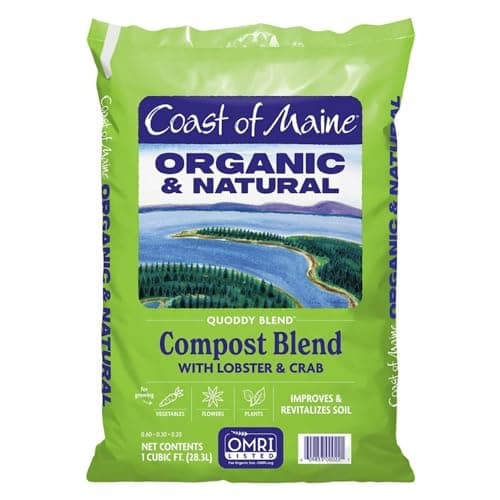
Coast of Maine Quoddy Blend Lobster Compost
A finished, screened compost for the quarter inch layer this section calls for over raked out burn areas.
Step 5: Long-Term Prevention - Fertilizing Without Burning
Know Your Grass Type and Seasonal Needs
Preventing an overfertilized lawn starts with understanding what your specific grass actually needs and when. Cool-season grasses like Kentucky bluegrass, perennial ryegrass, and tall fescue do most of their growth in spring and fall. Warm-season species like bermudagrass, zoysiagrass, and St. Augustine grow most aggressively in late spring through summer. Applying high nitrogen rates during their stress periods increases burn risk and does not provide much benefit.
Many university extension programs recommend a total annual nitrogen input in the range of 2 to 4 pounds of nitrogen per 1,000 square feet for typical home lawns, split into several applications. Higher-quality irrigated lawns might be at the higher end, while low-input or shade lawns stay at the lower end. Once you know your species and region, you can plan out a schedule that fits within those totals rather than guessing each time you buy a bag.
Matching fertilizer analysis to the season also matters. Early spring and fall applications for cool-season lawns often use balanced or slow-release products, while summer use of quick-release nitrogen is minimized. For warm-season grasses, late spring through mid-summer is the prime window. Avoid fertilizing 30 days before expected summer heat for cool-season turf and 4 to 6 weeks before dormancy for warm-season turf to reduce stress and disease risk.
Use the Right Product, Rate, and Equipment
Choosing a fertilizer that fits your soil test and lawn goals reduces the temptation to overapply. Organic vs Synthetic Fertilizers explains some of the differences: organic and slow-release sources release nutrients more gradually and are less likely to cause immediate burn, though they can still lead to overfertilization if massively overused. Synthetic quick-release products are effective but require precise rate control.
Always calculate the nitrogen rate, not just the product weight. For example, if you have a 30-0-4 fertilizer and want to apply 1 pound of nitrogen per 1,000 square feet, you would apply about 3.3 pounds of product per 1,000 square feet (because 30 percent of the product is nitrogen). The bag usually provides spreader settings for that rate, but double-check your math if you change products.
Calibrate your spreader at least once per season. Fill it with a known amount of product, apply over a measured test area, and see if the amount used matches the expected coverage (for example, a 15 pound bag labeled to cover 5,000 square feet should be mostly empty after that area if the setting is correct). Walk at a consistent pace and avoid overlapping too much. For drop spreaders, align wheels at the previously covered wheel tracks. For broadcast spreaders, aim for half-width overlap according to manufacturer guidelines.
Integrate Soil Health Practices
Healthy soil buffers against mistakes. Practices that build organic matter and improve structure make your lawn more tolerant of occasional minor overapplications. Core aeration every 1 to 3 years in compacted lawns improves infiltration and root depth, so salts are less likely to concentrate near the surface. Topdressing with compost at no more than 0.25 inch per application introduces slow, gentle nutrients and beneficial microbes.
How to Improve Soil pH for Grass describes how pH affects nutrient availability. If your soil is too acidic or too alkaline, plants struggle even at correct fertilizer rates, which can tempt you to add more product and risk burn. A soil test every few years gives you the data you need to apply lime or sulfur only when appropriate and at the right rate.
Grass height also matters. Mowing at the higher end of the recommended range for your species (often 3 to 4 inches for cool-season turf and 2 to 3 inches for many warm-season types) promotes deeper rooting and more resilient plants. Deep-rooted grass can access water and nutrients over a larger soil volume, so transient spikes near the surface are less damaging.
- Purdue Extension recommends applying no more than 1 pound of nitrogen per 1,000 square feet in a single application on cool-season lawns and limiting quick-release nitrogen during summer to reduce burn risk.
What Other Guides Miss: Key Pitfalls and Safety Factors
Overlooking Confirmation Tests and Crown Health
Many lawn care articles talk about fertilizer burn but skip the simple field tests that separate recoverable turf from dead grass. As a result, homeowners either give up too soon or waste weeks watering areas that will never regrow. Always inspect crowns in several spots. If most crowns in a patch are brown and nonviable after 3 to 4 weeks of active growing weather, that area needs renovation, not more patience.
Another commonly missed point is differentiating overfertilization from dog urine spots and diseases. If you are not seeing spreader-pattern stripes or a recent fertilizing event, re-evaluate before you irrigate aggressively. Misreading disease as burn can delay needed fungicide treatment, particularly in humid climates where brown patch and other pathogens are active.
Ignoring Local Water and Runoff Concerns
Guides often recommend simply "watering heavily" without acknowledging that aggressive flushing has environmental and regulatory implications. If you are near waterways or in a region with fertilizer ordinances, uncontrolled leaching can contribute to nutrient pollution. The solution is not to skip flushing altogether, but to use measured, staged irrigation and avoid pushing more fertilizer onto hard surfaces where it can wash into storm drains.
Check local guidelines or your municipality's website for any rules about fertilizer use and watering restrictions. If heavy flushing is impractical because of restrictions, focus on removing undissolved granules mechanically, then adjust to slightly higher but still reasonable irrigation over several weeks rather than trying to solve the problem in a single day.
Safety Around Kids, Pets, and Sensitive Plants
One more area often underplayed is safety during and after an overfertilization event. Concentrated granules, especially from spills, are more of an ingestion risk for pets and small children than properly applied product. Clean up visible piles promptly and store remaining fertilizer securely. When flushing, be mindful of overspray onto ornamental beds, as some shrubs and flowers are even more salt-sensitive than turfgrasses.
If you used a combination fertilizer and herbicide product, treat the burned area as chemically treated turf. Follow the label for reentry intervals for people and pets, and avoid composting clippings from that area until any herbicide breakdown period has passed. These small steps protect household health while you work on getting the lawn back in shape.
Conclusion
Fixing an overfertilized lawn is a matter of accurate diagnosis, timely flushing, and realistic expectations about what can be saved. If damage patterns match your recent fertilizer application and crowns remain firm and light colored, prompt irrigation and a pause on further fertilizer are usually enough to bring the lawn back over a few weeks. Where crowns are dead, focus on proper soil prep and reseeding or resodding rather than chasing a recovery that will not happen.
Preventing the problem from repeating is just as important as the rescue. Matching nitrogen rates to your grass type, calibrating your spreader, and building soil health all reduce the risk of burn and make your turf more forgiving if you are slightly off. For deeper planning on products and schedules that fit your yard, check out Best Fertilizers for Lawns and use those principles to design a low-risk feeding program tailored to your site.

Top Picks
- Scotts Turf Builder Weed and Feed 3 (5,000 sq. ft.)Check price on Amazon
- Jonathan Green (10322) Black Beauty Ultra Grass Seed - Cool Season Lawn Seed (7 lb)Check price on Amazon
- PetraTools Liquid Iron for LawnsCheck price on Amazon
As an Amazon Associate we earn from qualifying purchases.
Free Lawn Care Tools
When professionals talk about an overfertilized lawn, they are not just describing any lawn that got "too much food." Overfertilization is a specific situation where nutrient and salt levels in the root zone rise high enough to damage turfgrass tissues or disrupt soil function.
It is important not to assume overfertilization just because you see brown patches after fertilizing. Several other lawn problems produce similar symptoms. If you misdiagnose, you could delay the correct treatment or even make the real issue worse by adding extra water or avoiding needed fungicides or insect control.
Fertilizer burn usually shows up within a few days of fertilizing and follows clear patterns like straight lines, stripes, or the exact paths where you pushed the spreader or had a spill. Drought stress tends to be more uniform, matching sunny, dry areas rather than application patterns, and footprints may linger because the grass does not spring back. With fertilizer burn, you often see sudden yellowing, browning, or crispy blades right after an application. Drought damage develops more gradually and is tied to lack of moisture rather than recent fertilization.
Start by irrigating deeply as soon as you notice yellowing, browning, or crisping that matches your spreader pattern. Apply about 0.5 inch of water right away, then another 0.5 inch 4 to 6 hours later to flush excess salts below the root zone without suffocating the grass. Avoid adding any more fertilizer or weed-and-feed products, even if the lawn looks pale. Over the next few days, monitor for stabilization and new growth rather than trying to “green it up” with more product.
Check the crowns at the base of the grass blades where they meet the soil. If the crowns are white or cream-colored and firm, the grass is stressed but still alive and can recover with proper watering and care. If the crowns are brown and dry or mushy, that turf is dead and will not grow back. In those dead areas, you will need to rake out the dead material and plan to reseed or resod once conditions are right.
Reseeding or resodding is only needed where the crowns are brown and dead and flushing and watering have not led to any new growth. After raking out dead turf and loosening the top inch of soil, wait until temperatures are suitable for your specific grass type to ensure good establishment. Cool-season grasses do best in cooler spring or fall weather, while warm-season grasses prefer late spring to early summer. While you wait, correct your fertilizer rates, timing, and spreader settings so you do not repeat the same mistake on the new turf.
Photos: Matthias Cooper / Pexels, Shivansh Sharma / Pexels, Trần Long / Pexels

Beat weeds and brown spots from your phone
Snap a photo, get the fix, and follow a plan timed to your soil and weather. Free on iPhone.