Master the Art of Soil Leveling
 Sarah MitchellLawn Diagnostics Specialist | 12 Years
As an Amazon Associate we earn from qualifying purchases.
Uneven soil is one of the most common reasons lawns look patchy, scalp during mowing, and stay wet in all the wrong places. Soil leveling is the process of creating a smooth, consistent surface so grass can root evenly, water can move correctly, and your mower can run without bouncing or gouging the turf.
Soil leveling is often confused with grading and topdressing, but they are not the same thing. Leveling focuses on removing bumps and filling shallow dips to create a uniform surface. Grading focuses on establishing a proper slope, usually away from your house or structures, to control where water flows. Resloping or regrading is a more intensive version of grading that often requires heavy equipment and may strip or replace the existing lawn. Topdressing is the lighter practice of spreading a thin layer of soil or compost over the surface, which can be part of a leveling project but does not always solve deeper problem areas by itself.
When your soil profile is reasonably level and correctly sloped, turf becomes denser and more uniform because roots have consistent access to air, water, and nutrients. Mowing becomes smoother, with fewer scalped spots and less "chatter" from the deck. Drainage improves, so you see fewer puddles, fewer muddy ruts, and fewer low spots where weeds and turf diseases typically get a foothold.
Mastering the art of soil leveling benefits different types of homeowners and lawn enthusiasts. If you want a professional quality lawn without paying for a full renovation, correct leveling can fix the worst flaws in your yard. DIYers dealing with bumpy lawns, tire ruts, and settling around walkways can use leveling to eliminate tripping hazards and standing water. Advanced lawn hobbyists who maintain play areas, sports turf, or backyard putting greens rely on precise leveling to get predictable ball roll and performance.
This guide will walk through how to assess your current lawn grade, choose the right soil and tools, and use practical methods for minor, moderate, and severe leveling issues. We will also cover seasonal and regional timing strategies, how soil type and compaction factor in, and specific mistakes to avoid that many guides do not address. If you want to master the art of soil leveling in a methodical, evidence based way, this is your blueprint.
If your lawn has puddles after rain, scalped patches from mowing, or noticeable dips and bumps underfoot, it typically needs soil leveling. Confirm by using a long straight board or an 8 to 10 foot 2x4 with a level: slide it across the turf and mark any gaps deeper than about 1 inch under the board or high spots that rock the board upward. If those gaps are widespread, shallow leveling and topdressing will not be enough in a few isolated spots, you need a targeted leveling plan.
The core fix is to fill low spots and shave down high spots while maintaining a gentle slope away from your home, roughly 1 to 2 percent grade, meaning about 1/8 to 1/4 inch of drop per foot. For minor unevenness, apply a 1/4 to 1/2 inch layer of a leveling mix and rake it into the turf, repeating every 4 to 6 weeks during the growing season instead of dumping inches of soil all at once. Do not smother your grass with thick layers of soil or try to make the lawn perfectly flat without considering drainage.
Most minor to moderate leveling work shows visible improvement within 2 to 4 weeks as grass grows through the new soil layer and begins to blend the surface. Larger repairs that involve removing sod or adding more than 2 inches of soil can take an entire growing season to fully knit together. Plan your main leveling tasks for the active growing period for your grass type, typically late spring for warm season grasses and late summer to early fall for cool season grasses, so turf recovers quickly.
Understanding Soil Leveling: Terms, Concepts, and Goals
What “Soil Leveling” Really Means
Soil leveling is about achieving a consistent, even lawn surface that is comfortable to walk on, safe for play, and easy to mow. It is not necessarily about making the lawn perfectly flat. In practice, you want a combination of smoothness underfoot and a subtle, functional slope so water goes where it should.
It helps to separate a few key terms:
- Leveling is the fine tuning. You work on the upper few inches of soil to remove bumps, fill shallow to moderate depressions, and create a smoother plane for turf. This is most of what homeowners do when they "fix a bumpy lawn."
- Grading is the larger scale shaping of the yard. The goal is to create a controlled slope, usually at least 1 percent and often up to 2 percent, away from your foundation and toward a safe drainage outlet. This may involve adding or removing several inches or even a foot of soil in certain areas.
- Resloping or regrading goes further. It often requires skid steers or tractors, stripping sod, redistributing large volumes of soil, and possibly rebuilding parts of the landscape. This is appropriate for major water problems, construction damage, or new builds.
For a typical home lawn, full resloping is rarely necessary unless you are dealing with chronic water flowing toward the house or large sections of lawn that stay underwater. In most cases, you are blending leveling and light grading: smoothing the surface while ensuring there is a subtle pitch away from structures.
The idea of "perfectly flat" is tempting, especially for people interested in sports turf or putting green style lawns. In reality, perfectly flat surfaces tend to hold water unless they are built on sand based rootzones with engineered drainage, like golf greens. For residential yards with typical soils, you almost always want a gentle slope so water does not pond. Aim to master the art of soil leveling with that slope in mind rather than fighting against it.
How Soil Leveling Affects Lawn Health
A level soil surface directly influences how grass plants develop their root systems. When the lawn is bumpy, some areas have thin soil over hard subsoil, while nearby depressions may trap water. Grass on the high spots often struggles because roots dry out faster and may not anchor deeply. Grass in low spots may sit in soggy soil, which reduces oxygen, encourages root diseases, and can eventually thin or kill the turf.
Leveling improves root-to-soil contact across the yard. With consistent soil depth and fewer abrupt rises or dips, roots can explore a more uniform profile, which stabilizes the stand of turf. When combined with good fertilization, such as using products discussed in Best Fertilizers for Lawns, and attention to soil chemistry such as in How to Improve Soil pH for Grass, a well leveled soil surface maximizes the benefit of every input you provide.
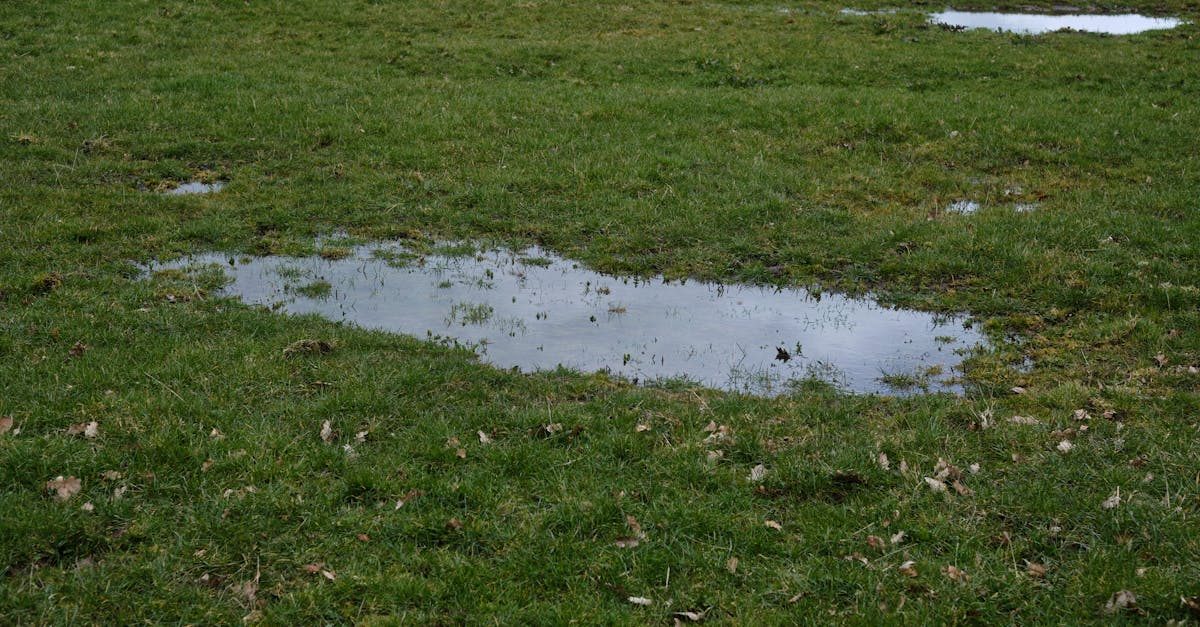
Water distribution is another major factor. In a bumpy lawn, low spots become puddle zones where water lingers. High spots may shed water so quickly that even a 1 inch weekly irrigation target leaves those areas dry. Leveling reduces these extremes, letting water infiltrate more evenly and move along the intended grade. This also reduces microenvironments where weeds and disease love to develop. If you consistently see moss or algae in some depressions, or drought stressed rings around them, it usually points to grade and leveling issues.
Mowing quality ties all of this together because the mower is very sensitive to surface variation. High spots get scalped when the deck rides up then suddenly drops, which stresses grass and can invite weeds into the bare patches. Low spots get missed, leaving tufts that look ragged. Over time, the combination of scalped and shaggy areas makes even healthy grass look unkempt. A smoother soil profile lets you mow at the recommended height for your grass without constantly adjusting or worrying about taking the tops off crowns on the next pass.
When You Should (and Shouldn’t) Level Your Soil
The most obvious indicator that your lawn needs leveling is visible unevenness, but you can break the signs into a few categories. Standing water that persists more than 24 to 48 hours after a normal rain usually points to depressions or compaction. If the rest of the yard drains but one or two areas stay wet, those are prime targets for leveling, once you confirm the soil is not simply heavy clay that drains slowly everywhere.
Mowing symptoms are equally important. If you notice scalped stripes where the mower blades hit the soil on slight ridges, or hear the deck chattering and bouncing even on low speed, the issue is typically a combination of bumps and dips. Walk the same path and pay attention to how your feet move: any spot that feels like a sudden step up or down should be flagged for inspection.
Safety signs matter too. Ankle twisting holes, sunken spots from old tree stumps, or tire ruts from construction equipment create real trip hazards. Those are clear candidates for targeted soil leveling. If kids trip in the same place repeatedly or you feel forced to avoid certain areas when mowing, you can be confident those areas need attention.
There are also situations where leveling alone is not enough. If water consistently flows toward your foundation or into your garage, you are dealing with a grading problem first and a leveling problem second. Similarly, if large portions of the yard stay wet, not just individual pockets, you may need to install drainage, such as French drains, or correct subgrade issues before focusing on surface smoothing.
Compacted subsoil is another limiter. If a screwdriver or soil probe cannot be pushed at least 4 to 6 inches into the ground with steady hand pressure, compaction is likely contributing to puddling and poor turf performance. In that case, core aeration or even deep tilling in severe cases must be part of the solution, not just surface soil leveling. Articles like How to Test Your Lawn's Soil and Composting for a Healthier Lawn can help you evaluate whether the underlying soil needs improvement first.
As for when to call a professional instead of tackling things DIY, consider the scale and risk. If your leveling needs are mainly cosmetic, such as tire tracks or scattered low spots under 2 inches deep, a homeowner can typically handle the work with a rake, shovel, and leveling mix. If you need to move several yards of soil, work near foundations, or correct grades over large areas, hiring a landscape contractor or grading specialist usually saves time and reduces the chance of creating new water problems.
Diagnosing Your Lawn: Assessing Soil and Slope Before You Start
Step 1: Visual and Physical Assessment
Before moving a single shovel of soil, spend time understanding the current condition of your lawn. A basic "walk your lawn" test is the best starting point. Walk slowly in a grid pattern over the entire yard, wearing shoes with thin soles so you can feel changes underfoot. A relatively level lawn feels predictable, with only subtle variations. If you find yourself constantly adjusting your balance or stepping into surprise low spots, the surface needs attention.
As you walk, mark any obvious depressions and high spots. Small flags, inverted marking paint, or even biodegradable flour can work for temporary marking. Marking both sides of a bump or dip helps you visualize later how large the area is and how much material it might require. Do not worry yet about depth, just identify patterns. Common patterns include low areas along old utility trenches, slight humps along former garden beds, and depressions where tree roots have decayed.
Next, observe the lawn after a moderate rain, not a once in a decade storm. The goal is to see how water behaves when the soil profile is reasonably saturated but not overwhelmed. Puddles that linger longer than surrounding areas usually form in legitimate depressions or spots where subsoil is compacted. If you see a puddle but the water disappears at about the same time as everywhere else, the issue may be slower infiltration rather than a true low spot.
To differentiate slow infiltration from depressions, lightly probe the soil in the wet area with a screwdriver. If you hit hard resistance just below the surface and the puddle area feels spongy or muddy, compaction is likely part of the issue. If you see an obvious bowl shape, with higher ground all around, then leveling with fill soil will be part of the solution.
Step 2: Use Simple Tools to Check Level and Grade
Once you have a general sense of where the worst areas are, simple measuring tools help quantify what you are dealing with. The string line and stake method allows you to estimate grade across a distance. Drive a stake near the foundation or the high point of the area you are evaluating, and another stake 10 to 20 feet away in the direction water should flow. Attach a string between them at the same height above the ground on the higher stake, then use a line level or regular carpenter's level to make the string level.
Measure the distance between the two stakes, then measure the drop from the string to the soil surface at the lower stake. For instance, if the stakes are 20 feet apart and the string is 4 inches above the soil at the lower stake, that is a 4 inch drop over 20 feet. To get the slope percentage, divide the drop by the distance in inches and multiply by 100. Here that is 4 divided by 240, multiplied by 100, which is about 1.7 percent. For most residential lawns, a slope of 1 to 2 percent is ideal to move water without creating erosion.
For local surface irregularities, a long straight board or 8 to 10 foot 2x4 combined with a level gives better insight. Lay the board on the lawn, place the level on top, and adjust until the bubble is centered. Look for gaps under the board and high points where the board rocks. If you see gaps more than about 1 inch deep in many places, that indicates low spots that need filling. If the board rests on a hump while the surrounding area has gaps, that hump is a candidate for shaving or for feathering soil around it to smooth the transition.
Homeowners looking to build sports turf or a backyard putting surface might choose a laser level or transit level for added precision. These tools project a consistent reference line across larger areas, making it easier to map subtle variations and plan fine grading. They are especially useful if you want to maintain a consistent 1 percent slope over a longer run or if you need extremely level performance areas. Rental shops often carry these tools if you do not want to purchase one.
Step 3: Evaluate Soil Type and Compaction
Soil type influences both how you level and which materials you use. A simple soil texture test helps you categorize your native soil as sand, silt, clay, or a loam mix. For the jar test, take samples from several spots in the lawn, mix them, and place the soil in a clear jar with water and a bit of dish soap. Shake well, then let it settle for 24 hours. Sand settles first at the bottom, followed by silt, then clay which stays suspended longer. The relative thickness of each layer gives you a sense of your dominant texture.
A quicker squeeze test can be done on moist soil. Grab a small handful and squeeze it into a ball. If it falls apart immediately, it is likely sandy. If it forms a ball that you can press into a ribbon, and that ribbon holds together over 2 inches long, clay is dominant. Loam will form a ball but breaks apart when you attempt to form a long ribbon. This matters because high clay soils are more prone to puddling and compaction, while sandy soils drain quickly but may require more organic matter to maintain structure.
Compaction testing is equally important. Use a screwdriver, long spike, or soil probe and push it straight down by hand. In relatively healthy, non compacted soil, you should be able to reach 6 inches deep with moderate effort. If you struggle to get past 2 or 3 inches, especially in multiple locations, core aeration should be part of your leveling strategy. Leveling on top of compacted soil temporarily hides the symptoms but does not solve the underlying problem.
If soil testing is available in your area, consider sending a sample to a lab as you would when following a guide like How to Test Your Lawn's Soil. The same sample can confirm pH, nutrient levels, and organic matter content. Knowing whether your lawn is low in organic matter or has a pH that is outside the optimal range for your grass type helps you decide whether to include compost, sand, or topsoil in your leveling mix and whether you should also address pH as covered in How to Improve Soil pH for Grass.
- Penn State Extension recommends maintaining a slope of about 1 to 2 percent away from foundations to manage surface water effectively without causing erosion.
Planning Your Leveling Strategy: Matching Method to Problem Severity
After you have mapped bumps, dips, soil type, and slope, the next step is choosing the right approach. Not all uneven lawns require the same level of intervention. You can think in three categories: minor surface smoothing, moderate spot leveling, and major corrective work.
Minor surface issues include shallow undulations that are less than 1 inch high or deep over most of the lawn. These typically show up as a slightly bumpy mower ride and cosmetic imperfections, but not serious puddling or hazards. Moderate issues include depressions or humps around 1 to 3 inches in depth or height, especially if they cause puddles, trip hazards, or distinct scalping zones. Major issues include anything deeper than 3 inches, significant slopes toward structures, or wide swales that disrupt mowing and use.
Matching method to severity prevents wasted effort. For example, applying a thin 1/4 inch layer of topdressing to a 3 inch deep hole will require many rounds to catch up, and you will likely smother the grass in the hole before you fill it. Conversely, stripping sod to fix a 1 inch dip everywhere is overkill and may create more seams and stress than you solve. Most lawns have a mix of severities, so it is common to use more than one method across different areas in a single project.
Choosing Materials: Sand, Topsoil, Compost, or a Mix?
The material you use to fill low spots or lightly topdress the entire lawn has long term effects on drainage and turf health. The three main components are sand, soil (topsoil or similar), and compost. Each has strengths and weaknesses, and the best leveling mix usually combines them.
Sand drains quickly, resists compaction, and spreads easily. It is commonly used on golf greens and sports fields to create firm, fast surfaces. However, sand alone holds little nutrient or water and can create layering problems if placed in thick bands over clay. Topsoil provides mineral structure and nutrients, but its quality varies widely. A good topsoil is typically loam with moderate organic matter and no large debris. Compost adds organic matter, improves soil biology, and buffers both sand and clay, but too much compost in the leveling layer can cause settling as it decomposes.
For most home lawns, a blend of approximately 40 to 50 percent sand, 30 to 40 percent screened topsoil, and 10 to 20 percent high quality, well finished compost works well as a leveling mix. The sand provides stability and infiltration, the soil adds structure and nutrients, and the compost supports microbial life and root growth. If your native soil is very sandy already, you might reduce or skip the sand and focus more on soil and compost. If it is heavy clay, including sand and compost can improve surface drainage without creating a distinct sand over clay layer, as long as you mix adequately.
Whatever you choose, screen out rocks, sticks, and clumps larger than about 1/2 inch. This makes spreading and raking much easier and prevents hidden obstacles that can interfere with mowing later. High quality compost, like that discussed in Composting for a Healthier Lawn, should be fully decomposed, dark, and crumbly without recognizable food or yard waste pieces.
Step-by-Step Leveling Methods: Minor, Moderate, and Major Fixes
Method 1: Minor Leveling and Surface Smoothing
Minor leveling is suitable when your lawn is mostly healthy, with shallow bumps and dips that are less than about 1 inch. The goal is to gradually smooth the surface without significantly burying the existing grass. This method is often combined with regular maintenance such as aeration and overseeding.
Timing matters. For cool season grasses like Kentucky bluegrass, perennial ryegrass, and fescues, the best window is usually late summer into early fall, roughly August through September in many regions, when soil is warm but air temperatures have started to cool. For warm season grasses like bermuda, zoysia, and St. Augustine, late spring through midsummer is ideal when these grasses are in peak growth and can recover quickly. Aim to apply leveling material when the lawn is actively growing and not under heat or drought stress.
Here is a practical sequence for minor leveling:
- Mow slightly shorter than usual, about 0.5 inch below your normal height, but do not scalp. This exposes more of the soil surface and makes it easier to work material into the canopy.
- Core aerate if compaction is present. Removing plugs 2 to 3 inches deep before spreading leveling mix lets material partially fill the holes, which helps integration with the existing soil.
- Spread a thin layer of leveling mix, targeting 1/4 to 1/2 inch thick across the surface. Use a shovel or broadcast spreader for even distribution.
- Drag and rake the material into the turf using a landscape rake or leveling rake. The goal is for grass blades to poke through the layer, not be buried beneath it. You should still see green, not just soil.
- Water lightly to settle the mix into place. Aim for about 0.25 to 0.5 inch of water, enough to moisten the new layer without causing runoff.
If areas remain uneven after the first application, allow the grass to grow for 3 to 4 weeks, then repeat the process. It is safer to perform several thin applications over a season than to apply more than 1/2 inch at once and risk smothering the turf. Most lawns respond well to 1 to 3 rounds of minor leveling spaced 4 to 6 weeks apart.
Method 2: Moderate Spot Leveling (1 to 3 inches)
Moderate depressions or humps between 1 and 3 inches require more targeted work. For low spots of this depth, adding soil alone in a single application may bury existing grass crowns, particularly in cool season lawns. You can approach these spots in a staged way or decide to remove and replace small sections of sod.

For small low spots, such as those around irrigation heads or in former tree locations:
- Use a spade to cut the sod in a square or rectangle around the low area, keeping pieces manageable like 12 by 12 inches or 18 by 18 inches. Cut at a depth of about 1 to 2 inches so you get the sod layer with a bit of soil attached.
- Carefully lift and roll back the sod, placing it on a tarp in the shade to prevent drying.
- Add leveling mix to the low spot, compacting lightly with your foot or a hand tamper in 1 inch layers. Aim to bring the area up to about 1/2 inch below the surrounding grade to allow for sod thickness.
- Lay the sod back in place, pressing edges together tightly. You may need to trim small pieces to fit perfectly.
- Water thoroughly, providing about 0.5 to 0.75 inch of water to help the sod reattach.
If the low area is broader, you can sometimes gradually fill from the top without stripping sod, similar to minor leveling but with staged applications. Apply 1/2 inch layers, let grass grow through and recover for 3 to 4 weeks, then repeat until the depression is filled. This approach works best for aggressive warm season grasses that spread by stolons or rhizomes, such as bermuda and zoysia, which can quickly colonize the new soil.
For moderate humps, such as where soil was piled during construction, you may need to remove material. In that case:
- Cut and remove the sod as before if you want to reuse it, or plan to reseed if the area already has poor turf.
- Shave down the high spot using a flat shovel or garden rake, checking with your board and level frequently to avoid over digging.
- Feather the soil into the surrounding area, avoiding sharp transitions that create new dips.
- Replace the sod or reseed, following good seeding practices and keeping the area consistently moist until establishment.
Method 3: Major Leveling and Regrading
Major leveling projects are appropriate when you have areas deeper than 3 inches, large swales, or incorrect overall grade directing water toward structures. These projects often involve heavy equipment or at least significant manual labor and are best scheduled during optimal growing windows with enough time before extreme weather.
For major depressions, such as sinkholes over old stumps or utility work, the key is to deal with underlying voids or organic matter first. If decaying roots or debris are present, they will continue to settle over time, causing new low spots. You may need to excavate down to solid soil, remove decayed material, then rebuild the area with compacted fill. Compact in 2 to 3 inch layers to minimize future settling and stop about 2 inches below final grade so you can add quality topsoil and reestablish turf.
For large scale slope corrections, many homeowners choose to work with a contractor who has a skid steer or tractor with a grading blade. The process typically includes stripping the existing sod if it is worth saving, rough grading to establish the new slope (checking for the target 1 to 2 percent grade using string lines or laser level), adding or removing soil as needed, and then either replacing sod or seeding. While DIY regrading is possible, the risk of creating new drainage problems or exposing subsoil that grows poor turf is higher if you lack experience.
Regardless of tool choice, any major level change should be followed by soil finishing. This means adding a 2 to 4 inch layer of quality topsoil, possibly amended with compost, over the regraded area, then lightly raking and rolling to firm the surface. This finishing layer is where your grass roots will live, so it is worth investing in good material rather than relying solely on subsoil.
- Ohio State Extension notes that filling low areas deeper than about 2 inches in one application can smother turf and recommends either sod removal and replacement or multiple thinner fills.
Recommended products
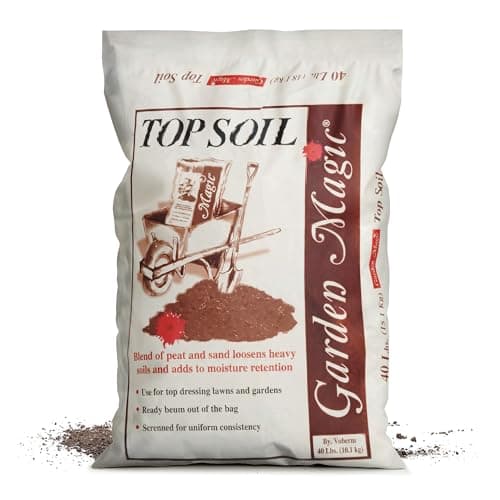
Michigan Peat Garden Magic Organic Top Soil
A screened organic topsoil that blends into a leveling mix for filling shallow dips.

Coast of Maine Quoddy Blend Lobster Compost
A finished, screened compost for amending the leveling mix and the finishing layer over regraded ground.

Jonathan Green Black Beauty Ultra Grass Seed (7 lb)
A cool-season blend for reseeding the spots where deeper leveling buried or removed existing turf.
Seasonal and Regional Strategies for Soil Leveling
Timing your leveling work to your climate and grass type improves recovery and reduces stress. Cool season grasses perform best in cooler air temperatures, typically between 60 and 75 degrees F, so leveling during hot midsummer conditions can cause extra stress. Conversely, warm season grasses prefer heat and may respond poorly to aggressive leveling too early in spring or too late in fall.
For cool season regions, plan most leveling, especially moderate and major work, for late summer to early fall. In many areas this means mid August through September. Soil is still warm, which encourages root growth, but air temperatures are coming down from summer peaks. If you plan to overseed after leveling, fall is also the best seeding window for cool season turf. Minor surface smoothing can also be done in spring, roughly April through early May, as long as soils are not waterlogged and grass has started to grow, but fall remains the prime time for recovery.
In warm season regions, the main leveling window runs from late spring through mid summer. You want the grass out of dormancy and actively growing. In many areas, late May through July works well. Soil is warm, days are long, and warm season grasses are aggressive enough to cover disturbed areas quickly. Avoid major leveling very early in spring when nights are still cool or late in the year when the grass is slowing down and preparing for dormancy.
Regional climate also influences material choice. In very sandy coastal areas, adding more sand may be unnecessary and even counterproductive, whereas adding soil and compost will help retain moisture and nutrients. In high rainfall climates with heavy clay, using a sand and compost heavy leveling mix can improve surface structure and reduce standing water. Local extension resources and soil tests can refine this further, and considering guides like Organic vs Synthetic Fertilizers can help you integrate nutrient management with your leveling work.
Integrating Leveling With Broader Lawn Care
Soil leveling is not isolated from the rest of your lawn care program. It is most effective when combined with attention to soil fertility, pH, organic matter, and mowing and irrigation practices. Think of leveling as setting the physical foundation that allows everything else you do to have full impact.
After a leveling project, especially moderate and major work, the lawn often benefits from a balanced fertilization to support recovery. Choosing between products detailed in Best Fertilizers for Lawns or weighing Organic vs Synthetic Fertilizers will depend on your philosophy and soil test results, but in general a modest dose of nitrogen, around 0.5 to 0.75 pounds of actual nitrogen per 1000 square feet, helps drive new root and shoot growth without causing excessive top growth that can stress the recovering turf.
Maintaining proper pH, as discussed in How to Improve Soil pH for Grass, ensures nutrients are available to the recovering lawn. If your soil test shows pH issues, coordinate lime or sulfur applications with your leveling work. It is often easier to incorporate these materials into the top few inches of soil while you are already disturbing and smoothing the surface.
Composting for a Healthier Lawn fits naturally into leveling by using screened compost as part of your leveling mix. Repeated light topdressings with compost over several years increase organic matter, improve soil structure, and make future leveling efforts less frequent, since the soil resists compaction better and drains more uniformly.

What Other Guides Miss: Common Mistakes to Avoid
Many soil leveling guides gloss over several critical issues that can make the difference between a quick cosmetic fix and a durable improvement. Understanding these pitfalls helps you avoid redoing the same work year after year.
One common oversight is ignoring the overall grade while chasing surface smoothness. If you focus only on bump and dip removal without checking that water still flows away from your house and hardscapes, you can accidentally create pooling near the foundation or drive water toward your neighbor's property. Always reassess slope with a string line or long board after you fill or shave larger areas. A threshold to watch is any section where the slope is less than about 1 percent away from the house or, worse, tips back toward it. Correct those areas before finishing your leveling.
Another frequent mistake is adding too much soil at once over living turf. When you apply more than about 1/2 inch of material uniformly over most grasses, you risk burying the crowns, which are the growing points at the base of the plants. If you see mostly soil and very few grass blades after spreading, you have probably gone too heavy. The fix is to rake back some material, thin the layer, and plan multiple light applications instead of a single heavy one.
Guides also often fail to emphasize confirmation steps before and after work. Before leveling, confirm compaction with a screwdriver test and confirm whether puddles are from depressions or just slow draining clay. After you level, test again with your long board or 2x4 and level to ensure you have actually smoothed the area to within about 1/2 inch of surrounding grade. These checks take a few minutes but prevent surprises after the next rain or the next mow.
Lastly, many tutorials do not address regional timing and grass type differences, treating all lawns the same. If you level aggressively during dormancy or extreme heat, recovery can be slow or patchy. Always align your main leveling work with the active growth period for your grass type and leave only very minor smoothing or touch ups for less optimal times of year.
Conclusion: Putting It All Together for a Safer, Healthier Lawn
Soil leveling is a structural improvement that pays dividends in every aspect of lawn care. By carefully diagnosing where bumps, dips, and grade problems exist, then matching your approach to the severity of each issue, you create a smoother, safer surface that supports uniform root growth, better water management, and cleaner mowing.
The key steps are consistent: assess visually and with tools, understand your soil type and compaction, plan a realistic leveling strategy, choose appropriate materials, and time your work to your grass's peak growth period. Avoid shortcuts like burying turf under thick soil layers or ignoring the overall slope, and confirm your results using simple tests after each stage.
Once your lawn is properly leveled, maintaining it with sensible mowing heights, consistent irrigation of around 1 to 1.5 inches of water per week in active season, and periodic soil testing will keep the surface true and the turf dense. To round out your renovation, check out related resources like Best Fertilizers for Lawns, How to Test Your Lawn's Soil, and Composting for a Healthier Lawn so your newly leveled soil also has the nutrients and biology it needs to support a truly high performing lawn.
Top Picks
- Professional Lawn Leveling Rake 36x10 inchCheck price on Amazon
- MySoil Soil Test KitCheck price on Amazon
- HSLGOVE 7-in-1 Soil Test KitCheck price on Amazon
As an Amazon Associate we earn from qualifying purchases.
Free Lawn Care Tools
The material you use to fill low spots or lightly topdress the entire lawn has long term effects on drainage and turf health. The three main components are sand, soil (topsoil or similar), and compost. Each has strengths and weaknesses, and the best leveling mix usually combines them.
Look for puddles after rain, scalped patches from mowing, and noticeable dips and bumps when you walk across the lawn. Use a long straight board or an 8–10 foot 2x4 with a level and slide it over the turf; mark any gaps deeper than about 1 inch or high spots that rock the board. If those problem areas are widespread rather than isolated, you need a targeted soil leveling plan rather than just a light topdressing.
A healthy lawn should have a gentle slope away from the house or structures of about 1–2 percent. That means roughly 1/8 to 1/4 inch of drop per foot of distance. This subtle pitch keeps water moving away from foundations and helps prevent puddling without making the yard feel noticeably sloped.
Most minor to moderate leveling shows visible improvement within 2–4 weeks as grass grows through the new soil and smooths the surface. Larger repairs that involve removing sod or adding more than 2 inches of soil can take an entire growing season to fully knit together. Recovery is fastest when leveling is done during the active growing period for your grass type.
The best timing lines up with the main growing season for your grass. For warm-season grasses, late spring is ideal, and for cool-season grasses, late summer to early fall works best. Leveling during active growth lets the turf recover quickly and root into the new soil layer.
Avoid dumping thick layers of soil all at once, because that can smother the grass and create new uneven spots. For minor unevenness, stick to light applications of 1/4 to 1/2 inch at a time and repeat every 4–6 weeks during the growing season. Also, don’t chase a perfectly flat surface without considering drainage; you still need a gentle slope so water doesn’t pond.
Photos: Gustavo Fring / Pexels, Karola G / Pexels, Rodion Kutsaiev / Pexels

Beat weeds and brown spots from your phone
Snap a photo, get the fix, and follow a plan timed to your soil and weather. Free on iPhone.