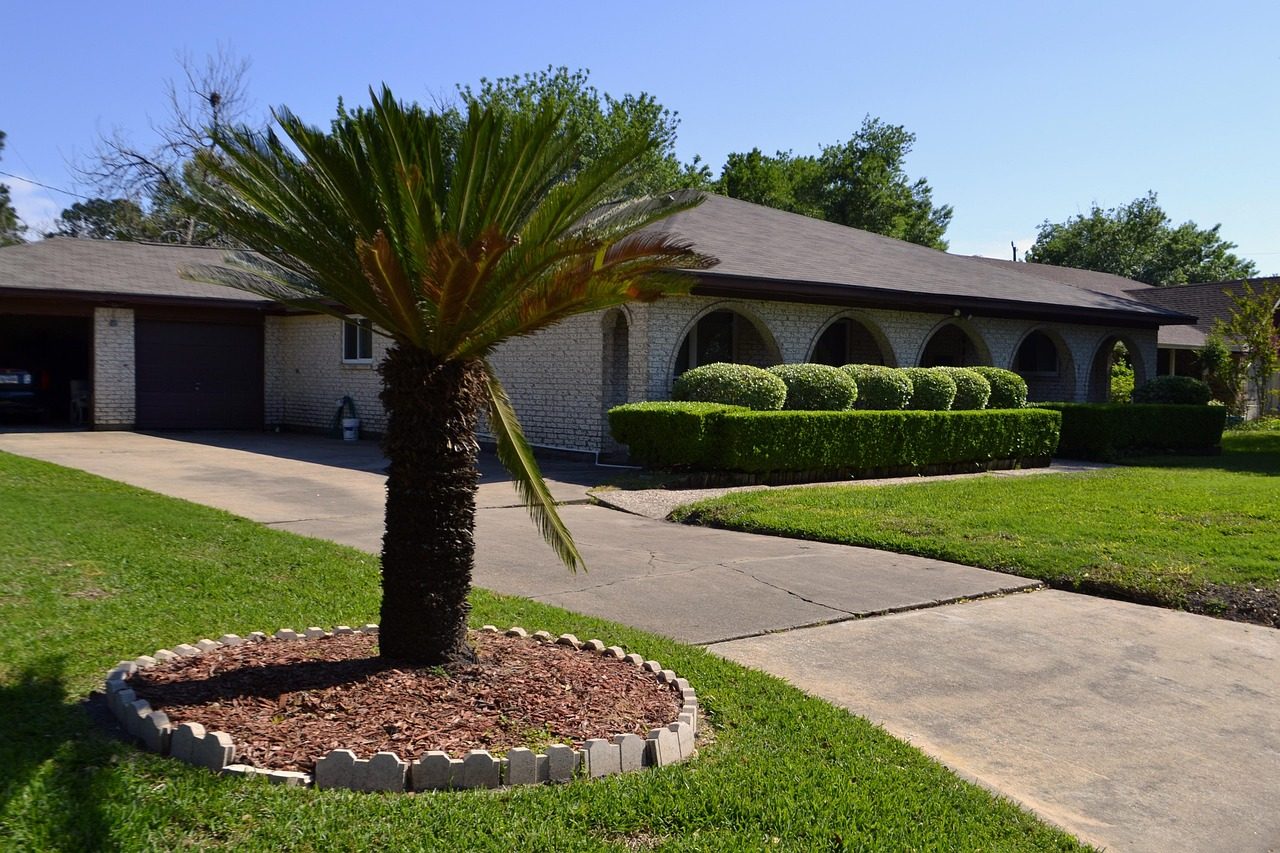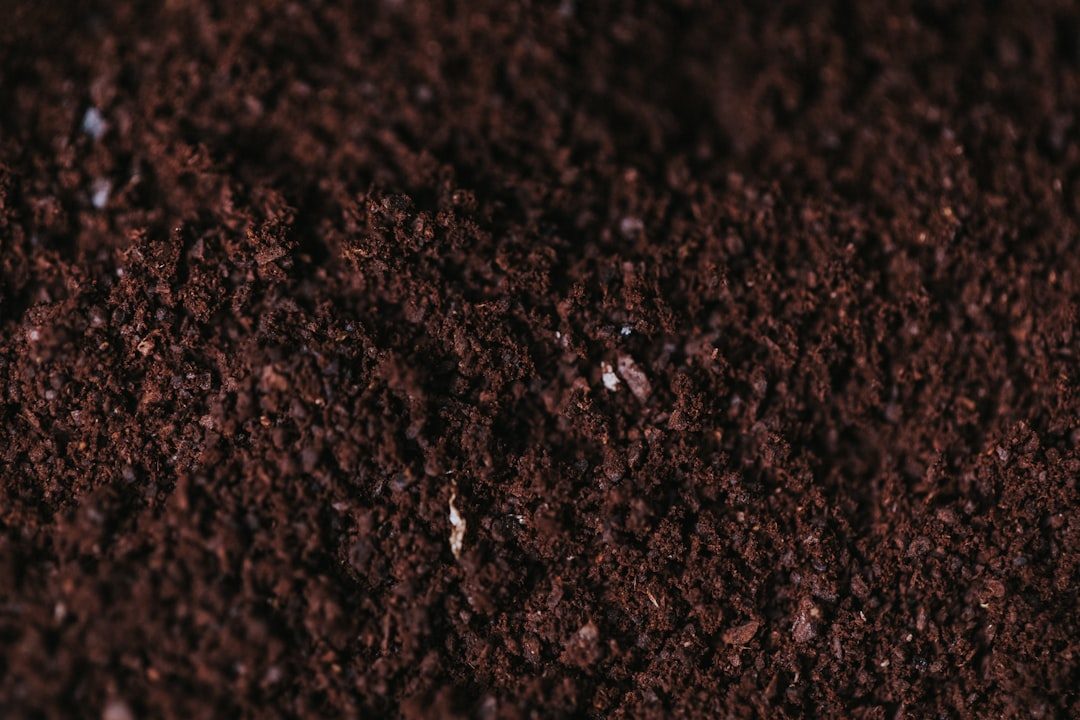
Can You Put Topsoil on Top of Grass? Safe Depths and How-To
 Sarah MitchellLawn Diagnostics Specialist | 12 Years
As an Amazon Associate we earn from qualifying purchases.
Quick answer: Can I put topsoil on top of grass? Yes, up to 1/4 inch per application (at most 1/2 inch on dense, actively growing turf), and grass grows through it. You should still see grass tips after spreading. One cubic yard covers about 1,300 square feet at 1/4 inch. If you plan to reseed, spread the soil first, then seed on top. Anything deeper buries the crowns and kills the lawn; the guide below covers when that is intentional and when it is a mistake.
Putting top soil on top of grass usually means one of two things: a light layer of soil and amendments spread over an existing lawn (topdressing), or a heavier layer used as part of a full renovation where old turf is being smothered and replaced. The distinction matters because the right approach can improve lawn health, drainage, and appearance, while the wrong one can suffocate your grass.
Soil and grass management are closely linked. Healthy turf depends on good soil structure, proper drainage, adequate nutrients, and enough oxygen reaching the root zone. Topdressing with the right material, at the right time, and in the right amount can correct bumps, thin spots, and poor growth without starting from scratch.
This complete care guide is written for homeowners, lawn enthusiasts, and advanced DIYers who want to use soil on top of existing grass safely and effectively. It will help you decide whether topdressing is appropriate for your lawn, how to choose the best top soil blend, and how to apply it so your grass grows through instead of dying underneath.
If you are searching for "top soil on top of grass: complete care guide", "can you put soil over grass", "how much topsoil on lawn", or "will grass grow through top soil", this article walks through diagnosis, product selection, timing, step-by-step application, and aftercare so you get predictable results, not guesswork.
Yes, you can put top soil on top of grass, but only in thin layers if you want the existing lawn to survive. If your grass is mostly healthy and you see low spots, minor bumps, or slightly thin turf, a topdressing layer of about 1/4 inch, up to 1/2 inch in some cases, is usually safe. Confirm that you can still see grass tips poking through after spreading, and that you have less than about 1/2 inch of soil over the crowns of the plants.
If you cannot see much green after spreading, or you bury grass more than about 1/2 inch all at once, the turf will typically thin or die instead of growing through. In that case, the fix is to remove excess soil or treat it as a full renovation by overseeding or resodding. For most lawns, topdress during active growth - spring or early fall for cool season grasses and late spring through mid summer for warm season grasses - then water lightly every day or two for 7 to 14 days so the soil settles and grass grows back through.
Understanding Top Soil and Lawn Ecology (Before You Start)
What Is Top Soil, Really?
"Top soil" is a vague term in the retail world, so it helps to define it clearly before you spread it on your lawn. In technical terms, topsoil is the uppermost layer of natural soil, usually the top 3 to 8 inches, that contains most of the organic matter and biological activity. In practice, bagged or bulk "topsoil" is often a mix of native soil, sand, and sometimes compost that has been screened to remove rocks and debris.
It is important to distinguish top soil from other common soil products:
- Fill dirt: Typically subsoil from construction sites, low in organic matter, often with rocks and clay chunks. It is used to change grade, not for planting lawns.
- Compost: Decomposed organic material like yard waste or manure. Very rich in nutrients and microbes, but not a soil by itself.
- Garden soil: A blend formulated for planting beds, often with higher organic matter and fertilizers, and sometimes not ideal for turf because it stays too soft or holds too much water.
Quality lawn topsoil has a balanced mineral mixture of sand, silt, and clay, with enough organic matter (typically around 3 to 5 percent by weight for turf) to support microbial life without becoming spongy. For most turfgrasses, a pH in the 6.0 to 7.0 range is preferred, though some species tolerate a bit lower or higher. When you see "topsoil" used in general landscaping, it may mean almost any screened soil used for filling beds or shaping terrain. For lawns, you need a cleaner, more consistent, and finer-textured material suitable for thin-layer applications on existing turf.
How Grass Grows and Why Soil Matters
Grass is a perennial plant that depends on its root system to access water, nutrients, and oxygen. Those roots live mostly in the top several inches of soil, which is exactly where you will be modifying conditions when you put top soil on top of grass. If the surface layer is dense, poorly drained, or low in organic matter, roots become shallow and turf becomes weak.
Cool season grasses like Kentucky bluegrass, tall fescue, and perennial ryegrass usually grow best in regions with cool springs and falls. Their root systems can reach 6 to 12 inches deep in good soil, but in compacted or poor soil you might find most roots only in the top 2 to 3 inches. Warm season grasses like Bermuda, Zoysia, and St. Augustine prefer hotter climates. Mature warm season turf often develops dense root and stolon layers in the upper few inches, but still benefits from a well structured, aerated soil profile beneath.
Soil texture and structure control how easily roots penetrate and how water moves. A sandy soil drains quickly and is easy for roots to explore, but it can dry out fast and hold fewer nutrients. A clayey soil holds more water and nutrients but can compact and stay saturated. Compaction squeezes air out of the pore spaces so roots struggle to breathe, and water sits on the surface or runs off instead of infiltrating. When you topdress a lawn, you are essentially adjusting the top layer to improve these physical properties, which directly influences root health, microbial activity, and long term turf vigor.
When Putting Soil on Top of Grass Makes Sense (and When It Does Not)
Spreading top soil over existing grass can be very effective in specific situations. It is most useful when you want to improve the soil a little at a time without tearing up the entire yard. Good use cases include:
Leveling shallow low spots and depressions where water collects after rain, as long as each layer is no more than about 1/2 inch and you repeat the process over time instead of dumping several inches at once. Improving a thin lawn when the underlying native soil is poor quality, rocky, or low in organic matter, by adding a blended soil/compost topdressing annually. Smoothing rough areas after winter frost heave or animal activity by lightly filling divots and ruts without fully regrading. Encouraging new seed germination by mixing grass seed into a thin layer of soil or compost on top of existing turf, which protects the seed and improves seed-to-soil contact.
There are also times when putting soil on top of grass is the wrong move. If you have a heavy thatch layer (more than about 1/2 inch of spongy material between soil and green blades) and severe compaction, the issue is not the lack of surface soil but the barrier under the grass. In that situation, core aeration and thatch removal are required before any topdressing will help. If your lawn is severely weedy or diseased, covering it with soil seldom fixes the root problem and may just bury weed seeds where they later emerge again.
Existing grade and drainage issues are another limitation. If your lawn slopes toward a foundation or has areas where water constantly stands, you typically need regrading, not just a thin topdressing. Piling soil against a house, for example, can create moisture problems. At a certain point, when more than about 1 to 2 inches of elevation change is needed across large areas, a full lawn replacement with soil rework is more appropriate than repeated topdressing.
A simple decision rule is: if you are adding 1/2 inch or less across most of the lawn to improve surface conditions, you are in topdressing territory. If you are planning to add 2 inches or more across broad areas, or to completely smother existing grass, you are moving into full renovation, and you should plan for reseeding or resodding afterwards.
Best Topsoil for Grass
So what is the best topsoil for grass? For a layer going over living turf, the short list looks like this: a finely screened topsoil (1/4 inch screen or smaller) when your native soil is already decent, a sand/soil/compost topdressing blend (roughly 40 to 60 percent sand, 20 to 40 percent soil, 10 to 20 percent compost) for leveling and most general topdressing work, and a compost-forward mix when your main goal is feeding the soil. What to avoid: fill dirt, unscreened bulk soil, heavy clay products, and straight sand as a blanket layer, all of which can crust, smother, or create layering problems. The sections below walk through how to pick between them for your lawn.
Criteria for a Lawn-Specific Top Soil Mix
For lawns, the physical characteristics of your topdressing material are just as important as its nutrient content. A good lawn-specific top soil or blend should be finely screened, typically to 1/4 inch or smaller. This fine particle size allows the material to settle down between grass blades instead of sitting on top and smothering them. Coarse chunks, sticks, and rocks can interfere with mowing and create an uneven surface.
A sand/soil/compost blend often outperforms pure top soil for topdressing because it balances drainage, nutrient holding, and organic matter. Straight topsoil can sometimes be too heavy, especially if it has a high clay content, and may create a dense layer that impedes water movement. A common lawn dressing in many regions is approximately 40 to 60 percent sand, 20 to 40 percent soil, and 10 to 20 percent compost by volume, though exact ratios should be tailored to your existing soil and grass type.
Matching the texture of your topdressing material to your native soil helps prevent layering. If you place a very fine, high clay topsoil over a coarse sandy base, or pure sand over a dense clay base, you can create a distinct boundary where water slows or stops. This can cause perched water tables and root stress. Ideally, the material you add should be similar in texture to what is already there, or only slightly different, to promote blending over time.
Organic matter percentage in your topdressing should be moderate. For lawns, an overall soil organic matter level around 3 to 5 percent is usually recommended; compost-heavy mixes used as a thin layer can temporarily be higher, but if you repeatedly add very rich material year after year you can end up with a soft, spongy surface that scalps easily with the mower. In most cases, you want enough organic matter to support healthy microbial populations and improve structure, not so much that the lawn behaves like a vegetable bed.
Top Soil vs. Compost vs. Sand: What to Use When
Top soil, compost, and sand each have strengths and weaknesses as topdressing ingredients. Understanding their roles helps you choose the right mix for your situation.

Pure top soil is best when your native soil is extremely poor, rocky, or shallow, and you need to add actual mineral soil to create a more functional root zone. If the product is high quality and similar in texture to your underlying soil, a thin straight topsoil dressing can work. However, if the topsoil source is unknown, it may introduce weeds or undesirable clays, so many homeowners prefer blends.
Top soil plus compost blends are ideal for improving nutrient holding capacity and biological activity. If you have heavy clay, the compost portion helps break up structure over time, and if you have sandy soil, it boosts water retention. A compost rich mix is especially useful if you are pursuing organic lawn care or minimizing synthetic fertilizers. In that case, a light 1/4 inch compost topdressing once a year can gradually enrich the soil. For more detail on nutrient management choices, see Best Fertilizers for Lawns and Organic vs Synthetic Fertilizers.
Top soil plus sand leveling mixes are typically used to smooth bumpy lawns and high traffic areas. Sand is stable under foot traffic and does not shrink much as it settles. When mixed with soil and a bit of compost, it creates a blend that fills depressions without becoming muddy. A sand heavy mix is very common on sports turf and golf fairways because it resists compaction and drains well. It is particularly useful if your native soil is already somewhat sandy or loamy. In contrast, if your soil is a heavy clay, adding a small percentage of sand can help, but large additions of sand to clay can actually create a concrete like mix, so texture matching is important.
How to Evaluate and Buy Quality Top Soil
Not all topsoil is created equal, and problems introduced at this stage can persist for years. Before you buy in bulk, ask suppliers specific questions. Request the screening size (ideally 1/4 inch for topdressing), the origin of the soil (onsite native, river bottom, construction excavation, manufactured blend), and whether the material contains compost or other amendments. Ask if they test for contaminants or weed seeds and whether it is a consistent blended product or simply native soil from various sites.
Red flags include visible debris like plastic, trash, large stones, or un-decomposed wood. If the pile is full of aggressive weeds such as nutsedge or bindweed, expect to import those into your lawn. Chemical contamination is harder to spot, but if the soil has a chemical or petroleum smell, avoid it. For bagged topsoil, read the label for ingredients and note whether it is closer to a potting mix or a true soil product.
Simple at home tests help confirm quality before you commit to many yards. A jar test can reveal texture: place a scoop of the soil in a clear jar, add water, shake thoroughly, and let it settle for 24 hours. Layers of sand, silt, and clay will separate so you can estimate proportions. A very high clay percentage means it might be too heavy for topdressing. A drainage test is also useful: fill a small pot or a shallow hole with the soil, saturate it, then see how fast water disappears. If it is still puddled after several hours in average conditions, it may be too tight for use on the surface of an existing lawn.
Look at the soil color and smell it. A dark, earthy smell suggests healthy organic matter. A sour, rotten odor can indicate anaerobic conditions, often a sign the material was stored wet in a pile too long. For most homeowners, bagged topsoil is more expensive per cubic foot but often more consistent and convenient for small areas up to perhaps a few hundred square feet. Bulk topsoil becomes far more economical for larger projects, but due diligence on quality is more important since there is greater variability.
- Penn State Extension recommends using screened, weed free topsoil similar in texture to your existing soil and cautions against adding more than about 1/2 inch of material per topdressing event on established lawns.
Recommended products
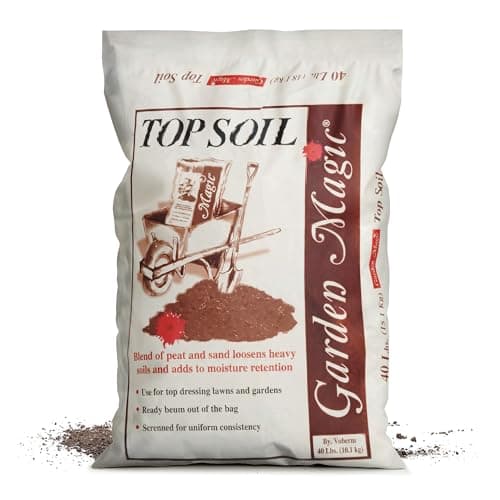
Michigan Peat Garden Magic Organic Top Soil
A screened bagged topsoil fine enough to spread over living turf.
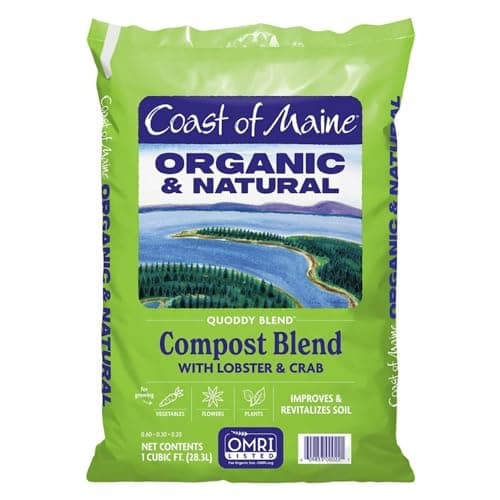
Coast of Maine Quoddy Blend Lobster Compost
A finished compost that raises organic matter without adding the weight of straight soil.
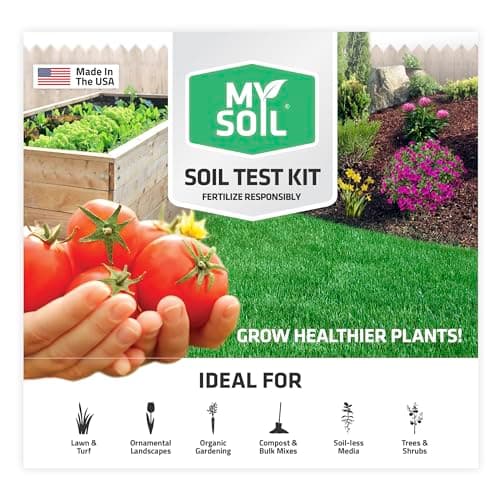
MySoil Soil Test Kit
A mail-in soil test that shows whether your existing topsoil actually needs amending.
Timing: Best Seasons to Put Top Soil on Top of Grass
Aligning Topdressing with Grass Growth Cycles
Topdressing timing should match periods of active turf growth so grass can grow up through the new layer and recover from any minor stress. For cool season grasses in northern and transition climates, the best windows are generally early to mid spring and early fall. Soil temperatures in these periods often sit between about 50 and 65 degrees Fahrenheit, which supports both root and shoot growth.
In spring, wait until the lawn has greened up and is actively growing, often when you have needed to mow at least once or twice. Topdressing too early on cold, wet soil can create a smeared surface that stays saturated. In fall, aim for roughly 4 to 6 weeks before your average first hard frost, so new growth can fill in before winter. This is also the prime time for overseeding if you are combining seeding with topdressing.
For warm season grasses, the ideal window is late spring through mid summer, when soil temperatures are consistently above about 65 degrees Fahrenheit. Bermuda, Zoysia, and St. Augustine all respond best when topdressed during vigorous growth, not during green up or just before dormancy. In many southern regions, May through July is often optimal, avoiding extreme drought or heat waves when possible.
Climate and Regional Considerations
Regional climate modifies these general timing rules. In hot, arid climates, spreading top soil on top of grass in midsummer without irrigation can dry out both the soil layer and the turf below. In that case, early morning or late evening applications and immediate light watering are critical. In very wet climates or on heavy clay, topdressing in a season when soils are saturated may worsen compaction if you move wheelbarrows and spreaders over soggy turf.
If your region has frequent spring rains that make the lawn soft, consider waiting until conditions firm up a bit, even if the calendar says it is topdressing season. Similarly, in areas with intense summer heat, pushing topdressing of cool season lawns into early fall may be safer than doing it in late spring followed by prolonged high temperatures.
Your mowing schedule offers a practical cue. If you are cutting more than once every 7 days at your normal height, the grass is actively growing and can usually handle topdressing. If growth has nearly stopped due to heat, drought, or cold, topdressing should be delayed until conditions improve.
How Often to Topdress
Frequency depends on your goals and lawn condition. For most home lawns, a light topdressing every 1 to 3 years is plenty to maintain good surface structure and modestly improve soil. If you are trying to correct a thin lawn on poor soil, you might topdress annually for 2 to 3 years, then move to a less frequent maintenance schedule.
Intensive topdressing more than once per year is usually reserved for high performance turf, such as sports fields or putting greens, and even then the material and rates are carefully controlled. For typical residential turf, applying more than about 1/2 inch of material in a single year across the entire lawn is rarely necessary. If you need larger elevation changes, plan them as a regrading or renovation project instead of trying to achieve them quickly through repeated heavy topdressings.
How Much Top Soil Can You Put on Top of Grass?
Safe Depths for Existing Lawns
The key number for topdressing is the depth of material you apply in one pass. For most established lawns, 1/4 inch is a very safe maximum depth that will not significantly stress the turf. You can often go up to about 3/8 inch or at most 1/2 inch if the grass is dense and actively growing, but you must ensure that leaf tips are still visible after spreading.
If you bury the crowns (the growing points at the base of the grass plants) deeper than about 1/2 inch suddenly, many turf species will struggle to send shoots up through the layer, especially if the topdressing material is heavy or prone to crusting. This is the threshold where a topdressing becomes more like an attempt to smother the lawn. Some warm season grasses, like Bermuda, can tolerate slightly deeper coverage because they spread by stolons and rhizomes, but even then you get better results by adding material in several lighter applications rather than one deep layer.
To visualize 1/4 inch on your lawn, consider that one cubic yard of material spread 1/4 inch deep covers roughly 1,300 square feet. At 1/2 inch depth, that same yard covers about 650 square feet. Use these coverage numbers to plan how much topsoil or blend you need and to double check that you are not inadvertently applying an inch or more in pursuit of quick leveling.
Deeper Fills and Spot Leveling
Leveling deeper depressions or repairing low spots requires a bit more strategy. If a low area is more than about 1/2 inch below the surrounding grade, you have two main options. One is to fill it in multiple passes, each time adding no more than about 1/2 inch of material and letting the grass grow up through before the next application. This works best for shallow to moderate depressions, perhaps up to about 1 to 1.5 inches deep, and when patience is acceptable.
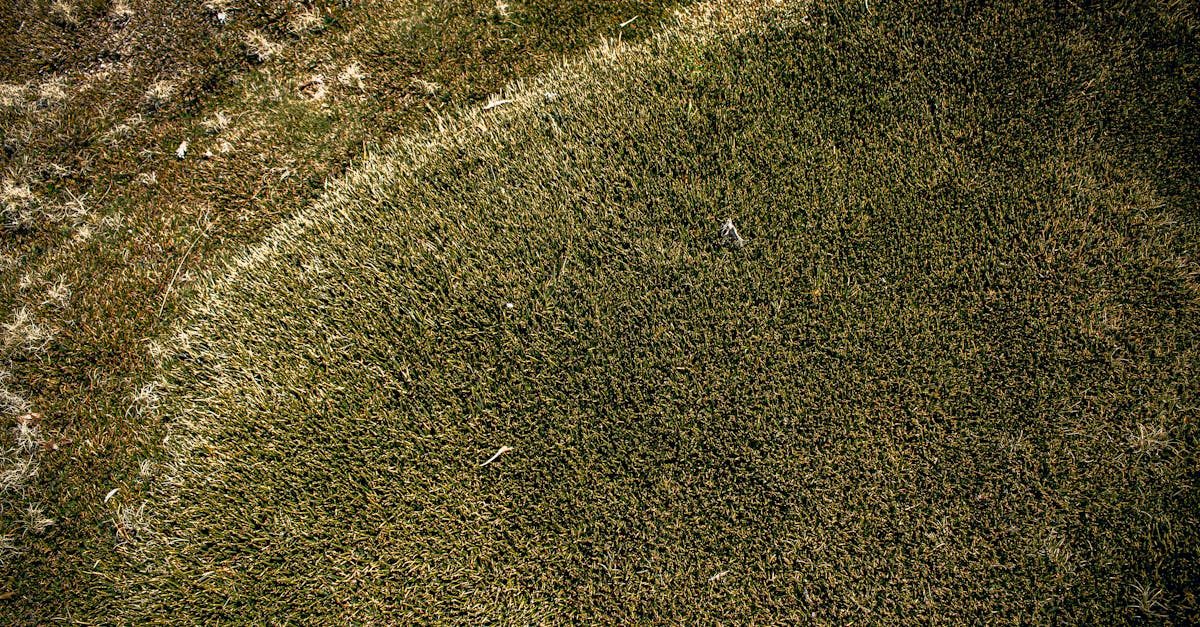
The second option for deeper spots is to carefully remove the sod, add soil beneath, then relay the sod flush with the surrounding lawn. You cut the existing turf in squares or strips, set it aside, fill the hole with matching soil, then replace the sod at the new level. This avoids burying living grass under inches of fill and gives you an instant level surface. The tradeoff is more labor and the need to keep the lifted sod moist until it re-roots. This technique is especially effective near walkways, patios, or steps where a tripping edge has formed.
When you are dealing with long shallow dips, sometimes called "birdbaths," you can combine approaches: topdress the entire area to raise it slightly, then use sod lifting techniques only where the dip is deepest. In all cases, avoid creating humps by overfilling. It is better to leave a slight underfill and topdress again later than to exceed the elevation of surrounding turf.
Using Soil to Kill Grass Intentionally
A different scenario arises when your goal is to kill existing grass to convert the area to a garden bed or a new lawn. In that case, adding soil on top of grass is not topdressing, it is smothering. To reliably kill turf this way, you typically need at least 4 to 6 inches of soil or other opaque material without gaps, and it still may take several weeks to months for grass and weeds to die off completely.
For lawn renovation, this is usually not the most efficient method. Mechanical removal, herbicide application, or sheet mulching with cardboard and mulch are more controlled techniques. If you simply add 2 inches of topsoil over an existing weedy lawn and then seed, you often end up with old turf and weeds emerging through the new layer, competing with your new grass. Use smothering with soil only when elevation increase and grass removal are both desired, and be prepared to wait or to follow up with additional control methods.
Step-by-Step: How to Put Top Soil on Top of Grass (Topdressing Process)
1. Diagnose Your Lawn and Set Objectives
Before moving a single shovelful, clarify why you are topdressing. Walk your lawn and note specific issues: low spots that collect water, bumpy areas where the mower scalps, patches of thin grass on hard soil, or an overall dull color despite adequate fertilization and watering. If the turf is more weeds than grass, or if you can barely push a screwdriver 2 to 3 inches into the ground, you may need aeration, dethatching, or even renovation rather than simple topdressing.
If your main goal is soil improvement, plan for a thin, even layer over most of the yard. If your goal is leveling, prioritize spot treatments with more careful depth control. For seeding, choose a timing window and grass seed type appropriate for your region, and read more in resources like Best Fertilizers for Lawns and How to Test Your Lawn's Soil to coordinate nutrition and pH adjustments with topdressing work.
2. Prepare the Lawn Surface
Preparation affects how well the new soil integrates. Mow the lawn slightly shorter than usual, but not scalped. For example, if you normally mow cool season turf at 3 inches, cut to about 2 to 2.5 inches before topdressing. This gives the soil more room to fall between blades. Bagging clippings for this cut can help minimize debris on the surface.
Remove sticks, leaves, and thatch clumps. If you have more than about 1/2 inch of thatch, consider dethatching or power raking first. A light raking can also lift matted grass and open the canopy so soil contacts the ground better. If you are combining topdressing with core aeration, aerate first, leave the cores on the surface, then spread your mix. The soil and cores will blend, helping relieve compaction and improving root zone conditions simultaneously.
3. Select and Stage Your Topdressing Material
Based on earlier guidance, choose a screened, lawn suited mix that matches your soil texture reasonably well. If you have not already tested your soil pH and basic nutrient levels, this is a good time to do a laboratory soil test. The results guide whether you need lime, sulfur, or specific fertilizers. Resources such as How to Test Your Lawn's Soil and How to Improve Soil pH for Grass provide deeper detail.
Stage the material close enough to the lawn to minimize wheelbarrow distance, but not directly on the turf for long periods, especially in hot weather. Large piles left on grass can kill patches underneath within a day or two. Cover the pile with a tarp if rain is expected, since overly wet soil is harder to spread and may clump. For small lawns, bags can be opened and distributed in small piles every 8 to 10 feet across the area to speed spreading.
4. Spread the Soil Evenly
For broad areas, dump small piles of soil or mix across the lawn. Use a flat shovel, landscaping rake, or a leveling rake to pull material from the piles and fan it out. Work in multiple directions to avoid ridges. For a 1/4 inch application, you should see soil filling in low areas between crowns while still leaving much of the grass visible.
In tight spaces or for more control, a shovel and push broom can work well. Toss material ahead of you, then use the broom to work it down into the canopy. On warm season lawns that are actively growing, some professionals use a drag mat or a section of chain link fence pulled behind tows or even by hand to further smooth and settle the soil.
Check depth as you go. You can use a simple ruler or even your finger at several randomly selected spots: push aside grass and measure the thickness of the new layer at the soil surface. If you find more than about 1/2 inch in any area that is not a deliberate deeper fill, pull some material away and redistribute it elsewhere.
5. Integrate Seed and Fertilizer if Needed
If thin areas or bare spots are part of the reason for topdressing, this is the ideal time to overseed. Spread grass seed over the top of the newly applied soil layer at the recommended rate for your species, typically listed on the seed bag. For general overseeding, application rates are often around 2 to 4 pounds of seed per 1,000 square feet for cool season grasses, though you should follow product specific instructions.
Lightly rake the surface or drag a rake upside down to mix the seed just into the top few millimeters of the soil layer. The goal is good seed to soil contact without burying seed too deep. Many homeowners also apply a starter fertilizer during seeding. If your soil test calls for phosphorus and it is allowed in your area, choose a starter fertilizer that provides moderate nitrogen and phosphorus. The guide Best Fertilizers for Lawns explains how to interpret labels. Avoid heavy nitrogen if you are topdressing in hot weather, as it can stress turf.
6. Water and Post Application Care
Watering settles the new soil and prevents existing grass from drying out. Right after spreading, water the lawn lightly but thoroughly so the top inch of the profile is moist. Avoid flooding that might wash material into piles. Over the next 7 to 14 days, keep the surface slightly moist by watering lightly every day or two, especially in warm or windy conditions. If you have seeded, this consistent light moisture is critical for germination.
Once you see new seed germinating and existing grass growing up through the topdressing layer, you can gradually reduce watering frequency to your normal schedule, usually providing about 1 to 1.5 inches of total water per week from rain plus irrigation for most turf types. Monitor for any areas where soil has crusted or formed a hard surface; lightly raking those spots can help water infiltration.
Continue mowing as needed, but avoid mowing immediately after topdressing if the surface is still soft or soil will stick to mower wheels and blades. Wait until the grass has grown enough to need cutting, and the soil is firm enough to support equipment without rutting. Resume your normal mowing height and schedule, but consider leaving clippings on the lawn if you are not already doing so, since they return nutrients and organic matter to the system.
- Michigan State University Extension notes that light, frequent irrigation is best after topdressing with seed, maintaining a consistently moist top 1/2 inch of soil until seedlings are established, which often takes 2 to 3 weeks depending on species and weather.
Putting Topsoil Over Grass and Reseeding
Yes, you can put topsoil over grass and reseed, and it is one of the cheapest ways to thicken a thin lawn. The order of operations matters more than any single product choice:
- Mow low and bag the clippings. Cut about a half inch to an inch shorter than normal so soil and seed can reach the ground.
- Rake or dethatch. Open the canopy so the new soil contacts the existing surface. If the ground is compacted, core aerate first.
- Spread the topsoil first. Apply your screened topsoil or topdressing blend at about 1/4 inch, keeping grass tips visible.
- Seed on top of the soil, not under it. Broadcast seed over the fresh layer, then lightly rake or drag so the seed settles into the top few millimeters. Burying seed under the full soil layer is the most common reseeding mistake.
- Apply starter fertilizer if your soil test calls for it, going easy on nitrogen in hot weather.
- Water lightly every day or two for 7 to 14 days, keeping the top 1/2 inch of soil moist until seedlings are up, then taper back to a normal deep-and-infrequent schedule.
Time the project for active growth: spring or early fall for cool season grasses, late spring through midsummer for warm season grasses. Hold off on the first mow until seedlings reach about 3 inches and the surface is firm, and skip crabgrass preventers, which will also stop your new seed from germinating.
Aftercare: Monitoring, Troubleshooting, and Long Term Soil Improvement
Monitoring Recovery and Growth
Within about 1 to 3 weeks after a properly timed and applied topdressing, you should see your original grass blades poking fully through the soil layer and, if you seeded, a flush of fine new seedlings. Turf color often improves as soil microbes become more active and nutrients become more available. Density should gradually increase over several mowing cycles.
If, instead, you see persistent thin or brown patches where topdressing was heavier, inspect those areas closely. Try the screwdriver test: if you can barely push a screwdriver 3 to 4 inches into the soil, compaction may be limiting recovery, indicating that core aeration should be added to your next maintenance cycle. If the soil layer is visibly thick and matted over crowns, you may have applied too much material and partial removal or reseeding might be necessary.
Common Issues and Fixes
Several issues can appear after putting top soil on top of grass. One is temporary yellowing, especially if the soil used is low in nitrogen and you have not fertilized recently. If blades are pale but growth is otherwise normal, a balanced fertilizer applied 2 to 4 weeks after topdressing often restores color. Be cautious not to over fertilize, particularly in hot weather, to avoid burn.
Another common issue is crusting on the surface, especially with fine textured or high silt soils. If rainfall or irrigation repeatedly wets and dries the surface, it can seal and limit gas exchange. You will notice water beading and running off rather than soaking in. Lightly raking or using a stiff broom to break the crust, followed by a thin compost topdressing or mulch, can alleviate this.
Weed emergence from imported soil is another risk. If you notice new weed species appearing primarily where you topdressed, it suggests the material contained viable seeds. Hand removal or targeted postemergent herbicides can limit establishment. In the future, source higher quality, tested blends.
Building a Long Term Soil Improvement Plan
Topdressing is most powerful when combined with other soil improvement strategies. A periodic soil test every 2 to 3 years guides pH adjustments and fertilizer plans, which directly influence how well grass utilizes the improved structure you are creating. Resources such as How to Test Your Lawn's Soil and How to Improve Soil pH for Grass explain sampling and amendments in detail.
Organic matter management is another long term lever. Light annual compost topdressing, leaving clippings on the lawn, and using mulched leaves in fall can steadily build organic matter without resorting to heavy one time topsoil additions. Composting for a Healthier Lawn is a helpful reference if you want to generate your own material or integrate yard waste more effectively.
If compaction is a recurring problem, set a schedule for core aeration, perhaps every 1 to 3 years depending on traffic, and pair those aeration events with topdressing so the material fills cores and blends into the root zone. Over several cycles, this combination can transform a dense, tight soil into a more open, resilient medium that supports deeper roots and better stress tolerance.
What Other Guides Miss: Common Mistakes to Avoid
Ignoring Grass Type and Growth Stage
Many basic guides talk about topdressing generically without distinguishing between cool and warm season grasses or considering dormancy. Applying heavy topdressing to cool season lawns during summer stress or to warm season lawns just before or after dormancy can slow recovery or even kill weakened turf. Always align timing with active growth and avoid topdressing when your grass is already under heat, drought, or cold stress.
Similarly, some warm season grasses like Bermuda can handle more aggressive leveling techniques, including slightly deeper sand heavy applications, but St. Augustine or centipede lawns can be more sensitive. Identify your grass type first, then calibrate depth and timing accordingly rather than relying on one size fits all advice.
Skipping Confirmation Tests
Another gap in many guides is the lack of confirmation steps before deciding on topdressing. If your lawn issues stem from poor fertility or pH imbalance, adding topsoil alone will not solve the problem. A basic soil test is an objective, inexpensive way to confirm whether nutrients or pH are primary constraints. If the pH is off by more than about 0.5 to 1.0 units from the ideal range for your grass, addressing that with lime or sulfur will often provide more benefit than any amount of topdressing by itself.

Compaction is similar. If you cannot easily push a screwdriver at least 6 inches into moist soil, the issue is compaction, and core aeration is the priority. In that case, topdressing without aeration may provide cosmetic benefits but will not fully resolve root zone limitations. Good guides should emphasize these simple tests so you make the right choice between aeration, topdressing, and renovation.
Overlooking Drainage and Grade
Finally, many articles talk about filling low spots without addressing overall drainage patterns. Adding soil in one location can reroute water in ways that create new problems, such as directing runoff toward foundations or neighbors. Before you topdress or level, observe how water flows during a good rain. If you see large areas of standing water longer than about 24 hours after typical rainfall, you likely need more significant grading or even subsurface drainage solutions, not just a thin surface fix.
Plan your topdressing and leveling with the whole yard in mind so you preserve positive drainage away from buildings and avoid creating hidden "dams" that trap water in the lawn. When in doubt, consult site specific grading guidance or your local extension office.
Conclusion: Using Top Soil on Top of Grass the Smart Way
Putting top soil on top of grass is not inherently harmful. Done correctly, it is one of the most effective ways to gradually improve soil structure, smooth the surface, and support thicker, healthier turf without tearing everything out. The keys are choosing the right material, respecting safe application depths, timing work with active growth, and pairing topdressing with sound diagnostics like soil testing and compaction checks.
If you approach topdressing with a clear objective, confirm that soil problems are indeed the main limiting factor, and follow a measured, seasonal plan, your lawn will usually respond within a few weeks with better color, density, and resilience. For next steps on balancing nutrients with your improved soil, check out Best Fertilizers for Lawns so you can match your fertilizer strategy to your new, healthier root zone instead of working against it.
Top Picks
- Scotts Halts Crabgrass and Grassy Weed PreventerCheck price on Amazon
- Scotts Turf Builder Grass Seed Bermudagrass (4 lb)Check price on Amazon
- Hancock Argentine Bahia Grass Seed (10 lb)Check price on Amazon
As an Amazon Associate we earn from qualifying purchases.
Free Lawn Care Tools
"Top soil" is a vague term in the retail world, so it helps to define it clearly before you spread it on your lawn. In technical terms, topsoil is the uppermost layer of natural soil, usually the top 3 to 8 inches, that contains most of the organic matter and biological activity. In practice, bagged or bulk "topsoil" is often a mix of native soil, sand, and sometimes compost that has been screened to remove rocks and debris.
Yes. Spread up to 1/4 inch per application, or 1/2 inch at most on dense, actively growing turf, and the grass will grow through it. You should still see grass tips after spreading. Anything deeper than about 1/2 inch over the crowns tends to smother and kill the lawn, so build up deeper fills in multiple thin passes over several weeks instead of one heavy layer.
A finely screened topsoil or a sand/soil/compost topdressing blend, screened to 1/4 inch or smaller so it settles between the blades instead of sitting on top. A common lawn blend runs roughly 40 to 60 percent sand, 20 to 40 percent soil, and 10 to 20 percent compost, with a pH around 6.0 to 7.0. Avoid fill dirt, unscreened bulk soil, heavy clay products, and straight sand over a home lawn.
Yes, and the order matters: mow low, rake to open the canopy, spread a 1/4 inch layer of screened topsoil or blend, then broadcast seed on top and lightly rake it in for seed-to-soil contact. Water lightly every day or two for 7 to 14 days until seedlings establish. Do it during active growth, spring or early fall for cool season grasses and late spring through midsummer for warm season grasses.
For an existing lawn you want to keep, stay around 1/4 inch of topsoil, with an absolute maximum of about 1/2 inch in any single application. You should still see grass tips poking through the new layer, and the crowns of the plants should not be buried under more than about 1/2 inch of soil. Thicker layers are better handled in stages over time. If you bury the grass too deeply in one pass, it will usually thin out or die instead of growing through.
Grass can grow through a light layer of topsoil as long as it is thin and the grass blades and crowns are not smothered. When the layer is kept to about 1/4 inch, or up to 1/2 inch in some cases, healthy turf typically pushes new growth through the soil. If you can no longer see much green after spreading, the layer is too thick for the grass to successfully grow through. In that situation, you either need to remove some soil or plan on overseeding or resodding.
The best time is during the grass’s active growth period so it can recover quickly and grow through the new soil. For cool season grasses like Kentucky bluegrass or fescue, that means spring or early fall. For warm season grasses like Bermuda or Zoysia, aim for late spring through mid-summer. Avoid topdressing during dormancy or extreme heat or cold, when the lawn is under stress.
A good topdressing mix for lawns is a clean, screened topsoil with a balanced blend of sand, silt, and clay plus moderate organic matter, roughly 3–5 percent by weight. The texture should be fine enough to spread in thin layers and settle between the grass plants. A pH in the 6.0 to 7.0 range suits most turfgrasses. Avoid fill dirt and overly rich garden soils that can be rocky, compacting, or hold too much water.
Topdressing is effective for shallow low spots and minor depressions, as long as each layer is kept under about 1/2 inch and repeated over time. It can also help improve surface drainage slightly by refining the top soil structure. However, if water constantly stands, slopes toward your house, or you need more than 1–2 inches of elevation change across large areas, you are looking at a regrading or full renovation instead of simple topdressing. Piling soil against foundations or trying to correct major drainage problems with thin layers is not recommended.
Photos: Adarsh Bhimani / Pexels, Saúl Ticona / Pexels, Pixabay / Pexels

Beat weeds and brown spots from your phone
Snap a photo, get the fix, and follow a plan timed to your soil and weather. Free on iPhone.