When to Aerate Your Lawn: Timing, Signs, and Regional Guide
 Marcus GreenTurf Management Pro | 18 Years
As an Amazon Associate we earn from qualifying purchases.
Aerate cool-season lawns in early fall (late August to October) and warm-season lawns in late spring to early summer (May to June). The key is aerating during your grass's peak growing season so it recovers quickly. Use our Aeration Calculator to get a personalized schedule based on your grass type and location.
Your Lawn Is Telling You It Needs Aeration. Are You Listening?
After 18 years managing golf courses and sports turf, I can tell you that aeration is the single most underrated lawn care practice for homeowners. Everyone focuses on fertilizer and mowing, but if your soil is compacted, none of that other stuff works the way it should.
Compacted soil is like trying to breathe through a straw. Water pools on the surface instead of soaking in. Fertilizer sits on top instead of reaching the roots. And your grass roots can't push deeper because the soil is too dense. Aeration fixes all of that in one afternoon.
But timing matters. Aerate at the wrong time and you'll stress your lawn instead of helping it. Let's walk through exactly when to aerate, how to tell if your lawn actually needs it, and what to do after you're done.
Signs Your Lawn Needs Aeration
Not every lawn needs to be aerated every year. But most lawns in residential neighborhoods do, especially if any of these apply to you:
The Screwdriver Test
Take a regular screwdriver and try to push it into your soil after a rain. If it slides in easily to a depth of 3 to 4 inches, your soil isn't badly compacted. If it takes real effort or won't go in past an inch or two, your soil is compacted and needs aeration.
Other Signs of Compaction
- Water pooling or running off instead of soaking into the soil during rain or irrigation
- Thin, patchy grass that doesn't respond well to fertilizer
- Heavy foot traffic areas like paths between the driveway and front door, play areas, or spots where pets run
- Thatch buildup over half an inch thick. A thin thatch layer is normal and healthy, but thick thatch blocks water and air, and at that point the real fix is dethatching rather than aeration, since the two solve different problems
- Soil that feels hard when you walk on it, almost like walking on a path
- Your lawn was part of new construction. Heavy equipment compresses soil severely, and the topsoil layer is often thin or mixed with subsoil
If two or more of these sound familiar, your lawn will benefit from aeration. Lawns with clay-heavy soil typically need annual aeration, while sandy soils can often go every 2 to 3 years.
Cool-Season Grass: Aerate in Early Fall
If you're growing Kentucky bluegrass, tall fescue, perennial ryegrass, or fine fescue, early fall is your prime aeration window. Specifically, late August through mid-October for most northern and transition zone locations. Aeration is just one piece of the autumn routine; our fall lawn care schedule and checklist maps out the rest.
Why fall? Because cool-season grasses hit their peak growth period in fall. The combination of warm soil and cooling air temperatures creates ideal conditions for root development and recovery. When you pull cores from the soil, the grass aggressively fills in those holes within 2 to 4 weeks.
The Fall Aeration Advantage
- Grass is growing vigorously and recovers quickly from the stress of aeration
- You can overseed immediately after aerating (this is the best time to do both)
- Fall rain helps break down the soil cores left on the surface
- Reduced weed pressure means fewer weeds colonizing the open holes
Spring aeration is possible for cool-season lawns, but it's less ideal. The open holes can become entry points for weed seeds, especially crabgrass. If you must aerate in spring, do it early (March to April) and be prepared to deal with increased weed pressure.
Warm-Season Grass: Aerate in Late Spring to Early Summer
Bermuda, zoysia, St. Augustine, centipede, and bahiagrass should be aerated during their peak growing season, which is late spring to early summer. Aim for May to June in most southern locations.
The logic is the same as cool-season fall aeration. You want the grass growing at full speed so it fills in the aeration holes quickly. Aerate warm-season grass in fall or winter when it's heading into dormancy, and those holes will sit open for months, inviting weeds.
Regional Timing for Warm-Season Aeration
- Deep South (FL, Gulf Coast, South TX): April to May, after the grass has fully greened up and is actively growing
- Mid-South (GA, AL, MS, central TX): May to early June
- Transition zone (warm-season side): Late May to June, after any risk of late frost has passed
Core Aeration vs. Spike Aeration
This is an important distinction that trips up a lot of homeowners. There are two types of aeration, and only one of them actually solves compaction.
Core Aeration (What You Want)
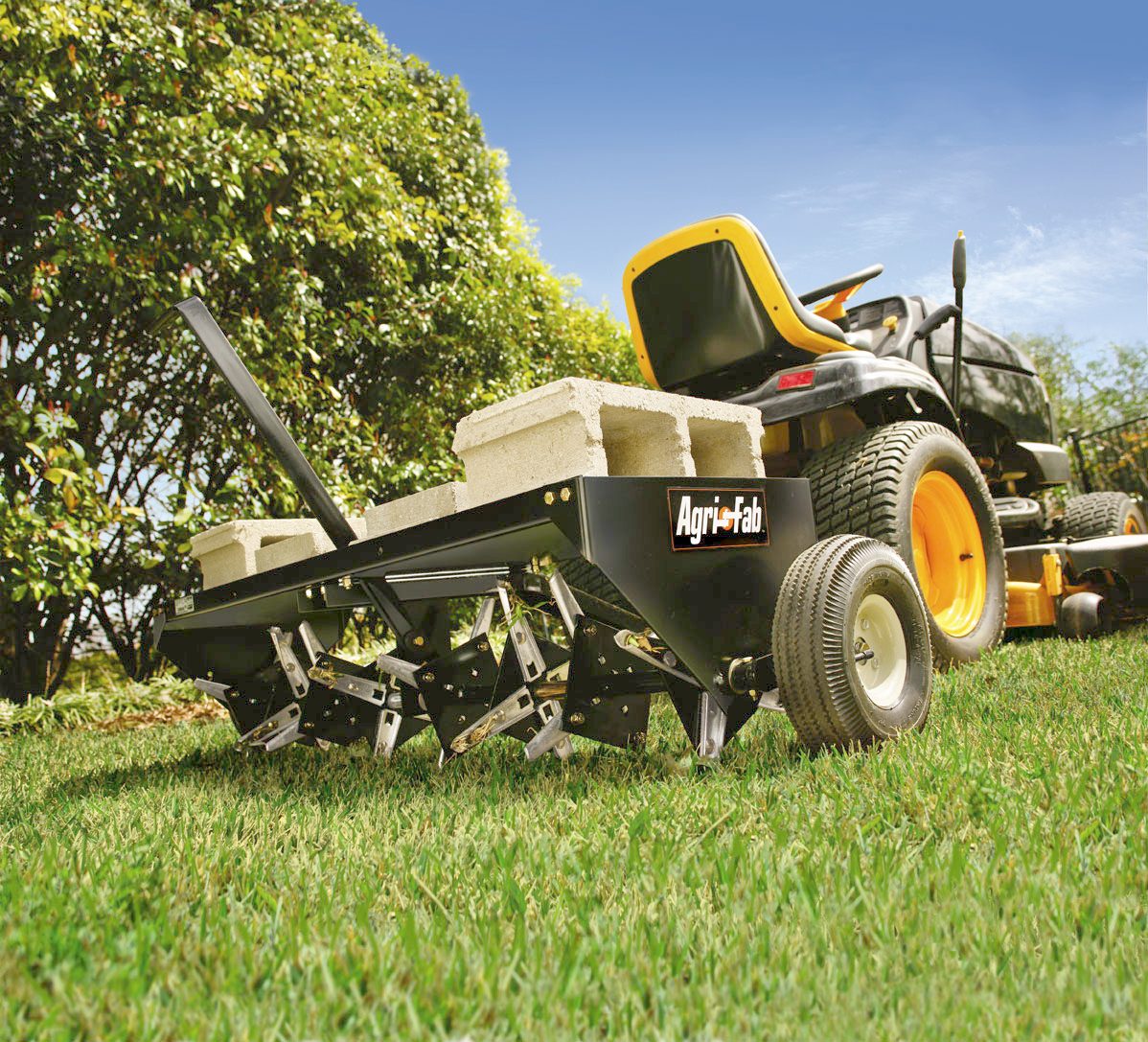
A core aerator pulls small plugs of soil out of the ground, typically 2 to 3 inches deep and about three-quarters of an inch in diameter. These plugs are deposited on the surface where they break down over a week or two.
By removing soil, core aeration creates space for the remaining soil to expand and loosen. Water, air, and nutrients can now penetrate deeper. Roots have room to grow. This is real aeration.
Spike Aeration (What You Probably Don't Want)
Spike aerators poke holes in the ground without removing soil. The problem? You're just pushing the soil sideways and down, which can actually increase compaction around each hole. Spike aeration is better than nothing, but it's a temporary fix at best.
The exception is liquid aeration products, which use soil surfactants to improve water penetration. These aren't a substitute for core aeration on heavily compacted soil, but they can be a decent maintenance option between core aeration years.
What to Do After Aerating
The work doesn't stop when the aerator goes back on the trailer. What you do in the hours and days after aeration can double the benefit.
Leave the Cores
Those soil plugs on your lawn look messy, but leave them alone. They'll break down within 1 to 2 weeks, especially with rain or irrigation. As they dissolve, they redistribute beneficial microorganisms across the surface and help break down thatch.
Overseed (Cool-Season Lawns)
If you have a cool-season lawn and you're aerating in fall, this is the perfect time to overseed. The aeration holes create ideal seed-to-soil contact, and the loose soil conditions help new seedlings establish quickly. For a complete walkthrough, check out our guide on Aeration, Overseeding, and Topdressing.
Fertilize
Apply fertilizer right after aerating. The holes allow nutrients to reach the root zone directly instead of sitting on the surface. This is especially valuable for slow-release fertilizers that benefit from being incorporated into the soil.
Water
Keep the lawn well-watered for 2 to 3 weeks after aeration. If you overseeded, you'll need to water lightly and frequently (2 to 3 times daily) to keep the seed moist. If you didn't overseed, a deep watering every 2 to 3 days is sufficient.
Topdress (Optional but Valuable)
Spreading a thin layer (a quarter inch) of compost after aerating is one of the best things you can do for your soil long-term. The compost fills the aeration holes and introduces organic matter into the soil profile, improving drainage and microbial activity over time.
How Often Should You Aerate?
The answer depends on your soil type and how much traffic your lawn gets:
- Clay soil, heavy traffic: Aerate every year
- Clay soil, light traffic: Every 1 to 2 years
- Loam soil: Every 2 to 3 years
- Sandy soil: Every 3 years, or only when compaction signs appear
If you're not sure what type of soil you have, the screwdriver test is a quick indicator. Clay soil is slow to drain and hard when dry. Sandy soil drains fast and feels gritty. Loam is somewhere in between.
Renting vs. Hiring: What Makes Sense?
Core aerators are heavy machines, typically 200 to 300 pounds. You can rent one from most home improvement stores for $75 to $100 per day, or hire a lawn care company to do it for $100 to $200 for an average-sized yard.
If you're doing it yourself, here are some practical tips:
- Water the lawn the day before so the soil is moist (not soaking wet). The tines penetrate much more easily in moist soil.
- Make two passes over the lawn in different directions for maximum coverage
- Flag your irrigation heads, valve boxes, and any shallow utility lines before you start
- Bring a friend. Seriously. Maneuvering the machine, especially around corners and obstacles, is much easier with two people.
For more details on proper aeration technique, our guide on How to Aerate Your Lawn the Right Way covers equipment selection, pass patterns, and common mistakes.
Get Your Personalized Aeration Schedule
The timing guidelines in this article will get you in the right window, but your specific grass type, soil conditions, and local climate all influence the ideal date. Our Aeration Calculator factors in your ZIP code and grass type to give you a recommended aeration window, plus tips on what to do before and after.
Aeration isn't glamorous, but it's one of the highest-impact things you can do for your lawn. A few hours of work in the right season pays dividends for months. If you're looking to build thicker, healthier turf, start by making sure the soil beneath it can actually support growth. For the full picture on building a dense lawn, take a look at our guide on How to Get Thick Grass.
Top Picks

As an Amazon Associate we earn from qualifying purchases.
Free Lawn Care Tools
Try the screwdriver test: push a screwdriver into the soil after rain. If it won't penetrate easily past 1 to 2 inches, your soil is compacted. Other signs include water pooling on the surface, thin grass that doesn't respond to fertilizer, heavy foot traffic areas, and thatch buildup over half an inch thick.
It's not recommended for cool-season grasses because summer heat stresses the lawn, and aeration adds more stress. For warm-season grasses, early summer (June) is acceptable since they're still in their peak growth period. Avoid aerating any grass type during extreme heat or drought.
Aerate first, then overseed immediately after. The aeration holes create perfect pockets for seed-to-soil contact, dramatically improving germination rates. This combination is most effective for cool-season lawns in early fall.
No. Core aeration removes soil plugs, creating space for the surrounding soil to loosen and decompress. Spike aeration just pushes soil sideways, which can actually increase compaction around each hole. Core aeration is significantly more effective for relieving compaction and improving root growth.

Your lawn plan, in your pocket all season
Grass ID, a season plan, soil-timed reminders, and a lawn journal that remembers what you did. Free on iPhone.