

Annual Ryegrass vs Perennial Ryegrass: One Winter or a Permanent Lawn?
Updated July 11, 2026
As an Amazon Associate we earn from qualifying purchases. Disclosure.
Annual ryegrass and perennial ryegrass share a name, sit side by side on the seed shelf, and could not have more different jobs. Annual ryegrass is a one-season rental: the cheapest seed in the store, up and green in under a week, and dead by early summer. That is not a flaw, it is the product. Southern homeowners throw it over dormant bermuda or zoysia in fall to keep the lawn green all winter, then let the heat clear it out right as the warm-season grass wakes up.
Perennial ryegrass is real, permanent turf: fine-bladed, glossy dark green, wear-tough enough that sports fields are built on it, and it comes back every year in Zones 4 to 7. It costs more per pound and expects actual care, because it is a lawn, not a cover crop. The mix-up matters in both directions. Plant annual rye thinking it is permanent and you will reseed a dead lawn in June. Overseed a southern lawn with perennial rye and it can linger into spring, competing with your bermuda exactly when it needs the sun.
Quick verdict
Annual ryegrass wins for cheap winter color over a dormant southern lawn that must die off cleanly in spring. Perennial ryegrass wins any time you want the grass to still be there next year.
Personalize for your ZIP
Enter a 5-digit ZIP and we'll highlight which grass fits your climate zone.
Annual Ryegrass vs Perennial Ryegrass: at a glance
Season type
Climate zone (USDA)
Lifespan
Sun requirement
Shade tolerance
Traffic tolerance
Drought tolerance
Heat tolerance
Cold tolerance
Blade appearance
Germination speed
Mowing height
Annual nitrogen need
Spreading habit
Seed cost
Spring transition
Maintenance level
APick annual ryegrass if...
- You have a bermuda, zoysia, or centipede lawn that goes brown in winter and you want it green from November to April for about the cost of a bag of fertilizer.
- You want the overseed gone in spring so it does not fight your warm-season grass as it wakes up.
- You need fast temporary cover on bare soil, like erosion control on a new build lot.
- You are seeding into cool fall soil and need germination within a week.
- You would rather reseed for $20 each fall than maintain a second permanent grass.
BPick perennial ryegrass if...
- You live in Zones 4 to 7 and want a permanent lawn, not a seasonal cover.
- You want the fine, glossy, dark green look that annual rye never delivers.
- Your lawn takes real traffic from kids, dogs, or games and needs sports-field toughness.
- You are overseeding a thin northern lawn and want the new grass to still be there next summer.
- You are blending with Kentucky bluegrass or fescue for a premium cool-season mix.
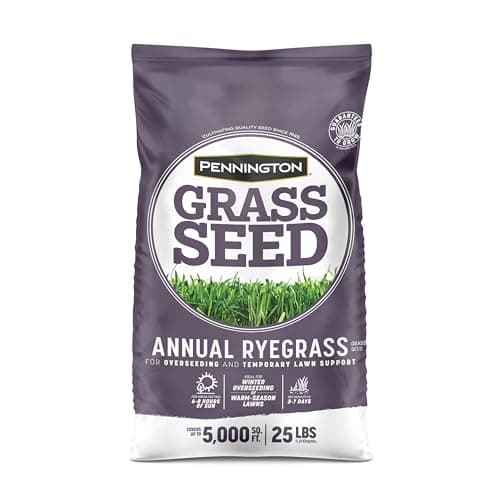
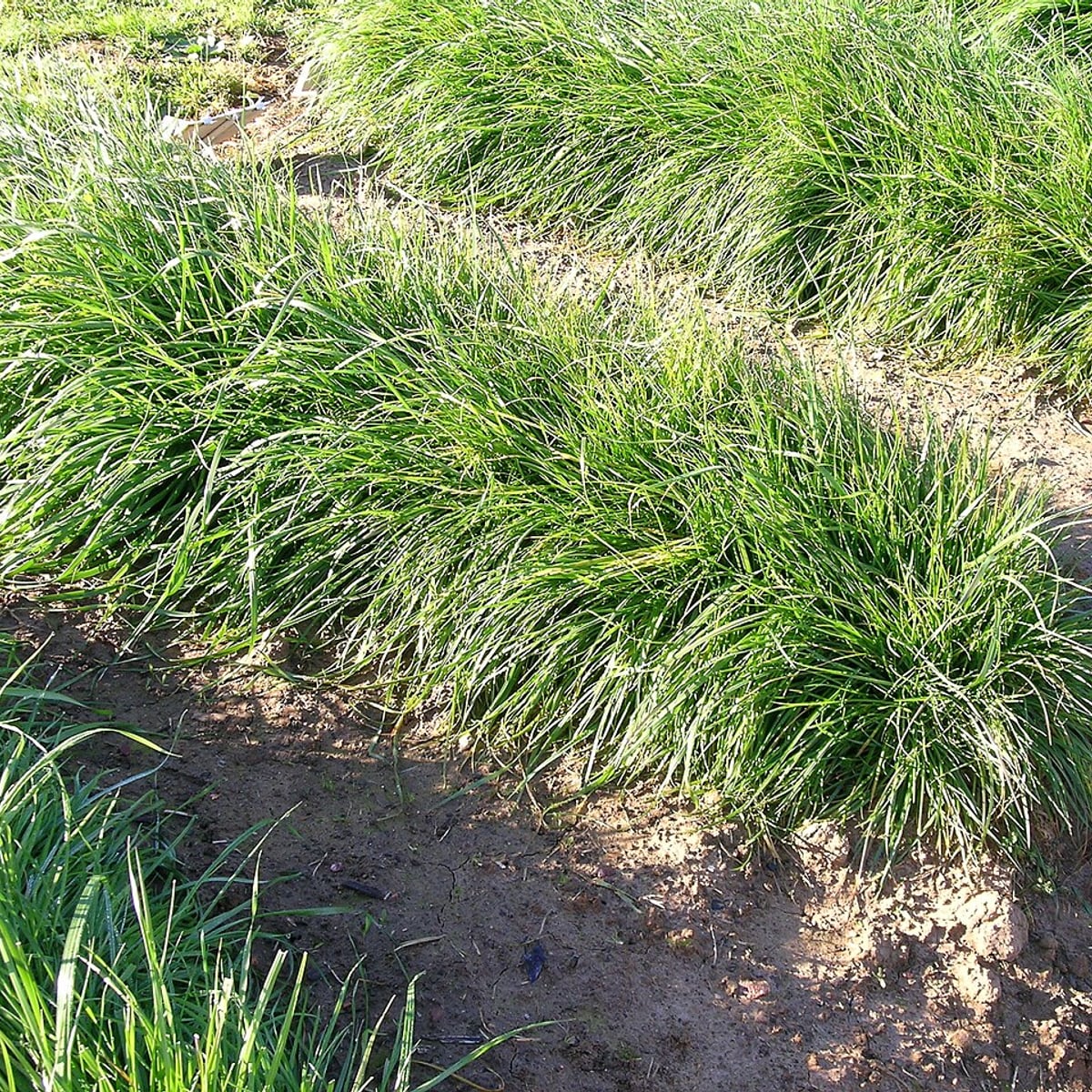
Top pick to grow each grass


As an Amazon Associate we earn from qualifying purchases. Disclosure.
Get your seasonal lawn care calendar for your ZIP
Every task, from feeding to weed control to aeration, has a window that shifts by region. Add your ZIP and we will email your 12-month lawn calendar right away, starting with this month.
Seasonal reminders and tips. No spam. Unsubscribe anytime.
Frequently asked questions
What is the difference between annual and perennial ryegrass?
Lifespan is the core difference. Annual ryegrass (Lolium multiflorum) completes its life cycle in one season: it germinates in fall, stays green through winter, and dies when summer heat arrives. Perennial ryegrass (Lolium perenne) is permanent turf that comes back every year in Zones 4 to 7. Annual rye is also coarser and lighter green, while perennial rye is fine-bladed, glossy, and dark. They are different species, not the same grass at different ages.
Will annual ryegrass come back every year?
No. Annual ryegrass dies when sustained summer heat arrives and does not regrow from the roots. A small fraction of plants may drop seed that sprouts the following fall, but it is thin and patchy, never a lawn. If you want winter color every year over a dormant southern lawn, plan to overseed with fresh annual rye each fall. It is cheap enough that this is the normal routine, not a workaround.
Which is better for overseeding a bermuda lawn in winter?
Annual ryegrass is the better winter overseed for bermuda for most homeowners. It is a third the price of perennial rye, germinates in about a week, and most importantly it dies off cleanly in late spring right as bermuda breaks dormancy. Perennial rye makes a prettier winter lawn and golf courses use it for exactly that reason, but in a home lawn it can survive into early summer and compete with bermuda for sun during green-up, which weakens the permanent grass.
Can you plant annual ryegrass as a permanent lawn?
No. Annual ryegrass cannot be a permanent lawn anywhere in the US. In the South it dies in summer heat; in the North it winter-kills or dies the following summer. Anyone selling "quick lawn" seed that is mostly annual ryegrass is selling one season of green. If you need a permanent cool-season lawn, use perennial ryegrass, tall fescue, Kentucky bluegrass, or a blend of them. Annual rye is only the right answer for temporary cover.
How fast does annual ryegrass germinate?
Annual ryegrass germinates in 5 to 10 days when soil temperatures are between 50 and 65 degrees, and it is often visible in under a week in warm fall soil. That is as fast as lawn grass gets, which is why it doubles as erosion-control cover on bare soil. Perennial ryegrass is nearly as quick at 5 to 10 days. Both are dramatically faster than Kentucky bluegrass, which can take 2 to 4 weeks.
How much annual ryegrass seed do I need for overseeding?
Overseed a dormant warm-season lawn at 5 to 10 pounds of annual ryegrass per 1,000 square feet. Use the low end for a light green tint and the high end for a dense winter lawn. A 25 pound bag covers roughly 2,500 to 5,000 square feet. Seed in fall once soil temperatures drop below about 70 degrees, water lightly every day for the first week, and you will have green cover within two weeks.
How do I get rid of annual ryegrass in spring?
Usually you do not have to do anything: sustained temperatures in the mid 80s kill annual ryegrass on their own. To speed the transition and give your bermuda or zoysia a cleaner start, drop your mowing height in late spring and reduce watering, which stresses the rye out faster. Avoid spraying broad herbicides during green-up. The one mistake to avoid is fertilizing heavily in late spring, which pushes the rye to hang on longer.
Is annual or perennial ryegrass cheaper?
Annual ryegrass is the cheapest lawn seed sold, typically 1 to 2 dollars per pound, and often less in 50 pound farm-store bags. Perennial ryegrass runs roughly 2 to 3 times that. For a one-winter overseed the cost difference is the whole point: covering 5,000 square feet with annual rye costs about the price of a pizza. If the grass needs to survive past June, though, cheap seed that dies is the expensive option, and perennial rye earns its price.