

Perennial Ryegrass vs Tall Fescue: Which Cool-Season Grass Wins?
Updated June 19, 2026
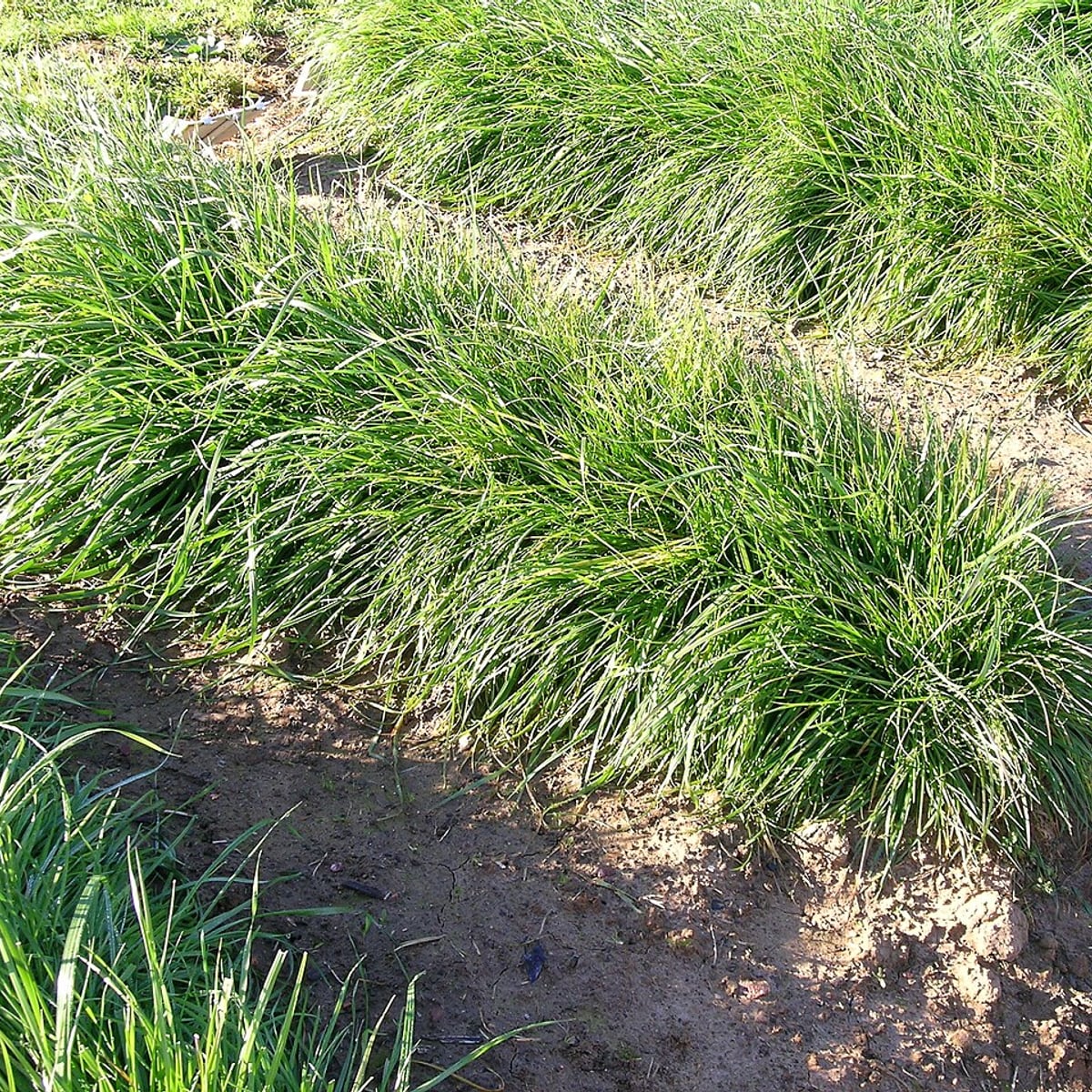
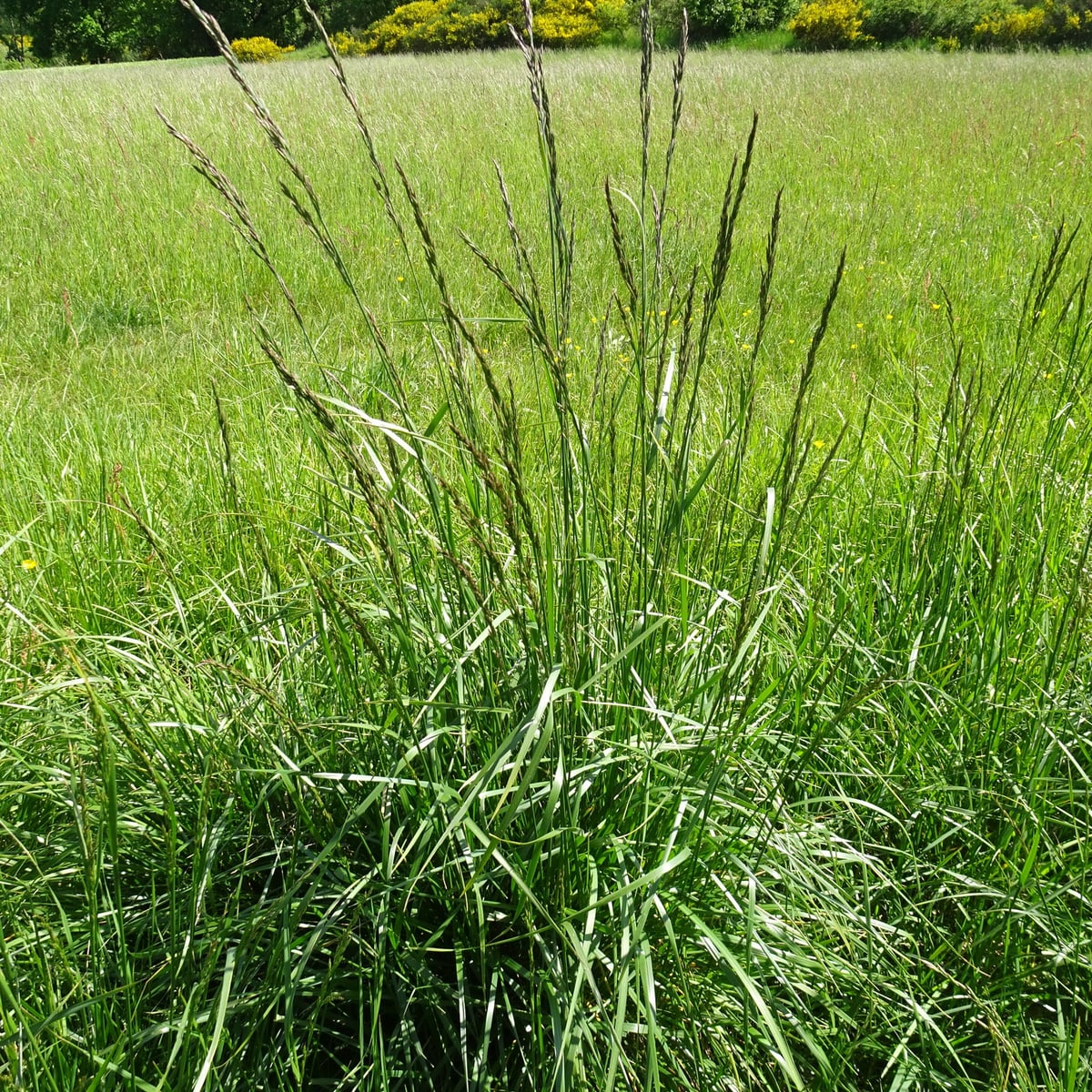
As an Amazon Associate we earn from qualifying purchases. Disclosure.
Perennial ryegrass and tall fescue are both cool-season bunch grasses, and they get compared constantly because they overlap so much: both germinate fast, both take heavy traffic, and both show up in the same premium northern seed bags. The difference that matters is staying power in heat. Perennial ryegrass is the sprinter, up and green in a week, with the best wear tolerance of any cool-season grass, but it thins out under prolonged summer heat. Tall fescue is the marathoner, slightly slower to establish but rooted three feet deep and built to ride out hot, dry summers that would burn ryegrass back.
For a permanent single-species lawn in the transition zone or anywhere with real summer heat, tall fescue is almost always the smarter base. Perennial ryegrass earns its keep in three jobs: fast cover when you need green now, the nurse component in a cool-season blend, and winter overseeding of dormant warm-season lawns. Many of the best lawns use both, with tall fescue as the backbone and a small fraction of ryegrass for quick establishment.
Quick verdict
Tall fescue wins for a permanent lawn that survives summer heat and drought with deep roots. Perennial ryegrass wins for the fastest germination, top wear tolerance, and winter overseeding of dormant warm-season turf.
Personalize for your ZIP
Enter a 5-digit ZIP and we'll highlight which grass fits your climate zone.
Perennial Ryegrass vs Tall Fescue: at a glance
Climate zone (USDA)
Sun requirement
Shade tolerance
Traffic tolerance
Drought tolerance
Heat tolerance
Cold tolerance
Germination speed
Mowing height
Annual nitrogen need
Water need (peak)
Spreading habit
Recovery from damage
Blade width
Longevity / persistence
Maintenance level
APick perennial ryegrass if...
- You need the fastest possible green-up; it germinates in 5 to 10 days, the quickest of any cool-season grass.
- You are overseeding a dormant warm-season lawn (bermuda or zoysia) for winter color.
- You want top-tier wear tolerance for a high-traffic or sports lawn.
- You are building a cool-season seed blend and want a fast-establishing nurse component.
- Your summers stay mild and you rarely see prolonged heat above 90 degrees.
BPick tall fescue if...
- You live in the transition zone or anywhere with hot, dry summers; its deep roots handle heat ryegrass cannot.
- You want a permanent single-species lawn that persists for years without thinning out each summer.
- You want lower water and fertilizer needs across the season.
- Your lawn has partial shade from trees.
- You want a tougher, more drought-proof lawn and can accept slightly slower germination.
Top pick to grow each grass


As an Amazon Associate we earn from qualifying purchases. Disclosure.
Get your seasonal lawn care calendar for your ZIP
Every task, from feeding to weed control to aeration, has a window that shifts by region. Add your ZIP and we will email your 12-month lawn calendar right away, starting with this month.
Seasonal reminders and tips. No spam. Unsubscribe anytime.
Frequently asked questions
Is perennial ryegrass or tall fescue better for a lawn?
For a permanent lawn in most climates, tall fescue is the better single choice because its deep roots survive summer heat and drought that thin perennial ryegrass out. Perennial ryegrass is better when you need fast establishment, maximum wear tolerance, or a winter overseed on a dormant warm-season lawn. The strongest lawns often blend them: tall fescue as the persistent base with a small fraction of perennial ryegrass for quick cover.
Can you mix perennial ryegrass and tall fescue?
Yes, and it is a common and effective blend. Keep perennial ryegrass to roughly 10 to 20 percent of the seed mix; it germinates first and protects the seedbed while the slower tall fescue establishes underneath. Going heavier on ryegrass backfires, because it dominates early and then thins out in the first hot summer, leaving gaps. Tall fescue should always be the majority of a heat-tolerant cool-season blend.
Which germinates faster, perennial ryegrass or tall fescue?
Perennial ryegrass germinates faster. It emerges in 5 to 10 days under good conditions, while tall fescue takes 7 to 14 days. That speed is exactly why ryegrass is used as a nurse grass in blends and for quick winter overseeding; it gets green cover down before slower grasses catch up.
Does perennial ryegrass come back every year?
Perennial ryegrass is a true perennial and does return year to year, but it is shorter-lived and less heat-tolerant than tall fescue. In the transition zone or in hot summers it often thins badly and can behave almost like an annual, needing regular overseeding to stay thick. In cooler northern climates it persists much better.
Is perennial ryegrass good for overseeding bermuda in winter?
Yes, perennial ryegrass is the standard choice for winter overseeding of dormant warm-season lawns like bermuda. It germinates quickly, gives a green winter lawn while the bermuda is brown and dormant, and then usually declines as heat returns and the bermuda greens up and outcompetes it, though a clean spring transition sometimes needs irrigation and mowing management. Tall fescue is not used this way because it does not transition out cleanly.
How do you tell perennial ryegrass from tall fescue?
Look at blade texture and shine. Perennial ryegrass has fine-to-medium blades with a distinctly glossy underside and grows in a tighter, more uniform clump. Tall fescue has wider, coarser blades with prominent veins and a duller surface. Both are bunch grasses that do not spread, so neither fills in bare spots on its own.