Best Fertilizer for Bermuda Grass in Alabama (2026)
 Marcus GreenTurf Management Pro | 18 Years
As an Amazon Associate we earn from qualifying purchases.
Alabama homeowners and turf managers face a unique set of challenges when cultivating lush, resilient Bermuda grass lawns. With 2026’s unpredictable weather and a growing range of fertilizer products on the market, making the right fertilization choices is more important than ever. Bermuda grass thrives in Alabama’s heat and humidity but is sensitive to local soil types, rainfall patterns, and temperature swings. This comprehensive guide covers the best fertilizer for Bermuda grass in Alabama (2026), expert application schedules, top product picks, and advanced care strategies-so your lawn stands out all season long.
The best fertilizer for Bermuda grass in Alabama in 2026 is a high-nitrogen, slow-release blend applied after soil reaches 65°F, with most feedings timed for late spring and summer. Confirm soil temperature with a probe before your first application, and never fertilize before Bermuda greens up or after September to avoid waste and weed growth. For most lawns, expect to fertilize 4-5 times per year, following a schedule that matches peak growth from May through September.
- Bermuda grass in Alabama needs 3.5 lbs of nitrogen per 1,000 sq ft annually, with 80% applied during summer months according to our Grass Database.
- Apply fertilizer only after soil reaches 65°F and never after September to prevent late-season weed growth and wasted nutrients.
- Granular, slow-release fertilizers with an NPK ratio close to 32-0-5 are ideal for Bermuda’s high nitrogen demand and Alabama’s summer growth window.
- Water Bermuda with 1 inch per week during peak summer to maximize nutrient uptake and prevent drought stress.
- Soil tests are critical-most Alabama lawns do not need extra phosphorus unless a test shows a deficiency.
This guide covers Alabama-specific timing, soil, and product notes. For the full national picture, NPK ratios, and the complete product comparison, see our main best fertilizer for Bermuda grass guide.
Understanding Bermuda Grass Needs in Alabama’s Climate
Bermuda Grass Growth Patterns in Alabama
Bermuda grass thrives in Alabama’s hot, humid summers, but its performance is shaped by the region’s clay-heavy and sandy soils, variable rainfall, and long growing season. Compared to cooler regions, Alabama’s Bermuda enters full growth mode earlier in spring and stays active later into fall, with peak vigor from May through September. This extended growing window increases both nutrient demand and drought risk. Clay soils in North Alabama can limit drainage and root expansion, while sandy soils in coastal areas require more frequent fertilization due to leaching.
Recommended products
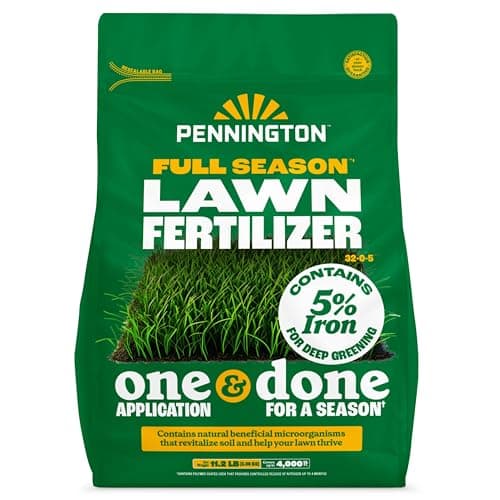
Pennington Full Season Lawn Fertilizer 32-0-5
High-nitrogen fertilizer with iron for fast green-up on warm-season lawns.

Outsidepride Maya (Blackjack II) Bermuda Grass Seed (5 lb)
Named, fine-textured improved bermuda cultivar for dense, carpet-like, dark-green full-sun turf; 5 lb full-lawn bag.
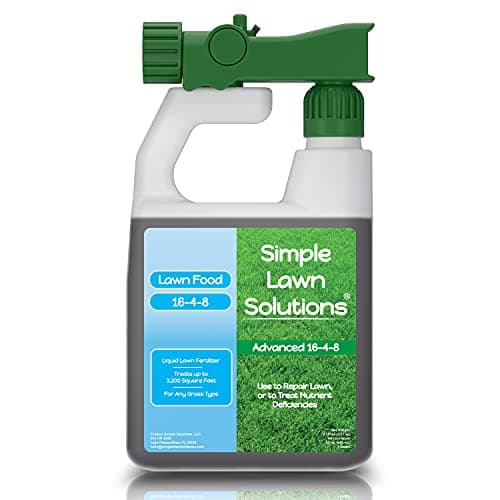
Simple Lawn Solutions Advanced 16-4-8 Liquid Fertilizer
Concentrated liquid fertilizer with balanced 16-4-8 NPK for quick green-up through any hose-end sprayer.
Key Nutrients for Optimal Performance
Nitrogen is the primary driver of Bermuda’s dense, green canopy, fueling blade growth and recovery from mowing or wear. Phosphorus supports root development, but established Alabama lawns rarely need extra phosphorus unless a soil test indicates a deficiency. Potassium enhances drought and disease resistance, making it critical during Alabama’s dry spells. Micronutrients like iron, manganese, and zinc boost color and stress tolerance, especially in high-pH or sandy soils. Testing your lawn’s soil-covered in our "How to Test Your Lawn Soil in Alabama" guide-ensures your fertilizer matches actual needs and avoids nutrient waste.
- Purdue Turfgrass Science guidance: Phosphorus is rarely needed on established lawns unless a soil test shows a deficiency.
Best Fertilizer Types & Products for Bermuda Grass in Alabama (2026)
Granular vs. Liquid Fertilizers: Pros and Cons
Granular fertilizers are preferred for most Alabama Bermuda lawns due to their ease of application and even, controlled release of nutrients. Slow-release granular products minimize surge growth and reduce the risk of fertilizer burn-especially important in Alabama’s heat. Liquid fertilizers offer faster green-up and are useful for quick corrections, but require more frequent applications and precise mixing. Controlled-release blends are best for routine maintenance, while quick-release products serve as boosters during peak growth or after heavy rain.
Top-Rated Fertilizer Blends for 2026
For 2026, a high-nitrogen, slow-release blend with minimal phosphorus is the top pick for Alabama Bermuda grass. Pennington Full Season Lawn Fertilizer 32-0-5 stands out for its 32-0-5 NPK ratio and added iron, which produces deep green color and sustained growth across warm-season months. This product covers 5,000 sq ft per bag, making it efficient for larger lawns. For lawns needing a quick green-up or those maintained with hose-end sprayers, Simple Lawn Solutions Advanced 16-4-8 Liquid Fertilizer is a versatile choice, providing balanced nutrition and rapid absorption. When starting new lawns or overseeding, Outsidepride Maya (Blackjack II) Bermuda Grass Seed (5 lb) provides a dense, dark-green turf ideal for Alabama’s sun and heat.
Organic fertilizers appeal to eco-conscious homeowners but can be inconsistent in nutrient content and slow to release, especially in compacted Alabama clay. Synthetic fertilizers generally outperform organics for rapid Bermuda recovery and color, though combining both can improve soil health over time. For pet-safe options, look for products certified as non-toxic and always follow label directions to minimize residue and runoff.
Advanced Additives to Boost Results
Advanced soil conditioners like humic acid, seaweed extracts, and bio-stimulants can improve nutrient uptake and root health-especially in compacted clay or sandy soils. These additives are often tank-mixed with liquid fertilizers or spread separately. If combining fertilizer with weed-and-feed or insect control products, check label compatibility and avoid mixing with pre-emergents unless specifically allowed. For more on integrated weed control, refer to our "Best Pre-Emergent for Alabama Lawns" guide.
Alabama Bermuda Fertilizer Schedule: Timing Is Everything
Month-by-Month Fertilization Calendar
Bermuda grass in Alabama should be fertilized according to soil temperature and seasonal growth cycles. The timing data we track puts the first application after the soil reaches 65°F, usually in late March to early April for most of the state. Apply 20% of the annual nitrogen in spring, then 80% split across late May, July, and early September. Never fertilize after September-this encourages late-season weed growth and can harm winter hardiness. Bermuda goes dormant from November through March and should not be fed during this period.
| Month | Soil Temp Trigger | Fertilizer Timing | Notes |
|---|---|---|---|
| March-April | 65°F sustained | First feeding (20%) | Wait for green-up |
| May-July | 70-85°F | Main feedings (40-50%) | Peak growth |
| August-September | Cooling trend | Final feeding (30-40%) | Stop by end of September |
| October-February | Dormant | None | No fertilizer |
Adjusting for Weather Extremes and Microclimates
Drought, heavy rain, and soil type differences between North and South Alabama require schedule adjustments. In wet years, wait for dry windows to avoid runoff and nutrient loss. During drought, reduce application rates or split feedings to minimize burn and maximize uptake. Sandy soils, especially near the coast, may need lighter, more frequent feedings due to leaching, while clay soils benefit from core aeration before fertilizing to improve penetration. Always check local weather forecasts and monitor soil moisture before applying fertilizer.

Integrating Fertilization with Other Lawn Care Tasks
Fertilizer works best when integrated with core aeration, consistent mowing, and pest control. Bermuda should be mowed at 1-2 inches high-Our Grass Database shows that this range promotes dense, resilient growth. Aerate compacted soils in late spring before your main fertilization. Overseed thin or damaged areas after the last summer feeding, and coordinate pre-emergent herbicide applications so they do not interfere with fertilizer uptake. For more detail, see our "How Often Should You Mow Bermuda Grass in Alabama?" and "Bermuda Grass Overseeding Guide."
How to Apply Fertilizer for Maximum Bermuda Grass Health
Step-by-Step Application Instructions
To apply fertilizer correctly, use a broadcast or drop spreader for granular products and a hose-end or backpack sprayer for liquids. Wear gloves, eye protection, and a dust mask if spreading fine granules. Calculate product needs based on your lawn’s square footage and the label’s per 1,000 sq ft rate-over-application can burn Bermuda and waste money. Apply fertilizer in overlapping passes, using perpendicular stripes to ensure even coverage. Missed spots will appear as pale streaks within 7-10 days, especially during peak growth.
Watering and Weather Considerations
Water the lawn thoroughly the day before fertilizing to reduce stress, then irrigate with at least 0.25-0.5 inches immediately after application to help nutrients reach the root zone. Avoid fertilizing ahead of heavy rain, which can wash away fertilizer and contribute to runoff pollution. During Alabama’s summer storms, delay applications until 24 hours after rain stops, and adjust irrigation if rainfall exceeds 1 inch. In drought, water within 12 hours of fertilizer application to prevent burn.
Pro Tips for Advanced Results
Professional crews use split applications-applying one-half to one-third the rate every 3-4 weeks-to provide steady nutrition and avoid surge growth. Spoon-feeding with diluted liquid fertilizer every 2-3 weeks is another golf-course level technique for ultra-dense turf. For confirmation, inspect your Bermuda 7-10 days after feeding-look for uniform color, steady growth, and no streaks. If growth stalls or yellowing appears, perform a simple tissue test (compare blades from different areas) or retest soil for nutrient imbalances.
Specialty Strategies: Addressing Unique Alabama Lawn Challenges
High-Traffic, Shaded, or Problem Areas
Sports fields, playgrounds, and home lawns with heavy wear require more frequent feeding and overseeding to repair damage. Bermuda’s very high traffic tolerance is an asset, but compacted soils need annual aeration and slightly higher potassium for recovery. Shaded lawns struggle with Bermuda; for partial shade, increase mowing height to 2 inches and supplement with iron for color. Runoff-prone slopes benefit from slow-release granular blends and light, repeated applications to prevent fertilizer loss.
Organic and Sustainable Fertilization in Alabama
Transitioning to organic fertilization is possible but takes patience in Alabama’s soils. Expect slower green-up and less dramatic results the first year. Compost teas, poultry litter blends, and natural amendments improve long-term soil health but should be paired with core aeration for best effect. Consistency is key-organic matter builds up over seasons, not weeks. Eco-conscious homeowners should avoid fertilizers with high phosphorus unless a soil test confirms a deficiency.
Bermuda Grass Varieties and Customization
Popular Bermuda cultivars in Alabama-like Tifway, Celebration, and Princess-differ in color, texture, and nutrient uptake. Hybrids may require slightly more nitrogen for championship-level density, while seeded types like Maya or Blackjack respond well to balanced feeds. Sod and newly seeded lawns need lighter, more frequent applications during the first 2-3 months. Adjust your fertilization plan to match the specific needs and growth habits of your Bermuda variety for best results.
Common Mistakes to Avoid
Misreading Soil Tests or Skipping Confirmation
Many Alabama homeowners either skip soil testing or misunderstand the results, leading to overuse of phosphorus or unnecessary additives. Always confirm with a current soil test before adding phosphorus or lime. A simple tissue test-comparing blade color and thickness in different lawn sections-helps diagnose real-time deficiencies before your next feeding.
Timing Errors: Feeding Too Early or Late
Applying fertilizer before Bermuda greens up or after September is a common mistake that wastes product and encourages aggressive weed growth. Late-season nitrogen also reduces cold tolerance, increasing winterkill risk. Confirm soil temperature with a probe before the first spring application-do not rely on calendar dates alone.
Safety and Application Mistakes
Over-applying granular fertilizer can burn Bermuda, especially in drought or intense heat. Always follow Alabama-specific label rates, wear protective gear, and keep pets and kids off the lawn until the product is watered in and dry. Prevent runoff by avoiding fertilizer applications ahead of heavy rain, and sweep stray granules off driveways or sidewalks to protect local waterways.
- NC State TurfFiles guidance: Slow-release nitrogen sources feed turf more evenly and reduce surge growth compared with quick-release products.
Conclusion
Choosing the best fertilizer for Bermuda grass in Alabama (2026) requires matching a high-nitrogen, slow-release product to your lawn’s soil, timing feedings to match peak growth, and applying with precision. Follow a tailored Alabama Bermuda fertilizer schedule, confirm your soil’s needs with regular testing, and use advanced application strategies to achieve golf course-level results at home. For a full lawn care plan, check out our guides on "How to Test Your Lawn Soil in Alabama," "Best Pre-Emergent for Alabama Lawns," and "How Often Should You Mow Bermuda Grass in Alabama?"
Top Picks
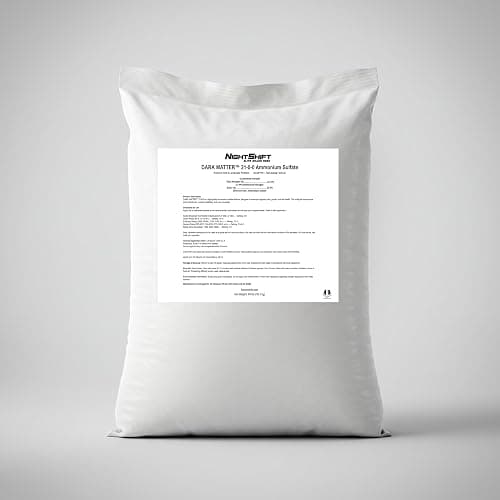
 Dark Matter 21-0-0 Ammonium SulfateCheck price on Amazon
 Simple Lawn Solutions Advanced 16-4-8 Liquid Fertilizer (32 oz)Check price on Amazon
As an Amazon Associate we earn from qualifying purchases.
Free Lawn Care Tools
A high-nitrogen, slow-release granular fertilizer such as a 32-0-5 blend works best for Alabama Bermuda lawns. Choose products with added iron for a deeper green color and apply according to a soil temperature-triggered schedule.
Begin fertilizing once soil holds 65°F for several days, usually in late March or early April. Apply most feedings between May and September, with no fertilizer after September to avoid winter injury and weed growth.
Our Grass Database recommends 3.5 lbs of nitrogen per 1,000 sq ft annually for Bermudagrass, with 80% applied during the summer months for optimal growth in Alabama.
Yes, but organic fertilizers release nutrients more slowly and may not provide the rapid green-up of synthetics. Combine organics with core aeration and regular applications to improve soil health over time.
Always follow the label rate for Alabama conditions, water the lawn after application, and avoid fertilizing during drought or just before heavy rain. Use slow-release products to minimize the risk of fertilizer burn.
No, most established Alabama lawns do not need extra phosphorus unless a soil test shows a deficiency. Overusing phosphorus can harm the environment and waste money.
Photos: Dan Bleden / Pexels, Lisa from Pexels / Pexels, Rodolfo Gaion / Pexels

Beat weeds and brown spots from your phone
Snap a photo, get the fix, and follow a plan timed to your soil and weather. Free on iPhone.