Best Fertilizer for St. Augustine Grass in Louisiana (2026)
 Marcus GreenTurf Management Pro | 18 Years
As an Amazon Associate we earn from qualifying purchases.
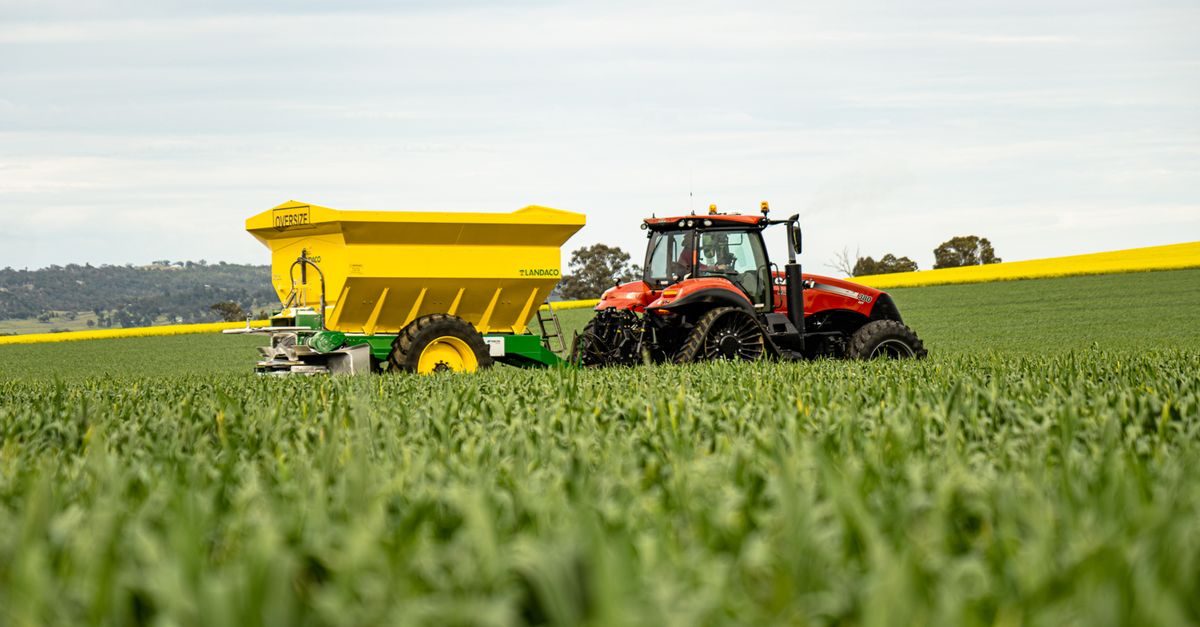
Maintaining a lush, green St. Augustine lawn in Louisiana is equal parts art and science. With the state’s heavy rains, sweltering summers, and unique soil profiles, St. Augustine grass faces challenges from rapid growth spurts to sudden disease outbreaks. Choosing the best fertilizer for St. Augustine grass in Louisiana (2026) is crucial-not only for vibrant color and thickness, but also for resilience against pests, drought, and the region’s unpredictable weather. As the Gulf Coast lawn fertilizer market evolves with new products and stricter regulations, homeowners need a clear, science-backed plan tailored to both the grass and the Louisiana climate.
This comprehensive guide covers everything: the unique needs of St. Augustine in Louisiana, the latest fertilizer options for 2026, a month-by-month Louisiana St Augustine fertilizer schedule, application techniques, advanced troubleshooting, and pro tips adapted from championship golf course turf management. Whether you’re starting a lawn from scratch or fine-tuning a decades-old yard, you’ll find actionable, precise advice to help your St. Augustine thrive this year.
The best fertilizer for St. Augustine grass in Louisiana in 2026 is a slow-release, southern-formulated product with a 3-4 lb nitrogen per 1,000 sq ft annual target, split across spring, summer, and early fall. Confirm your soil pH is 6.0-7.5 and apply the first dose after full spring green-up (usually late April to early May). Never fertilize during cold spells or on waterlogged soils. Expect visible results in 7-14 days after application, and always water in fertilizer thoroughly to prevent burn.
- Our Grass Database recommends 3 lbs of nitrogen per 1,000 sq ft annually for St. Augustinegrass in Louisiana, split 20% spring, 55% summer, 25% fall.
- Apply the first fertilizer after St. Augustine fully greens up-typically late April to early May in Louisiana.
- Slow-release fertilizers reduce surge growth and nutrient runoff, making them ideal for Louisiana’s high rainfall and heavy soils.
- St. Augustine grass requires a mowing height of 2.5-4 inches and 1 inch of water weekly during peak summer growth.
- Always confirm nutrient needs with a soil test before applying phosphorus or potassium; most established lawns do not need added phosphorus unless deficient.
This guide covers Louisiana-specific timing, soil, and product notes. For the full national picture, NPK ratios, and the complete product comparison, see our main best fertilizer for St. Augustine grass guide.
Understanding St. Augustine Grass in Louisiana’s Climate
The Unique Needs of St. Augustine Grass
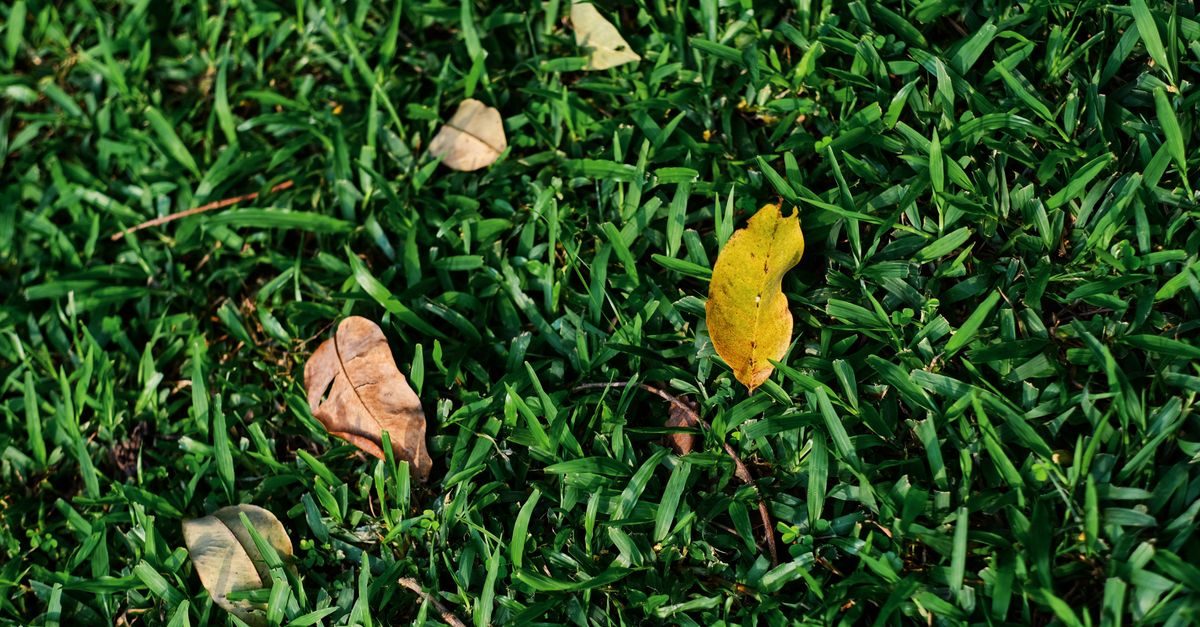
St. Augustine grass dominates Louisiana lawns thanks to its dense, carpet-like growth, high shade tolerance, and ability to thrive in the state’s hot, humid summers. This warm-season grass peaks in growth from May through September, requiring consistent moisture and nutrients to maintain its signature blue-green color and thick coverage. However, it is sensitive to cold snaps, soggy soils, and traffic, and prone to diseases like brown patch and pests such as chinch bugs. Proper fertilization is key to maximizing its strengths while minimizing vulnerabilities.
Recommended products
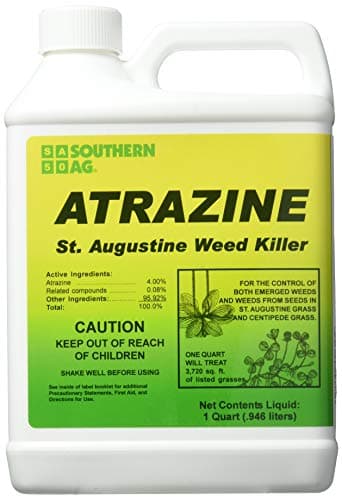
Southern Ag 006130 Atrazine St. Augustine Weed Killer 32oz Specialty Herbicide
Southern-grass herbicide option for St. Augustine and centipede lawns where three-way broadleaf products are unsafe.
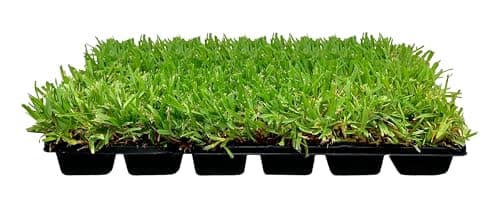
St. Augustine Palmetto Grass Plugs (18 Extra-Large Live Plugs)
Live Palmetto St. Augustine plugs, the way you actually start a St. Augustine lawn, since this grass is established from plugs or sod rather than seed.
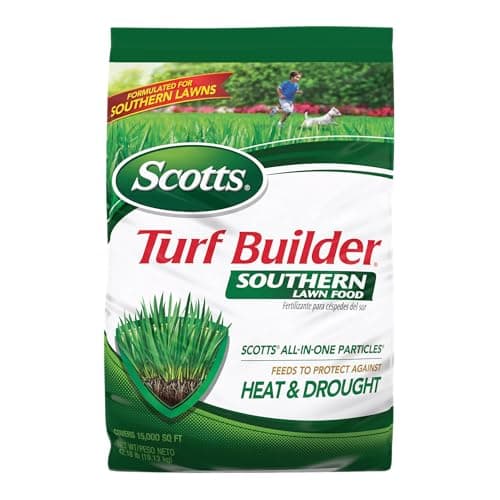
Scotts Turf Builder Southern Lawn Food
32-0-10 fertilizer with iron, formulated specifically for southern grasses like St. Augustine, Bermuda, Centipede, and Zoysia.
How Louisiana’s Conditions Affect Fertilizer Choices
Louisiana’s Gulf Coast climate features heavy spring rains, intense summer heat, and a mix of clay, loam, and sandy soils. High humidity and rainfall can quickly leach nutrients from the soil, while periods of drought stress St. Augustine’s shallow roots. The recent 2025-2026 weather patterns have seen longer wet spells in spring and hotter, drier late summers, increasing the risk of both nutrient washout and drought stress. Soil testing is critical before fertilizing-knowing your pH (target range: 6.0-7.5) and baseline nutrient levels ensures you only add what’s needed, reducing waste and potential for disease.
2026’s Best Fertilizer Options for St. Augustine Grass
Key Nutrients for Optimal Growth
St. Augustine grass demands a careful balance of nitrogen (N), phosphorus (P), and potassium (K), known as N-P-K on fertilizer bags. Nitrogen drives lush top growth, phosphorus supports root development (but is rarely needed in mature lawns), and potassium enhances disease resistance and drought tolerance. Louisiana soils often supply enough P and K unless a soil test shows otherwise. Micronutrients-especially iron, magnesium, and sulfur-are crucial for deep green color and optimal metabolism, especially in high-pH or sandy soils common along the Gulf Coast.
Liquid vs. Granular Fertilizers: Pros, Cons, and Best Uses
Liquid fertilizers offer rapid nutrient uptake and are best for quick correction of deficiencies or foliar feeding during peak stress, but require more frequent application and careful timing. Granular fertilizers, especially slow-release blends, provide steady nutrition over weeks or months, making them the backbone of a sustainable St. Augustine program in Louisiana. For most homeowners, slow-release granular products are superior for safety, convenience, and environmental protection, especially during unpredictable Louisiana weather.
Top Product Picks for 2026
For 2026, the standout choice is Scotts Turf Builder Southern Lawn Food. This 32-0-10 blend is engineered for St. Augustine and other southern grasses, delivering fast green-up and sustained feeding with added iron for deeper color. It’s ideal for homeowners seeking professional results without custom mixing. For those establishing a new lawn or repairing bare spots, St. Augustine Palmetto Grass Plugs (18 Extra-Large Live Plugs) provide the dense, shade-tolerant growth essential for Louisiana’s tree-lined yards. Organic options like Milorganite are gaining traction, but be cautious: organic fertilizers release nutrients more slowly and may struggle to supply enough nitrogen for peak summer growth unless applied at higher rates or blended with synthetic products.
Specialty Gulf Coast fertilizers for 2026 feature improved slow-release nitrogen sources and enhanced micronutrient packages to counteract iron chlorosis and magnesium deficiency, both common in Louisiana’s alkaline and sandy soils. Always check the label for “southern lawns,” “St. Augustine safe,” and slow-release content for best results.
DIY Fertilizer Mixes vs. Commercial Products
Advanced homeowners sometimes blend their own fertilizer using urea, ammonium sulfate, and micronutrient packs, but this approach requires precise weighing, careful mixing, and strict safety precautions to avoid burn or nutrient imbalances. For most, commercial products are the best bet-offering consistency, convenience, and formulations tailored to St. Augustine’s needs. Blending your own is only advisable if you have a recent soil test, access to accurate scales, and experience with fertilizer chemistry.
Louisiana St Augustine Fertilizer Schedule: When and How to Fertilize
Year-Round Fertilization Calendar for 2026
The optimal Louisiana St Augustine fertilizer schedule in 2026 follows a three-phase approach: a light spring application after green-up, a heavy summer feeding, and a modest fall dose before dormancy. The timing data we track puts the first application in late April to early May, once soil consistently exceeds 65°F and the grass is fully out of winter dormancy. North Louisiana may green up 1-2 weeks later than the coast. Avoid fertilizing during late fall or winter-St. Augustine is dormant and cannot absorb nutrients, increasing risk of runoff.
Here’s a sample schedule based on our regional dataset:

| Region | Spring (20%) | Summer (55%) | Fall (25%) |
|---|---|---|---|
| South Louisiana | Late April | June & August | Late September |
| North Louisiana | Early May | Late June & August | Early October |
Apply a total of 3 lbs of nitrogen per 1,000 sq ft per year, split according to the above seasonal percentages for best results.
Step-by-Step Application Checklist
Proper application maximizes fertilizer efficiency and minimizes environmental impact. Follow these steps:
- Soil Test: Test soil every 2-3 years to confirm pH and nutrient levels.
- Mowing: Cut St. Augustine to 2.5-4 inches, removing no more than one-third of blade height before fertilizing.
- Spreader Calibration: Set your broadcast or drop spreader according to the product label for St. Augustine rates-typically 3-4 lbs of product per 1,000 sq ft per application.
- Even Application: Walk at a steady pace, overlapping slightly to avoid stripes or skips.
- Water-In: Irrigate with 0.25 to 0.5 inches of water after application to move nutrients into the root zone and prevent burn.
Never fertilize ahead of heavy rain or on saturated soils, as nutrients can wash away before being absorbed.
Adjusting for Weather Extremes
Louisiana’s weather can turn on a dime. During drought, delay fertilization until the lawn is hydrated and actively growing. If heavy rain is forecast, wait 2-3 days after the storm passes before applying fertilizer. After hurricanes or flooding, flush the soil with clean water, allow the turf to recover, then resume fertilization at half-rate once new growth resumes. During unexpected cool spells (soil below 65°F), pause applications to avoid waste and reduce disease risk.
Advanced Fertilization Strategies for Lush, Disease-Resistant Lawns
Pro Tips for Maximizing Color, Thickness, and Root Health
To achieve that golf course-quality look, supplement your main fertilizer with iron chelate or liquid iron during mid-summer for a rapid color boost without excessive growth. Magnesium sulfate (Epsom salt) can help if your soil test indicates a deficiency. Foliar feeding-applying a diluted liquid fertilizer directly to the leaves-can quickly correct micronutrient shortages but should be done in early morning or late evening to avoid leaf burn. Deep, infrequent watering (1 inch per week) encourages deeper root growth and increases drought resilience.
Integrating Weed and Pest Control with Fertilization
The best timing for weed and pest control is 1-2 weeks after fertilizing, when the grass is actively growing and can recover from any stress. For St. Augustine lawns, avoid traditional three-way broadleaf herbicides, which can cause severe injury. Instead, use targeted products like Southern Ag 006130 Atrazine St. Augustine Weed Killer 32oz Specialty Herbicide, which is safe for St. Augustine and effective against many broadleaf weeds. Always check compatibility with your fertilizer and avoid mixing products unless the label explicitly allows it. Prevent chinch bugs by keeping the lawn dense and well-watered, and reduce brown patch risk by avoiding late-evening watering or over-fertilization in fall.
Sustainable and Eco-Friendly Fertilization in Louisiana
Reducing runoff and nutrient leaching is critical in Louisiana’s high-rainfall regions. Use at least 50% slow-release nitrogen to keep nutrients in the soil longer and minimize the risk of pollution. Sweep fertilizer granules off sidewalks and driveways back onto the lawn. Avoid applying fertilizer within 10 feet of waterways or storm drains to protect local ecosystems. Organic fertilizers can be part of a sustainable program but must be carefully managed to ensure adequate nutrient supply.
- NC State TurfFiles guidance: Slow-release nitrogen sources feed turf more evenly and reduce surge growth compared with quick-release products.
Troubleshooting: Diagnosing and Correcting Fertilizer-Related Problems
Identifying Deficiency Symptoms in St. Augustine Grass
Yellowing between leaf veins (iron chlorosis), patchy pale areas, or stunted growth often indicate nutrient deficiencies. If the entire lawn is pale yellow with reduced growth, nitrogen is likely lacking-confirm with a soil test. If yellowing appears only in shaded or compacted areas, consider soil oxygen or drainage issues. Brown or burnt tips, especially after fertilizing, suggest fertilizer burn or salt accumulation. Always rule out drought and pest damage before adjusting your fertilization plan.
Fixing Over-Fertilization and Burn
If you suspect fertilizer burn-brown, crispy patches appearing 1-3 days after application-immediately irrigate the area with 1-2 inches of water to dilute salts and move them below the root zone. Avoid mowing stressed areas until new growth appears. For long-term recovery, topdress with compost or peat moss to encourage microbial breakdown of excess fertilizer, and resume regular care once the lawn shows signs of recovery (usually 2-4 weeks).
When to Call a Pro: Signs You Need Expert Help
If your lawn shows persistent symptoms despite following the correct fertilizer schedule-such as spreading dead patches, severe yellowing, or rapid weed takeover-consult a local lawn care professional or extension agent. Severe soil imbalances, recurring disease outbreaks, or major weather damage (from flooding or hurricanes) may require expert diagnosis, soil amendments, or renovation strategies beyond routine fertilization.
Common Mistakes to Avoid
Misreading Soil Test Results and Skipping Confirmation
Many homeowners misinterpret soil test results or skip testing altogether, leading to unnecessary or harmful fertilizer applications. Always double-check your results with your local LSU AgCenter or county extension office for region-specific guidance, as local soils can vary dramatically even within a single neighborhood.
Fertilizing at the Wrong Time or With Inappropriate Products
Applying fertilizer too early in spring (before full green-up), too late in fall, or during periods of drought or flooding wastes product and increases disease risk. Avoid generic “weed and feed” products not labeled for St. Augustine, as many contain herbicides that can damage or kill your lawn. Instead, follow the Louisiana St Augustine fertilizer schedule tailored to 2026’s weather patterns and your own soil test results.
Overapplication, Inconsistent Spreader Settings, and Safety Hazards
Over-fertilization is a top cause of lawn stress, runoff, and environmental harm. Always calibrate your spreader before each use, and never apply more than the recommended rate. Keep fertilizers out of reach of pets and children, and store in a cool, dry place. Uneven application-seen as stripes or blotches-can be prevented by overlapping passes and using a consistent walking pace.
- Purdue Turfgrass Science guidance: Phosphorus is rarely needed on established lawns unless a soil test shows a deficiency.
Conclusion
The best fertilizer for St. Augustine grass in Louisiana (2026) combines a slow-release, southern-formulated blend matched to your soil’s specific needs, applied according to a proven seasonal schedule. Test your soil every 2-3 years, adjust your fertilization based on active growth and weather, and incorporate both micronutrients and safe weed controls for a truly resilient, lush lawn. For deeper insights, check out our guides on How to Aerate St. Augustine Lawns in Louisiana, Best Organic Weed Control for Southern Lawns, and Lawn Pest Control for St. Augustine Grass. Share your 2026 fertilizer results or questions in the comments, and sign up for updates on the latest Gulf Coast lawn care trends and products.
Top Picks
 Scotts Turf Builder Southern Lawn FoodCheck price on Amazon
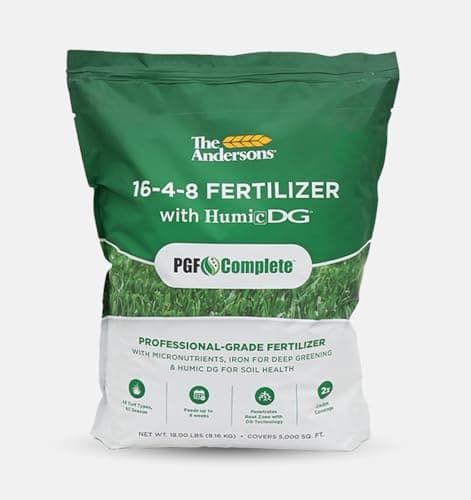
 The Andersons PGF Complete 16-4-8 (5,000 sq ft)Check price on Amazon
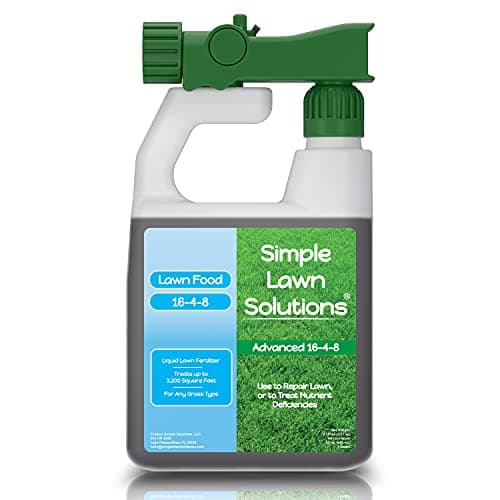
 Simple Lawn Solutions Advanced 16-4-8 Liquid Fertilizer (32 oz)Check price on Amazon
As an Amazon Associate we earn from qualifying purchases.
Free Lawn Care Tools
The best fertilizer for St. Augustine grass in Louisiana is a slow-release, southern-formulated blend such as Scotts Turf Builder Southern Lawn Food. Apply according to your soil test and the seasonal schedule for optimal results.
Fertilize after the lawn fully greens up in late April to early May, with follow-up applications in summer and early fall. Avoid fertilizing during dormancy or extreme weather.
Apply 3 lbs of nitrogen per 1,000 sq ft per year, split as 20% in spring, 55% in summer, and 25% in fall for best growth and color.
Granular slow-release fertilizers are best for most Louisiana lawns, as they provide steady nutrition and reduce runoff risk. Use liquid fertilizers for quick deficiency correction only.
Yellowing may signal overwatering, nutrient deficiency, or disease. Confirm with a soil test, check for drainage issues, and apply iron if the soil pH is high or iron is low.
Most established lawns do not require added phosphorus unless a soil test shows a deficiency. Overapplication can harm the environment and is not recommended.
Photos: tu nguyen / Pexels, Lisa from Pexels / Pexels, Dan Bleden / Pexels

Beat weeds and brown spots from your phone
Snap a photo, get the fix, and follow a plan timed to your soil and weather. Free on iPhone.