Best Fertilizer for St. Augustine Grass in South Carolina (2026)
 Marcus GreenTurf Management Pro | 18 Years
As an Amazon Associate we earn from qualifying purchases.
The lush, emerald green of St. Augustine grass is a hallmark of South Carolina lawns, particularly along the coast where sandy soils and salt air create unique challenges. With 2026 bringing shifting weather patterns, new fertilizer technologies, and evolving regulations, selecting the best fertilizer for St. Augustine grass in South Carolina is both more important and more complex than ever before.
Homeowners face a maze of choices: balancing nutrient needs for fast summer growth, protecting water quality near marshes and rivers, and making sense of new product labels and application guidance. This comprehensive 2026 guide delivers a clear, professional approach to choosing and applying fertilizer for South Carolina’s St. Augustine lawns-complete with month-by-month schedules, product recommendations, and region-specific tips for the Lowcountry, Midlands, and Upstate.
The best fertilizer for St. Augustine grass in South Carolina in 2026 is a slow-release, nitrogen-rich formula applied according to your lawn’s growth cycle and soil type. Confirm your soil’s nutrient needs with a soil test before the first application each late spring. Never apply fertilizer before soil consistently warms to 65°F or after October, to avoid waste and disease risk. Expect visible color improvement within 1-2 weeks after proper feeding, but avoid overapplication-especially on sandy, coastal soils-to prevent runoff and root burn.
- Our Grass Database recommends 3 lbs of nitrogen per 1,000 sq ft annually for St. Augustine grass in South Carolina.
- The optimal fertilization window is late April through September, with 55% of annual nitrogen applied during peak summer growth.
- Slow-release granular fertilizers reduce growth surges and minimize leaching in sandy soils common along the SC coast.
- Always test soil before fertilizing to avoid nutrient imbalance and comply with South Carolina’s evolving 2026 regulations.
- Water St. Augustine lawns 1 inch per week during summer after fertilization to activate nutrients and prevent burn.
This guide covers South Carolina-specific timing, soil, and product notes. For the full national picture, NPK ratios, and the complete product comparison, see our main best fertilizer for St. Augustine grass guide.
Understanding St. Augustine Grass in South Carolina
St. Augustine grass is a warm-season turf highly adapted to South Carolina’s hot, humid climate, thriving where many cool-season grasses fail. Its broad, dense blades shade out weeds and handle salt exposure better than Bermuda or Zoysia, making it the go-to choice for coastal and shaded lawns. However, St. Augustine’s shallow roots and low traffic tolerance require careful fertilization and water management, especially in sandy or compacted soils.
Recommended products
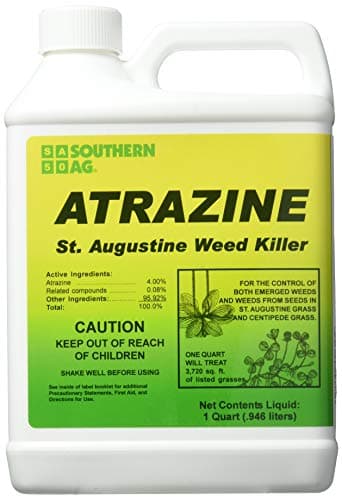
Southern Ag 006130 Atrazine St. Augustine Weed Killer 32oz Specialty Herbicide
Southern-grass herbicide option for St. Augustine and centipede lawns where three-way broadleaf products are unsafe.
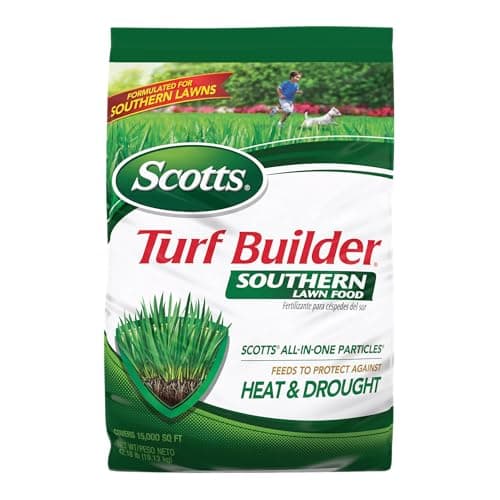
Scotts Turf Builder Southern Lawn Food
32-0-10 fertilizer with iron, formulated specifically for southern grasses like St. Augustine, Bermuda, Centipede, and Zoysia.
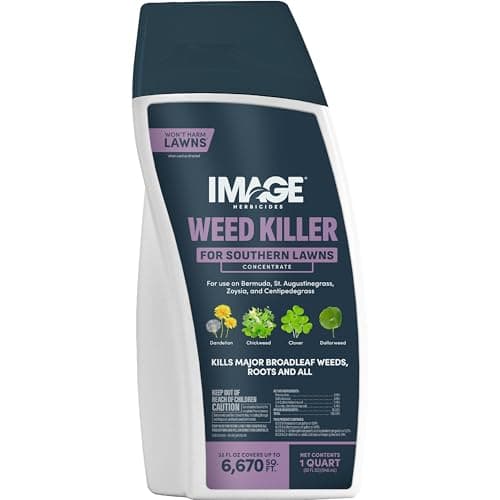
IMAGE Southern Lawn Weed Killer
Broadleaf weed killer labeled for several southern grasses, including St. Augustine, centipede, bahiagrass, buffalograss, and zoysia.
While Bermuda excels in sunny, high-traffic lawns, and Zoysia offers drought resistance, St. Augustine stands out for its shade tolerance and ability to flourish in the unique microclimates of Lowcountry and coastal SC. Homeowners comparing Bermuda vs St. Augustine for South Carolina Lawns should note that St. Augustine is often the better pick for shaded, salt-prone, or sandy sites.
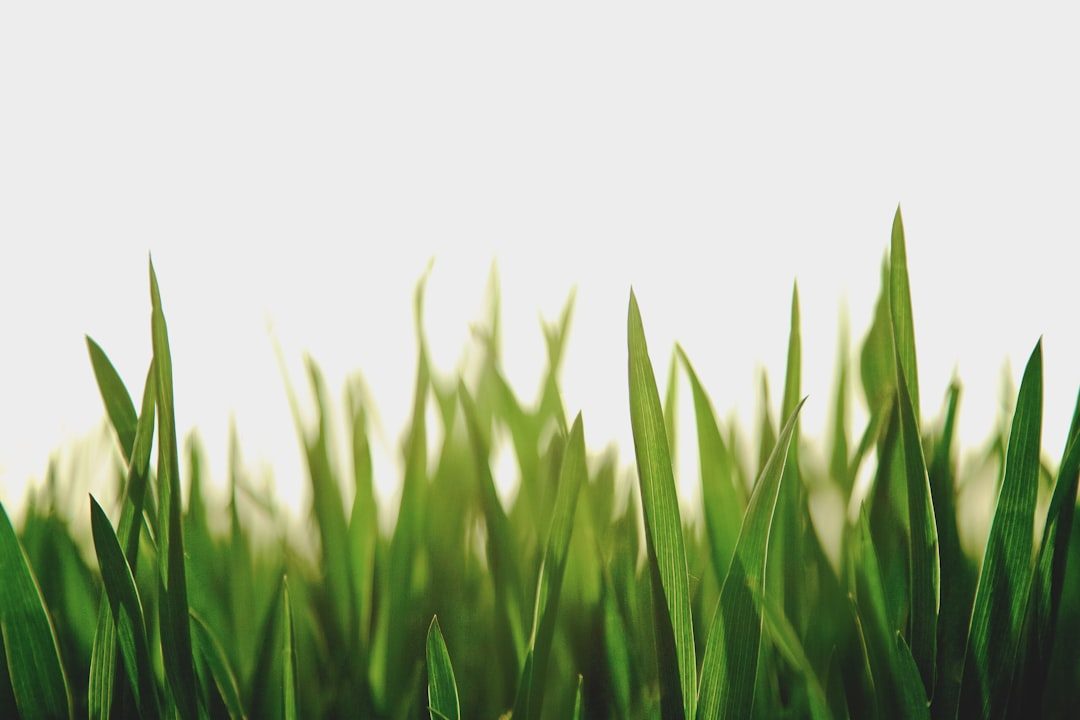
What Makes St. Augustine Grass Unique in SC Lawns
St. Augustine grass thrives in South Carolina due to its high shade tolerance, moderate drought resistance, and ability to handle salt exposure from coastal winds and irrigation. The grass’s thick stolons form a dense mat that competes well against weeds, but its low traffic tolerance means it suffers in high-use areas. Key challenges for St. Augustine in SC include rapid nutrient leaching in sandy soils, increased disease risk from humid nights, and salt accumulation after storms or irrigation with brackish water.
Unlike Bermuda and Zoysia, which require shorter mowing heights and tolerate more foot traffic, St. Augustine demands a higher mowing height (2.5-4 inches) to support its shallow roots and maintain color. It’s best suited for homeowners prioritizing lush aesthetics over heavy play or sports use.
Nutritional Needs for St. Augustine Grass Health
St. Augustine grass requires balanced macronutrients: nitrogen (N) for top growth and color, phosphorus (P) for root development, and potassium (K) for stress tolerance. Our Grass Database shows 3 lbs of nitrogen per 1,000 sq ft per year is ideal for vigorous, healthy turf in South Carolina. Phosphorus is rarely needed on established lawns unless a soil test shows a deficiency, as most SC soils already contain adequate P.
Micronutrients often overlooked in coastal SC include iron, magnesium, and sulfur, all of which can leach rapidly from sandy soils or become less available with high pH from shell or coral content. Iron is especially important for deep green color-deficiency often appears as yellowing between veins, particularly after heavy rain or excessive irrigation. Soil type directly affects nutrient needs: sandy soils lose nitrogen and micronutrients quickly, while clay soils may require less frequent feeding but benefit from aeration to combat compaction.
The 2026 South Carolina St. Augustine Fertilizer Schedule
The optimal South Carolina St. Augustine fertilizer schedule in 2026 centers on the grass’s active growth period, with adjustments for regional climate and soil type. Fertilization timing and rates should align with the grass’s peak nutrient demand to maximize results and minimize waste or environmental impact.
Based on our regional dataset, St. Augustine lawns in SC perform best with split fertilizer applications: 20% of annual nitrogen in late spring after green-up, 55% during active summer growth (May through August), and 25% in early fall (September to early October). No fertilizer should be applied during winter dormancy (November through March).
Seasonal Fertilization Calendar (2026 Edition)
St. Augustine grass should be fertilized according to a month-by-month calendar tailored to South Carolina’s unique climate. In 2026, start the first application when the lawn greens up and soil consistently holds 65°F-typically late April in the Lowcountry and early May in the Midlands and Upstate. Continue with split applications during summer, spacing them 6-8 weeks apart, and apply the final feeding by early October to support fall root growth before dormancy.
| Region | First Application | Peak Growth Feeding | Final Feeding |
|---|---|---|---|
| Lowcountry (Coastal) | Late April | June - August | Early October |
| Midlands | Early May | June - August | Early October |
| Upstate | Mid May | June - August | Late September |
Coastal lawns may require lighter, more frequent feedings due to rapid leaching from rainfall and sandy soils. Always avoid fertilizing before or during heavy rain events to prevent nutrient runoff, especially near waterways.
Matching Fertilizer Formulas to the Growth Cycle
Fertilizer selection for St. Augustine grass in 2026 should match the lawn’s seasonal nutrient needs and soil conditions. Synthetic slow-release formulas are preferred for most South Carolina lawns, as they provide steady feeding and reduce the risk of burn or leaching compared to quick-release products. Organic options, including compost and natural blends, improve soil health but may act more slowly and are best for environmentally sensitive areas or pet-friendly lawns.
Professional crews often alternate slow-release and quick-release products: slow-release for baseline feeding, quick-release for rapid green-up after stress or repair. Homeowners should always review fertilizer labels for NPK ratios, slow/quick-release content, and micronutrient guarantees. In 2026, expect clearer labeling of nitrogen sources and environmental safety certifications on leading products. For St. Augustine, look for a fertilizer with a higher nitrogen content (such as 32-0-10) and added iron for color boost.
- NC State TurfFiles guidance: Slow-release nitrogen sources feed turf more evenly and reduce surge growth compared with quick-release products.
Best Fertilizer Products for St. Augustine Grass in South Carolina (2026)
Choosing the right fertilizer for South Carolina’s St. Augustine lawns in 2026 means balancing nutrient needs, soil type, and environmental safety. Below is a comparison of top-rated granular and liquid fertilizers, including both general recommendations and products suited for coastal conditions.
| Product | N-P-K Ratio | Type | Features | Best For |
|---|---|---|---|---|
| Scotts Turf Builder Southern Lawn Food | 32-0-10 | Granular, Slow-Release | Added iron, formulated for St. Augustine, Zoysia, Bermuda, Centipede | All SC regions, especially for fast green-up and deep color |
| Milorganite Organic Nitrogen Fertilizer | 6-4-0 | Granular, Organic | Iron-rich, slow-release, safe for pets/kids | Pet-friendly, environmentally sensitive yards |
| Local Extension Custom Blend | Varies (e.g., 15-0-15) | Granular, Region-Specific | Formulated by county or university extension for local soils | Lowcountry or coastal lawns with unique mineral needs |
| Liquid Iron Supplement | 0-0-0 + Fe | Liquid | Corrects chlorosis, boosts color | Quick green-up after rain or heavy leaching |
For most South Carolina homeowners, Scotts Turf Builder Southern Lawn Food is a reliable, easy-to-use option. It’s designed specifically for St. Augustine and other southern grasses, includes iron for color, and can be used across all regions. Organic blends are best for those prioritizing soil health or lawn safety for children and pets, though results may take longer. For coastal lawns with frequent yellowing, supplementing with a liquid iron product after rainfall helps maintain deep green color.
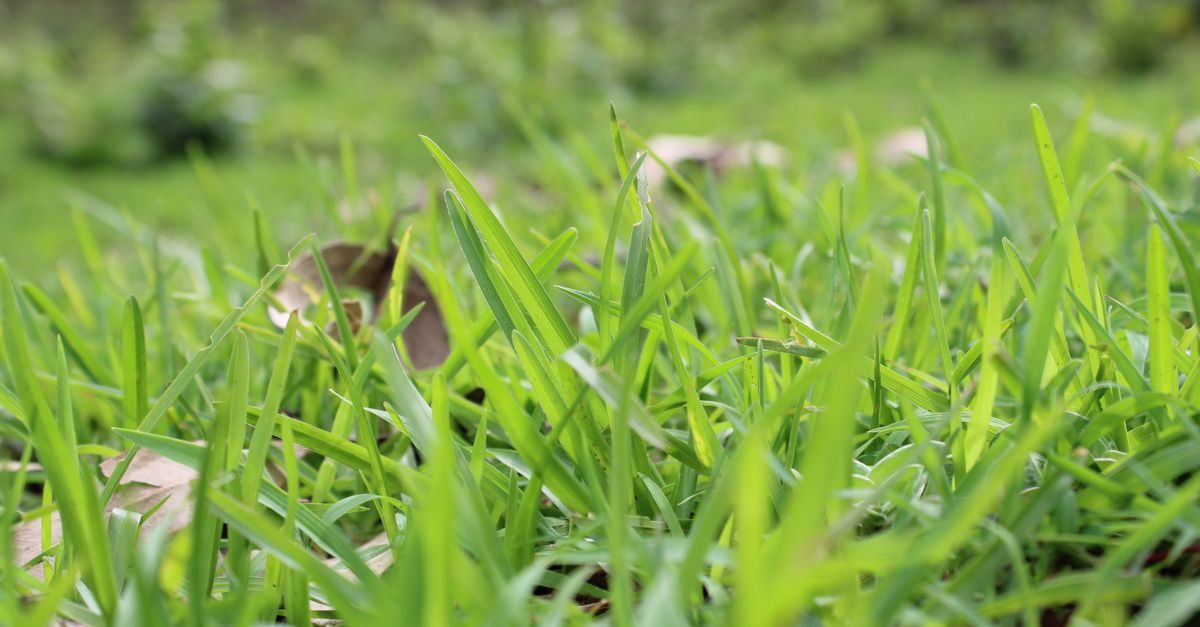
Choosing the Right Fertilizer for Your Lawn’s Conditions
Soil testing is the foundation of successful St. Augustine fertilization in South Carolina. Before applying any product in 2026, test your soil for pH, phosphorus, potassium, and micronutrient levels-especially if your lawn is new, recently renovated, or showing signs of nutritional stress. Soil Testing for South Carolina Lawns provides step-by-step instructions and local lab contacts. Tailor your fertilizer choice to the results: if phosphorus is adequate, select a low- or zero-P blend to comply with regulations and prevent runoff.
Environmentally safe and pet-friendly options, like organic slow-release fertilizers, are highly recommended near waterways or in neighborhoods with strict HOA guidelines. Specialty products such as weed and feed combos or iron-rich blends can address specific problems (like broadleaf weeds or yellowing), but always confirm compatibility with St. Augustine-some herbicides can damage this grass. For weed control that’s safe for St. Augustine, Southern Ag 006130 Atrazine St. Augustine Weed Killer is a targeted option, but use only as directed and avoid overapplication.
Step-by-Step Guide: How to Fertilize St. Augustine Grass in South Carolina
Applying fertilizer to St. Augustine grass in South Carolina requires careful preparation, precise application, and strategic follow-up watering. This step-by-step approach ensures maximum uptake and minimizes waste or environmental risks.
Preparing Your Lawn for Fertilization
Begin by conducting a soil test at least 2 weeks before your first spring fertilizer application. Take samples from several spots 3-4 inches deep, especially if your lawn has both sunny and shaded areas or shows uneven color. Send samples to your county extension or a reputable lab. While awaiting results, mow the lawn to 3 inches, removing no more than one-third of the blade length, and clear debris to ensure even fertilizer contact.
Water your lawn lightly 1-2 days before fertilizing, so soil is moist but not soggy. This prevents fertilizer granules from bouncing off dry thatch and helps nutrients penetrate the soil more effectively. For sandy soils, consider a light watering immediately before application to reduce the risk of burn.
Application: Spreading, Watering-In, and Follow-Up
Set your broadcast or drop spreader according to the product label-most granular fertilizers for St. Augustine require settings between 3.5 and 4.5 (check your spreader’s calibration chart). Apply fertilizer evenly in parallel passes, slightly overlapping to avoid streaks. For liquid fertilizers, use a hose-end sprayer for small lawns or a backpack sprayer for larger areas, maintaining consistent walking speed and pressure.
After applying granular fertilizer, water the lawn with 0.25-0.5 inches of irrigation to move nutrients into the root zone and prevent granule burn. Avoid heavy watering that could cause runoff, especially on slopes or sandy soils. If rain is forecast within 24 hours, delay application until after the event. For drought or heavy rain scenarios, adjust watering: irrigate more frequently but with smaller volumes during drought, and skip supplemental watering after heavy rainfall.
Spot-treat yellow or thin areas with a diluted liquid iron or a small amount of quick-release nitrogen if soil test confirms deficiency. Monitor for uneven color or growth; adjust your next feeding based on these observations and updated soil test results.
Special Considerations for Coastal and Inland South Carolina Lawns
St. Augustine lawns in South Carolina require different fertilizer approaches depending on location and soil type. Coastal lawns face unique challenges from salt, sand, and humidity, while Midlands and Upstate lawns deal with heavier clays, shade, and rainfall variability.
Coastal Carolina: Salt, Sand, and Humidity Challenges
Coastal Carolina lawns often sit atop sandy soils with low nutrient- and water-holding capacity. To prevent fertilizer burn, apply lighter rates more frequently, using slow-release products that reduce the risk of salt buildup after irrigation or storms. Monitor for visible salt crusting, especially after drought-break rains, and flush the soil with deep irrigation if needed. Choose fertilizers with added micronutrients, as sandy soils rapidly lose both nitrogen and trace elements like iron and magnesium.

Salt-tolerant St. Augustine cultivars are a smart choice if establishing a new lawn. For lawns near marshes or tidal creeks, follow all local fertilizer timing restrictions to protect water quality.
Upstate and Midlands: Clay Soils, Shade, and Rainfall Variability
Clay soils in the Midlands and Upstate retain nutrients better than sand but are prone to compaction and poor drainage. Reduce fertilizer rates slightly if growth is lush, and consider core aeration each spring to improve root development and nutrient uptake. Shaded lawns require less nitrogen-dark green color can be maintained with 10-20% lower rates, especially under mature trees.
Adjust feeding schedules after periods of heavy rain, as leaching can still occur even in heavier soils. If your lawn struggles with compaction or frequent pooling, integrate Lawn Aeration in South Carolina and soil amendment strategies for better overall health.
Lawn Care Throughout the Year: Beyond Fertilizer
Optimal St. Augustine lawn care in South Carolina extends beyond fertilization. Integrate core aeration every 1-2 years to relieve compaction and boost nutrient uptake, especially in high-traffic or clay-heavy lawns. Dethatch as needed to prevent a thick, spongy layer that can block fertilizer from reaching the soil. Monitor and manage pests using integrated pest management strategies-How to Control Lawn Pests in SC offers region-specific guidance for common threats like chinch bugs and grubs.
For best results, align fertilization with mowing, aeration, and pest management to create a year-round plan that maximizes turf health and resilience.
Common Mistakes to Avoid with St. Augustine Fertilizer in South Carolina
Many guides overlook critical errors that can set your lawn back for an entire season. Here are the most common mistakes-and how to avoid them when fertilizing St. Augustine grass in South Carolina:
- Skipping soil tests: Applying fertilizer without testing leads to nutrient imbalances, wasted product, and possible violation of new 2026 SC regulations.
- Incorrect timing: Fertilizing too early in spring or too late in fall risks disease, winter kill, or wasted nutrients as grass is not actively growing.
- Overapplication on sandy/coastal soils: Excess fertilizer runs off or leaches quickly, wasting money and increasing the risk of root burn or water pollution.
- Ignoring safety protocols: Failing to keep pets and kids off newly fertilized lawns, improper storage, or disposal can create safety hazards.
- Neglecting local laws: Each SC county may have unique rules for fertilizer timing and runoff prevention-always check current 2026 requirements before applying.
- Penn State Extension guidance: Cool-season lawns generally need 2-4 lbs of nitrogen per 1,000 sq ft per year, with fall applications doing the most good. Warm-season grasses like St. Augustine require a split schedule focused on spring and summer.
Conclusion
A tailored fertilizer plan is the key to a healthy, emerald-green St. Augustine lawn in South Carolina-especially as 2026 brings new weather patterns and regulations. Success starts with a soil test, continues with a split schedule of slow-release nitrogen, and finishes with the right product for your soil and region. For even better results, integrate aeration and pest control, and consult guides on Bermuda vs St. Augustine for South Carolina Lawns and Soil Testing for South Carolina Lawns. Look for fertilizers with slow-release nitrogen and added iron, and always follow local regulations for timing and rate. Take these steps, and your St. Augustine turf will thrive from the Lowcountry to the Upstate.
Top Picks
 Scotts Turf Builder Southern Lawn FoodCheck price on Amazon
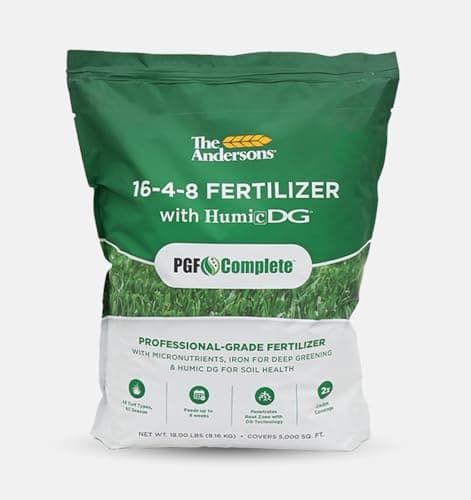
 The Andersons PGF Complete 16-4-8 (5,000 sq ft)Check price on Amazon
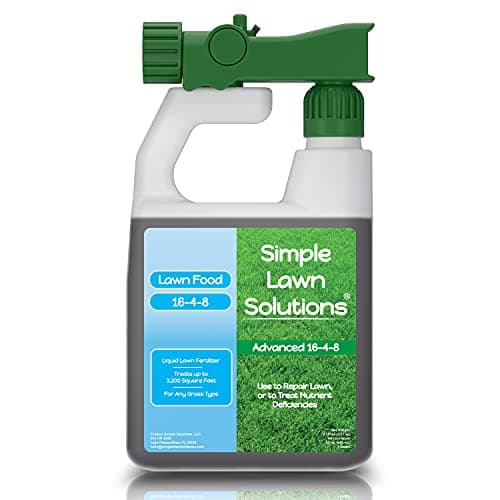
 Simple Lawn Solutions Advanced 16-4-8 Liquid Fertilizer (32 oz)Check price on Amazon
As an Amazon Associate we earn from qualifying purchases.
Free Lawn Care Tools
Begin fertilizing in late April or early May after the lawn greens up and the soil is consistently 65°F. Apply additional feedings every 6-8 weeks, with the final application by early October.
A slow-release granular fertilizer with a high nitrogen content and added iron, such as Scotts Turf Builder Southern Lawn Food (32-0-10), is ideal for most South Carolina St. Augustine lawns.
Our Grass Database recommends 3 lbs of nitrogen per 1,000 sq ft annually for St. Augustine in South Carolina, split across 3-4 feedings.
Synthetic slow-release fertilizers provide quicker, more consistent results, while organic options improve long-term soil health and are safer for pets and kids. Choose based on your lawn goals and local environment.
Only use weed and feed products specifically labeled as safe for St. Augustine grass, as some common herbicides can cause damage. Always read the label and follow application instructions.
Apply lighter, more frequent doses of slow-release fertilizer, water in after each application, and avoid fertilizing before heavy rain or during drought stress.
Photos: Chang Qing / Unsplash, Anand Gowda B / Pexels, Kelly Sikkema / Unsplash

Beat weeds and brown spots from your phone
Snap a photo, get the fix, and follow a plan timed to your soil and weather. Free on iPhone.