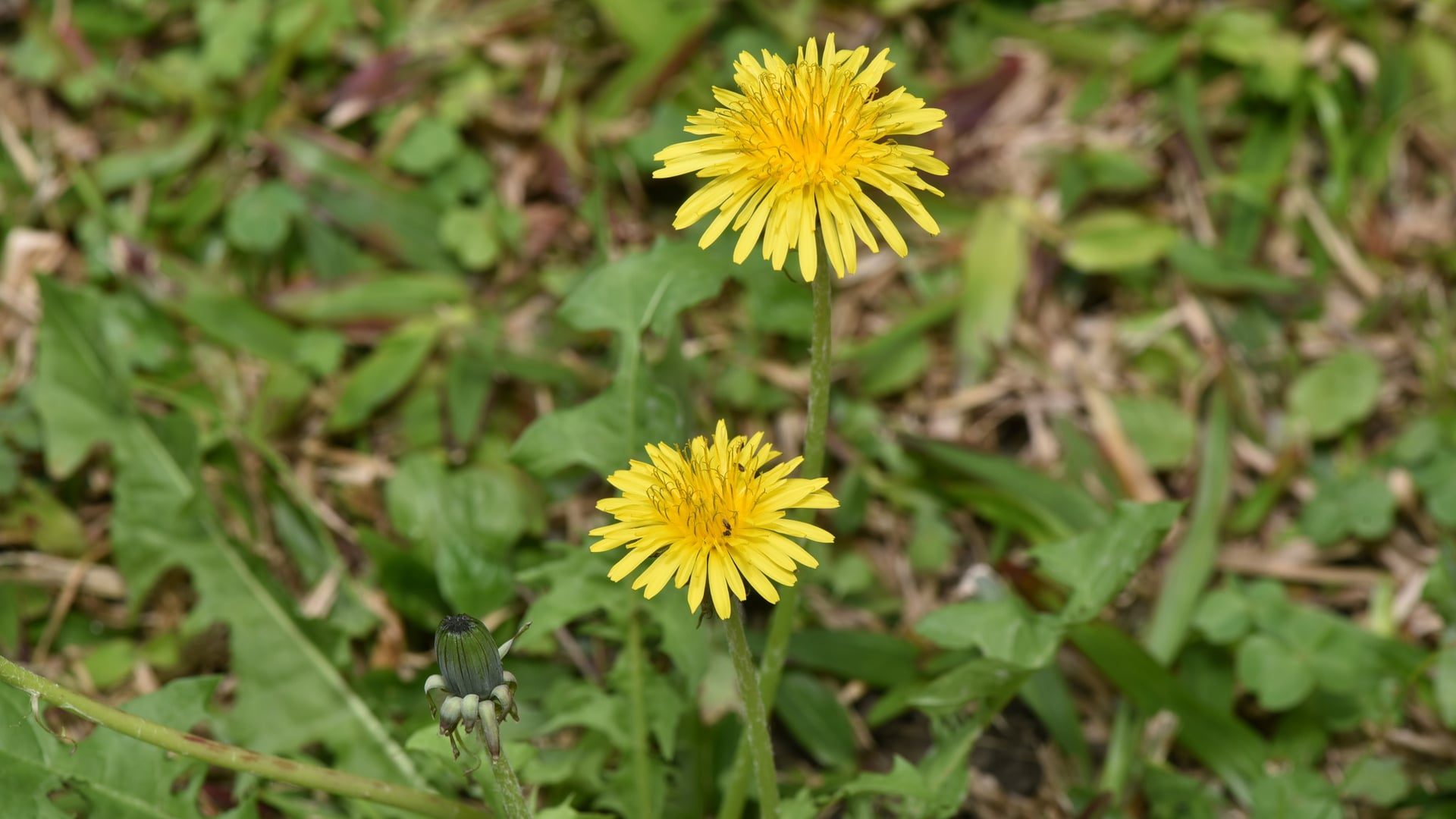
How Long Does Scotts Weed and Feed Take to Work? Day-by-Day Timeline
 Sarah MitchellLawn Diagnostics Specialist | 12 Years
As an Amazon Associate we earn from qualifying purchases.
If you’ve just applied Scotts Weed and Feed, expect to see initial weed wilting or discoloration within 3-7 days, with most broadleaf weeds dying off completely in 2-4 weeks. Greener, thicker grass usually shows up in about 1 week for color and 2-3 weeks for visible density gains, assuming you’ve applied at recommended temperatures (60-90°F) and didn’t mow or water too soon after spreading.
Don’t reapply or panic if you don’t see overnight changes-overapplication can damage your lawn. Instead, check for subtle signs like weed leaf curling or slowing of weed growth by day 7. If you see no change after 3 weeks, review your application steps for missed spots or early rainfall, then consider safe reapplication or spot treatment of remaining weeds. Patience, proper timing, and following label instructions are key to success.
Benchmark product for these timelines: Scotts Turf Builder Weed and Feed 3 (weed wilt in 3-7 days, full kill in 2-4 weeks).
Loading Herbicide Timing Calculator...
If you’ve ever walked across your lawn a week after spreading weed and feed, anxiously searching for signs of those stubborn dandelions fading or your grass deepening in color, you know how frustrating lawn care “waiting periods” can be. The uncertainty around how long Scotts Weed and Feed takes to work leads many homeowners to second-guess their timing, wonder if they applied it right, or even risk overdoing it in hopes of faster results-sometimes causing more harm than good.
Understanding the actual timeline for visible weed control and greener grass isn’t just about patience-it’s about making the most of your investment, avoiding repeat applications, and setting realistic expectations for your lawn. In this guide, I’ll break down the science behind Scotts Weed and Feed, give you clear timelines for what to expect, explain the factors that can speed up or stall results, and share step-by-step best practices for application and troubleshooting. You’ll also find advanced tips for maximizing results, regional timing windows, and a look at the most common mistakes homeowners (and even some pros) make that delay or diminish results.
How Scotts Weed and Feed Works: The Science Behind the Product
Let’s diagnose this step by step. Understanding how Scotts Weed and Feed operates is essential for both setting expectations and troubleshooting if you don’t see the results you want.
Recommended products
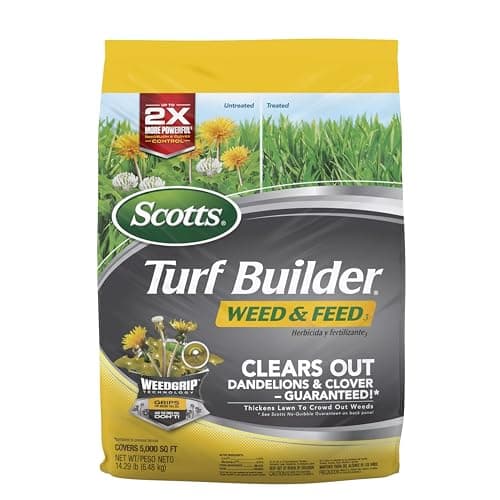
Scotts Turf Builder Weed and Feed 3
Best Overall pick when you need broadleaf cleanup and a feed in one pass.
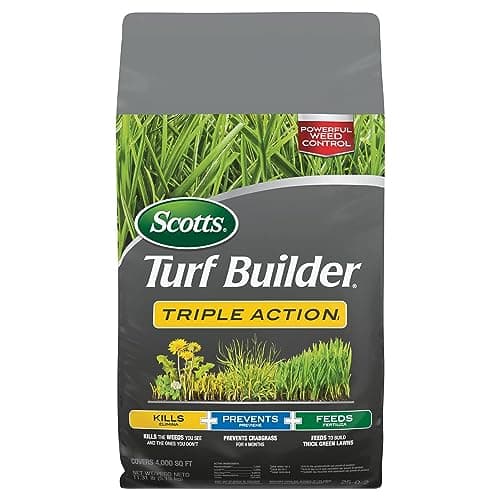
Scotts Turf Builder Triple Action
Pick this if crabgrass is also a concern.
What Is Scotts Weed and Feed?
Scotts Weed and Feed refers to a category of lawn products that combine two main actions: selective weed control and lawn fertilization. Most homeowners encounter this as a granular product (like Scotts Turf Builder Weed and Feed 3) that’s spread over the lawn and activated by moisture, but liquid variants also exist for hose-end application. Granular forms are more common for DIYers due to ease of storage and application control.
The active ingredients are usually a blend of broadleaf weed herbicides (such as 2,4-D and mecoprop) designed to target weeds without harming grass, combined with a balanced fertilizer (nitrogen, phosphorus, potassium) to feed your turf. This dual-action approach aims to wipe out weeds while promoting lush, green growth in your lawn.
How Does It Kill Weeds and Feed Grass Simultaneously?
The “selective” nature of Weed and Feed comes from herbicides that disrupt specific plant processes found in broadleaf weeds but not in common turfgrasses. These herbicides are absorbed through weed leaves, especially when they’re wet from dew or irrigation. Once inside, they cause abnormal growth, wilting, and eventually death of the weed. Meanwhile, the fertilizer component delivers nutrients directly to the grass, stimulating greener, thicker turf that helps crowd out future weeds.
It’s important to note: the weed control is post-emergent-meaning it only kills weeds that are already growing, not seeds or dormant weeds. The fertilizer works immediately upon moisture activation, but visual results depend on soil temperature, grass health, and rainfall or irrigation.
Types of Weeds Controlled
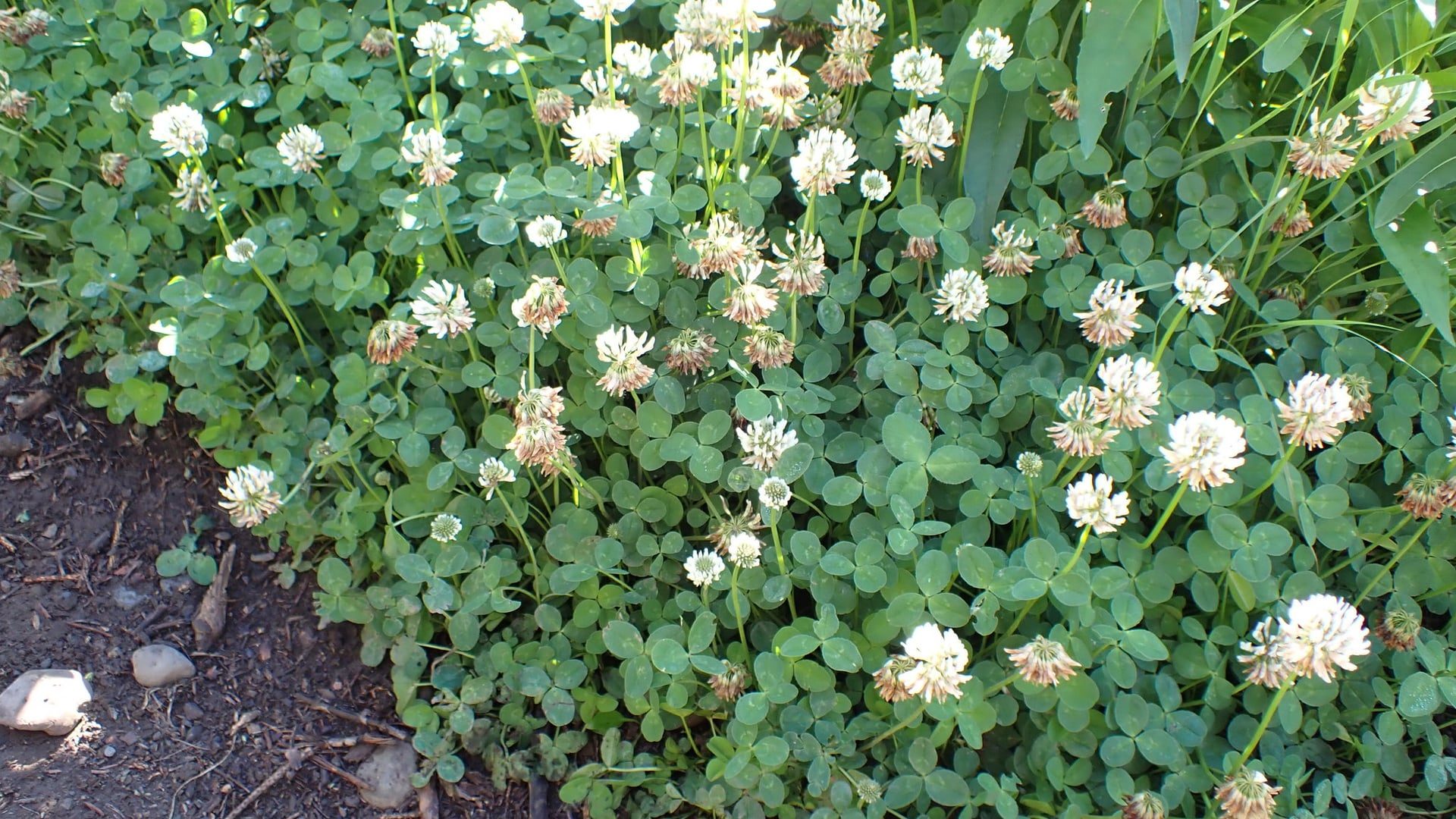
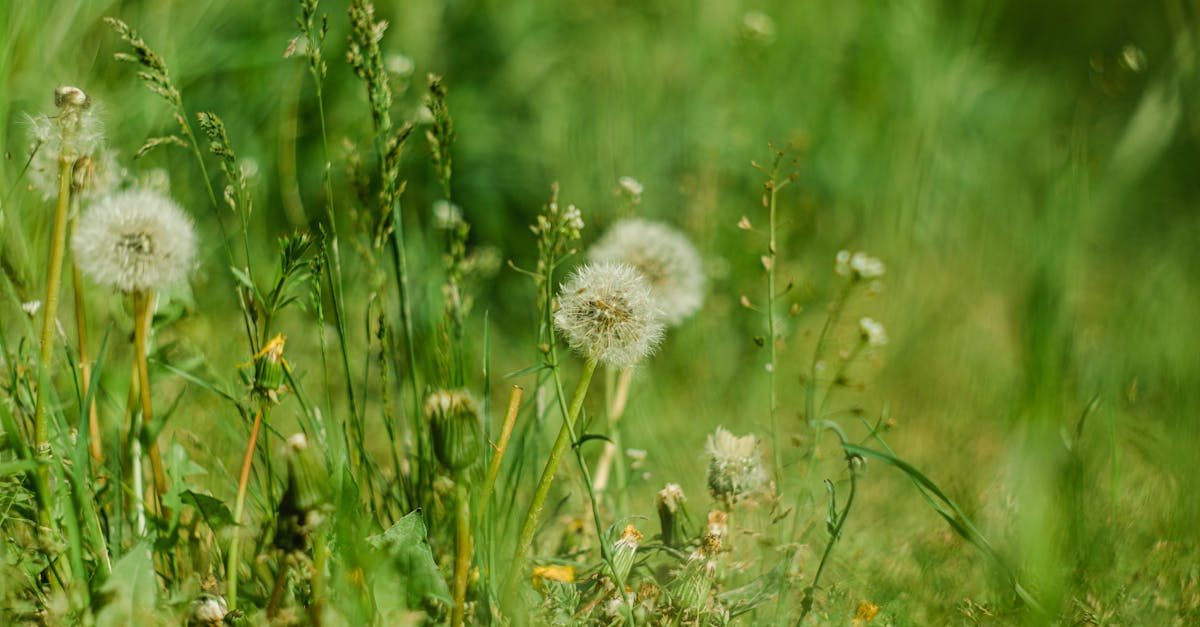
Scotts Weed and Feed is formulated to tackle common broadleaf weeds such as dandelions, clover, plantain, chickweed, and thistle. These are the weeds you’ll most often see in cool-season turf like Kentucky Bluegrass or Tall Fescue, as well as in many warm-season lawns.
However, it’s not a silver bullet. It does not control grassy weeds (like crabgrass or foxtail), sedges, or tough perennial “bully” weeds like wild violets. For pre-emergent control of grassy weeds, a specialized product like Scotts Halts Crabgrass and Grassy Weed Preventer is needed. For more on identifying what’s in your yard, see Common Lawn Weeds and How to Remove Them.
How Long Does Scotts Weed and Feed Take to Work? (Expected Timelines)
Now for the answer you came here for: how long does Scotts Weed and Feed take to work, and what should you actually see-day by day and week by week?
How Long Does Weed and Feed Take to Work in General?
For most weed and feed products, not just Scotts, you should expect visible weed wilt in 3 to 7 days and full broadleaf weed kill in 2 to 4 weeks. Grass color typically deepens within 5 to 10 days as the nitrogen is taken up. How long weed and feed takes to work depends on three factors: temperature (60°F to 90°F is the sweet spot), weed maturity (young weeds die faster than mature ones), and whether the product had at least 24 hours of dry weather after application to be absorbed. If you do not see any change after 3 weeks, the issue is usually a missed application window, early rainfall, or weeds that are not broadleaf.
Visible Timeline for Weed Control
Most homeowners will notice the first signs of weed action within 3-7 days after application. This typically appears as leaf curl, color fading, or wilting of targeted broadleaf weeds. The most dramatic results (complete weed death and decay) occur over 2-4 weeks, depending on weather, weed maturity, and product coverage. Cool, dry weather can slow this timeline, while warm, moist conditions accelerate it.
For the most accurate assessment, look for new weed growth to stall, leaves to yellow or brown, and the weed plant to become limp or crispy. Some stubborn weeds may show partial effects and require a second spot treatment after 4 weeks.
Timeline for Greener, Thicker Grass
The fertilizer in Scotts Weed and Feed starts feeding your grass almost immediately once activated by water. Visual results-deeper green color-often appear within 7 days, especially when daytime temperatures are in the optimal 60-90°F range. Increased turf density (thicker, fuller grass) usually becomes noticeable after 2-3 weeks, as the grass uses the extra nutrients to fill in bare spots and outcompete weeds.
Short-term “greening” is just the beginning. For lasting turf health, regular mowing, watering, and annual maintenance are crucial. Don’t expect a single application to fix chronic thin spots or bare patches overnight-these require ongoing care and, sometimes, overseeding or soil improvement.
Breakdown by Product Variant
Not all Scotts Weed and Feed products deliver results at the same speed or on the same weeds. Here’s how the most common variants compare:
- Scotts Turf Builder Weed & Feed 3: Targets over 50 common broadleaf weeds. Expect weed effects in 3-7 days, full kill in 2-4 weeks, and greener grass in 1 week.
- Scotts Turf Builder Triple Action: Designed for southern grasses (St. Augustine, Bermuda, Zoysia, Centipede), this product adds insect control alongside weed and feed. Weed results and grass greening follow a similar 7-28 day window, with bonus protection against fire ants and surface insects.
- Scotts Turf Builder WinterGuard Fall Weed & Feed: Intended for fall use on cool-season grasses, this product delivers weed control and strengthens roots for winter. Expect similar weed kill timelines (2-4 weeks), but visible greening may be slower in late fall as grass growth naturally slows.
For a more detailed comparison of all Scotts fertilizers and their best-fit scenarios, see Choosing the Right Scotts Fertilizer for Your Lawn.
Quick Reference Table
This table summarizes the typical timelines for weed and grass effects by product:
| Product | Weed Effect (Days) | Full Weed Kill (Weeks) | Greener Grass (Days) | Thicker Grass (Weeks) | Buy |
|---|---|---|---|---|---|
| Scotts Turf Builder Weed & Feed 3 | 3-7 | 2-4 | 5-7 | 2-3 | Check on Amazon |
| Scotts Triple Action | 5-10 | 3-4 | 5-10 | 2-4 | Check on Amazon |
| Scotts WinterGuard Fall Weed & Feed | 5-10 | 2-4 | 7-14 | 3-4 | , |
Remember, these are averages-your specific results may vary based on grass type, weather, and application accuracy.
What "Working" Means: Two Different Clocks
Before you can judge whether your weed and feed is working, you have to define what working actually looks like. Most homeowners conflate two very different processes into one expectation, then get frustrated when the lawn does not magically transform overnight. There are two distinct clocks ticking after every application.
The first is the weed kill clock. Selective broadleaf herbicides like 2,4-D, mecoprop (MCPP), and dicamba (the active ingredients in nearly every consumer weed and feed) are post emergent and systemic. They have to land on weed foliage, get absorbed through the leaf cuticle, then translocate down to the root system. The plant essentially grows itself to death over a period of days. You will not see anything dramatic for the first 72 hours because the chemical is still moving inside the plant. The first visible signs (twisted stems, curled leaves, color shifts toward purple or yellow) usually start around day 4 to 7. Full die back follows in 2 to 3 weeks.
The second is the grass green up clock. The fertilizer half of weed and feed is usually a quick release or part quick release nitrogen blend (urea, ammonium sulfate, or methylene urea). Nitrogen becomes plant available within hours of being watered in, and the turf will start showing a darker green color in as little as 5 to 7 days. This is why a lot of folks report "the grass looks great but the dandelions are still standing" at the one week mark. The fertilizer is doing exactly what it should, the herbicide just has not finished its job yet.
Understanding these two clocks is the difference between worrying that your product failed and recognizing that everything is on track. They almost never finish at the same time.
Granular Weed and Feed Timeline
Granular products (the kind you load into a broadcast or drop spreader) make up the vast majority of consumer weed and feed sales. They are easy to apply, store well, and cover large areas quickly. They are also slower to start working than liquids because the herbicide is bound to a dry granule that has to dissolve before anything can happen.
The single biggest variable for granular products is moisture. The herbicide coating needs to dissolve off the granule and stick to wet weed leaves to be absorbed. That is why every label says to apply when the lawn is damp from dew or light irrigation, and why withholding rain or watering for 24 to 48 hours after application matters so much. The granule needs time to sit on the weed leaf and transfer its active ingredient before it gets washed off into the soil where it cannot reach the foliage.
Day 1: Application Requirements
Apply granular weed and feed to a slightly damp lawn. Morning dew is ideal, or run sprinklers for 10 to 15 minutes the night before. The damp leaf surface is what holds the granules in place long enough for the herbicide to transfer. Then withhold any water or rain for 24 to 48 hours so the chemistry has time to work. Day 1 is invisible. The granules are sitting on the leaves, slowly dissolving, and nothing looks any different than it did before you spread.
Days 1 to 5
The herbicide is now being absorbed through the weed leaf cuticle and starting to translocate. You will still see no visual change in most cases, though by day 5 some sensitive weeds (young chickweed, hen bit, young dandelion seedlings) may show slight leaf curl or twisted growth. The fertilizer side has also begun activating once it was watered in around the 48 hour mark, but the color change is not noticeable yet.
Days 5 to 14
This is the visible weed action window. Broadleaf weeds start showing classic herbicide injury: leaves twist and curl, stems bend, foliage turns yellow, red, or purple depending on the species. Dandelions stop opening new flowers and the existing rosette starts collapsing inward. Clover patches go pale. By the end of week 2 most young, actively growing broadleaf weeds will be obviously dying. The grass itself is also greening up noticeably as the nitrogen takes hold.
Days 14 to 30
Full weed die off completes for most species. Dead weed tissue dries up and breaks down, leaving brown patches where heavy weed populations were. The surrounding grass fills in those gaps as it continues to feed on the residual nitrogen. By day 30 the lawn typically looks dramatically different from where it started, and you can evaluate whether any tough perennials (wild violet, ground ivy, established plantain) need a spot treatment.
Liquid Weed and Feed Timeline
Liquid weed and feed products (hose end sprayers, concentrate sprayers, and ready to use bottles) work on a faster timeline than granular but offer less residual control. The herbicide is already in solution and hits the weed leaf immediately, so absorption begins within minutes. The trade off is that liquids do not coat granules sitting on the lawn for days, so there is no slow release effect.
Liquids are the better choice when you want fast knockdown on actively growing weeds, when you are spot treating problem areas, or when you do not want to wait for a sprinkler cycle to activate granules. They are also more sensitive to timing: spray when wind is calm, temperatures are between 60 and 85F, and no rain is expected for at least 6 to 8 hours (some labels require longer).
Days 1 to 3
Faster initial absorption than granular. The herbicide is already in liquid form and starts entering weed leaves within minutes of application. By day 2 to 3 you will often see the first signs of injury on sensitive weeds: slight curling on dandelion leaves, color change on young clover, twisted new growth on chickweed. This is dramatically faster than granular, where day 3 still typically shows nothing.
Days 3 to 10
Visible weed decline accelerates. Most broadleaf weeds will be clearly dying by day 7, with full collapse by day 10 for young, tender species. The grass is also greening up from the fertilizer component, though liquid fertilizer effects tend to peak earlier and fade faster than the slow release blends used in granular products.
Days 10 to 21
Most weed kill is finished by day 14, with a longer tail of 21 days for tougher perennials and mature weeds. Because liquid products do not have residual granules sitting on the lawn, any new weed seedlings that germinate after application will not be controlled (unlike granular pre emergent combinations, which can suppress new germination for several weeks). This is why liquid products work fastest but typically require more frequent applications to keep weed pressure down through the season.
Weed and Feed Timeline by Product (Brand Comparison)
Real product timelines vary based on the specific herbicide blend, fertilizer release rate, and intended use case. Here is how the most common consumer products stack up against the Scotts options covered above.
| Brand / Product | Type | First Visible Results | Full Weed Kill | Reapply Window |
|---|---|---|---|---|
| Scotts Turf Builder Weed and Feed | Granular | 3 to 7 days | 2 to 4 weeks | 30 days minimum |
| Scotts Triple Action | Granular (with pre emergent) | 5 to 10 days | 3 to 4 weeks | 4 months |
| Spectracide Weed Stop | Liquid (concentrate) | 1 to 3 days | 1 to 2 weeks | 30 days |
| Ortho WeedClear | Liquid (ready to use) | 1 to 3 days | 1 to 2 weeks | 30 days |
| BioAdvanced All in One Weed Killer | Liquid (concentrate) | 2 to 5 days | 2 to 3 weeks | 30 days |
Notice that liquid products show results faster but granular products with pre emergent (like Triple Action) offer longer protection against new weed germination. Pick based on your goal: fast knockdown vs. season long suppression.
Key Factors Affecting How Long Scotts Weed and Feed Takes to Work
The symptom you’re seeing usually points to one of a few things. If you’re not getting timely results, or if your neighbor’s lawn greens up faster, these are the variables to examine first:
Weather and Environmental Conditions
Temperature and moisture are the two biggest environmental drivers. Scotts Turf Builder Weed and Feed 3, for instance, works best when daytime highs are between 60-90°F and weeds are actively growing. Cool spring mornings will slow herbicide absorption, while hot, dry weather can stress both weeds and grass, leading to uneven results. Rain within 24 hours of application can wash away active ingredients before they’re absorbed, delaying or nullifying weed kill.

Our Regional Climate Data puts the Northeast pre-emergent window at March 15 - April 15, with optimal soil temps for growth and weed activity beginning as soon as soils reach 55°F. Applying too early or late, outside these windows, can reduce effectiveness and delay visible progress. Our herbicide timing calculator shows your application window down to the day, by ZIP and grass type.
Lawn and Weed Types
The type of grass and weeds in your yard matters. Cool-season grasses (Kentucky Bluegrass, Tall Fescue, Ryegrass) generally tolerate broadleaf weed herbicides well, but warm-season grasses (St. Augustine, Zoysia, Bermuda) require specific formulas (like Scotts Triple Action) to prevent turf injury. Some weeds-especially ground ivy, wild violets, and mature plantain-are more resistant and may require repeat spot treatments or alternative herbicides.
For lawns with a history of crabgrass or grassy weeds, a pre-emergent like Scotts Halts Crabgrass and Grassy Weed Preventer may be a better fit. For more on identifying your grass and weed types, refer to How to Kill Dandelions in Your Lawn and Common Lawn Weeds and How to Remove Them.
Soil Health and Preparation
Healthy, loose soil with good pH (typically 6.0-7.0 for most turf) helps both weed control and fertilizer uptake. Compact, poorly-drained, or highly acidic/alkaline soils can slow herbicide absorption and reduce nutrient availability. If you haven’t tested your soil recently, consider a simple pH or compaction check before your next application. Signs of underlying soil problems include patchy weed kill or thin, pale grass where the rest of the lawn responds well.
Proper Application Techniques
Even coverage is critical. Broadcast spreaders work well for larger lawns, while drop spreaders offer more precision in small or irregular areas. Granules should be distributed evenly, overlapping slightly in each pass but not doubling up. For liquid applications, use the correct dilution and spray tip to ensure thorough leaf coverage without runoff.
For a full walkthrough on spreader settings, calibration, and troubleshooting, see How to Use a Lawn Spreader: Step-By-Step Guide.
How Weed Type and Weed Age Change the Timeline
Weed Type
Broadleaf weeds (dandelion, clover, plantain, chickweed, henbit) are what consumer weed and feed products are designed to kill. These typically die in 7 to 14 days. Grass weeds (crabgrass, foxtail, goosegrass) are barely affected by post emergent broadleaf herbicides and need a separate grassy weed killer or pre emergent. Sedges (yellow nutsedge, kyllinga) are also resistant and need a sedge specific herbicide. If your "weed and feed failure" is on a grassy weed, the product was never going to work in the first place.
Weed Age
Young, actively growing weeds in the seedling to early rosette stage die fastest, often in 5 to 10 days. Mature perennials with established root systems (large dandelion clumps, wild violet patches, ground ivy mats) translocate the herbicide more slowly and can take the full 3 to 4 weeks (or require a follow up spot treatment) to die completely. The lesson: do not wait until weeds are flowering or have gone to seed. The earlier in the growing season you treat, the faster the kill.
Step-by-Step Guide: Applying Scotts Weed and Feed for Fastest Results
Getting the timing and technique right is just as important as product choice. Here’s how to maximize your results and avoid the most common pitfalls:
When to Apply
Apply Scotts Weed and Feed when weeds are actively growing and your grass is breaking dormancy. For most regions, this means:
- Cool-season lawns (Northeast, Upper Midwest): Mid-April to early June or early September. Our Regional Climate Data puts the Upper Midwest pre-emergent window at April 15 - May 15, which aligns closely with optimal weed and feed timing.
- Warm-season lawns (Southeast): Late March through early May, or after the last frost when soil temps are above 55°F. According to our Regional Climate Data, the Southeast pre-emergent window opens February 15 - March 15, so post-emergent weed and feed should follow once grass begins active growth.
Track weed growth: Apply when you see healthy, green weeds with multiple leaves, not just seedlings or dormant crowns. Avoid applications immediately before heavy rain or during extended drought.
Preparation Checklist
- Mowing: Mow 1-2 days before application to expose weed leaves, but do not mow immediately after application-wait at least 2-3 days to allow granules to stick and be absorbed.
- Watering: The lawn should be slightly damp (from dew or light irrigation) before spreading granules to help them stick to weed leaves. Avoid heavy watering or rainfall within 24 hours after application.
- Debris: Remove leaves, sticks, or heavy clippings to ensure even contact with the lawn and weeds.
- Soil Looseness: If compaction is an issue, aerate a few weeks before treatment to improve uptake.
Detailed Application Steps
- Measure your lawn area. Don’t guess-use a tape measure or mapping tool to calculate square footage. Most Scotts Weed and Feed bags cover 5,000 sq ft; over-application risks burning your lawn.
- Calibrate your spreader. Set to the recommended setting on the bag for your model. Test on pavement to check for even flow and adjust as needed.
- Apply in overlapping passes. Walk at a steady pace, overlapping by 6-12 inches per pass. For edges, use a border pass first to reduce missed spots.
- Wear gloves and eye protection. While not highly toxic, the weed killer component can irritate skin or eyes if mishandled.
- For liquid applications, mix at label rates in a clean sprayer, using fine, even spray over all broadleaf weeds. Avoid drift onto desirable plants.
Post-Application Care
- Watering: Do not water for at least 24 hours after application (unless label states otherwise). After 24-48 hours, water deeply to activate fertilizer and move nutrients into the root zone.
- Mowing: Wait at least 2 days before mowing to avoid picking up granules or disturbing treated weeds.
- Pets and Children: Keep off treated areas until the product has been watered in and the lawn is dry-usually 24-48 hours. Always follow label re-entry instructions.
Pro Tips for Advanced Users
- Tank mixing: Only mix with compatible products (some iron supplements, for example) after checking label compatibility. Avoid combining with other herbicides unless you’re certain of safety and efficacy.
- Split applications: For tough or resistant weeds, a second application 30 days later can improve results. Always stay within label limits for annual use.
- Integrating with overseeding/aeration: Wait at least 4-6 weeks after applying weed and feed before overseeding; herbicide residue can inhibit new grass seed. Aerate before weed and feed for best root absorption.
- Penn State Extension recommends waiting 4-6 weeks after applying broadleaf herbicides before overseeding, as residual herbicide can inhibit seed germination.
Special Situations and Edge Cases
Not every lawn fits the standard pattern. Here's how to handle special cases:
- Newly Seeded Lawns: Avoid most weed and feed products for at least 6-8 weeks after seeding, or until new grass has been mowed 2-3 times. Herbicides can damage young grass seedlings. Use a starter fertilizer instead, then follow up with weed and feed after establishment.
- Tough or Resistant Weeds: Some species, like clover and wild violet, are more resistant to standard herbicides. If you see weeds persisting after 7 days, spot treat with a selective broadleaf herbicide. For crabgrass, a pre-emergent like Scotts Halts Crabgrass and Grassy Weed Preventer is effective when soil temperatures hit 55°F-see our guide on How to Kill Crabgrass and Prevent It from Returning for more.
- Organic and Pet-Safe Alternatives: Organic "weed and feed" products exist, but they typically rely on corn gluten meal (as a pre-emergent) and natural fertilizers. These work more slowly (often 2-3 weeks for visible results) and are less effective on established weeds but are safer for children and pets. Apply early in the season and don't expect the same speed as traditional herbicides.
Troubleshooting: What If I Don’t See Results?
Patience is key, but there are clear signs to watch for and actions you can take if you’re not seeing expected progress. Here’s how to diagnose weed and feed “failures” versus normal wait times:
What’s Normal vs. Cause for Concern
Normal: Initial weed wilting, curling, or fading by day 7, with full weed death in 2-4 weeks. Grass color deepens in 5-10 days, with thickening in 2-3 weeks. No change in the first 3 days is expected-herbicides are not instant.
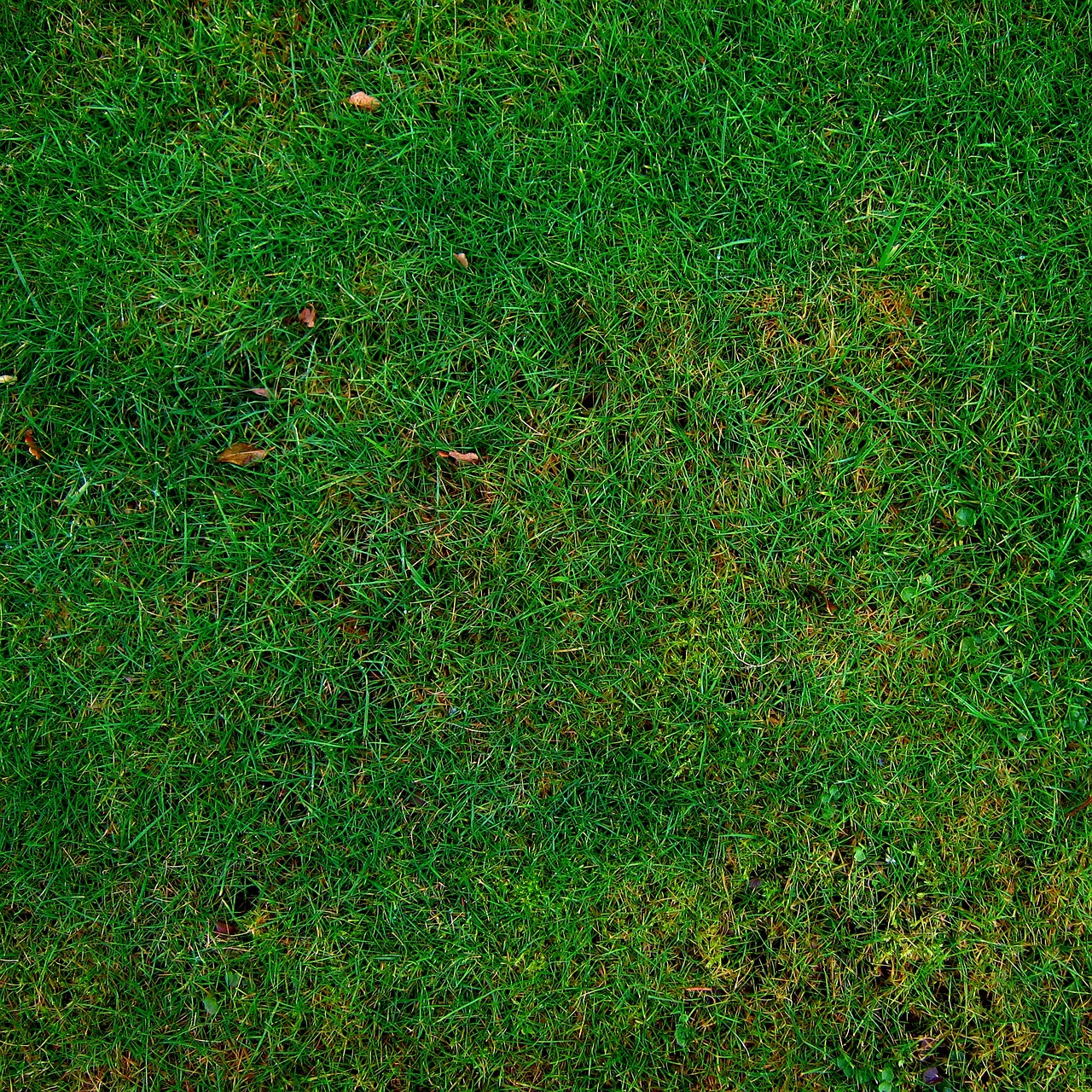
Cause for concern: No visible change in weeds after 3 weeks, or continued vigorous weed growth. Large untreated patches may indicate missed areas or spreader malfunction.
Common Signs of Product Working
- Weeds turn yellow, brown, or curl at the edges.
- Weed growth slows or stops (no new leaves or flowers).
- Grass appears deeper green and more resilient to foot traffic.
Reasons for Delayed or No Results
- Incorrect application rate (too light or heavy).
- Missed strips or overlap gaps from spreader error.
- Rainfall or heavy irrigation within 24 hours after application, washing away product.
- Mature or resistant weed species (violets, ground ivy, wild strawberry).
- Application outside of optimal temperature window (below 60°F or above 90°F).
- Soil pH too low/high for nutrient or herbicide uptake.
What to Do Next
Confirm whether weeds are dying by gently pulling on weed leaves; if they detach easily or feel limp, herbicide is working. If weeds remain vigorous, wait another week, then consider a spot treatment or safe reapplication (following label intervals, usually 30 days between full applications). For persistent issues, consult How to Identify and Control Lawn Weeds for weed-specific solutions or seek professional advice if you suspect soil or pest issues.
- Contact your local extension office for weed identification and herbicide recommendations if you see no effect after 4 weeks.
When to Spot Treat Instead of Reapplying
If most of the lawn responded but a few stubborn patches remain (typical with wild violet, ground ivy, or large mature dandelion clumps), do not blanket reapply. A second whole lawn treatment within 30 days risks turf burn from doubled nitrogen and herbicide load. Instead, switch to a ready to spray liquid broadleaf killer and treat only the holdouts. Spot treatment uses 90 percent less chemical, costs less, and avoids stressing the rest of the lawn. For technique and product picks, see the weed and feed application guide.
How to Maximize the Effectiveness of Scotts Weed and Feed
To get the most from your effort and investment, focus on timing, integration with other lawn care routines, and region-specific adjustments. Here’s how to amplify your results:
Optimal Weather Windows
Apply when weeds are actively growing and temperatures consistently reach 60-90°F. Monitor local forecasts and avoid applying before predicted heavy rain or during extended drought. For crabgrass and grassy weed prevention, our Regional Climate Data puts the optimal soil temp target at 55°F.
Integrating with Other Lawn Care Practices
Aerate compacted soils before weed and feed to improve root uptake. Dethatch if you have more than 0.5 inches of thatch buildup, as this can block granules from reaching the soil. Fertilize and water regularly after weed and feed to maintain thick turf, which naturally suppresses future weeds. If overseeding, wait the recommended 4-6 weeks after herbicide application for best seed survival.
Region-Specific Guidance
Our Regional Climate Data shows that timing varies widely: Northeast lawns should target March 15 - April 15 for pre-emergents and April to early June for post-emergent weed and feed; Southeast lawns may start as early as late March. Adjust for local frost dates and soil temperature-never go by calendar alone. High rainfall regions may require split applications or additional spot treatments, while drought-prone areas should prioritize soil health and irrigation before weed control.
Long-Term Weed Prevention
Annual weed and feed applications, combined with proper mowing (keep cool-season grass at 2.5-3.5 inches, warm-season at 1-2 inches), mulching, and overseeding, build turf density and resilience. Healthy grass shades out new weeds, reducing future infestations. For detailed annual schedules and region-specific recommendations, see Choosing the Right Scotts Fertilizer for Your Lawn and Brown Patch Prevention.
Common Mistakes to Avoid
Most competitor guides gloss over the step-by-step “what can go wrong” scenarios. Based on diagnosing hundreds of failed applications, here’s what other guides miss-and what you should watch out for:
- Applying at the Wrong Time: Many apply too early (before weeds are actively growing) or too late (after weeds mature), leading to poor results. Always confirm weed growth stage and local soil temps.
- Ignoring Regional Differences: Application windows shift by region. Our Regional Climate Data puts the Southeast weed and feed window up to a month ahead of the Upper Midwest-don’t rely on national averages.
- Over- or Under-Application: Guessing your lawn size or using the wrong spreader setting often results in patchy coverage, burning, or wasted product. Always measure and calibrate.
- Not Confirming Results: Many homeowners don’t check for subtle weed symptoms (wilting, slow growth) before reapplying-leading to unnecessary treatments or turf stress.
- Pet and Child Safety Oversights: Allowing play or pet access before the product is watered in and dry risks exposure. Always follow the re-entry guidance on the bag.
- Mixing Incompatible Products: Combining weed and feed with other herbicides, or applying before/after overseeding or aeration, can reduce effectiveness or harm new grass seedlings.
- Neglecting Soil Health: Skipping soil pH testing or ignoring compaction can mask or multiply weed and feed failures.
Conclusion
So, how long does Scotts Weed and Feed take to work? Most lawns show early signs of weed action in 3-7 days, with full weed kill in 2-4 weeks and visible grass improvement in 1-3 weeks. Your actual results depend on timing, weather, grass and weed types, soil health, and application technique. Patience and careful observation are your best allies-avoid the urge to reapply or “double up” too soon, and always calibrate your spreader for even coverage.
For best results, monitor your lawn’s progress, take notes on timing and weather, and adjust your annual strategy as you learn what works for your specific conditions. Next, check out Choosing the Right Scotts Fertilizer for Your Lawn for product selection tips, How to Identify and Control Lawn Weeds for advanced weed management, and How to Use a Lawn Spreader: Step-By-Step Guide to master your application technique. Your best lawn is built with knowledge, not just products.
Related Scotts Guides
- Lawn Weed Control: The Complete Guide
- Lawn Fertilizing: A Complete Guide
- Scotts Weed and Feed Instructions: When, How & Settings (2026)
- How Often to Apply Scotts Weed and Feed? Safe Frequency (2026)
- Does Scotts Weed and Feed Actually Work? Honest Review
- Can You Overseed After Applying Scotts Weed and Feed?
Top Picks
 Scotts Turf Builder Weed and Feed 3Check price on Amazon
 Scotts Turf Builder Triple ActionCheck price on Amazon
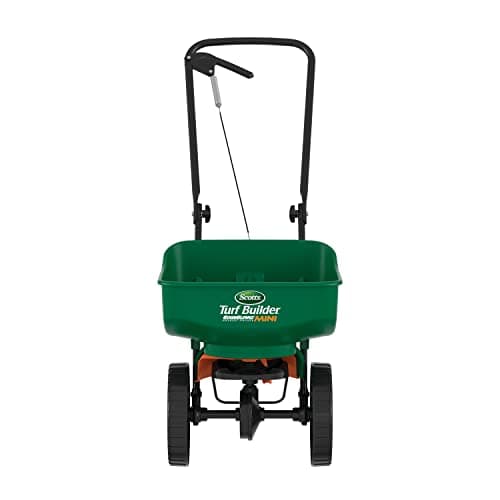
 Scotts Turf Builder EdgeGuard Mini Broadcast SpreaderCheck price on Amazon
As an Amazon Associate we earn from qualifying purchases.
Free Lawn Care Tools
You should see initial weed wilting or discoloration in 3-7 days, with most broadleaf weeds dying completely in 2-4 weeks. Grass usually greens up in about 7 days.
Check for missed areas, improper application, or rain within 24 hours that may have washed away the product. Wait up to 3 weeks before reapplying or spot treating.
Avoid mowing for at least 2 days after application to allow granules to stick and be absorbed. Mowing too soon can reduce weed control effectiveness.
Keep pets and children off the lawn until the product has been watered in and the grass is completely dry, which usually means 24 to 48 hours after application. Dogs and cats that walk on treated grass too early can pick up granules on their paws and ingest them while grooming. If your pet grazes on grass, extend the wait to 48 hours to be safe, and always follow the re-entry directions on your specific bag label.
It targets common broadleaf weeds like dandelions and clover, but does not control grassy weeds like crabgrass or sedges. Use a pre-emergent for grassy weed prevention.
Scotts Weed and Feed needs at least 24 hours of dry weather after application, so check the forecast and apply only when no rain is expected for a full day. Rain within a few hours of spreading washes the herbicide granules off the weed leaves before they can be absorbed, which is one of the most common reasons the product seems not to work. Rain or watering after that 24 hour window is actually helpful, because it dissolves the fertilizer and carries nutrients into the soil.
Weed and feed products typically show initial weed wilting or leaf curl in 3 to 7 days, with full broadleaf weed kill in 2 to 4 weeks. Grass color deepens within 5 to 10 days. Timing varies with temperature (60°F to 90°F is optimal), weed species, and weather. Avoid rainfall or irrigation within 24 hours of application so the herbicide has time to be absorbed. If weeds remain vigorous after 3 weeks, check for missed areas, early rain, or resistant weed species.
Mature weeds like large dandelions, wild violets, or plantain can take the full 2 to 4 weeks to die completely, and very tough species may need a second spot treatment after 30 days. Younger, actively growing weeds often show visible damage in 3 to 5 days. Weed and feed works best when applied before weeds reach full maturity, which is why spring and early fall are the most effective windows in most regions.
Yes, dandelions are one of the primary targets of Scotts Weed and Feed. Expect the leaves to curl and yellow within 3 to 7 days of a proper application, with the full plant, including the taproot, dying off in 2 to 4 weeks. Large, mature dandelions are the slowest to go and occasionally need a follow-up spot treatment after 30 days. For best results, apply while dandelions are actively growing and the foliage is slightly damp so the granules stick to the leaves.
Photos: Yung-Lun Lin / iNaturalist · CC BY 4.0, Engin Akyurt / Pexels, Pascal Küffer / Pexels, Magda Ehlers / Pexels

Beat weeds and brown spots from your phone
Snap a photo, get the fix, and follow a plan timed to your soil and weather. Free on iPhone.