Does Scotts Weed and Feed Actually Work? Honest Review
 Sarah MitchellLawn Diagnostics Specialist | 12 Years
As an Amazon Associate we earn from qualifying purchases.
Short answer: yes, Scotts Weed and Feed works on established lawns when you hit the right weeds at the right time. Across hundreds of homeowner reviews and our own diagnostic calls, Scotts Turf Builder Weed and Feed reliably knocks out dandelions, clover, and plantain within 3 to 4 weeks. What it will not do is kill crabgrass, and it can burn your lawn when applied wrong. Persistent lawn weeds are a universal frustration for homeowners. Every spring, shelves fill with highly promoted “weed and feed” products like Scotts Turf Builder Weed and Feed 3, each promising to banish crabgrass and dandelions while nourishing your grass in one easy step. But does Scotts Weed and Feed actually work, or is it just another over-hyped shortcut among lawn care myths?
As a lawn diagnostician with 12 years’ hands-on experience, I approach these questions with healthy skepticism and a focus on real results-not just marketing. It’s easy to be swayed by flashy promises, but lawns are living systems, and what works for one yard can flop for another. In this honest review, I’ll break down the science behind weed and feed products, share what actually happens when you use Scotts Weed and Feed, and highlight both successes and failures from real homeowners. We’ll also cover expert application steps, common mistakes to avoid, and regional timing windows from our own database. For readers eager to dig deeper, related topics like How to Choose the Right Lawn Fertilizer and The Best Time to Apply Lawn Weed Killers are also worth exploring.
If you’re seeing patches of dandelions, clover, or plantain in your lawn and your grass is looking thin or pale, Scotts Weed and Feed can help-but only if you use it when weeds are actively growing and your grass type matches the label. The best fix is to apply the product with a calibrated spreader on a day when the temperatures are between 60-90°F, and the lawn is damp but not soaked. Don’t apply to new seedings or overly stressed grass, and avoid overlap to prevent fertilizer burn.
You’ll typically see weed leaf curling or yellowing within 7-14 days, with visible thinning of weeds and a greener lawn by 3-4 weeks. If weeds persist after 30 days, reassess your timing, coverage, and grass compatibility. Wait at least 4-6 weeks after application before overseeding. For best results, follow up with a targeted spot spray on any surviving weeds rather than reapplying weed and feed too soon.
Quick Verdict: Is Scotts Weed and Feed Good?
After weighing real homeowner reviews against our own diagnostic calls, here is the honest scorecard. Scotts Turf Builder Weed and Feed earns its reputation on broadleaf weeds and spring green-up, but the crabgrass gap and the risk of fertilizer burn keep it from being a flawless product. Treat it as a maintenance tool for an established lawn, not a rescue plan for a yard that is more weeds than grass.
| Category | Rating | What our review found |
|---|---|---|
| Broadleaf weed control (dandelion, clover, plantain) | 4.5 / 5 | Strong and consistent when weeds are young and actively growing. |
| Crabgrass and grassy weed control | 1 / 5 | The standard formula does nothing to crabgrass. You need Triple Action or a separate pre-emergent. |
| Lawn green-up and feeding | 4 / 5 | Noticeable thickening and color within 2-3 weeks from the nitrogen blend. |
| Ease of use | 4.5 / 5 | Spreads like normal granular fertilizer. Calibration is the only tricky part. |
| Value for the coverage | 3.5 / 5 | Fair, but blanket-treating a lightly weedy lawn wastes product. |
| Overall | 4.2 / 5 | A reliable broadleaf-plus-feed product with a real crabgrass blind spot. |
Homeowner reviews split along predictable lines. The people who rave about it treated an established cool-season lawn in mid-spring against young dandelions and clover. The disappointed reviews almost always trace back to one of three things: expecting it to kill crabgrass, applying it to dormant or drought-stressed grass, or spreading it unevenly and scorching the turf. Here is the trade-off at a glance.
| Where it wins (Pros) | Where it falls short (Cons) |
|---|---|
| Kills 50-plus broadleaf weeds including dandelion, clover, and plantain | Does not kill crabgrass or other grassy weeds |
| Feeds and greens the lawn in the same pass | Can burn grass if passes overlap or the spreader is miscalibrated |
| Widely available with clear cool-season and southern formulas | Wrong formula on the wrong grass type can cause real damage |
| Systemic action reaches the roots of perennial weeds | Needs a tight timing window and actively growing weeds to work |
| Easy for beginners, spreads like standard fertilizer | Not suitable for new seedings or lawns you plan to overseed soon |
What Is Scotts Weed and Feed? Product Breakdown
Scotts Weed and Feed products are among the most widely recognized lawn care solutions in North America. The core promise is simple: kill weeds and feed your grass in a single step. This convenience factor, paired with heavy advertising, has made “weed and feed” a household term. But it’s important to understand what these products actually do-and what they can’t do-before expecting miracles.
The “weed” portion targets common broadleaf weeds like dandelions, clover, and plantains. The “feed” part delivers a fertilizer mix designed to stimulate grass growth, helping your lawn thicken up and outcompete future weeds. Different Scotts products exist for cool- and warm-season grasses, so reading the label is critical. The most popular version, Scotts Turf Builder Weed and Feed 3, is intended for established lawns-typically Kentucky Bluegrass, Ryegrass, Fescue, and some common warm-season types (though not all).

Scotts also offers specialty versions, such as their Southern Triple Action, which the label lists for St. Augustine (including Floratam), centipede, zoysia, and carpetgrass, blending insect control with weed prevention. The bottom line: Not all “weed and feed” bags are the same. Some target only broadleaf weeds, while others combine nutrients with pre-emergent protection against crabgrass or insects. Always check that your grass type and weed problem match the product’s listed use cases.
What Does Scotts Weed and Feed Claim to Do?
According to Scotts’ marketing, their Weed and Feed 3 formula “kills over 50 broadleaf weeds” while feeding your lawn to make it thicker and greener. The company claims it’s most powerful against dandelion, clover, and plantain, but results can vary with tougher invaders like crabgrass (which typically requires a separate pre-emergent product like Scotts Halts Crabgrass and Grassy Weed Preventer). The weed and feed concept is designed for simplicity: you treat both problems in one pass, saving time and minimizing the need for multiple products.
For beginners, the appeal is obvious. Instead of guessing which fertilizer and which weed killer to buy, you get a two-in-one granule that spreads just like regular fertilizer. But the effectiveness relies on the right timing, the right weed stage, and having a compatible grass type. Many users overlook these details, leading to subpar results or even lawn damage.
Different formulations exist across regions. For example, Scotts Southern Triple Action controls broadleaf weeds and insects, including fire ants, while feeding warm-season grasses. These distinctions matter for performance-using the wrong product for your grass type or regional weed pressure is a recipe for disappointment.
Active Ingredients and How They Work
Every Scotts Weed and Feed product contains two key components: a fertilizer blend (the “feed”) and a selective herbicide (the “weed” control).
The fertilizer typically has an NPK (nitrogen-phosphorus-potassium) ratio such as 28-0-3, optimized for spring growth. Nitrogen is the main driver for green-up and thickening, while potassium supports root strength. The absence of phosphorus reflects environmental regulations in many areas and the fact that most established lawns rarely need additional phosphorus.
The weed-control side contains selective herbicides. In most versions, the active ingredients are 2,4-D, MCPA, or Mecoprop-p. These chemicals target broadleaf weeds by disrupting their growth hormones, causing curling, yellowing, and eventual death, while leaving most turfgrass species unharmed. The action is systemic: granules stick to wet weed leaves, are absorbed, and then translocated throughout the plant. This is different from contact herbicides, which only kill what they touch. Systemic action is more effective for perennial weeds, but it relies on good leaf coverage and active weed growth.
Some specialty versions may contain pre-emergent herbicides such as pendimethalin for crabgrass prevention, or additional insecticides for southern pests. Always check the label for ingredient details specific to your region and lawn type.
Who Is the Product For?
Scotts Weed and Feed is best suited for established lawns with a mix of grass and visible broadleaf weeds. For cool-season lawns-Kentucky Bluegrass, Perennial Ryegrass, Fescue-Weed and Feed 3 is usually compatible. For southern lawns (Bermuda, Zoysia, St. Augustine, Centipede), the Southern Triple Action is formulated for those grass types and regional pests.
Timing and climate matter. According to our Regional Climate Data, the Northeast and Upper Midwest typically see their spring weed and feed application window start in mid-April, when weeds are actively growing and soil temperatures rise above 50°F. In the Southeast, the window opens as early as March, thanks to warmer soils and earlier weed emergence. Applying too early or late, or to dormant or heat-stressed grass, usually leads to poor results.
Scotts Weed and Feed is not appropriate for newly seeded lawns (wait until the new grass has been mowed at least twice), nor for lawns that are being overseeded soon after. The herbicide can damage young seedlings. For heavily infested or compacted lawns, a targeted approach may be more effective.
How Does Scotts Weed and Feed Actually Work?
Let’s diagnose this step by step. At its core, Scotts Weed and Feed combines a post-emergent broadleaf herbicide with a quick-release fertilizer. When applied to a damp lawn (so the granules stick to weed leaves), the herbicide is absorbed through the foliage and translocated throughout the weed, disrupting its growth. The fertilizer component feeds the grass, helping it recover from winter or stress, and encouraging dense growth that can naturally choke out new weeds.
Effectiveness hinges on several factors: weed type, growth stage, weather, and correct application. The product is not designed to prevent new weeds from sprouting (except in versions with pre-emergent ingredients), nor will it kill grassy weeds like crabgrass-that requires a separate pre-emergent herbicide, ideally timed before soil temperatures hit 55°F, as detailed in our guide How to Kill Crabgrass and Prevent It from Returning.
When used as directed, most users see a reduction in dandelions and clover, along with a lush green-up, within several weeks. However, results may be patchy if weeds are too large, the lawn is dry or dormant, or the product is applied unevenly. Understanding why this happens helps you prevent disappointment next season.
The Science Behind Weed and Feed Formulas
Pre-emergent herbicides (like those in Scotts Halts Crabgrass and Grassy Weed Preventer) work by forming a chemical barrier at the soil surface that stops weed seedlings from emerging. Post-emergent herbicides (used in most weed and feed products) work on weeds that are already up and growing. The difference is crucial. If your main problem is existing dandelions or clover, weed and feed can help. If you’re battling grassy weeds like crabgrass or foxtail, pre-emergent control is required, often before your lawn even greens up in spring.
The “feed” part provides nitrogen to jumpstart grass growth. A well-fertilized lawn recovers faster from weed damage and is better able to shade out new weeds. However, too much nitrogen can stress certain cool-season grasses in summer or fuel unwanted weed growth if applied at the wrong time. Our Grass Database recommends no more than 4.0 lbs of nitrogen per 1,000 sq ft annually for Kentucky Bluegrass-over-application can lead to weak, disease-prone turf.
In real-world application, the granules must stick to actively growing weed leaves. A dry or recently mowed lawn often leads to poor weed control, as there’s less leaf surface for the product to adhere to. The fertilizer component, on the other hand, works through the soil and benefits the entire root zone.
How Long Does It Take to See Results?
Most homeowners report visible weed damage-yellowing, curling, or wilting-within 7-14 days after application, especially in warm, moist conditions. Complete weed kill can take up to 3-4 weeks, depending on weather, coverage, and weed maturity. Grass greening is often noticeable within 10-14 days, with full thickening by 4-6 weeks. For a full day-by-day breakdown, see our guide on how long Scotts Weed and Feed takes to work.
Several factors influence results:
- Temperature: Herbicides work best between 60-90°F. Below 60°F, weeds may not absorb the chemical fully. Above 90°F, you risk burning your lawn.
- Moisture: Apply to a damp (not soaked) lawn so granules stick to weed leaves, but avoid rainfall or irrigation for 24 hours after spreading to allow absorption.
- Lawn health: Thin, stressed, or compacted lawns may not see as much benefit. Overly thick thatch can also block granule contact.
- Application technique: Uneven spreading leads to missed patches or stripes, while overlap can burn grass.
To confirm progress, take before-and-after photos from the same angle, and count the number of weeds in a test area. If you still see dense patches of the same weeds after 3-4 weeks, consider a targeted spot treatment or reassess your timing and product choice.
What Results Do Real Users Report?
User reviews and lawn care forums reveal a split: some homeowners see dramatic reductions in dandelions and lush spring growth, while others report minimal weed control or accidental lawn damage. The symptom you’re seeing usually points to one of a few things: if only certain weeds are affected, it’s likely due to species resistance or missed timing. If your grass shows yellowing or stripes, over-application or uneven spreading is often to blame.
Success stories typically involve established cool-season lawns treated in mid-spring, when weeds are young and actively growing. Documented failures often stem from applying too early (when weeds are still small or dormant), during drought, or on lawns with incompatible grass types (such as fine fescues or recently seeded areas). Professionals tend to use weed and feed as a maintenance tool, not a cure-all for heavy infestations.
In my own diagnostic calls, I’ve seen lawns transformed with one well-timed application-and others that needed a complete rethink after a failed weed and feed attempt. The key is matching the product to your lawn’s specific needs and timing.
What Weeds Does Scotts Weed and Feed Kill?
This is where most disappointed reviews start, so it is worth being precise. Standard Scotts Turf Builder Weed and Feed is a broadleaf killer. It is excellent on the soft, wide-leaved weeds that spread through a lawn, and it is useless on grassy weeds that look like blades of grass. Knowing which bucket your weed falls into is the single best predictor of whether you will be happy with the results.
| Kills well | Controls with repeat passes | Will not kill (need another product) |
|---|---|---|
| Dandelion | Ground ivy (creeping Charlie) | Crabgrass |
| White clover | Wild violet | Foxtail |
| Plantain | Oxalis (yellow woodsorrel) | Nutsedge |
| Chickweed | Black medic | Quackgrass |
| Henbit | Knotweed | Moss and algae |
Scotts markets the standard formula as killing 50-plus broadleaf species, and the list above covers the ones homeowners actually search for. The pattern is simple: if the weed has broad, flat leaves and a flower, weed and feed has a good shot at it. If the weed looks like a coarse blade of grass, you are in grassy-weed territory and this product will not touch it.
Does Scotts Weed and Feed Kill Crabgrass?
No. The standard Scotts Turf Builder Weed and Feed contains post-emergent broadleaf herbicides only, and crabgrass is a grassy weed, not a broadleaf. Spreading it over an existing crabgrass patch will feed the crabgrass right along with your lawn. If crabgrass is your main enemy, you have two better options: use Scotts Turf Builder Triple Action, which adds a pre-emergent that prevents crabgrass, or apply a dedicated pre-emergent like Scotts Halts before soil temperatures reach 55°F in spring. See our full breakdown in the guide on whether Scotts Weed and Feed is a pre-emergent.
Does Scotts Weed and Feed Kill Clover?
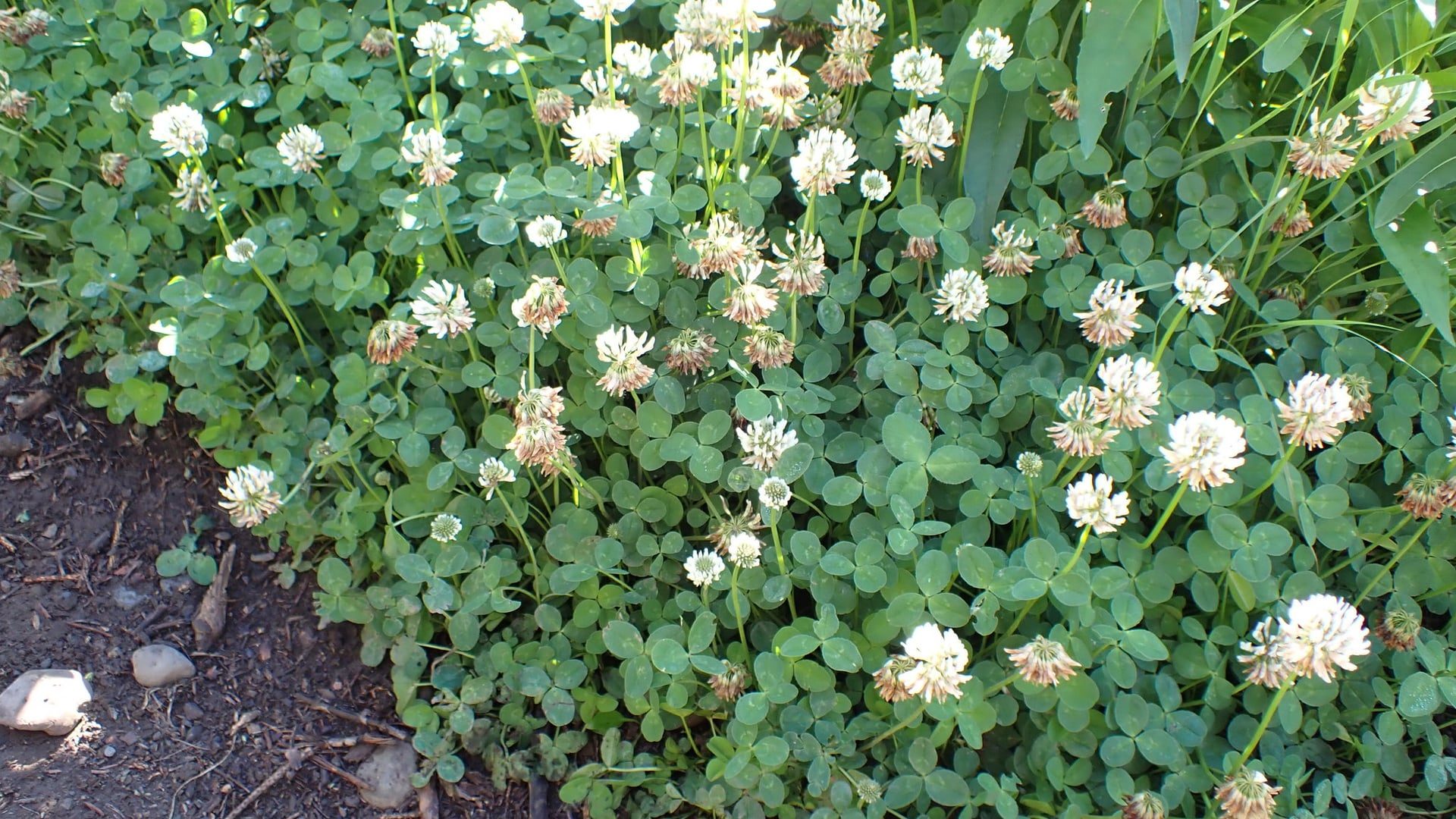
Yes. Clover is a broadleaf weed, and it is one of the plants Scotts Weed and Feed handles well. Expect the clover leaves to curl and yellow within 7-14 days and the patches to thin out over 3-4 weeks, as long as the clover is actively growing when you apply. Thick, established clover mats may need a second application a few weeks later. One caution worth repeating: if you deliberately keep clover in a microclover or eco-lawn, do not use weed and feed, because it will kill that clover too.
Step-by-Step: How to Use Scotts Weed and Feed for Best Results
Proper application makes all the difference. Here’s how to maximize your results and minimize the risk of failure or damage. For settings, frequency, and the full timing calendar, see our dedicated Scotts Weed and Feed application guide.
Pre-Application Checklist
Before you open the bag, assess your lawn:
- Mowing height: Mow 1-2 days before applying, but leave grass at least 2-3 inches tall to maximize leaf area for granule contact.
- Moisture: Apply to a damp lawn (morning dew or light watering is ideal). Avoid waterlogged or completely dry turf.
- Debris removal: Rake up sticks, leaves, and heavy clippings to ensure even coverage.
- Weed stage: Are weeds actively growing? If not, postpone application.
- Weather: Check the forecast. Avoid rain or irrigation for 24 hours after application.
- Tools: Calibrated broadcast or drop spreader, gloves, dust mask, and eye protection.
- Product readiness: Confirm you have the correct Scotts Weed and Feed version for your grass type.

Application Process: Expert Method
Follow these steps for best results:
- Calibrate your spreader according to the product label. Too much or too little product leads to poor results or risk of burn.
- Apply evenly, walking at a steady pace. Overlap slightly at the edges, but don’t double-back over the same area. Missed spots or stripes are a common cause of patchy results.
- Spread on a calm day to avoid drift, and when the temperature is between 60-90°F.
- Do not water or mow for at least 24 hours after application. This gives the herbicide time to absorb into the weeds.
- Keep children and pets off the lawn until the granules are dry and the area has been watered in (usually 24-48 hours).
Pro tip: The best time of day to apply is early morning, when dew is present and winds are typically calm. Never apply before a heavy rain, as runoff can wash away granules and contribute to water pollution.
Post-Application Care
After spreading the product:
- Wait at least 24-48 hours before watering (unless the label says otherwise).
- Resume mowing after 2-3 days, once granules have dissolved and weeds show signs of damage.
- Monitor for yellowing or curling of weed leaves as early as 7 days post-application.
- If you notice persistent weeds after 3-4 weeks, spot-treat with a targeted herbicide rather than reapplying weed and feed.
- Delay overseeding or sodding for at least 4-6 weeks after application, as residual herbicide can inhibit new grass growth.
Signs that the product is working include weed leaf distortion, yellowing, and gradual disappearance. If your lawn shows widespread yellowing without weed reduction, review your application rate and grass compatibility.
Does Weed and Feed Work? The Honest Answer for Any Brand
Everything above is about Scotts, but the honest answer applies to weed and feed as a category. Yes, weed and feed works, whatever name is on the bag, as long as you use it under the right conditions. Most brands, including Vigoro and Pennington, use similar selective herbicides like 2,4-D and Mecoprop-p, so the same rules hold: apply to a damp lawn when temperatures are between 60-90°F and the weeds are young and actively growing, and expect leaf curling within 7-14 days and thinner weed patches plus greener grass by 3-4 weeks.
The same limits apply across brands too. Standard weed and feed formulas kill broadleaf weeds like dandelions, clover, and plantain, and do nothing to grassy weeds like crabgrass, foxtail, or nutsedge. And any granular weed and feed can burn your lawn if the spreader is miscalibrated or your passes overlap, no matter whose logo is on the label.
It is also worth being honest that any weed and feed is a compromise. You are locked into one timing window for two jobs, and the ideal moment to kill weeds is not always the ideal moment to fertilize. Blanket-treating a lightly weedy lawn wastes herbicide that a targeted spot spray would handle more efficiently, which is why professionals treat weed and feed as a maintenance tool for established lawns rather than a rescue plan. If your weed pressure is light or concentrated in patches, separate applications of fertilizer and a spot herbicide give you more control.
Comparing Scotts Weed and Feed to Other Lawn Treatments
“Weed and feed” products are convenient, but not always the best solution for every lawn. Here’s how Scotts compares with alternative approaches.
Alternatives: Competing Weed and Feed Products
Several brands compete in the weed and feed market, including Vigoro and Pennington. Most use similar active ingredients, but may vary in fertilizer ratio, granule size, or price per square foot. Some DIY mixes combine granular fertilizer with a separate liquid or granular weed killer at the time of application, allowing for more customization.
Generally, Scotts is easier to find and offers clear regional formulations. Vigoro and Pennington may be less expensive, but watch for differences in coverage area and recommended grass types. Performance differences are usually minor if application timing and technique are correct, but check user reviews for your specific region and weed challenges.
When a Targeted Approach Works Better
Blanket weed and feed applications can be wasteful if only certain areas of your lawn are weedy. For isolated patches, a spot spray with a selective herbicide (covered in our guide on Common Lawn Weeds and How to Remove Them) is more efficient and reduces chemical use. Organic options, such as corn gluten meal or iron-based weed suppressants, are available for eco-conscious users, though they may require repeated applications and are generally less effective on established weeds.
For lawns with chronic weed or disease issues, consulting a professional lawn service may be worth the investment. They can identify underlying problems like soil compaction, pH imbalance, or pest infestations (see How to Control Grubs in Your Lawn and Brown Patch Prevention for more on these topics).
Related Topics to Explore
If you’re considering overseeding after weed and feed, timing is critical-residual herbicide can harm new seedlings. Our guide Overseeding After Weed and Feed: Timing and Tips details best practices. For those debating between granular and liquid weed and feed, see The Pros and Cons of Liquid vs. Granular Weed and Feed for a deeper comparison.
Factors That Affect Scotts Weed and Feed Performance
Not all lawns respond the same way to weed and feed products. Several variables can dramatically alter your results.
Lawn Type and Regional Differences
Cool-season grasses (Kentucky Bluegrass, Fescue, Ryegrass) generally respond well to Scotts Weed and Feed 3, provided application is during active growth. Warm-season grasses (Bermuda, St. Augustine, Zoysia, Centipede) require the Southern Triple Action or similar products. Applying the wrong formula to the wrong grass can cause severe damage.

Our Regional Climate Data puts the Northeast pre-emergent window at March 15 - April 15, while the Southeast opens February 15 - March 15. These windows matter because weed and feed is most effective when weeds are small and actively growing, just after the pre-emergent period. The Upper Midwest, with its short growing season and late last frost (May 1-15), often sees best results from mid-May applications, once soil temps reach the 50-60°F range.
| Region | Best Application Window | Primary Grass Types | Common Challenges |
|---|---|---|---|
| Northeast | April 15 - May 1 | Kentucky Bluegrass, Ryegrass, Fescue | Snow mold, summer stress, crabgrass |
| Southeast | March 1 - April 1 | Bermuda, Zoysia, St. Augustine, Centipede | Chinch bugs, brown patch, summer diseases |
| Upper Midwest | May 1 - May 15 | Kentucky Bluegrass, Fescue, Ryegrass | Winter damage, short season, snow mold |
This table summarizes regional timing and grass type differences that affect weed and feed performance. Always match your application window to your local climate and grass type.
Timing and Seasonal Context
The best time of year for weed and feed is spring, when weeds are present but still young. Fall applications are possible in some regions, but only when weeds are actively growing and grass is not dormant. Dormant lawns won’t absorb the fertilizer, and the herbicide won’t affect dormant weeds. Excessive rain can wash away granules before they’re absorbed, while drought-stressed grass may be too weak to benefit from fertilizer or resist herbicide injury. If you are buying for fall, note that Scotts sells two fall-specific bags rather than the spring formula, and we compared them in our Scotts fall weed and feed guide.
Our Regional Climate Data recommends targeting soil temperatures of 55°F for both pre-emergent and post-emergent applications. Use a soil thermometer for accuracy, or consult local extension offices for average soil temperature data. Integrate weed and feed into your broader seasonal lawn care plan-avoid stacking multiple treatments (like core aeration or overseeding) within a few weeks of herbicide use to prevent unintended damage.
Environmental and Safety Considerations
Weed and feed products are synthetic chemicals, and responsible usage is essential. Keep granules off driveways and sidewalks to prevent runoff into storm drains, which can harm aquatic life. Children and pets should stay off treated areas until the lawn is dry and the granules have been watered in-usually 24-48 hours, depending on weather. Some herbicides can persist in the soil for several weeks, so delay overseeding or planting sensitive ornamentals nearby.
Always read local regulations-some municipalities restrict phosphorus use or ban certain herbicides during wet seasons to protect water quality. For more on safe practices, see Safe Lawn Care Practices Around Pets and Children.
- Penn State Extension recommends waiting at least 24-48 hours after weed and feed application before allowing pets or children to re-enter the area, and stresses the importance of applying only to actively growing weeds for best results.
Common Mistakes to Avoid
Many online guides gloss over critical details that make or break your results. Here’s what most miss-and how to avoid the pitfalls.
Mistake 1: Confirmation Bias and Testing for Results
Don’t assume weed and feed worked just because your lawn looks greener. Objectively track progress: take before-and-after photos of the same area and count the number of visible weeds per square foot. If you’re not seeing a 50%+ reduction in weed count within 3-4 weeks, review your application timing, technique, and product choice. This approach prevents repeated use of ineffective treatments and helps pinpoint underlying issues.
Mistake 2: Timing Errors and Regional Caveats
Applying too early (before soil warms to 55°F or weeds are actively growing) or too late (when weeds are mature or grass is stressed) reduces effectiveness. Our Regional Climate Data shows that the Southeast pre-emergent window closes by March 15, so late March applications may miss the critical weed emergence period. Always match timing to your region and weed stage, not just the calendar.
- Contact your local extension office for soil temperature and weed emergence data specific to your ZIP code.
Mistake 3: Safety and Application Mistakes
Overlapping passes, miscalibrated spreaders, or ignoring label restrictions can burn your lawn or harm sensitive species. Make sure to keep pets and children away until safe, and never apply weed and feed to new seedings or non-labeled grass types. When in doubt, perform a small test patch before treating the entire yard.
Recommended products
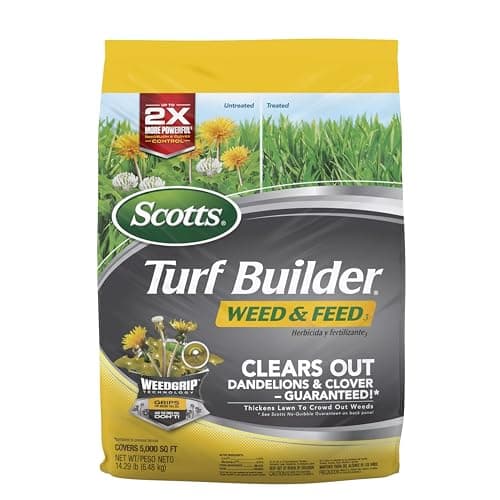
Scotts Turf Builder Weed and Feed 3
If broadleaf weeds (dandelions, clover, plantain) are the main problem and your soil is at 55°F+, this is the right tool.
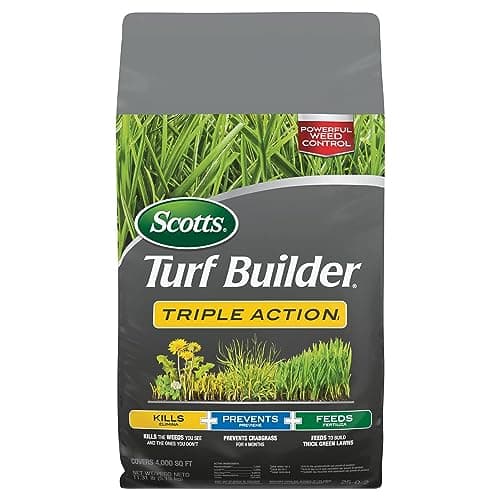
Scotts Turf Builder Triple Action
Pick this instead if you also need crabgrass prevention.
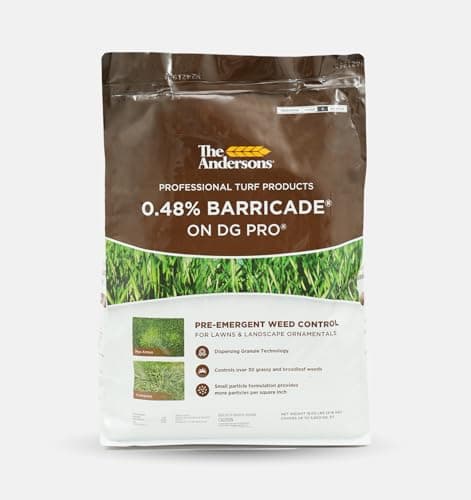
The Andersons Barricade Professional-Grade Pre-Emergent
Skip the weed and feed entirely if crabgrass is your primary problem.
Conclusion
So, does Scotts Weed and Feed actually work? The honest answer: it works well for many homeowners when used on the right grass type, at the right time, and against the right weeds. Its convenience is real, but it’s not a magic bullet-success depends on matching product, timing, and technique to your lawn’s unique situation. For persistent crabgrass or tough regional weeds, a separate pre-emergent like Scotts Halts Crabgrass and Grassy Weed Preventer may be required.
If your lawn fits the criteria-established, compatible grass, actively growing weeds, and a springtime window-Scotts Weed and Feed can deliver visible improvement within 3-4 weeks. If not, consider a targeted spot treatment or professional assessment. For ongoing success, check out our guide on Lawn Fertilizer Schedules by Season or Identifying and Treating Lawn Weeds to keep your yard healthy and weed-free year-round.
Related Scotts Guides
- Lawn Weed Control: The Complete Guide
- Lawn Fertilizing: A Complete Guide
- Scotts Weed and Feed Instructions: When, How & Settings (2026)
- Is Scotts Weed and Feed a Pre-Emergent? (Short Answer: No)
- How Long Does Scotts Weed and Feed Take to Work? (3-7 Days, Full Timeline)
- How Often to Apply Scotts Weed and Feed? Safe Frequency (2026)
Top Picks
 Scotts Turf Builder Weed and Feed 3Check price on Amazon
 Scotts Turf Builder Triple ActionCheck price on Amazon
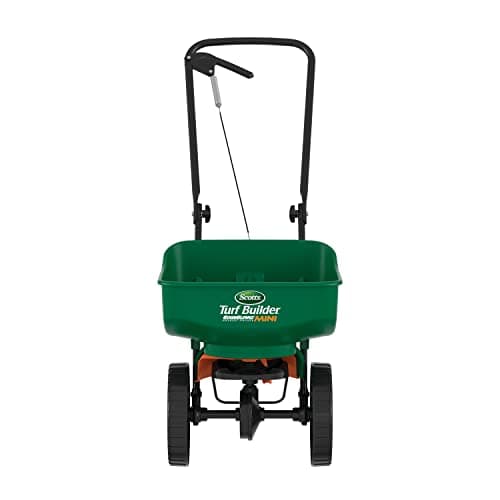
 Scotts Turf Builder EdgeGuard Mini Broadcast SpreaderCheck price on Amazon
As an Amazon Associate we earn from qualifying purchases.
Free Lawn Care Tools
Yes, on established lawns with actively growing broadleaf weeds. Whether it is Scotts, Vigoro, or Pennington, most weed and feed products use similar selective herbicides like 2,4-D and Mecoprop-p, so results follow the same rules: apply to a damp lawn between 60-90°F when weeds are young and growing. Most homeowners see weed leaf curling within 7-14 days and a visibly thinner weed population plus greener grass by 3-4 weeks. It works poorly on dormant lawns, mature weeds, or grassy weeds like crabgrass.
For an established lawn with scattered broadleaf weeds like dandelions and clover, yes: one well-timed pass kills weeds and feeds the grass together. It is not worth it if crabgrass is your main problem, if your lawn is mostly weeds, or if only a few patches are weedy, where a targeted spot spray is cheaper and uses less chemical.
No. The standard formula contains post-emergent broadleaf herbicides only, and crabgrass is a grassy weed. To control crabgrass, use Scotts Turf Builder Triple Action or a dedicated pre-emergent like Scotts Halts applied before soil temperatures reach 55°F.
Yes. Clover is a broadleaf weed that Scotts Weed and Feed handles well. Expect leaves to curl and yellow within 7-14 days and patches to thin over 3-4 weeks when the clover is actively growing. Thick clover mats may need a second pass.
It kills common broadleaf weeds including dandelion, white clover, plantain, chickweed, henbit, ground ivy, oxalis, and knotweed, plus 50-plus other broadleaf species. It does not kill grassy weeds such as crabgrass, foxtail, nutsedge, or quackgrass.
It earns a solid overall verdict of about 4.2 out of 5 in our review. It is reliable for broadleaf weed control and lawn green-up in one pass, with the main drawbacks being no crabgrass control and the risk of fertilizer burn if applied unevenly.
Apply in spring when soil temperatures reach 55°F and weeds are actively growing. According to our Regional Climate Data, this window varies from March to May depending on your region.
You’ll typically notice weed curling or yellowing within 7-14 days, with visible lawn greening and weed reduction by 3-4 weeks if applied correctly.
No, avoid applying weed and feed to new seedings. Wait until new grass has been mowed at least twice to prevent herbicide damage to young plants.
Keep pets and children off treated lawns until granules are dry and the area has been watered in - usually 24-48 hours. Always follow label safety guidelines.
If weeds remain after 3-4 weeks, spot-treat with a selective herbicide and reassess your timing, application rate, and product match to your grass and region.
Photos: Matt Bowser / iNaturalist · CC BY 4.0, Alexas_Fotos / Pixabay, Engin Akyurt / Pexels, Magda Ehlers / Pexels

Beat weeds and brown spots from your phone
Snap a photo, get the fix, and follow a plan timed to your soil and weather. Free on iPhone.
Related Articles
 Weed Control
Is Scotts Weed and Feed a Pre-Emergent? (Short Answer: No)
Mar 31, 2026•7 min read Weed Control
How Often Should You Apply Scotts Weed and Feed? Safe Frequency (2026)
Mar 31, 2026•6 min read Weed Control
How Long Does Scotts Weed and Feed Take to Work? Day-by-Day Timeline
Mar 31, 2026•7 min read