

Artificial Turf vs Natural Grass: Cost, Upkeep, and the Honest Trade-offs
Updated August 18, 2026
Artificial turf makes sense if you are staying a decade or more, water is expensive where you live, and you want the yard to stop asking for your weekends. Natural grass wins on up-front cost, on how it feels and cools in summer, and any time you might move first.
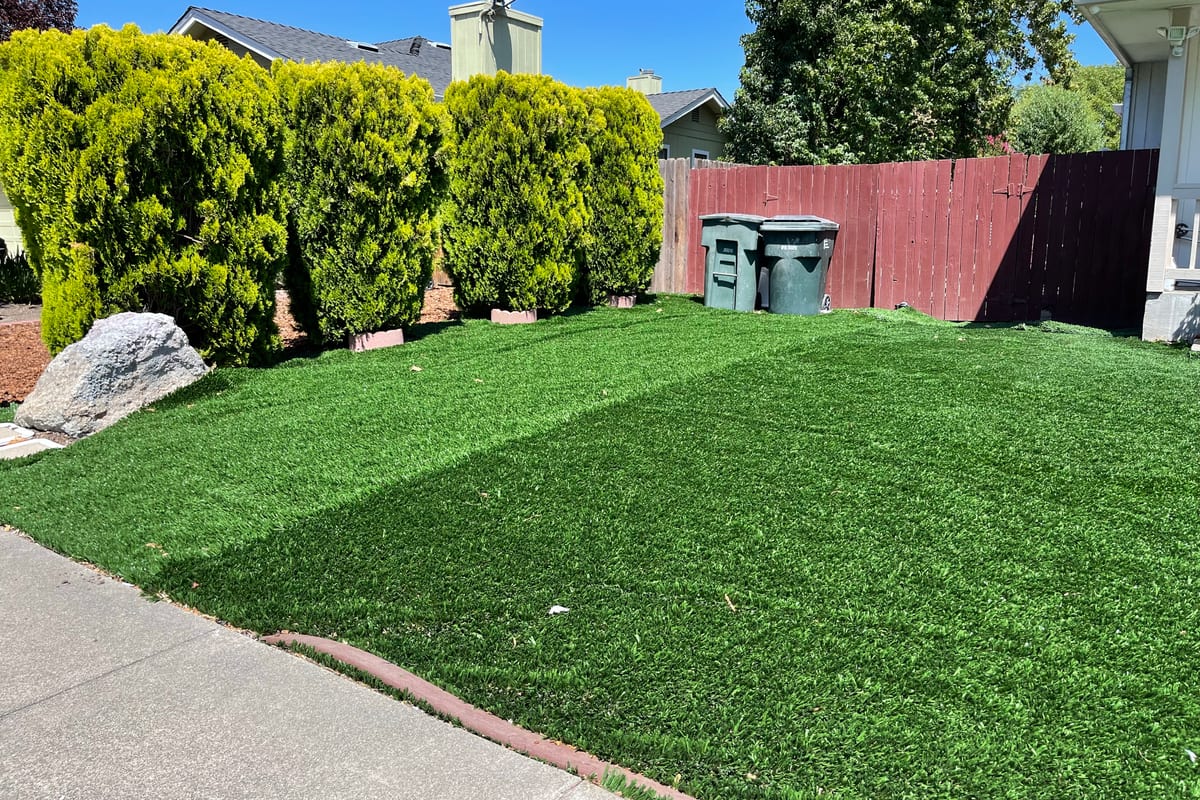
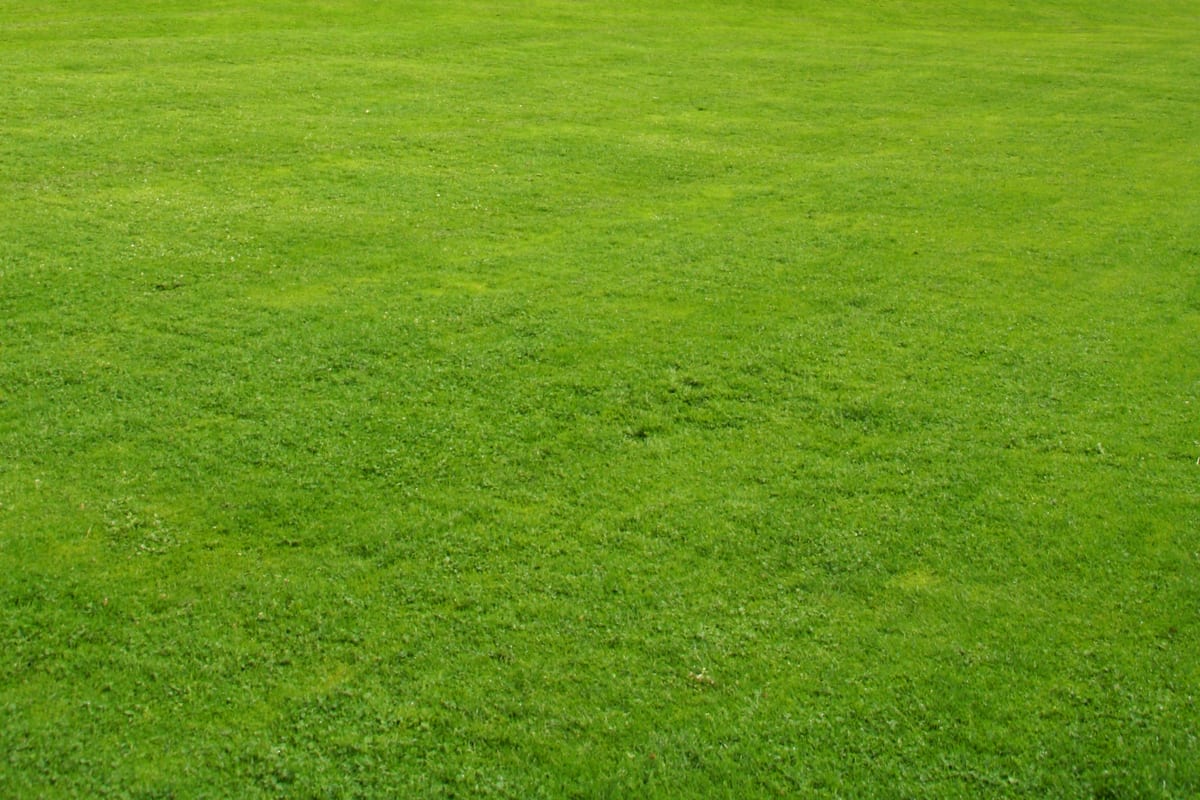
Artificial turf costs far more up front and almost nothing per year, while natural grass is cheap to install and costs you every single season in water, fertilizer, and time, so the right answer depends almost entirely on how long you plan to stay. A professional standard-grade turf install runs roughly $9.40 to $17.00 per square foot once you add turf, base, infill, and labor, which puts a 1,000 square foot yard somewhere around $9,400 to $17,000. Seeding or sodding the same area is a small fraction of that.
After that the arrow flips. A turf yard costs you a rinse, an occasional infill top-up, and nothing else. A real lawn costs water at roughly $28 to $55 a month in season, fertilizer at about $7 to $18 per 1,000 square feet per application, weed control at about $9 to $13 per 1,000 square feet, plus mowing, whether that is your Saturday or $40 to $55 per visit for someone else. Those running costs are what eventually catch up with the install bill, and in practice many homeowners find the two cross somewhere around year 7 to 12, sooner in dry regions with expensive water and watering restrictions.
Where these figures come from: turf install, DIY, and removal from our artificial turf cost model, which publishes national low to high ranges rather than quotes; seeding and running costs from our regional lawn cost dataset across 13 US regions; and the sod band from the pallet prices quoted on our grass comparison pages.
Quick verdict
Artificial turf wins if you are staying put for a decade or more, water is expensive where you live, and you want the yard to stop asking for your weekends. Natural grass wins on up-front cost, on how it feels and cools in summer, and any time you might move before the install pays itself back.
Artificial Turf vs Natural Grass: at a glance
Up-front cost per sq ft
Typical 1,000 sq ft yard
Old lawn removal
Lifespan
Annual running cost
Mowing
Water use
Surface temperature in full sun
Pets
Kids and sports
Drainage
Look over time
Resale and HOA
End of life
Verdict
APick artificial turf if...
- You expect to stay in the house long enough for a payback measured in years, not months.
- Water is expensive where you live, or watering restrictions make a real lawn hard to keep alive.
- The area is small, shaded, or high-traffic and grass has repeatedly failed there.
- You want the yard to stop asking for weekends, and near-zero maintenance is worth a five-figure decision.
- You have dogs and mud is the actual problem you are solving, and you are willing to rinse it.
BStick with natural grass if...
- You might move within the next several years, so the install would never pay itself back.
- You want the coolest, softest surface in the yard on a hot afternoon.
- Up-front budget matters more than the running cost, and seed or sod fits it easily.
- You actually enjoy the mowing and the maintenance, or you do not mind paying for it.
- Your HOA restricts synthetic turf, or you care about the environmental trade-off at end of life.
Get a low-to-high install range for your square footage, turf grade, and region, with DIY and professional numbers side by side.
Get your seasonal lawn care calendar for your ZIP
Every task, from feeding to weed control to aeration, has a window that shifts by region. Add your ZIP and we will email your 12-month lawn calendar right away, starting with this month.
Seasonal reminders and tips. No spam. Unsubscribe anytime.
Frequently asked questions
Is artificial turf cheaper than real grass?
Not up front, and not for years afterward. Professional standard-grade turf runs roughly $9.40 to $17.00 per square foot installed, so a 1,000 square foot yard lands around $9,400 to $17,000, while seeding or sodding that same area costs a small fraction of it. Turf gets cheaper over time because the annual cost drops close to zero, while a real lawn keeps spending on water, fertilizer, weed control, and mowing every season. Where they cross depends on your water bill and how you value your Saturdays. All of these figures are planning estimates, so get local quotes before you budget.
How long does artificial turf last?
Commonly somewhere in the 8 to 18 year range, and the spread is mostly about grade, traffic, and how well the base was built. Heavier premium turf with a longer warranty tends to last at the top of that range, which is why it can cost less per year than an economy roll you replace sooner. Check the actual warranty on the product you are quoted rather than a general number, and ask the installer to itemize base depth, because a rushed base is the most common reason turf fails early.
Does artificial turf get hot?
Yes, noticeably hotter than a living lawn in direct sun. Grass cools itself by transpiring water, and synthetic fibers cannot do that, so on a hot cloudless afternoon a turf yard can be uncomfortable for bare feet and paws in a way a real lawn is not. The practical fixes are shade over the areas people actually use, a quick rinse before play, and cooler-running infill options if your installer offers them. If summer barefoot comfort is a priority for you, this is the trade-off to weigh hardest.
Is fake grass bad for dogs?
Not inherently, and plenty of dog owners install it specifically to solve mud and worn paths. The two real issues are heat and odor. Turf in full sun can be too hot for paws on a summer afternoon, so provide shade and rinse it before use. Urine drains through but the residue stays in the infill, so a turf dog run needs regular rinsing and sometimes an enzyme cleaner, or the smell builds up in warm weather. Plan the rinsing into the routine and it works well.
Do you have to maintain artificial turf?
Far less than a lawn, but it is not zero. Expect to rinse it, blow or sweep off leaves and debris so nothing composts into the fibers, brush high-traffic lanes so they stand back up, and top up infill occasionally as it settles and migrates. Weeds can still sprout in windblown soil that collects on the surface, especially at edges. Compared with mowing, watering, feeding, and weed control, it is a rounding error, which is the whole point.
Does artificial turf hurt home resale value?
It is polarizing rather than automatically negative. Some buyers see a solved problem and a yard with no upkeep, especially in dry regions. Others see a surface they will have to pay to remove. Local norms matter more than any national rule, and so do HOA and municipal rules, some of which restrict synthetic turf outright. Check your HOA documents and local ordinances before you commit, and if resale is a live concern, consider turfing a defined area rather than the whole front yard.
How long until artificial turf pays for itself?
Many homeowners land somewhere around year 7 to 12 versus the running cost of a maintained lawn, and it comes sooner in dry regions where water is expensive or restricted. Run your own numbers rather than trusting the range: add up what you actually spend per year on water, fertilizer, weed control, and mowing, then divide the install quote by it. If you are paying someone $40 to $55 a visit to mow on top of a summer water bill, the payback arrives much faster than if you mow yourself and rarely irrigate.