

Common lawn pests
A lawn pest is anything whose feeding or digging damages turf, and almost all of them give themselves away by the pattern they leave. Roots chewed off means grubs. Blades chewed off means caterpillars. Spongy turf, raised ridges, and pushed-up soil mean tunnelers. Match the pattern first, then confirm it with the test in the table below.
Lawn pest comparison table
Swipe sideways to see every column.
| Pest | What it eats | When you see it | Fastest check |
|---|---|---|---|
| White Grubs | Root feeder | Late summer, fall | Tug the brown turf. If it lifts like carpet, look underneath. |
| Chinch Bugs | Crown and thatch | Summer | Flotation test with a bottomless coffee can at the green edge. |
| Sod Webworms | Leaf feeder | Summer | Soap flush at the edge of a patch, then watch for ten minutes. |
| Armyworms | Leaf feeder | Late summer, fall | Check the damage edge at dawn or dusk for moving caterpillars. |
| Mole Crickets | Tunnels and mounds | Spring, summer, fall | Water the area, then soap flush it in the evening. |
| Billbugs | Crown and thatch | Summer | Pull a few stems. Snapping at the crown with frass means billbugs. |
| Fire Ants | Tunnels and mounds | Spring, summer, fall | Nudge the mound with a long stick from a step back. |
| Cutworms | Leaf feeder | Spring, summer, fall | Soap flush over fresh spots at dusk and look for the burrow. |
| Lawn Ants | Tunnels and mounds | Spring, summer, fall | Look into the top of the pile. A lawn ant mound has an open hole in the middle. A fire ant mound has none. |
| Voles | Leaf feeder | Spring, fall, winter | Drop an apple slice in a runway, cover it, and look for gnaw marks at 24 hours. |
| Moles | Tunnels and mounds | Spring, fall | Flatten a section of ridge, mark it, and look again in 24 hours. |
| Start here | If the turf lifts like carpet, start with grubs. If it browns from the pavement edge in July heat, start with chinch bugs. If it vanished overnight, start with armyworms. If it feels spongy underfoot, start with mole crickets. If the sod is lifted into ridges or clipped into narrow trails, start with moles or voles. | ||
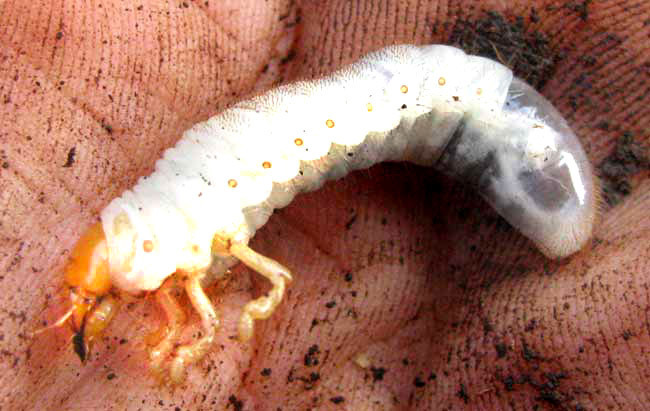
White Grubs
White grubs are the pale, C-shaped larvae of beetles such as Japanese beetles and European chafers, and they eat grass roots from below. The tell is turf that lifts like loose carpet when you tug it, with nothing holding it down. Brown patches spread through late summer and fall.
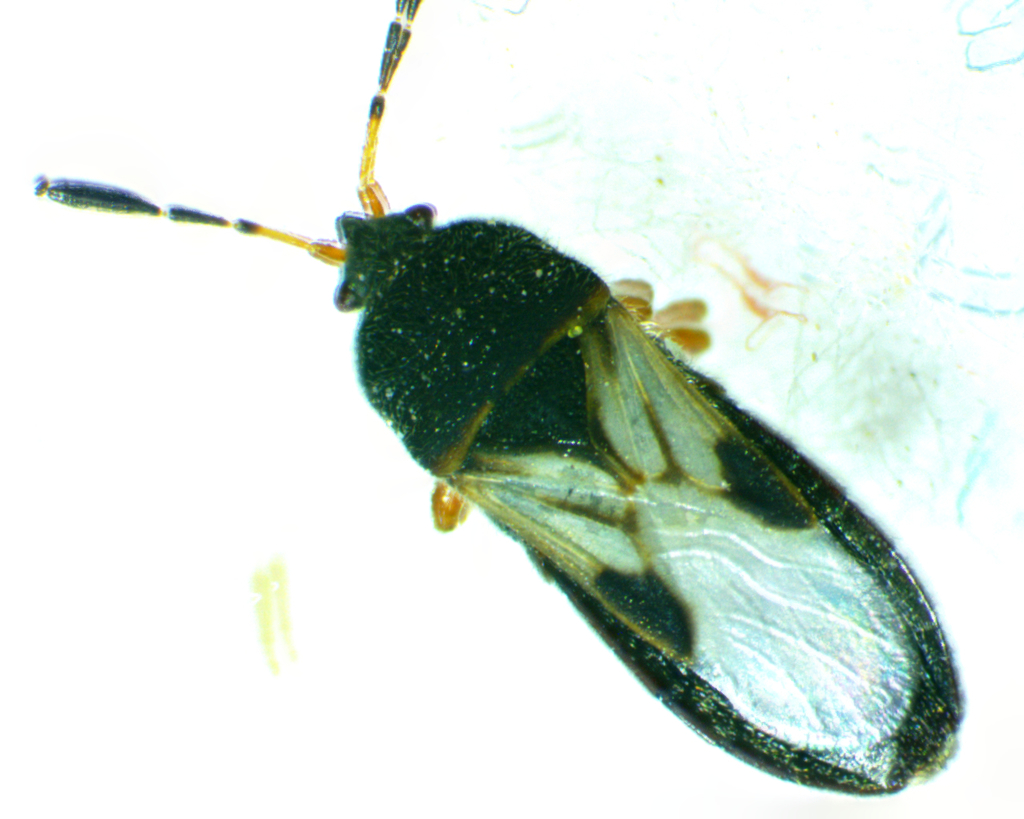
Chinch Bugs
Chinch bugs are tiny black sap-sucking insects that drain grass along the hottest, sunniest edges of a lawn. The tell is yellow patches that start next to a driveway or sidewalk in July heat, turn straw brown, and keep spreading outward even when you water them.
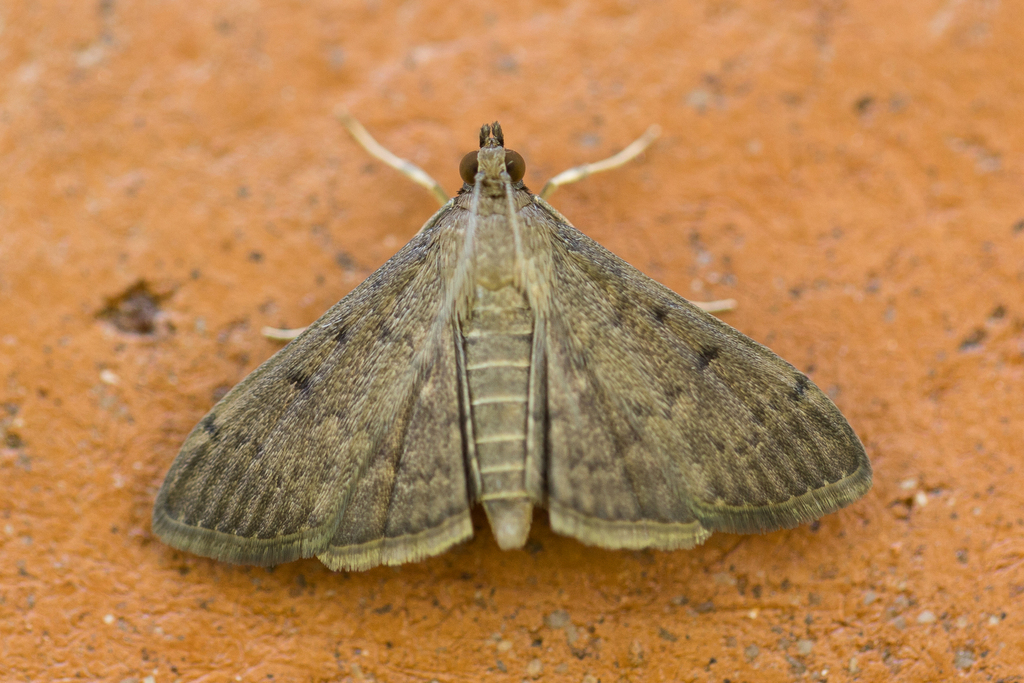
Sod Webworms
Sod webworms are the caterpillars of small tan lawn moths, and they chew grass blades off close to the ground at night. The tell is small ragged brown patches that grow together, plus zigzagging moths that flutter up out of the grass when you walk across it at dusk.
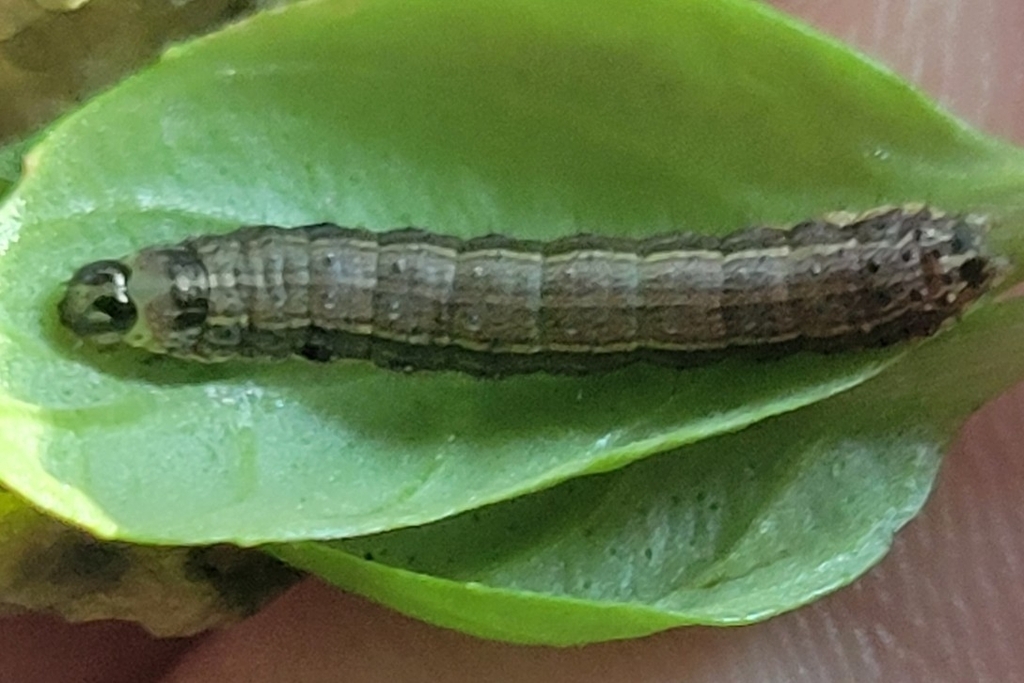
Armyworms
Armyworms are striped caterpillars that march across a lawn in a group and eat grass blades down to the crown. The tell is damage with a visible edge that moves, often a wide brown area that appeared in a day or two, with birds working the lawn hard.
Mole Crickets
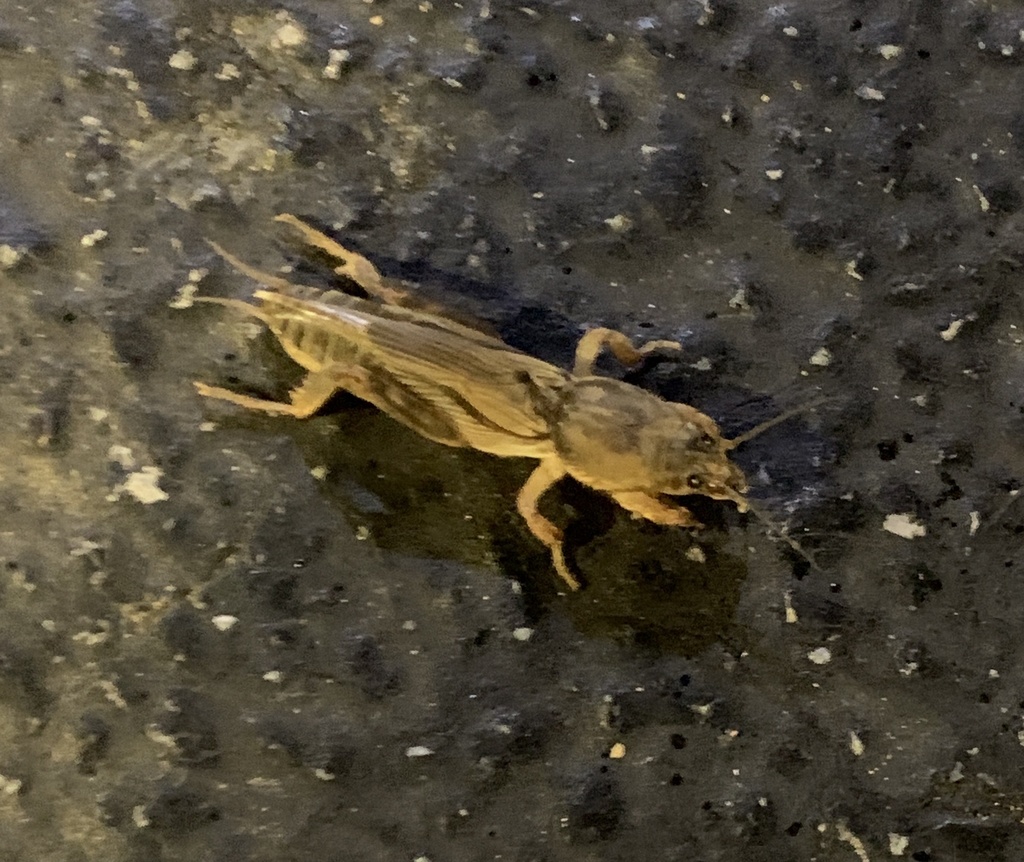
Mole crickets are brown, velvety insects with shovel-shaped front legs that tunnel just under the surface of warm-season lawns. The tell is turf that feels spongy underfoot, with raised trails and small mounds of loose soil, and grass thinning out above the tunnels.
Billbugs
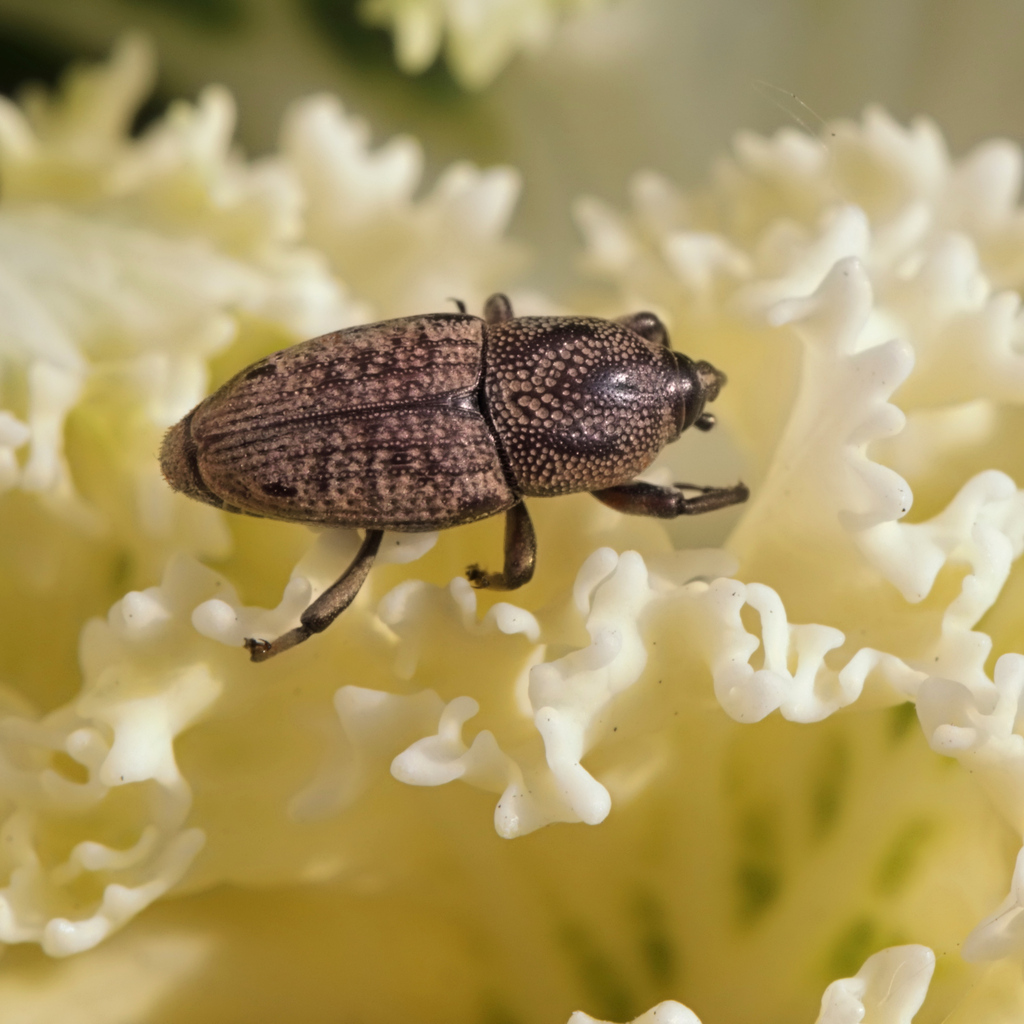
Billbugs are small snout-nosed weevils whose larvae hollow out grass stems from the inside. The tell is brown patches in midsummer that never respond to watering, and stems that snap off at the crown with sawdust-like dust inside when you tug on them.
Fire Ants
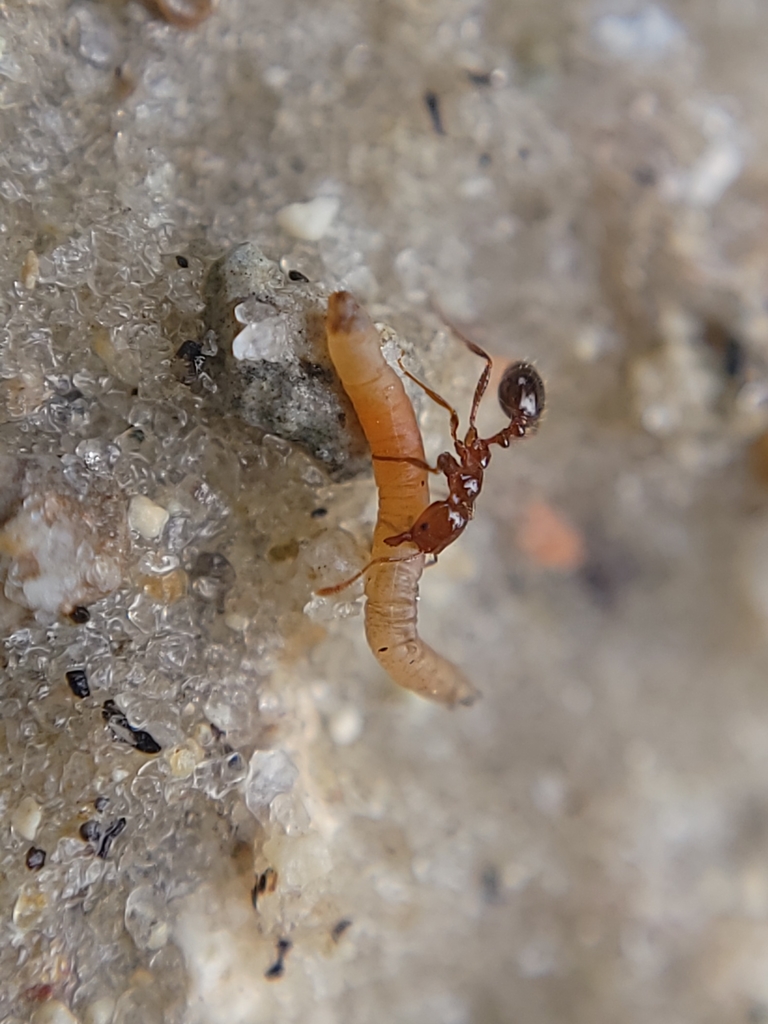
Fire ants are aggressive red-brown ants that build dome-shaped mounds in sunny lawns and sting in numbers when a mound is disturbed. The tell is loose, bare soil piled into a dome with no obvious opening on top, and ants pouring out the moment anything touches it.
Cutworms
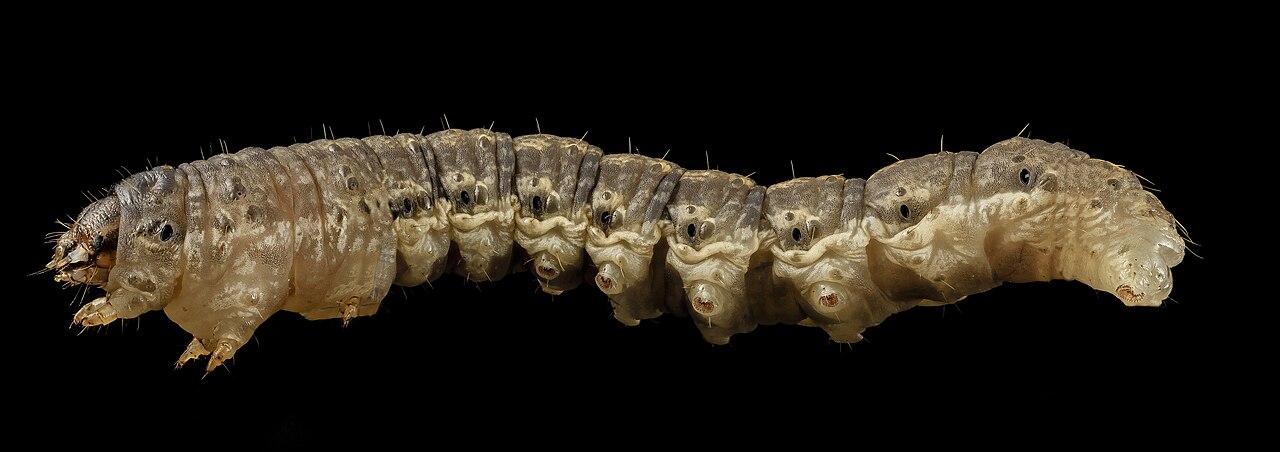
Cutworms are dull gray-brown caterpillars that hide in soil burrows by day and chew grass off at soil level at night. The tell is small round bare spots, roughly golf ball to coffee cup sized, showing up in closely mowed turf while the rest of the lawn looks fine.
Lawn Ants
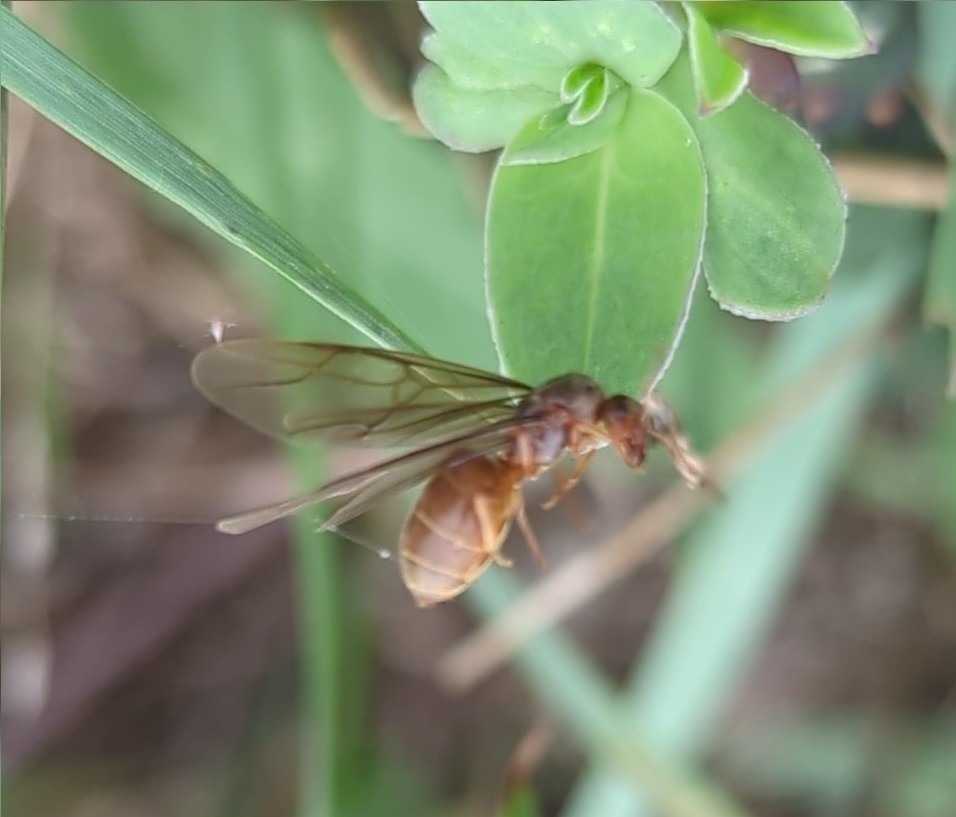
Lawn ants are soil nesting species like cornfield ants, pavement ants and field ants. The tell is a small cone of loose, finely ground soil with a hole in the middle, pushed up between grass blades. Penn State Extension says ants seldom cause serious damage in home lawns. The mound is usually the problem, not the ant.
Voles
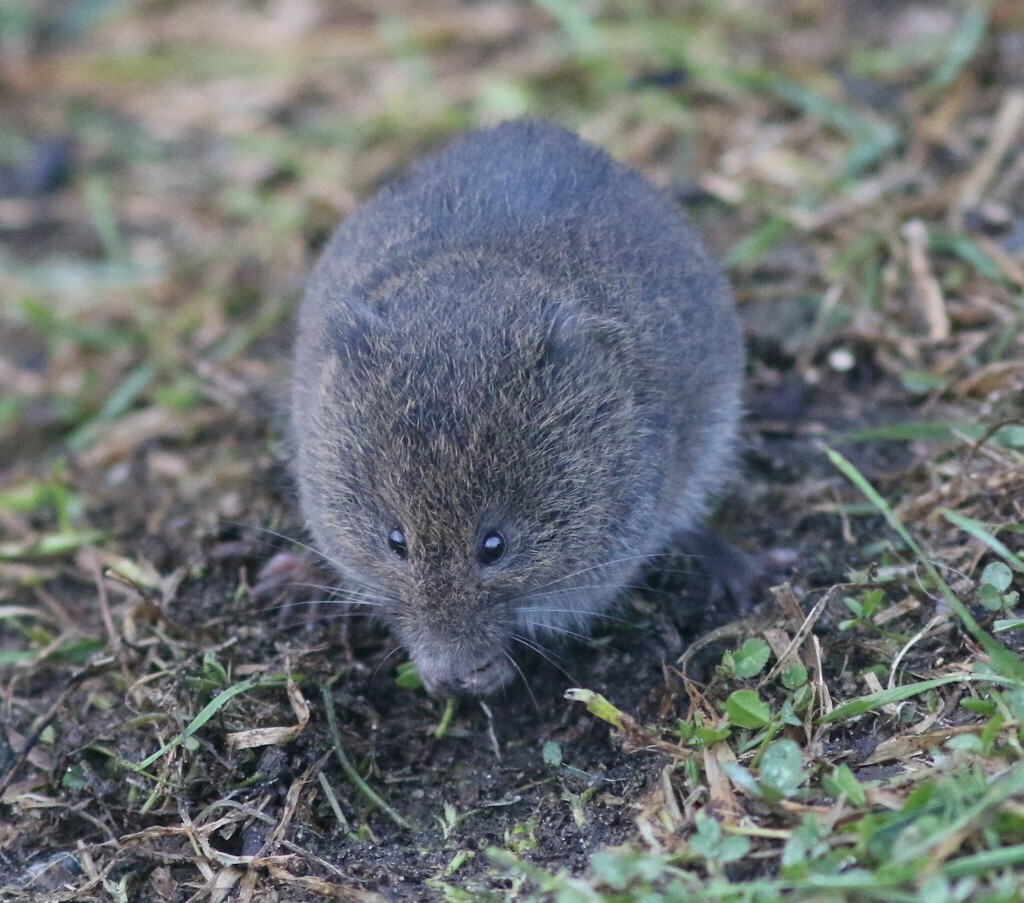
Voles are small, stocky, mouse-sized rodents that live at the grass line and eat plants. The tell is not a mound. It is a network of narrow, closely clipped surface runways about 1 to 2 inches wide winding through the turf, usually revealed all at once when snow melts in spring.
Moles
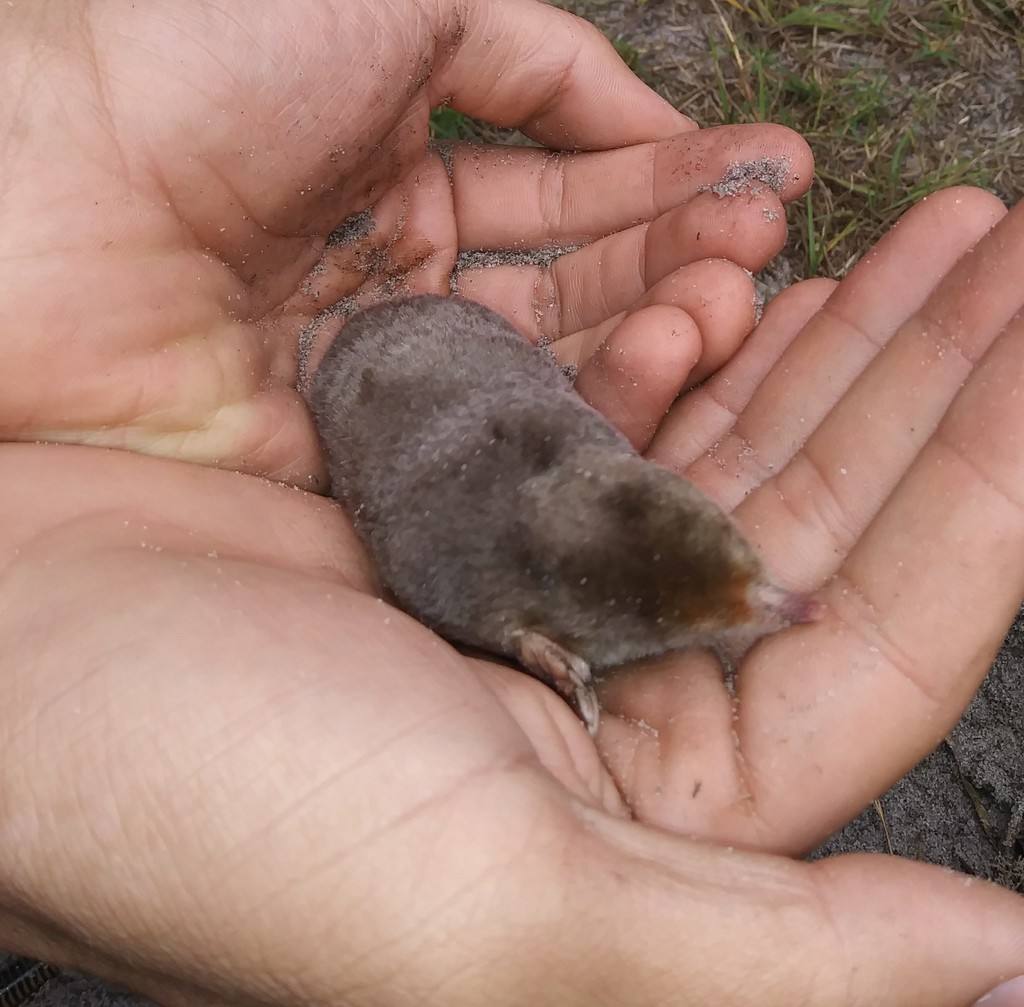
Moles are earthworm hunters that tunnel through your lawn without feeding on the grass itself. The tell is the damage pattern: raised ridges of pushed up sod winding across the turf, plus small cone shaped mounds of loose soil where deeper tunnels vent to the surface. Nothing is chewed. The turf is lifted.
Understanding lawn pests
Homeowners almost never identify a lawn insect by looking at the insect. They identify it by the damage, which is why these guides are organized around three patterns rather than around taxonomy. Roots chewed is the grub pattern: the turf separates from the soil and lifts in a mat, and animals dig it up looking for a meal. Billbugs belong here too, though they work inside the stem rather than under it.
Blades chewed is the caterpillar pattern: armyworms, sod webworms, and cutworms all remove leaf tissue, leaving grass that is physically missing rather than discolored. The difference between them is scale and speed. Armyworms advance as a front and can clear an area in a day or two, sod webworms leave ragged patches that grow together over weeks, and cutworms cut small round spots in closely mowed turf.
Mounds and tunnels is the soil-moving pattern: mole crickets raise spongy trails through warm-season lawns, fire ants build dome mounds that smother grass and make a yard unusable, lawn ants push up small cones of fine soil, and moles lift the sod into ridges while hunting earthworms. Voles belong nearby without fitting the pattern, because they clip narrow runways through the grass and move no soil at all. Chinch bugs sit slightly outside all of it, because they suck sap rather than chew, and their damage reads as heat stress on the hottest edges of the lawn.
One more thing worth saying plainly: pest damage and weed pressure feed each other. Every bare patch a pest opens up is an invitation, so once the insect is handled, the follow-up is closing the gap before something else claims it. Our lawn weed identification guides cover what tends to move in.
Moles and voles are animals rather than insects, so their guides lead with trapping and exclusion instead of product categories. Pocket gophers are not covered yet. And heavy mole activity does not mean grubs: moles eat earthworms, and extension research is consistent that grub control will not move them.
Lawn pest FAQs
What are the most common lawn pests?
Most lawn damage in the United States traces back to a short list of insects, plus a few animals that damage turf without eating it. These guides cover White Grubs, Chinch Bugs, Sod Webworms, Armyworms, Mole Crickets, Billbugs, Fire Ants, Cutworms, Lawn Ants, Voles, Moles. They split into three groups by what they attack: root feeders, blade feeders, and the tunnelers and mound builders that damage turf by moving soil.
How do I know if bugs are damaging my lawn or it is just dry?
Water the area deeply for about a week and watch it. Drought stress greens back up. Pest damage keeps spreading, because the insects are still feeding. Then match the pattern: turf that lifts like carpet points at grubs, blades chewed off at the soil line points at caterpillars, and spongy turf with raised trails points at mole crickets.
What is the fastest way to confirm a lawn insect?
Three tests cover almost everything. The tug test finds root feeders like grubs. The soap flush, a couple tablespoons of dish soap in a gallon of water poured over a square foot, brings caterpillars and mole crickets to the surface within minutes. The stem pull finds billbugs, whose stems snap at the crown with sawdust-like frass inside.
Should I treat my lawn for insects every year?
No. Most lawns do not have a damaging population in a given season, and blanket annual insecticide is expensive and unnecessary. Confirm the pest first, treat when the population justifies it, and spend the rest of the effort on watering depth, mowing height, and thatch, which raise the amount of feeding your lawn can absorb.
Are moles and voles lawn pests?
Yes, and each has its own guide here. They are animals rather than insects, so the approach is completely different: trapping and exclusion lead, and most vertebrate toxicants are restricted use. Moles lift the sod into raised ridges while hunting earthworms and never eat the grass. Voles clip narrow surface runways through the turf and leave no soil behind.