Tank Mix Calculator
Calculate exactly how much herbicide and surfactant to mix per gallon of water. Spot and blanket rates for Tenacity, quinclorac, 2,4-D, and more, with step-by-step mixing order.
Tool inputs
1 minuteTank mixing, done right
Labels give rates per acre or per 1,000 sq ft. Homeowners spray by the gallon. Converting between the two is where most mixing mistakes happen.
Most herbicide labels are written for professionals: rates like "4 fl oz per acre" or "0.5 fl oz per 1,000 sq ft in 0.5 to 1 gallon of carrier." To turn that into something you can measure in the garage, you need two conversions: ounces to teaspoons (1 fl oz = 6 tsp), and area rates to per-gallon rates using the standard assumption that 1 gallon of finished mix covers 1,000 sq ft.
Spot spraying breaks that area logic, because you spray weeds to wet rather than metering by square footage. That's why spot rates are usually expressed directly per gallon and often run stronger than the equivalent blanket rate.
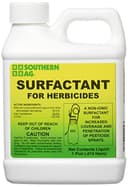
Most post-emergent herbicides need a surfactant to stick to and penetrate the waxy leaf surface. Skipping it is the number one reason a spray "didn't work."
- Non-ionic surfactant (NIS): the default. About 1 to 2 tsp per gallon. Pairs with Tenacity, 2,4-D, triclopyr, and Celsius.
- Methylated seed oil (MSO): stronger penetration for tough grassy weeds. About 1 fl oz (6 tsp) per gallon. The label choice for quinclorac on mature crabgrass.
- None needed: consumer glyphosate concentrates already include surfactant in the jug.
- Dish soap is not a substitute — it foams, degrades some actives, and isn't consistent enough to dose.
The right mix in a dirty or badly calibrated sprayer still burns lawns.
Dedicate one sprayer to herbicides and never use it for insecticides, fungicides, or fertilizer foliar feeds. Herbicide residue is nearly impossible to fully rinse from seals and hoses, and even trace amounts of 2,4-D can damage garden plants sprayed later.
After every session, triple-rinse: fill a quarter of the tank with clean water, agitate, spray it out on a labeled site, and repeat twice more. For sensitive follow-up work, add a tank cleaner or a splash of ammonia on the second rinse.
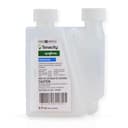
How much Tenacity do I mix per gallon of water?
For spot spraying, mix 1 teaspoon (0.17 fl oz) of Tenacity per gallon of water plus 1.5 teaspoons of non-ionic surfactant. For blanket applications, use half a teaspoon per gallon, with each gallon of mix covering about 1,000 sq ft. Always confirm against your label before spraying.
How much surfactant do I add per gallon?
Non-ionic surfactant (NIS) is typically 1 to 2 teaspoons per gallon of finished mix (about 0.25 fl oz). Methylated seed oil (MSO) runs stronger at about 6 teaspoons (1 fl oz) per gallon. Use the surfactant your herbicide label calls for: quinclorac works best with MSO, while Tenacity and most broadleaf herbicides pair with NIS.
What order do I mix herbicide and surfactant in the tank?
Fill the tank halfway with water first, add the herbicide and agitate, then add the surfactant, and finally top off with the remaining water. Adding surfactant early causes excessive foaming; adding product to an empty tank can leave concentrated residue in the bottom.
Why are spot spray rates different from blanket rates?
Spot spraying wets individual weeds to the point of coverage, so the mix itself must carry the full dose. Blanket applications meter the dose by area, assuming 1 gallon of mix per 1,000 sq ft. That's why some products, like Tenacity, use a stronger per-gallon rate for spot work than for blanket work.
Can I mix two herbicides in the same tank?
Often yes, but only when both labels allow it. Do a jar test first: mix small amounts in a jar of water and watch for clumping or separation. Common safe combos include quinclorac plus a three-way broadleaf herbicide for crabgrass and broadleaf weeds in one pass. Never tank-mix products whose labels prohibit it.
How long is mixed herbicide good for in the tank?
Plan to spray the same day you mix. Most herbicides begin degrading in water within 24 hours, and some (like sulfonylureas) break down faster in acidic or warm water. Mix only what you'll use, and triple-rinse the sprayer afterward.