

Benefits of a Mulching Lawn Mower
 James ThorntonLawn Equipment & Maintenance Expert | 20 Years
As an Amazon Associate we earn from qualifying purchases.
Most homeowners are finally moving away from bagging grass clippings because mulching mowers turn every mow into free fertilizer, less work, and less waste. A mulching lawn mower uses a special blade and a closed deck design to recut clippings into tiny pieces, then drops them back into the turf instead of shooting them out the side or into a bag.
The main benefits of a mulching lawn mower are a healthier, greener lawn, reduced fertilizer needs, less yard waste, and better drought resilience, all while cutting down on work. Common questions are whether mulching is better than bagging, whether it causes thatch, and whether it really helps long term. Properly used, mulching is usually the better choice for most lawns and does not create thatch.
This guide breaks down how mulching mowers work, the real lawn and cost benefits, seasonal tactics, how to choose and set up a mulching mower, pro-level mowing technique, and the mistakes that ruin results.
For most home lawns, mulching is better than bagging because it returns nutrients, improves soil, and reduces waste without causing thatch when mowing height and frequency are correct. If clippings disappear into the canopy within a day and the lawn stays evenly green, your mulching setup and schedule are on track. The best fix for clumps or yellowing is to cut more often, follow the one-third rule, and sharpen blades, not to give up and start bagging; most lawns show noticeably better color and density within 3-6 weeks of consistent mulching.
- Mulching grass clippings can supply roughly 20-30 percent of a typical lawn’s yearly nitrogen needs when you mow regularly.
- Mowing on a schedule that follows the one-third rule often means cutting every 4-7 days in peak growth to keep mulched clippings from clumping.
- Most cool-season lawns perform best mulched at 2.5-3.5 inches or higher, while many warm-season grasses prefer 1-2.5 inches.
- Sharpening mulching mower blades at least once or twice per season keeps clippings fine and reduces disease entry points.
- Mulching instead of bagging can easily eliminate dozens of yard waste bags per season for a typical suburban lawn.
How Mulching Lawn Mowers Work (and Why It Matters for Your Lawn)
Mulching lawn mowers work by recutting clippings multiple times inside a closed deck, turning them into fine pieces that quickly sift into the turf and break down into natural fertilizer.
Instead of a simple high-lift blade and open side discharge, a mulching mower uses a specially shaped blade with extra cutting surfaces and a deeper, more enclosed deck. Internal baffles and a plugged discharge opening keep clippings swirling around the blade so they are chopped repeatedly. The airflow pattern is designed to suspend clippings, cut them smaller, then drop them downward into the lawn canopy instead of out the chute.
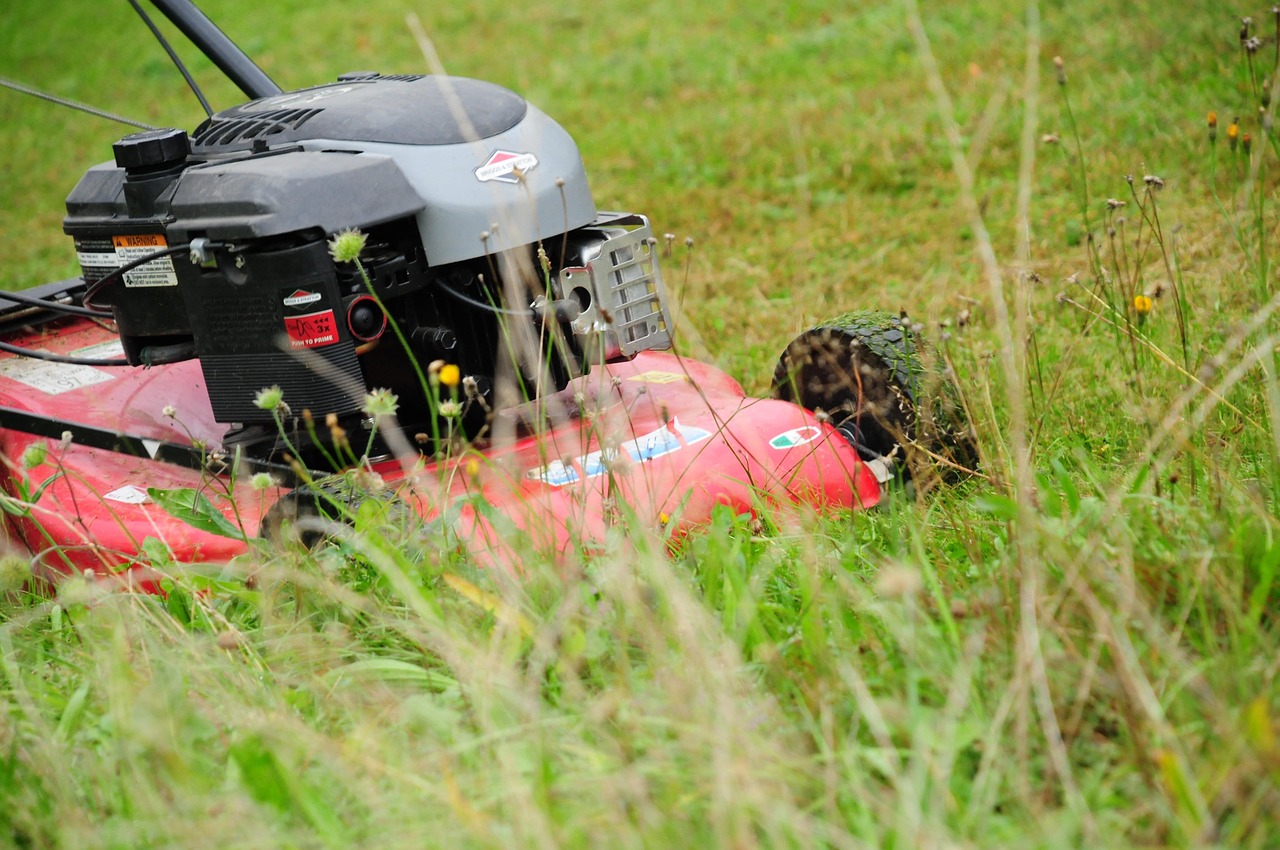
What Is a Mulching Lawn Mower, Exactly?
A mulching lawn mower is a mower whose blade, deck, and discharge system are designed specifically to cut clippings into very small pieces and deposit them back into the lawn rather than eject them.
On a true mulcher, the blade usually has curved or stepped sections with extra cutting edges, and the deck is shaped to create a strong circulating airflow. A side-discharge or bagger deck is more open so clippings are quickly thrown out. With mulching, a plug or door blocks the discharge port, and internal baffles keep material in the cutting chamber longer. A 3-in-1 mower with a mulching plug can work well if the plug, baffles, and blade are all correct, but a purpose-built mulching deck generally chops more evenly in dense turf.
The Science Behind Mulching and Lawn Health
Mulching supports lawn health by feeding soil microbes with finely chopped clippings, which then recycle nutrients and build organic matter that strengthens turf over time.
Microbes and small soil organisms break down mulched clippings relatively quickly because of their high surface area and soft tissue. As they decompose, nitrogen and other nutrients are released back into the root zone instead of being hauled away in bags. Over seasons, this constant trickle of organic material helps build soil structure and improves rooting depth. Thatch is primarily a buildup of dead stems and roots that do not decay fast enough, not of leaf clippings. In a well-managed lawn, mulching clippings does not create thatch and often helps microbial activity work through existing organic layers, especially when combined with core aeration and, where needed, occasional dethatching.
- Purdue Turfgrass Science guidance: removing more than one-third of the grass blade in one mowing stresses turf, so matching mulching to proper mowing height and frequency is critical for lawn health.
Types of Mulching Mowers and Setups
Mulching capability is available on most modern walk-behind, self-propelled, and riding mowers, either as a dedicated mulching design or via a kit that converts a standard deck.
Walk-behind and self-propelled mulchers are ideal for small to medium lawns, while lawn tractors and zero-turns with mulching kits handle large areas. Gas units usually offer more raw power for tall or wet grass, but battery mowers have improved enough that many homeowners can mulch successfully on 30-45 minute runtimes. A retrofit kit usually includes a mulching blade and discharge plug, and sometimes baffles. Upgrading to a dedicated mulching mower makes sense if you have thick turf, want to mulch leaves heavily in fall, or find that a simple plug kit leaves too many clumps in your conditions.
Core Benefits of a Mulching Lawn Mower for Your Lawn
The core benefits of a mulching lawn mower are free nutrient recycling, better soil structure, denser and greener turf, and improved moisture retention compared with bagging or side discharge.
Every time clippings are left on the lawn, they act as a small organic fertilizer application and food source for microbes. Over time this supports deeper roots, more consistent color, and fewer weeds. A thin layer of mulched material on the soil surface also slows evaporation and buffers heat, which helps lawns ride out summer stress.
1. Nutrient Recycling: Natural Fertilizer Every Time You Mow
Mulching turns every mowing into a light fertilizer application because clippings return a substantial portion of the nutrients the lawn already took up.
Grass leaves store nitrogen, phosphorus, and potassium. When you bag them, you export those nutrients and have to replace them with purchased fertilizer. When you mulch, a typical lawn can receive roughly 20-30 percent of its annual nitrogen needs from clippings alone if you mow on a consistent schedule. This lets many homeowners either reduce synthetic fertilizer rates or stretch applications from every 6 weeks to every 8-10 weeks during the main growing season. Mulching also pairs well with organic fertilizer plans, acting as a steady supplement between granular feedings.
2. Improved Soil Structure and Microbial Life
Mulching improves soil structure and microbial life by steadily adding fine organic material to the topsoil, which helps create better tilth, pore space, and rooting conditions.
As mulched clippings break down, they contribute to soil organic matter and eventually to stable humus, which acts like a sponge and a glue. This helps sandy soils hold more moisture and nutrients and helps clay soils crumble better and resist compaction. A more active microbial community, fueled by regular clippings, also breaks down thatch and other residues more efficiently. Over seasons, lawns that are mulched regularly usually show deeper roots, better drought tolerance, and fewer problems with soil sealing or puddling after rain.
3. Denser, Greener Turf with Fewer Weeds
Mulching promotes a denser, greener lawn with fewer weeds by providing a steady trickle of nutrients that encourages uniform growth and thick ground cover that shades out weed seedlings.
Instead of big nutrient spikes from heavy fertilizer applications, mulched clippings feed the lawn lightly but often. This evens out growth and helps turf fill in thin spots. As the grass thickens, less sunlight reaches the soil surface, which makes it harder for many weed seeds to germinate. To maximize this benefit, combine mulching with proper mowing height and occasional overseeding of bare or weak areas in fall for cool-season grasses or late spring for many warm-season types. A consistently mulched, properly mowed, and periodically overseeded lawn usually needs fewer herbicide interventions.
4. Better Moisture Retention and Drought Resilience
Mulching improves moisture retention and drought resilience by creating a thin organic layer that shades the soil surface and slows evaporation between waterings.
The small clippings that settle into the canopy act as a micro mulch. They intercept some sun and wind at the soil line, keeping temperatures a bit cooler and reducing how quickly water is pulled out of the top inch of soil. When paired with deep, infrequent watering that delivers about 1 to 1.5 inches of water per week in active growth, mulching helps lawns hold that moisture longer. This is particularly valuable where watering restrictions are common or summers are hot and dry, because it can stretch the interval between irrigations and help turf recover more quickly after stress.
Environmental and Cost Benefits of Mulching Instead of Bagging
Mulching instead of bagging reduces yard waste, plastic use, and hauling while cutting fertilizer and disposal costs for homeowners.
Bagged clippings take up surprising volume in landfills or municipal compost streams. By keeping that material on site, you avoid filling dozens of bags each season and reduce the fuel and labor involved in moving yard waste around. At the same time, the nutrients captured by mulching reduce the need to buy and spread as much fertilizer.
Less Yard Waste, Fewer Bags, Smaller Carbon Footprint
Mulching dramatically reduces the amount of yard waste you generate, which means fewer plastic bags and fewer trips hauling clippings off site.
Even a modest suburban lawn can fill 20-40 yard waste bags in a growing season if clippings are always bagged. Those bags and the transport they require all add to environmental impact. Many municipalities now charge for yard waste pickup or restrict what can go to landfills. Mulching keeps material where it benefits the soil most and reduces reliance on plastic bags, trailers, or repeated runs to the dump or compost site. The indirect carbon footprint also drops, because less commercial fertilizer and waste hauling are needed over the life of the lawn.
Direct Cost Savings for Homeowners
Mulching saves homeowners money by reducing fertilizer purchases, yard waste bags, disposal fees, and some mower maintenance costs tied to bagging systems.
Because clippings recycle a meaningful portion of annual nitrogen, regular mulching can justify skipping one or two fertilizer applications per year in many lawns, especially when growth is strong. That is a direct material savings. On top of that, there is no need to buy large sleeves of yard waste bags or pay per-bag fees where they apply. Bagging systems add complexity to mowers, and heavy, wet bags are harder on zippers, clips, and frames. Mulching removes that whole category of hassle. Over several years, the return on investment for a good mulching mower versus a bagger setup is typically positive just from reduced inputs and labor.
Cleaner, Healthier Yard Ecosystem
Mulching supports a cleaner, healthier yard ecosystem by covering bare soil, supporting beneficial organisms, and reducing reliance on herbicides and synthetic nutrients.
When clippings stay put, less soil is left exposed where erosion, dust, and weed invasion can start. The steady feed of organic matter supports beneficial insects, earthworms, and microorganisms, which all play roles in breaking down residues and cycling nutrients. When the lawn is dense and well fed from mulching, weed pressure drops, which often allows for fewer herbicide applications in a season. Mulching fits naturally into low-input and organic programs because it leans on natural cycling instead of constant external inputs.
Performance Benefits Across Seasons and Conditions
The benefits of a mulching lawn mower apply in every season, but the mowing strategy should shift slightly in spring, summer, fall, and winter to match growth and conditions.
Spring mulching focuses on recovery and early growth, summer mulching protects roots from heat and drought, fall mulching turns leaves into organic matter, and winter is the time to maintain equipment and plan settings for the next cycle.
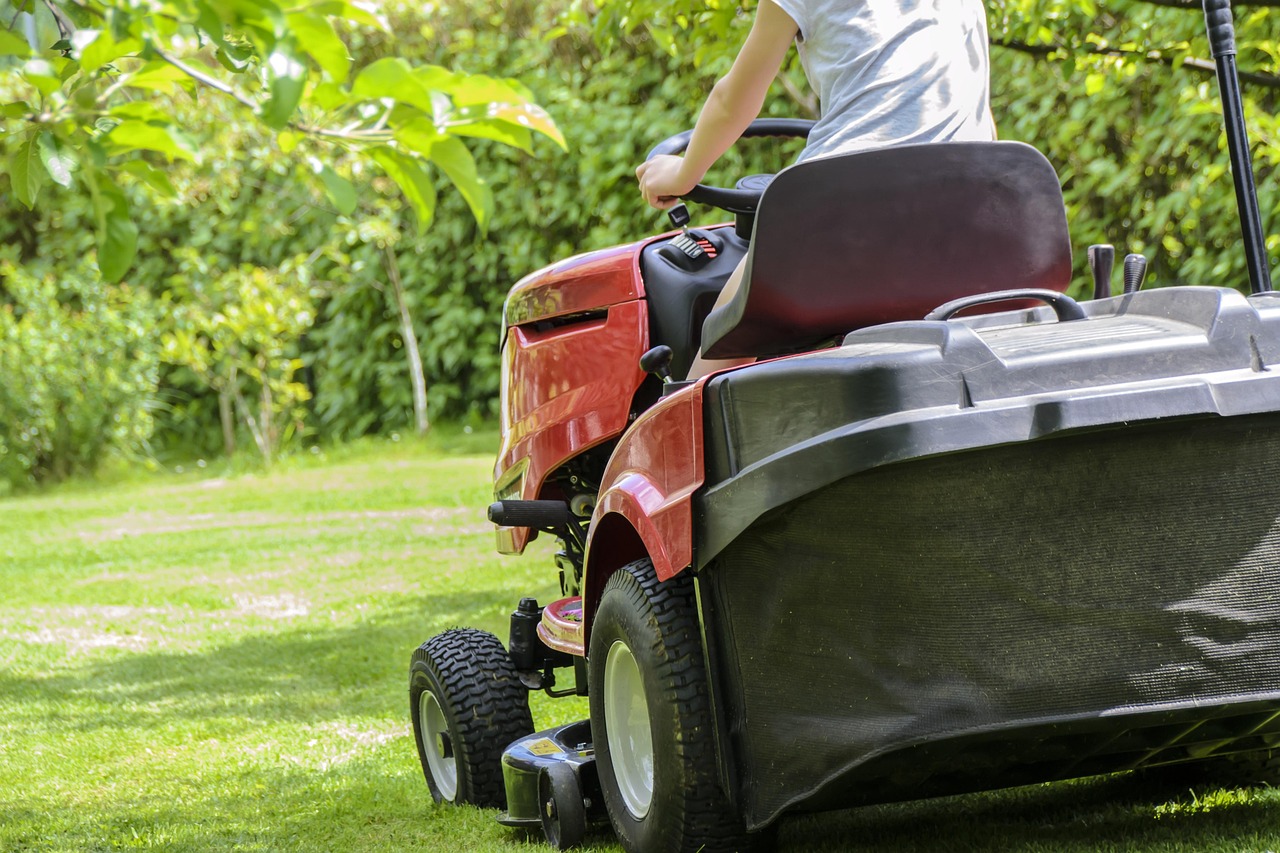
Spring: Recovery and Growth Boost
In spring, mulching helps jump-start recovery by supplying natural nitrogen exactly when grass is coming out of dormancy and growing fastest.
Once the lawn starts growing steadily, switch to a mulching setup and begin mowing when the grass is about one-third taller than your target height. The first cut after winter can be heavy, so it often works best to cut high on the first pass, then drop the deck to your normal height and cut again if clippings are long. This double-cut strategy leaves shorter pieces that disappear quickly. If you use pre-emergent for crabgrass, mulch normally; the clippings stay on top and do not interfere with the barrier when mowing height and timing are reasonable.
Summer: Heat, Drought, and Stress Management
In summer, mulching protects the soil surface and root zone from heat and moisture loss, but mowing height and frequency must adjust to stress conditions.
Raise mowing height slightly in hot weather, especially on cool-season grasses, and keep following the one-third rule so clippings remain short. Mulched clippings help buffer the soil temperature, which is important when air temperatures spike for several days. After heavy summer rain, grass can surge; in those weeks, mow more often rather than letting it get too tall for effective mulching. Warm-season grasses like Bermuda, Zoysia, and St. Augustine can usually be mulched at lower heights, but they still benefit from slightly higher settings in extreme heat or drought.
Fall: Leaf Mulching and Organic Matter Building
In fall, mulching is especially valuable because it lets you shred leaves and recycle them as organic matter instead of bagging or raking.
A mulching mower can handle a moderate layer of leaves by chopping them into confetti that falls between grass blades. Once mulched, the pieces decompose over winter and feed soil organisms. For best results, mulch when leaf cover is light enough that about half the grass is still visible before mowing. In heavier leaf fall, make multiple passes at a higher setting or mulch leaves over several different days rather than trying to grind a thick carpet at once. Fall is also a great time to combine leaf mulching with core aeration and overseeding so that seeds have loose organic material to settle into. For the leaf-specific version of this, including the coverage threshold where mulching stops working and when to rake instead, see our guide to mulching leaves into your lawn versus raking them.
Winter and Dormant Season Considerations
In winter and dormancy, mulching itself is minimal, but prior mulching improves winter hardiness while you use the off-season to maintain equipment.
Once grass stops growing and soil is cold, avoid mowing or mulching on frozen or waterlogged turf, since that can shear crowns and promote disease. Instead, clean the mower deck to remove caked-on clippings, check for rust, and sharpen or replace blades so you are ready for spring. Lawns that have been regularly mulched often go into winter with better root reserves and organic cover, which can help them green up more quickly and evenly when soil temperatures climb again.
Choosing and Setting Up a Mulching Lawn Mower for Maximum Benefit
Choosing and setting up a mulching lawn mower correctly means matching mower features to your yard and installing the right blades and plugs so the deck can do its job.
The best mulching results come from a mower with adequate power, proper deck depth, a true mulching blade, and a fully closed discharge, all set to the right cutting height for your grass type and season.
Matching Mulching Mower Features to Your Lawn
Matching mulching mower features to your lawn involves considering yard size, slope, grass type, power needs, and noise or emission preferences.
For lawns under about 10,000 square feet, a quality 20-21 inch walk-behind or self-propelled mulcher is usually sufficient. Sloped yards benefit from lighter or self-propelled models. Dense cool-season mixes and thick warm-season turf both need decent torque to keep blade speed up when mulching. Battery-powered models like the EGO POWER+ Electric Lawn Mower work well for small to mid-size lawns where quiet operation and no exhaust are priorities, especially if you mow often enough to keep grass height under control.
Mulching Blades, Deck Design, and Accessories
Mulching blades, deck design, and accessories work together to create the fine clippings and airflow patterns that define a true mulching cut.
Standard high-lift blades are optimized to throw clippings out the side or into a bag, while mulching blades have extra cutting surfaces and less extreme lift to keep clippings circulating. Combo or 3-in-1 blades can work acceptably in lighter growth, but dedicated mulching blades usually perform better in thick grass or leaves. Deck baffles and a tight-fitting mulching plug are just as important; any gap that lets clippings escape too early reduces recutting and increases clumping. Some users keep a mulching setup for most of the season, then swap to side discharge or bagging hardware only when needed for special conditions.
Setup Checklist Before Your First Mulching Cut
A simple setup checklist before your first mulching cut ensures the mower is configured correctly for fine clippings and clean dispersal.
Use this quick sequence:
- Install the mulching plug or close the side discharge completely so no gap remains.
- Mount mulching blades with the cutting edges facing the correct direction and tighten them to the manufacturer’s torque spec.
- Set the initial cutting height based on grass type and season, usually 2.5-3.5 inches for most cool-season lawns and 1-2.5 inches for many warm-season types.
- Inspect deck clearance, wheels, and drive components to confirm nothing rubs and the deck can maintain a consistent height.
- On the first test pass, move at a moderate pace and check behind you; if clippings are visible on top of the grass after an hour, adjust height or slow your walking speed slightly.
How to Use a Mulching Lawn Mower Correctly (Pro Techniques)
Using a mulching lawn mower correctly means managing mowing height, timing, and ground speed so clippings stay short, disperse evenly, and break down quickly.
When technique is right, mulched clippings vanish into the canopy instead of clumping on top, and the lawn responds with steadier color and growth over a few weeks.
Ideal Mowing Height and Frequency for Mulching
The ideal mowing height and frequency for mulching follow the one-third rule, which means you should never remove more than one-third of the grass blade in a single mowing.
In practice, that usually means mowing every 4-7 days during peak growth for many lawns, and sometimes every 3-4 days after heavy rain or fertilization. For cool-season grasses, most extension guidance supports mowing at 2.5-3.5 inches or higher in many situations, which also helps mulch clippings sink in easily. Warm-season species like Bermuda or Zoysia often do best shorter, but still within their recommended ranges. If growth suddenly surges and the turf is a full inch or more above your normal height, plan on two passes at progressively lower settings to avoid producing long, hard-to-mulch clippings.
- University of Minnesota Extension guidance: most cool-season lawns perform best when mowed at 2.5-3.5 inches or higher, which aligns well with effective mulching and deeper rooting.
Mowing Technique: Pattern, Speed, and Conditions
Good mulching technique means mowing in consistent patterns at a moderate speed and in reasonably dry conditions so the deck can circulate and recut clippings properly.
Move slowly enough that the engine or motor does not bog and the blade maintains full speed; if you hear RPMs drop or see clumps behind you, you are going too fast or the grass is too tall or wet. Use slight overlap between passes, roughly 25 percent of the deck width, so that edge clippings get re-mulched. Aim to mow when the grass is dry to the touch, typically late morning to mid-afternoon after dew has burned off. Slightly damp grass from light dew can sometimes be handled by sharp blades and powerful decks, but saturated or soggy turf tends to smear, clump, and plug the deck.
Managing Heavy Growth, Leaves, and Problem Spots
Managing heavy growth, leaves, and problem spots with a mulching mower often requires multi-pass strategies or temporary bagging when conditions truly exceed what mulching can handle cleanly.
If grass has gotten very tall, raise the deck and take an initial cut that removes less than one-third of the blade height, then drop down and cut again 1-3 days later. In disease situations with visible lesions and active spread, it is usually better to bag clippings until the issue is under control so as not to redistribute inoculum. For leaves, use higher deck settings and multiple passes to chop them into small flakes; if flakes still mat over the grass so the turf is hidden, either make another pass or collect a portion of the material. When clumps do appear, lightly rake or blow them apart and re-mulch or disperse them so they do not smother patches of lawn.
Maintenance Habits That Protect Performance and Benefits
Simple maintenance habits such as regular blade sharpening, deck cleaning, and inspection of plugs and baffles keep mulching performance high and prevent clogging.
Sharp blades are essential because they slice cleanly instead of beating grass into wet ropes. Dull blades tear grass and create ragged, heavy clippings that resist breakdown. Plan to sharpen mulching blades at least once or twice per season, or more often in sandy soils. Clean the underside of the deck periodically so caked-on material does not disrupt airflow. Inspect mulching plugs and baffles for cracks or gaps that could leak clippings. Finally, always check that discharge guards are intact and point clippings away from windows, cars, and people, especially when mowing near gravel or hard debris where projectiles are possible.
- Penn State Extension guidance: sharp mower blades cut grass cleanly, which reduces ragged tears that can act as disease entry points compared with dull blades.
Common Mistakes to Avoid with Mulching Lawn Mowers
The most common mulching mistakes are letting grass get too long, mowing when it is wet, using the wrong blades or plug setup, and misreading thatch or fertilizer needs.
Each of these issues leads to clumps, yellowing, or disease outbreaks that are often blamed on mulching itself, even though the root cause is timing, conditions, or equipment configuration.
Letting Grass Get Too Long Before Mulching
Letting grass get too long before mulching causes big clumps, smothered patches, and visible debris that do not break down quickly.
If mulched clippings form mats that hide the grass beneath them for more than a day, the one-third rule has been exceeded. The threshold sign is when you begin seeing yellowing or thinning under clumps. To correct, set the deck higher and take a first cut, then follow with a second cut at normal height within a few days. Rake out or redistribute heavy clumps. Moving forward, tighten the mowing interval so blades remove one-third or less of leaf height each time.
Mulching in the Wrong Weather or Lawn Conditions
Mulching in wet, soggy, heavily dew-covered, or diseased turf often leads to clogs, smeared cuts, and increased disease risk.
In humid regions, grass can stay wet much of the day; a quick touch test is useful. If your hand comes away noticeably damp and blades stick together, conditions are borderline for mulching. In that case, wait a few hours if possible, or raise the deck and go slower. During active fungal outbreaks like leaf spot or dollar spot, mulching can spread contaminated clippings throughout the yard; in such periods, bagging until disease is managed is usually safer. In arid climates, you can often mulch more aggressively, but still avoid saturated soil after irrigation.
Using the Wrong Equipment Setup for Mulching
Using standard or dull blades, leaving discharge partially open, or overloading small electric mowers in tall grass undermines mulching performance.
Expecting bagger blades to mulch well in thick turf is a common problem; they simply are not shaped to recirculate clippings. Similarly, missing or ill-fitting mulching plugs leave gaps where clippings escape too early. Small battery mowers can mulch effectively, but only if grass height is modest and blades are sharp. If the motor repeatedly stalls or slows while cutting, you either need to mow more often, raise your cutting height, or consider a higher power mower for heavy growth.
Misunderstanding Thatch, Soil Needs, and Fertilizer Use
Misunderstanding thatch, soil needs, and fertilizer use leads some homeowners to over-fertilize or blame mulching for problems that actually come from compaction, overwatering, or past practices.
If you are mulching consistently and still have a thick, springy layer at the soil surface that measures more than about half an inch when you cut a plug sample, the issue typically points to stem and root buildup combined with limited microbial activity. Compacted or waterlogged soils slow decomposition. In those cases, core aeration and correcting watering can help more than stopping mulching. Likewise, if clippings are supplying part of the lawn’s nitrogen, continuing to fertilize at older, higher rates can push excessive growth and thatch. Adjust fertilizer down modestly and observe growth response over a month before making further changes.
What Other Guides Miss
Most guides on the benefits of a mulching lawn mower overlook confirmation tests, weather thresholds, and safety details that separate clean success from frustrating results.
First, there is a simple visual test: within 24 hours of mowing, you should barely see any clippings on top of the lawn. If they are still obvious, either height, frequency, or speed needs adjustment. Second, not enough attention is given to moisture thresholds; mulching in damp grass that feels cool but dry to the touch is usually acceptable, but once you can easily squeeze water from a handful of blades, conditions are too wet and bagging or waiting is better. Finally, safety around mulch-capable decks is often skipped: blocking discharge increases back-pressure, so it is critical that all guards are in place and that mowing near gravel, loose stones, or toys is done with extra care to avoid projectiles.
Comparison Table: Mulching vs Bagging vs Side Discharge
The table below summarizes how mulching compares to bagging and side discharge across key factors for homeowners.
| Feature | Mulching | Bagging | Side Discharge |
|---|---|---|---|
| Nutrient recycling | High, clippings returned | None, nutrients removed | Moderate, some clippings left |
| Yard waste volume | Very low | High, many bags per season | Low to moderate |
| Lawn appearance after mowing | Clean when done correctly | Very clean, no visible clippings | May show windrows or chunks |
| Time and labor | Moderate, no bag handling | Highest, must stop to empty bags | Lowest, fastest mowing |
| Best use cases | Most regular home lawns | Disease cleanup, long neglect | Rough areas, very tall grass |
Conclusion
The real benefits of a mulching lawn mower are simple: you recycle nutrients every time you mow, build better soil, get denser and greener turf with fewer weeds, and cut both waste and costs over time.
The key is not just owning a mulching-capable mower, but using it correctly: sharp mulching blades, the right plug and deck setup, proper mowing height, the one-third rule, and attention to weather and disease conditions. Paired with a smart watering schedule, proper mowing height for every grass type, and a moderate fertilizer plan that accounts for what clippings provide, mulching becomes the backbone of an efficient, low-waste lawn program. The most impactful immediate changes are to raise your mowing height to the correct range for your grass and tighten your mowing frequency so clippings stay short - once those habits are in place, the lawn and your workload both start improving.
Free Lawn Care Tools
For most home lawns, mulching mowers are better because they return nutrients, reduce yard waste, and improve soil structure over time. Bagging still has a role when grass is extremely overgrown or when you are actively removing diseased clippings, but for regular maintenance mulching usually gives a healthier, greener lawn with less work.
Mulching grass clippings does not cause thatch in a healthy, well-managed lawn. Thatch is mostly undecomposed stems and roots, while mulched leaf clippings are high in moisture and break down quickly when mowing height, watering, and soil conditions support microbial activity.
When mulching, you should mow often enough that you remove no more than one-third of the grass blade at a time, which usually means every 4-7 days during peak growth. After heavy rain or fertilization, mowing every 3-4 days may be necessary temporarily to prevent long clippings and clumping.
Lightly damp grass from morning dew can sometimes be mulched if blades are sharp and you mow slowly, but wet or soggy grass usually clumps and plugs the deck. As a rule, wait until grass feels dry to the touch and no water squeezes out of a handful of blades before mulching, or switch to bagging in very wet conditions.
Even with consistent mulching, most lawns still benefit from some fertilizer because clippings usually supply only 20-30 percent of annual nitrogen needs. You can typically reduce fertilizer rates or skip one application per year, then watch growth and color for 3-6 weeks and adjust your schedule based on how the turf responds.
Yes, many robotic mowers are inherently mulching mowers because they cut very frequently and leave tiny clippings on the lawn. Their success depends on sharp blades and properly set cutting height, and they work best on regularly maintained turf rather than very tall or neglected grass.

Your lawn plan, in your pocket all season
Grass ID, a season plan, soil-timed reminders, and a lawn journal that remembers what you did. Free on iPhone.