Types of Grass in Pennsylvania: Identify What Grows Here
 Marcus GreenTurf Management Pro | 18 Years
As an Amazon Associate we earn from qualifying purchases.
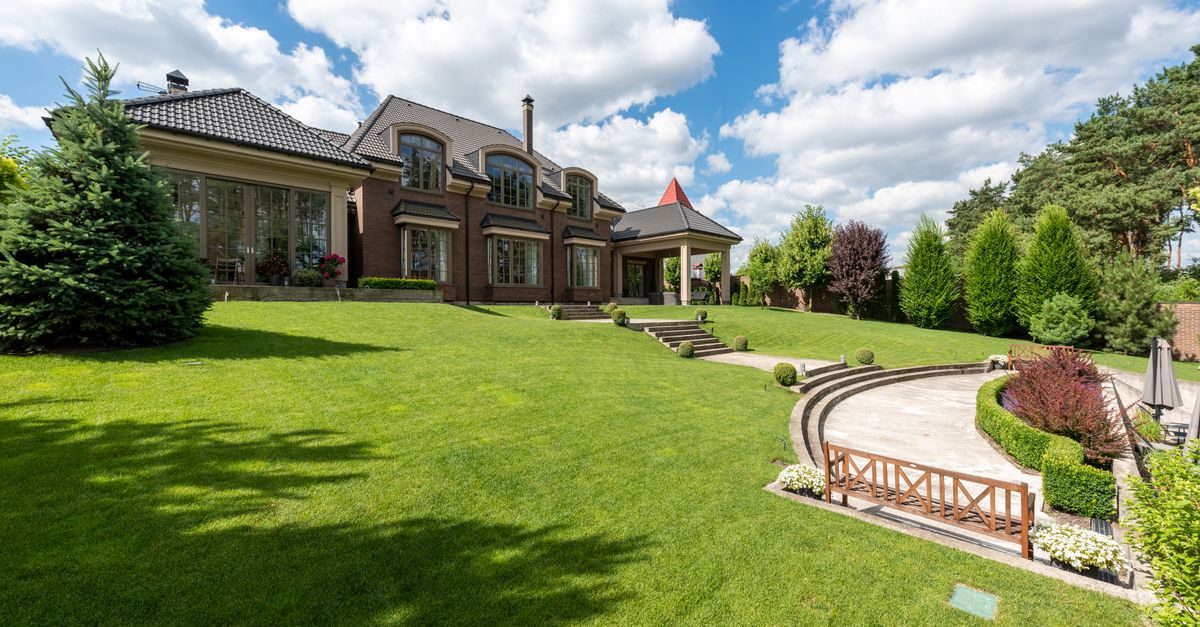
Pennsylvania lawns are built on four cool-season groups: Kentucky bluegrass, tall fescue, perennial ryegrass, and the fine fescues, with zoysiagrass viable only in the southernmost corners. Bluegrass spreads by rhizomes into a seamless mat, while tall fescue and ryegrass grow in distinct clumps, so that is the first thing to check.
Late summer is the best time to seed statewide. Penn State's new-seeding rates per 1,000 square feet are 6 to 8 pounds for tall fescue, 2 to 3 for Kentucky bluegrass, and 4 to 5 for ryegrass and fine fescue. Crabgrass pre-emergent runs March 15 to April 15 in the southeast and April 15 to May 15 up north.
Pennsylvania is a big state with two very different lawn climates inside it. The southeast around Philadelphia sits warm enough that zoysia becomes a real conversation, while the northern tier toward Erie runs a full month behind on spring timing. Penn State Extension, which runs one of the country's flagship turfgrass programs, publishes species guidance specific to the state, and this guide leans on it throughout. Below you will find each grass with a photo, a comparison table, an identification key so you can figure out what is already growing out front, and the timing windows that actually matter here.
The types of grass that grow in Pennsylvania
Kentucky Bluegrass
Kentucky bluegrass is the classic Pennsylvania lawn, and the reason older neighborhoods have that dense, uniform carpet look. Penn State describes it as a medium to fine textured grass with a medium to dark green color when properly fertilized, and its signature trick is spreading by underground stems called rhizomes. That rhizome habit means it knits into a seamless mat and repairs its own thin spots, something the bunch-type grasses below cannot do. The tradeoffs: it is slow to establish from seed, wants regular fertility, and thins out in dense shade. It is a common traditional choice in PA seed blends, usually as one component rather than the whole recipe.
Tall Fescue
Tall fescue is the workhorse pick for newer Pennsylvania lawns, and Penn State calls it the most heat and drought tolerant of the cool-season turfgrasses, a function of its ability to produce a deep root system. That deep rooting is why a tall fescue lawn often holds color longer through an August dry spell than the bluegrass next door, though it can still brown or go dormant in a severe one. It grows in bunches rather than spreading, so a thin stand looks clumpy and needs overseeding to thicken, and its wide, ribbed blades read coarser than bluegrass up close. If you are seeding a low-fuss sunny lawn anywhere in the state, this is usually the starting point.
Perennial Ryegrass
Perennial ryegrass is the sprinter of the group. Penn State notes it germinates rapidly, in 5 to 7 days under favorable conditions, and establishes quickly, which is why it is often included in full-sun mixes as the fast cover while slower grasses fill in. It is also very competitive with other turfgrasses, so mixes keep its share modest to stop it from crowding the bluegrass it is supposed to protect. Because it is bunch-forming, it does not knit over bare patches on its own; repairs mean reseeding. You can spot it by the glossy shine on the back of the blade. On its own it makes a fine lawn in the milder parts of the state, but it is happiest as a supporting player.
Fine Fescue
The fine fescues, a family that includes creeping red, Chewings, hard, and sheep fescue, are Pennsylvania's shade and poor-soil specialists. Penn State credits them with tolerating soils of low fertility and low pH, droughty soils, and shaded conditions, which describes an awful lot of wooded PA backyards. The blades are needle-thin, among the finest-textured of the common lawn grasses, with a soft, wispy look. Growth habit splits within the family: creeping red fescue spreads by short rhizomes, while Chewings, hard, and sheep fescue are more bunch-forming. They do not love heavy foot traffic or hot, humid stretches, so they work best under trees and along shady north sides rather than as a whole-lawn choice.
Zoysiagrass
Here is Pennsylvania's one warm-season exception. Penn State lists zoysiagrass as suitable only for the southernmost regions of Pennsylvania, meaning the warm corner around Philadelphia and the Maryland line. It builds a dense, stiff, carpet-like turf that shrugs off summer heat. The honest catch, straight from Penn State: its green color is completely lost with heavy fall frosts, and plants remain dormant until late spring or early summer. That can mean much of the year as a straw-beige lawn, with the exact length varying by cultivar, winter, and site, which is why most PA homeowners, even in the southeast, stick with the cool-season grasses above. It is also slow to establish and can build thatch.
Pennsylvania grass types compared at a glance
Side by side, the five grasses above differ most on texture, growth habit, and how they handle a Pennsylvania summer.
| Grass | Season | Best role | Sun / shade | Water need | Maintenance |
|---|---|---|---|---|---|
| Kentucky Bluegrass | Cool | Classic full-sun lawn, self-repairing sod | Full sun, thins in shade | Moderate to high | Moderate to high |
| Tall Fescue | Cool | Durable low-fuss lawn, drought holdout | Full sun to moderate shade | Moderate, good drought survival once rooted | Moderate |
| Perennial Ryegrass | Cool | Fast cover in mixes, quick reseeding | Full sun; unreliable in shade | Moderate | Moderate |
| Fine Fescue | Cool | Shade and low-input specialist | Best in shade, tolerates sun in cool areas | Low | Low |
| Zoysiagrass | Warm | Warm-season option for the far southeast only | Full sun | Low once established | Lower input once established, slow recovery, long dormancy |
How to tell which type you already have
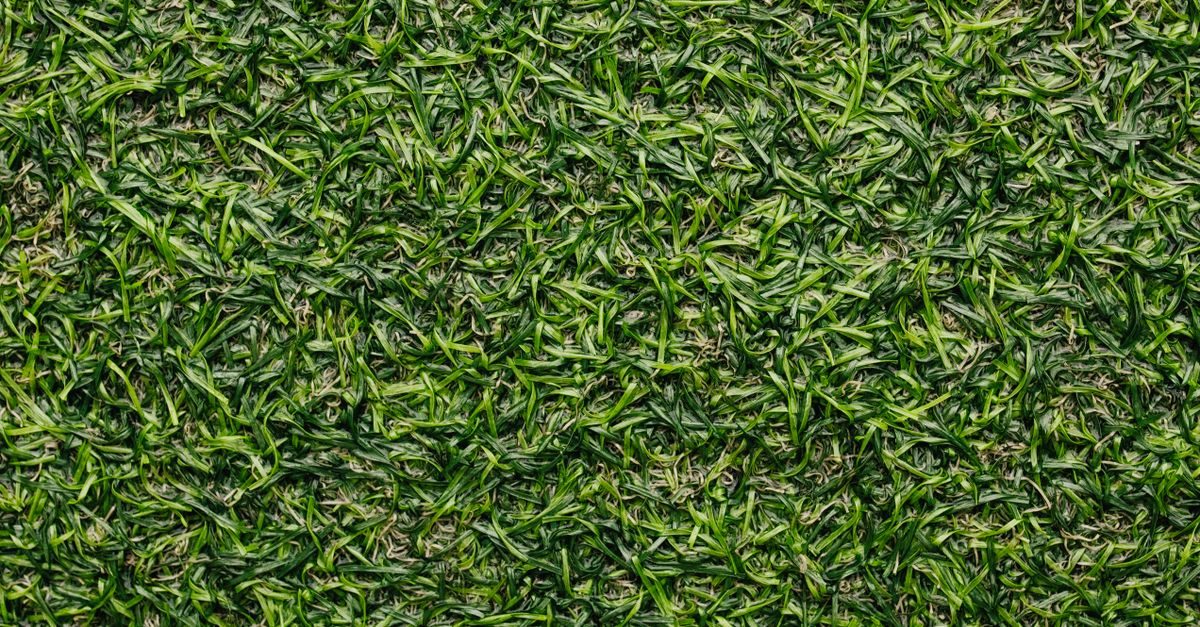
Start with one question: does the lawn spread as a seamless mat, or grow in distinct clumps? Bluegrass mats, tall fescue and ryegrass clump, most fine fescues clump while creeping red fescue spreads slowly, and zoysia creeps into a stiff carpet. Then check the blades against the tells below.
| Grass | Blade | Growth habit | Standout tell |
|---|---|---|---|
| Kentucky Bluegrass | Fine, soft, boat-shaped tip | Spreading mat via rhizomes | Boat-shaped blade tips and a dense carpet with no visible runners at the edges |
| Tall Fescue | Widest of the cool-season set, ribbed on top | Bunch-forming clumps | Coarse ribbed blades with a pointed tip; stays green when neighbors brown in summer |
| Perennial Ryegrass | Fine to medium, glossy back | Bunch-forming | Shiny blade backs and the first seed to sprout after overseeding, often within a week |
| Fine Fescue | Needle-thin, often folded | Mostly fine clumps; creeping red fescue spreads slowly by short rhizomes | Hair-like blades in shady, low-fertility spots, a strong indicator rather than proof |
| Zoysiagrass | Fine to medium, stiff and upright | Dense slow-creeping carpet | Bristly underfoot, and the first lawn on the block to go straw-beige in fall |
Still not certain? Our free AI grass identifier reads a close-up photo, names the grass, and builds a 12-month care plan tuned to your ZIP.
Which types grow in your part of Pennsylvania
Penn State itself splits lawn timing into regions, and the species mix shifts along the same lines. Zones below are approximate ranges.
- Southeast and Philadelphia region (roughly zone 7a): the warmest corner of the state. All four cool-season groups can be used, though fine fescue and perennial ryegrass take real summer stress here, and this is the part of the state where Penn State treats zoysiagrass as a legitimate option. Earliest spring timing in the state.
- Central ridge-and-valley (Harrisburg through State College, roughly zones 6a to 6b): classic Kentucky bluegrass and tall fescue country. Valley soils vary widely, so fine fescues earn their keep on thin, rocky, or acidic sites.
- Southwest and Pittsburgh (roughly zone 6b): similar mix to the central region. Tall fescue's drought tolerance helps on the region's heavy clay hillsides.
- Northern tier and Erie (roughly zones 5b to 6a): the coldest lawns in the state, running two to four weeks behind the southeast in spring. Erie itself is lake-moderated and milder than the higher-elevation northern tier inland, so treat the two separately. Cool-season only, with Kentucky bluegrass and fine fescues carrying the load and no realistic warm-season option.
Pennsylvania grass timing that matters
Pennsylvania timing is regional enough that Penn State publishes three separate crabgrass pre-emergent windows in its seasonal lawn-management guide. Find your region, then treat the dates as published ranges that shift with soil temperature, elevation, and the weather in any given spring.
- Crabgrass pre-emergent: Penn State's published regional windows run March 15 to April 15 in the southeast, April 1 to May 1 in the central and western regions, and April 15 to May 15 across the northern tier and higher elevations. That is a month of spread from one corner of the state to the other. A warm or late spring moves the real window, so watch soil temperature rather than the calendar alone.
- Seeding: late summer is the optimum time to seed in most areas of Pennsylvania, per Penn State. Its lawn-establishment guide lists new-seeding rates per 1,000 square feet of 6 to 8 pounds for tall fescue, 2 to 3 for Kentucky bluegrass, and 4 to 5 for perennial ryegrass and fine fescue; check the bag, since overseeding rates differ.
- Fertilizing: Penn State points nitrogen at mid to late spring and again in late summer or early fall, with fall the more important feeding for cool-season lawns.
- Dormancy: cool-season lawns slow and can brown in high-summer heat, then rebound in fall. Zoysia in the southeast runs the opposite schedule, brown from the first heavy frost until late spring.
If you feed a bluegrass lawn, timing matters more than product choice. Our companion guide to fertilizing Kentucky bluegrass in Pennsylvania walks the schedule in detail.
Next steps
Not sure which of these is in your yard? Snap a close-up photo and let the free grass identifier name it, or start a full lawn analysis for a care plan tuned to your ZIP. Weighing a reseed? Put your finalists head to head with the grass comparison tool, then check our guides to Kentucky bluegrass and tall fescue for the two most likely finalists. For the wider picture, see how Pennsylvania compares to the other states.
Free Lawn Care Tools
Four common cool-season groups cover most lawns: Kentucky bluegrass, tall fescue, perennial ryegrass, and the fine fescues statewide, plus zoysiagrass as a warm-season option Penn State limits to the southernmost parts of the state. Note that the fine fescues are a group of several species rather than one. Many established lawns are blends of two or three, and older lawns often carry volunteer grasses as well.
Kentucky bluegrass has historically been the standard, especially in older sodded neighborhoods, with tall fescue the fast-growing favorite for newer seedings thanks to its heat and drought tolerance. In practice many established PA lawns are blends, with bluegrass and ryegrass or bluegrass and fescue sharing the stand.
Penn State does not recommend bermudagrass for Pennsylvania lawns; the state's winters are too cold for it to persist reliably. The only warm-season grass Penn State discusses for PA is zoysiagrass, and even that is limited to the southernmost regions and spends the cold half of the year dormant and brown.
Late summer is the optimum time in most areas of the state, per Penn State, roughly mid-August into September, when soil is warm, weeds are fading, and fall rain helps establishment. Spring seeding works as a second choice but faces more crabgrass competition and summer stress on young grass.
The fine fescues are the state's shade specialists, tolerant of low fertility, acidic soil, and dry shade under trees. Tall fescue handles moderate shade as a second option. Kentucky bluegrass and perennial ryegrass are both less reliable in shade, so shady mixes lean on the fescues instead.

Your lawn plan, in your pocket all season
Grass ID, a season plan, soil-timed reminders, and a lawn journal that remembers what you did. Free on iPhone.
Related Articles
 Climate & Regional Tips
Types of Grass in New Jersey: What Is Growing in Your Yard
Aug 2, 2026•4 min read Climate & Regional Tips
Types of Grass in Wisconsin: Identify What Grows Here
Aug 2, 2026•8 min read Climate & Regional Tips
6 Types of Grass in West Virginia and How to Tell Which You Have
Sep 2, 2026•7 min read