

Poa Annua vs Kentucky Bluegrass: Telling the Two Bluegrasses Apart
Updated August 18, 2026
Poa annua is the lighter-green patch that seeds whitish heads below mowing height and browns out in early summer, and its control window is late summer. Kentucky bluegrass is darker, holds color through July, and thickens year over year.
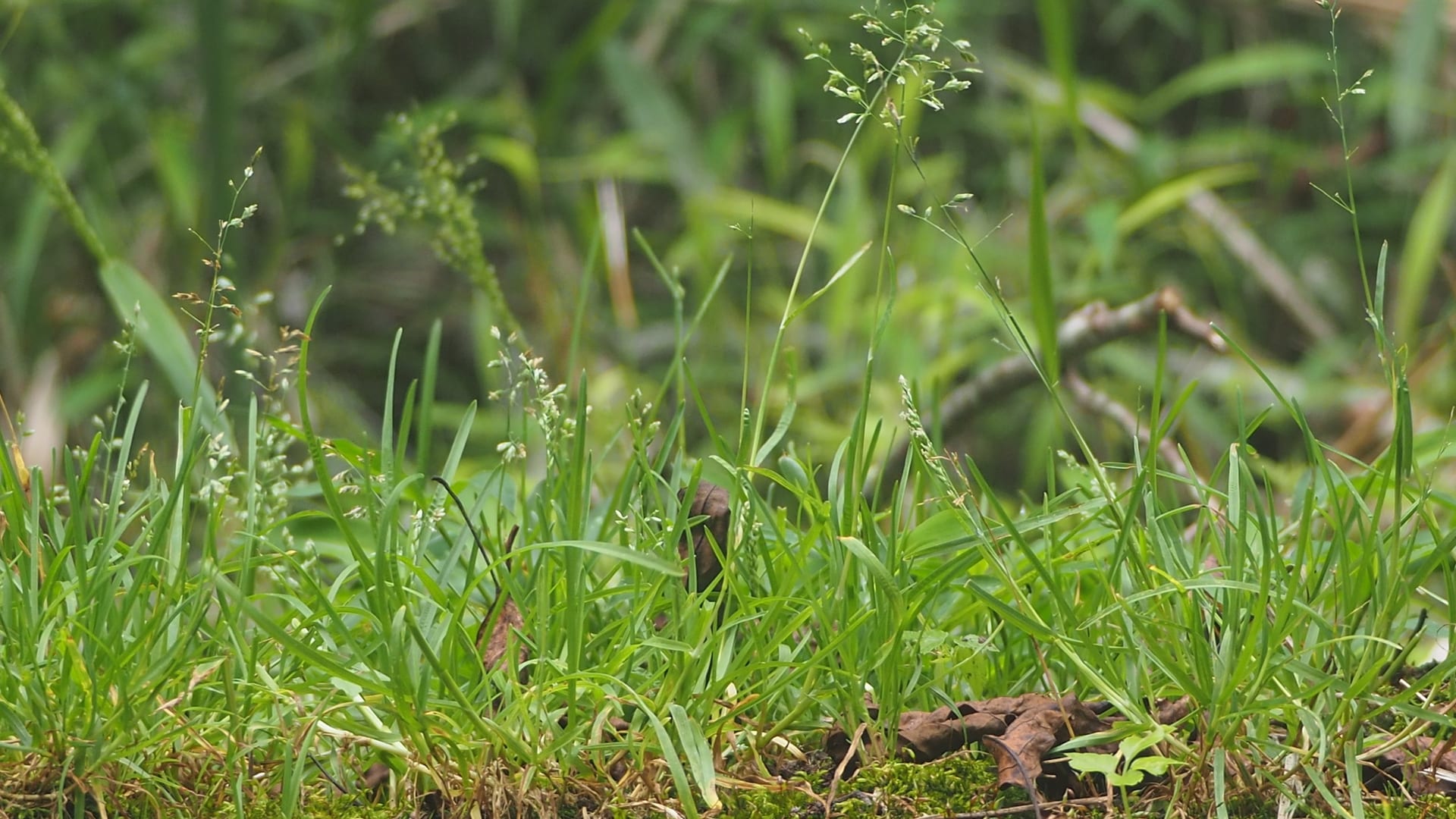
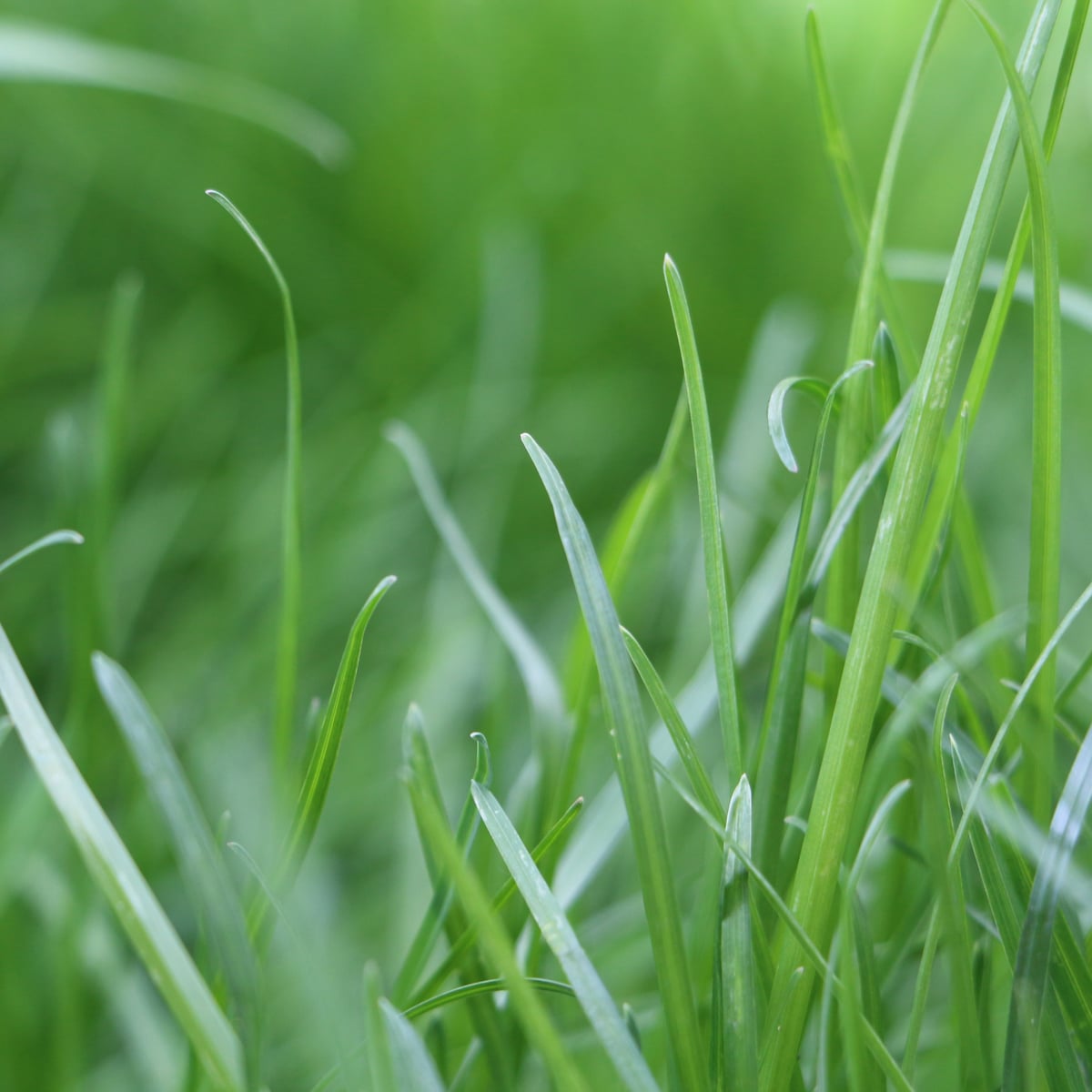
Poa annua and Kentucky bluegrass both have the boat-shaped blade tip that gives bluegrasses away, so that classic ID trick will not separate them. What does: poa annua is a lighter, lime-green patch sitting inside a darker lawn, it pushes whitish seed heads even below mowing height, and it dies abruptly when real summer heat arrives. Kentucky bluegrass is darker, deeper-rooted, keeps its color through the summer, and does not seed at three inches of mowing height.
The calendar is the other tell, and it is the useful one. Poa annua germinates in early fall, looks lush and innocent through winter and spring, seeds heavily, then browns out in June and leaves the thin patches that finally make owners notice it. Kentucky bluegrass spreads by rhizomes and fills those patches back in over years. That timing difference is also why control efforts fail so often: people spray poa in April when the plant has already done its work, when the window that actually matters is a pre-emergent application in late summer before fall germination begins.
Quick verdict
If the patch is lighter green than the lawn, seeds whitish heads below mowing height, and browns out in early summer, it is poa annua and your control window is late summer. If it is darker, holds color through July, and thickens over the years, it is Kentucky bluegrass and it is the lawn you want.
Annual Bluegrass (Poa Annua) vs Kentucky Bluegrass: at a glance
Blade tip
Color against the lawn
Texture
Seed heads
What happens in June
Roots
How it spreads
When it germinates
Where it shows up first
What to do about it
Verdict
AIt is poa annua if...
- The patches are clearly lighter green than the rest of the lawn in cool months.
- You see whitish seed heads on grass that is only an inch or two tall.
- The same patches brown out and thin dramatically as soon as summer heat arrives.
- It showed up in the wettest, most compacted, or most trafficked parts of the yard.
- It is thriving in a warm-season lawn during winter dormancy, when nothing else is growing.
BIt is Kentucky bluegrass if...
- The color is a deep blue-green that holds through the summer.
- It is not seeding at mowing height, and it never has.
- Thin spots close on their own over a season or two without you reseeding them.
- A plug pulled out of the lawn shows rhizomes running sideways under the surface.
- It came out of a bag or a pallet you or a previous owner deliberately put down.
Poa annua germinates in fall, so the prevention window is late summer. Get the dates for your ZIP.
Get your seasonal lawn care calendar for your ZIP
Every task, from feeding to weed control to aeration, has a window that shifts by region. Add your ZIP and we will email your 12-month lawn calendar right away, starting with this month.
Seasonal reminders and tips. No spam. Unsubscribe anytime.
Frequently asked questions
Is poa annua the same as Kentucky bluegrass?
No, though they are cousins and share the boat-shaped blade tip that makes people mix them up. Kentucky bluegrass is a long-lived perennial lawn grass that spreads by rhizomes and holds a deep blue-green color through the summer. Poa annua is annual bluegrass, a weed that germinates in fall, seeds heavily all winter and spring at any mowing height, and dies out when real heat arrives. The practical test is the calendar: if the patch dies in June, it was poa.
Why does poa annua die in the summer?
Because that is the end of its life cycle, not a problem you caused. The common annual biotypes germinate in early fall, grow through the cool months, put everything into seed production in spring, and finish. Their shallow root system means the first stretch of real summer heat and dry soil pushes them over the edge fast. The brown patches you see in June are last September germination reaching its scheduled end. Some perennial biotypes do persist in irrigated lawns, and those patches need spot renovation rather than waiting for heat to clear them.
When should I apply pre-emergent for poa annua?
Late summer into early fall, as soil temperatures drop back through roughly 70 degrees, before fall germination starts. This is the single most common mistake in poa control: spring pre-emergent does nothing about a weed that germinated the previous September. Our herbicide timing tool takes your ZIP and grass type and gives you the fall window with a countdown, so you are not guessing from a calendar date that was written for a different climate.
Can I mow poa annua low enough to stop it seeding?
No, and this is what makes it so persistent. Poa annua sets viable seed heads below almost any mowing height, including putting-green height, so cutting short never interrupts reproduction. It only makes the seed heads more obvious. Mowing higher is still worth doing, but for a different reason: a taller, denser canopy shades the soil surface and gives fall seed fewer openings to germinate into.
Will poa annua take over my lawn?
It can dominate the cool months and then leave you with the damage in summer, which is the worst of both. It moves into compacted, wet, and thin areas first, so pressure tends to track drainage and traffic more than luck. Warm-season lawns get hit hardest because poa exploits winter dormancy, greening up and seeding freely while the bermuda or zoysia around it sleeps. Fall pre-emergent plus summer density work usually turns a speckled lawn into a clean one over two to three consistent years.
How do I tell poa annua from rough bluegrass?
Both are lighter green than a Kentucky bluegrass lawn, which is why they get confused. The difference is habit and season. Poa annua grows in small clumps, seeds constantly at mowing height, and dies out in early summer heat. Rough bluegrass spreads by above-ground stolons into wide shiny patches, prefers shade and damp ground, and goes dormant and straw-colored in summer rather than disappearing. If the patch is still there next spring in exactly the same shape, it was not annual poa.