

Zoysia vs Centipede Grass: Which Southern Lawn Is Right for You?
Updated August 5, 2026
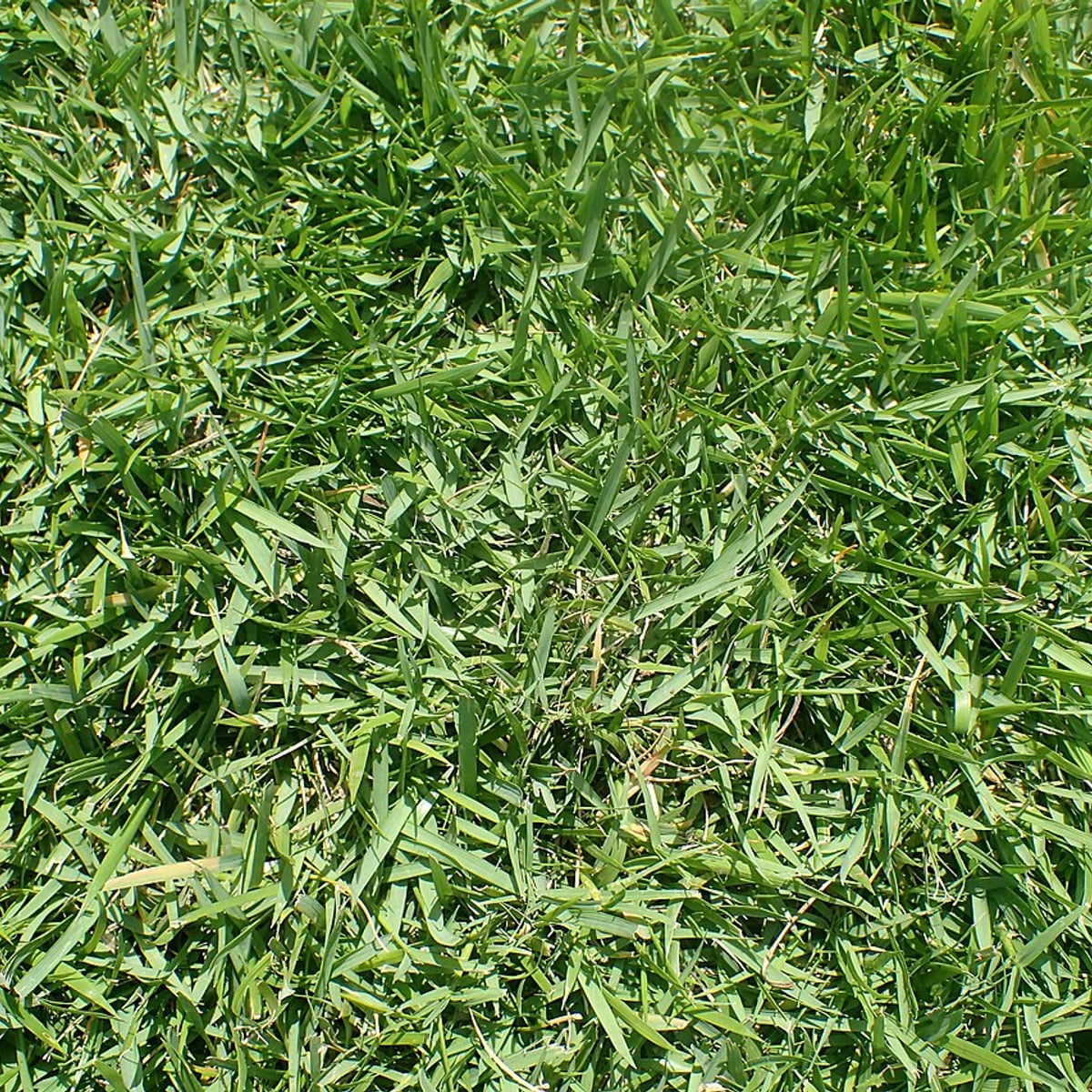
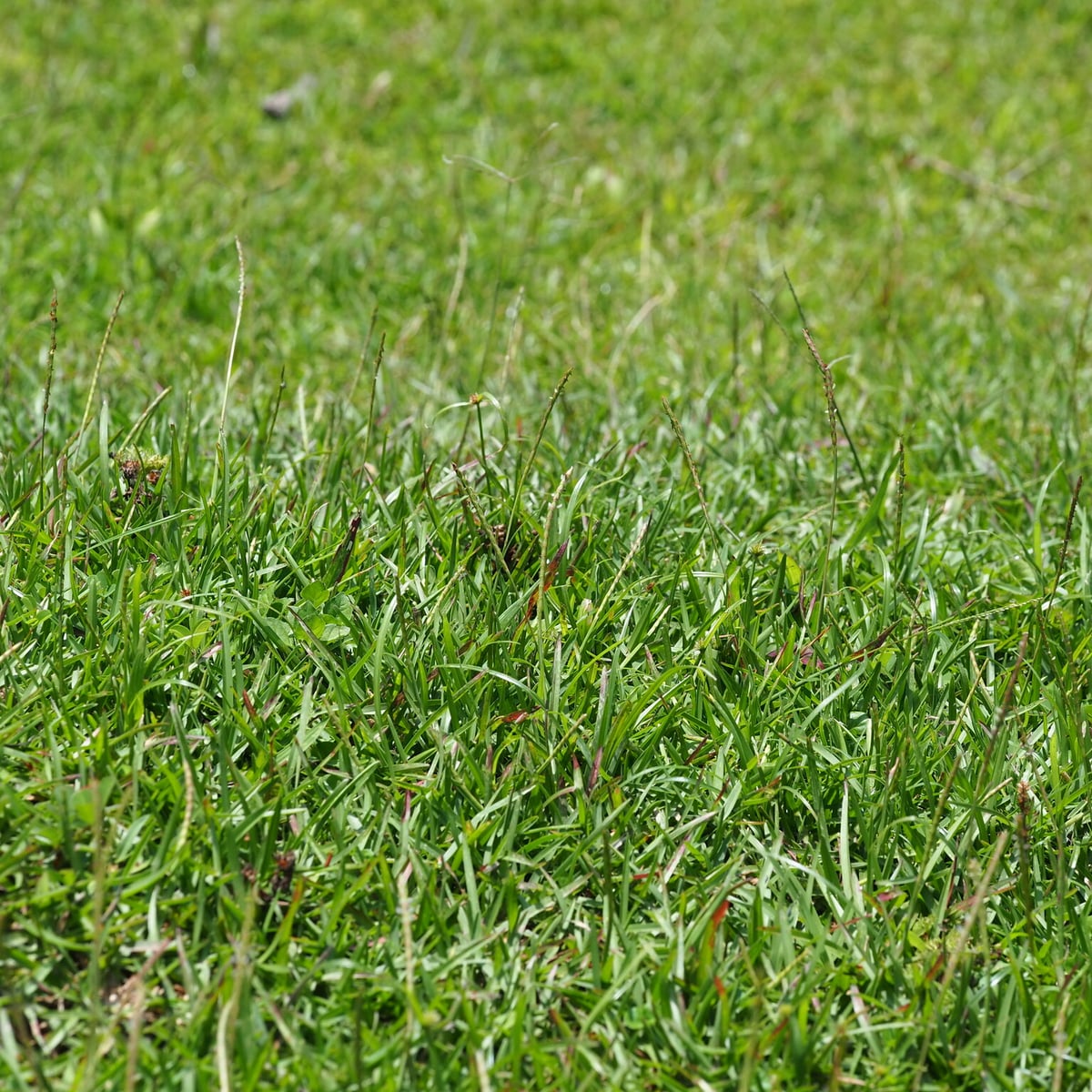
As an Amazon Associate we earn from qualifying purchases. Disclosure.
Zoysiagrass and centipedegrass are both warm-season Southern lawns, but they answer two very different questions. Zoysia is the premium choice: a dense, cushioned carpet that feels wonderful underfoot, crowds out weeds, and shrugs off foot traffic better than almost any other warm-season grass. Centipede is the famous "lazy man's grass," a slow-growing, light apple-green turf that thrives on poor, acidic soil and asks for less fertilizer and attention than any other common lawn grass. One rewards effort with a showpiece lawn; the other rewards neglect with a perfectly acceptable one.
The decision comes down to how much work you want to put in and what your soil and traffic demand. Zoysia takes longer to establish, costs more upfront, and wants 2 to 3 pounds of nitrogen a year to look its best, but it gives you a thick, traffic-tolerant turf in return. Centipede barely needs feeding (1 to 2 pounds of nitrogen and no more), tolerates the acidic Coastal Plain soils that other grasses hate, but stays thin under traffic and is slow to recover from damage.
If your lawn is the heart of family life on decent soil and you do not mind the extra feeding, zoysia is the upgrade. If you want a hands-off Southern lawn on acidic soil and light foot traffic, centipede is hard to beat on input cost. We break down every dimension below.
Quick verdict
Zoysia wins for a dense, cushioned, traffic-tolerant lawn that looks premium and crowds out weeds. Centipede wins for the lowest-input Southern lawn on acidic soil, with far less feeding and mowing.
Personalize for your ZIP
Enter a 5-digit ZIP and we'll highlight which grass fits your climate zone.
Zoysiagrass vs Centipedegrass: at a glance
Climate zone (USDA)
Sun requirement
Shade tolerance
Traffic tolerance
Drought tolerance
Mowing height
Mowing frequency in peak season
Annual nitrogen need
Water need (peak)
Winter dormancy
Green-up speed in spring
Establishment from sod
Establishment from seed
Cost per pallet of sod (500 sq ft)
Maintenance level
APick Zoysiagrass if...
- You want a dense, cushioned, carpet-like lawn that feels premium underfoot and crowds out most weeds on its own.
- You have kids, dogs, or regular backyard traffic and need turf that holds up to wear (even if it repairs slowly).
- Your lawn has some partial shade (4 to 6 hours of sun) where centipede would thin out.
- You are in the transition zone (Zone 6 or 7) where centipede risks winterkill.
- You are willing to feed 2 to 3 times a year and pay more upfront for sod to get a showpiece lawn.
BPick centipedegrass if...
- You want the lowest-maintenance Southern lawn possible (1 to 2 lbs nitrogen per year, mowing every 10 to 14 days).
- Your soil is naturally acidic with a pH between 5.0 and 6.0, common across the Coastal Plain from Georgia to East Texas.
- Your lawn gets at least 6 hours of direct sun and only light foot traffic.
- You want the cheaper path to a Southern lawn (centipede sod runs less than zoysia, and seed is an option).
- You would rather accept a thinner, slower-recovering turf than spend weekends feeding and managing the lawn.
Top pick to grow each grass
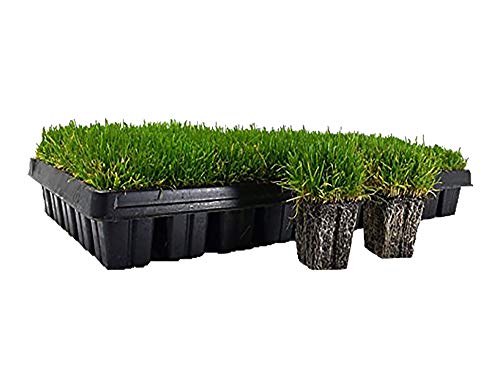

As an Amazon Associate we earn from qualifying purchases. Disclosure.
Get your seasonal lawn care calendar for your ZIP
Every task, from feeding to weed control to aeration, has a window that shifts by region. Add your ZIP and we will email your 12-month lawn calendar right away, starting with this month.
Seasonal reminders and tips. No spam. Unsubscribe anytime.
Frequently asked questions
Is zoysia or centipede easier to maintain?
Centipedegrass is easier to maintain than zoysiagrass. Centipede needs only 1 to 2 pounds of nitrogen per 1,000 square feet per year (the lowest of any common lawn grass), tolerates acidic soil without liming, and mows every 10 to 14 days. Zoysia wants 2 to 3 pounds of nitrogen, looks its best with regular feeding, and forms such a dense thatch layer that it occasionally needs dethatching. If your goal is the least possible work, centipede is the clear winner. Zoysia is still moderate-maintenance, just not as hands-off as centipede.
Which grass handles foot traffic better, zoysia or centipede?
Zoysiagrass handles foot traffic far better than centipedegrass. Zoysia forms a dense, cushioned turf that resists wear and stays intact under kids, dogs, and regular backyard use; centipede is thin-bladed, sparse, and tears up quickly under the same traffic. The one caveat is recovery speed: zoysia is durable but slow to repair once it is damaged, so badly worn spots can take weeks to fill back in. For a high-traffic family lawn, zoysia is the better pick; centipede is best reserved for low-traffic yards.
Can centipede grow where zoysia struggles?
Yes, centipedegrass tolerates poor, acidic soil better than zoysiagrass. Centipede thrives at a soil pH of 5.0 to 6.0 and grows happily on the sandy, low-fertility soils of the Southern Coastal Plain where zoysia would need amending and regular feeding to look good. If you have naturally acidic soil and do not want to fight it, centipede is purpose-built for those conditions. Zoysia is more adaptable across soil types but performs best on fertile, well-drained ground with a near-neutral pH.
Which is cheaper, zoysia or centipede?
Centipedegrass is cheaper than zoysiagrass both upfront and over time. Centipede sod runs roughly $150 to $300 per 500 square foot pallet, and centipede can also be established from seed (slowly), which zoysia generally cannot. Zoysia is almost always sold as sod at $300 to $500 per pallet. Centipede also costs less to maintain because it needs about half the fertilizer and fewer mows. Zoysia costs more on every front, but you are paying for a denser, more traffic-tolerant, more premium-looking lawn.
Does zoysia or centipede stay green longer?
Both zoysia and centipede are warm-season grasses that go dormant and brown out in winter, and neither stays green much longer than the other in the same climate. Both green up slowly in spring, typically taking 4 to 6 weeks once soil temperatures rise. The bigger appearance difference is in active season: zoysia is a deeper green and forms a denser, more uniform carpet, while centipede has a characteristic lighter, apple-green color and a more open texture. If color and density matter to you, zoysia looks richer; centipede looks acceptable with almost no effort.