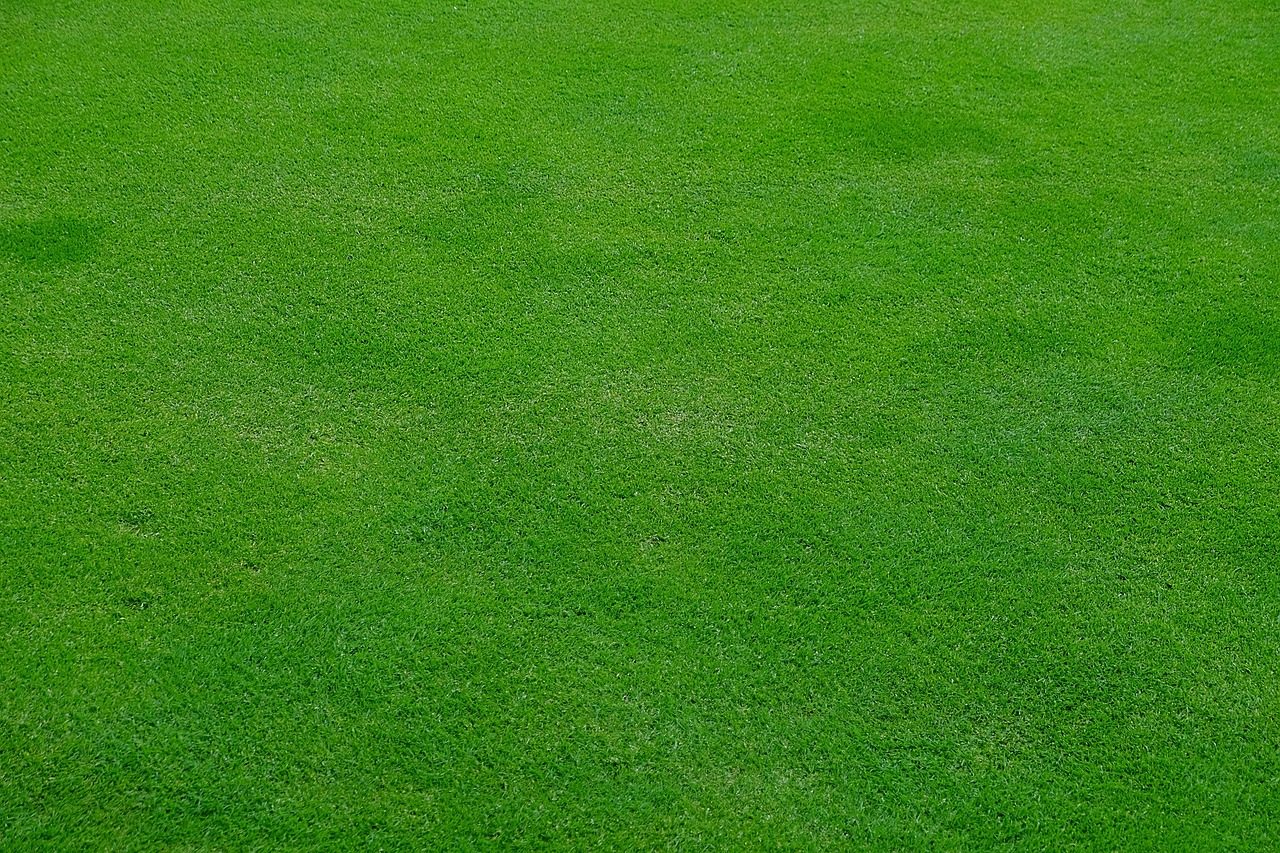

About Mixed Cool-Season Lawns
A mixed cool-season lawn is exactly what it sounds like: two or more cool-season grass species sharing the same yard. Across the northern United States, the most common combination is Kentucky bluegrass, perennial ryegrass, and one or more fescues. The mix may have been planted deliberately, built up through years of overseeding, or simply arrived in several bags of patch seed. Either way, it should be managed as a small ecosystem rather than as a pure stand of one grass.
Each component brings a useful strength. Kentucky bluegrass spreads by underground rhizomes and can repair small injuries. Perennial ryegrass germinates quickly and handles traffic well. Turf-type tall fescue roots deeply and holds up better during heat and short dry spells. Fine fescues contribute shade tolerance and can perform with less fertilizer. Together, those traits give a mixed lawn more ways to handle the changing conditions found across a real yard.
The challenge is that the species do not respond identically to care. Heavy nitrogen favors Kentucky bluegrass and ryegrass but can weaken fine fescue. Constant irrigation keeps shallow-rooted grass green but can encourage disease. Very low mowing hurts tall and fine fescues. A successful program aims for the shared middle: mow high enough for the fescues, feed mostly in fall, water deeply when the lawn needs it, and overseed with a purpose.
What Each Grass Contributes
- Kentucky bluegrass: Dense blue-green color, fine texture, cold tolerance, and self-repair through rhizomes
- Perennial ryegrass: Fast germination, strong wear tolerance, dark color, and quick cover during establishment
- Turf-type tall fescue: Deeper roots, better heat tolerance, medium texture, and reliable performance in the transition zone
- Fine fescues: Fine blades, useful shade tolerance, and lower fertilizer needs in northern climates
Why a Mix Often Beats a Single Species
No grass wins every part of a yard. A sunny slope may favor Kentucky bluegrass, a dry curb strip may retain more tall fescue, and the filtered light under a tree may favor fine fescue. Perennial ryegrass often remains where traffic is heaviest. That variation is not automatically a defect. It is the mix adapting to the site.
Genetic and species diversity can also reduce the chance that one disease, insect, or weather event damages the entire lawn equally. A summer that is difficult for Kentucky bluegrass may still leave tall fescue in good shape. A worn play area can retain ryegrass while slower grass recovers around it. Diversity does not make the lawn invincible, but it gives you more resilience than a poorly matched monoculture.
Think in Management Zones
The most useful mental shift is to stop treating the property as one uniform lawn. Divide it into practical zones based on sunlight, drainage, traffic, and irrigation. The front lawn might be a sunny, irrigated bluegrass and ryegrass zone. The side yard may be a dry tall fescue zone. The area under mature trees may depend on fine fescue. Those zones can share a mowing height and general calendar while receiving different seed, fertilizer, and water.
This does not require a complicated map or separate equipment. Start with four labels on a sketch of the property: sunny, shady, wet, and high traffic. Add arrows where runoff moves and mark places that brown first in summer. Once you can see the site this way, a patchy lawn becomes easier to understand. The species are often revealing the site's conditions rather than causing the problem.
How the Balance Changes Over Time
A seed bag describes what went into the spreader, not what the lawn will contain five years later. Perennial ryegrass appears first because it germinates quickly. Kentucky bluegrass is slower above ground but can expand after establishment through rhizomes. Bunch-type tall fescue remains where individual crowns survive, while fine fescue may gradually become more visible in dry shade. Weather and maintenance continue selecting among those plants every season.
Repeated habits can push that selection. Frequent light watering favors shallow roots. Heavy spring nitrogen favors fast leaf growth. Short mowing weakens fescues. Repeatedly patching with an inexpensive ryegrass-heavy product adds more ryegrass each year. None of those changes happen overnight, which is why homeowners often believe a lawn has always looked the way it does. Photos and seed records make the trend visible.
The goal is not to freeze the lawn at a perfect ratio. It is to keep enough of each useful trait in the places where it matters. A high-traffic route does not need the same composition as an ornamental front slope. A mixed lawn is successful when it stays dense, survives local stress, and looks reasonably consistent at normal viewing distance.
The Honest Trade-offs
- Uneven appearance: Blade width, color, and spring green-up can vary, especially when older coarse tall fescue is mixed with fine Kentucky bluegrass
- Compromise care: The ideal fertilizer and irrigation program for one component may be too aggressive for another
- Changing balance: Shade, drought, disease, mowing height, and repeated overseeding can slowly push the lawn toward one species
- Harder diagnosis: A patch that looks different may be a healthy component of the mix, not a disease or weed
- Seed-label confusion: Products use the words blend and mixture loosely, and percentages by weight do not equal the eventual percentage of plants
How to Identify a Mixed Cool-Season Lawn
Stand at the edge of the lawn and look across it in low morning or evening light. A mixed cool-season lawn often shows subtle changes in sheen, color, and texture instead of one perfectly uniform surface. Then get close and inspect several individual plants. One blade cannot tell you the composition of an entire yard.
Look for Kentucky Bluegrass
- Boat-shaped tip: The blade tip looks pinched together like the bow of a canoe
- Blue-green color: Often visible as a slightly lighter or bluer patch beside dark ryegrass
- Underground runners: Rhizomes connect plants and help small bare areas fill without seed
- Fine, smooth blade: Usually narrower and smoother than tall fescue
Look for Perennial Ryegrass
- Glossy underside: Flip a blade over and look for a strong shine
- Pointed tip: Unlike the boat-shaped bluegrass tip
- Folded new leaf: New leaves emerge folded rather than rolled
- Bunch growth: Plants tiller from a crown but do not make rhizomes or stolons
Look for Tall and Fine Fescues
Turf-type tall fescue has medium-width blades with noticeable lengthwise veins and a matte surface. New leaves are rolled in the shoot. Modern cultivars are much finer than old pasture types, but isolated coarse clumps may still be older tall fescue. Fine fescues have very narrow, almost needle-like leaves. Creeping red, Chewings, hard, and sheep fescues can look similar from above, so separating those species usually requires a closer botanical inspection than most lawn decisions need.
Confirm the Mix, Not Just a Patch
Sample at least five areas: full sun, shade, a high-traffic route, a dry edge, and a healthy middle section. If you repeatedly find two or more sets of traits, the lawn is mixed. Seed heads can help in late spring, but mowing often removes them before they become useful. Old seed bags, landscaping invoices, or a seed label saved by the previous owner can provide valuable evidence too.
Make a Repeatable Lawn Survey
Choose a dry day and walk the same route through the yard. At each of five to ten stops, pull back the canopy and inspect a handful of plants. Record the dominant blade type, density, soil moisture, sunlight, and any stress. You do not need to calculate exact species percentages. A simple note such as mostly fine blades with scattered coarse bunches is enough to compare one area with another.
Take one wide photo and one close photo at every stop. Include a coin, ruler, or finger for scale in the close image. Photograph the same points in spring, midsummer, and early fall. Kentucky bluegrass may look strong in May and weak in August, while tall fescue may become easier to see during that same heat. One-season identification can confuse a temporary growth difference with a permanent change in composition.
Separate Species Variation From a Problem
Healthy species variation usually has soft boundaries and repeats in similar site conditions. Disease often creates expanding spots, rings, lesions, or rapid color change. Irrigation failures follow sprinkler patterns. Compaction follows paths and play areas. Dog urine produces concentrated spots. A coarse fescue crown remains a distinct bunch rather than spreading as a symptom across neighboring plants.
If a patch pulls up easily, inspect roots for feeding damage. If blades have spots or bands, collect uncut samples before mowing. If the difference is only color, compare the blade tip and sheen before applying fertilizer. The closer you get to the plant, the less likely you are to mistake a useful component for a weed or to reseed over an untreated site problem.
Do not assume every coarse or light patch is unwanted grass. Species naturally sort themselves according to the site. Treating a legitimate fescue component as a grassy weed can damage the entire lawn. If you are still unsure, upload several close, well-lit photos to our free grass identifier, including blade tips and the base of the plants.
Mixes, Blends & Seed Labels
The terminology on a seed bag matters. In turfgrass language, a blend contains multiple cultivars of one species, while a mixture contains two or more species. A bag with three Kentucky bluegrass cultivars is a blend. A bag with Kentucky bluegrass, perennial ryegrass, and fine fescue is a mixture. Homeowners and retailers often call either product a blend, which is why this guide uses the familiar name Mixed Cool-Season Blend while explaining what is actually in the lawn.
The Classic Northern Mix
A traditional northern sunny-lawn mixture often combines Kentucky bluegrass with a smaller amount of turf-type perennial ryegrass. For sites with variable sun, fine fescue may be added. Penn State lists examples such as 40 to 60 percent Kentucky bluegrass, 20 to 40 percent fine fescue, and about 10 percent perennial ryegrass by seed weight. Those are examples, not a universal recipe. Climate, shade, maintenance level, and cultivar quality should drive the final choice.
The Tall Fescue-Dominant Mix
In the transition zone and on drought-prone northern sites, turf-type tall fescue is often the dominant species. A small percentage of Kentucky bluegrass can add rhizome-driven recovery. University of Maryland Extension gives 90 to 95 percent turf-type tall fescue with 5 to 10 percent Kentucky bluegrass by weight as one high-traffic example. Modern turf-type cultivars are the key. Coarse pasture tall fescue does not produce the same lawn.
The Shade Mix
Fine fescues usually carry the load in dry, filtered shade, sometimes with shade-tolerant Kentucky bluegrass cultivars. Perennial ryegrass germinates quickly but is not a dependable long-term answer in substantial shade. No seed mixture can overcome a site with too little light, constant surface roots, or dense tree competition. Below roughly four hours of usable light, pruning, mulch, or a shade groundcover may be more honest than repeated seeding.
How to Read the Seed Label
- Named cultivars: Look for the species and cultivar name, not just a generic phrase like premium lawn seed
- Percentage by weight: Remember that tiny Kentucky bluegrass seeds produce far more seeds per pound than larger fescue seeds, so bag weight is not the future plant count
- Germination: Higher tested germination means more of the pure seed can establish
- Weed and other crop seed: Choose the cleanest lot you can find, ideally with zero noxious weed seed and very low other crop content
- Annual ryegrass: Avoid it in a permanent northern lawn mixture. It is a temporary grass and can compete with the permanent species during establishment
- Coating: Coated seed weighs more, so compare the amount of actual seed rather than bag size alone
Choose Cultivars for the Site
Use your state university extension's current cultivar recommendations when possible. Trial performance is regional. A bluegrass cultivar that excels in Minnesota may not be the best fit for humid Maryland, and a tall fescue selected for transition-zone heat may be unnecessary in northern New England. When you overseed, match the existing color and texture unless changing the look is part of the plan.
Match Appearance as Well as Performance
Two cultivars of the same species can differ in color, leaf width, growth rate, spring green-up, and seed-head production. A very dark ryegrass beside a medium-green bluegrass can look striped even when both are healthy. An older broad-leaved tall fescue can remain obvious inside a modern fine-textured mixture. If visual uniformity matters, compare cultivar descriptions and local trial results for color and texture, not only disease scores.
Use several compatible cultivars within a major species when the regional recommendation supports it. Diversity within Kentucky bluegrass is particularly useful because different cultivars can respond differently to disease and stress. Avoid mixing random leftovers merely to increase the cultivar count. A coherent blend selected for one region and maintenance level is more predictable than a collection of unmatched seed.
Watch for Compatibility Traps
- Too much fast ryegrass: It can shade slower bluegrass seedlings and become more prominent than the label percentage suggests
- Old pasture-type fescue: It may survive, but its coarse clumps will not visually match modern turf-type cultivars
- Fine fescue in wet, highly fertilized turf: The site and maintenance can erase the very low-input advantage you added it for
- Kentucky bluegrass in unirrigated hot sites: Its repair ability is useful only if plants can survive the summer
- Generic shade mix: A product can contain quick ryegrass that looks successful for one season while the long-term shade problem remains
Store Seed With Its Identity
Keep the original label or photograph it before opening the bag. Write the purchase date and the zones where the seed was used. Store leftover seed cool and dry in a sealed container, then check germination before relying on old seed for a large renovation. Without the label, a half bag of grass seed becomes a future guess, and guessing is how mixed lawns drift away from an intentional plan.
Best Zones & Climate
Mixed cool-season lawns perform best where spring and fall are long, winters are cold, and summer heat is temporary. That generally means USDA Zones 3 through 7, including the Northeast, upper Midwest, Pacific Northwest, northern Plains, and parts of the transition zone. The exact mix should shift as the climate shifts.
Northern Core, Zones 3 Through 6
Kentucky bluegrass is usually the durable backbone in sunny areas because of its cold tolerance and rhizomes. Fine fescue earns a larger share on low-input or partly shaded sites. Perennial ryegrass can provide rapid establishment and wear tolerance, though winter hardiness varies by cultivar and snow cover. Tall fescue can contribute drought tolerance, especially on sunny, well-drained sites.
Transition Zone, Zones 6 and 7
Hot, humid summers shift the advantage toward turf-type tall fescue. Kentucky bluegrass may remain as a smaller repair component, particularly in irrigated lawns. Perennial ryegrass is vulnerable to summer disease and heat, so it should not dominate. Fine fescue belongs mainly in cooler, drier shade rather than exposed hot slopes.
Pacific Northwest and Coastal Climates
Perennial ryegrass and fine fescues can perform especially well where summers are moderate. Kentucky bluegrass may be a smaller component west of the Cascades than in the upper Midwest. Local seed recommendations matter because rainfall pattern, disease pressure, and summer irrigation access vary sharply over short distances.
Sun, Shade, and Microclimates
- Full sun with irrigation: Kentucky bluegrass and perennial ryegrass can maintain dense, attractive turf
- Sunny and drought-prone: Favor turf-type tall fescue and reduce the percentage of shallow-rooted ryegrass
- Dry partial shade: Favor fine fescues, with compatible shade-tolerant bluegrass where locally recommended
- Heavy traffic: Ryegrass establishes quickly after wear, while Kentucky bluegrass repairs laterally once established
- Hot transition-zone exposure: Make turf-type tall fescue the primary component
Let the Site Sort the Mix
A lawn rarely keeps the exact percentages printed on its original seed bag. The best-adapted grasses become more visible in each microclimate. That is healthy selection unless one area is failing. Rebalance only when the lawn is losing an important function, such as shade cover, traffic recovery, summer survival, or visual consistency.
Plan for the Stress Season, Not the Best Season
Nearly every cool-season grass looks capable during mild spring weather. The better test is the hardest recurring month. In a cold northern site, winter survival may limit perennial ryegrass. In a humid transition-zone yard, July disease and heat may limit ryegrass and Kentucky bluegrass. In dry shade, tree-root competition may limit every component except carefully managed fine fescue.
Choose the dominant component for that recurring stress, then use the other species to add specific benefits. A transition-zone mix can be tall fescue first with a small bluegrass contribution. A high-input northern lawn can be bluegrass first with ryegrass for establishment. A low-input shaded lawn can be fine fescue first. The phrase mixed cool-season lawn describes a strategy, not one national formula.
Soil Preparation & pH
A mixed lawn cannot compensate for poor soil. Before changing the seed mix, test the soil through your state or county extension service. A laboratory soil test can show pH, phosphorus, potassium, and amendment recommendations. It also prevents the common mistake of applying lime because a neighbor did.
Shared Soil Targets
- pH: About 6.0 to 7.0 works well for the common cool-season components
- Drainage: Moist but well-drained soil supports deeper rooting and reduces disease
- Organic matter: Roughly 3 to 5 percent is a practical target for many mineral soils
- Compaction: Roots need pore space. Hard soil favors weeds and causes shallow, drought-prone turf
Fix the Site Before Rebalancing
If fine fescue keeps disappearing under a tree, the problem may be traffic or irrigation rather than seed. If tall fescue thins in a wet low spot, drainage may be the limiting factor. If Kentucky bluegrass fades on a south-facing slope, heat and drought may matter more than fertilizer. Correct the limiting condition first, then seed a species suited to the corrected site.
Adjusting pH
Apply lime only when a soil test recommends it, and use the product rate calculated from the test and the material's neutralizing value. Raising pH is a gradual process. If soil is too alkaline, elemental sulfur can lower pH, but rates depend heavily on soil texture and starting pH. Large corrections should be split and retested rather than guessed.
Preparing Bare or Thin Areas
- Remove debris and identify why the original turf failed
- Loosen the top inch of soil or use a slit seeder to create seed-to-soil contact
- Incorporate only amendments supported by the soil test
- Grade low spots and correct runoff before seeding
- Firm loose soil lightly so footprints are shallow, not deep
- Seed the mix selected for that specific light, moisture, and traffic condition
Topdressing Existing Turf
After fall core aeration, a thin layer of screened compost can gradually improve soil structure. Keep it light enough that grass blades remain visible. A thick layer can bury fine fescue and slow the small seedlings you are trying to establish.
Recommended Products
- 1Check price
 Top pick
MySoil Soil Test Kit
Mail-in soil test that reports pH and nutrient levels with recommendations, so lime or fertilizer goes down only where the numbers call for it.
- 2Check price
 Best value
Espoma Organic Lightning Lime (Fast-Acting Pelletized Lime)
Fast-acting pelletized lime for low-pH lawns when a soil test confirms you need to raise pH before fertilizing harder. Covers up to 5,000 sq ft.
As an Amazon Associate we earn from qualifying purchases.
Fertilizer Program
Fertilizing a mix is an exercise in restraint. Kentucky bluegrass and perennial ryegrass often respond well to more nitrogen than fine fescue. Tall fescue sits between those extremes depending on climate and expectations. Feeding for maximum bluegrass color can push excessive growth and disease in the fescue component, so start with the dominant grass and the lowest-input area of the lawn.
A Practical Annual Range
For a typical northern mixed lawn, 2 to 3 pounds of actual nitrogen per 1,000 square feet per year is a sensible starting range, divided among applications. A bluegrass-dominant, irrigated show lawn may use more. A fine-fescue-dominant shade lawn may need only 1 to 2 pounds. Your soil test, local fertilizer rules, clipping return, and lawn response should override a generic schedule.
Put Most Nitrogen in Fall
- Early fall: Apply 0.5 to 1 pound of nitrogen per 1,000 square feet as growth resumes and overseeding begins
- Mid to late fall: Apply another 0.5 to 1 pound while grass is still actively growing, subject to local timing restrictions
- Late spring: Use 0.5 to 0.75 pound only if color or density indicates a need
- Summer: Skip routine nitrogen during heat and drought. It can push tender growth when roots are under stress
Read the Lawn Before Feeding
If Kentucky bluegrass is spreading aggressively while fine fescue is thinning, reduce nitrogen and irrigation before adding more fine fescue seed. If the entire lawn is pale and slow during cool growing weather, confirm moisture and pH, then make a measured application. Color alone is not always nitrogen deficiency. Iron availability, compaction, root disease, and drought can all produce pale turf.
Track Response by Zone
Record the product, actual nitrogen rate, application date, rainfall, and response two to three weeks later. A sunny bluegrass zone may darken and thicken while a fine-fescue shade zone shows little benefit or begins growing too fast. That difference is useful evidence. On the next application, split the zones instead of forcing both toward one color.
Use growth and density as the main signals, not the darkest possible green. If mowing frequency jumps without a lasting improvement in cover, the rate was probably more than the mixed stand needed. If weeds close and the lawn holds color through cool growing weather, the program is doing its job.
Phosphorus and Potassium
Apply phosphorus only when a soil test calls for it or when a legal starter-fertilizer exemption applies to new seeding. Many states restrict phosphorus on established turf. Potassium supports stress tolerance, but more is not automatically better. Use the soil test rate instead of buying a product because it says winterizer on the bag.
Application Habits That Protect the Mix
- Calculate actual nitrogen rather than comparing fertilizer bag weights
- Calibrate the spreader and make two half-rate passes in perpendicular directions
- Keep granules off sidewalks and storm drains
- Return clippings when the lawn is healthy, since they recycle nutrients
- Do not fertilize dormant, frozen, drought-brown, or disease-stressed turf
- Separate shade zones from sunny zones when their needs are clearly different
Recommended Products
- 1Check price
 Top pick
The Andersons PGF Complete 16-4-8
Balanced slow-release fertilizer for established lawns that need steady feeding without a quick flush of top growth.
- 2Check price
 Best value
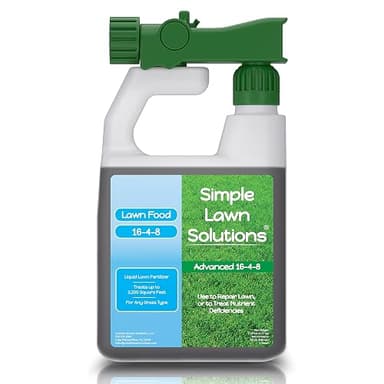
Simple Lawn Solutions Advanced 16-4-8
Liquid 16-4-8 lawn food for quick feeding on established lawns when you want balanced NPK and simple hose-end application.
As an Amazon Associate we earn from qualifying purchases.
Month-by-Month Care Calendar
The calendar for a mixed cool-season lawn follows root growth, not the first warm weekend. Spring is for recovery and prevention, summer is for stress management, and fall is the main season for seeding, aeration, and fertilization.
January and February
- Keep traffic off frozen or frost-covered grass to avoid crown damage
- Review last season's weak zones and choose seed suited to each area
- Service the mower and sharpen or replace the blade
- Do not apply fertilizer to frozen ground
March
- Rake only when the soil is firm enough that you are not pulling healthy crowns
- Test soil if it has been three years or if a renovation is planned
- Decide whether spring pre-emergent or spring seeding matters more. Most pre-emergents prevent desired grass seed from establishing
April
- Resume mowing once growth begins, using a 3 to 3.5 inch target for most mixes
- Spot-seed only urgent bare soil. Fall remains the better renovation window
- Check irrigation coverage before summer demand arrives
- Treat confirmed broadleaf weeds after several mowings and according to the label
May
- Make a light spring fertilizer application only if the lawn needs it
- Watch for red thread, leaf spot, and uneven spring color before assuming the mix is failing
- Begin deep watering if rainfall is insufficient
June
- Raise mowing height toward 3.5 inches as heat builds
- Reduce nitrogen and allow the surface to dry between irrigations
- Inspect dry patches for irrigation gaps, compaction, or insect activity
July and August
- Focus on survival, not maximum color
- Water deeply in the early morning and avoid frequent evening irrigation
- Do not force dormant bluegrass back into growth unless you can water consistently for the rest of the drought
- Order seed and schedule aeration before the fall rush
- In late August across colder regions, begin renovation as nights cool
September
- Core aerate compacted soil and overseed while warm soil supports germination
- Seed Kentucky bluegrass earlier than ryegrass because it establishes slowly
- Apply a measured fall fertilizer after seedlings emerge or as the established lawn resumes growth
- Keep the seedbed consistently moist with brief watering, then transition to deeper cycles
October
- Continue mowing as long as the lawn grows
- Make the second fall fertilizer application where appropriate and legal
- Remove leaves before they mat and smother seedlings
- Evaluate establishment before adding more seed to already dense areas
November and December
- Complete the final mow at the normal height rather than scalping
- Keep removing heavy leaf cover
- Drain or winterize irrigation equipment where freezing is expected
- Record which species and cultivars were seeded so next year's changes are intentional
Mowing Guide
Mowing is where the species in a cool-season mix agree most easily. A height of 3 to 3.5 inches supports tall fescue and fine fescue, shades the soil, and still produces good Kentucky bluegrass and perennial ryegrass turf. Very short mowing favors neither roots nor summer resilience.
Choose a Shared Height
- Spring and fall: About 3 inches for most home-lawn mixes
- Summer or drought: Raise toward 3.5 to 4 inches to protect crowns and shade the soil
- New seedlings: Begin mowing when the fastest seedlings are roughly one-third taller than the target height
- Final fall cut: Use the normal height. Do not scalp the lawn before winter
Follow the One-Third Rule
Remove no more than one-third of the leaf blade at a mowing. If the target is 3 inches, mow before the grass grows much beyond 4.5 inches. Ryegrass may surge after rain and fertilizer, while fine fescue grows more slowly, so frequency should follow the fastest healthy component.
Sharp Blades Matter More in a Mix
A dull blade shreds wide fescue blades and leaves pale tips that make the lawn look mottled. Ryegrass can also show obvious fraying. Sharpen after roughly 15 to 20 hours of use, or sooner if the cut ends look torn. Mow when foliage is dry to reduce clumping and disease spread.
Return Clippings
Healthy clippings decompose quickly and return nitrogen to the soil. They do not create thatch. Bag only when the lawn is diseased, weeds are setting seed, leaves overwhelm the mower, or growth has become too long to mulch cleanly.
Use Mowing to Read the Balance
After mowing, look for coarse tufts standing above the canopy, glossy lanes that flatten differently, or fine patches that remain wispy. Those clues help map the components before fall overseeding. If coarse pasture-type tall fescue clumps are isolated and visually unacceptable, remove individual crowns and reseed the holes. Blanket herbicide is rarely necessary for that problem.
Avoid Repeated Traffic Patterns
Alternate mowing direction and keep heavy turns off wet soil. Kentucky bluegrass can repair small injuries, but bunch grasses cannot spread laterally to close large ruts. Preventing damage is easier than repeatedly seeding the same mower tracks.
Watering Schedule
A mixed lawn should be watered for healthy roots, not for a permanently wet surface. During active growth, most established cool-season lawns need roughly 1 inch of total water per week, including rainfall. Soil, shade, wind, and temperature can move that number up or down.
Water Deeply and Less Often
Apply enough water to moisten the active root zone, then wait until the lawn begins to show need. Early signs include a blue-gray cast, footprints that remain visible, and blades folding lengthwise. Deep cycles favor tall fescue roots and help all components use stored soil moisture. Daily light irrigation keeps roots near the surface and extends leaf wetness.
Measure the System
- Place several straight-sided containers across each irrigation zone
- Run the zone for a measured time
- Measure and average the captured depth
- Adjust runtime to deliver the planned amount
- Fix zones where one container catches much more or less than the others
Account for Different Components
Tall fescue generally reaches deeper moisture than Kentucky bluegrass or perennial ryegrass. Fine fescue can tolerate relatively dry, low-input conditions but performs poorly in waterlogged soil. If the irrigation program is designed to keep every bluegrass blade green during extreme heat, fine fescue may suffer from excess moisture and disease. Separate irrigation zones when shade and sun differ sharply.
Summer Dormancy
Kentucky bluegrass can turn brown and dormant during drought, then recover when cool moisture returns. Dormancy is not unlimited survival. Provide enough water to keep crowns alive during extended drought, usually a deep irrigation every few weeks where local rules allow. Tall fescue may stay green longer but can still thin. Once you resume regular watering, continue consistently rather than repeatedly forcing grass in and out of dormancy.
Watering New Seed
New seed is the exception to deep, infrequent watering. Keep the top surface evenly moist with short cycles until germination. Perennial ryegrass may emerge within a week, while Kentucky bluegrass can take two to three weeks. Do not stop watering when the ryegrass appears. Gradually reduce frequency and increase depth as all components establish.
Best Time of Day
Water in the early morning, generally before 10 a.m. That reduces evaporation while allowing leaves to dry. Avoid routine evening irrigation that leaves the canopy wet overnight, especially when brown patch, gray leaf spot, or other moisture-driven disease is active.
Seeding & Rebalancing the Mix
Overseeding should solve a specific problem. Adding the same all-purpose bag every fall without checking the label can slowly turn a balanced lawn into a ryegrass-dominant one. Fast-germinating ryegrass wins early competition, while Kentucky bluegrass is still germinating. Decide which trait is missing, then add the component that provides it.
Decide Between Repair, Overseeding, and Renovation
A few isolated holes call for repair. A generally healthy lawn with thin zones calls for overseeding. A stand dominated by unsuitable grass, perennial weeds, or widespread bare soil may need renovation. These are different jobs, and applying a light overseeding rate to a failed lawn usually wastes seed.
For repair, loosen each spot and seed the component that matches the surrounding turf. For overseeding, measure only the thin area rather than the entire property, then use a rate appropriate for existing turf. For renovation, first correct drainage, compaction, shade, irrigation, or weed pressure. Decide whether the surviving stand is valuable enough to keep before removing it. A lawn with more than roughly half desirable cover is often worth improving in place, while a badly mismatched stand may be easier to rebuild.
Do not renovate solely because the lawn contains several species. A mixed stand is not a failed stand. Renovation is justified when the existing plants cannot meet the site's needs or the desired appearance even after reasonable management.
Best Timing
Late summer to early fall is the best window across most northern regions. Soil remains warm enough for germination, nights are cooler, and young plants face less weed competition than in spring. Seed early enough to allow several weeks of growth before hard frost. Kentucky bluegrass needs the longest runway, perennial ryegrass the shortest. Ask your local extension service for the seeding window tied to your first frost date.
Step 1: Diagnose the Imbalance
- Bare spots do not close: Add Kentucky bluegrass where sun and irrigation support it, or use a locally adapted spreading tall fescue cultivar if recommended
- Traffic areas establish slowly: Add a modest amount of turf-type perennial ryegrass
- Sunny areas collapse in heat: Increase turf-type tall fescue after correcting irrigation and compaction
- Dry shade remains thin: Increase appropriate fine fescues and reduce traffic
- Texture looks patchy: Match new cultivar color and blade width instead of adding another visibly different type
Step 2: Choose Clean, Compatible Seed
Buy named turf-type cultivars with high germination and minimal weed or other crop seed. Avoid annual ryegrass for permanent northern turf. If the existing composition is unknown, use a high-quality regional mixture rather than a cheap quick-cover product. For precise rebalancing, buy the needed species or cultivar blend separately.
Step 3: Create Seed-to-Soil Contact
- Mow slightly lower than normal, but do not scalp
- Remove heavy clippings, leaves, and loose debris
- Core aerate compacted soil or use a slit seeder for direct placement
- Broadcast half the seed in each of two directions if not slit-seeding
- Rake very lightly so seed contacts soil without being buried deeply
- Apply starter fertilizer only when a soil test and local rules support it
- Keep the surface moist through the slowest component's germination
Use Species-Appropriate Rates
Seeding rates are not interchangeable. As general establishment ranges, university guidance commonly places Kentucky bluegrass near 2 to 3 pounds per 1,000 square feet, perennial ryegrass near 4 to 5 pounds, fine fescue near 4 to 5 pounds, and turf-type tall fescue near 6 to 8 pounds. Overseeding rates are usually lower and depend on existing density. Follow the seed label and your extension recommendation instead of applying every species at the same pound rate.
Understand Percentage by Weight
A low Kentucky bluegrass percentage on the label can still represent many individual seeds because bluegrass seed is tiny. Do not try to create plant percentages by matching bag-weight percentages. Use a tested regional recipe, then let establishment and site conditions shape the final stand.
Manage Different Germination Speeds
The first green haze is not the finished mixture. Perennial ryegrass can emerge in less than a week under good conditions. Fescues generally follow. Kentucky bluegrass may take two to three weeks to germinate and then develops slowly. Continue moisture and traffic protection for the slowest component rather than declaring the job complete when ryegrass appears.
Avoid adding more seed to apparently empty areas during the first two weeks unless erosion or washout clearly moved the original seed. Extra ryegrass at that point can thicken quickly and compete with bluegrass that has not yet emerged. Mark a small test area at seeding so you can inspect seedlings without walking across the whole renovation.
Protect the Establishment Window
Keep people and pets off soft soil, mow as soon as the fastest grass needs it, and do not wait for every Kentucky bluegrass plant to become tall before the first cut. Avoid herbicides until the product label says the new turf has been mowed enough times. If a pre-emergent was applied in spring, check its reseeding interval before buying seed.
First Eight Weeks After Seeding
- Days 1 through 7: Keep the surface consistently damp without creating puddles or moving seed. Inspect for runoff and sprinkler gaps
- Weeks 2 and 3: Continue supporting slow bluegrass germination. Reduce watering frequency only as roots begin holding moisture between cycles
- Weeks 3 and 4: Mow when the fastest seedlings exceed the target by about one-third. Use a sharp blade and turn gently
- Weeks 4 through 6: Shift toward deeper, less frequent irrigation. Fill only obvious washouts rather than uniformly adding more seed
- Weeks 6 through 8: Evaluate density at ground level and from the street. Delay weed treatment until the label permits use on the youngest species present
Use a Multi-Year Rebalancing Plan
Changing an established stand is usually a two- or three-fall process. Existing crowns already own the light, water, and root space. New seed has to germinate between them, so a single light overseeding rarely transforms the lawn's composition.
In year one, correct the site and seed the weakest zones. Record the product, cultivar, pounds used, date, and weather. In year two, compare the same photo points and repeat only where the desired component established. If it failed, change the site or species rather than doubling the seed. In year three, use spot repairs to maintain the result instead of automatically broadcasting another full bag.
This gradual approach is especially important when adding Kentucky bluegrass to a fescue lawn. The bluegrass may be hard to see during establishment, then become more influential as rhizomes expand. It also prevents a fast ryegrass response from being mistaken for proof that the intended long-term mixture succeeded.
Judge Success by Function
Count success when previously bare soil stays covered, traffic damage recovers faster, summer survival improves, or shade holds turf longer. Perfect visual uniformity is a separate goal and may require closer cultivar matching or removal of coarse clumps. Evaluate in the stress season that motivated the project, not only during lush spring growth.
If the new component survives only with more water, fertilizer, or fungicide than you want to provide, it is not truly rebalanced for your lawn. Let the better-adapted species lead and reserve intensive inputs for small, high-visibility zones where the trade-off is worthwhile.
Recommended Products
- 1Check price
 Top pick
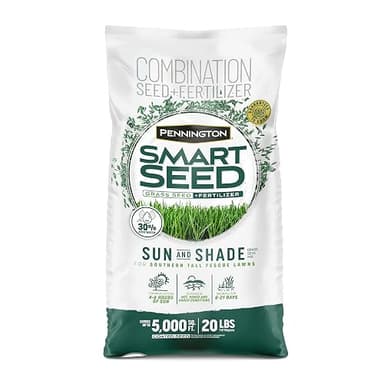
Pennington Smart Seed Sun and Shade Mix
Versatile cool-season blend for overseeding and repairs where a multi-variety mix makes more sense than a single species.
As an Amazon Associate we earn from qualifying purchases.
Weed Control
Dense turf is the first weed-control product in a mixed lawn. Correct mowing, fall fertility, and targeted overseeding close the spaces where crabgrass, dandelion, white clover, ground ivy, and annual bluegrass establish. Herbicides should support that program, not replace it.
Identify Before Treating
A grass that differs in color or texture may be a legitimate component of the mix. Confirm whether you are seeing coarse tall fescue, annual ryegrass, annual bluegrass, orchardgrass, bentgrass, or a healthy seeded cultivar. Selective grassy-weed control is limited, and a mistaken treatment can remove desirable ryegrass or fescue.
Spring Pre-Emergent Decisions
A properly timed pre-emergent can prevent crabgrass, but most products also prevent desirable grass seed from rooting. If major spring repair is unavoidable, choose between weed prevention and seeding before applying anything. Read the exact product label for reseeding intervals and species tolerance. Fall renovation is easier because it avoids this conflict.
Broadleaf Weeds
Spot-treat actively growing weeds when temperatures are moderate and the lawn is not drought-stressed. Fall is often the most effective time for perennial weeds because they move carbohydrates toward roots. Verify that every desirable species in the mix appears on the herbicide label. Fine fescues can be more sensitive to some products than Kentucky bluegrass or tall fescue.
Grassy Weeds
- Annual bluegrass: Improve drainage and avoid frequent shallow irrigation. Chemical programs require careful timing and may not suit every mixed stand
- Coarse tall fescue clumps: Dig isolated crowns or carefully spot-treat and reseed. There is rarely a clean selective option inside other cool-season turf
- Bentgrass patches: Reduce excess moisture and fertility, then use a locally recommended control plan if the patch is unacceptable
- Annual ryegrass: Prevent it by reading seed labels. It normally disappears after its life cycle but can disrupt establishment while present
After Treatment
Do not leave dead soil open. Once the label's reseeding interval passes, restore density with the component suited to that site. Otherwise the next weed simply takes the same opening. Keep records of the product, rate, date, weather, and response so repeated failures are not treated with repeated guesses.
Recommended Products
- 1Check price
 Top pick
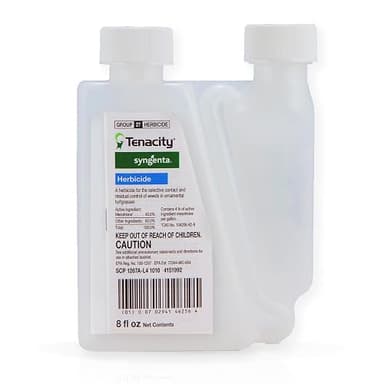
Tenacity Turf Herbicide 8 oz
Mesotrione pre/post-emergent for crabgrass, nimblewill, and bentgrass. Safe on cool-season lawns.
- 2Check price
 Best value
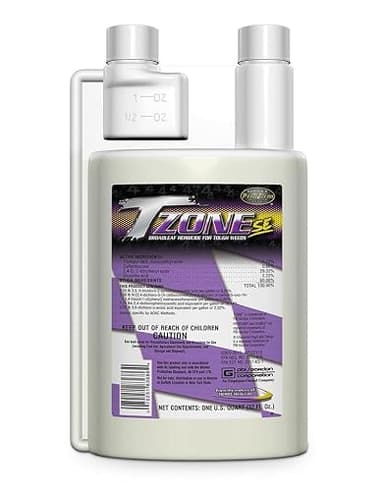
T-Zone SE Broadleaf Herbicide
Pro-grade broadleaf herbicide for tough weeds including clover, ground ivy, wild violet, and oxalis. 1 quart.
As an Amazon Associate we earn from qualifying purchases.
Pests & Disease
Diversity can keep one problem from affecting every plant equally, but a mixed lawn still has several possible disease hosts. Good diagnosis matters because the visible symptom may highlight which component dominates a patch.
Common Diseases by Component
- Brown patch: Often most damaging to tall fescue during hot, humid weather, especially with excess nitrogen and overnight leaf wetness
- Gray leaf spot: Can severely affect perennial ryegrass in warm, humid conditions
- Summer patch: Primarily a Kentucky bluegrass root disease that appears during heat even though infection began earlier
- Red thread: Common in ryegrass and fine fescue during cool, moist weather, often where growth is slow
- Dollar spot: Can affect several components when leaf wetness is long and nitrogen is low
- Snow mold: May appear after extended snow cover, especially where turf entered winter long or matted
Cultural Prevention
- Water early enough for leaves to dry during the day
- Avoid summer nitrogen surges
- Mow with a sharp blade and avoid cutting wet, infected turf when possible
- Improve drainage and core aerate compacted areas
- Remove dense leaf mats before winter
- Use multiple disease-resistant cultivars recommended for your region
Common Insect Pests
White grubs feed on roots and can make turf peel back easily. Billbugs can cause straw-colored patches and hollow stems, with some species showing preference for Kentucky bluegrass. Sod webworms and cutworms chew foliage. Chinch bugs can damage sunny, drought-stressed areas, particularly fescues. Healthy endophyte-enhanced ryegrass and fescue cultivars may resist some surface-feeding insects, but endophyte status should be verified on the seed label and such turf seed should not be used as forage.
Confirm the Cause
Pull back turf, inspect crowns and roots, and look for actual insects before applying an insecticide. Drought, hydrophobic soil, irrigation gaps, dog urine, mower scalping, and disease can all resemble insect damage. Your extension diagnostic lab can identify a sample when field clues are inconclusive.
Use Fungicides Selectively
Most home-lawn disease improves when weather changes and cultural stress is corrected. A fungicide may be justified for a confirmed, recurring disease on a high-value lawn, but timing and active ingredient must match the pathogen. Applying a general product after a patch is already dead will not repair it. Plan fall reseeding for areas that do not recover.
Aeration & Dethatching
Core aeration is one of the best ways to improve a mixed cool-season lawn because it addresses compaction without choosing a winner among the species. It creates space for air and water, brings soil microorganisms to the surface, and opens planting sites for fall overseeding.
When to Core Aerate
Aerate in late summer or early fall when cool-season grass is entering active growth and has time to recover. Soil should be moist enough for a hollow-tine machine to pull 2 to 3 inch cores, but not so wet that equipment smears or compacts it. Spring aeration is a second choice because it can bring weed seed to the surface and conflict with pre-emergent programs.
Signs the Lawn Needs Aeration
- Water runs off before soaking in
- A screwdriver is difficult to push into moist soil
- High-traffic routes remain thin despite appropriate seed
- Roots stay near the surface
- Heavy clay soil has not been aerated in several years
How to Aerate Well
- Mark shallow irrigation lines, wires, and sprinkler heads
- Water dry soil one or two days beforehand if needed
- Make at least two passes over compacted areas in different directions
- Leave cores on the lawn to dry and break apart naturally
- Overseed immediately if rebalancing is part of the plan
- Topdress lightly with compost only where soil improvement is needed
Does a Mixed Lawn Need Dethatching?
Kentucky bluegrass can produce thatch because of its rhizomes. Bunch-type tall fescue and perennial ryegrass usually produce less, while creeping fine fescues can add a fibrous layer. Measure before acting. Cut a small wedge and inspect the brown, springy layer between green shoots and mineral soil. Less than about one-half inch is normal and beneficial.
When Thatch Is Too Thick
If the layer exceeds roughly one-half inch and water struggles to enter the soil, start with core aeration. For a severe layer, use a vertical mower during early fall active growth, then overseed because the work can thin bunch grasses. Set the machine to reach the thatch rather than deeply till the soil. Make a test pass first, rake debris, and water the recovering lawn.
Preventing Future Buildup
- Avoid excessive nitrogen and irrigation
- Core aerate compacted soil regularly
- Maintain the shared mowing height instead of letting stems accumulate
- Return normal clippings, which do not cause thatch
- Correct poor drainage that slows decomposition