
How orchardgrass got into your lawn in the first place
Orchardgrass is a forage crop. It was selected over generations to be fast, coarse, and productive, which is everything you want in a hay field and everything you do not want in a front yard. It does not appear in a lawn by accident of biology so much as by accident of supply chain: it rides in as a contaminant in a discount seed mix, in straw mulch spread over a new seeding, or as windblown and mower-carried seed from a pasture, hay field, or unmown roadside nearby.
That is why the clumps so often trace back to a specific event. People find them a season or two after they patched a bare spot with a bargain bag of seed, or after a contractor strawed a new lawn, or along the property line that faces the field. Bargain mixes are legally allowed to carry a small percentage of other crop seed, and orchardgrass seed is cheap and plentiful, so a fraction of a percent by weight can still be thousands of seeds in a single bag.
The practical lesson is the boring one: read the tag. Certified lawn seed carries a purity statement listing crop seed and weed seed percentages by name. Paying more per bag for seed that lists 0.00 percent other crop is cheaper than digging clumps out of that seeding for the next five years. If straw mulch is going down over new seed, ask for certified weed-free straw for the same reason.
The removal plan, honestly
Start with the part nobody wants to hear. There is no selective herbicide a homeowner can buy that kills orchardgrass and leaves cool-season turf standing. Orchardgrass is a grass, chemically close enough to fescue and bluegrass that the products which hurt it hurt them. Extension programs from Kansas State to Purdue say the same thing in the same flat way: only nonselective options exist. Anyone selling you an orchardgrass-specific spray for a fescue lawn is selling you something else.
For a handful of clumps, dig them. This is where orchardgrass is genuinely easier than quackgrass: it is a bunchgrass with no rhizomes, so the whole plant sits under the clump you can see. Slice a spade in a few inches outside the tuft, lever the entire root mass out with an inch or two of surrounding soil, and that plant is finished. Fill the divot, drop seed, and keep it damp. Moist soil after rain makes the job dramatically easier.
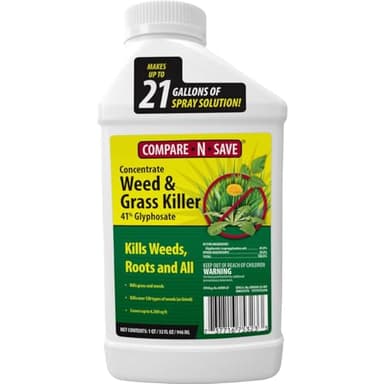
For heavy infestations, the standard approach is spot treatment with a nonselective glyphosate product applied to actively growing clumps, waiting out the label interval, then reseeding the dead patches. Expect to repeat on survivors, and expect the treated spots to look worse than the orchardgrass did for a few weeks. Where clumps cover most of an area, killing and reseeding the whole section beats spotting a hundred patches into a polka-dot lawn.
Pre-emergent has a small and specific role here, and it is worth being clear about it. Pre-emergent does nothing to an established perennial clump, because there is no germination event to intercept. It only stops new orchardgrass seed from starting. That also makes it incompatible with the reseeding you are about to do, so it belongs to a later season, not to the removal itself.
Finally, the reason the lawn looks ragged again two days after you mow: orchardgrass grows faster than turf grasses and pushes its coarse blades back up while the fescue around it is still recovering from the cut. That mismatch is not a mowing problem and no mowing schedule fixes it. It is the clump telling you it is a different species, and until the clump is gone the stripe of shag comes back every week.
How to identify orchardgrass
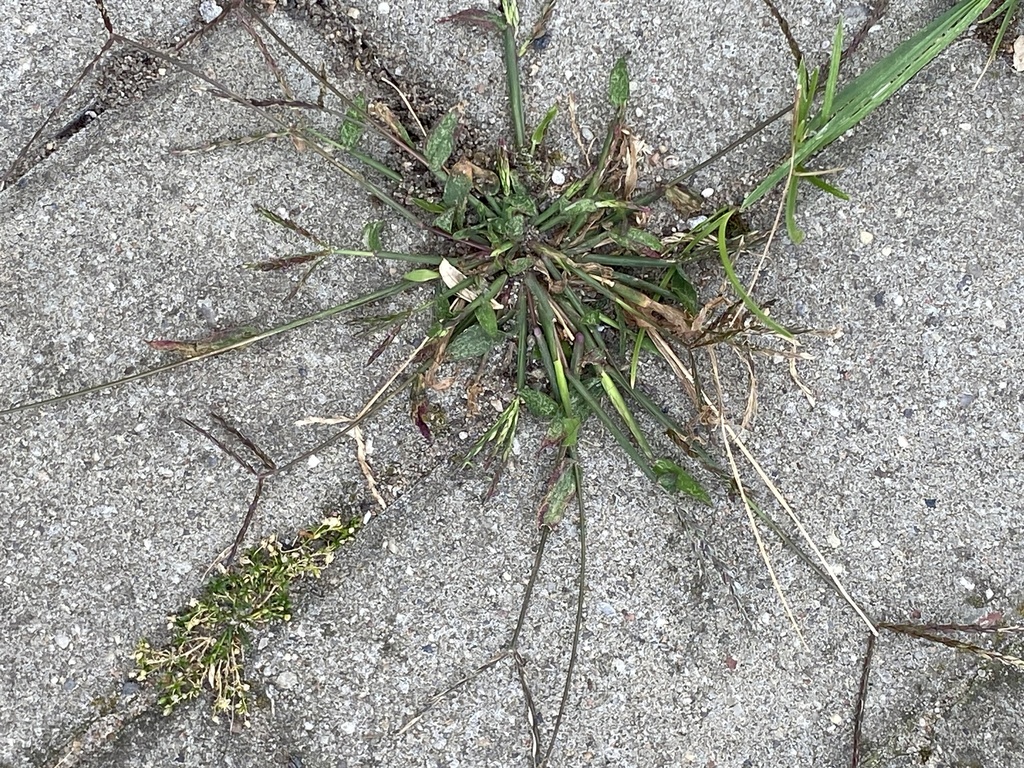
- Coarse, grayish blue-green clumps that stand taller and shaggier than the rest of the lawn two or three days after you mow
- Blades noticeably wider and rougher to the touch than the surrounding turf, with a lighter, duller cast
- Stem bases that are distinctly flattened rather than round, which is the single most reliable tell if you pull a shoot and roll it between your fingers
- New leaves folded in the bud rather than rolled, with a tall papery ligule where the blade meets the sheath
- Discrete tufts with a clear edge, expanding slowly outward from a crown instead of running sideways through the lawn
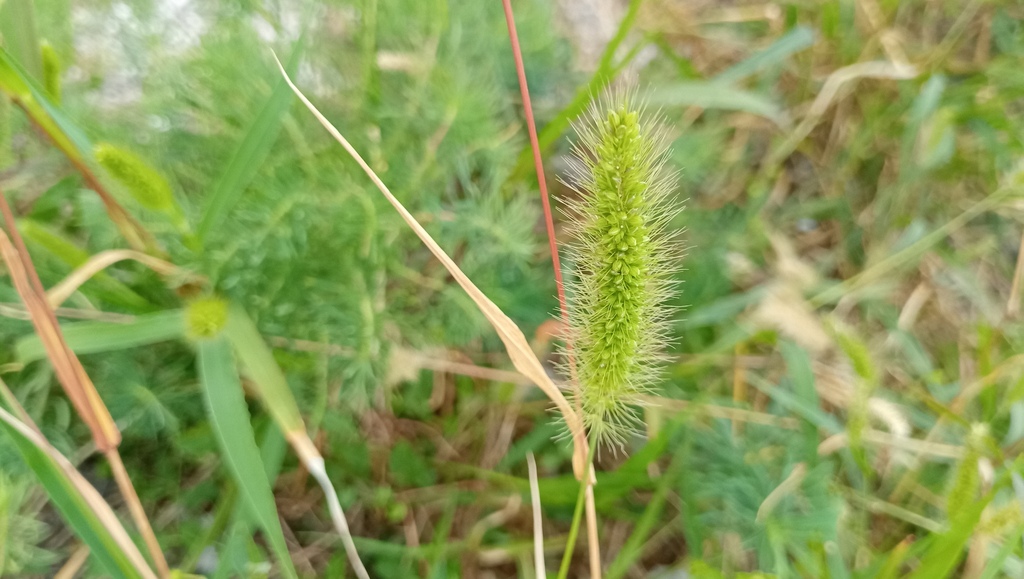
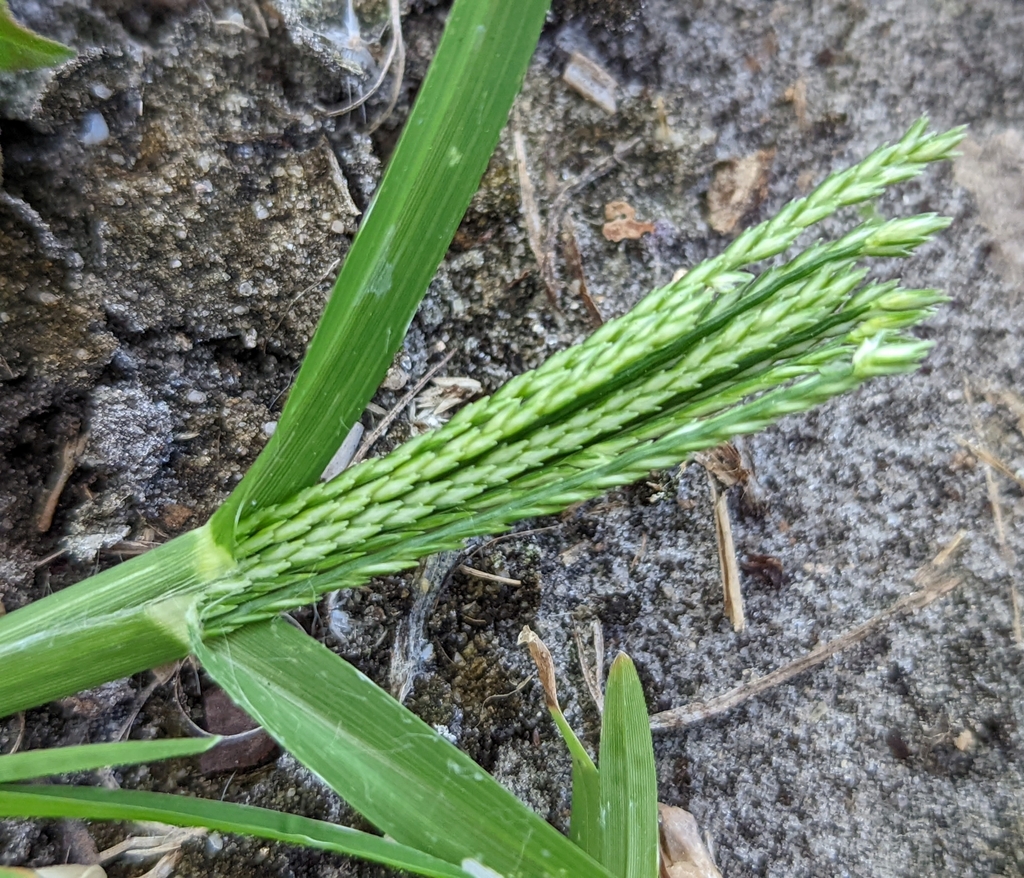
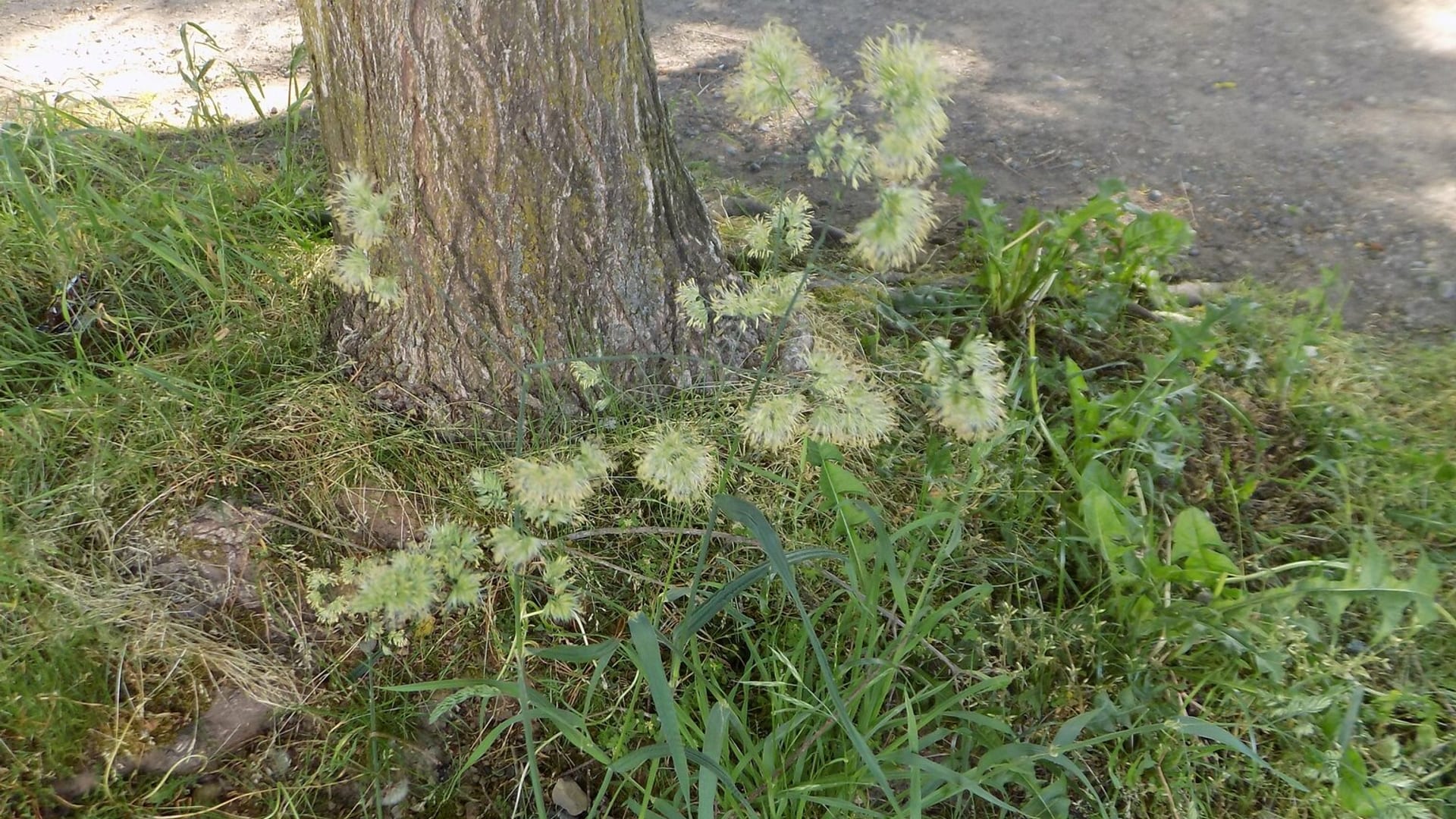
- One-sided, densely clustered seed heads on tall stems if a clump is left unmowed along a fence line or bed edge
Don't confuse it: Tall fescue is the usual mix-up because both are coarse bunchgrasses, but fescue is a darker glossy green with round stem bases, while orchardgrass is grayer and flattened at the base. Quackgrass looks similarly coarse but spreads through the lawn on white underground rhizomes instead of holding a tight clump, which is exactly why digging works on orchardgrass and fails on quackgrass.
What orchardgrass looks like
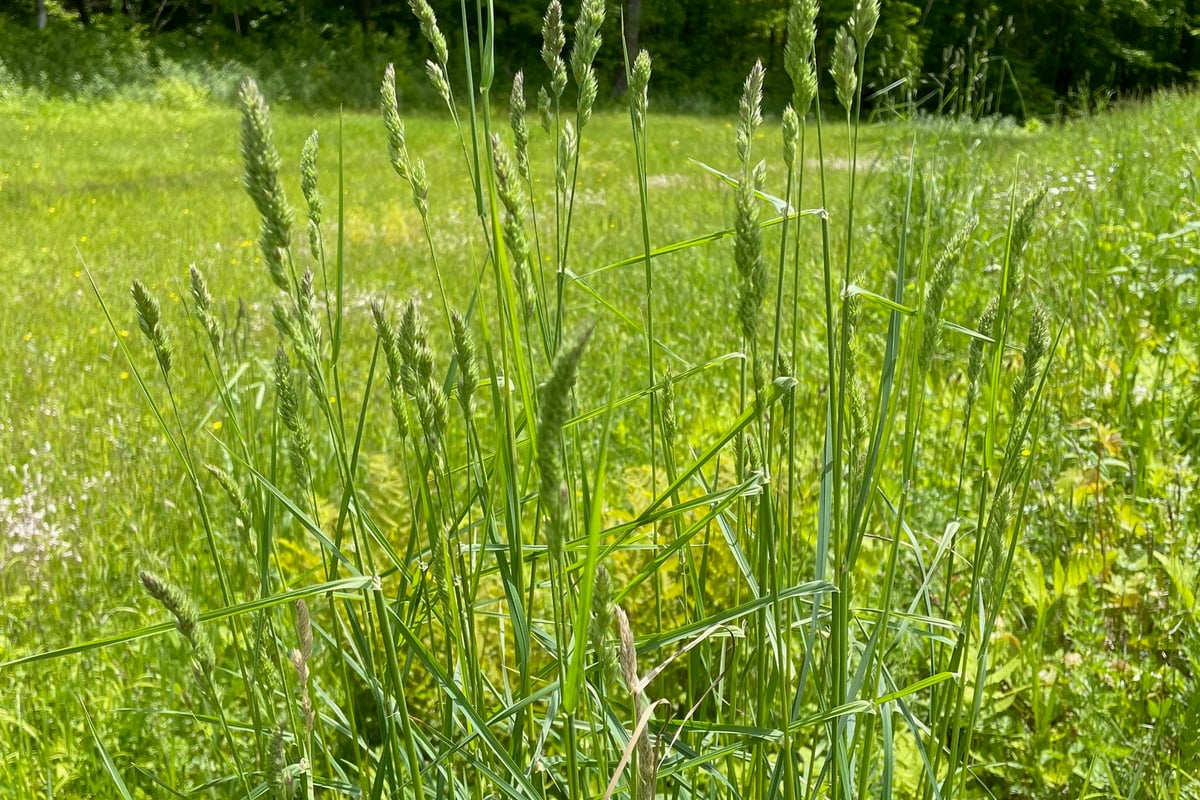
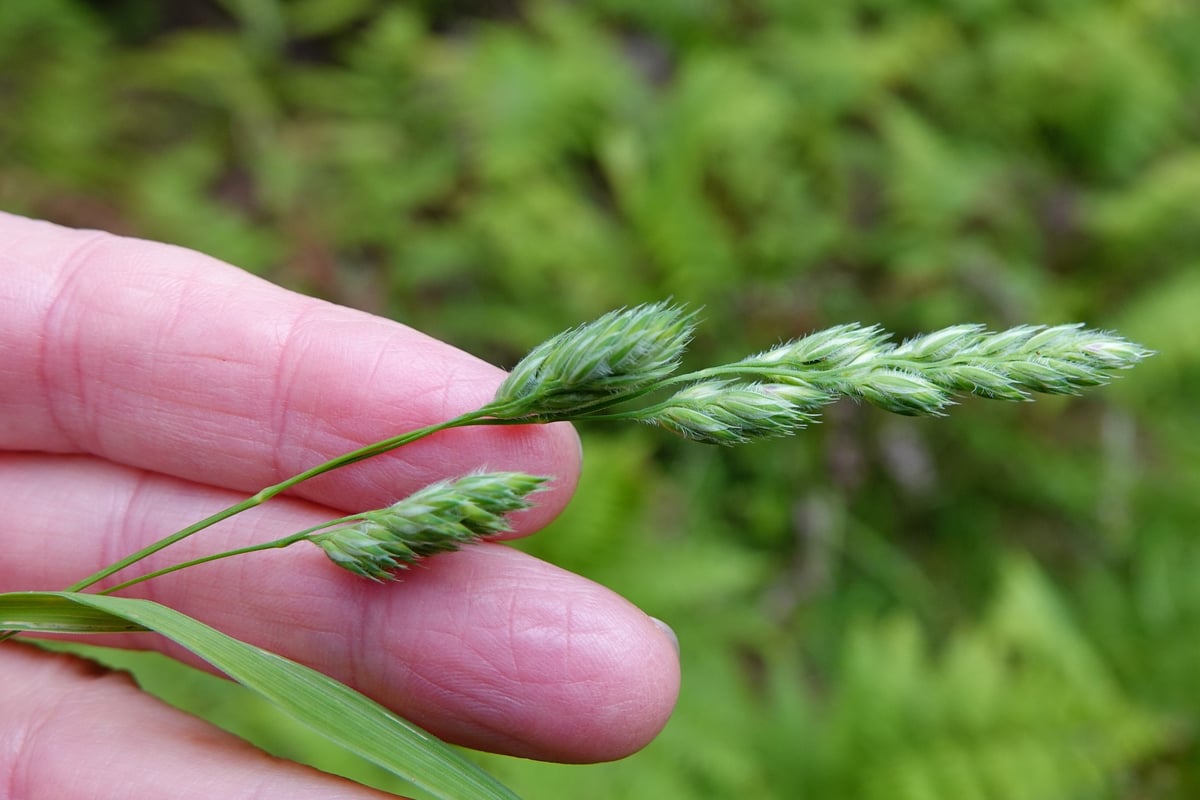
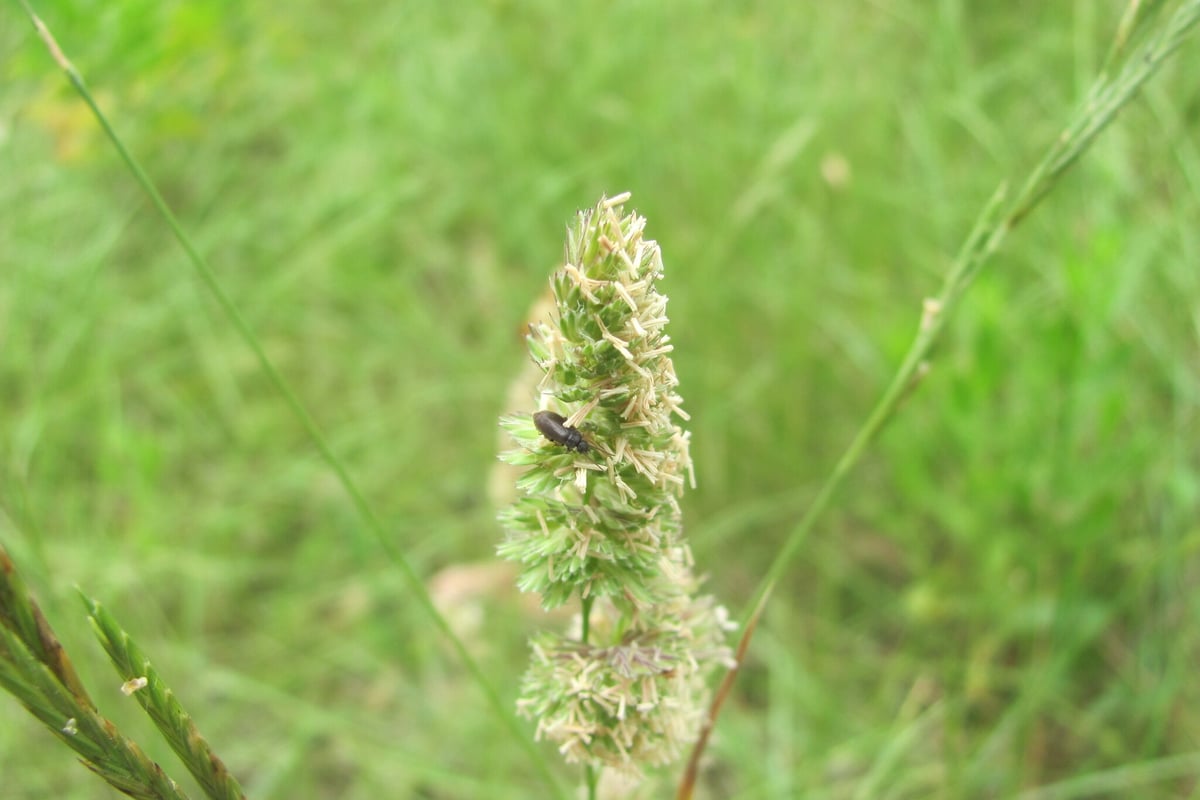
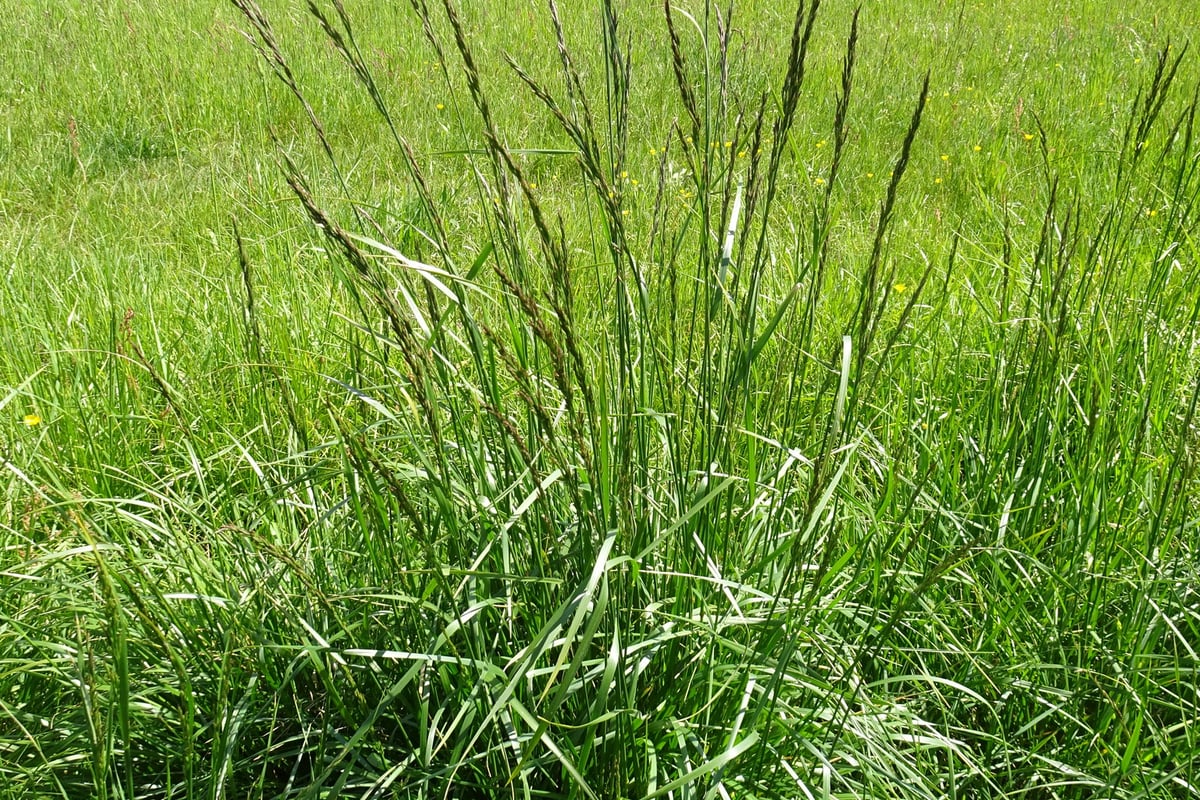
Not sure this is orchardgrass? Snap a photo and our AI will identify the weed with treatments matched to your grass type.
When to treat orchardgrass
Treatment (post-emergent)
Best time: Spring or early fall while clumps are actively growing
Target stage: Actively growing clumps, ideally with a week or two of regrowth after mowing
Conditions: Apply when foliage is dry · No rain for 24 hours · Temps 55-80°F
Germination starts around 50°F soil temperature (optimal 68°F). Track your ZIP's live soil temperature or get an exact plan from the herbicide timing calculator.
How to control orchardgrass
- 1No selective herbicide removes orchardgrass from a cool-season lawn; treat any product claiming otherwise as mislabeled
- 2Dig each clump out whole with an inch or two of surrounding soil, then refill and reseed the divot
- 3For heavy infestations, spot treat actively growing clumps with a nonselective glyphosate product, wait out the label interval, and reseed
- 4Buy certified seed and check the purity statement so repairs and overseeding stop reintroducing it
- 5Keep the lawn dense and overseed thin areas in early fall so incoming seed has no open soil to occupy
Good to know
- • Cool-season perennial bunchgrass grown for pasture and hay, not for lawns
- • Usually enters a lawn as a contaminant in discount seed mixes or straw mulch, or as seed from nearby pasture
- • Forms discrete clumps from a crown with no rhizomes or stolons, so it does not run through the lawn
- • Coarse gray-green blades and flattened stem bases separate it from the surrounding turf
- • Outgrows lawn grasses between mowings, which is why clumps look shaggy two to three days after a cut
Weed control quotes
Get matched with local weed control pros on Angi. Free quotes, no obligation.
Angi is a partner; we may earn a commission if you request quotes there.
Products that work on orchardgrass
These picks are not filtered to your lawn. Some herbicides damage certain grasses (atrazine is for warm-season lawns; Trimec harms St. Augustine). Verify your grass type on the product label before applying, or use the herbicide timing calculator for grass-filtered recommendations.
Recommended Products
- 1Check price
 Top pick
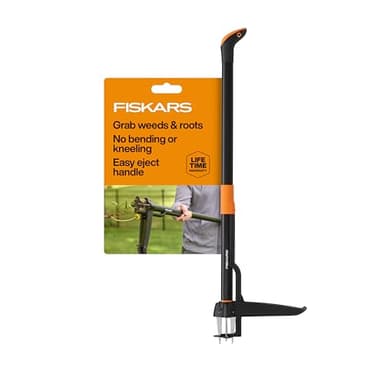
Fiskars Stand-Up Weed Puller Tool (39 in)
Four-claw stand-up puller for removing isolated taproot and rosette weeds without a selective herbicide. Orchardgrass is a bunchgrass with no rhizomes, so lifting a small clump with its crown and root mass genuinely ends that plant. Large established clumps still want a spade.
- 2Check price
 Best value
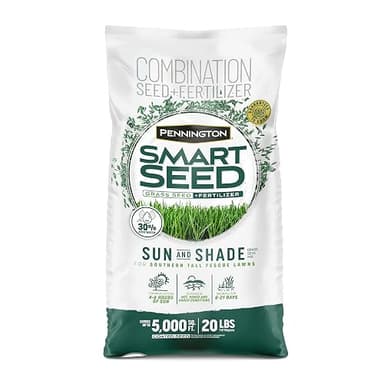
Pennington Smart Seed Sun and Shade Mix
Versatile cool-season blend for overseeding and repairs where a multi-variety mix makes more sense than a single species. Every clump you remove leaves a divot. Refill it with certified cool-season seed, which is also how you stop reintroducing orchardgrass through bargain mixes.
As an Amazon Associate we earn from qualifying purchases.
Where orchardgrass shows up
Most common in these regions: