
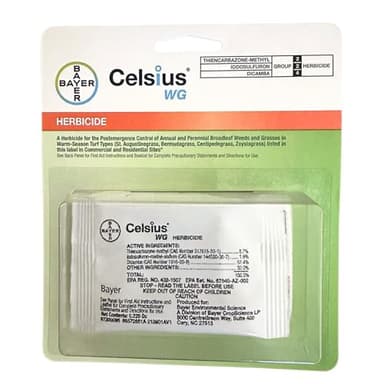
The weed that grows where nothing else can
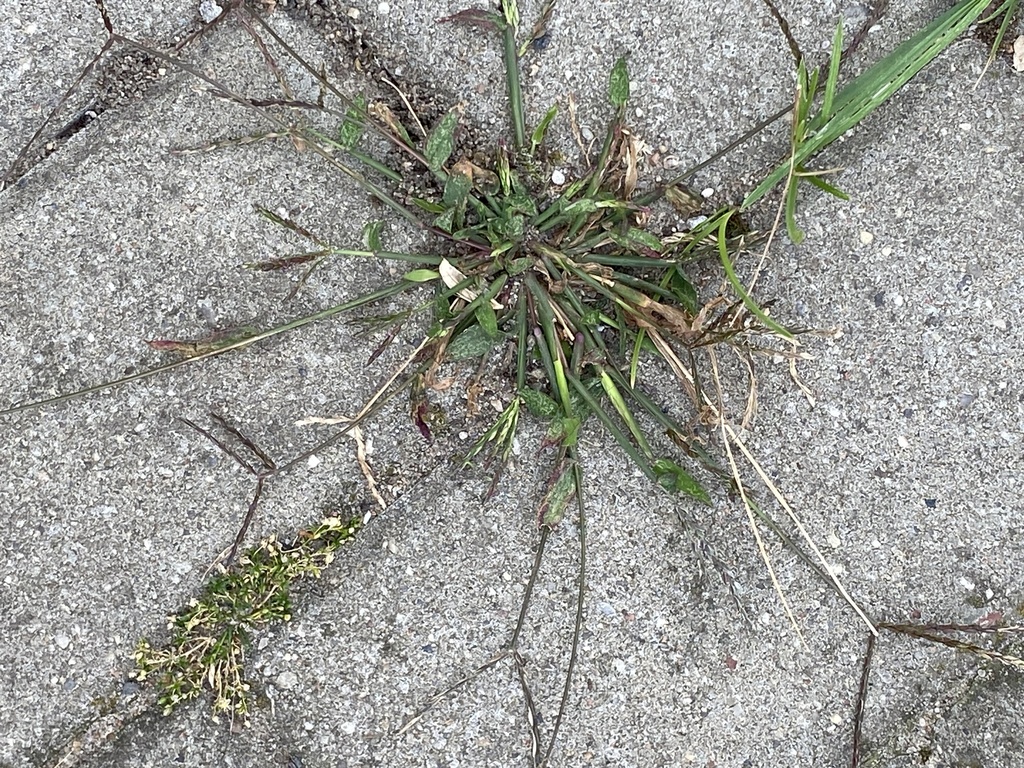
Goosegrass has one superpower: it germinates and roots in soil so compacted that turf roots physically cannot penetrate it. That is why you find it in the same places every year: along walkways, at driveway edges, in goal mouths and dog paths and anywhere feet or tires press the soil. The silver-white center of the flattened rosette makes the diagnosis easy; the location tells you why it is there.
It is also a late riser. Goosegrass waits two to three weeks past the crabgrass flush, until soil is several degrees warmer. By then an early spring pre-emergent barrier has often started thinning, which is exactly the gap goosegrass slips through. It is naturally less sensitive to some pre-emergent actives too, so it is frequently the only grassy weed still appearing in a lawn that beat crabgrass.
Aerate first, then adjust the barrier
Treat the compaction and the goosegrass mostly solves itself. Core aerate high-traffic zones (fall for cool-season lawns, late spring for warm-season), consider a second pass in bad areas, and get grass rooted into the opened soil before the next summer. Where traffic is permanent, think stepping stones or mulch, because the compaction will always return with the footsteps.
On the chemical side, shift to a split pre-emergent program: full rate at the crabgrass trigger, then a second application 6 to 8 weeks later that carries the barrier through the goosegrass window. Existing rosettes are stubborn against most post-emergents, but their shallow root systems pop out cleanly with a knife, and the divot reseeds easily.
How to identify goosegrass
- Flattened rosette with a distinctly silver-white center, like a wagon wheel pressed into the lawn
- Dark green, folded blades radiating from that pale center
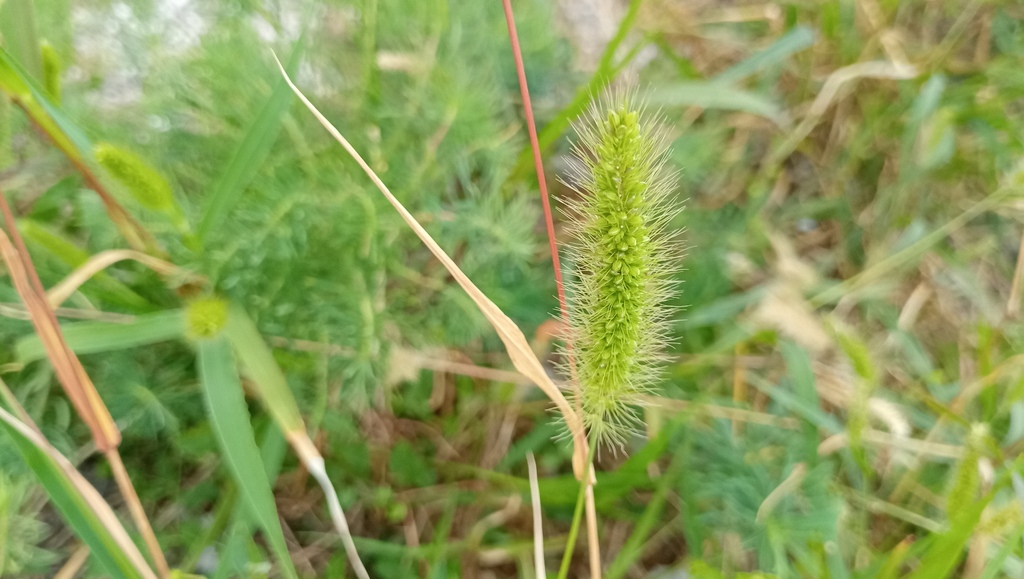
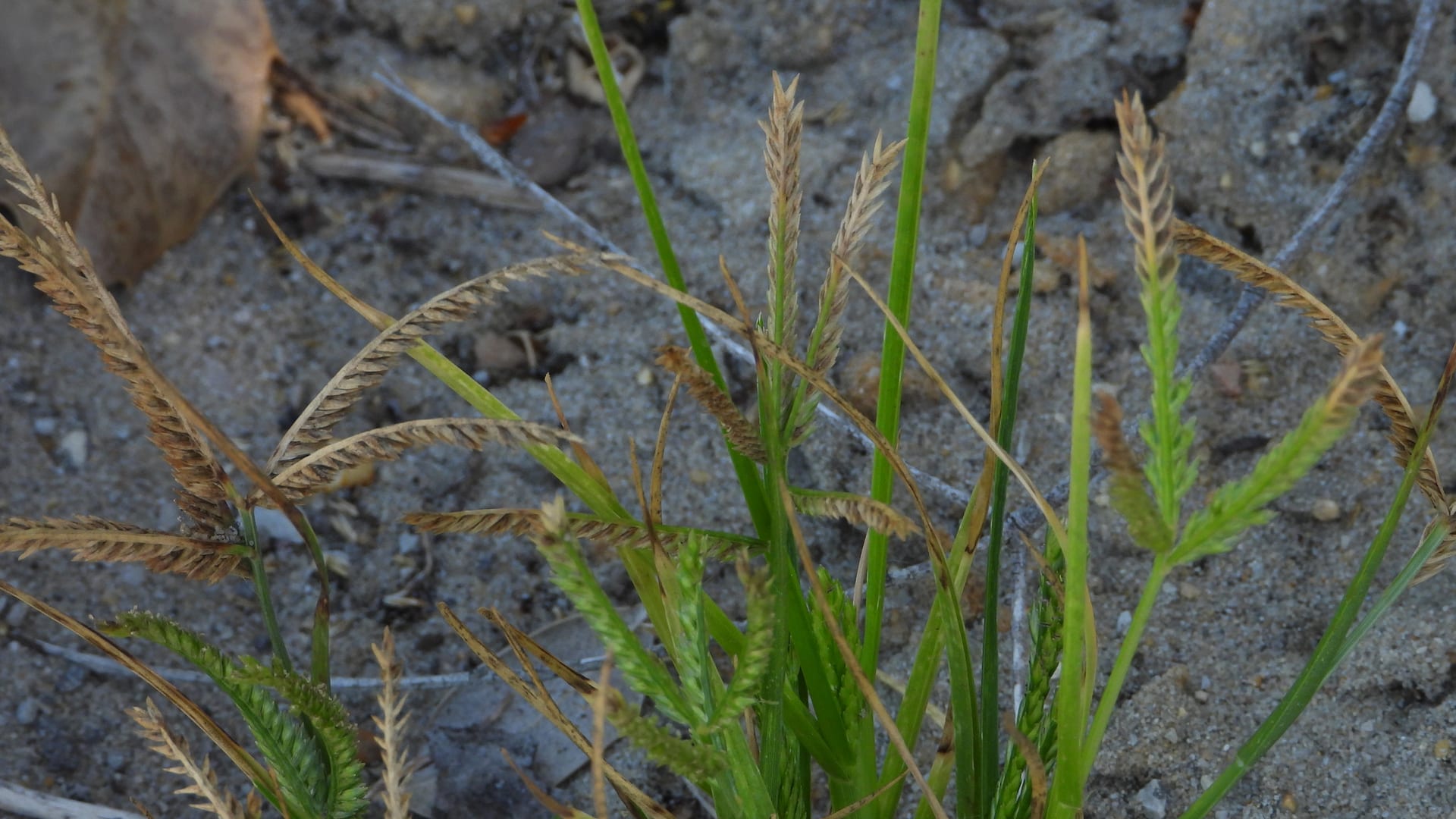
- Zipper-like seed spikes in fingers at the stem tips in late summer
- Concentrated in compacted, high-traffic, poorly drained spots
Don't confuse it: Crabgrass sprawls similarly but lacks the silver center and prefers looser soil; goosegrass tolerates compaction crabgrass cannot.
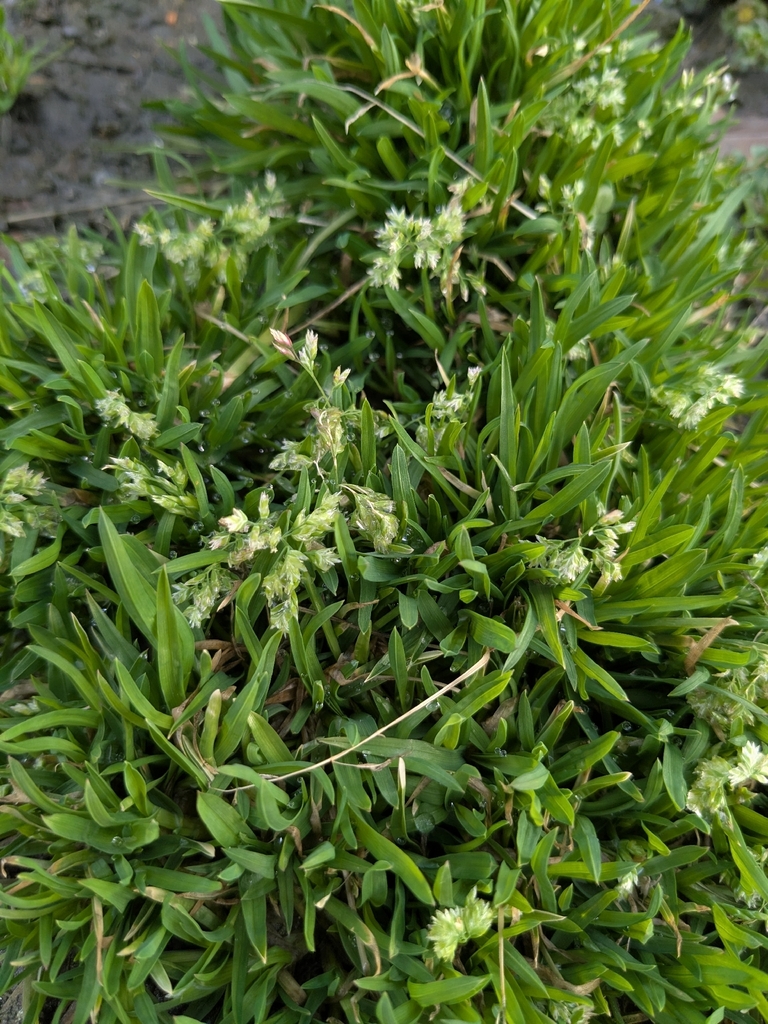
What goosegrass looks like
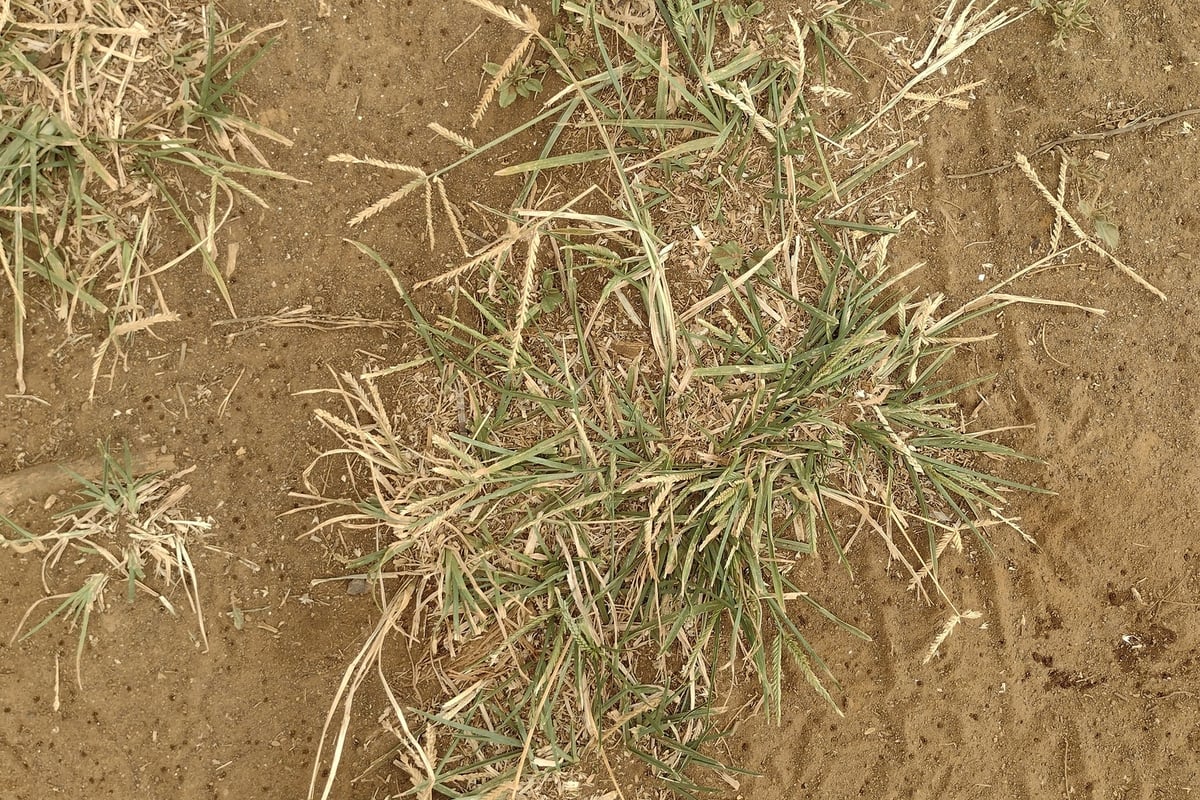
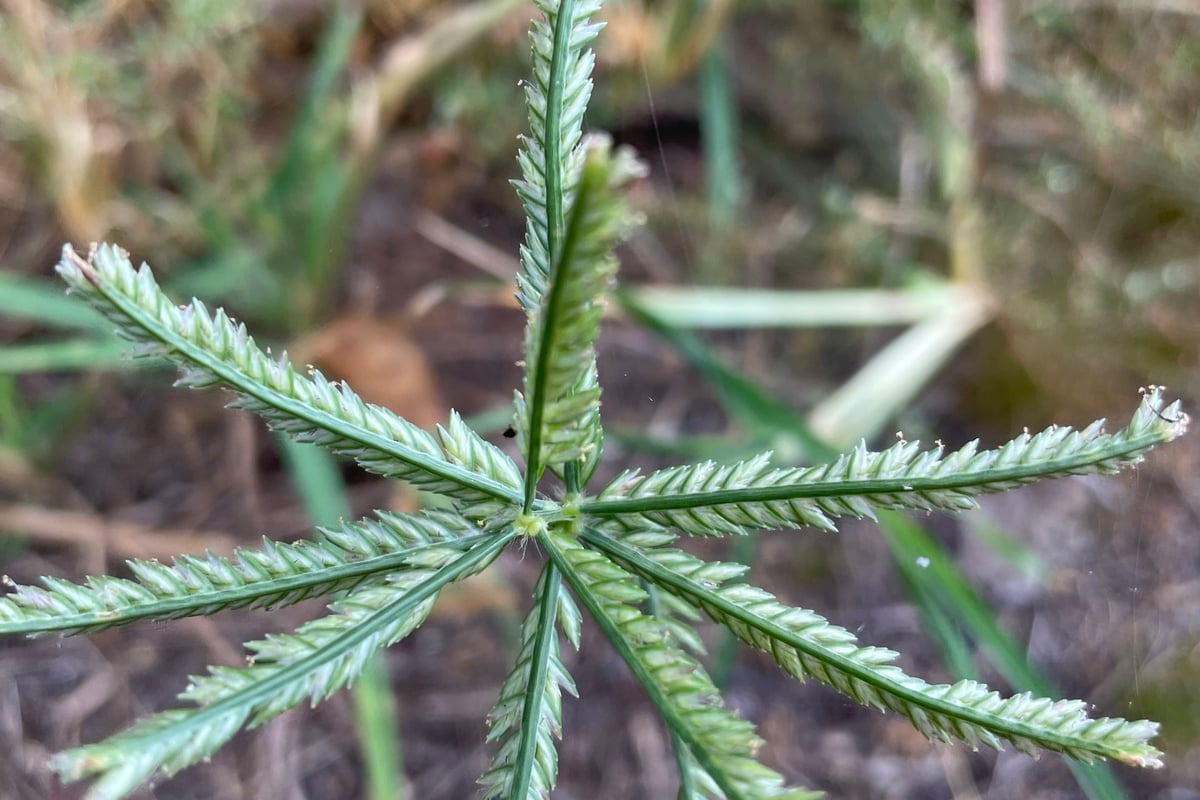
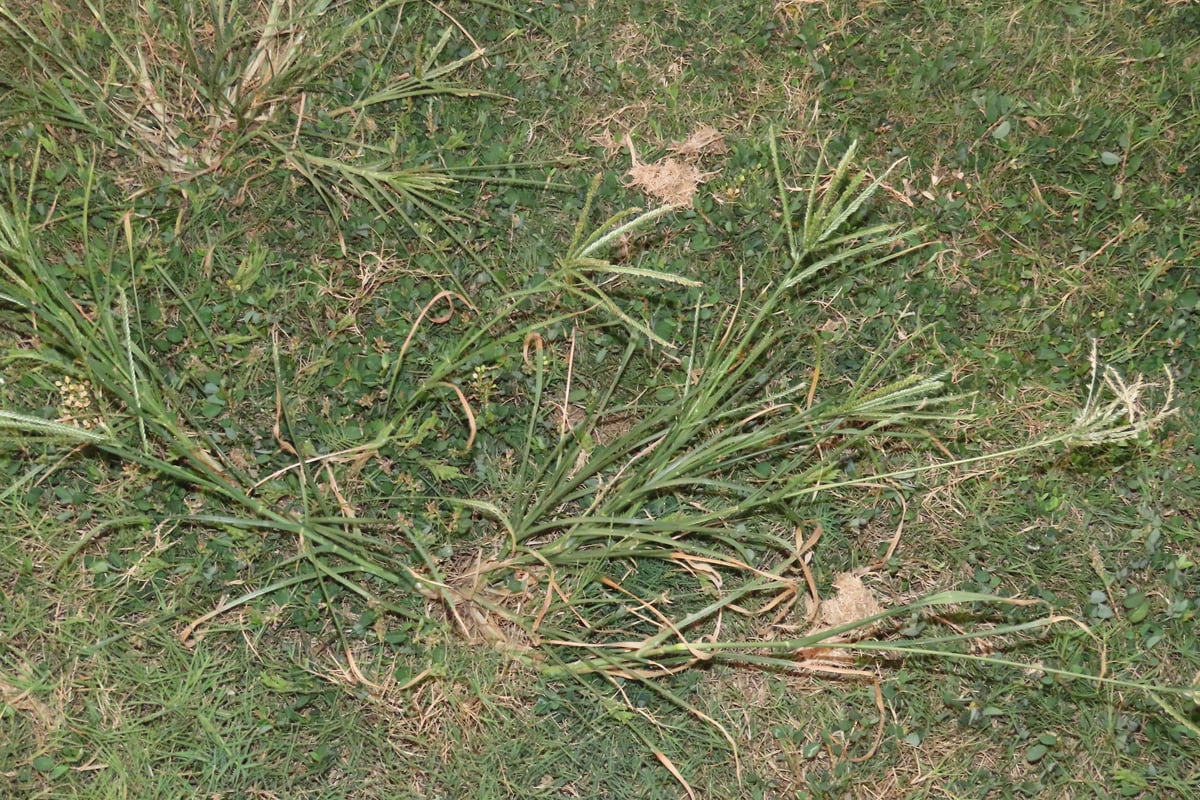
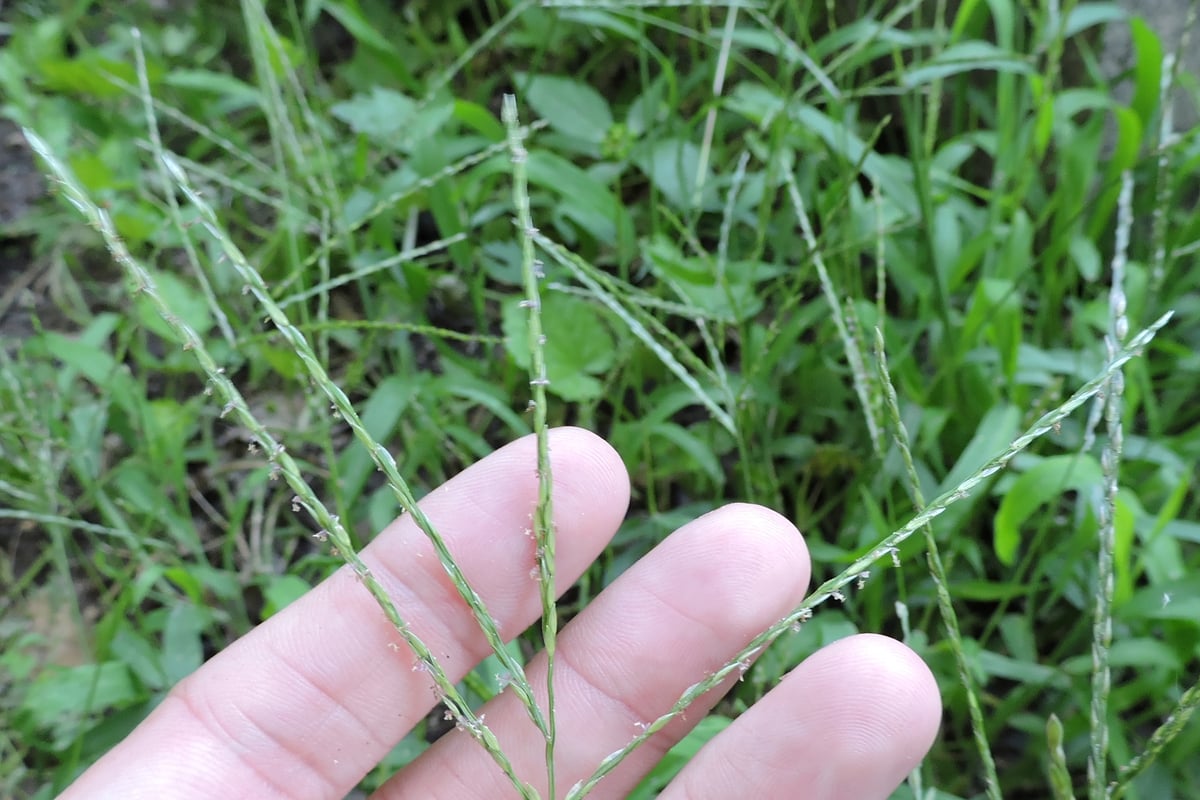
Not sure this is goosegrass? Snap a photo and our AI will identify the weed with treatments matched to your grass type.
When to treat goosegrass
Prevention (pre-emergent)
Apply before germination, when soil reaches about 60°F.
Window: Late spring to early summer
Typical dates: Before soil reaches 60°F (germinates 2-3 weeks after crabgrass)
Treatment (post-emergent)
Best time: Early summer
Target stage: Young plants (2-3 inches)
Conditions: Apply when weeds are dry · No rain for 24 hours · Temps below 85°F
Germination starts around 60°F soil temperature (optimal 80°F). Track your ZIP's live soil temperature or get an exact plan from the herbicide timing calculator.
How to control goosegrass
- 1Apply pre-emergent before soil reaches 65°F
- 2Use products specifically labeled for goosegrass
- 3Improve soil aeration and reduce compaction
- 4May require multiple applications for complete control
Good to know
- • Very tough, low-growing annual grass
- • Resistant to many herbicides
- • Prefers compacted, high-traffic areas
- • Requires specific herbicide products
Weed control quotes
Get matched with local weed control pros on Angi. Free quotes, no obligation.
Angi is a partner; we may earn a commission if you request quotes there.
Products that work on goosegrass
These picks are not filtered to your lawn. Some herbicides damage certain grasses (atrazine is for warm-season lawns; Trimec harms St. Augustine). Verify your grass type on the product label before applying, or use the herbicide timing calculator for grass-filtered recommendations.
Recommended Products
- 1Check price
 Top pick
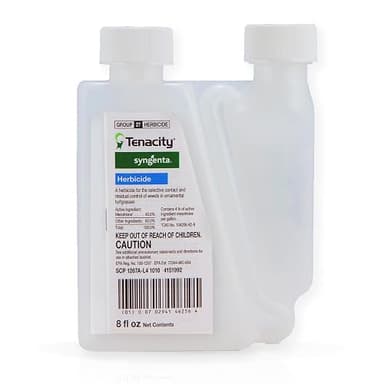
Tenacity Turf Herbicide 8 oz
Mesotrione pre/post-emergent for crabgrass, nimblewill, and bentgrass. Safe on cool-season lawns. Mesotrione can target young goosegrass only on a verified compatible lawn.
- 2Check price
 Best value
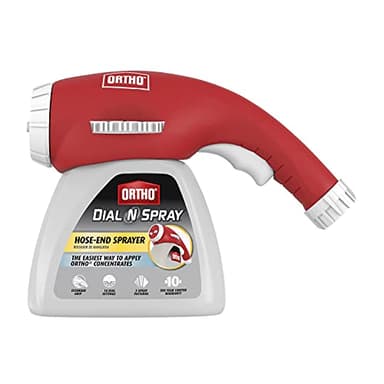
Ortho Dial N Spray Hose-End Sprayer (14 Dilution Settings)
Adjustable metered hose-end sprayer for liquid herbicides, iron, wetting agents, and foliar recovery products. Celsius, Tenacity, and Barricade 4FL are liquids; a metered hose-end sprayer keeps the label rate even.
As an Amazon Associate we earn from qualifying purchases.
Where goosegrass shows up
Most common in these regions: