Dormant Seeding: How to Seed Your Lawn in Late Fall for Spring Germination
 Marcus GreenTurf Management Pro | 18 Years
As an Amazon Associate we earn from qualifying purchases.
Missed the fall overseeding window? You are not out of luck. By the time the leaves are down and the mower is almost ready for storage, most people assume the seeding season is over. It is not. There is a second chance built into the calendar, and hardly anyone talks about it. It is called dormant seeding, and it lets you put seed down in late fall so it sits quietly through winter and germinates the moment spring conditions turn favorable.
Not sure why your lawn thinned out in the first place? Before you reseed, it helps to know what you are dealing with. Snap a photo for a free AI diagnosis and get a read on whether you are looking at drought stress, disease, thin shade turf, or something a reseed alone will not fix.
Fast Answer: Dormant seeding means putting grass seed down after the soil temperature drops below roughly 50F, cold enough that the seed will not germinate before winter. Instead of sprouting, the seed sits dormant in the soil, protected and pre-positioned, and then germinates first thing in spring as soon as the ground warms. It works for cool-season grasses like Kentucky bluegrass, tall fescue, and perennial ryegrass.
The timing is the whole game. You want the soil cold enough that nothing sprouts in a late warm spell, but the ground not yet frozen solid so the seed can still settle into good contact with the soil. In most cool-season regions that lands somewhere between late November and early January, but the soil temperature is the real trigger, not the date on the calendar.
What Dormant Seeding Is and Why It Works
Dormant seeding is exactly what it sounds like: you sow seed that stays dormant. Grass seed needs sustained warmth and moisture to germinate. If you put it down when the soil is already cold, it simply will not sprout. It just waits. Over the winter, the natural freeze and thaw cycle works the seed down into the top layer of soil, tucking it into little cracks and crevices in a process that mimics a very slow, natural raking. Snow cover and winter moisture keep it in place.
Then spring arrives. While you are still waiting for the ground to be workable enough to seed conventionally, the dormant seed is already sitting in the soil, hydrated, and ready. As soon as soil temperatures climb into the germination range, it sprouts, often a couple of weeks ahead of anything you could have planted by hand in spring, because you skipped the part where you wait for the ground to dry out and warm up before you can even get on the lawn.
This is a different thing from grass going dormant on its own. If you are trying to figure out whether your existing lawn is dormant or dead, that is a separate question. We cover it in when does grass go dormant, and if you are staring at brown turf wondering whether it will come back, is my grass dead or dormant walks through the pull test and other checks. Dormant seeding is about the seed staying dormant on purpose, not the established plant.
When to Do It: Soil Temperature, Not a Date
The single most common mistake with dormant seeding is treating it like a calendar event. It is not. The trigger is soil temperature. You want the soil consistently below about 50F at seeding depth, cold enough that germination is off the table, so the seed does not sprout, throw out a tender seedling, and then get killed by the first hard freeze. That partial germination followed by a freeze is the exact failure you are trying to design around.
The practical way to nail this is to actually check your soil temperature rather than guess. Use our soil temperature tool to see where your soil is sitting before you commit. When it has dropped and is staying below 50F, and the ten-day forecast does not show a warm rebound that could wake the seed up, you are in the window. In much of the cool-season zone that is late November through December, and in colder northern areas it can stretch into January as long as you can still get seed-to-soil contact before the ground locks up.
The back end of the window is the ground freezing solid. Once the surface is frozen, seed just sits on top and rolls off with the next rain or gets eaten. So the target is a stretch of cold soil that is not yet frozen hard: cold enough to suppress germination, soft enough to seed into.
Which Grasses It Works For
Dormant seeding is a cool-season technique, full stop. Cool-season grasses are built to germinate in cool soil and handle cold, so they tolerate the sit-and-wait strategy well.
Cool-season grasses: yes
- Kentucky bluegrass (KBG): Works well, though it is naturally the slowest of the three to germinate, so patience in spring is part of the deal.
- Tall fescue: A strong candidate. Its large seed handles the freeze-thaw settling nicely and it germinates reliably in spring.
- Perennial ryegrass: Germinates fast in spring, so it establishes quickly once the soil warms. Often used in a blend to get early cover.
For a sense of what soil temperatures each type actually needs to sprout in spring, the grass seed germination temperature chart by type lays out the numbers side by side.
Warm-season grasses: no
Bermuda, zoysia, St. Augustine, and centipede are a different animal. They need warm soil (often 65 to 70F and up) to germinate, and their seed does not reliably survive a cold, wet winter sitting in the ground. Dormant seeding a warm-season lawn is a good way to waste a bag of seed. For those grasses, wait for late spring into early summer and seed into warm soil.
Step-by-Step Technique
Dormant seeding is not complicated, but seed-to-soil contact is everything. Seed lying on top of thatch or matted leaves will not settle in and will not establish. Here is the sequence.
- Mow low on your final cut. Drop your existing turf shorter than normal for the last mow of the season, around 1.5 to 2 inches. A shorter canopy lets seed reach the soil surface instead of hanging up in the grass blades, and it lets spring sunlight hit the new seedlings.
- Clear and expose the soil. Rake off leaves, dead thatch, and debris. For bare or thin patches, scratch up the surface with a rake so you have actual soil showing, not a crust. If you are dealing with heavy thatch across the whole lawn, address that first so the seed can reach dirt.
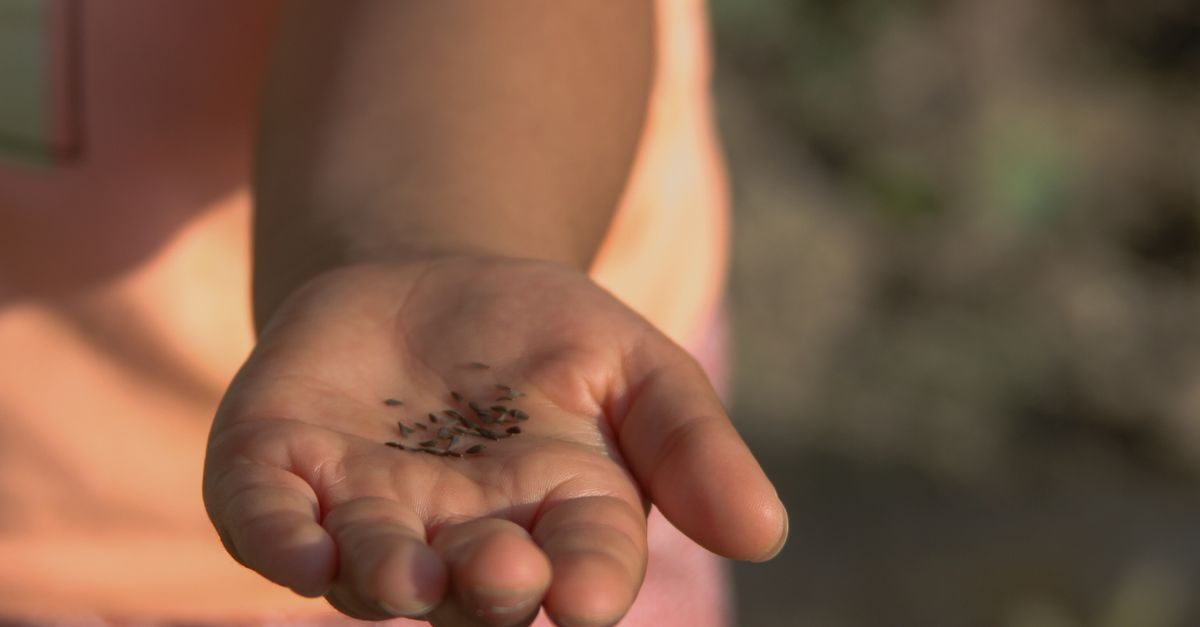
- Spread the seed. Use a broadcast or drop spreader for even coverage. Overseeding a thin lawn is a lighter pass; a bare renovation area gets a heavier rate. Whichever you are doing, our seeding calculator and overseeding calculator will size the bag for your square footage and grass type.
- Press the seed in. Lightly rake the seed into the top quarter inch, then go over it with a roller or just walk it in to firm up contact. You are not burying it, just making sure it is nestled against soil rather than perched on top.
- Do not apply a pre-emergent. This is critical and it is the part that trips people up. A pre-emergent herbicide stops seeds from germinating. It cannot tell the difference between crabgrass and your grass seed. If you dormant seed, your spring pre-emergent is off the table, which we will come back to because it is the tradeoff nobody warns you about.
- Then leave it alone. No watering schedule to babysit through winter. Winter precipitation and the freeze-thaw cycle do the work. You are done until spring.
- For exact seeding rates by species (for example pounds of tall fescue or Kentucky bluegrass per 1,000 square feet for new seeding versus overseeding), consult your state land-grant extension service. Rates vary meaningfully by grass type and whether you are overseeding or renovating bare ground.
- Extension offices publish region-specific dormant seeding date windows and locally recommended cultivars for your climate. Ask for their turfgrass variety recommendations rather than grabbing a generic contractor mix.
- Many extension programs suggest bumping the seeding rate modestly above the standard fall rate to offset the higher overwinter seed loss described below. Confirm the adjustment they recommend for your area.
Recommended products
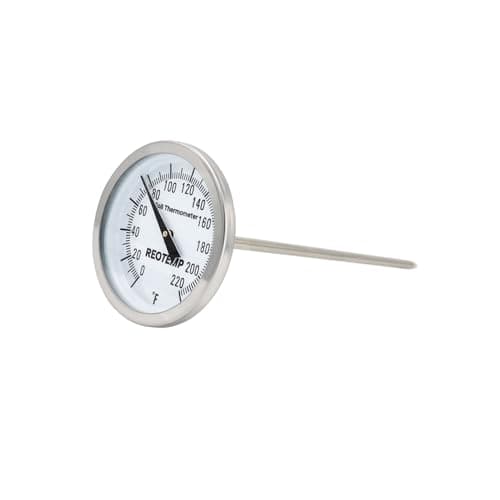
REOTEMP Waterproof Soil Thermometer (5 inch stem)
A soil probe for confirming the ground is genuinely below 50 degrees before you spread seed.
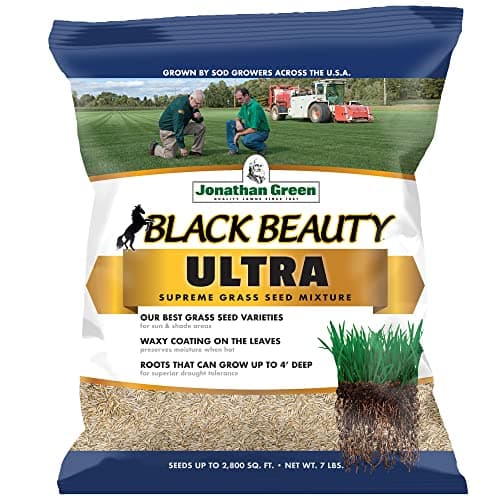
Jonathan Green Black Beauty Ultra Grass Seed (7 lb)
A cool-season blend suited to the sit-and-wait strategy, since these species germinate in cool spring soil.
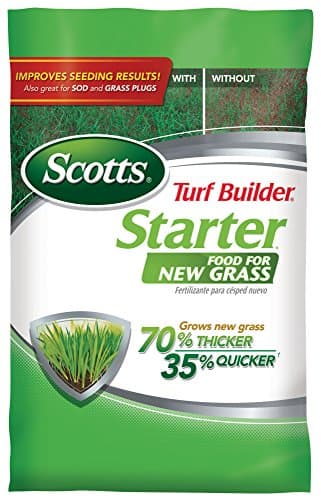
Scotts Turf Builder Starter Food for New Grass
A starter fertilizer to put down in spring when the dormant seed finally germinates.
Risks and Failure Modes: An Honest Accounting
Dormant seeding works, but it is genuinely riskier than seeding into a warm, moist fall soil, and it would be dishonest to pretend otherwise. Here is what can go wrong.
- Washout. Seed on a slope or in a low spot can be carried off by winter rain and snowmelt before it ever settles in. Flat, well-drained areas hold seed far better than grades. If your problem spots are on a hill, dormant seeding is a tougher bet.
- Premature germination in a warm spell. If you seed too early, or a stretch of unusually warm weather shows up, some seed can sprout and then get killed by the next freeze. This is the main reason the soil-temperature timing matters so much.
- Bird, rot, and decay losses. Seed sitting exposed over winter feeds birds, and moisture over a long cold period leads to some rot and decay. You will lose a share of your seed to these no matter how well you do it.
- Lower overall establishment. Add it up and you should expect somewhere in the range of 10 to 20 percent more seed loss than a well-timed fall seeding, which is why extension services often suggest a slightly heavier rate. Treat that as a planning range, not a precise number: your actual result depends on slope, weather, seed type, and how good your soil contact was.
None of this makes dormant seeding a bad idea. It makes it a technique with known tradeoffs that you plan around: seed flat ground, nail the timing, bump the rate a little, and accept that a fall seeding done on time would have been the cleaner play.
Dormant Seeding vs. Waiting for Spring Seeding
The honest alternative to dormant seeding is not fall seeding, which you already missed. It is spring seeding. So which is better?
Dormant seeding wins on timing. The seed is already in the ground when spring arrives, so it germinates as early as conditions allow, weeks before you could get out and seed conventionally. That head start means your new grass is more established before summer heat and weed pressure ramp up. It also spreads your labor into a slower season and gets it off your spring to-do list.
Spring seeding wins on control and predictability. You seed into known conditions, you can water on a schedule, and you avoid the whole overwinter gauntlet of washout, birds, and rot. Your establishment rate per pound of seed is higher. The catch is you are seeding later, into warming soil, which gives your new seedlings less runway before summer stress, and it also collides head-on with the pre-emergent question below.
Rule of thumb: on flat, well-drained ground where you want the earliest possible spring establishment, dormant seeding is a strong play. On slopes, in erosion-prone spots, or where you would rather have tight control over the process, spring seeding is the safer bet. For the broader overseeding fundamentals that apply either way, see overseeding best practices.
What Other Guides Miss: Dormant Seeding Kills Your Spring Pre-Emergent
Here is the part almost every dormant seeding article skips, and it is the single most important thing to understand before you spread a single seed: you cannot dormant seed and apply a spring crabgrass pre-emergent. You have to pick one.
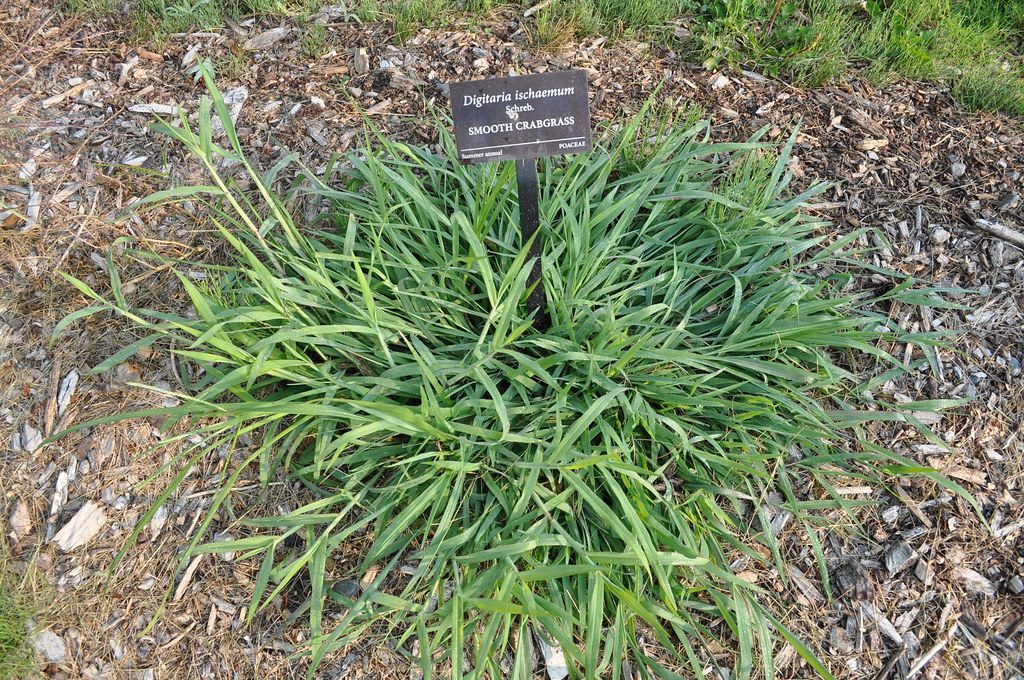
A pre-emergent herbicide works by creating a barrier in the soil that stops seeds from germinating. That is the entire point of it, and it is how you keep crabgrass and other summer annual weeds from taking over. But the herbicide has no way to distinguish crabgrass seed from your expensive grass seed. If you put down a spring pre-emergent over ground you dormant seeded, you will suppress your own new grass right along with the weeds. All that winter waiting, gone.
So the real decision is not just seed versus no seed. It is: this coming season, do I want new grass, or do I want crabgrass prevention? For a lawn that is thin, patchy, and badly in need of density, choosing new grass is usually right, because thick turf is itself the best long-term crabgrass defense. But you should walk into it knowing you are giving up your pre-emergent for that season, and you may see more crabgrass in the new areas as a result. Most guides let you find that out in June. Now you know in December.
There are pre-emergent products labeled as safe to use with new seedings (siduron-based ones, for instance), but they are a narrow exception, not the standard synthetic pre-emergents most people reach for, and they come with their own rules. If crabgrass prevention is non-negotiable for you this year, that is a strong signal to skip dormant seeding and plan a fall seeding next year instead.
This is exactly the kind of conflict a personalized care plan is built to catch. Instead of you having to remember the pre-emergent tradeoff in April, the plan flags your dormant-seeding window in late fall and then holds off on recommending a spring pre-emergent for your zip and grass type, so the two never collide on your schedule. Snap a photo to start a free diagnosis and the plan builds around what your lawn actually needs, timing and all.
Your Dormant Seeding Action Plan
- Confirm the diagnosis. Make sure a reseed is actually what your lawn needs. Get a free AI diagnosis from a photo so you are not seeding over a disease or drainage problem that will just kill the new grass too.
- Watch the soil temperature. Use the soil temperature tool and wait until it is consistently below 50F with no warm rebound in the forecast.
- Pick the right grass. Cool-season only: KBG, tall fescue, or perennial ryegrass. Warm-season lawns wait for spring.
- Prep the ground. Mow low, clear leaves and thatch, and expose bare soil so seed can make contact.
- Size and spread the seed. Run your square footage through the seeding calculator or overseeding calculator, and bump the rate slightly to offset overwinter loss.
- Press it in and walk away. Rake and roll for contact, then let winter do the work. No pre-emergent.
- Plan your spring around the tradeoff. No spring crabgrass pre-emergent this year. Keep the new grass thick, mow it high once it is established, and let density do the weed control. If this is part of a bigger seasonal reset, the fall lawn care schedule checklist puts it in context with everything else the season calls for.
Top Picks
- Scotts Turf Builder Grass Seed Bermudagrass (4 lb)Check price on Amazon
- Jonathan Green (10322) Black Beauty Ultra Grass Seed - Cool Season Lawn Seed (7 lb)Check price on Amazon
- TifBlair Centipede Grass Seed (1 lb, covers up to ~4,000 sq ft)Check price on Amazon
As an Amazon Associate we earn from qualifying purchases.
Free Lawn Care Tools
You are too late once the ground has frozen solid, because seed can no longer settle into the soil and make contact. It just sits on the frozen surface and washes or blows away. Before that point, as long as the soil is cold (below about 50F) but still soft enough to seed into, you are in the window. In most cool-season regions that runs from late November through December, sometimes into January in colder northern areas. The moment the surface locks up with hard frost, wait for spring seeding instead.
Yes, most of it will. Cool-season grass seed is built to tolerate cold and stays viable through winter sitting dormant in the soil. That said, you will lose a share of it to birds, rot, and washout over the season, typically somewhere in the range of 10 to 20 percent more loss than a well-timed fall seeding. That is why the common advice is to seed slightly heavier than your normal fall rate and to seed flat, well-drained ground rather than slopes where washout is worse.
With dormant seeding you put seed down in late fall so it waits out winter and germinates the moment spring conditions allow, often weeks earlier than you could seed by hand. With spring seeding you wait until the soil warms in spring and seed then. Dormant seeding gives you an earlier start and gets the seed in the ground before you can walk on the lawn, but it carries overwinter losses. Spring seeding has higher establishment per pound and more control, but a later start and less runway before summer heat. On flat ground wanting the earliest establishment, dormant seeding wins; on slopes or where you want tight control, spring seeding is safer.
No, not a standard crabgrass pre-emergent, and this is the biggest catch of the whole technique. Pre-emergent herbicides stop seeds from germinating and cannot tell your grass seed apart from crabgrass, so applying one in spring would suppress the very grass you dormant seeded. If you dormant seed, you are giving up your spring pre-emergent for that season. There are narrow exceptions labeled safe for new seedings (siduron-based products), but they are not the typical pre-emergents most people use. If crabgrass prevention is non-negotiable this year, skip dormant seeding and plan a fall seeding next year instead.
No. Dormant seeding is a cool-season technique only. Warm-season grasses like Bermuda, zoysia, St. Augustine, and centipede need warm soil (often 65 to 70F and up) to germinate, and their seed does not reliably survive a cold, wet winter sitting in the ground. Dormant seeding a warm-season lawn mostly wastes the seed. For those grasses, wait and seed into warm soil in late spring or early summer.
They are unrelated despite the shared word. Dormant seeding is a planting technique where you sow seed on purpose in cold soil so it stays dormant until spring. Grass going dormant is what your established, living lawn does on its own when it goes brown to survive cold or drought. If you are trying to tell whether your existing lawn is dormant or dead, that is a diagnosis question, not a seeding one, and the pull test and other checks are the place to start.

Beat weeds and brown spots from your phone
Snap a photo, get the fix, and follow a plan timed to your soil and weather. Free on iPhone.