

Is My Grass Dead or Dormant? How to Tell the Difference
 Sarah MitchellLawn Diagnostics Specialist | 12 Years
As an Amazon Associate we earn from qualifying purchases.
You walk out to the yard and your stomach drops. The lawn that was green a few weeks ago is now a patchwork of tan, straw-colored, and crispy brown. Maybe it happened slowly through a dry spell, maybe it showed up after a heat wave, or maybe you just got back from vacation to find the whole thing looking dead. And the question hammering in your head is the one I hear more than any other: did I kill it, or is it coming back?
Dormant grass is alive but resting. It turns brown to conserve water and energy during heat, drought, or cold, and it greens back up once conditions improve. Dead grass has lost the living crown and roots and will not recover no matter what you do. The quickest test is the tug test: grab a handful of brown blades and pull gently. Dormant grass holds firm because the roots and crown are still anchored and alive. Dead grass pulls out with almost no resistance, roots and all.
The second clue is the pattern. Dormancy usually browns the whole lawn or large even areas at the same time, following the weather. Dead patches tend to be irregular, sharply edged, or tied to a specific cause like a dog spot, a spill, or a disease ring. When in doubt, water a small patch well for a week or two during the active season for your grass type and watch for new green at the base. Living grass answers you. Dead grass just sits there.
Dormant vs dead grass at a glance
Before you run a single test, it helps to know which signals actually separate a resting lawn from a lost one. These are the ones I check, roughly in the order I check them, when I walk onto a property with a brown yard.
| What you check | Dormant (still alive) | Dead (will not recover) |
|---|---|---|
| Tug test | Blades resist and stay anchored, or break off in your hand | Slides out easily, roots and all, leaving a bare divot |
| Crown at the soil line | Plump, with white, cream, or pale green at the center | Shriveled and gray, dry all the way through |
| Roots | Off-white and flexible | Brown and brittle, or chewed away entirely if grubs are the cause |
| Pattern across the yard | Broad and even, fading as the weather turns | Sharp edges, rings, spots, or stripes that trace back to a cause |
| Feel of the blades | Dry and dull, but still bends | Crisp enough to crumble when you rub it |
| A week of deep water | Fine new green pushes up from the base | Nothing changes |
| Timing | Matches the heat, drought, or cold your grass type responds to | Browned off-season, or stayed tan long after the rest greened up |
No single row settles it on its own. A lawn will often hold firm in one spot and pull free three feet away, which is why the verdict is rarely all or nothing. The more rows that land in the same column, the more confident you can be, and the rest of this guide walks through how to read each one properly.
First, do these at-home tests
In my years diagnosing turf, I have learned that homeowners panic and reseed long before they actually know what they are dealing with. Before you buy a single bag of anything, run these tests. They cost nothing and they answer the real question.
The tug test
This is the one I reach for first. Grab a small handful of the brown blades, close your fist near the soil line, and pull straight up with steady, gentle pressure. Dormant grass resists. The crown (the small white or cream-colored growing point right at the soil surface) is still alive and gripping, so the blades stay put or break off rather than lifting cleanly. Dead grass slides right out, often bringing dry, brittle roots with it and leaving a little bare divot. Do this in three or four spots, because a lawn is rarely all one thing. You may find dormant grass in most of the yard and a few genuinely dead patches near the driveway or under a tree.
Look at the crown and roots
Part the brown blades down to the soil and look at the base of the plant. A living crown looks plump and has at least a hint of white, cream, or pale green at the very center, even when the blades above it are brown and crispy. A dead crown is shriveled, gray, and dry all the way through. If you can dig up a small plug with a trowel, healthy roots are off-white and somewhat flexible. Dead roots are brown, brittle, and snap like a dry twig. The blades lie. The crown tells the truth.
The water-a-patch test
This is the patient test, and it is the most definitive. Pick a representative brown area and water it deeply and consistently for one to two weeks, but only during the active growing season for your grass type. Warm-season grasses like Bermuda and Zoysia need warm soil to respond, so this test is meaningless in winter. Cool-season grasses like fescue and Kentucky bluegrass respond best in spring and fall. If the grass is dormant, you will see fine new green blades pushing up from the base within one to three weeks. If nothing changes after consistent water during the right season, you are almost certainly looking at dead turf. The Watering Schedule Calculator can help you set the right depth and frequency so the test is fair.
Check the pattern
Step back and look at the whole lawn. Dormancy is usually a broad, even browning that follows the weather, the entire yard or large swaths fading together as drought or heat or cold sets in. Damage and death tend to be patchy with a story behind it: round spots in a low spot that stays wet (disease), a sharp-edged dead zone where a dog visits (urine burn), a stripe that lines up with how you walked while spreading fertilizer (chemical burn), or a hard-baked area near pavement. If the pattern points at a specific cause, treat it as damage until proven otherwise.
Dead vs dormant by grass type
Different grasses go dormant at different times and turn different colors, so what looks alarming on one lawn is completely normal on another. Knowing your grass type removes most of the guesswork. If you are not sure what you have, that is exactly the kind of thing the free photo diagnosis sorts out in seconds.
Bermuda grass
Bermuda is a warm-season grass, and it goes dormant and turns a uniform tan or straw color when soil temperatures drop in fall and stay cool through winter. This is completely normal and expected across most of its range. People ask me constantly how to tell if Bermuda grass is dead versus dormant in winter, and the honest answer is you often cannot tell by looking, because dormant Bermuda is supposed to look brown for months. Run the tug test and check the crowns. A dormant Bermuda crown is firm and shows life at the base. Bermuda that has truly died (often from a hard, unusual freeze in areas where it is marginal, or from disease) will fail the tug test and show shriveled crowns. The real verdict for Bermuda comes in late spring: healthy dormant Bermuda greens up from the bottom as soil warms, and patches that stay tan well after the rest has greened are the dead ones.
Zoysia and other warm-season grasses
Zoysia, St. Augustine, and Centipede follow the same warm-season pattern as Bermuda. Zoysia in particular turns a striking tan and can look bone dead through winter while being perfectly healthy. St. Augustine is a little less cold tolerant and can suffer real winterkill in its northern range, so the spring tug test matters more there. With all of these, brown in the cold season is the default expectation, not a problem. For the season-by-season timing of when each grass type goes dormant and greens back up, see our guide on when grass goes dormant.
Fescue, Kentucky bluegrass, and ryegrass
Cool-season grasses are the opposite. They stay green through cold weather and instead go dormant in the heat of summer, browning during drought and high temperatures to protect the crown. Tall fescue is fairly drought tolerant and often just thins and dulls rather than going fully brown. Kentucky bluegrass is the classic summer-dormancy grass, browning hard in a dry July and bouncing back when rain and cooler temperatures return. If your cool-season lawn browned in midsummer, dormancy is the likely answer, and the crown test will usually confirm life. I wrote more about that specific situation in our guide on summer dormancy in cool-season grass.
The most common causes of each
Once you know whether you are dealing with dormancy or damage, it helps to understand what drove it, because the cause shapes what you do next.
What causes dormancy (the lawn is alive)
- Drought dormancy. When water gets scarce, grass shuts down top growth and pulls resources into the crown and roots. The blades brown but the plant survives. This is the single most common reason a lawn looks dead in summer and is not.
- Heat dormancy. Cool-season grasses in particular slow down and brown when temperatures climb, even with some water available. It is a survival strategy, not a death sentence.
- Cold dormancy. Warm-season grasses brown when soil cools in fall and stay that way until spring warmth returns. Completely normal seasonal behavior.
What causes death or damage (the lawn may not recover)
- Prolonged severe drought. Dormancy buys time, but grass cannot stay dormant forever. After many weeks with no water, the crown itself dries out and the plant crosses from dormant to dead. This is why timing matters and why you should not assume an untouched brown lawn will always come back.
- Disease. Fungal diseases create distinct patterns, often rings, spots, or irregular patches, sometimes with discolored or matted blades. These kill in shapes, not in broad even sweeps.
- Chemical and pet damage. Spilled fertilizer, gas, herbicide overspray, or concentrated dog urine burns grass in sharp-edged patches or stripes that line up with the source. The crown in these spots is usually genuinely dead.
- Insect damage. Grubs and other pests chew roots, and the telltale sign is grass that pulls up like a loose carpet because the roots underneath are gone. That overlaps with a failed tug test, so check whether the roots are simply absent rather than dried out.
- The exact soil temperature that triggers dormancy varies by grass species and is best confirmed locally. As a general range, warm-season grasses tend to slow and brown as soil cools through the 50s Fahrenheit, and green up as it warms back into the 60s and 70s, but your local cooperative extension office publishes the specific thresholds and timing for your area.
- Recovery timelines after deep watering commonly run one to three weeks for true dormancy, but this depends heavily on grass type, soil, and weather. Ask your extension office what is realistic for your species and region before you give up on a patch.
- If you suspect disease, insect damage, or chemical injury, your extension office can often identify the specific problem from a sample or photo and recommend the correct treatment, including any product chemistries, far more reliably than guessing online.
What to do for each verdict
Once the tests have given you an answer, the path forward is straightforward.
If it is dormant
Mostly, leave it alone and be patient. Dormant grass is doing exactly what it evolved to do. Avoid heavy foot traffic on dormant turf because the crowns are more fragile when stressed. Do not dump fertilizer on a dormant lawn hoping to force it green, that does more harm than good. If it is drought dormancy and you want to bring it back, deep, infrequent watering during the active season is the move. If it is seasonal cold or heat dormancy, simply wait for the season to turn. For the revival path on a stressed-but-living lawn, our guides on reviving a summer lawn with ease and reviving Bermuda grass after summer heat stress walk through the recovery steps in detail.
If it is dead
Confirmed dead patches will not regrow from what is there, so the fix is renovation: rake out the dead material, address whatever caused it (improve drainage for disease, flush and dilute chemical spots, fence off the dog corner), then reseed or resod. If only small areas are dead inside a mostly dormant or healthy lawn, spot repair is usually all you need rather than tearing up the whole yard. And if brown sod you just laid is the question, give new sod a fair chance first: freshly laid sod often looks rough and tan from transplant shock while it roots in, and consistent watering for a couple of weeks frequently revives what looked like dead sod.
If you genuinely cannot tell
This is common and nothing to be embarrassed about. Run the water-a-patch test during the active season and give it the full one to three weeks. While you wait, get a second opinion: upload a photo for a free AI diagnosis that factors in your grass type, region, and the current season to tell you whether what you are seeing is normal for right now. A personalized care plan goes a step further and tells you the exact week your grass type typically breaks dormancy in your zip code and how to water it through that transition, so you are not staring at the lawn guessing.
The seeding window is the real deadline
Here is what turns this from an interesting question into an urgent one. If the answer comes back dead, you do not get to act on it whenever you feel like it. Grass seed only germinates within a fairly narrow soil temperature range, and that range holds for a few weeks each year. Miss it and the repair waits for the next one, which usually means staring at the bare patch for months.
For cool-season lawns like fescue and Kentucky bluegrass, the stretch from late summer into early fall is the best seeding opportunity of the whole year. Soil is still warm enough for quick germination, the air has cooled, and weed competition has dropped off. The cruel part of the timing is that this is the same stretch when a heat-dormant lawn is still brown and at its hardest to read. Warm-season lawns run the opposite schedule and seed in late spring and early summer, once soil has warmed for good.
So the question worth asking is not only whether the lawn is dead or dormant, but how long you can wait before you have to decide. The approach I use is to start the water-a-patch test early enough that a dead verdict still leaves time to seed. If you are already inside your seeding window and genuinely cannot tell, do not spend the whole window waiting for certainty. Seed the spots that failed the tug test outright and leave the areas that held firm alone, because seeding over living dormant grass costs money and gains you nothing.
The exact dates shift by weeks depending on where you live, so work from soil temperature rather than the calendar. Our grass seed germination temperature chart lists what each seed type needs, and the overseeding timing and seed rate guide covers doing the repair itself. If you want the fastest read on whether you are looking at ordinary dormancy or a patch you need to seed this month, upload a photo for a free diagnosis that weighs your grass type, region, and where you are in the season.
Recommended products
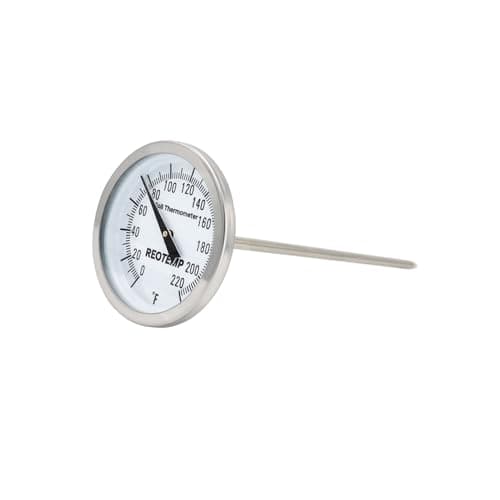
REOTEMP Waterproof Soil Thermometer
A 5 inch stem thermometer that tells you whether soil is still warm enough to germinate seed.
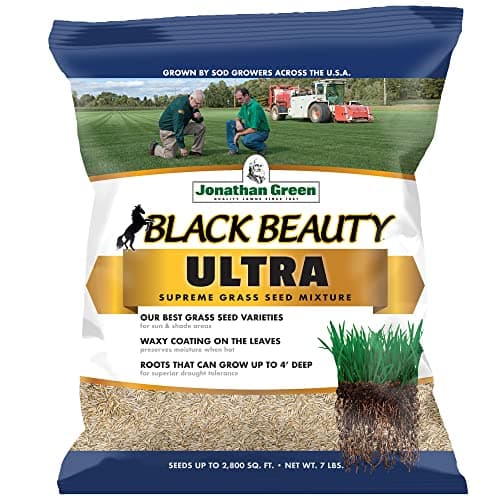
Jonathan Green Black Beauty Ultra Grass Seed
A cool-season blend for reseeding the areas the tug test proved dead.
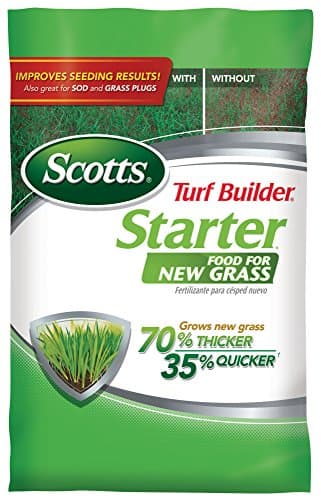
Scotts Turf Builder Starter Food for New Grass
A starter fertilizer that gets seedlings rooted before cold weather shuts the season down.
What other guides miss: the timeline patience trap
Here is the mistake I see most often, and almost no one warns about it. Homeowners run the tug test, get a firm hold, correctly conclude the grass is dormant, and then expect it to green up in a few days. When it does not, they panic, reseed over living grass, overwater, or dump on fertilizer, and they often cause the very damage they were afraid of.
Dormancy recovery is slow and it is tied to the calendar, not your impatience. Warm-season grass will not green up in February no matter how perfect your care is, because the soil is still cold. Cool-season grass coming out of summer dormancy needs the heat to actually break and the rain to return before it responds. The tug test tells you the plant is alive today. It does not tell you the plant will green up tomorrow. Those are two different questions, and conflating them is what leads to wasted money and accidental harm.
The other thing guides gloss over: the tug test alone can mislead in one specific case. Grub-damaged turf also pulls up easily, but the grass is not dead from drought or cold, it is dying because something ate the roots. So a failed tug test is not automatically a dormancy verdict in reverse, always glance at whether the roots are dried out (drought or cold death) or simply missing and chewed (pests), because the fix is completely different.
Your action plan
- Run the tug test in three or four spots. Firm hold means living crown and likely dormant. Easy pull means dead or pest-damaged, so check the roots next.
- Look at the crowns and roots. Plump crown with any white or pale green at the base means alive. Shriveled gray crown and brittle roots mean dead.
- Read the pattern. Broad even browning that follows the weather points to dormancy. Sharp edges, rings, spots, or stripes point to a specific cause.
- Identify your grass type. Warm-season brown in winter and cool-season brown in summer are both normal. If you are unsure, get a free photo diagnosis.
- Run the water-a-patch test during the active season. Give it one to three weeks of consistent deep watering and watch the base for new green. Use the Soil Temperature Tool to confirm conditions are warm or cool enough for your grass type to respond.
- Be patient and match the calendar. Dormancy breaks on the season's schedule, not yours. Do not reseed, fertilize, or overwater living dormant grass.
- Renovate only the confirmed dead spots. Fix the cause, then reseed or resod just the areas that failed every test.
Most of the brown lawns I get asked about are not dead. They are resting, waiting for the right conditions, and the homeowner just needed a way to be sure before doing something drastic. Run the tests, give it the season it needs, and lean on the free diagnosis when you want a confident answer fast.
Free Lawn Care Tools
The quickest test is the tug test. Grab a handful of brown blades and pull gently. If the grass resists and stays anchored, the crown and roots are alive and the grass is dormant. If it pulls out easily with brittle roots, it is likely dead. Also check the pattern: broad even browning that follows the weather is usually dormancy, while sharp-edged or ringed patches point to damage.
You often cannot tell by sight alone because dormant Bermuda is supposed to be tan all winter. Use the tug test and check the crowns at the soil line. A dormant Bermuda crown is firm and shows some white or pale green at the base, while a dead one is shriveled and gray. The clearest verdict comes in late spring, when healthy dormant Bermuda greens up and dead patches stay tan after the rest has recovered.
Not necessarily. Freshly laid sod commonly browns from transplant shock while it establishes roots, and it often looks rough before it recovers. Give it consistent deep watering for a couple of weeks and watch for new green at the base. If the sod stays brown, pulls up with no root attachment, and has shriveled crowns after fair watering during the growing season, then it has likely died.
Truly dead grass, meaning the crown and roots have dried out and died, will not regrow from what is there. Dormant grass that looks dead absolutely can and will recover once conditions improve. That is why the tests matter: dormant grass comes back on its own, but dead areas have to be renovated by raking out the dead material, fixing the cause, and reseeding or resodding.
Recovery commonly runs one to three weeks once the right conditions return and you water consistently, but it depends heavily on grass type, soil, and weather. Warm-season grass will not green up until soil warms in spring, and cool-season grass will not bounce back from summer dormancy until the heat breaks and rain returns. Dormancy follows the calendar, so patience matters more than extra effort.
For drought dormancy, deep and infrequent watering during the active growing season is the most effective approach. Avoid heavy foot traffic and do not fertilize a dormant lawn, which can stress it further. For seasonal cold or heat dormancy, the best action is usually patience while you wait for the season to turn. If you are unsure of the right timing, a free photo diagnosis can factor in your grass type, region, and season.
Mowing dormant grass is not harmful by itself, but the traffic that comes with it can be. Dormant crowns are more fragile than actively growing ones, so repeatedly running a mower across a drought-stressed or heat-stressed lawn can bruise those crowns and turn thin areas into genuinely dead ones. Dormant grass is barely growing, so it rarely needs cutting anyway. If you do mow, raise the deck, go when the lawn is dry rather than wilted, and keep the blade sharp so you are cutting the blades instead of tearing them. Skipping the mow while the lawn is brown and resting is usually the better call.
It depends on your grass type and your local climate far more than the calendar. Warm-season grasses like Bermuda and Zoysia break winter dormancy once soil warms consistently, which usually lands somewhere between March and May depending on how far north you are. Cool-season grasses like fescue and Kentucky bluegrass break summer dormancy when the heat finally breaks and rain returns, often in September or October. Because both are driven by soil temperature rather than a date, the same grass type can green up weeks apart in two regions that are not far from each other.

Your lawn plan, in your pocket all season
Grass ID, a season plan, soil-timed reminders, and a lawn journal that remembers what you did. Free on iPhone.
Related Articles
 Problem Solving
Weeds With Purple Flowers: Identify What's Blooming in Your Lawn
Aug 12, 2026•6 min read Problem Solving
How to Get Rid of Thistle in Your Lawn (Why It Keeps Coming Back)
Aug 12, 2026•6 min read Problem Solving
Broadleaf Plantain: How to Get Rid of This Stubborn Lawn Weed
Aug 12, 2026•6 min read

