
Is it dallisgrass or crabgrass?
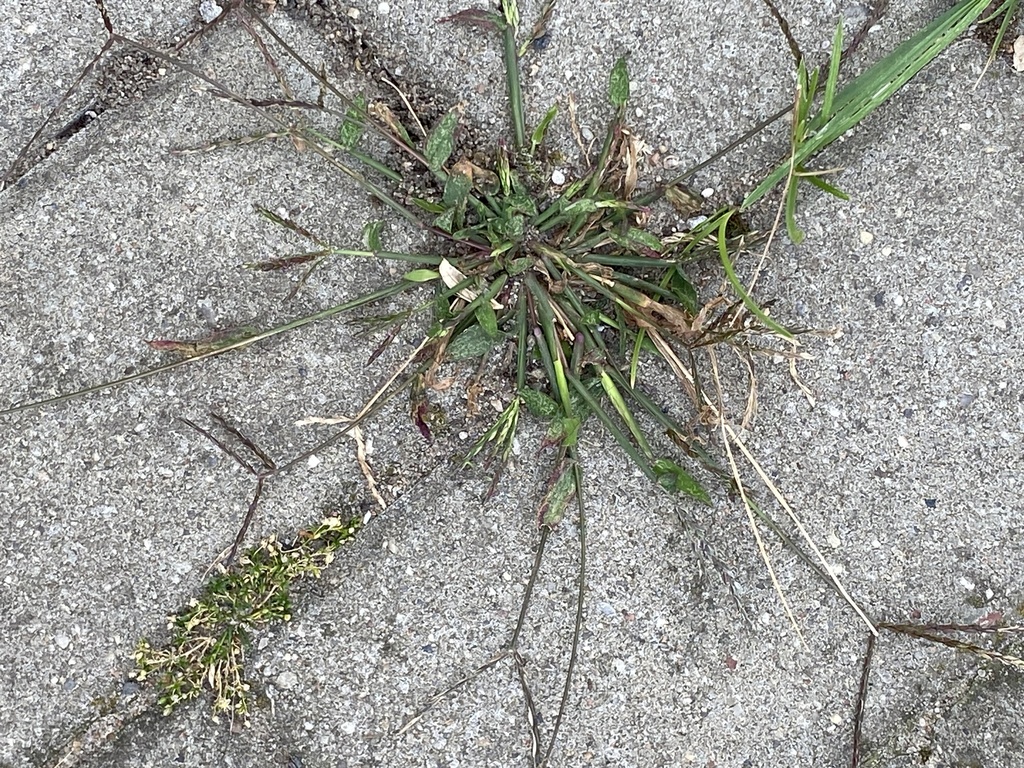
Did the clump come back from the exact same spot this spring? Crabgrass is a summer annual that dies at frost and restarts from seed, so a clump that greens up in place year after year is a perennial. Dallisgrass is the most common perennial suspect in a southern lawn.
Next, check the leaf. Peel one blade back from the stem and look at the ligule, the small flap where the blade meets the stem. Texas A&M describes dallisgrass as having a long membranous ligule and a prominent midrib, two features that separate it from crabgrass. Still unsure? Dig one clump. UC IPM notes that dallisgrass rhizomes have short internodes that look like concentric rings, which crabgrass does not have.
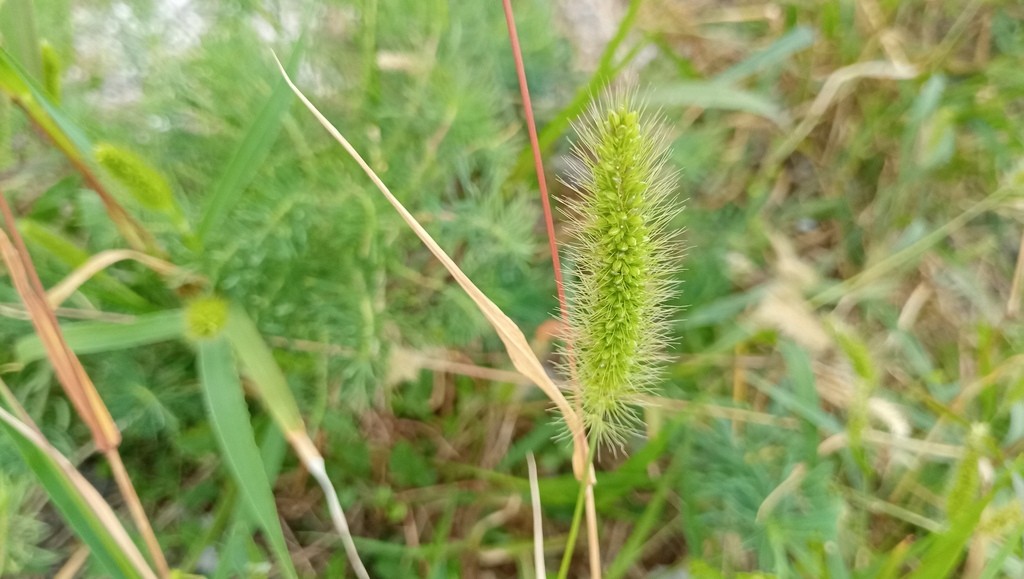
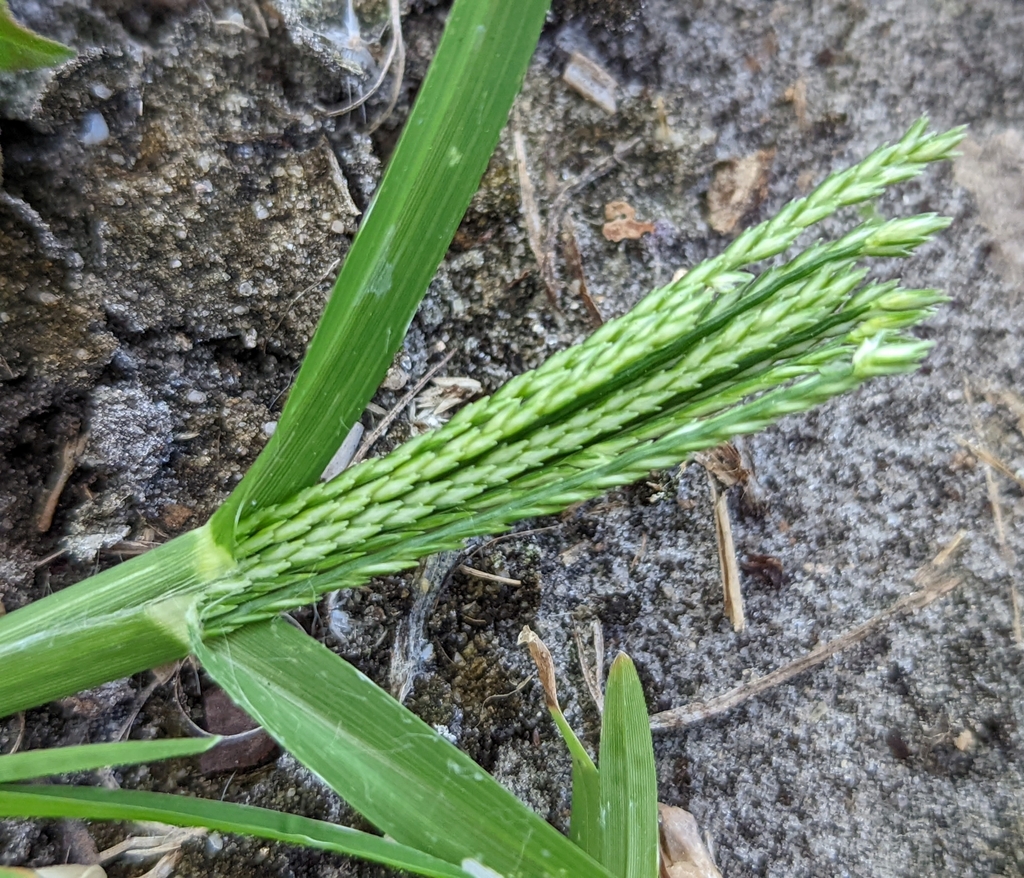
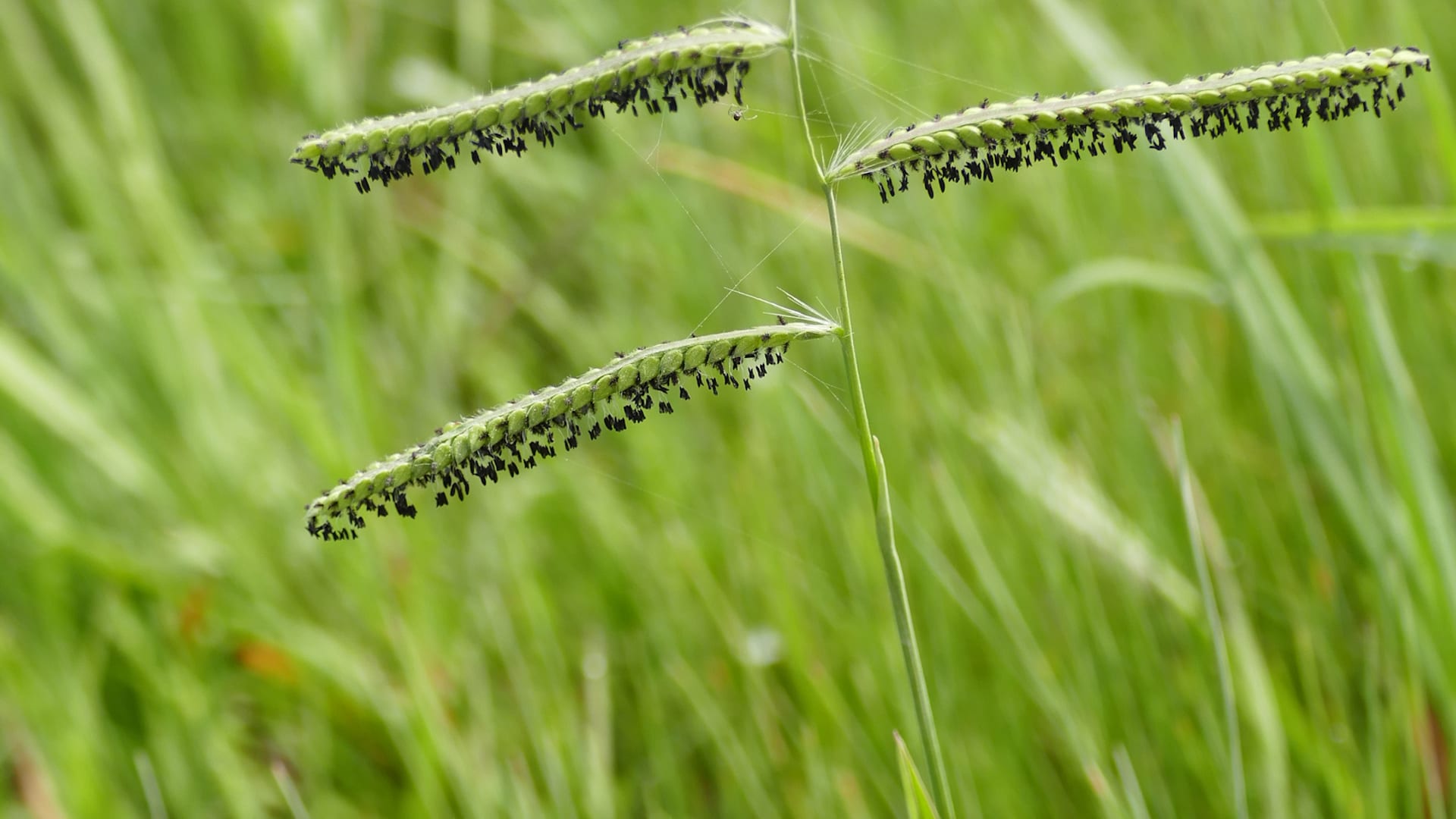
Seed heads settle it from late May through October, per Texas A&M. Dallisgrass raises a tall stalk with several drooping branches spaced up the stem, while crabgrass splays its fingers from one point. If you still have both suspects, the dallisgrass vs crabgrass comparison walks through the differences side by side.
Why does my weed killer barely touch it?
The answer is underground. Texas A&M explains that dallisgrass grows short rhizomes that widen the plant and store carbohydrates, and those reserves make it hard to control even with systemic herbicides. Pre-emergent herbicides will not control existing perennial plants, per the same publication, so a crabgrass preventer only blocks new seedlings.
The product that used to handle it is gone from home lawns. Texas A&M notes that as of November 2015, EPA restrictions forbid applying MSMA on residential, commercial, or athletic field properties, and University of Maryland Extension confirms that MSMA and DSMA products are no longer labeled for home turf. Most of what remains is labeled only for suppression, which Texas A&M defines as significant activity without commercially acceptable control.
Where is the clump growing? UC IPM says dallisgrass thrives in drainage ditches, low spots, and heavily irrigated turf, and UMD notes it adapts to poor drainage. If your clumps cluster in the wettest part of the yard, correcting the drainage or watering is part of the fix.
What works on dallisgrass in your type of lawn?
Timing matters as much as the product. Texas A&M recommends at least three applications: the first in fall, no earlier than September, once the average 24-hour air temperature stays below 72°F for three days in a row; a second 4 to 6 weeks later when the clumps regrow; and a third at spring regrowth in mid to late April. Fall applications while the plant is still actively growing beat late spring or summer ones.
- Bermudagrass or zoysiagrass: Texas A&M reports that three sequential applications of Tribute Total (thiencarbazone, foramsulfuron, and halosulfuron) gave 60 to 80 percent control for 9 months, and that Revolver (foramsulfuron) is labeled for suppression. Both are labeled for warm-season turf only.
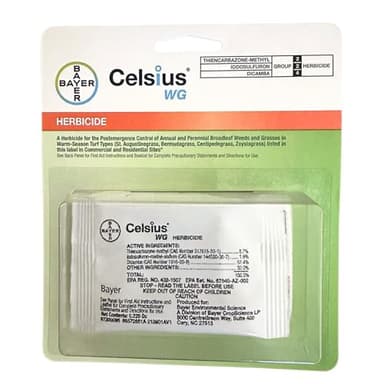
- St. Augustinegrass or centipedegrass: Celsius applied alone as a spot treatment is the only selective option Texas A&M lists, and it suppresses rather than controls. Clemson HGIC also lists dallisgrass among the weeds Celsius controls in warm-season lawns.
- Tall fescue: the warm-season products above will severely injure it. Texas A&M found a single fall application of fluazifop gave greater than 80 percent control for 12 months, and notes that Fusilade II is not for home lawns while Ornamec may be applied to them.
Do the sources agree on fescue? Not entirely. UC IPM names Fusilade II as the cool-season option, while Texas A&M restricts that brand to registered applicators in residential areas. The label on the product in your hand settles it, so check that it lists home lawns and your grass.
For a handful of clumps, the direct route is mechanical. Texas A&M advises using a shovel to remove the entire clump and its rhizomes, backfilling with topsoil, and seeding or plugging the hole. A careful glyphosate spot treatment is the other option, but it kills any turf it touches, so plan to reseed those spots too.
How to identify dallisgrass
- Coarse, light or yellow-green clumps that stand above the mown lawn within a few days of cutting
- Clumps that widen outward each year, with older ones sometimes dying out in the center to leave a ring
- Leaf blades about 1/4 to 1/2 inch wide with a prominent midrib
- A long, pointed, membranous ligule where the blade meets the stem, with a few long hairs near the leaf base
- Tall seed stalks from late May through October carrying several drooping branches lined with flat, egg-shaped seeds
- Short rhizomes with closely spaced joints that look like concentric rings when you dig one up
Don't confuse it: Crabgrass is the usual mix-up. It is a summer annual that sprawls flat from one crown and dies at frost, and its seed head splays like fingers from a single point. Dallisgrass returns from the same clump every spring, has a long membranous ligule and a prominent midrib, and grows short rhizomes that crabgrass does not have.
Not sure this is dallisgrass? Snap a photo and our AI will identify the weed with treatments matched to your grass type.
When to treat dallisgrass
Treatment (post-emergent)
Best time: Fall while the clumps are still actively growing, with a follow-up when they regrow
Target stage: Actively growing clumps; first application not before September, once average daily air temperature drops below 72°F for three days (Texas A&M)
Conditions: Apply when foliage is dry · No rain for 24 hours · Clumps actively growing, not drought stressed
Germination starts around 60°F soil temperature (optimal 65°F). Track your ZIP's live soil temperature or get an exact plan from the herbicide timing calculator.
How to control dallisgrass
- 1Dig out small clumps with a shovel, taking the whole crown and the short rhizomes, then backfill and reseed or plug the hole
- 2In bermudagrass or zoysiagrass, warm-season sulfonylurea products such as foramsulfuron or Tribute Total need at least three sequential applications: two in fall and one in spring
- 3In St. Augustinegrass and centipedegrass, Celsius applied alone as a spot treatment is the only selective option, and it suppresses rather than controls
- 4The warm-season sulfonylureas severely injure tall fescue and other cool-season grasses; in tall fescue, fluazifop sold for home lawns as Ornamec is the labeled route
- 5For a few clumps, a careful glyphosate spot treatment followed by reseeding is the most direct fix, but it kills any turf it touches
- 6Fix drainage and overwatering, then keep the turf dense so new seedlings have no open, wet soil
Good to know
- • Warm-season perennial grass that grows in coarse clumps and widens each year on short rhizomes
- • Long membranous ligule and a prominent midrib on light green leaves set it apart from crabgrass
- • Seed heads appear from late May through October as several drooping racemes with spikelets in rows
- • Thrives in wet spots, low areas, and heavily irrigated turf
- • MSMA, the old standard, is no longer allowed on residential lawns, and most remaining selective products are labeled only for suppression
Weed control quotes
Get matched with local weed control pros on Angi. Free quotes, no obligation.
Angi is a partner; we may earn a commission if you request quotes there.
Products that work on dallisgrass
These picks are not filtered to your lawn. Some herbicides damage certain grasses (atrazine is for warm-season lawns; Trimec harms St. Augustine). Verify your grass type on the product label before applying, or use the herbicide timing calculator for grass-filtered recommendations.
Recommended Products
- 1Check price
 Top pick
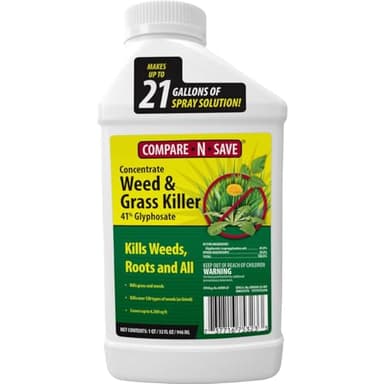
Compare-N-Save Concentrate Glyphosate Grass & Weed Killer, 32 oz
Glyphosate concentrate for spot-spraying weedy grass clumps. It kills any grass it touches, lawn included, and leaves no meaningful soil residual, so the spot can be reseeded soon after. For a few established clumps, a careful spot spray is the direct route. Glyphosate kills any turf it touches, so reseed or plug the spots once the label allows.
As an Amazon Associate we earn from qualifying purchases.
Where dallisgrass shows up
Most common in these regions: