Chamberbitter in a Lawn: How to Identify It and What to Do Next

As an Amazon Associate we earn from qualifying purchases.
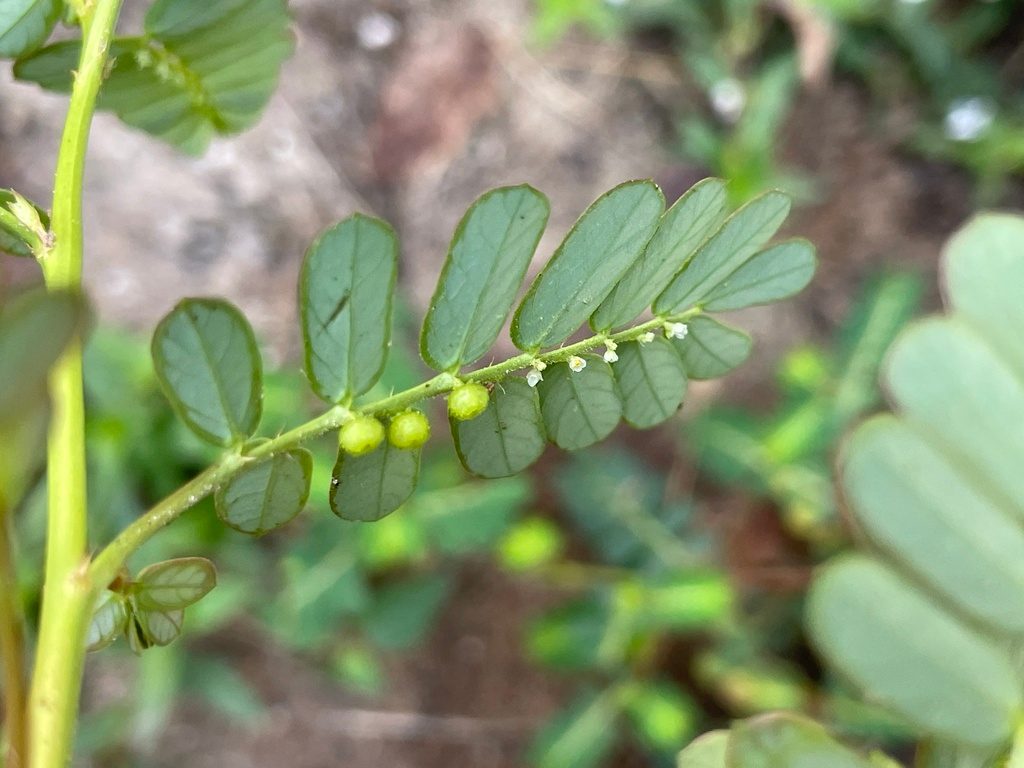
Are there tiny round seedpods under a branch that looks almost like a compound leaf? Did the plant appear during warm weather and stay low in turf? Those clues point toward chamberbitter.
Fast Answer: Chamberbitter is a summer annual broadleaf weed. University of Georgia Extension describes unique seedpods along the undersides of its leaves and says it germinates in warm conditions. Check the underside of a branch before you pull or treat it.
What feature confirms chamberbitter?
Turn one branch over. Are small round seedpods attached beneath the leaf-like rows? UGA Extension identifies that placement as a distinctive chamberbitter clue. Each pod can contain seeds, so finding the plant early matters.
Next check the calendar and site. Chamberbitter is a summer annual that germinates with warm soil temperatures and dies after frost. In lawns it can survive repeated low mowing by growing close to the turf.
Do the branchlets look like a row of leaflets? Chamberbitter is sometimes called little mimosa because of that look. Do not use the nickname as an identification test. Check the underside for seedpods.
Why is it in this lawn?
Is the grass thin, stressed, or mowed too low? UGA Extension recommends proper mowing, fertilizer based on a soil-test report, watering, and control of disease and insects to keep turf competitive. Those steps do not erase an existing seed bank, but they reduce openings for annual weeds.
Does the patch sit beside a bed or bare edge? Chamberbitter also grows in ornamentals, so seeds can move between nearby open soil and lawn edges. Pulling early can limit new seed before the plant establishes.
What can you do now?
For a few young plants, pull them before seed development and remove the plants from the lawn. UGA Extension notes that new seedlings have not fully established their roots and are easier to pull early.
For a broad infestation, identify the turfgrass before selecting a product. Use only a current label that lists the target weed, lawn site, and grass species. Do not apply an old schedule or a product recommendation from another region to a different turf type.
Use the lawn care schedule to plan routine mowing and care after you enter your grass type and location. It cannot replace a label or local Extension guidance.
Illustrative example: seedpods under a low branch
A homeowner sees a low plant in a warm-season lawn during late summer. A branch has rows of leaves, and small seedpods sit underneath. That evidence supports chamberbitter.
The homeowner pulls the small patch before more pods form, then checks mowing height and turf density around the bare edge. If the weed returns across a large area, the next step is a local Extension office and a current label matched to the grass.
Chamberbitter checklist
- Turn over a branch and look for seedpods below the leaves.
- Confirm it appeared in warm weather.
- Pull small plants before seed develops.
- Repair thin turf with a grass-appropriate care plan.
- Use only a current label that lists the target and turf.
Source: University of Georgia Extension, Summer Weeds in Your Garden: Chamberbitter.
Free Lawn Care Tools
Look beneath a branch for small seedpods along the undersides of leaf-like rows. This is the most useful field clue.
It is a summer annual that germinates in warm conditions and dies after frost, according to University of Georgia Extension.
Yes. Pull young plants early, before they develop seedpods. Young plants are easier to remove.

Your lawn plan, in your pocket all season
Grass ID, a season plan, soil-timed reminders, and a lawn journal that remembers what you did. Free on iPhone.