Black Medic in a Lawn: How to Identify It and What to Check First

As an Amazon Associate we earn from qualifying purchases.
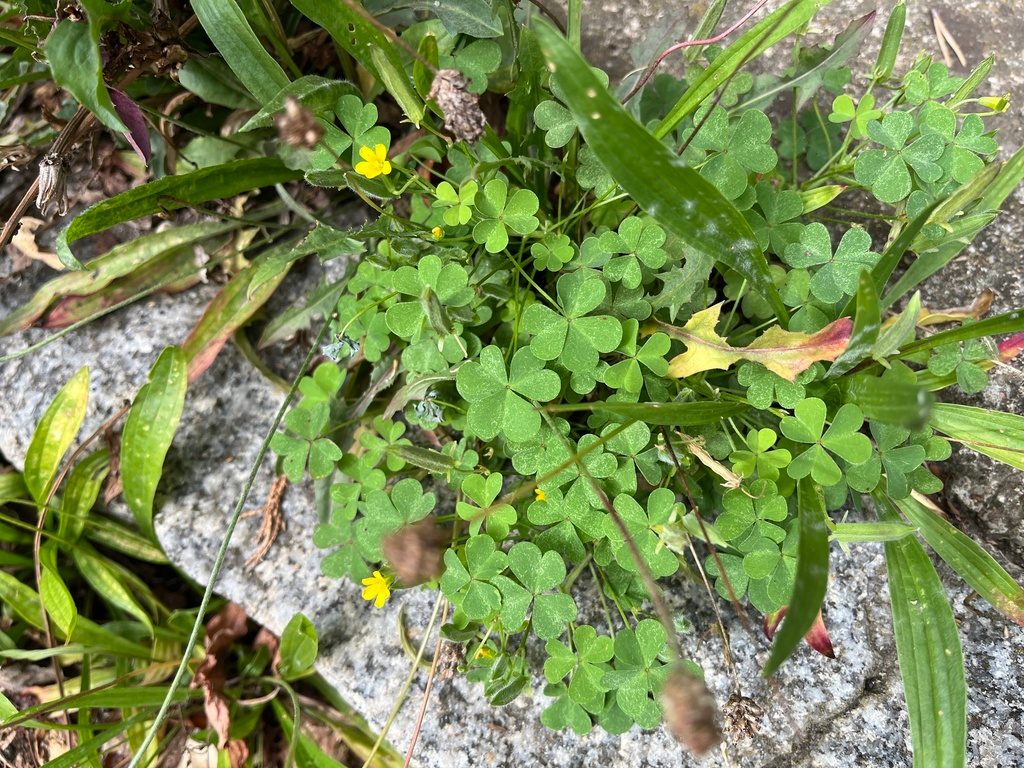
Do you see clover-like leaves with tiny yellow flower clusters? Are stems lying close to the soil and later forming dark pods? That pattern can point to black medic, but woodsorrel and clover can look similar until you inspect the flowers.
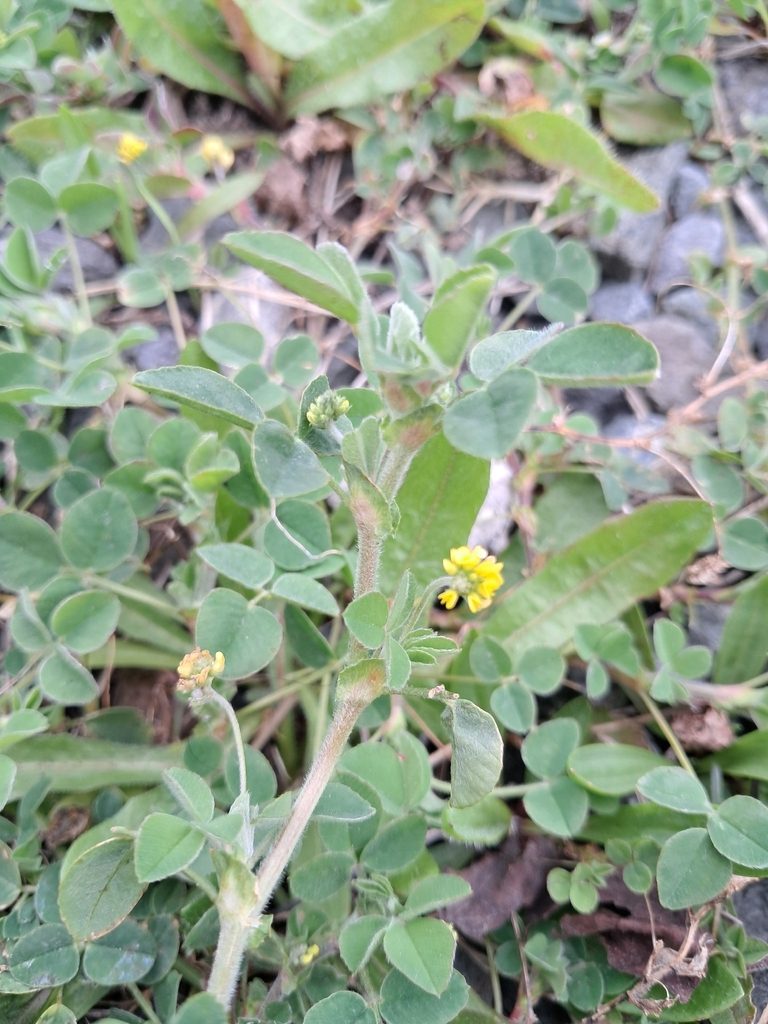
Fast Answer: Black medic is a summer annual legume with three leaflets, round clusters of yellow flowers, and dark seedpods. University of Maryland Extension says it is often mistaken for wood sorrel. Check the flower cluster and later seedpod before you choose control.
Is it black medic or a lookalike?
First check the flower. Black medic makes many small yellow flowers in a rounded cluster. Yellow woodsorrel also has yellow flowers, but its flowers have five distinct petals rather than a tight cluster.
Next check the leaflets. Black medic has three leaflets, which can resemble clover. University of Maryland Extension notes toothed stipules at the leaf-stalk base. That detail is small, so use it as a supporting clue rather than the first test.
Then look for mature pods. Black medic produces black seedpods on prostrate, dark brown to black stems. If the flowers and pods fit, the identification becomes much stronger.
What conditions should you inspect?
Is the patch in thin grass or compacted ground? The plant can use open space where turf is not competing well. Maryland Extension recommends maintaining healthy, dense turf to reduce establishment. That is the condition to improve after you remove or spot-treat the weed.
Do not guess at fertilizer from one weed. A soil test can show whether pH or nutrients need correction. If the grass has poor light, poor drainage, or a worn path, those conditions also need their own fix.
How should you manage a small patch?
Young plants pull more easily from moist soil. Maryland Extension lists hand pulling or an appropriate weeding tool as the primary mechanical method for early, small infestations. Pull before dark pods develop, then check the area again.
Does the lawn need a chemical option? Measure the patch first. Use a selective postemergence product only if its current label lists the target, site, and turfgrass. Maryland Extension lists several active ingredients for black medic, but the product label controls which turf species, rates, and conditions apply.
For a competing-turf plan, compare the surrounding grass with the grass identification guide before you buy anything.
Illustrative example: yellow dots in a dry strip
A homeowner notices yellow flower clusters in a narrow strip beside the driveway. The leaves have three leaflets, and black pods form after the flowers. Those clues support black medic.
The homeowner pulls the young plants after rain, then checks whether the grass in the strip is thinning from heat, traffic, or poor soil. The weed has a name. The next job is to help the turf cover the opening.
Black medic checklist
- Look for a tight cluster of tiny yellow flowers.
- Confirm three leaflets and low, spreading stems.
- Look for black seedpods as the plant matures.
- Pull early patches when soil is moist.
- Use a soil test and turf care plan to improve competition.
Free Lawn Care Tools
No. Black medic can resemble clover because both have three leaflets, but black medic has small yellow flower clusters and dark seedpods.
Black medic has many tiny yellow flowers in a cluster. Yellow woodsorrel has five-petaled yellow flowers and heart-shaped leaflets.
Hand pulling is suitable for young plants and small infestations. Pull when soil is moist and remove the root.

Your lawn plan, in your pocket all season
Grass ID, a season plan, soil-timed reminders, and a lawn journal that remembers what you did. Free on iPhone.