Cogongrass Identification: What to Check and Who to Contact

Is a coarse patch spreading along your lawn edge? Cogongrass is worth checking when flat leaves have a pale, off-center midrib and the patch produces fluffy white seed heads. Photograph the plants where they grow, keep equipment out of the patch, and ask a local specialist to confirm the identification.
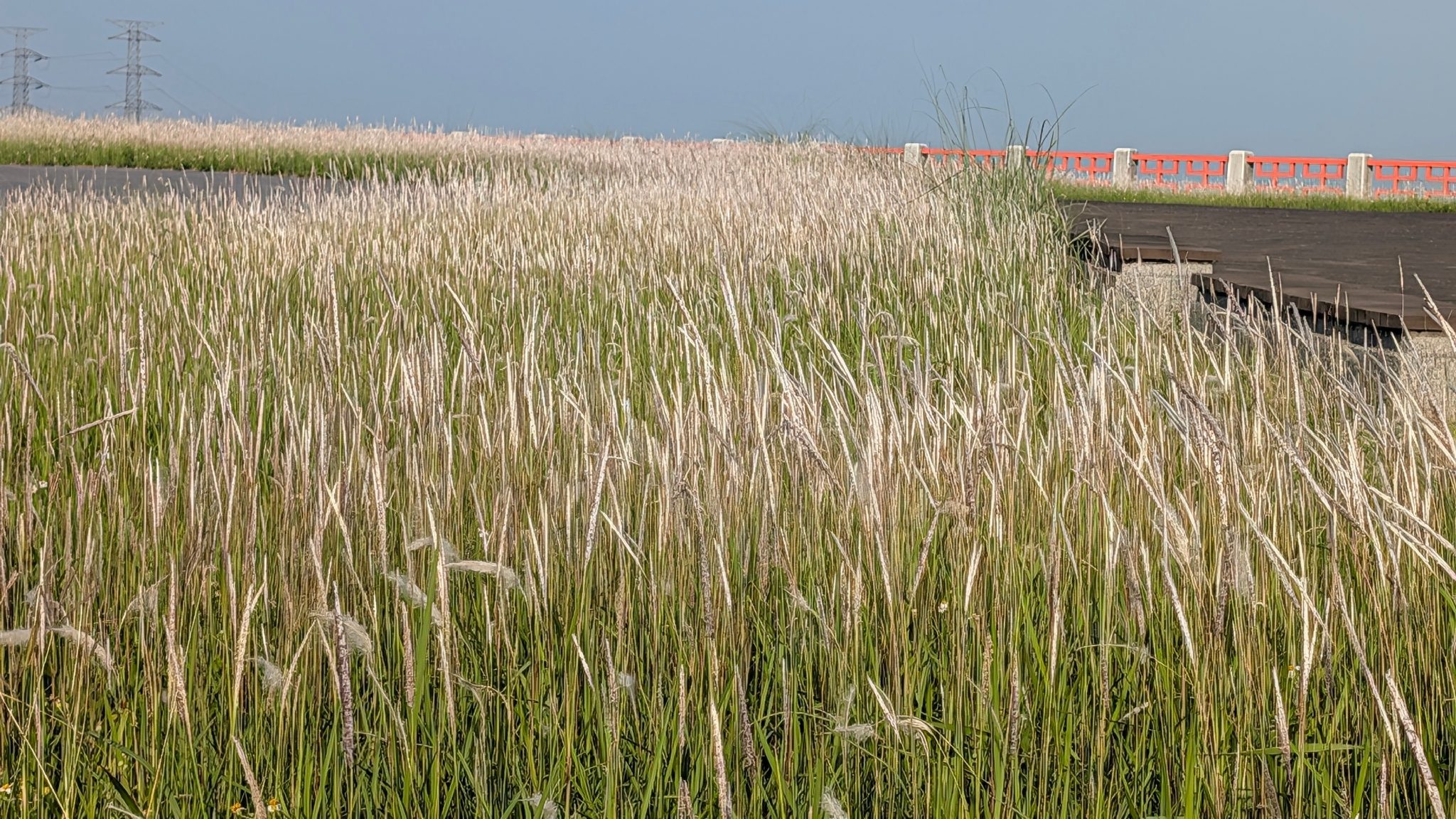
Cogongrass (Imperata cylindrica) is an invasive perennial grass. UF/IFAS describes serrated leaf edges, a prominent white midrib away from the blade's center, and white, fluffy seed heads. Several clues must agree; one white stripe cannot confirm the species.
If you suspect cogongrass, pause mowing and soil work through or near the patch. Georgia Forestry Commission warns that equipment can move its seeds or underground stem fragments. Send photographs and the location to your local Extension office or state forestry agency before choosing a treatment.
Which features point to cogongrass?
Can you see the blade's main vein in a close photograph? Look for a pale line running lengthwise, offset from the center. Does the patch have a roughly circular outline? UF/IFAS describes that pattern, though a patch's shape alone cannot identify it. Its cogongrass identification photographs show the leaf and flower details.
| What to photograph | Clue described by UF/IFAS | How to use the observation |
|---|---|---|
| A leaf blade, in focus | Flat blade with serrated edges and a prominent, off-center white midrib | Record whether the midrib is offset. Avoid running a finger along the sharp edge. |
| The patch from outside its edge | Yellow-green foliage, often in a circular patch | Show the surrounding lawn and the boundary. Record shape as supporting evidence. |
| A seed head, if present | A fluffy, white, plume-like head | Photograph it in place. Record an absent head as unavailable evidence. |
Are there no seed heads today? That leaves the identification open. UF/IFAS says flowering typically occurs in spring or after disturbance. Mowing the patch to provoke flowers would add a spread risk.
What if another grass seems to fit? Mississippi State lists johnsongrass, pampas grass and silver beardgrass as cogongrass lookalikes. Compare the complete plant with its photographs and ask for confirmation if details remain unclear. A fluffy head or pale midrib alone leaves those alternatives unresolved.
How do you document it without spreading it?
Start at a safe, accessible edge. Use your camera's zoom rather than stepping through the plants. Follow this photo-and-location procedure before contacting the identifying office:
- Record the date, county and state. Save a map pin or a description that lets someone find the patch.
- Take a wide photograph showing the entire patch and a fixed landmark. Note whether it borders a lawn, road, garden or recently disturbed ground.
- Photograph a leaf's main vein and any seed heads without cutting or removing them. If a detail is out of reach, record it as unknown.
- Write down recent mowing, digging, imported soil or equipment use that you know occurred. Separate those observations from guesses about where the grass came from.
- Send the photographs and notes to Extension or the relevant state agency. Ask how they want to confirm it before collecting or transporting a sample.
This is a way to prepare an identification request. It cannot establish the species from a checklist total. Mississippi State advises avoiding soil disturbance and movement of contaminated soil; it also warns that shoes, clothing and equipment can carry seeds or dislodged rhizomes, the underground stems.
If you already crossed the patch, tell the identifying office and ask how to clean equipment without redistributing material. Keep further traffic out while you obtain advice.
Who should confirm the identification?
In Georgia, contact your local Georgia Forestry Commission office. Its guidance specifically asks people to report suspected cogongrass and avoid mowing or disking through or near a suspected spot.
In Mississippi, the linked Mississippi State publication directs reports to the Mississippi Forestry Commission area forester for the county. In Alabama, the Alabama Forestry Commission recommends a county forester, Extension agent or natural-resources specialist for uncertain identification. Elsewhere, start with your county Extension office or state plant-health agency and ask which office handles suspected cogongrass.
Ask the local specialist to confirm the plant, explain any reporting or sample-handling requirements, and recommend a site-appropriate management plan. UF/IFAS WG202 addresses Florida grazing lands. Its herbicide and burning instructions do not establish a treatment plan for your residential lawn.
Why should treatment wait for confirmation?
Cogongrass spreads through seeds and underground stems, so work that moves either can create another patch. Mississippi State warns that burning can stimulate its growth and spread. Leave burning, excavation and herbicide selection out of your first response while the identification is uncertain.
Have you already sprayed or mowed it? Include the product name, application date or mowing date in your notes. A specialist needs that history when interpreting the remaining growth. Do not assume brown foliage means the underground stems have died.
A photo grass ID can help you organize an uncertain grass question, but local confirmation should settle a suspected invasive plant. Once an expert clears the site for lawn repair, a personalized care plan can help organize routine turf maintenance. Cogongrass management and reporting require the local specialist's guidance.
What can a red ornamental plant tell you?
Does the grass grow beside an ornamental planting labeled Japanese bloodgrass? Photograph the label and the surrounding plants. Clemson Extension explains that Japanese bloodgrass 'Red Baron' is a form of cogongrass that can revert to an aggressive green form. Red foliage therefore cannot settle the question; ask your local office to assess the planting. Clemson's Japanese bloodgrass guidance describes South Carolina conditions and reporting.
Your cogongrass diagnosis checklist
- Record the patch location and photograph the whole plant, leaf vein and any seed heads.
- Leave uncertain traits marked unknown. Keep plants and soil in place while you request instructions.
- Pause mowing and soil work through or near the suspect patch. Arrange local confirmation before treatment.
For other lawn weeds, use the lawn weed directory to compare the plant's visible features. Keep the cogongrass precautions in place until the identifying office resolves the suspicion.
Display crops vary by screen.
Free Lawn Care Tools
Look for flat leaves with serrated edges, a prominent off-center white midrib, and fluffy white seed heads when present. UF/IFAS describes these clues together. Photograph the plant and ask Extension or your state forestry agency to confirm it.
Pause mowing through or near the suspect patch. Georgia Forestry Commission warns that this can move seeds or underground stem fragments. Contact the identifying office for instructions.
Seed heads can be absent when you inspect a patch. UF/IFAS says flowering typically occurs in spring or after disturbance. Photograph the leaves and patch, and leave the identification open until a specialist checks it.
Begin with photographs taken in place. Mississippi State advises avoiding soil disturbance and contaminated-soil movement. Ask the identifying office how it wants to confirm the plant before collecting or transporting a sample.
Yes. Clemson Extension describes Japanese bloodgrass 'Red Baron' as a form of cogongrass that can revert to an aggressive green form. Photograph any plant label and ask your local office to assess a suspect planting.
Sources (5)
Photos: Chen Jia Hong / iNaturalist · CC BY 4.0

Beat weeds and brown spots from your phone
Snap a photo, get the fix, and follow a plan timed to your soil and weather. Free on iPhone.