

How to Get Rid of Onion Grass in Your Lawn

As an Amazon Associate we earn from qualifying purchases.
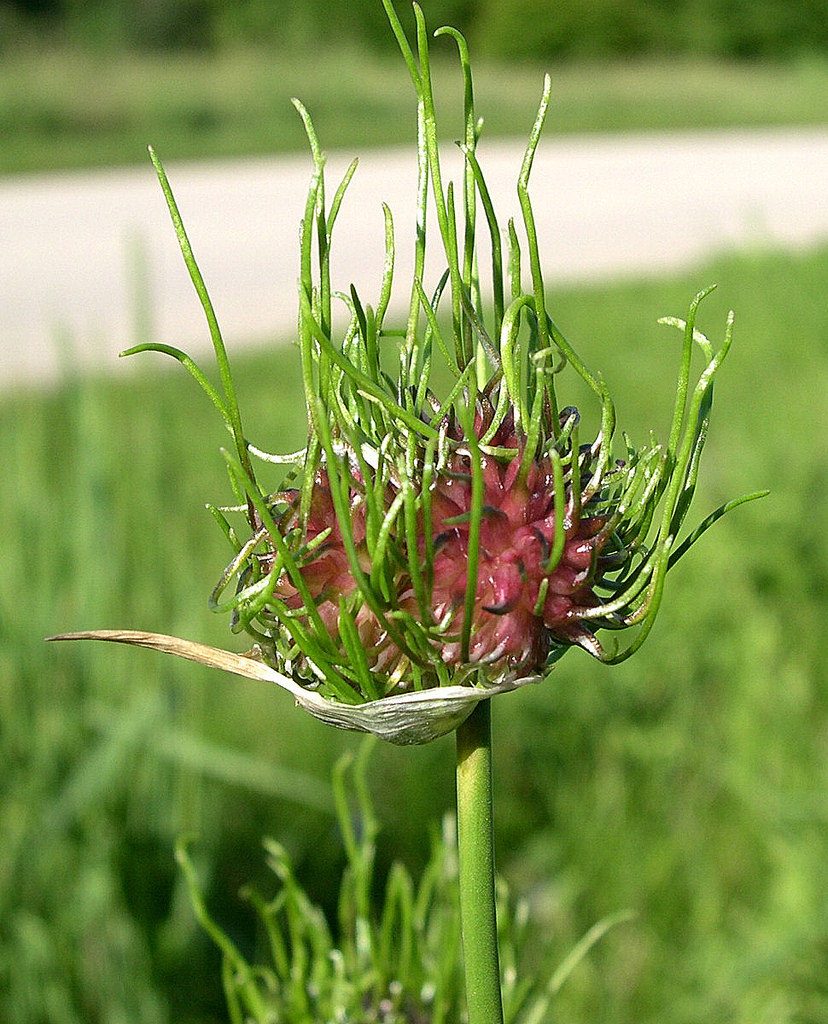
Is a clump of tall, onion-smelling leaves showing up in your lawn each fall or winter? Start with the leaf, then the bulb. People call both wild garlic and wild onion “onion grass,” but the two plants leave different clues and your grass type decides what treatment is safe.
Fast Answer: Onion grass in a lawn is usually wild garlic or wild onion. Crush one leaf for the familiar odor, then check its shape. University of Maryland Extension identifies wild garlic as round and hollow-leaved, while wild onion has flat, solid leaves. Both are perennial bulb plants, so mowing alone usually leaves the source in the soil.
For a few young plants, pull carefully when soil is loose and remove as much of the bulb as possible. For a wider patch, identify your turfgrass and use only a selective postemergence product whose label lists both your weed and turf. Read the label for rate, timing, temperature, repeat-treatment limits, and nearby-tree precautions. If the leaves or turf do not fit these checks, get a free photo diagnosis before applying anything.
Is it wild garlic or wild onion?
First check the leaf. Roll one leaf between your fingers. Does it feel round and tube-like? Can you see a hollow center when you cut it across? That points to wild garlic, Allium vineale. Is the leaf flat, narrow, and solid instead? That points to wild onion, Allium canadense, according to University of Maryland Extension.
Both plants can stand above a mowed lawn because their leaves grow taller than much of the surrounding turf. Mississippi State University Extension says that wild garlic and wild onion are hard to separate from a distance and both release an alliaceous odor when crushed. The odor supports the diagnosis, but leaf shape gives you the more useful split.
When did the patch first appear? Wild garlic and wild onion are cool-season perennials that emerge from underground bulbs. Mississippi State Extension describes them as sprouting each fall. A tall, scattered green patch in winter can fit that pattern, especially where warm-season turf is dormant. A green patch by itself does not confirm either plant, though. Ryegrass, sedges, and other narrow-leaved weeds can also stand out in a lawn.
Use this short rule-out list before treatment:
- Wild garlic: treat it as consistent with wild garlic when the leaf is round and hollow, with a garlic-like smell when crushed.
- Wild onion: treat it as consistent with wild onion when the leaf is flat and solid, with an onion-like or garlic-like smell when crushed.
- Sedge: treat it as a sedge possibility when the stem feels triangular rather than leaf-like and the plant has no Allium odor.
- Grass or grassy weed: rule both target Allium weeds out when crushed leaves do not have the characteristic odor or the plant lacks a bulb. Use a photo diagnosis or extension identification to name the remaining plant.
What does the base tell you? Dig beside one plant with a hand trowel, rather than pulling the leaves straight up. A bulb below the soil supports an Allium diagnosis. If the plant has no bulb or the leaf test does not fit, pause there. Send a clear photo of the full plant and its base to the grass diagnosis tool, or ask your county extension office to confirm it.
Why onion grass shows up where it does
Does the lawn look thin around the clumps, or does the turf fill in well during its growing season? That distinction matters. University of Maryland Extension lists mowing too short and inadequate lawn fertilization among conditions that favor wild garlic or wild onion growth. It also recommends healthy, dense turf as the long-term way to reduce weed establishment.
Mississippi State Extension gives a broader diagnosis. Shade, soil properties, internal drainage, traffic, insects, disease, and herbicide injury can limit turf health. A weak stand gives a bulb weed room to persist. The weed may be the visible symptom, while the turf condition is the reason the patch keeps returning.
Check the site before you choose a fix. Is the patch under a tree? Is the lawn compacted where people or equipment cross it? Does water collect there after rain? Did the grass thin after a summer disease problem or a treatment injury? Each answer changes the cultural repair. If you want to remove the visible plants, the lawn also needs enough density to compete when the desired grass is actively growing. Penn State notes that some readers may tolerate the short-lived visual issue as foliage recedes with mowing and seasonal senescence.
Do not assume fertilizer alone will solve the issue. Nutrient needs depend on grass species, season, soil results, and local recommendations. If you already have a soil-test report, use the result and your turf’s seasonal plan. A personalized 12-month care plan can organize lawn-care timing by your ZIP code and grass type after you identify the weed and correct the site condition. If you need to interpret a report, the soil test analyzer can help you organize the numbers before you make a nutrient decision.
- Maintain dense, healthy turf that fits the site. University of Maryland Extension identifies dense turf as a way to compete with wild garlic and wild onion.
- Dig young plants when the patch is small, but expect bulbs to make complete removal difficult in established infestations.
- Use a selective postemergence herbicide only when its current label lists your turf species and allows the intended use.
- Ask your local extension office about products, timing, and turf safety for your state, grass species, and temperature conditions.
What other guides misdiagnose
The smell is a strong clue, but it does not answer every treatment question. Wild garlic and wild onion are closely related, and many lawn recommendations group them together. That can be reasonable for the first diagnosis step. It becomes risky when a reader jumps from “onion grass” to a product without checking the lawn species and the current label.
Why does the turf type matter? Mississippi State Extension reports different safety results across bermudagrass, zoysiagrass, centipedegrass, St. Augustinegrass, carpetgrass, seashore paspalum, perennial ryegrass, and tall fescue. It specifically warns that carpetgrass, centipedegrass, seashore paspalum, and St. Augustinegrass can be more susceptible to herbicide injury than bermuda and zoysia. A product that is acceptable on one lawn can injure another.
Does a bottle list a familiar active ingredient? That is only the first check. University of Maryland Extension names 2,4-D, MCPP or mecoprop, dicamba, and triclopyr among active ingredients found in selective postemergence broadleaf products used for wild garlic or wild onion. Mississippi State Extension describes several herbicide groups and combinations that may provide different levels of control. Those sources do not replace the label for the exact product in your hand.
Read four parts of that label before you mix or spray:
- Does the label list your turfgrass species?
- Does it list wild garlic, wild onion, or the Allium weed you identified?
- What rate, timing, interval, and application method does it require?
- What precautions apply to temperature, stressed turf, trees, shrubs, water, and reseeding?
Do you have trees or shrubs close to the patch? University of Maryland Extension warns against spraying dicamba-containing herbicides over their root zones because roots may absorb the product and damage plants. Treating only the weed patch helps reduce unnecessary exposure, but it does not remove the need to follow every label restriction.
Temperature is another clue that changes the plan. Mississippi State Extension says days below 55 degrees Fahrenheit may delay weed control, while days above 85 degrees can increase injury risk, especially on sensitive turf. It notes that many labels encourage applications between 55 and 80 degrees. Use those figures as a reason to check your label and local conditions, not as a universal application instruction.
Pulling, mowing, and selective treatment
Is the infestation a handful of new plants, or are there clumps across several areas? For a few young plants, mechanical removal can be reasonable. University of Maryland Extension calls hand pulling or an appropriate weeding tool the primary mechanical option for a beginning infestation and young weeds. Dig next to the clump with a hand trowel and lift the bulb area instead of tearing off leaves.
Will pulling remove every bulb? Often it will not. Mississippi State Extension says hand pulling is only moderately effective unless you excavate with a hand trowel, because it is difficult to remove all underground bulbs. Treat a missed bulb as a reason to inspect again later, rather than proof that the first effort failed.
Can mowing solve it? Mowing can keep the leaves shorter, but it has limited control value. Mississippi State Extension says most populations reproduce mainly by bulb formation and are adapted to low mowing height. Keep mowing at the proper height for your grass, but do not lower the deck to chase this weed. Short mowing can weaken the turf that needs to compete with it.
For a larger, confirmed patch, a selective postemergence treatment may be appropriate when the product label allows it. University of Maryland Extension advises spot treatment while weeds are actively growing. Mississippi State Extension says herbicide-only control rarely gives long-term control without cultural management. The treatment can reduce the present plants. Turf density and site correction reduce the opening for the next ones.
Working a case: tall green clumps in a dormant bermudagrass lawn
Consider a hypothetical lawn in late winter. The homeowner sees scattered green clumps rising above dormant bermudagrass. The leaves smell strongly of garlic when crushed. One cut leaf is round and hollow, and a careful dig shows a bulb beneath the soil.
What does the first check show? The round, hollow leaf is consistent with wild garlic. What does the second check show? The bulb supports an Allium weed rather than a grass-like lookalike. The diagnosis is still conditional on the sample, but the clues fit wild garlic more closely than wild onion.
What comes next? The homeowner checks whether the clumps sit in thin turf, a shaded edge, or a site with poor drainage. They also identify the desired turf as bermudagrass. Only after those checks do they compare local extension guidance with labels for products that list bermudagrass and the target weed.
The homeowner does not copy a rate from an online example. The label provides the legal rate, application interval, temperature limits, and site restrictions for that product. If the label does not clearly list the lawn grass or the weed, that product leaves the case unresolved. A county extension office can help narrow the local options.
Your onion grass diagnosis checklist
- Crush one leaf. Confirm that it has an onion or garlic odor.
- Check the leaf shape. Round and hollow points to wild garlic. Flat and solid points to wild onion.
- Dig beside one clump and look for an underground bulb.
- Identify the desired turfgrass before selecting any chemical treatment.
- Inspect the patch for thin turf, shade, drainage, traffic, pests, disease, or prior herbicide injury.
- Pull a small infestation carefully, including bulbs where possible.
- For a larger patch, use only a current label that lists your turf and target weed. Follow its rate, timing, repeat-treatment, and safety directions.
- Build turf density during the proper growing season. If the identification remains uncertain, use a free photo diagnosis or contact your local extension office.
For regional detail, compare your situation with Penn State Extension’s wild onion and wild garlic guidance, University of Maryland Extension’s identification and lawn-management advice, and Mississippi State Extension’s turf-safety guidance. For broader turf weed-management context, see Penn State Extension’s weed management in turf resource, the site’s overview of common lawn weeds, and its guide to dollarweed control.
Free Lawn Care Tools
People often use onion grass for both wild garlic and wild onion. University of Maryland Extension identifies them as related Allium weeds. Check the leaf: wild garlic has round, hollow leaves, while wild onion has flat, solid leaves.
Mowing removes the visible leaves but usually leaves underground bulbs in place. Mississippi State Extension says mowing before flowering has limited effect because these plants mainly reproduce by bulbs.
University of Maryland Extension says pulling can help when the patch is small and plants are young. Pull slowly and try to remove the bulb, but expect missed bulbs if the soil breaks apart or the infestation is established.
The correct product depends on the plant, your grass species, the product label, and current conditions. University of Maryland Extension lists several selective postemergence active ingredients for wild garlic or wild onion, while Mississippi State Extension warns that turf safety differs by species.
Treat only when the plant is actively growing and the selected product label allows treatment. Mississippi State Extension notes that cool conditions can delay control and hot conditions can increase injury risk on sensitive turf.
The weed alone does not confirm a soil problem. Mississippi State Extension lists thin turf, unsuitable grass selection, shade, drainage, nutrient issues, pests, and past herbicide injury as conditions that can reduce turf competition and help weeds establish.

Your lawn plan, in your pocket all season
Grass ID, a season plan, soil-timed reminders, and a lawn journal that remembers what you did. Free on iPhone.
Related Articles
 Problem Solving
Ragweed Identification: What It Looks Like and How to Control It
Aug 12, 2026•6 min read Problem Solving
How to Get Rid of Dallisgrass (and Tell It Apart From Crabgrass)
Jun 19, 2026•11 min read Problem Solving
Goatheads in Grass: How to Identify and Get Rid of Puncturevine
Sep 19, 2026•5 min read
