

Can Electric Mowers Cut Wet Grass
 James ThorntonLawn Equipment & Maintenance Expert | 20 Years
As an Amazon Associate we earn from qualifying purchases.
Rain, work schedules, and fast-growing grass do not coordinate, so the practical question is not if wet grass is ideal, but when mowing it with an electric mower crosses the line into unsafe and damaging.
Two quick answers up front. Mowing wet grass with an electric mower: risky for both the mower and the cut. A corded mower adds a real shock hazard, while a battery mower is safer but bogs down fast in heavy, wet growth. An electric mower getting rained on: these machines are not waterproof. Most offer splash resistance around IPX4, and that varies by brand, so a parked mower caught in a downpour needs to dry out before its next run.
Most manuals say "do not mow wet grass," but real-world schedules and HOA rules do not always allow waiting days for full drying. This guide breaks down when electric mowers can handle damp turf, where the actual risks start, and exactly how to mow as safely and gently as possible when you cannot delay.
Electric mowers can cut slightly damp grass on firm soil, but mowing truly wet or waterlogged turf is risky for you, your mower, and the lawn. If footprints fill with water or you see standing puddles, wait at least 24 hours, then test again; if the soil is firm and grass only feels lightly damp, raise the deck 0.5-1 inch and mow slowly in partial-width passes. Do not mow in active rain, through puddles, or with damaged cords or housings, and clean wet clippings from the deck immediately after you finish.
- If your footprints in the lawn fill with water within 3 seconds, the soil is too saturated to mow safely with any electric mower.
- Raising cut height by 0.5-1 inch in wet conditions reduces bogging and helps you avoid removing more than one-third of the grass blade in a single pass.
- Most cool-season lawns look and perform best when kept at 2.5-3.5 inches or higher, which becomes even more important when mowing damp grass.
- Plan on stopping every 5-10 minutes in wet areas to clear packed clippings from the deck and chute so the motor does not overheat or trip overload protection.
- Persistent wet mowing on soft soil leads to ruts and compaction that can thin turf within a single growing season, especially on clay-heavy yards.
Can Electric Mowers Cut Wet Grass? The Short Answer
Electric mowers can physically cut wet grass, but they should only do it in lightly damp conditions on firm soil, not in soaked or waterlogged turf.
The key is separating "a bit of moisture" from "dangerously wet":
- Light surface moisture or dew: Most cordless and many corded mowers can handle this if you take basic safety steps and mow slowly.
- Recently irrigated but drained lawn: If the soil is firm and no water squishes up around your shoes, mowing is possible with extra care.
- After rainfall or on waterlogged soil: If you see puddles, shiny wet soil, or your footprints sink and fill with water, do not mow with any electric unit.
When manuals say "do not use on wet grass," they are bundling safety, warranty, and performance concerns into one warning. Light dew is usually tolerated in practice, but standing water, active rain, and saturated ground are the real no-go conditions.
Comparing Electric vs Gas Mowers on Wet Grass
Electric mowers are generally less forgiving on wet grass than comparable gas models because they have different power delivery and protection systems.
Gas engines maintain torque as load increases, and they tolerate brief bogging with less risk of electrical failure. Electric motors, especially smaller homeowner units, are tuned for efficiency and will hit their overload limits faster when blades drag through heavy, wet clippings.
Here is how different mower types behave on wet turf:
| Mower Type | Wet-Grass Power/Traction | Key Risks in Wet Conditions |
|---|---|---|
| Corded electric | Decent power, light weight | Shock risk through cord/plug, cord slip and cuts, GFCI dependence |
| Cordless/battery electric | Good torque for size, limited runtime | Overload trips, motor heat, battery bay moisture |
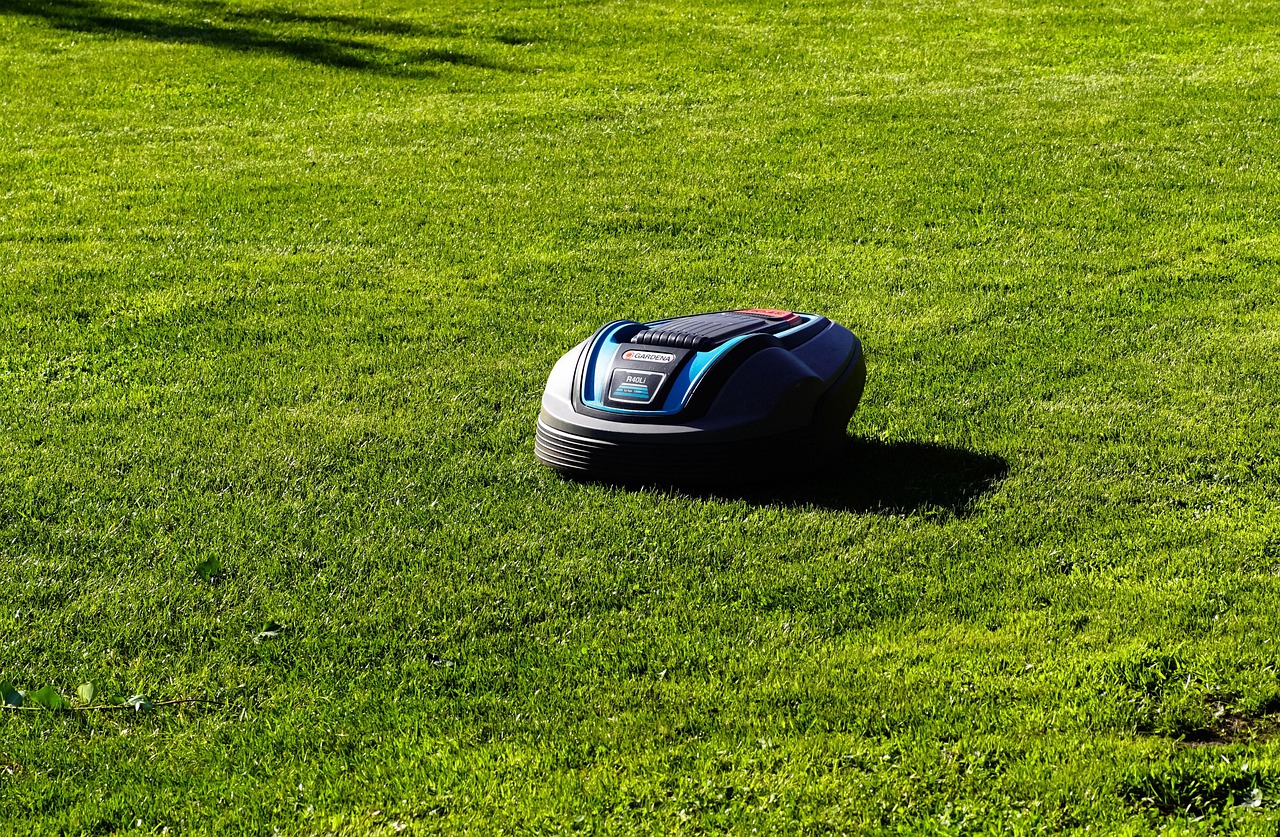
| Robotic mower | Low power, very light | Wheel slip, shallow ruts, clogged sensors, stuck in mud |
| Gas walk-behind | High torque, heavier | Ruts in soft soil, blade clumping, operator slip |
Corded models add a direct path from mains power to a wet environment, so outlet quality, GFCI protection, and cord condition become critical. Cordless models remove most shock risk, but their motors stall and overheat more easily in heavy, wet grass. Robotic units are extremely light and lower risk to the lawn in mild dampness, but they lose traction quickly on soggy or sloped ground and may spin ruts or get stuck.
In regions that stay wet for long stretches, a well-maintained gas mower still handles saturated grass better, simply because it tolerates higher loads without shutting down, but soil and lawn disease issues still apply regardless of fuel type.
Are Lawn Mowers Waterproof? What Happens If One Gets Wet
Yes, an electric lawn mower can get a little wet without dying, but it is not built to sit out in the rain. So are electric lawn mowers waterproof? No. In fact, no lawn mowers are waterproof, gas models included: a gas engine shrugs off damp grass better, but rain left sitting on one still fouls ignition parts, rusts the deck, and ruins fuel. Most battery mowers carry a splash-resistance rating around IPX4, which covers light spray from any direction, not a soaking. EGO, for example, rates its batteries IPX4 and describes its tools as splashproof rather than waterproof, and Greenworks lists IPX4 on several of its 60V mowers.
If your mower got rained on while parked outside, do not panic and do not power it up right away:
- Remove the battery (or unplug the cord) before touching anything else.
- Tip the mower to let any standing water drain, then wipe down the housing, switches, and battery bay with a dry cloth.
- Leave the battery compartment open in a dry, ventilated spot for about 24 hours before reinstalling the battery and testing.
Light overnight drizzle on a covered porch is usually a non-event. A mower left uncovered through a real storm is a bigger deal, since water can wick into switches, connectors, and the battery bay, then corrode contacts over the following weeks.
There is also a warranty angle worth knowing: most manufacturers treat water damage from outdoor storage as neglect, not a defect, so a rain-soaked mower repair often comes out of your pocket. Store the mower in a garage or shed, or at minimum under a fitted waterproof cover, and bring batteries indoors where it is dry and the temperature is moderate.
Mowing Wet Grass With a Battery Mower
Battery mowers take the shock question mostly off the table, but wet grass still pushes them hard. Here is what actually happens when you mow damp turf on battery power:
- Bog-down and overload shutoffs: Wet clippings drag on the blade, current draw spikes, and many mowers trip their overload protection mid-row. Frequent shutoffs are your mower telling you the grass is too wet for its motor.
- Blade clumping: Wet clippings pack under the deck and choke the chute, so cut quality drops fast even when the motor keeps running.
- Battery contact corrosion: Moisture that sneaks into the battery bay will not usually stop today's mow, but it corrodes contacts over time and shows up later as flaky connections and error lights.
Light dew on firm soil is generally fine for a battery mower: raise the deck a notch, walk slower, and clean the deck afterward. Soaked turf after a storm is not. And if your real question is whether the lawn itself should be mowed wet at all, mower aside, our guide on whether you can mow your lawn when the grass is wet walks through that decision for any mower type.
How Wet Grass Affects Electric Mowers (And Your Lawn)
Wet grass increases electrical stress, mechanical drag, and disease pressure, so its impact hits the mower and the turf at the same time.
Electrical and Mechanical Stress on Electric Mowers
Moisture is a problem for electric mowers because it makes electrical leakage and mechanical drag much more likely.
On the electrical side, water on housings, switches, and connectors can create unintended current paths, especially on corded units with damaged insulation or cracked plastic. For cordless mowers, the bigger issue is moisture getting into the battery compartment or control boards, which can corrode contacts over time or cause intermittent failures.
Mechanically, wet clippings stick to the underside of the deck, pack into the discharge chute, and cling to the blade. That buildup increases drag, which forces the motor to pull more current and raises the chance of tripping overload protection or overheating internal components. Repeated wet mowing without cleaning shortens belt life (on belt-driven decks) and can warp plastic decks or baffles from trapped moisture and decay.
Cutting Performance and Blade Dynamics in Wet Grass
Wet grass cuts poorly because the water weight makes blades of grass lay flat and kills the vacuum effect that mower decks rely on.
Electric mowers depend on a balance of blade speed and deck airflow to lift grass upright before cutting. When leaves are soaked, they tend to bend instead of lift, so the mower skims over some areas and chews others. The result is a choppy, uneven finish with visible tracks and "stripes" where the blade missed low-lying grass.
Wet clippings also form clumps and windrows that sit on the lawn surface. Even with sharp, high-lift blades, the deck cannot shred and distribute material as effectively. Those clumps can smother patches of turf and leave yellow spots within a few days if they are not broken up.
Lawn Health: Disease, Soil Compaction, and Ruts
Mowing wet grass with any mower raises the odds of lawn disease, soil compaction, and visible ruts that weaken turf over time.
Wet leaf blades plus fresh wounds from cutting is a classic setup for fungal infections like leaf spots and various brown patch complexes. The longer grass stays wet after mowing, especially overnight, the better the environment for spores to infect.
On saturated soil, the weight of the mower and the operator compresses pore spaces, particularly in clay-heavy yards. That compaction reduces oxygen in the root zone, leading to shallow roots and thinner turf. Repeated passes in the same wheel tracks create ruts that hold water, making those lines even more disease prone and slower to dry after each rain.
- University of Minnesota Extension guidance notes that most cool-season lawns perform best when mowed at 2.5-3.5 inches or higher, which helps turf tolerate stress from damp mowing conditions.
Safety First: Risks of Mowing Wet Grass With Electric Mowers
Mowing wet grass with electric mowers adds specific electrical and physical hazards that do not exist, or are much lower, in dry conditions.
Electrical Safety: Shock and Electrocution Hazards
Electricity and moisture are a bad mix, and corded lawn equipment increases the consequences of that combination on a wet lawn.
With corded mowers, the risk focuses on the extension cord, plug connections, and any damage to the mower housing. Water on these surfaces can help current find a path through you if insulation is compromised. Using a non-outdoor-rated or undersized cord compounds the problem by overheating, softening insulation, and making failures more likely, especially in wet grass.
GFCI outlets significantly reduce the danger by cutting power when they sense imbalance, but no device is perfect. A sticking GFCI, a miswired outlet, or an old cord with hidden nicks can still allow a dangerous situation to develop.
Cordless mowers remove the direct connection to house current, but a short inside the mower, damaged wiring, or hands contacting wet battery terminals after removal can still cause shocks or burns in worst cases.
Before considering mowing wet with any electric mower, run this quick safety check:
- Inspect the cord (if used), plug, and mower housing for cuts, nicks, or cracks.
- Verify you are plugged into a GFCI-protected circuit and press the "test" then "reset" buttons to confirm it trips correctly.
- Check the yard for standing water, puddles, or visibly saturated low spots; any of these are a stop sign.
Physical Safety: Slips, Visibility, and Hidden Hazards
Wet grass sharply increases slip risk and hides obstacles, so operator footing and mower stability become much more critical.
On level ground, thin-soled shoes on wet turf already have poor traction; on slopes, that turns into a meaningful fall and tip-over hazard, especially if you pull instead of push. Sudden loss of footing near stairs, retaining walls, or ditches is where serious injuries often start.
At the same time, flattened, wet grass conceals stones, toys, hoses, and low sprinkler heads. Hitting these at blade speed can turn them into projectiles or bend shafts and blades. It also hides small depressions or holes that twist ankles or jerk the mower sideways.
Solid, non-slip footwear, a deliberate pace, and pre-walk inspection for debris matter far more in wet conditions than on a dry mow.
Safety Around Kids, Pets, and Bystanders
Wet mowing increases the unpredictability of debris and the need for a clear work zone around the mower.
Clumps of wet material can either bog in front of the deck or suddenly eject in larger pieces. When those clumps contain small stones or sticks, they behave unpredictably, especially if the mower hits a soft spot and jolts. Children and pets should be kept indoors when mowing, and work should pause immediately if anyone reenters the yard.
Leashes, chew toys, and balls also hide more easily in wet, flattened grass and can jam wheels or blades on contact. Clearing the yard fully before starting matters every time, but it becomes essential when the grass is wet.
If You Must Mow Wet Grass With an Electric Mower: Step-by-Step Guide
Mowing wet grass with an electric mower should be a last resort, and when it cannot be avoided, it requires a deliberate decision process and careful setup.
Pre-Mow Decision Checklist: Should You Wait or Go Ahead?
The best way to decide if you can mow wet grass safely is to test how wet the grass and soil really are and how flexible your schedule is.
Use this simple framework:
- Grass wetness: Wipe a white towel across the top of the grass. If it comes back lightly damp, that is manageable. If it is soaked or dripping, wait.
- Soil saturation: Walk the yard. If your footprints fill with water in about 3 seconds, or the soil feels spongy, the soil is too wet.
- Urgency: Consider HOA deadlines, upcoming travel, or grass already twice your normal mowing height.
- Forecast: If a 12-24 hour dry window is coming, waiting is usually the better call.
Think in green / yellow / red terms:
- Green light: Only light dew, towel test barely damp, footprints dry immediately, no puddles.
- Yellow light: Ground feels firm but grass is clearly wet from recent rain; mow only if you must, with full precautions.
- Red light: Puddles, shiny mud, spongy spots, or any active rain or lightning in the area; do not mow with an electric mower.
Preparing Your Electric Mower for Wet Conditions
Proper preparation reduces overload, moisture intrusion, and clogging when you have to cut damp grass with an electric mower.
Key setup steps include:
- Charge fully (cordless): Start with a full battery so voltage sag under heavy load is minimized, and keep a spare battery ready if possible.
- Seal and latch: Confirm battery compartment doors, cable grommets, and access covers are fully closed and undamaged.
- Sharp blade: Install a sharp, balanced blade; a high-lift design helps airflow but is still limited in heavy wet grass.
- Clean deck first: Scrape off old buildup so fresh wet clippings do not instantly pack onto an already dirty surface.
For corded mowers:
- Use an outdoor-rated cord of proper gauge for the mower’s amp draw and length.
- Keep all plug connections off the ground (for example, elevated on a brick or hung on a hook) so they never sit in wet grass.
- Plan a mowing pattern that keeps the cord trailing behind you and on the driest paths possible.
For cordless units, a model like the EGO POWER+ Electric Lawn Mower works well in damp conditions because its strong 56V system handles heavier load without constant stalling, which matters when grass is wet and dragging. This kind of mower is best for homeowners facing periodic rainy weeks who still want a gas-free setup.
Mowing Technique on Wet Grass With an Electric Mower
The safest and cleanest way to mow wet grass with an electric mower is to reduce load, avoid scalping, and clear clogs frequently.
Use this step-by-step approach:
- Raise cutting height: Set the deck 0.5-1 inch higher than your normal setting for the first pass to avoid removing too much leaf at once and to reduce bogging.
- Start in driest areas: Mow high and well-drained spots first while the mower is clean and blades are at full speed.
- Slow your pace: Walk slower than normal to give the blade more time per foot of travel and minimize overload.
- Use partial-width passes: In the heaviest sections, overlap more than usual so the mower only bites 50-75 percent of its deck width.
- Avoid tight turns: Use wide, 3-point turns to reduce turf tearing and wheel spin on slick soil.
Bagging, mulching, and side discharge behave very differently in wet grass:
- Bagging: Best when the lawn is wet because it removes clumps, but you will need to empty the bag more often as it fills with heavy, wet clippings.
- Mulching: Usually performs poorly in wet conditions because the deck cannot re-cut clippings effectively, leading to packed decks and clumps.
- Side discharge: Reduces strain on the motor compared to mulching, but often leaves visible rows of clumps that you must break up afterward.
Post-Mow Cleanup and Maintenance After Wet Use
Thorough cleaning and drying after mowing wet grass is essential to protect electric components, prevent corrosion, and restore performance.
After you finish:
- Turn everything fully off: unplug corded mowers or remove the battery pack from cordless units before any deck work.
- Use a plastic scraper or brush to remove packed clippings from the underside of the deck and from the chute and any baffles.
- Check and clear the discharge opening and bagger intake, which commonly clog first in wet conditions.
- Wipe the exterior with a damp cloth instead of spraying with a hose, keeping water away from motors, controls, and battery bays.
- Store the mower in a covered, ventilated area with battery compartments open for at least an hour so any trapped moisture can evaporate.
For batteries, make sure the cases are surface dry before charging and inspect contacts for any sign of moisture. Frequent wet mowing dulls blades faster, so plan to sharpen more often if wet cutting becomes common in your climate.
- Purdue Turfgrass Science emphasizes that removing more than one-third of the grass blade in a single mowing stresses the plant, which is even more important to avoid when turf is wet and disease pressure is higher.
Optimizing Cut Quality and Lawn Health in Wet Conditions
Optimizing mowing height, timing, and clipping management when grass is damp reduces damage and keeps the lawn healthier through rainy periods.
Adjusting Cut Height and Frequency Around Rain
Raising mowing height slightly and mowing more often around rainy spells protects grass crowns and reduces stress from wet cutting.
Cutting too low in wet conditions scalps high spots and exposes crowns, which are more vulnerable to disease and sunscald once the weather clears. Following the "one-third rule" from Purdue becomes especially important here: if rain pushes your grass from 3 inches to 5 inches, do not try to slam it back to 3 inches in one wet cut. Instead, raise the deck to about 4 inches on the first pass and wait a few days for a drier second pass.
Practical targets:
- Keep most cool-season lawns between roughly 2.5 and 3.5 inches, leaning to the higher end during rainy, warm stretches.
- Increase mowing frequency to every 5-7 days during peak growth so you are not removing more than one-third of the height each time, even when schedules are tight.
Managing Clippings, Thatch, and Clumps in Wet Weather
Managing wet clippings after mowing prevents smothering, slipping hazards, and cosmetic issues on both turf and hard surfaces.
Wet clippings do not filter into the canopy as easily as dry ones. Instead, they tend to form mats that can block light and air to the turf below. Where you see dense piles or lines of clippings thicker than about a half inch, break them up or remove them.
Best practices include:
- Raking or using a leaf blower to spread or remove heavy clumps immediately after mowing.
- Clearing sidewalks and driveways right away; wet clippings are slick underfoot and can stain concrete if left to dry.
- Understanding that normal clippings are not thatch; they decompose quickly, but repeated compaction from wet mowing can indirectly increase thatch by weakening roots.
Preventing and Treating Lawn Diseases After Wet Mowing
Wet mowing periods call for extra attention to early disease signs and simple cultural practices that improve air flow and drying.
After several wet cuts, inspect your lawn for light brown or tan patches, slimy or matted areas, and grass blades with water-soaked lesions or dark spots. If patches expand over several days of warm, humid weather, fungal issues are likely contributing.
Prevention steps that help:
- Avoid mowing in the late evening when grass will stay wet overnight.
- Prune back dense shrubs or low tree limbs that block air movement and sunlight.
- Keep fertility balanced; both severe nitrogen deficiency and excessive nitrogen can intensify disease issues.
If disease patches continue to grow despite improved mowing timing and airflow, that is the point to consult a local lawn care pro or extension service about whether a targeted fungicide is justified.
Seasonal and Regional Considerations for Mowing Wet Grass
Grass type, climate pattern, and soil all change how risky and damaging wet mowing is, so the "can electric mowers cut wet grass" answer shifts slightly by region and season.
Cool-Season vs Warm-Season Grasses in Wet Conditions
Cool-season and warm-season grasses react differently to wet mowing, mainly because of their growing temperatures and disease profiles.
Cool-season grasses like Kentucky bluegrass, perennial ryegrass, and fescues are actively growing in spring and fall when soils are often wet and cool. They handle physical damage fairly well then, but become highly disease-prone in late spring and summer when nights are warm and humidity is high. Wet mowing in those warm, damp windows is especially risky for leaf and crown diseases.
Warm-season grasses like Bermuda, zoysia, and St. Augustine grow best in summer heat and are generally more forgiving of short mowing. However, extended humidity and frequent afternoon storms can still produce aggressive fungal problems if grass remains wet overnight. For these species, wet mowing at low heights can quickly scalp thin areas and leave them open to weeds and disease.
Climate Patterns: Rainy Seasons, Humidity, and Dew
Local climate patterns determine how often you are forced to make wet mowing decisions and how long grass stays damp after each rain.
In coastal and humid regions with regular afternoon storms, turf may not fully dry between showers. In those areas, aim for late-morning to early-afternoon mowing windows, often 11 a.m. to 3 p.m., when dew has burned off and before the next storm forms. In arid or semi-arid regions, even heavy rain can drain and dry enough in 6-12 hours to allow a much safer mow the next day.
During spring and fall, heavy morning dew alone can keep grass wet until mid-morning. Adjust mowing plans to start after the towel and footprint tests show only light dampness, especially if using corded electric equipment.
Slope, Drainage, and Soil Type
Slope, drainage, and soil type significantly increase or reduce wet mowing risk, particularly for electric mowers that rely on operator footing and traction.
Clay soils hold water and take longer to drain, so a 1-inch rain may require 24-48 hours before the footprint test passes without squish. Sandy soils drain quickly but rut easily when driven on while fully saturated. On any soil, low spots and swales stay wet longer and should be mowed last or skipped until they firm up.
On slopes, never mow across a saturated hill with a walk-behind electric mower. If you must mow a damp slope, wait until the surface is only slightly moist, wear aggressive-tread footwear, and mow up and down the slope rather than side to side. Long term, simple drainage improvements like filling low spots, core aeration, and periodic topdressing with sand or compost can reduce how often your yard forces the wet-mowing question.
Common Mistakes to Avoid
Most electric mower and wet grass problems trace back to a short list of avoidable mistakes that compound stress on both the equipment and the lawn.
Assuming “It’s Just Dew, So It’s Always Safe”
Light dew still adds enough moisture to increase slip risk, hide debris, and cause clumping when grass is long or very dense.
Even with dew-only conditions, perform quick checks:
- Use the towel test on several spots; if it comes back more than lightly damp, wait an hour if possible.
- Check for hidden saturation in low spots using the footprint test; if your heel sinks and soil feels spongy, the area is not just "dewy."
Ignoring Mower and Cord Ratings
Using the wrong cord or ignoring wet-use warnings is one of the most serious mistakes for corded electric mowers in damp conditions.
Indoor-only cords or undersized gauges overheat, drop voltage, and are far more likely to fail if nicked or crushed on wet turf. Failing to inspect plastic housings, switches, and battery bays for cracks also invites moisture inside where it can corrode or short critical components.
Respect manufacturer warnings about moisture because they are written around worst-case scenarios that happen more often than the marketing material implies.
Cutting Too Low or Rushing the Job
Trying to "get it over with" by mowing at normal height and walking fast in wet conditions is a near guarantee of ruts, bogging, and torn grass blades.
Common rushing errors include:
- Leaving the deck at summer-low settings when grass has grown several inches after rain.
- Ignoring the sound and feel of a bogging deck that indicates packed clippings under the mower.
- Mowing just before a predicted heavy storm, which leaves freshly cut, wet blades exposed to prolonged moisture.
Neglecting Safety Around People and Pets
Assuming "it is only an electric mower" and letting people or pets roam nearby is especially risky in wet conditions.
Electric mowers still spin blades at thousands of RPM, and wet debris adds unpredictability to what exits the deck and where it goes. Toys, leashes, and balls left in the yard can become entangled or ejected in unexpected directions, particularly when grass is long and wet enough to hide them.
What Other Guides Miss
Many "can electric mowers cut wet grass" articles overlook specific decision tests, equipment prep details, and lawn-health follow through that matter in real yards.
Two big gaps stand out. First, most guides either say "never mow wet" or "it is fine if you are careful" without giving clear go/no-go checks. Simple, repeatable tests like the footprint filling with water within 3 seconds, the towel test on grass blades, and checking for firm soil with a few heel presses give you objective signals instead of guesses.
Second, few resources connect wet mowing directly to long-term compaction and disease, then explain what to do about it. If you find yourself forced to mow damp grass several weeks in a row, plan core aeration within the next 4-6 weeks on compacted areas, raise mowing heights toward the top of the recommended range for your grass type, and watch the lawn closely for patch expansion, not just color changes.
Finally, most lists ignore equipment maintenance after wet use. Skipping deck cleaning, blade inspection, and air-drying the mower after cutting damp turf is how electrical failures, rust, and poor performance accumulate year after year.
Conclusion
Electric mowers can cut wet grass, but every step into wetter conditions trades safety, mower life, and lawn quality for short-term convenience.
Slightly damp grass on firm soil is manageable if you raise the deck, slow your pace, and clean the mower thoroughly afterward. Saturated soil, standing water, or active rain are hard stop conditions for any electric unit, corded or cordless, regardless of marketing claims. A lighter option like the American Lawn Mower Company 1204-14 4-Blade Reel Mower can also be useful on small lawns when grass is just damp, since it has no electrics to worry about and its low weight reduces rutting.
The best approach is to plan your mowing schedule around forecasted rain, keep your grass at the upper end of its ideal height range, and improve drainage so you rarely have to decide whether to mow wet at all. For next steps, review guidance on Proper Mowing Height for Every Grass Type and How to Sharpen Lawn Mower Blades so each cut, wet or dry, is as safe and clean as possible.
Free Lawn Care Tools
Electric mowers can cut slightly damp grass on firm soil, but they should not be used on soaked or waterlogged turf. Use a footprint test: if your footprints fill with water within a few seconds or the ground feels spongy, wait at least 24 hours before mowing. Always avoid active rain, standing puddles, and damaged cords or housings when using electric equipment.
An electric mower can handle light splashes and damp grass, but it is not designed to sit out in the rain. Most battery mowers carry roughly IPX4 splash resistance, which protects against light water spray, not a downpour or standing water. If your mower gets rained on, remove the battery or unplug it, drain and wipe it down, and let it dry in a ventilated spot for about 24 hours before running it again.
You can use an electric lawn mower on lightly damp grass over firm soil if you raise the deck, slow down, and clean the deck afterward. A corded mower adds shock risk in wet conditions, so it needs an undamaged outdoor-rated cord and a tested GFCI outlet. A battery mower removes most of the shock concern but bogs down and trips overload protection quickly in heavy, wet growth, so soaked turf is still a no.
No, electric lawn mowers are not waterproof. Most are splash resistant, typically around an IPX4 rating, which covers light spray from any direction but not heavy rain, hosing, or submersion. Manufacturers generally treat water damage from outdoor storage as neglect rather than a defect, so store the mower under cover and keep batteries indoors in a dry spot.
Using a corded electric mower on wet grass carries a higher shock risk because water can create leakage paths through damaged cords or plugs. Only consider mowing when there is no standing water, the soil is firm, the cord is outdoor-rated and undamaged, and the outlet is GFCI protected and tested. If any of those conditions are not met, wait for drier conditions or use a non-electric option.
When mowing wet grass, set your electric mower 0.5-1 inch higher than your usual height to reduce scalping and motor strain. For most cool-season lawns, that means staying in the 2.5-3.5 inch range or slightly above, while still following the one-third rule and avoiding removing more than one-third of the grass blade in a single pass. Plan a second, lower cut a few days later if needed once conditions are drier.
Your lawn is too wet to mow if you see puddles, shiny mud, or your footprints sink and fill with water within about 3 seconds. Another check is to squeeze a small handful of soil from just below the surface; if water squeezes out or it feels like modeling clay, it is still saturated. In these conditions, mowing increases compaction, rutting, and disease risk, so waiting 24 hours or more is safer for both the mower and the turf.
After mowing wet grass, disconnect power by unplugging the mower or removing the battery, then scrape wet clippings from the deck, blade, and discharge chute. Wipe down the exterior instead of hosing it off to keep water out of motors and controls, and leave covers and battery compartments open in a dry, ventilated area for at least an hour. Check the blade for dullness or nicks, since wet mowing tends to accelerate wear and reduce cut quality.
Mowing wet grass does not cause disease by itself, but it increases the risk by leaving fresh cuts on blades that stay wet for longer, especially in warm, humid weather. Fungal pathogens spread more easily on damp leaf tissue, and wheel ruts or compaction from wet mowing can hold moisture in place. To reduce risk, avoid evening mowing when grass will stay wet overnight, keep the mowing height in the recommended range, and improve drainage in low areas.
Robotic lawn mowers can handle light dew or slightly damp grass, but they struggle with traction and can spin shallow ruts on wet or sloped ground. Their sensors and housings can also clog with wet clippings, causing navigation errors or shutdowns. If the lawn is soft, spongy, or has standing water, pause the robot schedule until the soil firms up and resume only when the grass is just mildly damp.
No lawn mower is waterproof, gas or electric. Electric mowers are typically splash resistant around an IPX4 rating, which handles light spray but not rain or hosing. Gas mowers have no shock risk, but rain still corrodes the deck, degrades fuel, and can foul the ignition system. Whatever you run, store it under cover and never leave it sitting out in a storm.

Your lawn plan, in your pocket all season
Grass ID, a season plan, soil-timed reminders, and a lawn journal that remembers what you did. Free on iPhone.