Best Fertilizer for Bermuda Grass in Mississippi (2026)
 Marcus GreenTurf Management Pro | 18 Years
As an Amazon Associate we earn from qualifying purchases.
Bermuda grass thrives in Mississippi’s heat, humidity, and long growing season when the fertilizer program matches its summer growth cycle. The best fertilizer for Bermuda grass in Mississippi in 2026 is usually a nitrogen-forward lawn fertilizer with low phosphorus, adequate potassium, and partial slow-release nitrogen.
The problem with many struggling Mississippi Bermuda lawns is not a lack of fertilizer. The issue is often the wrong fertilizer at the wrong time, especially on acidic clay soils, sandy Gulf Coast soils, or lawns fed before full spring green-up. A Mississippi Bermuda fertilizer schedule should start with soil testing, then feed mainly from late spring through summer.
For most established Mississippi Bermuda lawns, choose a fertilizer such as 16-4-8, 20-0-10, 24-0-11, or 15-0-15 if potassium is low. Confirm phosphorus, potassium, and pH with a soil test before buying fertilizer or lime.
Fertilize only after full green-up and 1-2 mowings, then apply 0.5-1.0 lb nitrogen per 1,000 sq ft every 4-8 weeks from May through August. Do not push heavy nitrogen on dormant Bermuda or before major thunderstorms.
- Bermuda grass in Mississippi should usually receive its first nitrogen feeding after full green-up and after 1-2 mowings.
- Most established Bermuda lawns respond well to 0.5-1.0 lb nitrogen per 1,000 sq ft per application during active growth.
- Our Grass Database recommends 3.5 lbs of nitrogen per 1,000 sq ft annually for Bermudagrass under high-maintenance conditions.
- Mississippi Bermuda lawns are usually fertilized mainly from May through August, with little to no nitrogen during dormancy.
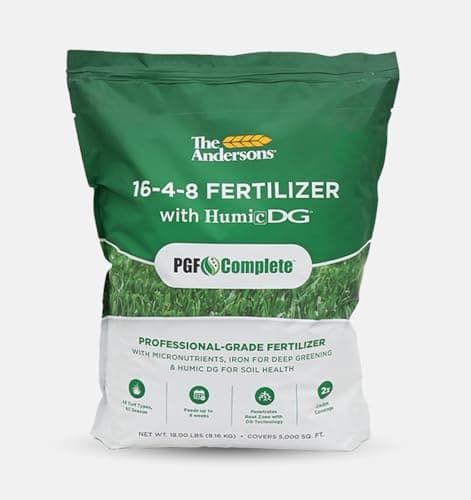
- A 16-4-8 fertilizer applied at 6.25 lbs of product per 1,000 sq ft delivers 1 lb of nitrogen per 1,000 sq ft.
This guide covers Mississippi-specific timing, soil, and product notes. For the full national picture, NPK ratios, and the complete product comparison, see our main best fertilizer for Bermuda grass guide.
Mississippi Feeds Bermuda by Zone, and the Black Belt Breaks the Lime Rule
Mississippi State does not give one bermuda rate, it gives four, mapped to the state's climate zones. MSU's program runs about 6 pounds of nitrogen per 1,000 square feet on the Gulf Coast (six feedings, April through September), 4 pounds in south and central Mississippi, and just 3 pounds in north Mississippi, where the season is shorter. Feed a north-Mississippi lawn at the Gulf Coast rate and you build thatch, which bermuda is notorious for. A simple rule of thumb is about a pound of nitrogen per 1,000 square feet per growing month, in a 3-1-2 ratio.
The regional twist is the Black Belt, a band of alkaline Selma chalk clay through east-central Mississippi. Bermuda is the most pH-tolerant lawn grass, so there it shows up as yellow-green color rather than the outright decline that centipede or St. Augustine would suffer, but the fix still reverses the national advice: do not lime, because the high pH already locks up iron, and green it with iron sulfate or chelated iron instead. Everywhere else, on the acidic sandy soils of southeast Mississippi and the Coastal Plain, the bag flips back to lime to reach pH 6 to 7.
Sandy Gulf Coast soils leach, which is exactly why MSU splits the Gulf Coast program into six smaller feedings while north Mississippi uses three. An inexpensive MSU soil test sets your lime and phosphorus.
Mississippi Bermuda Feeding by Region (MSU)
| Region | Nitrogen per year | MSU feeding months |
|---|---|---|
| North MS (Zone 7a) | 3 lb N per 1,000 sq ft | May 15, June 15, Aug 15 |
| Central MS | 4 lb N per 1,000 sq ft | Apr 15, May 15, June 15, Aug 15 |
| South MS | 4 lb N per 1,000 sq ft | May 1, June 1, Aug 1, Sep 1 |
| Gulf Coast (Zone 8b) | 6 lb N per 1,000 sq ft | Apr 1, May 1, June 1, Jul 1, Aug 1, Sep 1 |
| Black Belt (any zone) | Same, but no lime | Add iron, not lime, for high-pH yellowing |
What Makes the Best Fertilizer for Bermuda Grass in Mississippi?
The best fertilizer for Bermuda grass in Mississippi supplies nitrogen during active summer growth, avoids unnecessary phosphorus, and supports stress tolerance with potassium. Bermuda is an aggressive warm-season grass, so it can use more nitrogen than many lawn grasses, but only when sunlight, mowing, water, and soil pH are in the right range.
Recommended products
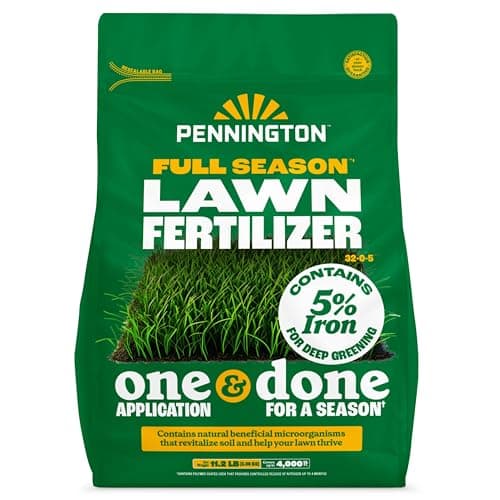
Pennington Full Season Lawn Fertilizer 32-0-5
High-nitrogen fertilizer with iron for fast green-up on warm-season lawns.

Outsidepride Maya (Blackjack II) Bermuda Grass Seed (5 lb)
Named, fine-textured improved bermuda cultivar for dense, carpet-like, dark-green full-sun turf; 5 lb full-lawn bag.
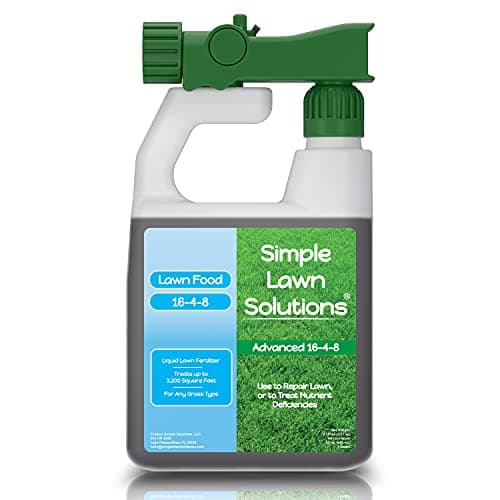
Simple Lawn Solutions Advanced 16-4-8 Liquid Fertilizer
Concentrated liquid fertilizer with balanced 16-4-8 NPK for quick green-up through any hose-end sprayer.
Mississippi’s climate extends the feeding window compared with cooler transition-zone states. South Mississippi often greens up earlier than North Mississippi, while Gulf Coast sandy soils lose nutrients faster than heavier Delta or central Mississippi soils. That means the best deep south Bermuda fertilizer is not one fixed product. It is the product that matches your soil test, lawn goal, and irrigation level.

Understand Bermuda Grass Nutrient Needs in the Deep South
Bermuda grass needs nitrogen for color and density, potassium for heat and drought tolerance, and phosphorus mainly for establishment or confirmed deficiencies. Nitrogen drives the visible response homeowners notice first: faster growth, darker color, tighter density, and quicker recovery from traffic.
Potassium is less dramatic but very important in Mississippi summers. It helps Bermuda tolerate heat, drought stress, mowing stress, and wear. Phosphorus supports rooting, but established lawns rarely need routine phosphorus unless a soil test shows a shortage.
- Purdue Turfgrass Science guidance: phosphorus is rarely needed on established lawns unless a soil test confirms a deficiency.
For established Bermuda, nitrogen needs vary by maintenance level. A low-input lawn may need about 1-2 lbs nitrogen per 1,000 sq ft per year. A moderate lawn may use about 2-4 lbs. A high-performance hybrid Bermuda lawn with irrigation and frequent mowing may use 4-6 lbs, but that level requires more management.
Our Grass Database shows Bermudagrass has a high maintenance level and recommends 3.5 lbs of nitrogen per 1,000 sq ft annually. That is a practical target for a dense, actively managed Mississippi lawn without pushing excessive growth late in the year.
Mississippi Soil Factors That Change Fertilizer Choice
Mississippi soil texture and pH determine whether fertilizer performs well or gets wasted. Delta soils may be heavier and naturally fertile, central Mississippi often has clay and acidic conditions, and Gulf Coast lawns may sit on sandy soils where nutrients leach quickly.
Low pH is a common limiting factor. If Bermuda stays pale or thin after proper nitrogen timing, the issue may not be fertilizer strength. It may be acidic soil limiting nutrient availability. Confirm with a soil test through the Mississippi State University Extension Service or a reputable lab before applying lime.
Sandy soils need lighter, more frequent fertilizer applications because rainfall and irrigation move nutrients below the root zone faster. Heavy clay soils hold nutrients longer, but they compact easily. If a screwdriver will not push 6 inches into moist soil, compaction is likely reducing water and nutrient movement.
Best Fertilizer Ratio for Bermuda Grass in Mississippi
The best fertilizer ratio for established Mississippi Bermuda is usually high in nitrogen, low in phosphorus, and moderate in potassium. Good label examples include 16-4-8, 15-0-15, 20-0-10, 24-0-11, and 21-0-0 when only nitrogen is needed.
Fertilizer labels show N-P-K. Nitrogen is the first number and drives green growth. Phosphorus is the second number and supports rooting. Potassium is the third number and improves stress tolerance. For established Bermuda, avoid routinely using high-phosphorus starter fertilizers unless soil testing supports it.
| Fertilizer Ratio | Best Use | Mississippi Fit |
|---|---|---|
| 16-4-8 | General established Bermuda feeding | Good all-purpose choice if soil test allows phosphorus |
| 15-0-15 | Nitrogen plus potassium | Strong fit when phosphorus is sufficient |
| 20-0-10 | Higher nitrogen with potassium | Good for active summer growth |
| 24-0-11 | Slow-release lawn feeding | Good for fewer applications |
| 21-0-0 | Nitrogen-only correction | Use carefully when P and K are adequate |
Slow-Release vs. Quick-Release Fertilizer
Slow-release nitrogen is the better default for Mississippi Bermuda because it feeds more evenly during hot, humid weather. It reduces surge growth, lowers burn risk, and helps homeowners avoid dramatic flushes that create more mowing and thatch pressure.
Quick-release nitrogen has a place when Bermuda is actively growing and simply needs a fast color correction. The risk rises during drought stress, extreme heat, or uneven spreading. For most lawns, use a blend with 30-50% slow-release nitrogen.
- NC State TurfFiles guidance: slow-release nitrogen sources feed turf more evenly and reduce surge growth compared with quick-release products.
Best Fertilizer Types for Bermuda Grass in Mississippi in 2026
The best fertilizer types for Bermuda grass in Mississippi in 2026 are nitrogen-forward lawn fertilizers selected by soil test, soil texture, and lawn use. A single “Southern lawn” product can work in one county and perform poorly in another because Mississippi soils vary so much.
Use product categories before brand names. The correct category is more important than the marketing label. Prioritize nitrogen, potassium, low phosphorus unless needed, and slow-release content.
Best Overall Fertilizer Type: Balanced High-Nitrogen Lawn Fertilizer
A balanced high-nitrogen lawn fertilizer is the best overall type for established Bermuda grass in Mississippi. Look for 16-4-8, 20-0-10, or 24-0-11, with some slow-release nitrogen and clear application instructions.
This type fits homeowners who want reliable color, density, and summer recovery. Apply it only during active growth, water it in lightly, and avoid applying it before a heavy Mississippi thunderstorm. A product like Pennington Full Season Lawn Fertilizer 32-0-5 fits established, nitrogen-hungry Bermuda lawns where phosphorus is not needed and fast green-up is the goal.
Best for Sandy Gulf Coast Soils: Slow-Release Nitrogen with Potassium
Slow-release nitrogen with potassium is the best fertilizer type for sandy Gulf Coast Bermuda lawns because it reduces nutrient loss and supports heat tolerance. Sandy soils leach nutrients quickly, especially during summer rainfall and frequent irrigation.
The best approach is smaller, more frequent applications rather than heavy single feedings. Apply 0.5 lb nitrogen per 1,000 sq ft more often instead of 1 lb at a time if your lawn is sandy, irrigated, and mowed frequently.
Best for Clay or Acidic Soils: Fertilizer Guided by Soil Test + Lime if Needed
Soil-test-guided fertilizer plus lime, when recommended, is the best approach for clay or acidic Mississippi Bermuda lawns. Fertilizer cannot perform properly when low pH restricts nutrient availability.
Bermuda generally performs best near a mildly acidic to neutral pH. Our Grass Database shows the Bermudagrass pH range at 5.8-6.5, and many Mississippi lawns perform well near the upper part of that range. Apply lime only according to soil test recommendations. Related topics such as How to Improve Soil pH for Grass and How to Test Your Lawn’s Soil are especially useful for these lawns.
Best Organic Fertilizer Option for Bermuda Grass
The best organic fertilizer option for Bermuda grass is one that supplies enough total nitrogen to matter while gradually improving soil structure. Compost, poultry litter-based products, biosolid-style fertilizers where locally allowed, and plant-based granular fertilizers can all fit.
Organic products are useful for pet-conscious households and soil-building programs, but they are usually lower in nutrient concentration. The response is slower than synthetic fertilizer, and more product may be needed. Even organic fertilizer should be watered in, and pets should stay off treated areas until the lawn is dry and the label allows reentry. Organic vs Synthetic Fertilizers and Composting for a Healthier Lawn are useful planning topics here.
Best Fertilizer for New Bermuda Sod or Seed
The best fertilizer for new Bermuda sod or seed is based on soil test results and establishment stage, not a heavy nitrogen push. New Bermuda needs moisture, soil contact, and rooting before aggressive feeding.
For sod, focus first on watering and rooting. Begin light feeding only after the sod resists gentle lifting, often a few weeks after installation depending on weather. For seeded Bermuda, prepare the seedbed carefully and avoid pre-emergent herbicides that interfere with germination. If you are starting from seed, a named improved Bermuda such as Outsidepride Maya (Blackjack II) Bermuda Grass Seed (5 lb) fits full-sun lawns where a dense, fine-textured Bermuda is the goal.
Mississippi Bermuda Fertilizer Schedule: When to Fertilize Bermuda in Mississippi
A Mississippi Bermuda fertilizer schedule should begin after full green-up, peak from May through August, and stop nitrogen before Bermuda prepares for dormancy. The timing data we track puts Bermudagrass peak growth in May-September and dormancy in November-March.
This schedule matters because Bermuda only uses nitrogen efficiently when it is actively growing. Feeding too early can favor winter weeds, while feeding too late can push soft growth before cooler weather.

| Season | Timing in Mississippi | Fertilizer Strategy | Target Rate |
|---|---|---|---|
| Early spring | April to early May | Wait for full green-up and 1-2 mowings | No nitrogen until active growth |
| Late spring | May to June | Begin main feeding window | 0.5-1.0 lb N per 1,000 sq ft |
| Summer | June to August | Feed every 4-8 weeks based on product and lawn goal | 0.5-1.0 lb N per 1,000 sq ft |
| Late summer | August to early September | Make final moderate nitrogen application | Avoid excessive late nitrogen |
| Fall and winter | October to March | Focus on soil test, pH, weeds, and planning | No nitrogen on dormant Bermuda |
Early Spring: Wait for Full Green-Up Before Fertilizing
Early spring fertilizer should wait until Bermuda is fully green and has been mowed at least once or twice. In Mississippi, this is usually April to early May, with South Mississippi often ahead of North Mississippi.
Do not fertilize dormant or partially dormant Bermuda just because March weather feels warm. Early nitrogen can feed winter weeds, increase disease pressure during cool wet periods, and go unused by the grass. Our Grass Database lists the first Bermudagrass fertilizer application when soil temperature reaches 65°F, which is a practical action threshold.
Late Spring to Summer: Main Feeding Window
Late spring through summer is the main fertilization window for Mississippi Bermuda grass. From May through August, apply 0.5-1.0 lb nitrogen per 1,000 sq ft per application and repeat every 4-8 weeks depending on product type, rainfall, irrigation, and desired quality.
High-performance lawns benefit from spoon-feeding, which means smaller amounts applied more often. Low-maintenance lawns may need only one late spring feeding and one early summer feeding. Professional crews approach this differently - the homeowner version is to apply measured nitrogen, mow consistently, and avoid chasing color with random extra fertilizer.
Late Summer: Final Nitrogen Application
Late summer is the final window for moderate nitrogen on Mississippi Bermuda. In much of the state, the final nitrogen application lands in August to early September.
The goal is to hold density without forcing excessive late-season growth. Use moderate nitrogen and include potassium if your soil test shows a need. Heavy nitrogen too late can increase mowing, disease pressure, and winter stress.
Fall: Focus on Potassium, Not Growth
Fall Bermuda fertilizer in Mississippi should focus on stress preparation, not lush top growth. September to October is the time to evaluate potassium, pH, compaction, and weed pressure rather than applying a high-nitrogen winterizer.
Cool-season lawns often benefit from fall nitrogen, but Bermuda does not need the same strategy. Do not treat Bermuda like tall fescue. If potassium is low, a soil-test-guided potassium application can help stress tolerance, but nitrogen should taper as dormancy approaches.
Winter: Do Not Fertilize Dormant Bermuda
Winter Bermuda grass in Mississippi should not receive nitrogen because dormant grass cannot use it efficiently. The dormant period generally runs from late fall through early spring, and our Grass Database lists Bermudagrass dormancy as November-March.
Winter is the right time to soil test, correct pH with lime if recommended, control winter weeds as appropriate, and plan the next bermuda grass fertilizer 2026 program. Winter Lawn Care for Bermuda Grass is a useful planning topic during this period.
How to Apply Fertilizer to Bermuda Grass Correctly
Fertilizer should be applied to Bermuda grass by measuring the lawn, calculating nitrogen, spreading evenly, watering in, and tracking the response. Most fertilizer mistakes start with guessing the lawn size or applying the bag rate without checking how much nitrogen it delivers.
This is where homeowners can get professional-level results without professional equipment. The key most homeowners miss is calibration. A good product applied unevenly creates stripes, burn marks, weak spots, and runoff risk.
Step 1: Measure Your Lawn
Measure only the turf areas you plan to fertilize. Exclude driveways, flower beds, patios, tree rings, and mulched areas. For simple spaces, multiply length by width to get square feet.
For irregular lawns, break the yard into smaller rectangles and add them together. A measuring app can help, but confirm odd-shaped areas manually when possible. If your lawn is 6,000 sq ft but you fertilize as if it were 10,000 sq ft, overapplication is almost guaranteed.
Step 2: Calculate the Correct Fertilizer Amount
The correct fertilizer amount is based on the nitrogen rate divided by the fertilizer’s first label number as a decimal. For example, 1 lb nitrogen using 16-4-8 equals 1 ÷ 0.16, or 6.25 lbs of product per 1,000 sq ft.
For a lighter 0.5 lb nitrogen application with 16-4-8, the math is 0.5 ÷ 0.16, or 3.125 lbs of product per 1,000 sq ft. Use this same formula with any fertilizer label.
- Measure the lawn’s fertilized square footage.
- Choose the target nitrogen rate.
- Convert the first N-P-K number into a decimal.
- Divide the nitrogen target by that decimal.
- Calibrate the spreader and apply evenly.
- Water in according to the label.
If you want help estimating product quantity, use the fertilizer calculator below as a planning aid, then verify the final rate against your product label.
Loading Fertilizer Calculator...
Step 3: Apply With a Calibrated Spreader
A calibrated spreader applies fertilizer evenly and prevents streaking, skips, and burned strips. Use a broadcast spreader for medium to large lawns and a drop spreader for narrow strips or areas close to beds and pavement.
For the most even coverage, apply half the product north-south and the other half east-west. Do not hand toss fertilizer. Avoid windy days, and sweep or blow granules off sidewalks and driveways back into the lawn to reduce runoff.
Step 4: Water Fertilizer In Properly
Most granular Bermuda fertilizers should be watered in lightly after application unless the label says otherwise. A typical target is about 0.25 inch of irrigation to move nutrients off the leaf blades and into the soil surface.
Avoid fertilizing before heavy rain. Mississippi thunderstorms can move fertilizer into streets and storm drains before the turf can use it. Also avoid fertilizing drought-stressed Bermuda unless you can irrigate after application.
Step 5: Track Results and Adjust
A fertilizer log helps determine whether your Bermuda needs more nitrogen, better timing, pH correction, or improved watering. Track the date, product, rate, weather, mowing response, color response, and any burn or disease symptoms.
If Bermuda greens up but grows too fast, reduce the rate or switch to more slow-release nitrogen. If it remains pale after correct timing and water, confirm pH and nutrient levels with a soil test. Clipping volume, mowing frequency, and soil moisture are useful indicators for advanced adjustment.
Advanced Fertilizer Strategy for Mississippi Bermuda Lawns
An advanced Mississippi Bermuda fertilizer strategy matches nitrogen rate, potassium management, mowing, watering, and aeration to the lawn’s purpose. A low-input backyard, a showcase front lawn, and a high-traffic play area should not receive the same feeding program.
Better fertilizer results come from coordinating the full maintenance system. Bermuda responds aggressively when fertilizer, mowing height, irrigation, and sunlight all support growth. If one piece is missing, fertilizer alone will not fix the lawn.
Match Fertilizer to Lawn Goals
A low-input Bermuda lawn needs fewer feedings, moderate color, and less mowing. This lawn may perform well with one late spring feeding and one early summer feeding, especially if rainfall is reliable and expectations are moderate.
A showcase lawn needs more frequent nitrogen, consistent mowing, irrigation, soil testing, and possibly iron for color. Athletic or high-traffic Bermuda needs recovery-focused nitrogen, potassium management, aeration, and compaction control. Hybrid Bermuda usually demands tighter mowing and more consistent fertility than common Bermuda.
Use Soil Testing as the Foundation
Soil testing is the foundation of a reliable Bermuda fertilizer program because it confirms pH, phosphorus, potassium, and other nutrient needs. Test at least every 2-3 years, and test more often for new lawns, problem areas, sandy soils, or high-performance turf.
Prioritize pH, phosphorus, potassium, magnesium, and organic matter if available. If the report shows phosphorus is sufficient, choose a low- or zero-phosphorus fertilizer. If potassium is low, shift toward a ratio such as 15-0-15 or another N-K product. How to Read a Lawn Soil Test is the right topic to review before buying lime or specialty fertilizer.
Consider Micronutrients and Iron for Color
Iron can deepen Bermuda color without pushing the same surge of top growth caused by nitrogen. It works best during active growth and should be treated as a supplement, not a replacement for proper nitrogen.
Iron is especially useful when the lawn has adequate nitrogen but needs better color. Keep iron products off concrete, pavers, and clothing because staining is common. Chelated iron may perform better in certain soil conditions, but always follow the product label.
Coordinate Fertilizer With Mowing, Watering, and Aeration
Fertilizer works best when Bermuda is mowed low enough, watered deeply, and aerated during active growth when compaction is present. Our mowing data shows the optimal height for Bermudagrass is 1-2 inches, with a minimum mow height of 1.0 inch.
Watering should be deep and infrequent, not shallow every day. Our Grass Database shows Bermudagrass summer water needs at 1 inch per week and root depth at 72 inches under favorable conditions. Aerate compacted clay soils during active growth, usually late spring through summer. How Short to Cut Bermuda Grass and When to Aerate Bermuda Grass are useful supporting topics.
Product Selection Checklist: How to Choose the Best Bermuda Grass Fertilizer in 2026
The best Bermuda grass fertilizer in 2026 is the product that matches your soil test, lawn age, soil texture, irrigation, and maintenance goal. Do not choose only by the front of the bag. Choose by the N-P-K label, slow-release content, and the lawn’s actual needs.
For many established Mississippi lawns, a product such as Simple Lawn Solutions Advanced 16-4-8 Liquid Fertilizer fits homeowners who want quick, even feeding through a hose-end application. It is most useful for actively growing Bermuda that needs balanced nitrogen, phosphorus, and potassium, but soil test results should still guide whether phosphorus is appropriate.
Quick Buying Checklist
A good Bermuda fertilizer should fit your lawn’s test results and growth stage. Established lawns usually need higher nitrogen, low or zero phosphorus unless deficient, potassium for summer stress, partial slow-release nitrogen, and clear label instructions.
Avoid weed-and-feed products unless the weed-control timing matches Bermuda feeding timing. Also avoid high-phosphorus products without a soil test and cheap fast-release-only nitrogen during peak heat unless you can apply it carefully and water it correctly.
Best Fertilizer Label Examples for Mississippi Bermuda
For most established lawns, 16-4-8 or 20-0-10 are strong label examples. For soil-test-confirmed low potassium, 15-0-15 or a similar N-K fertilizer is a better fit.
For nitrogen-only correction, 21-0-0 can work when phosphorus and potassium are already sufficient, but it should be used carefully. For low-burn feeding, look for controlled-release lawn fertilizer with 30-50% slow-release nitrogen. For organic feeding, choose compost-based or organic granular fertilizer with enough total nitrogen to affect turf color and density.
Weed-and-Feed: Use Carefully
Weed-and-feed products are convenient but often mistimed for Bermuda grass in Mississippi. The best weed control window may not match the best nitrogen feeding window.
Some herbicides can stress Bermuda during high heat, and some products may not target the weeds actually present. The better approach is separate fertilizer and weed control when possible. Best Weed Killer for Bermuda Grass is a useful topic when weeds are the primary problem rather than nutrition.
Common Mistakes to Avoid
The most common Bermuda fertilizer mistakes in Mississippi are early spring nitrogen, guessing without a soil test, and applying too much fertilizer before storms or heat stress. These are also the areas many generic guides miss because they do not adjust for Mississippi soil variability.
Competitor-style advice often gives one fertilizer ratio for the entire South. That misses the difference between Gulf Coast sandy soils, central Mississippi clay, acidic sites, and lawns with different irrigation levels. The fix is to confirm conditions before applying product.
Mistake 1: Fertilizing Before Bermuda Is Fully Awake
Fertilizing in March because temperatures feel warm usually points to calendar-based decision-making instead of turf-based timing. Bermuda should be actively growing, mostly green, and already needing mowing before nitrogen goes down.
Confirm readiness by looking for uniform green-up and mowing demand. If only the sunny slopes are green while shaded or low areas remain straw-colored, wait. Early nitrogen often feeds weeds more than Bermuda.
Mistake 2: Skipping the Soil Test and Guessing on Phosphorus or Lime
Skipping the soil test leads to unnecessary phosphorus, incorrect lime use, and weak fertilizer response. If Bermuda does not respond to properly timed nitrogen, confirm pH and nutrient levels before changing products.
Applying phosphorus when it is not needed wastes money and can contribute to runoff. Applying lime without testing can create nutrient imbalance. Soil test first, especially before major fertilizer, lime, or renovation decisions.
Mistake 3: Applying Too Much Nitrogen Before Storms, Heat, or Pet Exposure
Heavy nitrogen before thunderstorms, drought stress, or pet exposure creates avoidable problems. Fertilizer applied before a downpour can move off-site, and fertilizer applied to dry, stressed turf can increase burn risk.
Follow label reentry instructions, water fertilizer in, and keep pets and children off treated areas until the lawn is dry and the label allows access. Sweep granules off hard surfaces immediately. This simple step prevents runoff and reduces tracking fertilizer into the house.
Conclusion
The best fertilizer for Bermuda grass in Mississippi in 2026 is usually a nitrogen-forward product with low phosphorus, adequate potassium, and some slow-release nitrogen. The exact choice depends on your soil test, soil texture, irrigation, mowing height, and whether the lawn is established Bermuda, hybrid Bermuda, sod, or seed.
For most established Mississippi Bermuda lawns, wait until full green-up, fertilize mainly from May through August, avoid heavy late-fall nitrogen, and use potassium or lime only when testing supports it. A smart Mississippi Bermuda fertilizer schedule beats a generic product recommendation every time.
Next, measure your lawn, get a soil test, choose the right N-P-K ratio, and build a simple seasonal calendar. Look for fertilizer with higher nitrogen, low or zero phosphorus unless needed, potassium for summer stress, and 30-50% slow-release nitrogen for steadier feeding.
Top Picks

As an Amazon Associate we earn from qualifying purchases.
Free Lawn Care Tools
Fertilize Bermuda grass in Mississippi after full green-up and after the lawn has been mowed 1-2 times. For most lawns, the main feeding window is May through August, with the final moderate nitrogen application in August to early September.
Good ratios for established Bermuda include 16-4-8, 20-0-10, 24-0-11, and 15-0-15 when potassium is needed. Avoid high-phosphorus starter fertilizers unless a soil test shows phosphorus is low.
A moderate Bermuda lawn often needs about 2-4 lbs nitrogen per 1,000 sq ft per year. High-performance lawns with irrigation and frequent mowing may use more, while low-maintenance lawns can use less.
March is usually too early unless Bermuda is fully green and actively growing. Wait until the lawn has needed mowing at least once or twice, because early nitrogen often feeds winter weeds instead of Bermuda.
Yellow Bermuda after proper fertilization can indicate low soil pH, poor drainage, compaction, drought stress, or nutrient imbalance. Confirm with a soil test and check whether a screwdriver can push 6 inches into moist soil.
Organic fertilizer can work well as part of a Bermuda program, especially for gradual feeding and soil improvement. The main limitation is lower nutrient concentration, so you may need more product to deliver enough nitrogen.
Photos: Max Vakhtbovych / Pexels, Guillaume Meurice / Pexels, tu nguyen / Pexels

Beat weeds and brown spots from your phone
Snap a photo, get the fix, and follow a plan timed to your soil and weather. Free on iPhone.