How to Get Rid of Dallisgrass (and Tell It Apart From Crabgrass)
 Sarah MitchellLawn Diagnostics Specialist | 12 Years
As an Amazon Associate we earn from qualifying purchases.
If you have a coarse, fast-growing clump of grass that keeps shooting up tall seed stalks days after you mow, and it returns in the exact same spot every single summer no matter what you spray, there is a good chance you are dealing with dallisgrass. And there is an even better chance you have been treating it like crabgrass, which is exactly why it keeps winning.
I have walked a lot of lawns where a homeowner swore they had a crabgrass problem, when the real culprit was dallisgrass hiding in plain sight. The two look similar enough to fool almost anyone, but they are completely different plants with completely different life cycles. Get the ID wrong and you will spend money on products that were never going to work.
Not sure what you are actually looking at? Snap a photo of the weed and the surrounding turf and run it through our free lawn diagnosis tool. It identifies the grass or weed from a single picture and tells you whether you are dealing with dallisgrass, crabgrass, or something else entirely, then maps out a personalized control plan for your grass type and region. Knowing which plant you have is the whole game here.
Fast Answer: Dallisgrass is a perennial clumping grass that regrows from a hardy underground crown, so it survives winter and comes back every year from the same plants. That is the key difference from crabgrass, which is a summer annual that sprouts from seed each spring and dies at the first hard frost. Because dallisgrass is perennial, pre-emergent herbicide (which only stops seeds from germinating) does almost nothing to plants that are already established.
Real control is a two-part job. First, thicken and strengthen your turf so it can crowd out new seedlings, because a dense lawn is the single best long-term defense. Second, spot-treat the existing clumps following extension-recommended herbicide options for your specific grass type. Selective chemistries that spare your lawn grass are limited and depend heavily on what turf you have, so in many lawns the practical route is a careful, labeled spot-treatment with a non-selective product, then reseeding or sodding the dead patch.
First, Make Sure It Is Actually Dallisgrass
This is the step almost everyone skips, and it is the one that matters most. Three plants get confused for each other constantly: dallisgrass, crabgrass, and nutsedge. They demand three different control strategies, so misidentifying the weed sends you down the wrong path before you have even bought anything.
Dallisgrass
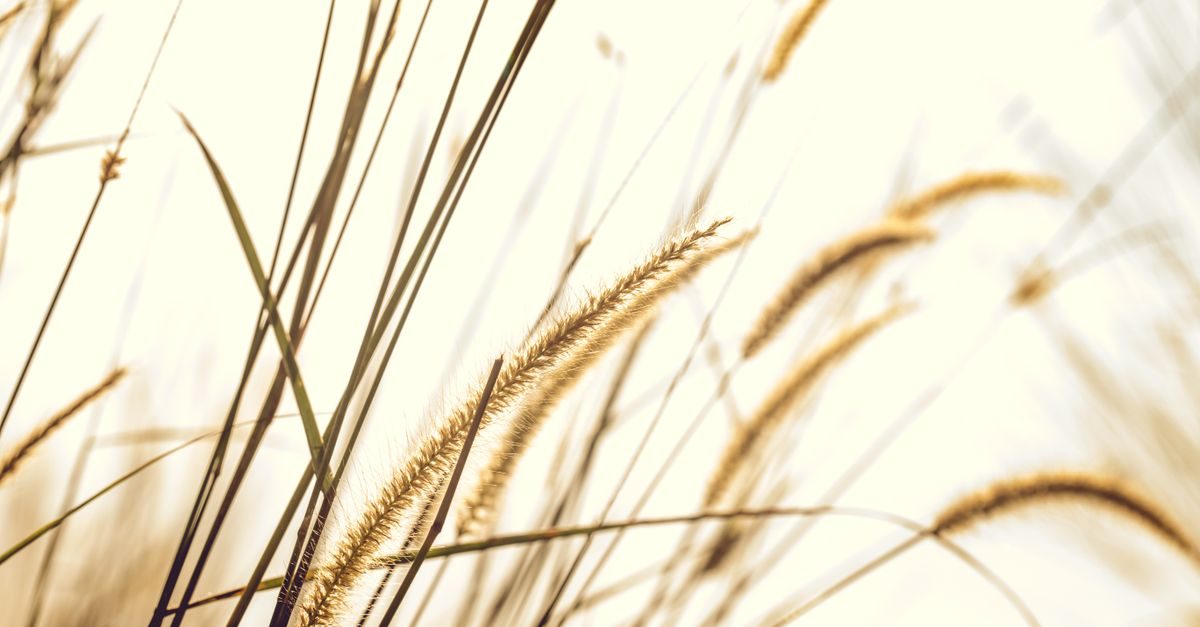
Dallisgrass grows in distinct circular clumps that expand outward year after year, like a slowly spreading ring. The leaf blades are wide, coarse, and a slightly lighter green than most lawn grasses. The dead giveaway is the seedhead: tall, sparse stalks that branch out with several spikes, each lined with seeds that often carry a dark, almost sooty looking fungus. Those seed stalks shoot up shockingly fast, which is why a dallisgrass clump looks ragged again just a day or two after you mow. Underground, it grows from a tough crown and only short rhizomes, spreading mainly by that crown and heavy seed rather than by aggressive runners, and the crown survives the winter. That crown is the heart of the problem.
If the seedhead is a dense bottlebrush spike rather than those branching, sooty-looking stalks, you are probably dealing with foxtail grass instead, which is a summer annual and responds to a different plan than a crowned perennial.
Crabgrass
Crabgrass sprawls flat and low, spreading outward from a central point in a star or crab-leg pattern that hugs the ground rather than standing up in a clump. It is a summer annual, meaning it germinates from seed in spring, grows all season, sets seed, and then dies completely at the first hard frost. It does not have a persistent crown, so it has to start over from seed every year. That single fact is why timing matters so much with crabgrass and why our crabgrass killer guide leans so heavily on pre-emergents. With crabgrass, stopping the seed is the whole strategy. With dallisgrass, it barely scratches the surface.
Nutsedge
Nutsedge is not even a grass. It is a sedge, with triangular stems you can feel by rolling them between your fingers, and it is usually a brighter, more yellow-green than the turf around it. It grows faster than your lawn and stands taller within days of mowing, which can make people lump it in with dallisgrass. But sedges spread through underground tubers (the nutlets that give them their name) and need sedge-specific herbicides. If your weed has those telltale triangular stems, you are in different territory, and our dedicated guide on how to get rid of nutsedge walks through the sedge-only control plan. Our broader guide to common lawn weeds walks through nutsedge and the rest of the usual suspects.
If any of this leaves you unsure, do not guess. A wrong ID here can cost you a whole season. One more grassy weed worth ruling out is poa annua, which runs the opposite cycle as a cool-weather annual rather than a summer perennial, so it calls for a completely different timing. Run a photo through the diagnosis tool and get a confident answer before you spend a dime on chemicals.
Dallisgrass vs Crabgrass: How to Tell Them Apart
Since the dallisgrass vs crabgrass call is where most people go wrong, it deserves its own side-by-side. Stand over the weed and check it against this table. You usually only need two clues to be sure: how the plant grows (upright clump versus flat sprawl) and what the seed head looks like.
| Feature | Dallisgrass | Crabgrass |
|---|---|---|
| Growth habit | Upright circular clump that widens each year from a deep, tough crown with short rhizomes | Sprawling, low mat that spreads flat from a central point in a crab-leg pattern |
| Blades and color | Wide, coarse blades in a slightly lighter green than most lawn grasses | Wider than turf but finer than dallisgrass, often with a pale or purplish tint at the base |
| Seed head | Tall stalks with several spikes spaced along the stem, lined with black-specked spikelets | Finger-like spikes radiating from a single central point at the tip of the stem |
| Life cycle | Perennial: the crown survives winter and the same plants regrow every spring | Summer annual: dies completely at the first hard frost and restarts from seed each spring |
| What works on it | Post-emergent treatment of the crown (selective where labeled, or careful non-selective spot spray), plus thicker turf | Spring pre-emergent to stop germination, plus post-emergent on young escapes |
The life cycle row is the one that changes your shopping list. Crabgrass preventer (pre-emergent) works because crabgrass must restart from seed every year, but dallisgrass regrows from a crown that is already alive, so preventer will not stop the clumps you can see. If the seed head has spikes spaced along a tall stem with those dark specks, treat it as the perennial it is and go after the crown.
Why Dallisgrass Is So Hard to Kill
Understanding why dallisgrass persists tells you exactly why the usual approaches fail and what will actually work.
It is perennial, so it does not need seed to survive. Crabgrass has to rebuild its entire population from seed every spring, which gives you a clean window to stop it. Dallisgrass does not bother. Its crown and rhizomes sit dormant through winter and push out fresh growth the moment soil warms up. You are not fighting next year's seeds; you are fighting the same plant, year after year, getting a little wider each season.
The crown regenerates from a tiny bit of tissue. If you dig out a clump and leave behind even a fragment of crown or rhizome, it can resprout. This is why casual hand-pulling rarely finishes the job on an established plant. You have to remove the entire crown, roots and all, or kill it chemically all the way down.
It produces seed aggressively too. While the crown is the survival engine, dallisgrass also throws out enormous amounts of seed on those fast-growing stalks. So an established lawn problem is really two problems stacked together: mature perennial clumps that regrow from crowns, plus a steady seed bank feeding new plants. You have to address both.
It thrives where your turf is weak. Dallisgrass loves moist, compacted, low-mowed, or thinning lawns. Anywhere the desirable grass has lost density, dallisgrass moves in. That is the opening it exploits, and closing that opening is half of your long-term solution.
The Control Plan That Actually Works
Effective dallisgrass control is never one spray. It is a sequence: strengthen the turf, then treat the plants, then refill the gaps so the weed cannot return.
Step 1: Fix the conditions feeding it
Before you reach for any herbicide, address what let dallisgrass establish in the first place. Raise your mowing height to the top of the recommended range for your grass type so the turf shades the soil and denies seedlings the light they need. Aerate compacted areas to relieve the dense, packed soil dallisgrass favors. Water deeply but less often to encourage deep turf roots rather than the constant surface moisture the weed loves. Keep your lawn on a proper fertilization schedule so it grows thick enough to compete. None of this kills existing clumps, but it stops the population from expanding while you work on the plants you already have, and it is the foundation that keeps the weed from coming straight back.
Step 2: Treat the existing clumps
This is where your grass type drives everything, and where I have to be careful not to oversimplify. Selective herbicides that kill dallisgrass while sparing your lawn grass are genuinely limited, and which ones are safe depends entirely on whether you have a warm-season lawn (bermuda, zoysia, centipede, St. Augustine) or a cool-season lawn (fescue, ryegrass, Kentucky bluegrass). What is safe on one turf type can wipe out another.
Extension guidance on chemistry and timing: University turf extension programs generally describe two routes for dallisgrass. The first is a selective post-emergent labeled for your specific turf type, where one exists, applied to actively growing dallisgrass and often requiring repeat applications spaced several weeks apart because a single pass rarely kills the crown. The second, and the most reliable in lawns where no safe selective option exists, is a careful spot-treatment with a non-selective herbicide applied directly to the clump per the product label, which kills the dallisgrass along with any turf it contacts and leaves a bare spot to reseed. Always confirm the specific product, application rate, turf tolerance, and timing against your state or county cooperative extension's current recommendations and the product label, because what is registered and safe varies by region and changes over time. Do not eyeball rates, and do not assume a product safe on bermuda is safe on fescue.
If you want help reasoning about when in the season to apply a post-emergent for best uptake, our herbicide timing tool can orient you, though your extension's local guidance and the product label always take precedence.
Step 3: Refill the gap
Whether you spot-treated with a non-selective product or dug out the crowns by hand, you will be left with bare patches, and bare soil is an open invitation for dallisgrass seed to germinate right back into the same spot. Reseed or sod those areas with your turf type as soon as the herbicide's label allows replanting (this waiting period varies by product, so check the label). A dense, healthy stand of grass filling that gap is what makes your control permanent instead of a yearly ritual. If you are figuring out how much seed or sod to buy for the patches, our lawn size calculator takes the math off your plate.
Hand removal for small infestations
If you have only a clump or two, digging is a legitimate option and avoids chemicals entirely. The catch is you must remove the entire crown and root mass, not just the leaves. Use a sharp spade, dig several inches out and down around the clump, and lift the whole thing. If you leave crown fragments behind, it will resprout, so be thorough and check the hole for stragglers before you backfill.
What Other Guides Miss
Most dallisgrass articles bury the single most important point, so I want to state it plainly: pre-emergent herbicide alone will never solve an established dallisgrass problem.
Here is why. Pre-emergents work by creating a chemical barrier in the soil that stops germinating seeds from establishing. That is fantastic against crabgrass, which has to germinate from seed every spring and has no other way to come back. But your established dallisgrass clumps did not come from this year's seed. They came from crowns that overwintered underground and are already growing. A pre-emergent does nothing to a plant that is already up. You can apply pre-emergent religiously every spring and watch your existing dallisgrass clumps return untouched, because you were never targeting how they actually survive.
Pre-emergent does have a role, just a supporting one: it suppresses the new seedlings coming from that heavy seed bank, which slows the spread. But it is a complement to crown-level control, not a substitute for it. Any guide telling you to just put down pre-emergent and call it handled is treating dallisgrass like crabgrass, and that is the exact mistake that keeps this weed in your lawn. The whole reason correct identification matters so much is that it determines whether seed control even applies to your situation.
Your Dallisgrass Action Plan
- Confirm the ID. Look for circular clumps, coarse light-green blades, and tall branching seed stalks that regrow fast after mowing. If you are not certain it is dallisgrass and not crabgrass or nutsedge, run a photo through the free diagnosis tool before doing anything else.
- Strengthen your turf. Raise mowing height, aerate compaction, water deeply and infrequently, and fertilize so your lawn grows dense enough to compete.
- Treat the existing clumps. Use a selective post-emergent labeled for your turf type if one exists, or carefully spot-treat with a non-selective product per the label. Verify the product, rate, and timing against your local extension guidance.
- Plan repeat applications. A single treatment rarely kills the crown. Expect to follow up on the schedule your product and extension recommend.
- Reseed or sod the bare spots once the label allows, so dallisgrass seed cannot reclaim the open soil.
- Use pre-emergent as support, not the main play. It slows new seedlings but will not touch established crowns.
Dallisgrass is beatable, but only when you treat it as the perennial it is instead of the annual it pretends to be. Get the identification right, hit the crowns, close the gaps with healthy turf, and you break the cycle that has been bringing it back every summer. When you are ready to confirm exactly what you are dealing with and get a control plan matched to your grass type and region, start with a photo in our lawn diagnosis tool.
Free Lawn Care Tools
No, and the difference between dallisgrass and crabgrass is the whole reason dallisgrass is so hard to control. Dallisgrass is a perennial that stands up in a circular clump with wide, coarse, light-green blades and regrows every year from a tough underground crown, sending up tall seed stalks with spikes spaced along the stem, each lined with black-specked spikelets. Crabgrass is a summer annual that sprawls flat in a crab-leg pattern from a central point, carries a seed head of finger-like spikes radiating from one tip, and dies completely at the first hard frost before restarting from seed each spring. Because they survive differently, they need different control strategies, and treating dallisgrass like crabgrass is the most common reason it keeps coming back.
No. Crabgrass preventer is a pre-emergent, which only stops germinating seeds from establishing. Established dallisgrass regrows each spring from a crown that survived the winter, so it is already alive when the preventer goes down and comes back untouched. Pre-emergent can play a supporting role by suppressing new dallisgrass seedlings, but killing the existing clumps takes a post-emergent treatment aimed at the crown, or digging out the entire crown by hand.
Pre-emergent herbicide only stops seeds from germinating. Your established dallisgrass clumps do not grow from this year's seed; they regrow from crowns that overwintered in the soil and are already alive. A pre-emergent does nothing to a plant that is already up, so the existing clumps return untouched no matter how faithfully you apply it. You have to target the crown with a post-emergent treatment or physical removal to actually kill established dallisgrass.
It depends heavily on your grass type. Selective herbicides that spare your lawn grass while killing dallisgrass are limited and vary by whether you have a warm-season or cool-season lawn, so check your local extension for an option labeled for your specific turf. Where no safe selective option exists, the practical route is carefully spot-treating each clump with a non-selective herbicide per the label, then reseeding the dead patch. Pair either approach with thicker, healthier turf so the weed cannot return.
For one or two clumps, yes, but you have to remove the entire crown and root mass, not just the leaves. Dallisgrass can resprout from even a small fragment of crown left in the soil. Use a sharp spade, dig several inches out and down around the clump, lift the whole thing, and check the hole for leftover pieces before backfilling. For larger infestations, hand removal usually is not practical and chemical control is more realistic.
Most extension guidance recommends treating dallisgrass when it is actively growing, typically through the warm part of the season, because actively growing plants take up herbicide most effectively. A single application rarely kills the crown, so plan on repeat treatments spaced several weeks apart as your product and local extension recommend. Always confirm timing against the product label and your state or county extension, since the right window varies by region and turf type.
Yes, if left alone. Dallisgrass clumps widen a little more each year from their crowns and rhizomes, and the plants also produce heavy amounts of seed on those tall stalks, feeding new plants nearby. It spreads fastest where turf is thin, compacted, or mowed too low. Keeping your lawn dense and healthy, treating existing clumps, and refilling bare spots are what stop it from taking over more of your yard.

Your lawn plan, in your pocket all season
Grass ID, a season plan, soil-timed reminders, and a lawn journal that remembers what you did. Free on iPhone.
Related Articles
 Problem Solving
How to Get Rid of Stickers in Your Yard (Burweed, Sandburs and Goatheads)
Sep 17, 2026•5 min read Problem Solving
How to Get Rid of Thistle in Your Lawn (Why It Keeps Coming Back)
Aug 12, 2026•6 min read Problem Solving
Broadleaf Plantain: How to Get Rid of This Stubborn Lawn Weed
Aug 12, 2026•6 min read