Perennial Ryegrass vs Tall Fescue: Which Cool-Season Grass Wins for Your Lawn?
 Marcus GreenTurf Management Pro | 18 Years
As an Amazon Associate we earn from qualifying purchases.
You are standing in the seed aisle, or scrolling a seed website, and it comes down to two cool-season bags: perennial ryegrass or tall fescue. Both promise a thick green lawn, both show up in the same blends, and the labels read almost identically. So which one actually belongs in your yard, and does it even have to be one or the other? That is what this guide answers, in plain terms, so you can buy the right grass once instead of reseeding a mistake next spring.
If you want one grass to carry a home lawn through hot, dry summers with the least fuss, go with tall fescue. Its deeper roots give it better heat and drought tolerance, it is more cold-hardy than ryegrass, and it holds up as a standalone turf in tough climates like the transition zone. The trade-off is a coarser blade and slower germination.
If you need fast green, a fine bright texture, or strong recovery from foot traffic, reach for perennial ryegrass. It has the fastest germination of the common cool-season grasses, which is exactly why it lives in so many seed mixes and gets used to overseed dormant warm-season lawns for winter color. The catch is that it is less heat, drought, and cold tolerant than fescue, so it rarely makes the best solo lawn in a hot climate. For a lot of homeowners, the real answer is both: tall fescue as the backbone, a small share of ryegrass for speed and wear.
The Quick Background: Two Cool-Season Bunch Grasses
Both perennial ryegrass and tall fescue are cool-season grasses, which means they do their best growing in the cooler shoulders of the year, spring and fall, and they suffer most in peak summer heat. They thrive in the northern half of the country and across the transition zone.
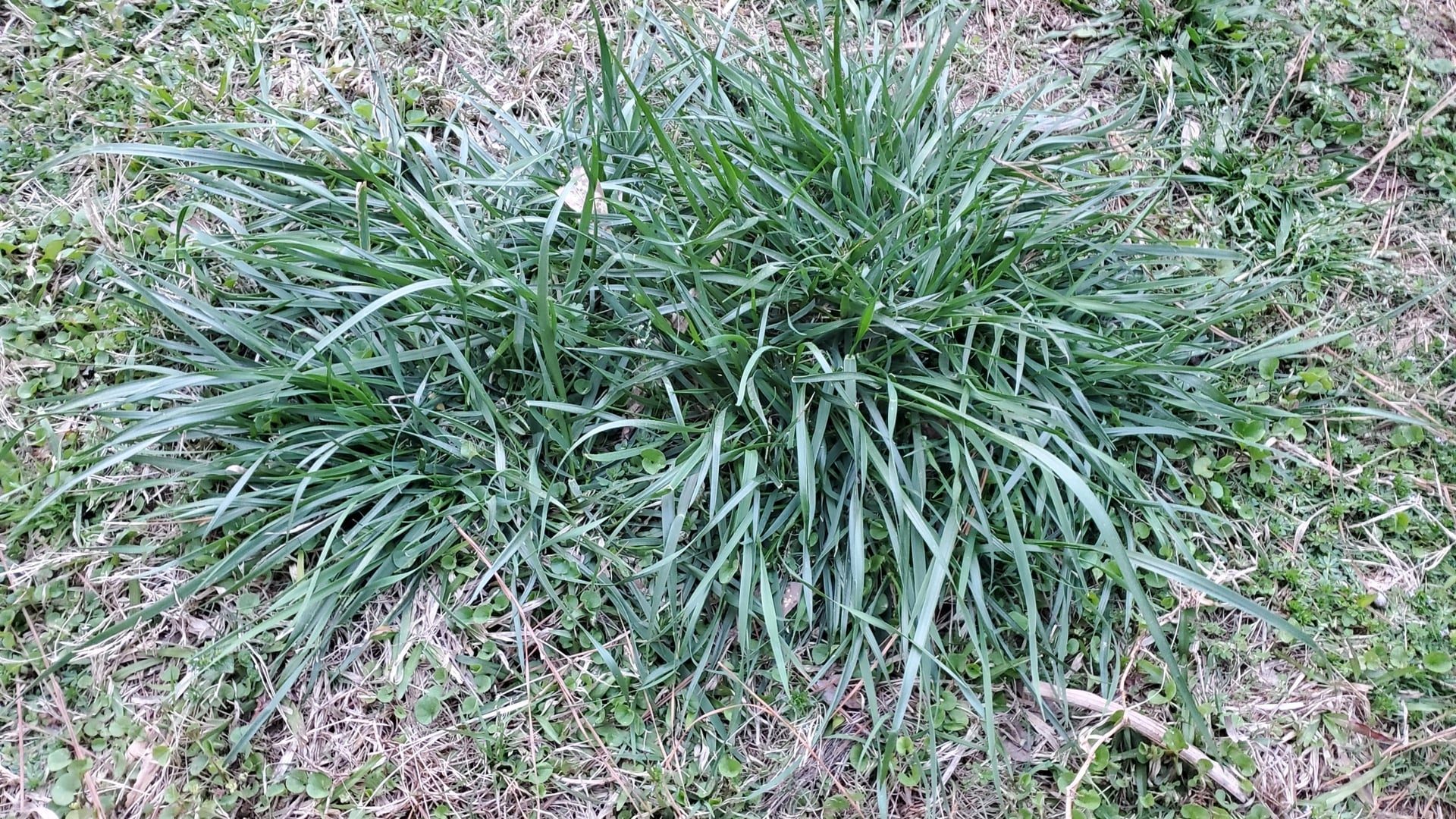
Here is the single most important thing they have in common, and the thing most homeowners overlook: they are both bunch-type grasses. They grow in clumps from a central crown, sending up new shoots called tillers, but they do not spread sideways by underground rhizomes or above-ground stolons. Compare that to Kentucky bluegrass, which knits itself together with rhizomes, or bermuda, which runs across the soil with stolons. With ryegrass and fescue, a bare spot stays a bare spot until you reseed it. We will come back to why that matters.
If you want the wider family tree before you narrow down, our complete guide to cool-season grass types lays out where ryegrass and fescue sit next to bluegrass and fine fescue.
Blade and Appearance
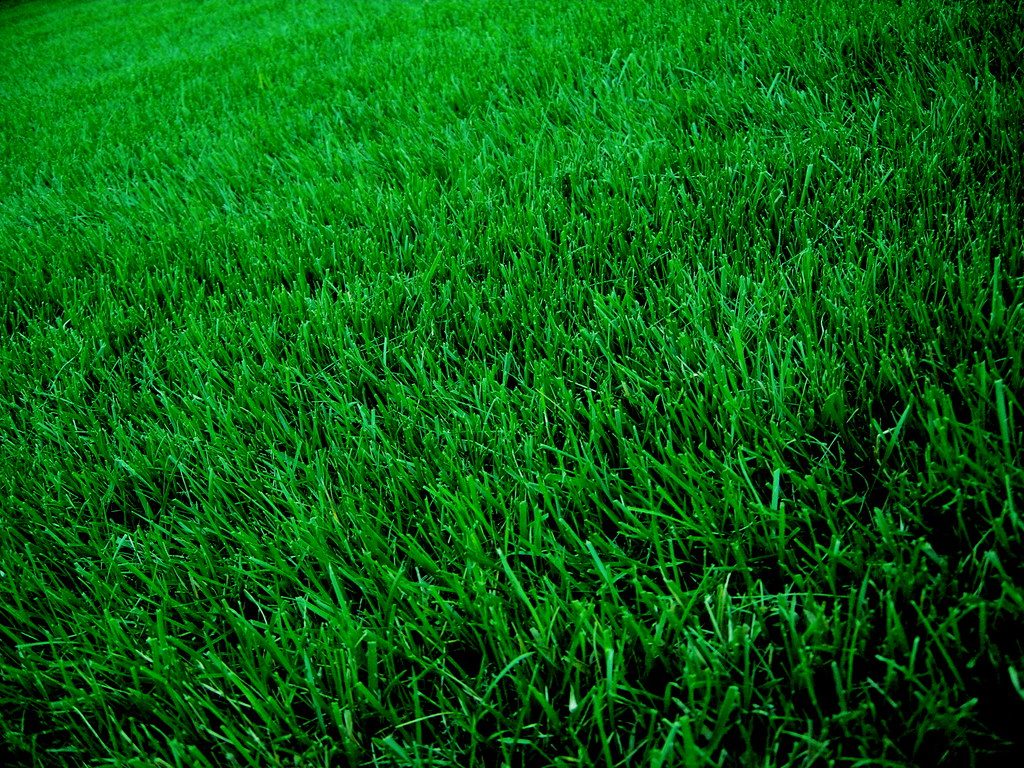
Run your hand across each and you will feel the difference. Perennial ryegrass has fine, narrow blades and a glossy underside, with a bright, almost emerald green that reads as a manicured, premium-looking lawn. That sheen is part of why it gets seeded onto golf course roughs and sports fields, it simply looks the part.
Tall fescue is coarser. Modern turf-type tall fescues have been bred to be far finer than the old pasture-type fescues your grandfather might have cursed, but blade for blade, fescue is still wider and a touch more matte than ryegrass. On its own, tall fescue looks like a healthy, sturdy lawn rather than a putting green, which for most homeowners is exactly fine. The coarseness only becomes an eyesore when fescue invades a fine-textured lawn in scattered clumps, which is one reason people blend compatible grasses rather than mixing wildly different textures.
Germination Speed: The Headline Difference
If there is one chart-topping reason these two grasses get talked about together, it is germination speed. Perennial ryegrass has the fastest germination of the common cool-season grasses, full stop. Drop ryegrass seed on prepared soil and you will see green noticeably sooner than almost anything else you could have planted.
Tall fescue is not slow, it germinates faster than Kentucky bluegrass, but it still lags well behind ryegrass. This single trait explains a huge amount of how each grass gets used. Ryegrass becomes the nurse grass in blends, popping up quickly to hold soil, shade the surface, and crowd out weeds while the slower grasses get established underneath. It is also why ryegrass dominates overseeding, when you need a green lawn fast, ryegrass delivers.
Want the exact window for your area and the right amount of seed per thousand square feet? That is genuinely local, so plug your details into our seeding calculator instead of guessing from a bag label.
Side-by-Side Comparison
| Trait | Perennial Ryegrass | Tall Fescue |
|---|---|---|
| Season type | Cool-season | Cool-season |
| Growth habit | Bunch-type (no self-repair) | Bunch-type (no self-repair) |
| Blade texture | Fine, glossy, bright green | Coarser, more matte |
| Germination speed | Fastest of cool-season grasses | Moderate, faster than bluegrass |
| Root depth | Shallower | Deeper |
| Heat and drought tolerance | Lower | Higher |
| Cold hardiness | Lower | Higher |
| Wear tolerance | Excellent, quick recovery | Good |
| Shade tolerance | Moderate | Moderate to good |
| Common roles | Mix component, overseeding warm-season for winter, quick cover, sports turf | Standalone home lawn, tough-climate backbone |
Climate and Zone Fit
Both grasses live in cool-season territory, but their comfort ranges are not identical. Tall fescue stretches further into the transition zone, that band across the middle of the country where summers get hot enough to stress cool-season grasses and winters get cold enough to knock back warm-season ones. Fescue's deep roots and heat tolerance let it survive there as a standalone lawn where ryegrass alone would struggle.
Perennial ryegrass is more comfortable in milder, maritime-influenced climates and as a piece of the puzzle rather than the whole thing. Push it into a hot, dry transition-zone summer on its own and it tends to thin out. It is also less cold-hardy than fescue, so harsh winters can take a toll. That does not make ryegrass a bad grass, it just means its sweet spot is narrower, and it earns its keep through speed and texture rather than toughness.
Sun vs Shade

Neither of these is a true shade champion, that title belongs to the fine fescues, but both handle partial shade reasonably well. Turf-type tall fescue is often rated a touch better in shade than perennial ryegrass, and its drought resilience helps under trees where roots compete for water. Perennial ryegrass does fine in moderate shade but prefers a good amount of sun to look its best.
If shade is your real problem, it is worth comparing the fescue family directly, since fine fescue and tall fescue are different animals. Our fine fescue vs tall fescue breakdown sorts out which fescue actually belongs in your shady spots.
Drought, Heat, and Cold Tolerance
This is where tall fescue pulls clearly ahead. Fescue develops a deeper root system than ryegrass, and deeper roots reach moisture that shallow-rooted grasses cannot, so fescue stays greener longer through hot, dry stretches and bounces back better afterward. It is the cool-season grass most often recommended when summer heat and water restrictions are part of the picture.
Perennial ryegrass, with its shallower roots, browns out faster under heat and drought stress and needs more attentive watering to stay looking sharp through summer. On the cold end, ryegrass is also the more tender of the two, while tall fescue shrugs off harder winters. If your climate throws extremes in either direction, fescue is the safer standalone bet, and ryegrass is better cast as a supporting player.
Wear Tolerance and Recovery
Here perennial ryegrass earns real respect. It has excellent wear tolerance and, just as importantly, recovers quickly from damage because of how fast it germinates and establishes. That combination is why ryegrass is a staple on athletic fields and in high-traffic blends, when cleats and kids tear up the turf, ryegrass fills back in fast.
Tall fescue has good wear tolerance too, helped by its toughness and deep roots, but its slower establishment means it recovers from damage more slowly. For a lawn that takes a beating, a blend that includes ryegrass for quick recovery on top of a fescue backbone is a smart play. If high traffic is your defining problem, our roundup of the best grass seed for high-traffic areas goes deeper on building a lawn that survives constant use.
The Bunch-Type Habit: Why Neither Self-Repairs
We flagged this early, and it deserves its own section because it changes how you maintain both grasses. Since perennial ryegrass and tall fescue are both bunch-type, they thicken by producing more tillers from existing crowns, not by sending out runners to colonize bare ground. A spot killed by grub damage, disease, pet urine, or a forgotten kiddie pool will not knit itself closed on its own.
The practical upshot: you reseed. Both grasses respond well to overseeding, dropping fresh seed into thin or bare areas, and ryegrass's fast germination makes that repair quick. It also means seeding rate matters more than with spreading grasses, because you are relying on enough individual plants to create a dense stand rather than counting on them to fill gaps. Plan for periodic overseeding as routine maintenance rather than a sign something went wrong.
Maintenance at a Glance
Day to day, the two grasses are more alike than different. Both grow hardest in spring and fall and want most of their feeding then, both prefer to be mowed on the taller side to shade their roots and crowns, and both benefit from deep, infrequent watering over light daily sprinkling. The differences are matters of degree: ryegrass tends to demand more water to stay green through summer heat, while fescue's deeper roots let it coast a bit longer between waterings.
The other shared reality is overseeding as routine upkeep, which we just covered. Beyond that, the exact heights, feeding schedule, and timing depend heavily on where you live and which grass dominates your lawn, which is the cue for the guidance below.
- Exact seeding rates per thousand square feet differ between perennial ryegrass and tall fescue, and between new seedings and overseeding. Confirm the right rate for your situation with your local cooperative extension office.
- Blend ratios, like how much ryegrass to mix into a tall fescue lawn, should be matched to your climate and use. Extension turf programs publish recommended ratios for your region.
- The best seeding and overseeding windows are tied to your local soil temperatures and first or last frost dates, not the calendar. Your extension office or state turf guide will have the dates for your area.
- Fertilizer timing and amounts are region- and soil-specific. A soil test through your extension office takes the guesswork out of feeding either grass.
Best Use Cases for Each
Reach for perennial ryegrass when you want fast green cover, a fine bright-green texture, strong wear recovery on a high-traffic lawn, or winter color over a dormant warm-season lawn. It is the go-to for overseeding bermuda or zoysia in fall so the yard stays green while the warm-season grass sleeps, and it is the quick-cover and nurse component in countless blends.
Reach for tall fescue when you want a durable standalone home lawn that can take heat, drought, and cold with minimal drama, especially in the transition zone or warmer cool-season areas. It is the backbone grass, the one you build a low-maintenance, climate-resilient lawn around.
And in plenty of yards, the answer is a blend that uses tall fescue for resilience and a measured amount of ryegrass for speed and recovery. Want to weigh these two against other contenders side by side? Our grass comparison tool lets you stack them up on the traits you care about most.
Recommended products
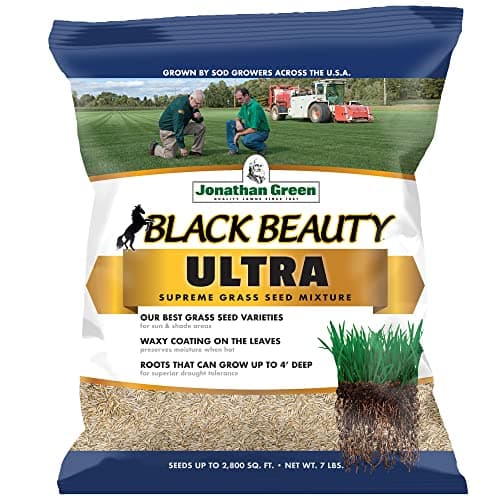
Jonathan Green Black Beauty Ultra Grass Seed
A deep-rooting tall fescue blend mixed with bluegrass and ryegrass for cool-season lawns.
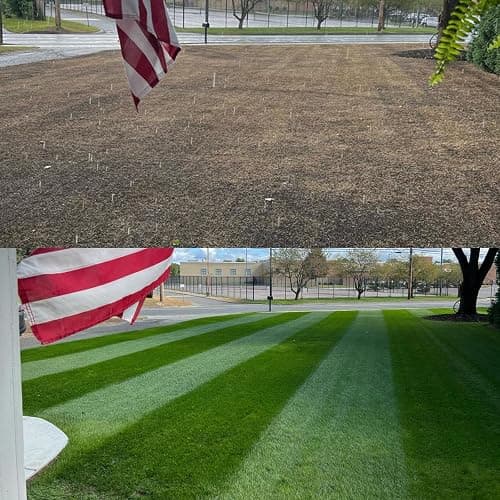
NightShift Perennial Ryegrass Seed
Straight perennial ryegrass for fast cover, high-traffic repair, or winter overseeding of a dormant warm-season lawn.
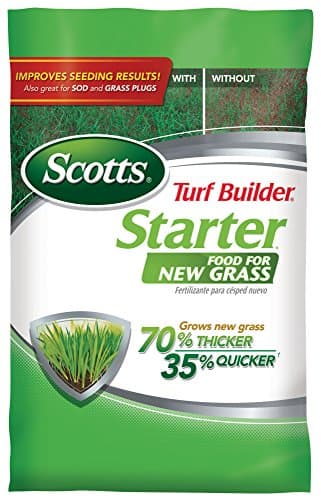
Scotts Turf Builder Starter Food for New Grass
A phosphorus-forward starter fertilizer for the seedling stage of either grass.
Which Should You Choose?
Strip away the nuance and it comes down to a few honest questions about your yard.
Choose tall fescue if you want one grass to handle a home lawn through hot summers and cold winters with the least intervention, you are in the transition zone or a warmer cool-season climate, you care more about drought resilience than a putting-green texture, and you are fine reseeding the occasional bare spot.
Choose perennial ryegrass if you need green fast, you want the finest, brightest texture, your lawn takes heavy foot traffic and needs to recover quickly, or you are overseeding a dormant warm-season lawn for winter color. Just go in knowing it is less forgiving of heat, drought, and hard freezes on its own.
Choose a blend if you want the best of both, which is what a lot of premium cool-season lawns actually are: a tall fescue foundation for toughness with enough ryegrass mixed in for quick establishment and wear recovery.
Still unsure what is already in your yard, or whether your existing lawn is fescue, ryegrass, or a mix? Take a quick photo and let our AI identify it for free, then you will know exactly what to match or overseed with. You can also start from our what kind of grass do I have walkthrough if you would rather identify it by eye.
What Most Comparisons Get Wrong
A few myths follow these two grasses around, and they lead to bad buying decisions.
"Perennial ryegrass will spread and fill in my lawn." It will not. Because it is bunch-type, ryegrass thickens only where seed lands and germinates. If you want a denser stand, you seed more heavily or overseed, you do not wait for it to creep. The same goes for tall fescue. Expecting either to behave like Kentucky bluegrass leads to permanently thin spots.
"Annual and perennial ryegrass are basically the same." They are not, and this trips up a lot of shoppers. Annual ryegrass is a cheap, short-lived grass often used for very temporary cover or erosion control, and it dies out within a season. Perennial ryegrass, the grass in this comparison, is a permanent turf grass. Check the bag carefully, because a cheap mix loaded with annual ryegrass is not the lawn you think you are buying.
"Tall fescue is coarse pasture grass." That was true decades ago. Today's turf-type tall fescues are bred specifically for lawns and are far finer and denser than the old forage fescues. Judging modern fescue by its ancestors sells it short.
"Fescue is drought-proof." More drought tolerant than ryegrass, yes. Drought-proof, no. Its deep roots buy it time and resilience, but it still needs water to thrive, it just stretches further between drinks. Treating any cool-season grass as set-and-forget in a brutal summer is how lawns go brown.
Your Action Plan
- Identify what you already have. Before buying anything, snap a photo for a free AI grass ID so new seed matches your existing lawn and you do not end up with a patchwork of clashing textures.
- Pick your role. Decide whether you need a tough standalone lawn (lean tall fescue), fast green or wear recovery (lean perennial ryegrass), or both (a blend with fescue as the backbone).
- Read the bag, not just the brand. Confirm it is perennial, not annual, ryegrass, and check the blend percentages so you know what you are actually planting.
- Get your numbers right. Use our seeding calculator to figure out how much seed your yard needs, then confirm local rates, ratios, and timing with your cooperative extension office.
- Compare before you commit. Run both grasses through our grass comparison tool, and if you want the full cool-season lineup, read the perennial ryegrass guide and our Kentucky bluegrass vs tall fescue and fescue vs bermuda grass comparisons.
- Plan for upkeep. Remember both grasses are bunch-type, so budget for periodic overseeding as normal maintenance, and feed and water on a cool-season rhythm.
Get the grass right once, and the rest of lawn care gets a lot easier. For a plan built around your specific yard, a free photo grass ID is the fastest first step, and a personalized 12-month care plan tells you the exact seeding rate, timing window, and feeding schedule for your zip and your grass.
Free Lawn Care Tools
It depends on your climate and goals. Tall fescue is usually the better standalone lawn grass in the transition zone and warmer cool-season areas because its deeper roots give it better heat and drought tolerance. Perennial ryegrass shines where you need fast germination, a fine bright-green texture, and strong wear recovery, which is why it appears in so many seed mixes and on athletic fields. Many of the best home lawns use both, with tall fescue as the backbone and a small percentage of ryegrass for quick cover.
No. Perennial ryegrass is a bunch-type grass, meaning it grows in clumps from a crown rather than spreading by rhizomes or stolons. Tall fescue is also bunch-type. Neither grass self-repairs the way Kentucky bluegrass or bermuda does, so bare spots from damage or disease need to be reseeded rather than left to fill in.
Perennial ryegrass germinates faster. It has the fastest germination of the common cool-season grasses, often showing green well ahead of tall fescue under the same conditions. Tall fescue is no slouch and germinates faster than Kentucky bluegrass, but ryegrass is the speed champion, which is exactly why it gets added to mixes as a quick-cover nurse grass.
Yes, and it is one of ryegrass's most popular uses. In warm-season regions, homeowners overseed dormant bermuda or zoysia with perennial ryegrass in fall to keep a green lawn through winter, then the ryegrass fades as the warm-season grass wakes up in spring. In cool-season lawns, ryegrass is also used to thicken thin turf quickly because of its fast establishment.
Yes. Tall fescue develops a deeper root system that lets it pull moisture from lower in the soil, so it generally handles heat and drought better than perennial ryegrass. Ryegrass tends to struggle and brown out faster during hot dry stretches and is also less cold-hardy than tall fescue, which is part of why fescue is favored as a standalone lawn in tougher climates.
They can, and blends are common, but match the proportions to your goal. Tall fescue is the better long-term backbone in most home lawns, so it should make up the majority of a blend, with a smaller share of ryegrass for fast cover and wear recovery. Because seeding rates and ratios vary by region and product, check with your local extension office for the right mix for your area.

Your lawn plan, in your pocket all season
Grass ID, a season plan, soil-timed reminders, and a lawn journal that remembers what you did. Free on iPhone.