How to Get Rid of Dollarweed (Pennywort) in Your Lawn
 Marcus GreenTurf Management Pro | 18 Years
As an Amazon Associate we earn from qualifying purchases.
You spot them after a rainy stretch: bright green, round leaves about the size of a coin scattered through the lawn, almost like tiny lily pads standing on little stems. You mow, they bounce right back. You hit them with a broadleaf spray, and a few weeks later they are thicker than before. That is dollarweed, also called pennywort, and the reason it keeps winning usually has more to do with your soil than your weed killer.
Not sure that is what you have? Snap a photo for a free AI diagnosis and get a clear ID in seconds before you spend a dime on the wrong product.
Dollarweed is a moisture problem wearing a disguise. It thrives in lawns that stay too wet from overwatering, poor drainage, or low spots, so the single most effective thing you can do is reduce moisture. Water deeply but infrequently, fix soggy areas and drainage, and grow dense, taller turf. University of Florida research found that simply cutting irrigation frequency reduced dollarweed on its own. If you spray without fixing the water, you are signing up for the same fight every year.
When you do treat it, dollarweed is a perennial, so there is no germination window to block with a pre-emergent the way there is with summer annuals. Control comes from the moisture fix plus a post-emergent herbicide that is safe for your grass type. The safe product varies a lot by turfgrass, and several common actives will damage the wrong lawn, so confirm the label lists your grass before you spray.
First, Make Sure It Is Dollarweed
Dollarweed is easy to identify once you know the one feature that gives it away, and getting the ID right matters because it is often confused with weeds that need a different plan.
What dollarweed looks like
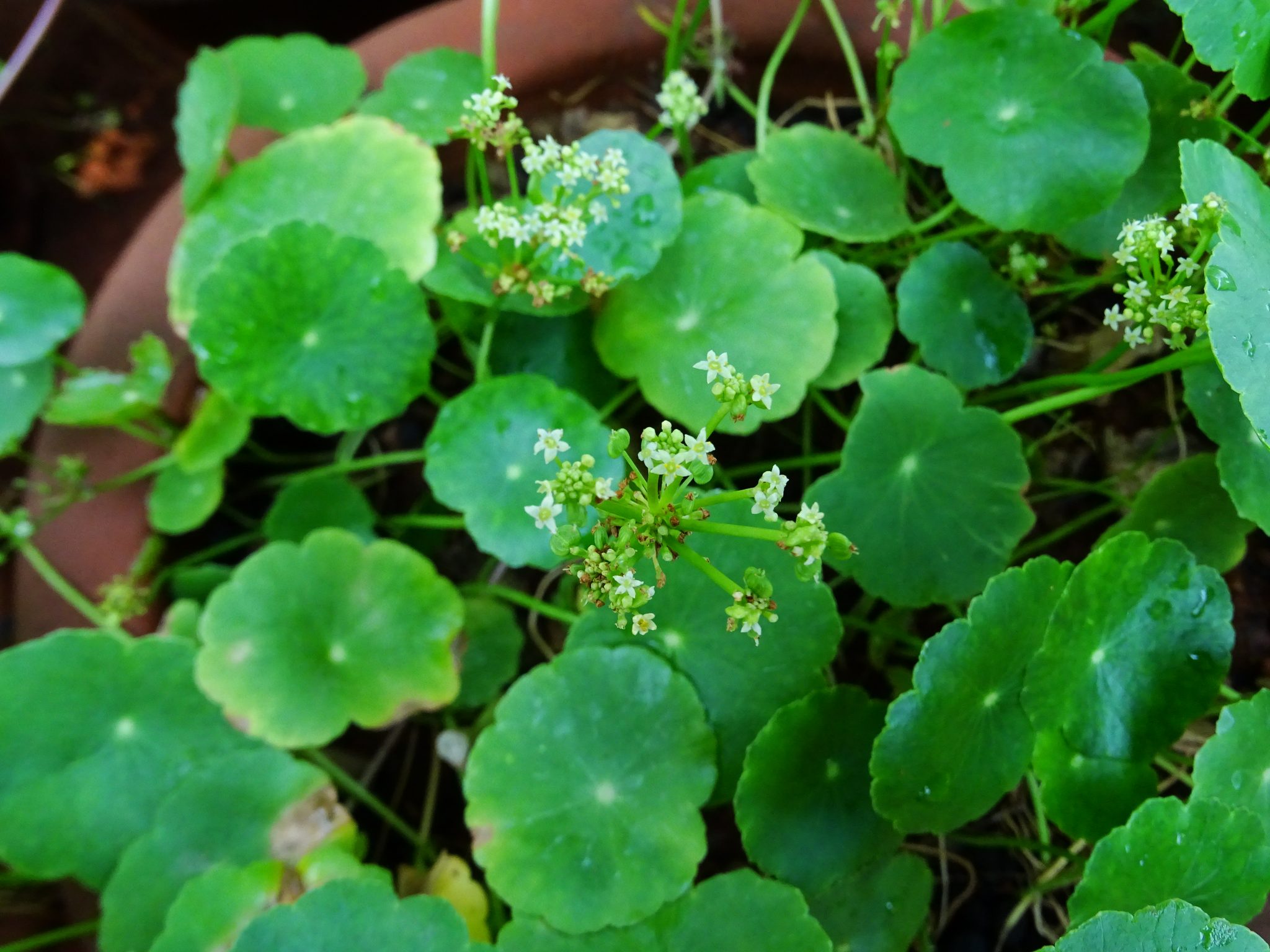
Dollarweed has round, bright green leaves with slightly scalloped edges, usually about the size of a silver dollar, which is where the name comes from. The single most reliable tell is where the stem attaches. On dollarweed, the leaf stem connects at the center of the underside of the leaf, so the leaf sits up like a tiny umbrella. It spreads through wet soil by creeping underground stems called rhizomes, by seed, and by small tubers, which is why a patch seems to expand in every direction at once. You will almost always find it concentrated in the wettest parts of the yard.
Common look-alikes
The plant most often confused with dollarweed is dichondra, whose leaves are kidney-shaped with a notch and attach at the edge rather than the center. Clover has three leaflets, not a single round leaf, and wild violet leaves are heart-shaped. When in doubt, flip the leaf over and look at the stem attachment. A center-mounted stem under a round leaf is dollarweed almost every time. If you want a second opinion, snap a photo for a free AI diagnosis before you treat.
Why You Have Dollarweed
This is the part that changes everything, and most articles skip past it. Dollarweed is not a random invader. It is an indicator weed, and what it indicates is too much water. It shows up where soil stays saturated from frequent irrigation, naturally low or poorly drained areas, leaky sprinkler heads, or shady damp corners that never dry out. Extension specialists are direct about this: the presence of dollarweed tells you the area is holding excess moisture, and the first line of defense is to reduce that moisture, not to reach for a bottle. That is why people who only spray are stuck in a loop. They keep killing the symptom while leaving the cause untouched.
Step 1: Reduce the Moisture First
These cultural changes attack the actual cause, and they cost nothing but attention.
- Water deeply and infrequently. Let the surface dry between waterings instead of light daily cycles. University of Florida research showed that reducing irrigation frequency alone cut dollarweed, so this single change does real work.
- Fix drainage and wet spots. Find the low areas that puddle, the downspouts draining onto turf, and the sprinkler heads that overshoot or leak, and correct them. Core aerate compacted soil so water moves down instead of pooling at the surface.
- Mow higher and thicken the turf. Taller, denser grass shades the soil and competes hard with dollarweed. Address compaction, fertilize for your grass and season, and fill thin or bare areas so there is no open wet ground for it to claim.
For a watering routine that keeps soil from staying soggy, see our lawn watering guide. Drying out the habitat is the foundation everything else builds on.
Step 2: Post-Emergent Control by Grass Type
Because dollarweed is a perennial, there is no pre-emergent germination window to target the way there is with summer annual weeds. Once the moisture is addressed, you control the remaining plants with a post-emergent herbicide chosen for your turfgrass. Here is the extension-backed breakdown.
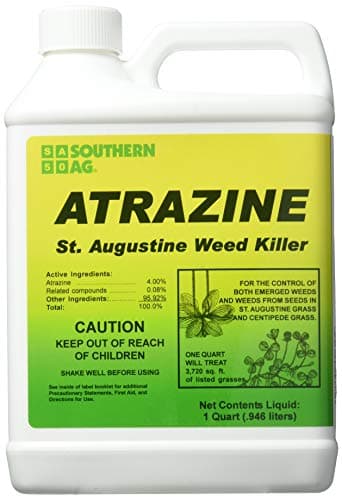
- St. Augustinegrass and centipedegrass: atrazine controls dollarweed and is labeled for both, but no more than twice a year, not above about 85 degrees, not on newly sodded turf, and not near water. Imazaquin (sold as Image) is labeled for these grasses, and a three-way broadleaf product can be used at a reduced rate. Metsulfuron is one of the most effective options on dollarweed, but on centipede it must be used at a low rate only and not right after fertilizing.
- Bermudagrass and zoysiagrass: a standard three-way broadleaf herbicide at the full labeled rate, imazaquin, and metsulfuron are all labeled options. Atrazine is not a good fit here, since it is only labeled on bermuda when fully dormant and its safety on zoysia is disputed between extension sources, so it is better to lead with the other options and check your label.
- Bahiagrass: be careful here. No extension source pairs dollarweed with a bahia-safe product beyond a careful, spot-applied three-way broadleaf. Never use atrazine or metsulfuron on bahia, because both will damage or kill it. On bahia, rely on the moisture fix and spot treatment only.
Dollarweed rarely dies in one pass, so plan on repeat applications following the label interval, and keep the soil drier so it does not simply return.
- Confirm your turfgrass is on the label. Extension guidance is explicit that you must read the label and make sure the product is recommended for your specific grass. The same active that is safe on St. Augustine can be the very tool used to kill bahiagrass.
- Respect atrazine limits. Where atrazine is appropriate, that means St. Augustine or centipede, no more than twice a year, not on drought-stressed turf, not above the labeled temperature, and not near water or high water tables. It is also legally restricted in some areas.
- Use amine over ester in heat. Ester formulations of 2,4-D can volatilize and drift in summer, so the amine form is the safer choice near sensitive turf, and St. Augustine and centipede need reduced rates regardless.
- Metsulfuron is potent and grass-specific. It is highly effective on dollarweed but will damage bahiagrass and must be kept to low rates on centipede. Follow the label exactly and do not tank-mix it with a fresh fertilizer application on sensitive grasses.
- Lead with the moisture fix. Every extension source treats herbicide as a supplement to reducing moisture, not a replacement for it. Skip the cultural fix and the dollarweed comes back.
What Most Guides Get Wrong
Most dollarweed articles hand you a product list and stop. Here is what actually determines the outcome.
It is a drainage problem first. Dollarweed is one of the clearest indicator weeds in the lawn. If you treat it as a chemistry problem instead of a water problem, you will be spraying the same patches season after season. Fix the moisture and the herbicide has far less to do.
The wrong product damages your lawn. Dollarweed control is unusually grass-specific. Atrazine helps on St. Augustine and centipede but is wrong for active bermuda, and metsulfuron that rescues one lawn will kill a bahia lawn. This is not a place to grab a generic weed killer and hope.
It takes repeat treatments. As a perennial that spreads by rhizomes, seed, and tubers, dollarweed shrugs off single applications. Real control is a campaign: dry out the soil, treat with the right chemistry, and repeat. If you want the exact product and timing for your zip code and grass type, that is what a personalized care plan does, and you can start with a free photo diagnosis.
Your Dollarweed Action Plan
- Confirm the ID. Flip a leaf and check for the center-mounted stem under a round, coin-shaped leaf. If unsure, get a free photo diagnosis before buying anything.
- Cut the water. Move to deep, infrequent irrigation and fix soggy spots, low areas, leaky heads, and drainage. This is the most effective single step.
- Strengthen the turf. Mow higher, aerate, fertilize appropriately, and thicken thin areas so dollarweed loses its wet, open foothold.
- Treat by grass type. Choose a post-emergent labeled for your turfgrass, confirm your grass is on the label, and respect atrazine and temperature limits. On bahia, spot-treat carefully or rely on cultural control.
- Repeat and keep it dry. Expect several treatments per the label, and hold the line on drainage and irrigation so it does not come back.
For the fundamentals of choosing and applying lawn herbicides, our guide to the best weed killers and DIY methods is a good primer, and if you are juggling several warm-season weeds at once, our summer weed management guide helps you sequence the work. Beat dollarweed by treating it as the drainage signal it is, then cleaning up what remains with the right chemistry for your grass, and those little green coins stop coming back.
Top Picks

As an Amazon Associate we earn from qualifying purchases.
Free Lawn Care Tools
The fastest durable fix is to attack the cause and the plant together. Reduce moisture by watering deeply but infrequently and correcting drainage, because dollarweed thrives in wet soil, then treat with a post-emergent herbicide labeled for your grass. On safe grasses, metsulfuron is one of the most effective options, while atrazine works on St. Augustine and centipede within its limits. Spraying without fixing the water just brings it back.
Dollarweed is an indicator weed, and what it indicates is too much moisture. It shows up where soil stays saturated from overwatering, poor drainage, low spots, leaky sprinklers, or damp shade. Extension specialists treat its presence as a sign to reduce moisture first. If you see a lot of dollarweed, you are almost certainly watering too much or have a drainage problem.
Watering less makes a real difference. University of Florida research found that reducing irrigation frequency alone lowered dollarweed. For an established patch you will usually still need a grass-safe herbicide to finish it off, but the moisture fix is what keeps it from coming back, so it is the foundation rather than an afterthought.
No. The giveaway is the leaf and stem. Dollarweed has a single round, coin-shaped leaf with the stem attached at the center of the underside, so it stands up like a tiny umbrella. Clover has three leaflets, creeping charlie and wild violet have scalloped or heart-shaped leaves, and dichondra attaches at the leaf edge rather than the center. Flip the leaf over to confirm.
Only on the right grass and within strict limits. Atrazine is labeled for dollarweed on St. Augustine and centipede, no more than twice a year, not above about 85 degrees, not on drought-stressed or newly sodded turf, and not near water. It is not a good choice for actively growing bermuda, its safety on zoysia is disputed between extension sources, and it should never be used on bahiagrass. Always read the label.
Yes, if the conditions stay the same. Dollarweed is a perennial that spreads by underground rhizomes, seed, and small tubers, so it persists year to year and resists single treatments. The way to stop the cycle is to keep the soil drier through better irrigation and drainage, while treating the remaining plants with a grass-safe herbicide over repeat applications.

Your lawn plan, in your pocket all season
Grass ID, a season plan, soil-timed reminders, and a lawn journal that remembers what you did. Free on iPhone.
Related Articles
 Problem Solving
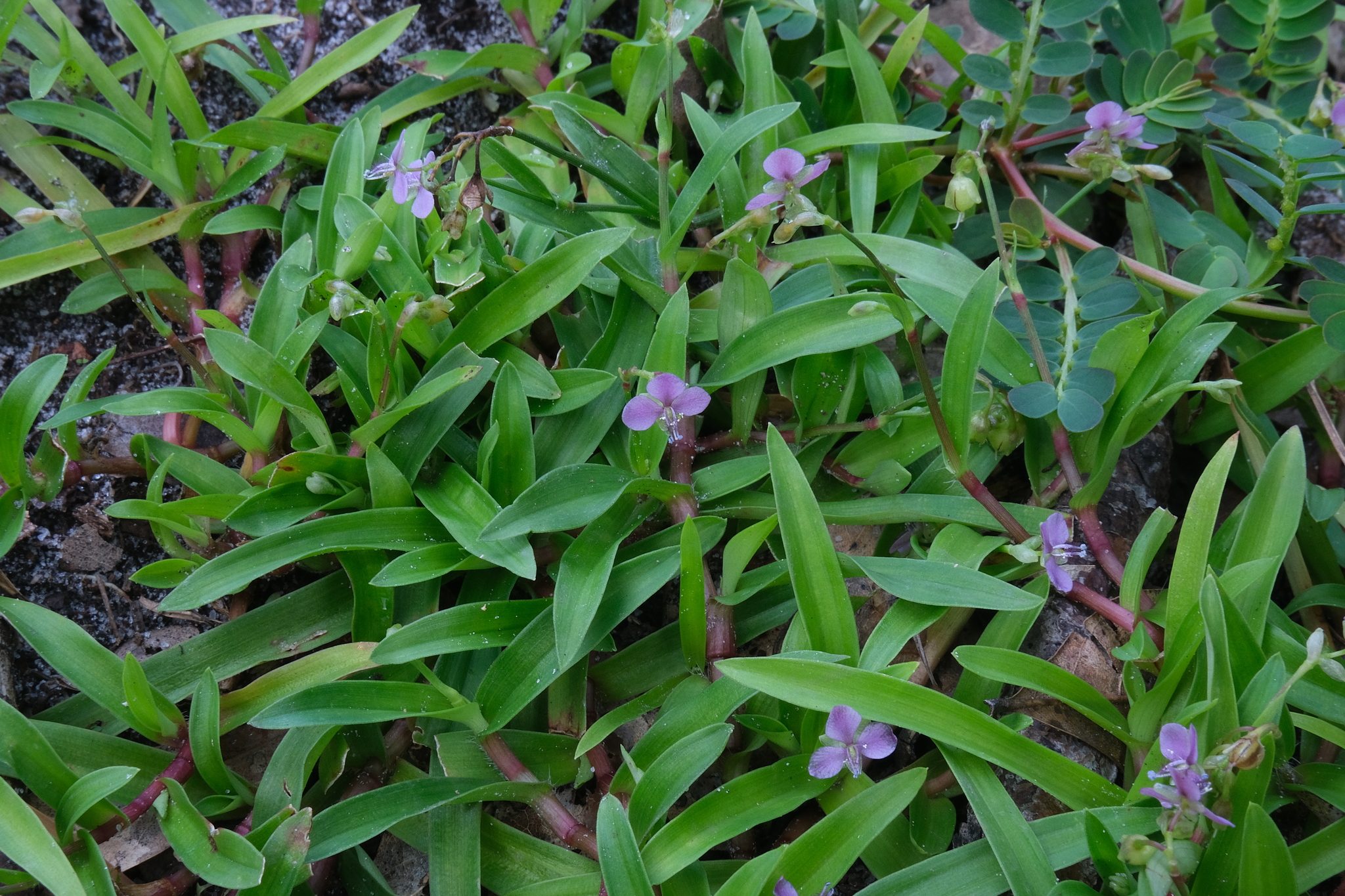
How to Get Rid of Doveweed (Identification, Prevention, and Control)
Jun 27, 2026•10 min read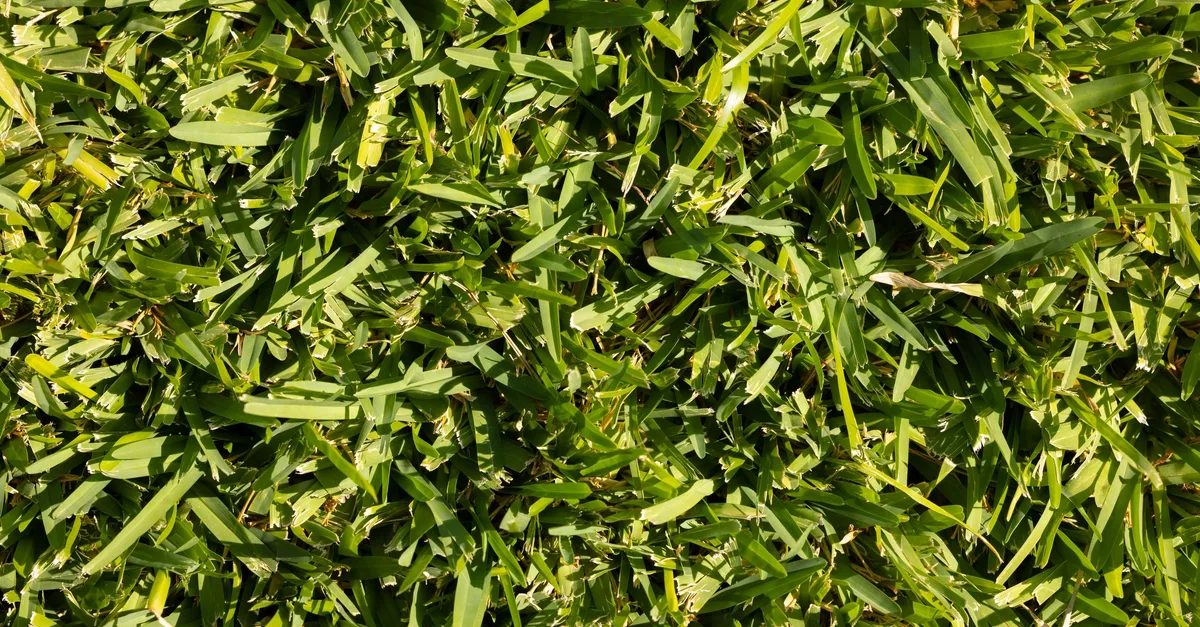 Problem Solving
Weeds in St. Augustine Grass: How to Identify the Lookalikes and Kill Them Safely
Sep 16, 2026•5 min read Problem Solving
How to Get Rid of Wild Violet in Your Lawn (And Why It Fights Back)
Jun 19, 2026•11 min read