Sod Webworms: How to Spot the Lawn Moths and Stop the Damage
 Sarah MitchellLawn Diagnostics Specialist | 12 Years
As an Amazon Associate we earn from qualifying purchases.
You push the mower across the yard and a little cloud of small tan moths lifts up ahead of you, zig-zagging a few feet before dropping back into the grass. A week or two later you notice the lawn looks thin and ragged in spots, with irregular brown patches that seem to spread overnight. If that sounds like your lawn right now, you are almost certainly dealing with sod webworms, and the moths you keep flushing are the calling card.
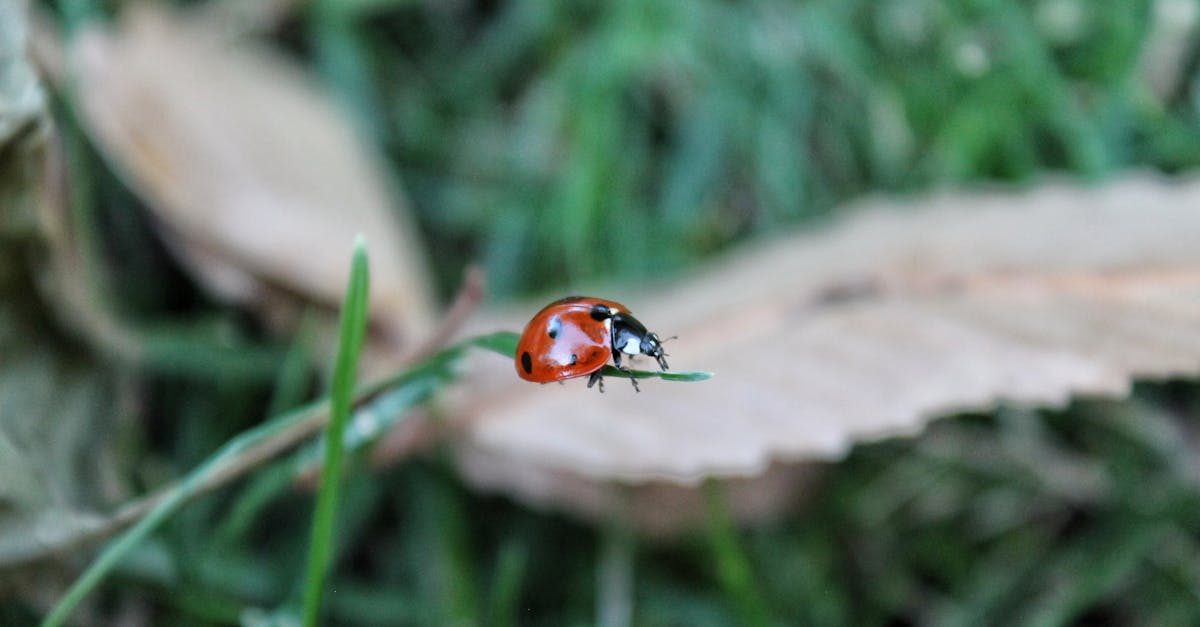
The little buff or tan moths you see fluttering up when you walk or mow are adult sod webworms. The adults do not eat your grass at all. Their caterpillars do, feeding at night and chewing the blades down to ragged, notched nubs that leave irregular brown patches. The moths are simply the signal that egg-laying is underway and a new generation of larvae is on the way.
To confirm it before you spend a dime, run a soap flush: mix a couple tablespoons of dish soap into a gallon or two of water and pour it over a square yard at the edge of a damaged patch. The irritant drives the caterpillars to the surface within a few minutes so you can count them. If you see several green-to-grayish caterpillars wriggling up, you have your answer. From there, control is a mix of cultural fixes (mowing, watering, removing thatch) and, when pressure is high, a targeted treatment timed to the young larvae rather than the harmless adults.
How to Identify Sod Webworms
Sod webworm diagnosis is a three-part picture: the moths overhead, the chewing damage in the turf, and the caterpillars themselves. You want at least two of the three before you commit to a treatment, because brown patches alone can mean a dozen different things.
The moths: your early-warning system
Start with what you can see without bending down. Sod webworm adults are small moths, usually somewhere between a half inch and three quarters of an inch long, in shades of buff, tan, or dull gray. They have a distinctive snout-like projection at the front of the head, which is why you will sometimes hear them called "snout moths." Plenty of people simply call them lawn moths, and if you searched that phrase after a mowing session sent a cloud of them fluttering, this is the insect you were looking at. At rest they fold their wings tightly around the body so they look like a slender little tube clinging to a blade of grass.
The behavior is the giveaway. During the day the moths hide down in the turf and shrubs. When you disturb them by mowing or just walking across the lawn, they flush up in a short, erratic, zig-zag flight, travel a few feet, then dive back into the grass. You will rarely see one fly far or fly straight. At dusk they get more active, skimming low over the lawn in that same bouncing pattern. This is the easiest time to gauge how many you have. A few moths drifting up is normal background noise. Clouds of them lifting with every step means a heavy egg-laying population and almost guarantees a larval problem to follow.
Here is the single most important thing to understand, and the thing most homeowners get backwards: the moths themselves do no damage. They do not have chewing mouthparts that touch your grass. They drink a little nectar, mate, and the females scatter eggs over the turf as they fly. The grass damage comes entirely from the caterpillars that hatch a week or so later. I will come back to why this matters so much when we get to treatment, because it is the number one reason people waste money spraying.
The damage: ragged, notched, and patchy
Sod webworm caterpillars feed at night and hide during the day, so you will usually notice the damage before you ever see a larva. The classic pattern looks like this:
- Ragged, notched blades. Unlike drought, which fades grass evenly, caterpillars actually chew the leaf tissue. Look closely at the edge of a thinning patch and you will see grass blades that are clipped off, notched along the edges, or stripped down close to the crown. The cut surfaces look chewed and uneven, not dried out.
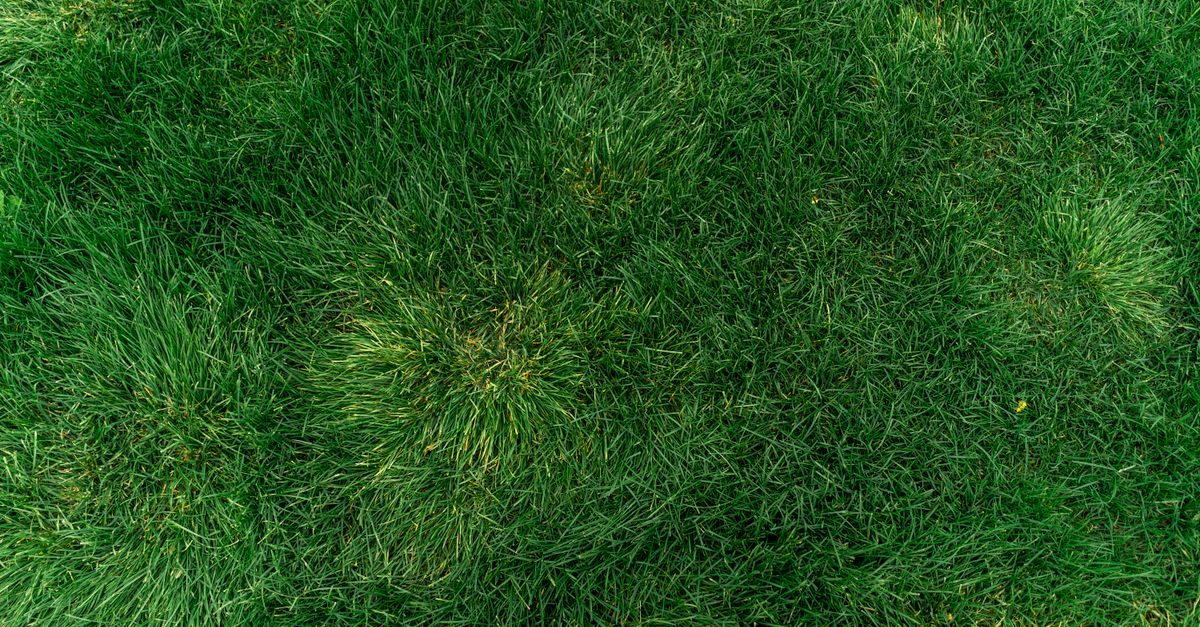
- Irregular brown patches. Damage starts as small thinning spots, often an inch or two across, that merge into larger irregular brown areas as the caterpillars grow and eat more. The patches do not have the neat ring of a fungal disease or the perfectly round look of a fertilizer spill. They sprawl.
- Fast onset. One of the most telling signs is speed. A lawn that looked fine can develop expanding brown patches within several days during peak feeding in mid to late summer. Larger caterpillars eat far more than small ones, so damage accelerates as a generation matures.
- Green frass and silk. If you part the grass at the soil line in a damaged area, you may find small greenish pellets of frass (caterpillar droppings) and fine silken tubes or webbing near the thatch where the larvae shelter. The webbing is where the "webworm" name comes from.
- Birds working the lawn. Flocks of birds repeatedly pecking and probing one area of turf are not causing the brown patch, they are eating the caterpillars in it. Heavy bird activity is a useful secondary clue.
If your lawn is browning but the blades pull out at the crown easily and the roots look chewed, that points toward grubs rather than webworms. And if the grass is simply fading uniformly with no chewing, you may be looking at heat or drought stress instead of any pest at all. That confusion is exactly why so many people mistake pest feeding for dormancy, and it is worth reading is my grass dead or dormant before you assume the worst, because the fix is completely different.
The soap flush test: the one step that confirms it
This is the test that turns a guess into a diagnosis, and it costs nothing. Caterpillars hide deep in the thatch during the day, so you need to drive them up where you can see them. A soap solution irritates them enough to come to the surface.
Mix a couple of tablespoons of lemon-scented or plain dish soap into a gallon or two of water. Pick the edge of a damaged patch where green grass meets brown, because that border is where active feeding is happening. Pour the solution slowly over about a square yard and watch for the next several minutes. If sod webworms are present, you will see caterpillars wriggling up out of the thatch to escape the irritant. They are typically pale green to grayish-brown, sometimes with darker spots along the body, and they curl up when handled. A handful of them coming up in a square yard tells you the population is high enough to be doing the damage you are seeing.
The soap flush is the same physical trick that works for other surface-feeding lawn pests, which is handy because it lets you rule pests in or out side by side. If instead of soft caterpillars you flush up fast-moving, slender insects, you may be dealing with chinch bugs, and if you turn over soil and find cricket-like diggers, the culprit could be mole crickets instead. Matching the flush results to the right pest is what keeps you from treating for the wrong thing.
Life Cycle and Timing: Why Sod Webworms Show Up in Summer
Understanding the timing is what lets you get ahead of sod webworms instead of reacting to brown patches after the fact. The cycle runs in a predictable loop, and each region typically sees multiple overlapping generations across a season.
The adult moths emerge and mate, then the females fly low over the lawn at dusk scattering eggs into the turf. The eggs hatch within roughly a week into tiny caterpillars that begin feeding low in the canopy. As the larvae grow over the following weeks they eat progressively more, which is why damage seems to explode toward the end of a generation rather than at the start. Mature larvae eventually pupate down in the thatch, and a new wave of moths emerges to start the cycle again.
Practically, this means the moths you see flushing today are a forecast. They are telling you a feeding generation is being laid right now and that visible damage is likely a couple of weeks out. Warm, dry weather in mid to late summer tends to favor sod webworms, partly because the conditions speed up their development and partly because heat-stressed lawns recover from feeding more slowly. Sunny, south-facing slopes and lawns under drought stress often show the first and worst damage. This same warm-season window is when a whole roster of turf pests gets active at once, which is why it helps to think about summer lawn pests as a group rather than chasing them one at a time.
How to Control Sod Webworms
Control works best as a layered approach: tighten up the cultural practices that make a lawn resilient first, then reach for a treatment only if the population warrants it and only when it is timed to the caterpillars. Throwing product at the problem without the cultural side is how people end up treating the same lawn every year.
Cultural control: make the lawn fight back
- Reduce thatch. Sod webworms live and shelter in the thatch layer, and a thick thatch mat gives them a protected nursery while also blocking water and any treatment from reaching them. Dethatching or core aerating an overly thatchy lawn removes their habitat and improves the turf's overall health at the same time.
- Water deeply and correctly. A lawn under drought stress both attracts more egg-laying and recovers from feeding far more slowly, so a stressed lawn turns minor webworm activity into obvious brown patches. Deep, infrequent watering builds a stronger root system and helps the grass outgrow light feeding. If you are unsure how much your lawn actually needs, our Watering Schedule Calculator gives you a region-aware starting point instead of guesswork.
- Mow at the right height and feed appropriately. Keeping grass at the upper end of its recommended height shades the crowns and supports recovery, while balanced (not excessive) fertility helps the lawn fill back in. Avoid dumping nitrogen on a stressed lawn in midsummer, which can push tender growth that pests favor.
- Choose and overseed with tougher grass. Some turf varieties tolerate or resist surface-feeding caterpillars better than others. If sod webworms are a recurring problem, it is worth comparing how your current grass stacks up against alternatives for your region using our Grass Comparison tool before your next overseed.
- Encourage natural predators. Birds, ground beetles, and parasitic wasps all feed on sod webworms. Avoiding broad, calendar-based insecticide use protects those allies so they keep the next generation in check for you.
Treatment: when and how to actually spray
If the soap flush confirms a heavy population and the cultural fixes are not keeping pace, a targeted insecticide treatment is reasonable. Two principles matter more than any specific product.
First, treat the caterpillars, not the moths. This is the mistake I see constantly. People spot the moths flushing at dusk, panic, and spray for the adults. But the adults are not eating your grass and spraying them does almost nothing for the damage, because the eggs are already in the turf and the next batch of moths simply flies in from the neighbor's yard. The grass-eating stage is the larva, so your treatment has to land on the caterpillars hiding in the thatch.
Second, timing and placement decide whether a treatment works. Sod webworm larvae are easiest to control when they are young and small, before they have eaten much. Because they feed at night and shelter in the thatch by day, treatments generally work best applied in the late afternoon or evening, with the lawn lightly watered beforehand so the caterpillars are active near the surface. Watering very heavily right after application can wash the treatment past the thatch where the larvae actually are. Beyond those principles, the right active ingredient, rate, and re-treatment interval depend on your grass type, your region, and what is legal and effective locally, and that is genuinely a question for your extension office rather than a number I should invent.
- Confirm the specific insecticide chemistries cleared for turf use in your state, along with the recommended application rates and re-treatment intervals, with your local cooperative extension office. These vary by region and change over time.
- Ask your extension service for the action threshold (how many caterpillars per square yard from a soap flush) that justifies treatment for your grass type, so you are not spraying a population the lawn could shrug off.
- Where you prefer a lower-toxicity route, ask whether biological options such as beneficial nematodes or a Bacillus-based larvicide are appropriate for your situation, and how to time them. Suitability and timing are best confirmed locally rather than assumed.
If you would rather keep the whole approach gentle around kids and pets, the broader principles in our guide to pet-safe and kid-safe lawn pest control apply directly to sod webworms, since cultural control and biological options carry the workload there.
Recommended products
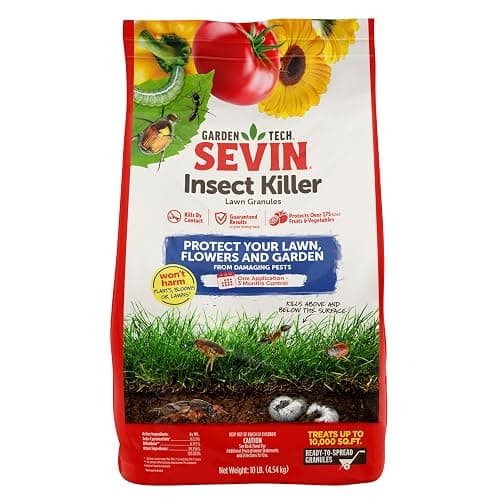
Sevin Insect Killer Granules (10 lb)
A granular carbaryl treatment for surface-feeding caterpillars in turf.
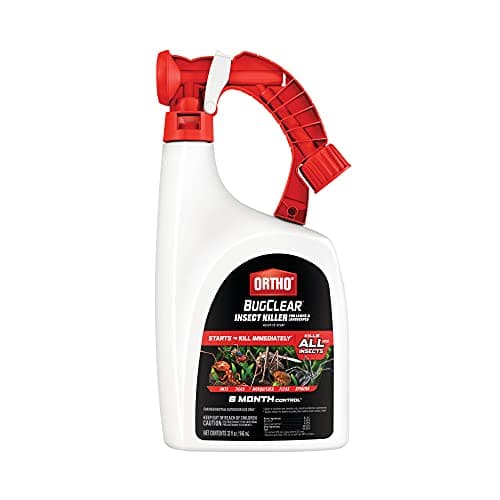
Ortho BugClear Insect Killer for Lawns Ready-to-Spray
A hose-end bifenthrin spray that covers a full lawn in one pass.
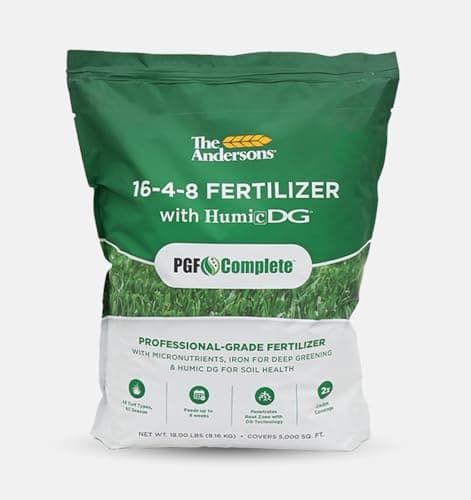
The Andersons PGF Complete 16-4-8
A slow-release 16-4-8 with humic acid that helps chewed turf fill back in. Apply after the population is knocked down so new growth is not feeding the next generation.
What Other Guides Miss
Most sod webworm articles tell you to spray the moment you see the moths. That advice quietly wastes a lot of money and product, and here is why.
The moths are the most visible part of the whole life cycle, so they get blamed for the damage. But the adult moth is, for your lawn's purposes, harmless. It has no interest in your grass blades. Spraying a contact insecticide at dusk to knock down flying moths feels productive, but it does not stop the eggs that are already laid, it does not reach the caterpillars sheltering in the thatch, and it does nothing about the fresh moths that will fly in from surrounding yards tomorrow. People repeat this cycle for weeks, watch the damage keep spreading, and conclude that "nothing works" on sod webworms.
What actually works is reading the moths as a signal rather than a target. When you see the moths flush up in numbers, that is your cue to start scouting for larvae with the soap flush about a week to ten days later, and to time any treatment to those young caterpillars in the thatch in the evening. The moths tell you when to look. The soap flush tells you whether to act. The treatment, if needed, goes after the stage that is doing the chewing. Get that sequence right and a single well-timed response usually does more than a month of reflexive spraying.
The second thing guides skip is the look-alike problem. Sod webworms are not the only caterpillar that chews summer lawns down to ragged brown patches. Armyworms produce strikingly similar damage and also respond to a soap flush, but they tend to move through a lawn in a fast-marching front and can strip large areas in a day or two, whereas sod webworm damage builds more gradually from scattered thinning spots. If your lawn went from green to brown almost overnight across a wide band, read our guide to getting rid of armyworms quickly, because the urgency and timing differ. And if you are simply not sure which caterpillar (or whether it is a caterpillar at all), that uncertainty is exactly what the free AI diagnosis is built to resolve from a single photo.
Knowing which pest you have, and when its pressure peaks, is also where a little planning pays off. A personalized care plan flags when sod webworm and caterpillar pressure peaks for your region so you scout at the right time instead of reacting to brown patches, which is the difference between a five-minute soap flush in the right week and a month of chasing damage you cannot get ahead of. If you are juggling more than one summer offender, our broader rundown on how to identify common lawn bugs and get rid of them fast ties the whole pest season together.
Prevention: Keeping the Next Generation Down
Because sod webworms run multiple generations a season, prevention is really about denying them the conditions they thrive in and catching each wave early.
- Keep thatch in check. An annual look at thatch depth, and core aeration when it builds past a healthy level, removes the nursery sod webworms depend on.
- Avoid chronic drought stress. Consistent, deep watering keeps the lawn vigorous enough to absorb light feeding without showing it, and a healthy lawn is simply less inviting for egg-laying.
- Scout at dusk during the warm months. A two-minute walk across the lawn at dusk a few times through mid and late summer tells you the moment moth numbers climb, which is your earliest possible warning.
- Protect the predators. Skip the routine, calendar-based insecticide blanket. The birds and beneficial insects that eat sod webworms are your cheapest, most durable control, and broad spraying wipes them out along with the pest.
- Treat reactively, not preventively. Sod webworms are best handled by scouting and responding to confirmed populations, not by pre-emptive spraying. Save the treatment for when the soap flush says you genuinely need it.
When to Escalate
Most sod webworm problems are manageable with scouting, cultural fixes, and at most one well-timed treatment. Consider getting outside help when: the damage keeps returning year after year despite good cultural practices, which can point to an underlying thatch or grass-selection issue worth a professional assessment; the soap flush turns up very heavy numbers across most of the lawn rather than scattered patches; or you are not confident the chewing is even sod webworms, because treating for the wrong pest is the most common way people lose a whole season. A local lawn care professional or your extension office can confirm the pest and the right local response, and the free AI diagnosis is a fast first pass before you make that call.
Your Sod Webworm Action Plan
- Watch the moths. At dusk and while mowing, note whether small tan moths flush up in a zig-zag. A few are normal, clouds are a warning.
- Look for chewing damage. Check thinning patches for ragged, notched blades, green frass, and silk near the thatch, and for birds working the area.
- Run the soap flush. Pour a soapy-water solution over a square yard at the edge of a damaged patch and count the caterpillars that surface. This confirms it before you spend anything.
- Fix the conditions. Reduce thatch, water deeply and correctly, mow at the right height, and protect natural predators.
- Treat only the larvae, only if needed. If the population is heavy, apply a targeted treatment in the evening aimed at the young caterpillars in the thatch, never the harmless adult moths.
- Confirm rates locally. Get the specific chemistries, rates, intervals, and action thresholds from your cooperative extension office rather than guessing.
- Diagnose first if unsure. If you cannot tell sod webworms from armyworms, chinch bugs, or plain heat stress, snap a photo for a free AI diagnosis and treat the problem you actually have.
Free Lawn Care Tools
Those are adult sod webworms, sometimes called lawn moths or snout moths. They are small, buff to gray, and flush up in a short zig-zag flight when disturbed before dropping back into the grass. The adult moths do not eat your lawn at all. Their caterpillars are the ones that chew the grass, so the moths are best read as an early warning that a feeding generation is being laid.
Look for three things: small tan moths flushing up at dusk or when you mow, ragged and notched grass blades in irregular brown patches, and caterpillars themselves. To confirm, run a soap flush: mix a couple tablespoons of dish soap into a gallon or two of water, pour it over a square yard at the edge of a damaged patch, and watch for green to grayish caterpillars wriggling to the surface within a few minutes. Several in a square yard means an active population.
Start with cultural control: reduce thatch where the caterpillars shelter, water deeply so the lawn can outgrow light feeding, mow at the right height, and protect the birds and beneficial insects that eat them. If a soap flush confirms a heavy population, apply a targeted treatment in the evening aimed at the young caterpillars in the thatch, not the harmless adult moths. Confirm the specific products, rates, and thresholds with your local cooperative extension office.
No. The adult lawn moths have no chewing mouthparts and do not damage grass, which also means spraying them is the most common wasted effort with this pest. Killing flying moths does not stop eggs already laid in the turf, does not reach caterpillars in the thatch, and does nothing about fresh moths flying in from nearby yards. The damage comes from their caterpillars, so treat those instead, timed to when they are young and feeding.
Both are caterpillars that chew summer lawns into ragged brown patches, and both respond to a soap flush, so they are easy to confuse. The main tell is the pattern: sod webworm damage usually builds gradually from scattered thinning spots, while armyworms move through a lawn in a fast-marching front and can strip a wide band almost overnight. If your lawn browned across a large area in a day or two, treat it as a possible armyworm situation, which calls for faster action.
Sod webworms are warm-season pests, with damage typically peaking in mid to late summer. They run multiple overlapping generations across the season, and warm, dry weather speeds their development while stressing the lawn so feeding shows up faster as brown patches. Watching for moth flights at dusk through the summer months gives you the earliest signal that a new feeding generation is on the way.

Your lawn plan, in your pocket all season
Grass ID, a season plan, soil-timed reminders, and a lawn journal that remembers what you did. Free on iPhone.