


Best Dandelion Killer That Won't Kill Your Grass, by Lawn Type

As an Amazon Associate we earn from qualifying purchases.
Are yellow flowers and puffballs back in the same spots every spring, and is your worry that the spray will take the grass with them? The answer depends on which grass you have and when you spray.
For a cool-season lawn of bluegrass, fescue or ryegrass, the best dandelion killer is T-Zone SE, a broadleaf herbicide whose label lists dandelion. On St. Augustine or centipede, use Celsius WG instead. The best time to spray is early fall: University of Minnesota Extension gives September 15 to October 15, when dandelions pull the herbicide down into their roots, and Clemson HGIC gives mid-fall for St. Augustine and centipede lawns. Late April to early June is the spring fallback. Do not broadcast T-Zone above 85°F, the cutoff on its label.
Confirm your grass first. The T-Zone label rules out St. Augustinegrass and does not list centipede, and the Celsius label rules out every cool-season lawn grass. For a handful of dandelions, spot-spray only the rosettes or dig them out with the whole taproot after a rain.
Which dandelion killer fits your lawn?
| Your situation | Pick | The fact that decides it |
|---|---|---|
| Cool-season lawn: Kentucky bluegrass, tall or fine fescue, perennial ryegrass | T-Zone SE Broadleaf Herbicide | Its label lists dandelion and all four grasses, at 1.2 to 1.5 fl oz per 1,000 sq ft. |
| St. Augustine or centipede lawn (also Bermuda and zoysia) | Celsius WG Herbicide (Easy Mix Packet) | Its label names nine St. Augustine cultivars and Tifblair centipede, and controls dandelion at its lowest rate. The label says it is intended for licensed commercial applicators. |
| A few dandelions to spot-treat | Chapin 20084 1-Gallon Pump Sprayer (4-in-1 Nozzle) with the herbicide for your grass | Both labels give a one-gallon spot mix, so you can wet the rosettes and leave the rest of the lawn untreated. |
| No spray at all | A forked dandelion weeder | Clemson HGIC says to remove the entire taproot, ideally in moist soil, because broken root pieces grow new plants. |
| Near new seed (bluegrass, tall fescue, ryegrass, centipede) | Tenacity Turf Herbicide 8 oz | Its label allows use right before or after seeding those grasses. T-Zone needs a 3-week wait before you reseed. |
Is it really a dandelion? Herbicide labels list catsear, also called false dandelion, as a separate weed, and the two look alike from the porch. Our dandelion identification page covers the checks that tell them apart. For other lawn weeds, see the best weed killer for lawns by weed and grass type.
Why does the grass type decide the product?
Which grass is growing between the dandelions? A selective herbicide is only safe on the grasses printed on its label, so that answer rules products in or out.
Cool-season lawns
T-Zone SE combines 2,4-D, triclopyr, dicamba and sulfentrazone. Its label lists Kentucky bluegrass, perennial and annual ryegrass, tall fescue and the red or fine fescues at 1.2 to 1.5 fl oz per 1,000 sq ft, and dandelion appears on its weeds-controlled list. The same label allows Bermuda, zoysia and bahia only when they are fully dormant, at a lower rate, and says not to apply it to creeping bentgrass.
St. Augustine and centipede lawns
The T-Zone label says not to apply it to St. Augustinegrass, creeping bentgrass, carpetgrass, dichondra or lawns with desirable clover, and centipede is missing from its turf table. Celsius WG fills that gap. Its label lists Floratam, Palmetto, Bitter Blue, Raleigh, Sapphire and four more St. Augustine cultivars, Tifblair centipede, and named Bermuda and zoysia cultivars. Dandelion sits in its lowest rate group, 0.057 oz (1.6 g) of product per 1,000 sq ft. Two cautions come from the same label: it bars bahiagrass, seashore paspalum and every cool-season lawn grass, and it says the product is intended for licensed commercial applicators. It also says other cultivars need tolerance testing before use, so check yours. For a homeowner-labeled option, Clemson HGIC reports good to excellent dandelion control from atrazine on centipede and St. Augustine, and UF/IFAS rates atrazine tolerant on both. For the other weeds in these lawns, see weeds in St. Augustine grass.
If you are not sure which grass you have, a free photo ID settles it before you spend anything.
When is the best time to spray dandelions?
Early fall is the best time. University of Minnesota Extension gives September 15 to October 15 for perennial broadleaf weeds, because the plants are storing energy for winter and the herbicide moves down into the roots with it. Wisconsin Extension and Purdue Turf also name fall as the best season, and Penn State Extension says late summer or early fall treatments give the best control.
Spring still works as a second window. Minnesota gives late April to early June, and Purdue says mid-spring is effective, particularly when dandelions are flowering. In warm-season lawns, Clemson HGIC puts the best timing in mid-fall and says not to apply post-emergence herbicides during spring green-up, with Celsius WG as the one exception it names.
Temperature narrows the window from both ends:
- Heat: the T-Zone label says not to broadcast above 85°F and warns that spot treatments may injure turf above 85°F. Wisconsin Extension uses the same 85°F line.
- Heat on St. Augustine: the Celsius label says spot treatments above 90 degrees may cause temporary growth regulation, and it bars adding a spray adjuvant above 90 degrees.
- Cold: the Celsius label says not to apply if frost or a freeze is expected within 48 hours, and that weed control is faster when soil is above 65 degrees.
The herbicide timing calculator gives the dandelion spray window for your ZIP, and the soil temperature tracker shows when the ground is warm enough. For a cold late-fall spray, see weed killer in cold weather.
- The Minnesota dates fit a northern lawn. Your county extension office can shift the fall window for your region.
- Products sold under one brand name can change formula by region, so read the active ingredients and grass list on the bottle you actually buy.
- Tolerance on any label assumes healthy, established turf. Water a drought-stressed lawn and wait for it to recover before you spray.
How do you spray dandelions without hurting the grass?
Start with the label's spray conditions. T-Zone says to delay mowing 2 days before and 2 days after spraying, and it is rainfast in as little as 3 hours. Purdue Turf asks for more margin: let the spray dry on the leaf for at least 24 hours before rain, and skip mowing for two to three days after so the herbicide moves through the plant.
- Measure the area. The lawn size calculator measures it from a satellite outline of your yard.
- Mix by the gallon. For cool-season grass, the T-Zone label calls for 1.2 to 1.5 fl oz per gallon of water, which treats about 1,000 sq ft. For Celsius on dandelion, the label rate is 0.057 oz (1.6 g) per gallon, sprayed to wet.
- Spray only the weeds you can see. Wisconsin Extension recommends spot treating over spraying the whole lawn.
- Wait before judging. Celsius lists control within 1 to 4 weeks. T-Zone advises follow-up spot treatments at a 30-day interval for mature weeds.
Working a case: scattered dandelions in a 5,000 sq ft tall fescue lawn
Say a homeowner has dandelions scattered across a 5,000 sq ft tall fescue lawn in late September. Grass check: tall fescue is on the T-Zone label. Weather check: the forecast high stays below 85°F and no rain is due for at least 3 hours. If the weeds cover maybe a fifth of the lawn in patches, one gallon of spot mix at 1.2 to 1.5 fl oz covers about that 1,000 sq ft. A broadcast of the whole lawn would take 6 to 7.5 fl oz in 5 gallons, and the label allows no more than 2 broadcast treatments per year, 28 days apart. The spot plan uses a fifth of the product and leaves the clean grass untouched.
Why does a "won't kill grass" spray still kill some lawns?
When a homeowner tells me a dandelion spray killed their grass, the first thing I check is which grass it was. Many broadleaf lawn sprays are built on 2,4-D, often in a three-way mix with MCPP and dicamba, per UF/IFAS, and the warm-season grasses do not all tolerate it the same way. The UF/IFAS weed guide for Florida lawns rates the common 2,4-D, MCPP and dicamba three-way mix "R" on St. Augustine, which means some injury may occur, and tolerant on centipede. It rates 2,4-D, quinclorac and dicamba mixes "potentially damaging, do not use" on both grasses. Clemson HGIC says 2,4-D products should go on St. Augustine and centipede at a reduced rate, with any second application as spot treatments.
So the word "lawn" on the front of a bottle proves little. The same UF/IFAS table lists "North" and "South" versions of one brand with different active ingredients, and only the back label separates them. If the bottle does not name your grass, rule it out.
Why do dandelions keep coming back?
Did the same plant regrow, or did a new one arrive? Both happen. Clemson HGIC says new plants develop from pieces of broken taproots, so a pulled or hoed dandelion often returns in the same spot. Penn State Extension says dandelions make wind-blown seed, can set seed without pollination, and can flower from late March into fall, so neighbors' yards keep reseeding yours.
The long-term fix is thicker grass. Wisconsin Extension calls raising the mowing height a simple yet highly effective tool against many weeds, says three inches is ideal for most lawns, and advises never removing more than a third of the blade in one mowing. Purdue Turf adds year-round fertilizing to the higher cut. The mowing height calculator gives the right height for warm-season grasses, which differ from that three-inch figure.
Pulling is fine for a few plants. Minnesota Extension says small rosettes can be removed by hand if most of the root comes out, and that the best time is after a good rain or a thorough watering. Clemson adds one more step: cut the flowers before they reach the parachute stage so they cannot seed. For iron-based sprays and other natural options, see the natural weed killer guide.
Does a pre-emergent stop dandelions?
A pre-emergent will not touch the dandelions you already have. Dandelion is a perennial that also spreads by wind-blown seed, so there are two parts to the answer. For the established plants, Wisconsin Extension says pre-emergent herbicides act on germinating seeds and have no effect on established weeds. For new seedlings, Wisconsin says pre-emergents can inhibit some broadleaf weeds, but not as well as annual grasses, and are not used to target broadleaf weeds in most home lawns. Minnesota Extension says pre-emergents are most effective against annual weeds that come back from seed every year.
The Tenacity label lists common dandelion as controlled after emergence and marks its pre-emergence control as not tested. A spring crabgrass preventer will not clear dandelions; the fall spray, a spring spot-spray and a thicker lawn do that work.
Can you kill dandelions near new grass seed?
Are you seeding before the spray, after it, or both? The labels set different waits. T-Zone says treated areas may be reseeded 3 weeks after application, and new seedlings should not be sprayed until after the second or third mowing. Tenacity's label allows use right before or after seeding Kentucky bluegrass, tall fescue, perennial ryegrass and centipede, but not on fine fescue, and only on seed blends under 20% fine fescue. Once the new grass is up, it says to wait until it has been mowed twice or 4 weeks after emergence, whichever is longer, before a post-emergence spray. For dandelions, it calls for a non-ionic surfactant and a second application 2 to 3 weeks later. The Tenacity application guide has the mixing math.
Celsius sets its own wait. Its label says not to apply for at least 4 weeks after a new Bermuda, zoysia or centipede stand emerges.
Your dandelion diagnosis checklist
- Name the grass. If you can't, scan a photo first.
- Confirm the weed is a dandelion and not catsear or another lookalike.
- Pick the product whose label lists your grass: T-Zone SE for cool-season, Celsius WG for St. Augustine and centipede.
- Plan the main spray for early fall, with a spring spot-spray for survivors.
- Check the forecast: under 85°F, no frost within 48 hours, dry long enough for the label's rainfast time.
- Spot-treat, skip mowing for 2 days on each side, and wait 30 days before a follow-up.
- Raise the mowing height so the gaps close.
Want the fall spray date for your yard? A free account builds a 12-month care plan timed to your ZIP, with reminders, so the fall spray lands in the right week.
Top Picks
- Gordon’s SpeedZone Lawn Weed KillerCheck price on Amazon
- Bonide Chickweed, Clover & Oxalis Killer (Ready-to-Use)Check price on Amazon
- BioAdvanced 24-Hour Grub Killer PlusCheck price on Amazon
As an Amazon Associate we earn from qualifying purchases.
Free Lawn Care Tools
It depends on the grass. On Kentucky bluegrass, tall or fine fescue and perennial ryegrass, T-Zone SE lists dandelion and all four grasses on its label. On St. Augustine or centipede, use Celsius WG, because the T-Zone label rules out St. Augustinegrass and does not list centipede.
Early fall is best. University of Minnesota Extension gives September 15 to October 15 for perennial broadleaf weeds, because the plants move the herbicide into their roots as they store energy for winter. Late April to early June is the spring fallback, and the T-Zone label says not to broadcast above 85°F.
Not the ones you already have. Dandelion is a perennial, and Wisconsin Extension says pre-emergent herbicides have no effect on established weeds. Against new seedlings from blown-in seed, Wisconsin says pre-emergents work less well on broadleaf weeds than on annual grasses, and the Tenacity label marks its pre-emergence control of dandelion as not tested. Rely on a fall spray and thick turf instead.
Only if the label lists your grass, and with care. The T-Zone SE label, a 2,4-D mix, says not to apply it to St. Augustinegrass and does not list centipede. UF/IFAS rates the common 2,4-D, MCPP and dicamba three-way mix as possibly injurious on St. Augustine, and Clemson HGIC says to use 2,4-D products at a reduced rate on both grasses.
The T-Zone SE label says treated areas may be reseeded 3 weeks after application. The Tenacity label allows use right before or after seeding Kentucky bluegrass, tall fescue, perennial ryegrass and centipede, but not fine fescue. Wait until new grass has been mowed two or three times before spraying it with T-Zone.
Broken root pieces grow new plants, per Clemson HGIC, so a dandelion pulled without its whole taproot often regrows. Penn State Extension adds that dandelions make wind-blown seed without pollination, so new plants also blow in. Dig after a rain to get the full root, and mow higher so the grass fills the gaps.
Sources (9)
- T-Zone SE Broadleaf Herbicide label (PBI-Gordon, EPA Reg. No. 2217-976)
- Celsius WG Herbicide label (Envu)
- Tenacity Herbicide label (Syngenta)
- University of Minnesota Extension: Lawn weeds
- Wisconsin Horticulture: Managing broadleaf weeds in lawns
- Purdue Turf: Dandelion control
- Penn State Extension: Dandelion as a landscape weed
- Clemson HGIC 2301: Broadleaf weeds
- UF/IFAS EP141: Weed Management Guide for Florida Lawns
Related Articles
 Weed Control
Best Weed Killer for Bermuda Grass: Safe Picks by Weed and Season
Mar 30, 2026•10 min read Weed Control
Scotts Weed and Feed Instructions: When, How and Spreader Settings (2027)
Dec 18, 2025•12 min read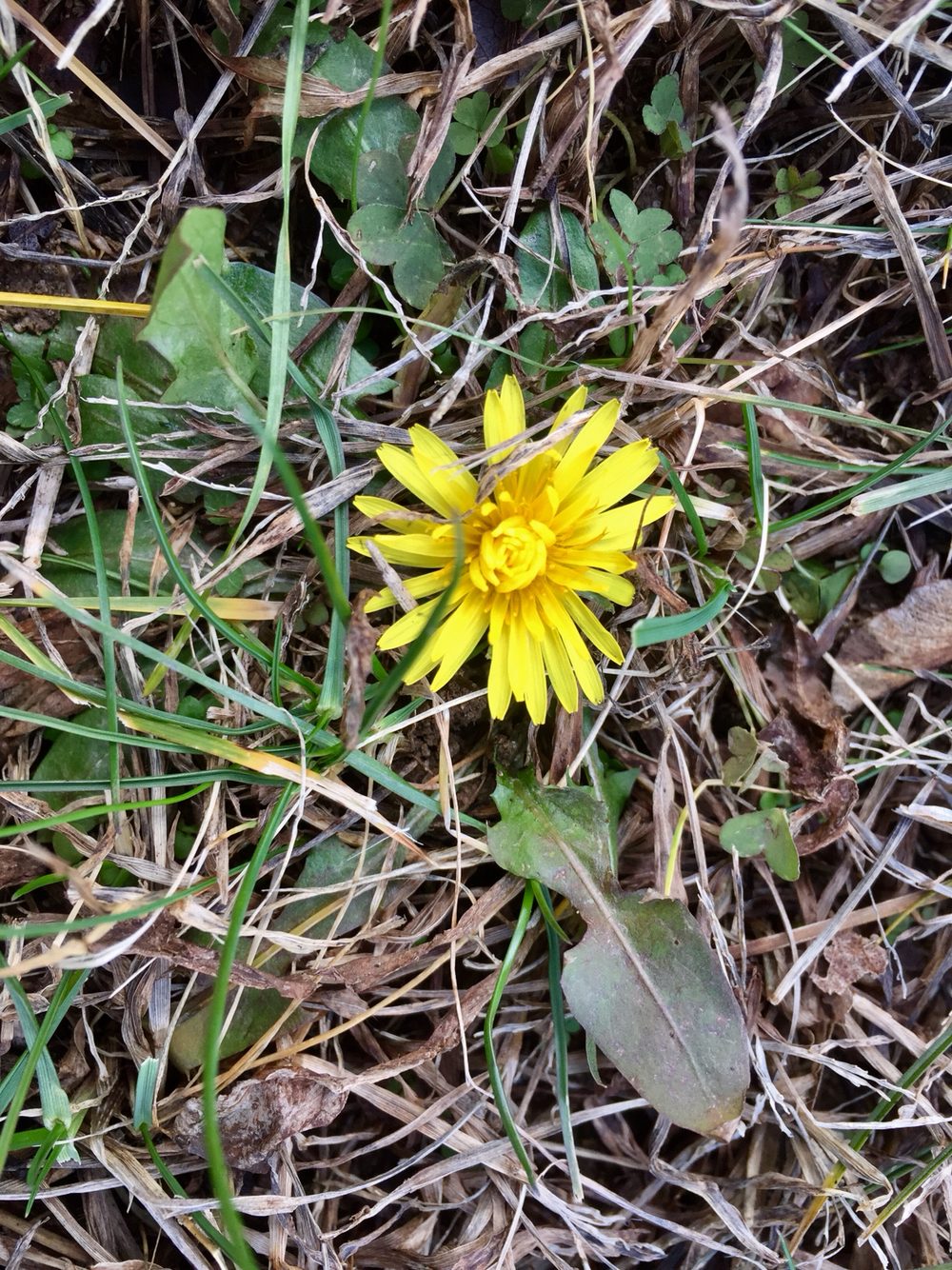 Weed Control
Cold Weather Weed Killer: What Works on Lawns Below 50°F
Nov 2, 2026•6 min read

