Pre-Emergent for Bermuda Grass: Best Picks and When to Apply

As an Amazon Associate we earn from qualifying purchases.
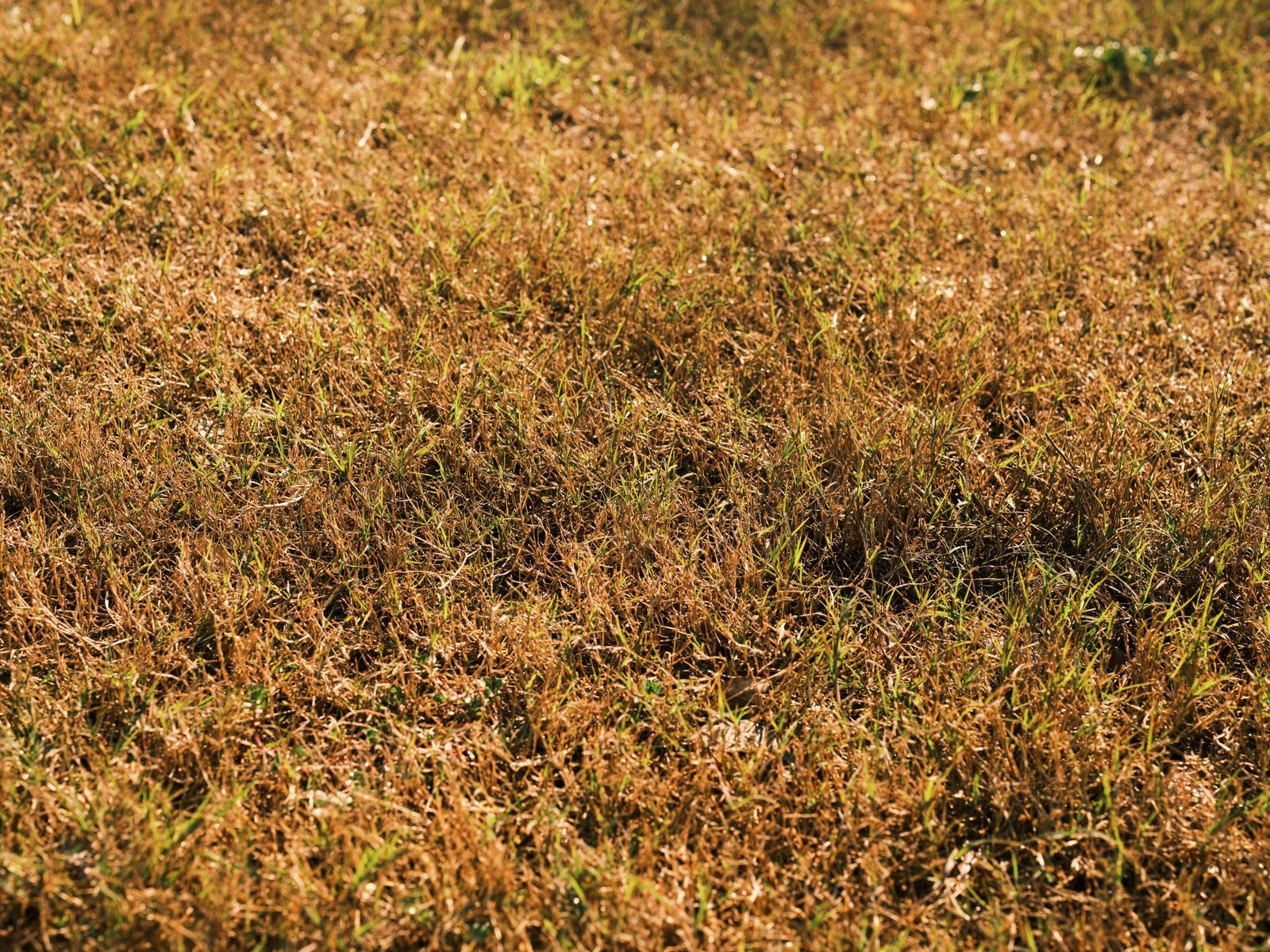
On a Georgia course, the crabgrass barrier went down in February, while the bermuda fairways were still tan and looked finished for the year. Members asked why we were spreading anything on grass that looked dead. The seed is in the soil, and the soil warms first.
The best pre-emergent for bermuda grass is prodiamine: The Andersons Barricade granular if you use a spreader, Prodiamine 65 WDG if you spray. Get it down before the soil reaches 55°F, which UGA puts at February 15 to March 15 in south Georgia and March 1 to 20 in north Georgia.
Running late, with crabgrass already up? Dimension 2EW (dithiopyr) is the pick, because its label also controls young crabgrass that has already come up. A fall ryegrass overseeding changes the plan, and so does sod laid in the last year. Brown bermuda is fine to treat. The weeds start in the soil.
Pre-Emergent Picks for Bermuda Grass
All three are labeled for established bermudagrass. The yearly cap is the label's limit for bermuda, and it counts every pass you make in a calendar year, spring and fall together.
| Product | Who it's for | The fact that decides it | Bermuda cap per year |
|---|---|---|---|
| The Andersons Barricade Professional-Grade Granular Pre-Emergent Weed Control (18 lb) | Most lawns, anyone with a broadcast spreader | Prodiamine 0.48%. One bag covers 5,800 sq ft at the low setting of 3.1 lb per 1,000 sq ft, and the label claims about 7 months of control at that rate | 7.1 lb per 1,000 sq ft |
| Prodiamine 65 WDG (Generic Barricade), 5 lb | Big lawns, owners with a tank sprayer, split programs | The same active ingredient as a sprayable granule. Five pounds covers about 96,000 sq ft at the top bermuda rate | 0.83 oz per 1,000 sq ft (2.3 lb per acre) |
| Dimension 2EW Herbicide (64 oz) | Late starters and ryegrass overseeders | Dithiopyr. At 2 pints per acre (0.73 fl oz per 1,000 sq ft) the label claims control of crabgrass up to the 3 to 5 tiller stage in the South, and it allows ryegrass 8 weeks after a pass | 2.2 fl oz per 1,000 sq ft. Not for Tifgreen (328) |
Not sure which one fits a spreader you already own? The best pre-emergent for lawns covers spreader settings and the other grasses, and our prodiamine vs dithiopyr comparison lines the two actives up side by side.
What to Keep Off Bermuda
| Product or ingredient | Why it doesn't belong on a bermuda lawn |
|---|---|
| Mesotrione (Tenacity) | The label lists bermudagrass as sensitive. Its only bermuda use is on dormant turf for winter weeds, and the label says applications to semi-dormant turf will whiten the bermuda. |
| Atrazine | UGA rates bermuda tolerant only when dormant, says actively growing bermuda can be injured, and says not to apply it while warm-season grass is emerging from winter dormancy. Clemson says atrazine can be applied only to St. Augustine and centipede. |
| Pre-emergent on a nitrogen fertilizer in February | Texas A&M says nitrogen goes only on green, actively growing bermuda, so pick a pre-emergent on a carrier with only phosphorus and potassium. |
| Corn gluten meal | Texas A&M calls its performance variable and says it may not give the control of the products above. |
Soil Temperature Sets the Date
Crabgrass is the first summer grass weed up in a bermuda lawn, and the extension services all key the spring pass to a soil reading. UGA says apply before soil reaches 55°F. NC State's Fred Yelverton says crabgrass germinates once the 24-hour mean soil temperature averages about 55°F for 3 or 4 days running. Texas A&M uses the same 55°F number in spring and about 70°F, falling, in fall.
| Area | Spring crabgrass window | Fall Poa annua window | Source |
|---|---|---|---|
| South Georgia | Feb 15 to Mar 15 | Sep 1 to 15 | UGA B 978 |
| North Georgia | Mar 1 to 20 | Aug 15 to Sep 15 | UGA B 978 |
| South Carolina coast and central | Around Mar 1 | Sep 15 to Oct 1 | Clemson HGIC 2310 |
| South Carolina piedmont and mountains | Mar 15 to 30 | Sep 1 to 15 | Clemson HGIC 2310 |
| Eastern North Carolina | Mid-February | No fall date given | NC State TurfFiles |
| Central North Carolina | By the end of February | No fall date given | NC State TurfFiles |
| South Texas | Before mid-February | Mid-Aug to mid-Sep | Texas A&M ESC-042 |
| North and Central Texas | Before early March | Mid-Aug to mid-Sep | Texas A&M ESC-042 |
| Texas Panhandle | Before mid-March | Mid-Aug to mid-Sep | Texas A&M ESC-042 |
Clemson gives an air-temperature version for South Carolina: spring when highs reach 65 to 70°F for four days in a row, fall when night lows reach 55 to 60°F for four days. Yelverton has moved his North Carolina dates earlier since about 2020, because he found crabgrass germinating in February in 4 of 5 recent years. Take your reading about 2 inches down, the depth our soil temperature tracker reads, or get dates for your ZIP from the herbicide timing calculator. The full timing picture for every grass lives in our pre-emergent timing guide.
Water it in. Both prodiamine labels call for 0.5 inch of rain or irrigation to activate it, and the WDG label wants that water within 14 days and before weed seed germinates. Clemson says to water granules in with about half an inch right after you spread.
Brown Bermuda Is No Reason to Wait
Every February somebody holds off because the lawn is still tan. Warm-season fairways go tan every winter and nobody on a crew panics, because dormant is the plan. Look at the dates above: UGA's south Georgia window opens February 15, weeks ahead of the bermuda green-up. Hold to the soil reading.
The green-up warnings you'll read are about other products. Clemson's rule against spraying during spring green-up covers post-emergent weed killers, with Celsius WG the one exception it names. UGA's warning is about atrazine on bermuda coming out of dormancy. The one real hold for a pre-emergent is stress: the prodiamine labels say not to apply to turf stressed by drought, low fertility or pest damage.
Feed later. Texas A&M puts nitrogen on green, growing bermuda only, so the February pass should be straight pre-emergent or one on a phosphorus and potassium carrier. Winter weeds already up in a dormant lawn need a post-emergent, and our bermuda-safe weed killers cover those.
Split the Rate Across the Season
Clemson says for season-long control to make a second pass eight or nine weeks after the first, and its bermudagrass calendar puts it at 8 to 10 weeks, in spring and again in fall. Texas A&M recommends two passes a year, one in spring for summer weeds and one in fall for winter weeds. Every pass counts against the same yearly cap.
On bermuda, the two prodiamine forms handle that cap differently. The Barricade bag's lowest spreader setting is 3.1 lb per 1,000 sq ft, and two passes at that rate come to 6.2 lb, just under the 7.1 lb cap. That's one spring pass and one fall pass. Prodiamine 65 WDG splits more finely. Two even passes come to 1.15 lb per acre each, about 0.42 oz per 1,000 sq ft, sprayed in at least half a gallon of water per 1,000 sq ft. Its label chart starts at 0.5 lb per acre, about 0.18 oz per 1,000 sq ft, so three or four smaller passes still fit under 0.83 oz. Want a spring split and a fall pass? That's a sprayer job.
Dimension's label allows 1 to 2 pints per acre per pass, 5 to 10 weeks apart, up to 6 pints a year. Switching groups helps too. Clemson puts prodiamine, dithiopyr and pendimethalin in one group and indaziflam in another, and it advises alternating between the two because Poa annua is developing resistance.
Ryegrass Overseeding Changes the Fall Plan
A fall pre-emergent stops ryegrass seed the same way it stops Poa annua. UGA says not to apply a fall pre-emergent to lawns that will be overseeded, and Texas A&M says the same about ryegrass. You have two label-backed ways around it.
- Dimension 2EW: the label allows overseeding bermuda with perennial ryegrass 8 weeks after a pass, or 6 weeks if slight ryegrass injury is acceptable. UGA gives the same 6 to 8 weeks.
- Barricade, in Arizona, California, Nevada and Texas only: 1.8 to 3.1 lb of the granular per 1,000 sq ft, 6 to 8 weeks before ryegrass overseeding, with an optional second pass 4 to 8 weeks after seeding. No more than two passes and 4 lb per 1,000 sq ft for this use.
Everywhere else, Barricade's overseeding table applies. In the South that's 4 months between the lowest rate and seeding, stretching to 12 months at the highest. Spring brings its own limit on overseeded turf: Barricade's label says wait 60 days after seeding or until after the second mowing, whichever is longer. For the full fall picture, see the fall pre-emergent timing guide and our page on getting rid of Poa annua.
New Sod and Sprigs Wait a Year
UGA recommends pre-emergents only on turf established at least one year, and warns of severe injury after sprigging or sodding. The Barricade granular label says not to apply to newly set sod until the following year. Dimension's label says wait until the sod has rooted and the exposed edges have filled in.
Sprigged or plugged bermuda gets lower label limits, and the labels warn stolon rooting may be slowed. That's 2.4 lb per 1,000 sq ft of Barricade granular or 0.30 oz per 1,000 sq ft of Prodiamine 65 WDG. Dimension wants two mowings after sprigging first. In my experience, the lawns that struggle after a pre-emergent are the ones laid the same season. Let new sod knit, which is what a crew calls rooting firmly into the soil, before anything goes on it.
Where the Extension Services Disagree
The sources split on three points, and here's how I'd call each.
How Long a Pass Lasts
The Barricade bag claims about 7 months at its low rate and 8 at its medium rate. Clemson writes that pre-emergents generally last 6 to 12 weeks and that many don't go past 8 or 9. I'd plan on the second pass. Prodiamine has room for it under the bermuda cap.
Atrazine on Bermuda
The schools don't agree, and none of them makes atrazine a pre-emergent pick for a home bermuda lawn. Clemson's annual bluegrass factsheet says atrazine can be applied only to St. Augustinegrass and centipedegrass. UGA rates bermuda "tolerant only when turfgrass is dormant," warns that bermudagrass "can be injured if treated with atrazine while actively growing," and says not to apply it when warm-season grasses are emerging from winter dormancy. NC State's bermuda calendar lists atrazine or simazine in November or December for annual bluegrass and gives no dormancy condition. I'd leave it out of a home program. If a bottle is already on your shelf, its label decides: bermudagrass has to be listed, and the label's own limits on dormancy, state use and groundwater apply.
The South Carolina Spring Date
Clemson's weed factsheet says March 1 on the coast; its bermuda calendar says mid-February. When two dates come from the same school, take the earlier one. Yelverton's February germination finding points the same way.
A Lawn I'd Walk You Through: 5,000 Square Feet of Bermuda Outside Raleigh
Established common bermuda, full sun, three years in the ground, a crabgrass problem along the driveway every summer, and no plans to overseed.
- Central North Carolina, so the spring pass goes down by the end of February, per Yelverton.
- Barricade granular at 3.1 lb per 1,000 sq ft: 5 times 3.1 is 15.5 lb, so one 18 lb bag, with a little left to check the spreader.
- Half an inch of water right after spreading, per Clemson, well inside the label's 14 days.
- A second 3.1 lb pass in the fall brings the year to 6.2 lb per 1,000, under the 7.1 lb cap. Another bag.
- Nothing with nitrogen until the lawn is green and growing.
If that lawn were in Texas with ryegrass planned for October, I'd swap the fall pass for Dimension and count 8 weeks back from the seeding date.
If you'd rather not track soil temperatures, the 12-month care plan sends pre-emergent reminders timed to your ZIP and your grass, so the February window doesn't slip past. Not sure the lawn is bermuda at all? A free photo ID settles it first.
Your Bermuda Pre-Emergent Action Plan
- Confirm the grass and the weed. Crabgrass and bermuda get mistaken for each other.
- Pick by equipment: Barricade granular for a spreader, Prodiamine 65 WDG for a sprayer, Dimension if you're late or overseeding.
- Watch the soil 2 inches down, and get the spring pass down before it holds 55°F.
- Water it in with half an inch.
- Add the year's passes together and keep them under the label cap for bermuda.
- Skip the fall pass on any section you'll seed with ryegrass, unless you follow a label exception.
- Leave sod and sprigs from this year alone.
- Germination dates move with the weather from year to year and between neighborhoods. Your county extension office can tell you the local window and whether a fall pass for Poa annua makes sense where you live.
- Rates, yearly caps and seeding waits change by product and label version. Follow the label on the bag or bottle you bought.
Watch the soil more than the calendar. The crabgrass does.
Top Picks
- Quali-Pro Prodiamine 65 WDG Pre-EmergentCheck price on Amazon
- The Andersons Barricade Professional-Grade Granular Pre-Emergent (5,800 sq ft, 18 lb)Check price on Amazon
- Syngenta Tenacity HerbicideCheck price on Amazon
As an Amazon Associate we earn from qualifying purchases.
Free Lawn Care Tools
Prodiamine, sold as The Andersons Barricade granular for spreaders and Prodiamine 65 WDG for sprayers. Both labels list established bermudagrass, and UGA rates bermuda tolerant to prodiamine. If crabgrass is already up or you plan to overseed with ryegrass, Dimension 2EW (dithiopyr) is the better fit.
Apply it before the soil reaches 55°F in spring. UGA puts that at February 15 to March 15 in south Georgia and March 1 to 20 in north Georgia, and NC State targets the end of February for central North Carolina. Texas A&M ties the fall pass to soil falling to about 70°F.
Yes. UGA's spring window for south Georgia opens February 15, while bermuda is still dormant, because the barrier works in the soil. Hold off only if the turf is stressed by drought, low fertility or pest damage, which the prodiamine labels warn against.
It can. UGA recommends pre-emergents only on turf established at least one year, and the Barricade granular label says not to apply to newly set sod until the following year. Sprigged or plugged bermuda has lower label limits: 2.4 lb per 1,000 sq ft of Barricade granular.
Only with a label exception. The Dimension 2EW label allows perennial ryegrass 8 weeks after a pass, or 6 weeks if slight injury is acceptable. Barricade has a low-rate ryegrass program for Arizona, California, Nevada and Texas only; elsewhere its seeding wait runs 4 to 12 months in the South.
As many as you like while the yearly total stays under the label cap: 7.1 lb per 1,000 sq ft for Barricade granular, or 0.83 oz per 1,000 sq ft for Prodiamine 65 WDG. At the granular's 3.1 lb low setting that is two passes, one in spring and one in fall. Clemson schedules a second pass 8 to 10 weeks after the first.
Sources (12)
- UGA Extension B 978: Weed Control in Home Lawns
- Clemson HGIC 2310: Managing Weeds in Warm Season Lawns
- Clemson HGIC 1216: Bermudagrass Yearly Maintenance Program
- Clemson HGIC 2325: Annual Bluegrass Control
- NC State TurfFiles: When to Apply Preemergent Herbicides for Turfgrasses (Yelverton, 2024)
- NC State Extension AG-431: Bermudagrass Lawn Maintenance Calendar
- Texas A&M AgriLife ESC-042: Bermudagrass Lawn Management Calendar
- Texas A&M AgriLife SCSC-PU-232: Preemergence Herbicides for Warm-Season Turfgrass Lawns
- The Andersons Barricade granular label
- Quali-Pro Prodiamine 65 WDG label
- Dimension 2EW specimen label
- Tenacity herbicide label (Syngenta)
Photos: Engin Akyurt / Pexels · Pexels License