Cold Weather Weed Killer: What Works on Lawns Below 50°F

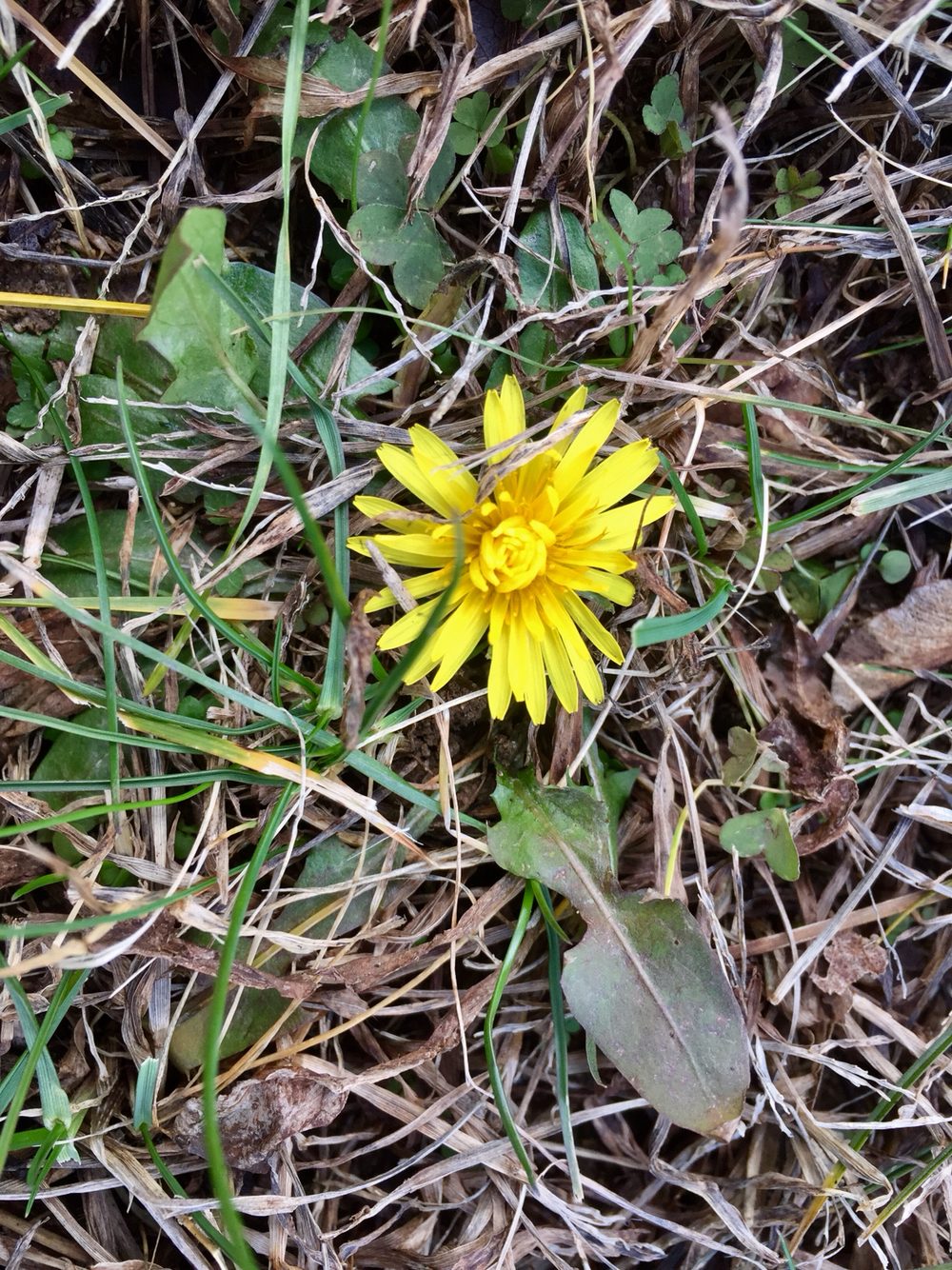
For a cold weather weed killer, pick a day that reaches 50°F and spray a three-way broadleaf product, or use SpeedZone if the day will top out between 45°F and 50°F. Below 45°F, wait. Purdue and K-State Extension both put the reliable window at 50°F and up, and the Spectracide Weed Stop label sets its floor at 45°F.
Cold does not make the herbicide go bad. It slows the weed. A weed that is barely growing takes in very little spray, so it lives.
Spray on a calm, dry day with a high of 50°F or more. Fall is the best time of year for dandelions and clover, per Purdue: mid-September to early November. SpeedZone works faster than plain three-way products near 50°F. Spectracide Weed Stop for Lawns is labeled down to 45°F. Under 45°F, skip it and wait for a warm spell or spring.
Not sure what the weed is? Snap a photo and run it through the lawn problem diagnosis tool first. Grassy weeds need a different product.
The temperature rule
Go by the daytime high. Check the forecast for the spray day and the two days after it.
| Daytime high | What to do | Why |
|---|---|---|
| Below 45°F | Wait. | Below the Spectracide label floor. K-State says cool days can make the spray fail altogether. |
| 45°F to 50°F | Spray only if the weeds are green and growing. Use SpeedZone or a 45°F-labeled product. Expect slow results. | Spectracide allows 45°F. K-State says SpeedZone gives a quicker response as temperatures drop toward 50°F. |
| 50°F to 85°F | Best window. Any labeled three-way product works. | Purdue: calm, clear day between 50°F and 85°F. |
| Above 85°F | Skip SpeedZone. Watch the label cap on others. | SpeedZone labels say not above 85°F. Spectracide caps at 90°F. |
Warmer is better inside that window. K-State puts it simply: a warmer day makes weeds grow more and move more weed killer down to the roots.
Why late fall still works
In fall, perennial weeds pull food down into their roots for winter. Spray rides along. Purdue calls mid-September to early November the best time to treat dandelion, plantain and clover, because the herbicide travels to the roots with those food reserves.
K-State adds that in late October and early November, dandelions put out a new flush of growth. Henbit and chickweed have just come up and are easy to kill. Small weeds. Growing weeds. That is the target.
So a cold snap is not the end of the season. Wait it out. A 55°F afternoon the next week is a better spray day than a 42°F one today.
Which weed killer to use when it is cool
These are lawn-safe broadleaf products. They do not kill grassy weeds, and none of them should go on a lawn you just seeded.
| Product | Cool-weather note on the label | Temperature limits | Lawn grasses |
|---|---|---|---|
| SpeedZone Lawn Weed Killer (concentrate, EPA Reg. No. 2217-864) | "Superior cool weather performance" | No low limit stated. Avoid above 85°F or on drought-stressed lawns. | Bluegrass, ryegrass, fescue, bermuda, zoysia. Not St. Augustine, centipede, bahia, buffalograss or carpetgrass. |
| SpeedZone Ready To Use (EPA Reg. No. 2217-865) | "Cool weather performance" | No low limit stated. Not above 85°F. | Adds St. Augustine, except Floratam. Labeled on dormant bermuda, zoysia and St. Augustine for actively growing weeds. |
| Spectracide Weed Stop for Lawns Concentrate2 (EPA Reg. No. 9688-342-8845) | "Above 45°F, the better the weeds will be able to absorb the product." | 45°F to 90°F daytime. | Bluegrass, fescue, ryegrass, bermuda, zoysia, centipede, bahia, St. Augustine. Not Floratam or Bitterblue St. Augustine. Not zoysia just coming out of dormancy. |
Buy SpeedZone if you treat late in the season on a cool-season, bermuda or zoysia lawn and want results on 45°F to 55°F days. The concentrate holds the standard three-way mix (2,4-D, mecoprop and dicamba) plus carfentrazone. K-State says that combination gives a quicker response than other products as temperatures approach 50°F. The Ready To Use bottle swaps 2,4-D for MCPA.
Buy Spectracide Weed Stop if you already own it or you have centipede or bahia. Its label covers those grasses, and it is labeled down to 45°F. Two applications a year at most, at least two weeks apart. Full steps are in the Spectracide Weed Stop instructions.
St. Augustine: use SpeedZone Ready To Use (a trigger bottle for spot treatment only) or Spectracide, unless your grass is Floratam or Bitterblue. Floratam is off both labels. See weeds in St. Augustine grass for other options.
Skip the concentrate SpeedZone on St. Augustine or centipede. The label rules them out. Read your own bottle before you buy, because labels change and similar names cover different formulas. Ortho WeedClear has its own limits, covered in the Ortho WeedClear guide.
How to spray on a cool day
- Check the forecast. High of 50°F or more is best. 45°F is the lowest label floor here. Calm wind.
- Check the weeds. Green, upright leaves mean they are growing. Gray, limp or frost-burned leaves will not take much in. Wait for them to recover.
- Spray at midday. Let the frost melt and the leaves dry first. The afternoon is the warmest part of a cool day.
- Do not mow for 3 days before and 3 days after, per Purdue. The weeds need leaf to soak up the spray.
- Keep it dry. SpeedZone Ready To Use says no water on the lawn for 12 hours. If rain falls within 24 hours and nothing has happened after 10 days, Purdue says plan a repeat. Not sooner than your label allows: at least 2 weeks for Spectracide, 21 days for SpeedZone Ready To Use.
- Be patient. Cool weather slows the kill. Do not reapply early. Go by the repeat interval on your label.
Warm-season lawns in winter
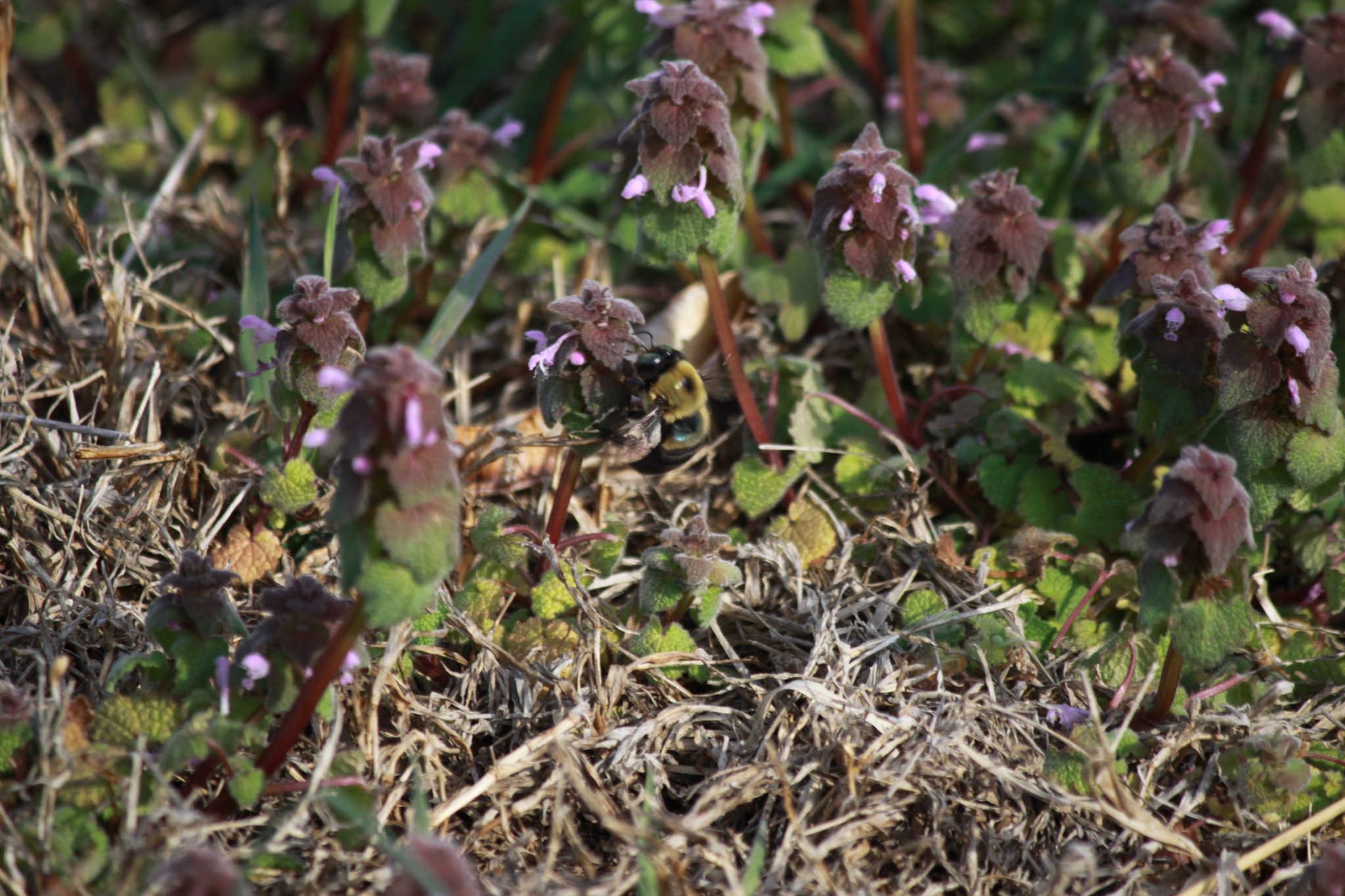
Dormant bermuda or zoysia does not stop henbit, chickweed or deadnettle. Those weeds grow in the cool months. The SpeedZone Ready To Use label allows spraying over dormant bermuda, zoysia and St. Augustine to control weeds that are actively growing. Spectracide says not to spray zoysia that is just coming out of dormancy in spring. For a winter weed walk-through, see our purple deadnettle guide.
New seed and new sod
Hold off. Purdue says no broadleaf herbicide on new seedlings until the grass has been mowed at least three times, and 4 to 6 weeks on new sod. The SpeedZone Ready To Use label says wait until after the second mowing on newly seeded lawns and four mowings on new sod, plugs or sprigs. If you need to reseed a spot after spraying, the SpeedZone labels allow seeding 2 weeks after application. Spectracide Weed Stop is stricter: wait until after the third mowing on new seed, and reseed 3 to 4 weeks after spraying. Follow whichever rule is stricter.
When to wait until spring
Once your highs stay under 45°F, put the sprayer away. Note where the weeds are. Spray in spring when highs are back above 50°F and the weeds are growing again. Purdue lists late spring to early summer as the second-best time for broadleaf control.
If crabgrass was the problem, that is a different job, done in spring. See the crabgrass preventer timing tool.
The label is the law. Read the one on your bottle before you spray. This guide does not replace it.
Free Lawn Care Tools
It depends on the label. Spectracide Weed Stop for Lawns sets its floor at 45°F daytime. The SpeedZone labels state no low limit but claim cool weather performance. Purdue and K-State Extension both recommend a day that reaches 50°F or higher for reliable results, because weeds take in less herbicide when they grow slowly.
SpeedZone is a common pick for cool days. Its concentrate label claims superior cool weather performance, and K-State Extension says it gives a quicker response than other products as temperatures approach 50°F. The concentrate does not go on St. Augustine, centipede or bahia lawns, so check your grass against the label.
It can, if the weeds are still green and growing. Spray at midday after the frost melts and the leaves dry, on a day that reaches 50°F if possible. Weeds with gray, limp or frost-burned leaves take in little spray, so wait for them to recover or treat in spring.
Often not. Purdue Extension calls mid-September to early November the best time to treat dandelion, plantain and clover, because the spray moves to the roots with the plant's winter food reserves. Once daytime highs stay under 45°F, stop and wait for spring.
Some labels allow it. The SpeedZone Ready To Use label allows applications to dormant bermudagrass, zoysiagrass and St. Augustinegrass to control actively growing broadleaf weeds. Spectracide Weed Stop says not to spray zoysia just coming out of dormancy. Read your own product label first.
Sources (5)
- Purdue Extension AY-9-W, Control of Broadleaf Weeds in Home Lawns: 50°F to 85°F, mid-September to early November, mowing and rain guidance, new seedlings and sod.
- K-State Research and Extension, Shawnee County, Fall Broadleaf Weed Control: 50°F or higher, why fall works, SpeedZone near 50°F.
- SpeedZone Lawn Weed Killer specimen label (EPA Reg. No. 2217-864).
- SpeedZone Ready To Use Lawn Weed Killer specimen label (EPA Reg. No. 2217-865).
- Spectracide Weed Stop for Lawns Concentrate2 label, EPA Reg. No. 9688-342-8845 (2022 label on spectracide.com). Our Spectracide Weed Stop instructions cover the full label.
Photos: Michael K. Oliver, Ph.D. / iNaturalist · CC BY 4.0

Beat weeds and brown spots from your phone
Snap a photo, get the fix, and follow a plan timed to your soil and weather. Free on iPhone.