Best Fertilizer for Centipede Grass in Alabama (2026)
 Marcus GreenTurf Management Pro | 18 Years
As an Amazon Associate we earn from qualifying purchases.
Centipede grass is one of Alabama’s best low-maintenance lawn grasses, but it declines quickly when treated like bermudagrass. The best fertilizer for centipede grass in Alabama is usually a low-nitrogen, low-phosphorus product applied after full spring green-up, not a high-powered southern lawn fertilizer.
Alabama adds regional complexity. Gulf Coast lawns often grow longer into the season, Wiregrass and coastal sandy soils can lose potassium faster, Black Belt clay can hold water and nutrients differently, and north Alabama has a shorter warm-season window. This guide covers the best fertilizer types, the Alabama centipede fertilizer schedule, when to fertilize centipede in Alabama, application rates, and 2026 buying tips.
The best fertilizer for centipede grass in Alabama in 2026 is a low nitrogen centipede fertilizer such as 15-0-15, 10-0-10, or 16-0-8, chosen from a soil test. Apply after full green-up, usually late April to early June depending on region, and avoid phosphorus unless testing confirms a need.
Do not use high-nitrogen bermuda fertilizers or heavy fall nitrogen. A safe target is about 0.5 lb nitrogen per 1,000 sq ft per application, staying near 1 lb annually on most centipede lawns.
- Our Grass Database recommends 1 lb of nitrogen per 1,000 sq ft annually for centipede grass.
- Centipede grass performs best at a soil pH of 5.0 to 6.0, and lime should be applied only when a soil test recommends it.
- Most Alabama centipede lawns should receive their first fertilizer only after full green-up, often late April to early June by region.
- A 15-0-15 fertilizer applied at 3.3 lb of product per 1,000 sq ft delivers 0.5 lb of nitrogen.
- Centipede should not receive winter fertilizer during its November to March dormant period.
This guide covers Alabama-specific timing, soil, and product notes. For the full national picture, NPK ratios, and the complete product comparison, see our main best fertilizer for centipede grass guide.
Alabama's Low-Maintenance Grass: Why Over-Feeding Centipede Backfires
Centipede is Alabama's easy-care lawn grass, and the fastest way to ruin it is to feed it like bermuda. Auburn ACES puts centipede at just 1 pound of nitrogen per 1,000 square feet a year (2 pounds maximum), because too much nitrogen actually suppresses its growth and sets up centipedegrass decline: the large dead patches and spring chlorosis ACES ties to excessive nitrogen, high soil pH, thatch, and nematodes. The trap is timing, because the damage from a heavy feeding often does not show until the following spring, when the lawn greens up thin and patchy.
Centipede also wants acidic soil, roughly pH 5.0 to 6.0, lower than almost any other lawn grass. Most of Alabama is naturally acidic, which suits it, but soil-test before liming, because over-liming pushes pH past centipede's comfort zone and triggers iron chlorosis. The Black Belt is the exception, a band of alkaline Selma chalk clay through central Alabama where centipede struggles and any yellowing needs iron, not nitrogen.
The rule to remember: if your centipede yellows, reach for an iron supplement first, not a nitrogen bag. Adding nitrogen to fix iron chlorosis just feeds thatch and decline.
Alabama Centipede Fertilizer Calendar
| When | Feed? | Rate & product | Why here |
|---|---|---|---|
| Before spring green-up | No | Wait | Frost and dormancy; feeding now is wasted |
| May | Yes | 0.5 lb N per 1,000 sq ft | ACES standard program begins |
| June and August | Higher-input only | 0.5 lb N each | Only for maximum-quality lawns |
| September | Yes (last feed) | 0.5 lb N | Total 1 lb/yr standard, 2 lb maximum |
| Whenever it yellows | Iron, not N | Iron supplement | High-pH iron chlorosis, worst in the Black Belt |
| After September | No | Nothing | Late N raises decline and winter-damage risk |
What Centipede Grass Needs in Alabama
Centipede grass in Alabama needs modest nitrogen, acidic soil, adequate potassium, and careful timing more than it needs frequent feeding. This grass became popular across the state because it tolerates heat, grows well in many acidic soils, and requires less mowing and fertilization than bermuda or zoysia.
Recommended products
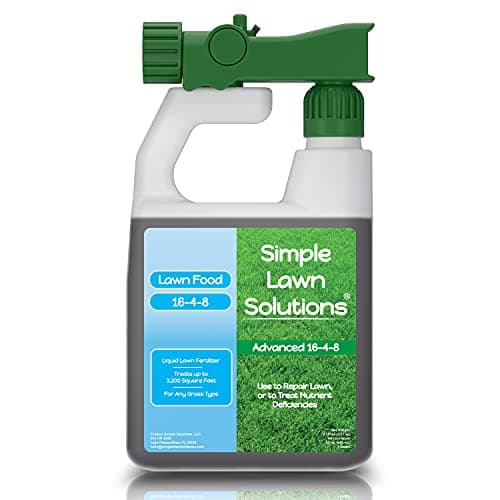
Simple Lawn Solutions Advanced 16-4-8 Liquid Fertilizer
Concentrated liquid fertilizer with balanced 16-4-8 NPK for quick green-up through any hose-end sprayer.
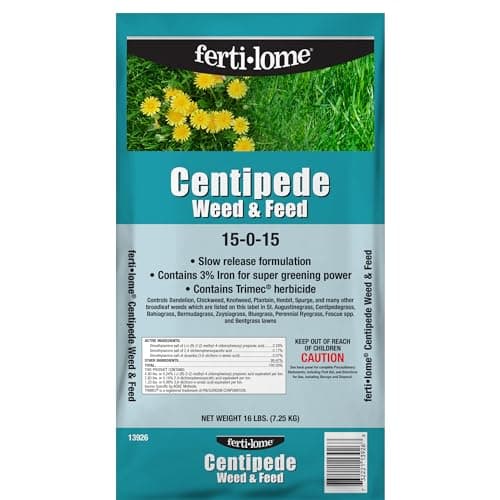
Fertilome Centipede Weed & Feed 15-0-15
A centipede-specific weed and feed with a 15-0-15 ratio, zero phosphorus, and iron for color.
The issue is that “low maintenance” does not mean “no management.” Alabama’s sandy soils, clay soils, shade patterns, and summer humidity all change how centipede responds to fertilizer. The best approach is to diagnose soil conditions first, then feed lightly during active growth.
Why Centipede Grass Is Different From Bermudagrass or Zoysia
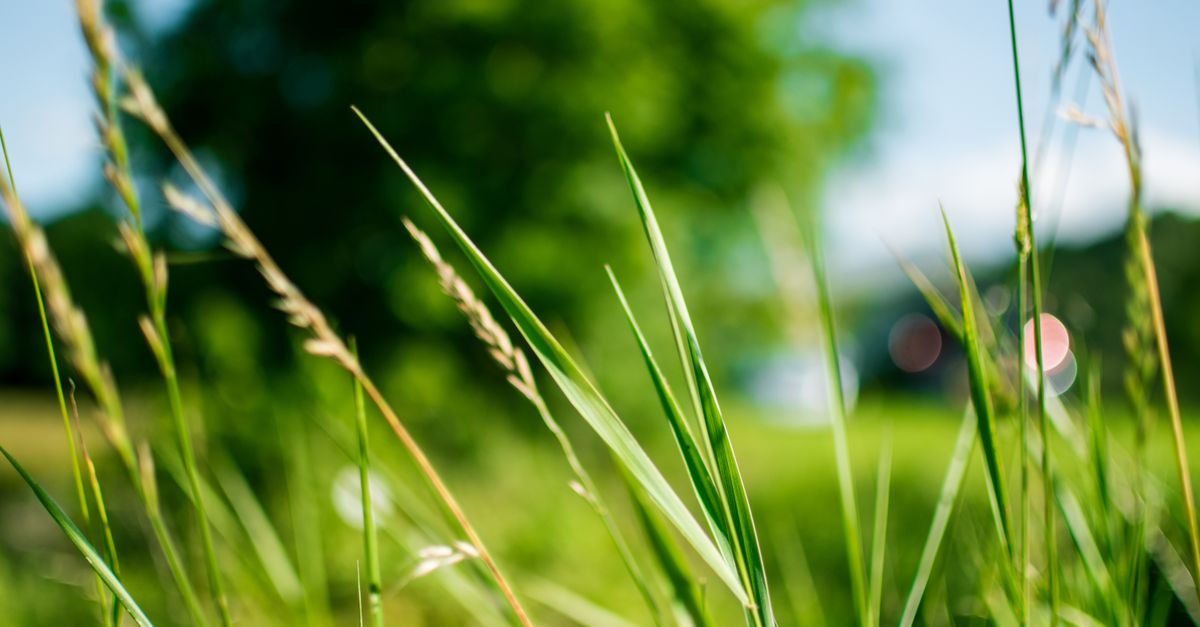
Centipede grass is a slow-growing warm-season turf that performs best under low fertility compared with bermudagrass or zoysia. Bermuda often responds well to aggressive nitrogen because it spreads fast and recovers quickly. Centipede does not have that same growth habit.
Too much nitrogen pushes soft top growth faster than the root system can support it. This causes excessive mowing, thatch buildup, more disease pressure, increased winter injury, and long-term thinning. From my time managing championship greens, the principle transfers directly: turf health is built by matching fertility to the grass, not by forcing color at any cost.
Ideal Soil Conditions for Centipede Grass
Centipede grass generally performs best in acidic soil with a pH near 5.0 to 6.0. Our Grass Database shows the same pH range for centipede, which explains why it often performs well in naturally acidic Alabama soils.
A common mistake is applying lime automatically because a lawn looks yellow. High pH can lock up iron and create yellow centipede grass even when nitrogen is present. If pH is already too high, more lime makes the problem worse. Confirm pH with a soil test before applying lime or sulfur.
Key Nutrients Centipede Actually Needs
Centipede grass needs low nitrogen, limited phosphorus, steady potassium, and occasional micronutrient correction when testing supports it. Nitrogen drives growth and color, but excess nitrogen is the fastest way to weaken centipede over time.
Phosphorus is usually unnecessary on established lawns unless a soil test shows a shortage. Potassium is more useful for stress tolerance, drought response, and winter hardiness. Iron can improve green color without forcing rapid growth, especially where pH limits iron availability. Magnesium, manganese, and other micronutrients may matter in specific Alabama soils, but they should be corrected from test results rather than guesswork.
- Purdue Turfgrass Science guidance: phosphorus is rarely needed on established lawns unless a soil test shows a deficiency.
Pro Tip: Soil Test Before Choosing Fertilizer
A soil test is the best first step before choosing centipede grass fertilizer in 2026. It confirms pH, phosphorus, potassium, lime requirement, and nutrient deficiencies that cannot be diagnosed reliably by color alone.
Use a local Extension office or reputable soil lab and request recommendations for centipede grass specifically. Related topics such as How to Test Your Lawn's Soil and How to Improve Soil pH for Grass are worth understanding before buying fertilizer, because the correct product depends on the report.
Best Fertilizer for Centipede Grass in Alabama in 2026
The best fertilizer for centipede grass in Alabama in 2026 is a low-nitrogen, low-phosphorus fertilizer with moderate potassium and slow-release nitrogen. The exact product depends on your soil test, but the label should not look like a high-nitrogen bermuda fertilizer.
For most established centipede lawns, look for balanced low-nitrogen ratios such as 15-0-15, 16-0-8, or 10-0-10. If potassium is low and nitrogen is not needed, a potassium-focused product such as 8-0-24 may fit, but only when the soil report supports that correction.
Best Overall Fertilizer Profile
The best overall centipede fertilizer profile is low nitrogen, little or no phosphorus, moderate potassium, slow-release nitrogen, and optional iron. This gives centipede enough nutrition to maintain density without pushing weak, lush growth.
For homeowners comparing Best Fertilizers for Lawns, centipede requires a narrower choice than many “all grass types” labels suggest. A fertilizer can be excellent for bermuda and still be too aggressive for centipede. The guaranteed analysis on the bag matters more than front-label claims.
Best Low Nitrogen Centipede Fertilizer
A low nitrogen centipede fertilizer is best for homeowners who want steady color and density without forcing excessive growth. Look for products with 25% to 50% slow-release nitrogen, low or zero phosphorus, and potassium close to or higher than nitrogen when possible.
Slow-release nitrogen is preferred because it feeds more evenly and reduces flush growth. If using a liquid product, apply conservatively and count the nitrogen toward your annual total. Simple Lawn Solutions Advanced 16-4-8 Liquid Fertilizer can fit homeowners who need a hose-end liquid option for quick response, but it should be used at light rates on centipede because the nitrogen level still counts.
- NC State TurfFiles guidance: slow-release nitrogen sources feed turf more evenly and reduce surge growth compared with quick-release products.
Best Fertilizer for Yellow Centipede Grass
The best fertilizer for yellow centipede grass depends on whether the yellowing is caused by pH, iron deficiency, stress, compaction, disease, or excess nitrogen. Yellow centipede does not automatically need more nitrogen.
If the lawn is pale but growing normally, check pH first. High pH often points to iron availability problems, so an iron supplement may improve color without pushing growth. If the turf is thin, soft, or declining after heavy feeding, the issue may be nitrogen stress or root decline. Why Is My Grass Turning Yellow is a related diagnostic topic worth reviewing before applying another fertilizer.
Best Organic or Natural Fertilizer Option
Organic fertilizer can work on centipede grass when the actual nitrogen rate is calculated carefully. The safest organic approach is usually a low-rate organic lawn fertilizer or a thin compost topdressing based on soil needs.
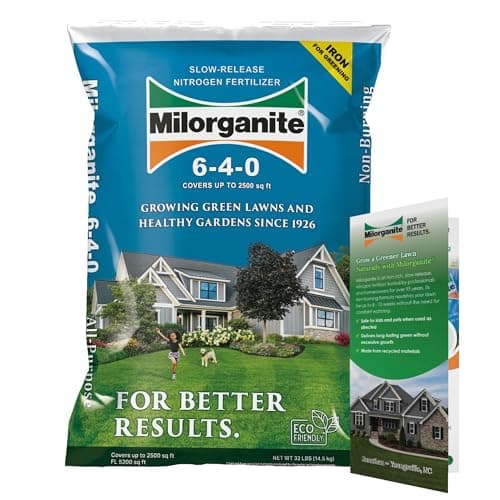
Organic vs Synthetic Fertilizers is not a simple “safe versus unsafe” decision for centipede. Many natural products contain phosphorus, and some materials such as poultry litter can be too nutrient-dense or imbalanced. Milorganite Lawn and Garden Nitrogen Fertilizer 6-4-0 may fit homeowners who want gradual feeding, but its phosphorus content means it is best used only when your soil test supports that nutrient profile.
Fertilizers to Avoid on Alabama Centipede
Alabama centipede lawns should avoid high-nitrogen quick-release fertilizers, routine starter fertilizers, untested lime, heat-stress weed-and-feed products, and heavy fall winterizers. These products often solve the wrong problem.
Starter fertilizers may be useful for new establishment only when the soil test supports phosphorus. Weed-and-feed products require both the weed-control timing and the grass-growth stage to match. High-nitrogen “southern lawn” fertilizers designed for bermuda are the most common mismatch for centipede.
Alabama Centipede Fertilizer Schedule: When to Fertilize Centipede in Alabama
The Alabama centipede fertilizer schedule should begin after full spring green-up and end before late-season nitrogen can create winter-tender growth. Do not fertilize at the first hint of green.
The timing data we track puts centipede’s peak growth from May through September and dormancy from November through March. That means fertilizer belongs in the active growing season, with most Alabama lawns receiving one spring or early summer feeding and possibly a light second feeding if needed.
This table shows practical timing by Alabama region. Use it as a planning guide, then adjust for actual green-up, rainfall, soil test results, and lawn condition.
| Alabama Region | First Feeding Window | Second Feeding | Nitrogen Cutoff |
|---|---|---|---|
| Gulf Coast / South Alabama | Late April to May | June to July if needed | Late August to early September |
| Wiregrass / Southeast Alabama | Late April to May | June to July if actively growing | Late August |
| Central Alabama | May | June or July if needed | Late August |
| Black Belt Clay Areas | May after active mowing | Only if drainage and growth are good | Late August |
| North Alabama | Mid-May to early June | Usually light or skipped | Mid to late August |
Spring: Wait for Full Green-Up
Spring fertilizer should be applied only after centipede is mostly green, actively growing, and has been mowed once or twice. Fertilizing dormant or half-dormant turf feeds weeds more than grass and can stress roots before the plant is ready.
In south Alabama, this often occurs in late April or May. In central Alabama, May is more typical. In north Alabama, mid-May to early June is safer in many years. If a late cold snap is likely, wait.
Summer: Light Feeding if Needed
Summer fertilizer should be light and only applied when centipede is actively growing with adequate soil moisture. A June or July application can help color and density if the lawn has not reached its annual nitrogen limit.
Avoid fertilizing during drought stress, heat stress, disease outbreaks, or before heavy rain. Professional crews approach this differently - here's how to adapt it for your lawn: confirm moisture first, apply a measured light rate, then water in according to the label. In summer, potassium may be more valuable than extra nitrogen when soil tests show a shortage.
Late Summer and Fall: Be Careful With Nitrogen
Late-summer fertilizer on centipede should avoid heavy nitrogen and focus on potassium only when testing supports it. Tender growth going into fall increases winter injury and disease risk.
In much of Alabama, stop nitrogen by late August or early September. North Alabama should usually stop earlier because the warm-season window closes sooner. South Alabama has a longer season, but heavy fall nitrogen still works against centipede’s natural hardening process.
Winter: No Fertilizer for Dormant Centipede
Winter fertilizer should not be applied to dormant centipede grass. Our Grass Database lists centipede’s dormant period as November through March, so fertilizer during that period is poorly timed.
Winter is for soil testing, spreader calibration, drainage correction, and leaf management. It is also the right time to plan 2026 purchases rather than buying the first spring green-up product on display. Winter Lawn Care in Alabama is a useful related topic for off-season maintenance.
How Much Fertilizer to Apply to Centipede Grass
Centipede grass usually needs about 1 to 2 lb nitrogen per 1,000 sq ft per year, with many Alabama lawns performing best near the low end. Our Grass Database recommends 1 lb of nitrogen per 1,000 sq ft annually for centipede grass, with light fertilization only 1 to 2 times per year.
More nitrogen is not better. Sandy coastal soils may benefit from split applications because nutrients leach faster, while fertile clay soils may need less total nitrogen. The correct rate is based on lawn size, fertilizer analysis, and annual nitrogen limits.
Annual Nitrogen Target
The annual nitrogen target for most established Alabama centipede grass should stay close to 1 lb per 1,000 sq ft unless a soil test and lawn response justify more. This is much lower than many cool-season lawns and lower than aggressive bermuda programs.
For comparison, Penn State Extension guidance for cool-season lawns generally falls in the 2 to 4 lb nitrogen range per 1,000 sq ft per year, with fall applications doing the most good. Centipede is managed differently because it is a warm-season, low-fertility grass.
How to Calculate Fertilizer Rates
Fertilizer rate is calculated by dividing the desired nitrogen rate by the nitrogen percentage on the label. The first number in the N-P-K ratio is nitrogen.
For example, to apply 0.5 lb nitrogen with a 15-0-15 fertilizer, convert 15% to 0.15, then divide 0.5 by 0.15. The result is 3.3 lb of fertilizer product per 1,000 sq ft.
- Find the first number on the fertilizer label.
- Convert that percentage to a decimal.
- Divide your desired nitrogen rate by that decimal.
- Apply the resulting pounds of product per 1,000 sq ft.
Sample Application Rates by Fertilizer Type
Sample application rates help prevent overfeeding when comparing different fertilizer labels. These examples all deliver 0.5 lb nitrogen per 1,000 sq ft.
| Fertilizer Ratio | Nitrogen Decimal | Product Rate | Use Case |
|---|---|---|---|
| 15-0-15 | 0.15 | 3.3 lb per 1,000 sq ft | Balanced low-phosphorus feeding |
| 10-0-10 | 0.10 | 5.0 lb per 1,000 sq ft | Gentle equal N and K feeding |
| 16-0-8 | 0.16 | 3.1 lb per 1,000 sq ft | Light nitrogen with moderate potassium |
Always follow the product label and local regulations. If the label rate would exceed your centipede nitrogen target, use the more conservative turf-safe rate that still complies with the label.
Spreader Calibration Checklist
Spreader calibration ensures the correct amount of fertilizer reaches the lawn evenly. Uneven application causes streaks, burn risk, and overfeeding in concentrated lanes.
- Measure your actual lawn square footage before buying fertilizer.
- Confirm the product rate per 1,000 sq ft.
- Set the spreader low for the first pass.
- Apply half the product north-south and half east-west.
- Sweep granules off sidewalks, driveways, and patios.
- Water in if the label requires it.
- Keep pets and children off the lawn until the product is watered in and dry, according to label directions.
How to Choose the Right Centipede Grass Fertilizer in 2026
The right centipede grass fertilizer in 2026 is the product whose N-P-K ratio, release type, and micronutrients match your soil test and lawn condition. The front of the bag is marketing; the guaranteed analysis is the decision point.
Do not choose fertilizer by color claims alone. A dark-green push from excess nitrogen often looks good briefly and weakens centipede later. The key most homeowners miss is that centipede rewards restraint more than intensity.
Read the Label Like a Pro
Reading the fertilizer label correctly means checking the N-P-K ratio, slow-release nitrogen percentage, iron content, weed-control ingredients, application rate, reentry instructions, and coverage area. These details tell you whether the product fits centipede.
A label such as 32-0-5 is usually too nitrogen-heavy for routine centipede use even if it says “southern lawns.” A label such as 15-0-15 or 10-0-10 is usually closer to the right profile. If weed control ingredients are included, confirm the product is safe for centipede and appropriate for the season.
Match Fertilizer to Your Lawn’s Condition
Fertilizer should be matched to the symptom pattern, not applied as a default fix. Pale but otherwise healthy centipede often points to low nitrogen, iron availability, or pH imbalance, so confirm with a soil test before adding more fertilizer.
If growth is weak, check mowing height, shade, compaction, irrigation, and disease before increasing nitrogen. Our Grass Database shows centipede’s recommended mowing height is 1.5 to 2 inches, with a minimum mow height of 1.0 inch. If weeds are taking over, fertilizer alone will not solve it; Centipede Grass Weed Control is a separate management issue.
Regional Alabama Buying Tips
Regional soil behavior should influence your centipede fertilizer choice in Alabama. Coastal and sandy soils often benefit from lighter split applications because potassium and nitrogen can move through the profile faster.
Black Belt clay soils require more attention to drainage, compaction, and overwatering before adding fertilizer. North Alabama has a shorter warm-season window, so the first feeding is later and the cutoff is earlier. South Alabama has a longer growing season, but disease pressure and summer stress can make heavy nitrogen more damaging.
Product Types Compared
Granular slow-release fertilizer is the best product type for most Alabama centipede lawns because it is easier to measure and distribute evenly. Liquid fertilizers can create a faster color response, but they are easier to overapply and may require more frequent applications.
Iron supplements are useful for color correction when pH limits iron availability, but they do not replace balanced fertility. Weed-and-feed products should be used only when timing matches both the weeds and centipede growth stage. Composting for a Healthier Lawn can support soil structure, but compost should be applied thinly so it does not smother turf.
Step-by-Step Fertilizer Plan for a Healthy Alabama Centipede Lawn
A healthy Alabama centipede lawn should be fertilized through a measured six-step plan: test, measure, choose, apply, monitor, and decide late-summer needs. This process prevents the two biggest centipede problems, overfeeding and wrong-season feeding.
Use this plan as your 2026 working schedule. Adjust exact dates by region, green-up, rainfall, and soil test recommendations.
Step 1: Test Soil in Late Winter or Early Spring
Test soil in late winter or early spring before the centipede growing season begins. Request centipede-specific recommendations so the lab does not assume a higher-fertility turf.
The report should identify pH, phosphorus, potassium, and lime needs. Do not guess on lime or phosphorus. If pH is outside 5.0 to 6.0, correct it according to the report rather than by appearance.
Step 2: Measure Your Lawn
Measure your lawn before buying fertilizer so the product rate can be applied accurately. Break the property into rectangles, triangles, or circles, then subtract beds, buildings, patios, and driveways.
A 5,000 sq ft lawn needs exactly half the fertilizer of a 10,000 sq ft lawn at the same rate. Guessing square footage is one of the most common causes of accidental overapplication.
Step 3: Choose the Correct Fertilizer
Choose a low-nitrogen centipede fertilizer with little or no phosphorus unless your soil test recommends phosphorus. Prefer slow-release nitrogen and enough potassium to match the report.
If the lawn only needs color, iron may be the cleaner correction than more nitrogen. If potassium is low, select a product that corrects potassium without exceeding nitrogen limits.
Step 4: Apply After Full Green-Up
Apply fertilizer after full green-up, active growth, and at least one or two mowings. Avoid fertilizer before heavy rain, during drought stress, or while disease symptoms are active.
Water in according to label directions. Based on our regional dataset, centipede needs about 1 inch of water per week in summer, including rainfall. Fertilizer works best when soil moisture is adequate but not saturated.
Step 5: Monitor Color, Growth, and Stress
Monitor the lawn for color, mowing frequency, disease, weeds, and dry spots after fertilizing. A healthy response is steady color and moderate growth, not a sudden flush that requires constant mowing.
If the lawn turns yellow after feeding, confirm whether pH, iron availability, overwatering, herbicide stress, or disease is involved. If growth is excessive and thatch increases, reduce nitrogen at the next application.
Step 6: Make a Late-Summer Decision
Late summer should be a decision point, not an automatic feeding date. If the lawn is dense, healthy, and already received its annual nitrogen target, skip more nitrogen.
If the soil test shows low potassium, a potassium-focused application may help stress tolerance. Avoid “one last feeding” for dark green fall color, because centipede naturally slows as dormancy approaches.
Common Mistakes to Avoid
The most common centipede fertilizer mistakes in Alabama are early spring feeding, high-nitrogen products, untested amendments, and poor safety practices on application day. Many quick online guides miss these details because they treat all warm-season lawns alike.
Centipede is not bermuda with slower growth. It is a distinct low-fertility grass with lower traffic tolerance, lower drought tolerance, and a shallower root system than many homeowners expect. Our Grass Database lists centipede root depth at 9 inches, which makes moisture and nutrient timing especially important in sandy Alabama soils.
Mistake 1: Fertilizing Too Early in Spring
Fertilizing too early in spring pushes growth before centipede has fully resumed root and shoot activity. The better trigger is full green-up plus active mowing, not the first green blades.
Early nitrogen can benefit winter weeds and expose tender turf to late cold snaps. If the lawn is only partially green, wait 1 to 2 weeks and reassess.
Mistake 2: Using High-Nitrogen Fertilizer Made for Other Southern Grasses
High-nitrogen fertilizers made for bermudagrass are usually too aggressive for centipede grass. They can cause thatch, disease pressure, winter injury, and long-term decline.
Skip products with very high first numbers unless a professional diagnosis specifically supports that use. For routine feeding, choose low nitrogen centipede fertilizer and keep applications light.
Mistake 3: Skipping Confirmation Tests Before Adding Lime, Phosphorus, or Iron
Lime, phosphorus, and iron should be applied after confirmation, not by assumption. Yellow color alone does not prove nitrogen deficiency or lime need.
Confirm pH and nutrient levels with a soil test. If yellowing continues despite correct soil fertility, consider compaction, overwatering, shade, disease, or herbicide stress as likely causes.
Mistake 4: Ignoring Pet and Child Safety on Fertilizer Day
Pet and child safety depends on following the fertilizer label for watering, drying, storage, and reentry. The label is the controlling instruction for that product.
Sweep granules off hard surfaces to reduce runoff and accidental ingestion. Store bags away from pets, children, and moisture. Keep traffic off treated turf until the product has been watered in and dried if the label requires that step.
Conclusion
The best fertilizer for centipede grass in Alabama in 2026 is usually a low-nitrogen, low- or zero-phosphorus fertilizer selected from a soil test. Look for 15-0-15, 10-0-10, or 16-0-8 style profiles, slow-release nitrogen when possible, moderate potassium, and optional iron for color correction.
Fertilize after full green-up, use light applications, avoid heavy fall nitrogen, and never fertilize dormant centipede. The healthiest Alabama centipede lawns are usually managed with restraint: test the soil, measure the lawn, apply modest nitrogen, maintain pH near 5.0 to 6.0, and adjust by region.
For your next step, look for a low nitrogen centipede fertilizer with little or no phosphorus, slow-release nitrogen, and potassium that matches your soil test. Then build your Alabama centipede fertilizer schedule around full green-up, summer response, and a firm late-summer nitrogen cutoff.
Top Picks
 Milorganite 6-4-0 Slow-Release Nitrogen Fertilizer (32 lb)Check price on Amazon
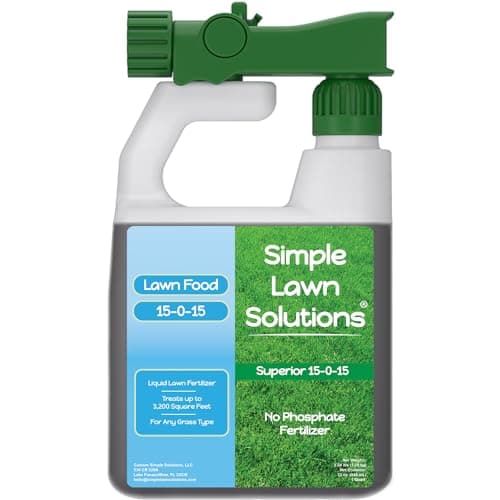
 Simple Lawn Solutions Superior 15-0-15 Liquid Fertilizer (32 oz)Check price on Amazon
As an Amazon Associate we earn from qualifying purchases.
Free Lawn Care Tools
Fertilize centipede grass after full spring green-up, not at the first sign of green. In Alabama, that usually means late April to May in the south, May in central Alabama, and mid-May to early June in north Alabama.
Good fertilizer ratios for established centipede include 15-0-15, 10-0-10, and 16-0-8. Choose low nitrogen, little or no phosphorus, and moderate potassium unless your soil test recommends something different.
Most centipede lawns need about 1 to 2 lb of nitrogen per 1,000 sq ft per year, often near 1 lb in Alabama. A single light application of 0.5 lb nitrogen per 1,000 sq ft is usually a safe starting point.
Yellow centipede after fertilizing can indicate high soil pH, iron deficiency, overwatering, compaction, disease, herbicide stress, or excess nitrogen. Confirm pH and nutrients with a soil test before adding more nitrogen or lime.
Bermuda grass fertilizer is often too high in nitrogen for centipede. If the first number on the label is high, it can push excessive growth, thatch, disease pressure, and winter injury on centipede.
Apply lime only if a soil test recommends it. Centipede grass prefers acidic soil around pH 5.0 to 6.0, and unnecessary lime can raise pH too high and worsen yellowing.
Photos: Lisa from Pexels / Pexels, Gaurav Kumar / Pexels, Efrem Efre / Pexels

Beat weeds and brown spots from your phone
Snap a photo, get the fix, and follow a plan timed to your soil and weather. Free on iPhone.