Best Fertilizer for Centipede Grass in Florida (2026)
 Marcus GreenTurf Management Pro | 18 Years
As an Amazon Associate we earn from qualifying purchases.
Centipede grass performs best in Florida when it is fed lightly, timed correctly, and not pushed like St. Augustine or Bermuda grass. The core fertilizer mistake is using high-nitrogen “green-up” products on a grass that is naturally slow-growing and low-input.
The best fertilizer for centipede grass in Florida is usually a low nitrogen centipede fertilizer with little or no phosphorus, steady potassium, iron for color, and a slow-release nitrogen source. This 2026 guide covers the best fertilizer profile, Florida centipede fertilizer schedule, regional timing, soil testing, yellowing diagnosis, and application steps that keep centipede healthy without forcing weak growth.
The best fertilizer for centipede grass in Florida in 2026 is a low-nitrogen, low- or zero-phosphorus fertilizer near 15-0-15, 12-0-12, or 10-0-10, ideally with iron and 30% to 50% slow-release nitrogen. Test soil first if the lawn is yellow, thin, or declining.
Fertilize only after full spring green-up and active growth. Most Florida centipede lawns need 0.25 to 0.5 lb nitrogen per 1,000 sq ft per application, not high-nitrogen turf builder products.
- Our Grass Database recommends 1 lb of nitrogen per 1,000 sq ft annually for centipede grass.
- Centipede grass should usually be fertilized after full green-up, with the first Florida application commonly falling from April to May depending on region.
- Apply 0.25 to 0.5 lb nitrogen per 1,000 sq ft at one time to avoid forcing weak, disease-prone growth.
- Centipede grass prefers a pH range of 5.0 to 6.0, and high-pH soil can cause yellowing even when nitrogen is available.
- Florida centipede should receive no nitrogen fertilizer in winter and little to no fall nitrogen.
This guide covers Florida-specific timing, soil, and product notes. For the full national picture, NPK ratios, and the complete product comparison, see our main best fertilizer for centipede grass guide.
Florida's Summer Fertilizer Ban, and Why Centipede Barely Needs Feeding
Centipede needs the least nitrogen of any Florida lawn grass, and treating it otherwise is the fastest way to kill it. UF/IFAS puts established centipede at roughly 0.4 to 2 pounds of nitrogen per 1,000 square feet a year in North Florida (up to 3 in Central and South Florida), across just one to three feedings, and says plainly not to over-fertilize centipede to force a darker green. Excess nitrogen builds thatch and drives centipedegrass decline, the spring yellowing and dead patches UF ties to too much nitrogen, high pH, and thatch. Centipede wants acidic soil (pH 4.5 to 6.0); above about 6.5 you get iron chlorosis, and the fix is iron, not more nitrogen.
Then there is the law. Under Florida's statewide Urban Turf rule, phosphorus requires a soil test showing need, and quick-release nitrogen is capped per application. On top of that, around a hundred Florida counties and cities enforce a summer blackout: from June 1 to September 30 you may not apply any fertilizer containing nitrogen or phosphorus (Pinellas, Hillsborough, Manatee, Sarasota, Pasco, and much of the Tampa Bay region). During the ban, an iron-only product keeps the lawn green, which is exactly what centipede prefers anyway. Terms vary, so check your county.
Florida's sandy soils leach nitrogen quickly, so light slow-release feeding beats heavy doses, and because soil-applied iron largely oxidizes and is wasted in sand, a foliar iron spray is the better green-up here.
Florida Centipede Fertilizer Calendar
| When | Feed? | Rate & product | Why here |
|---|---|---|---|
| Before ~April 15 (N. FL) | No | Wait | Frost risk; grass not actively growing |
| Spring green-up (Apr-May) | Light | 0.5 lb N slow-release; no P without a soil test | Centipede is low-N; excess just builds thatch |
| June 1 - September 30 | No (often illegal) | Iron only, for color | County summer blackout in ~100 FL counties/cities |
| Early fall, after the ban | Optional | 0.5 lb N slow-release (Central/South FL) | Stop before dormancy; skip in North FL |
| Whenever it yellows | Iron, not N | Foliar chelated or ferrous iron | Florida yellowing is usually iron chlorosis, not an N shortage |
| Winter dormancy | No | Nothing | Dormant grass takes up no nitrogen |
What Makes Centipede Grass Fertilizer Different in Florida?
Centipede grass fertilizer in Florida must be lower in nitrogen and more carefully timed than fertilizer for faster-growing warm-season grasses. Centipede is valued because it needs less mowing, less feeding, and less aggressive management, but that advantage disappears when the lawn is overfertilized.
Recommended products
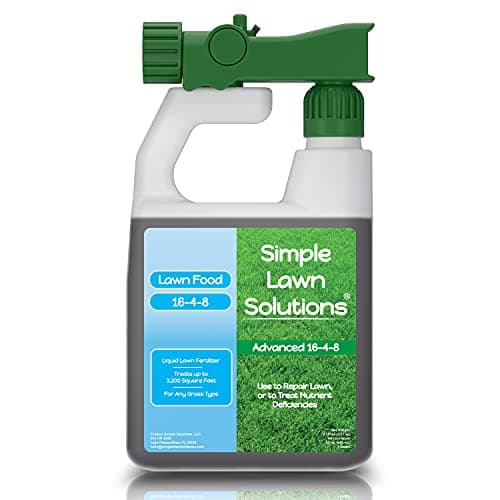
Simple Lawn Solutions Advanced 16-4-8 Liquid Fertilizer
Concentrated liquid fertilizer with balanced 16-4-8 NPK for quick green-up through any hose-end sprayer.
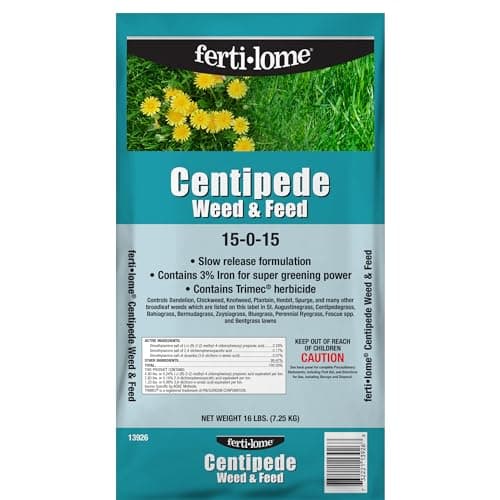
Fertilome Centipede Weed & Feed 15-0-15
A centipede-specific weed and feed with a 15-0-15 ratio, zero phosphorus, and iron for color.
Our Grass Database shows centipede has a “Very Low” maintenance level, a mowing height of 1.5 to 2 inches, and a low traffic tolerance. Those traits explain why the best fertilizer for centipede grass in Florida is not the strongest product on the shelf. The right program supports steady growth, root strength, and color without pushing lush top growth.
Why Centipede Grass Needs Less Nitrogen Than Other Florida Lawns
Centipede grass needs less nitrogen because it is naturally slow-growing and adapted to low-input management. More fertilizer does not create a better centipede lawn. It often creates a weaker one.
Excess nitrogen can cause thatch buildup, shallow roots, increased disease pressure, winter injury, and a washed-out yellow appearance that resembles iron chlorosis. In sandy or acidic Florida soils, heavy feeding can also accelerate nutrient imbalance. The best fertilizer for centipede grass in Florida is usually a low nitrogen centipede fertilizer, not a high-powered turf builder made for Bermuda or St. Augustine.
Ideal Fertilizer Ratio for Centipede Grass
The ideal fertilizer ratio for centipede grass is low in nitrogen, low or zero in phosphorus unless a soil test confirms need, and moderate in potassium. Ratios near 15-0-15, 12-0-12, and 10-0-10 fit many Florida centipede lawns when applied at the correct rate.
A product such as 8-0-24 can fit when soil testing shows potassium deficiency, but it should not be used blindly. Potassium supports heat, drought, cold, and disease tolerance, while iron improves green color without forcing excessive leaf growth. Common 16-4-8 fertilizers can work in some cases, but they may be too aggressive for centipede if applied heavily or repeatedly.
- NC State TurfFiles guidance: slow-release nitrogen sources feed turf more evenly and reduce surge growth compared with quick-release nitrogen products.
- Purdue Turfgrass Science guidance: phosphorus is rarely needed on established lawns unless a soil test shows a deficiency.
Florida Soil Factors That Change Your Fertilizer Choice
Florida soil changes fertilizer performance because sandy soil, heavy rainfall, irrigation, and heat increase nutrient movement and stress. Quick-release nitrogen can leach rapidly in sandy lawns, while poorly timed fertilizer can wash away before the grass uses it.
North Florida has cooler winters and later spring green-up, so early feeding often causes more harm than benefit. Central Florida has a longer feeding window but may have county fertilizer restrictions during rainy months. South Florida has an extended warm season, but centipede is less common and can struggle where soils are alkaline or calcareous. Centipede prefers acidic soil, and our database lists the ideal pH range at 5.0 to 6.0.
Best Fertilizer for Centipede Grass in Florida in 2026
The best fertilizer for centipede grass in Florida in 2026 is a light, slow-release, low-phosphorus formula that supports color and stress tolerance without forcing rapid growth. In practical terms, choose fertilizer by lawn condition, soil test results, and season instead of buying the product with the fastest green-up claim.
The product label matters more than the marketing name. Look at the N-P-K numbers, slow-release nitrogen percentage, iron content, and whether the label is safe for centipede grass. Florida fertilizer ordinances may also affect what can be applied and when, especially for nitrogen and phosphorus.
Best Overall Fertilizer Type for Most Florida Centipede Lawns
The best overall fertilizer type for most Florida centipede lawns is a low-nitrogen, phosphorus-free or low-phosphorus fertilizer with potassium, iron, and partial slow-release nitrogen. A formula near 15-0-15, 12-0-12, or 10-0-10 is usually the safest fit.
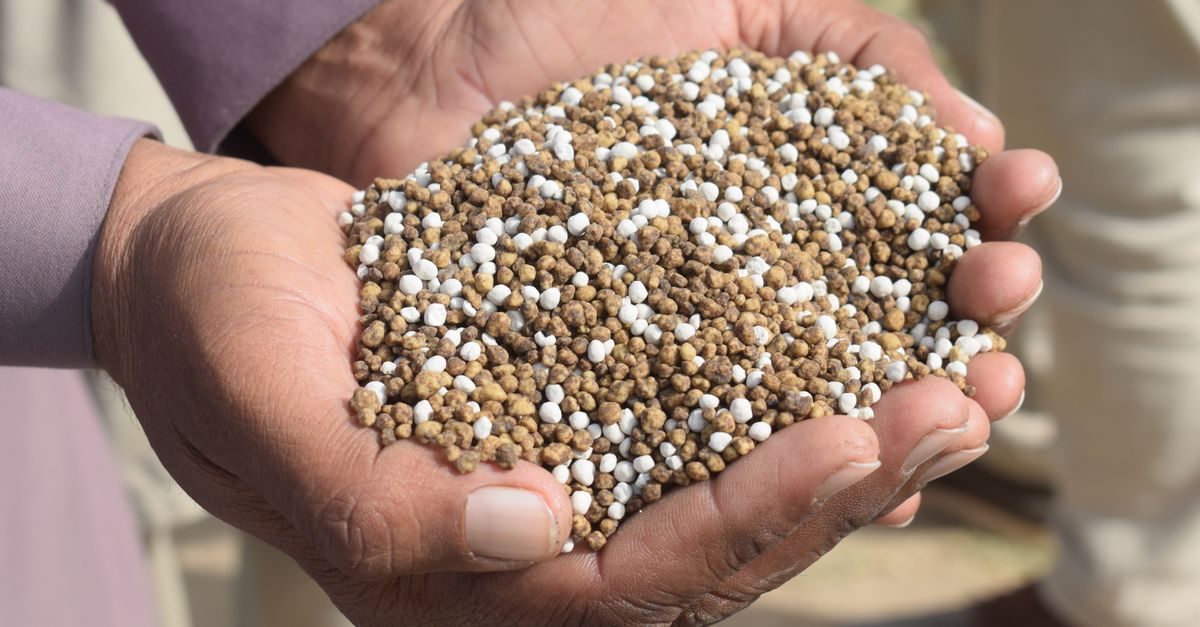
For most homeowners, the ideal product profile includes 30% to 50% slow-release nitrogen, potassium for stress tolerance, and iron or micronutrients for color. This is the safest “best fertilizer for centipede grass in Florida (2026)” choice because it respects centipede’s low-input nature while still correcting pale color and seasonal nutrient drawdown.
Best Fertilizer for Yellow Centipede Grass
The best fertilizer for yellow centipede grass depends on whether the yellowing is caused by iron deficiency, high pH, nitrogen deficiency, overwatering, root decline, nematodes, or disease. Yellow grass is not automatically hungry grass.
If centipede is yellow but still growing normally, an iron-based green-up is often safer than adding more nitrogen. Look for chelated iron, iron sulfate, or a low-nitrogen fertilizer with added iron. If yellowing appears in patches, check irrigation coverage, root health, and soil pH before applying fertilizer.
A liquid fertilizer can be useful when color correction is the goal. Simple Lawn Solutions Advanced 16-4-8 Liquid Fertilizer is best for homeowners who want a quick hose-end application on a lawn that truly needs nitrogen, phosphorus, and potassium, but centipede owners should use it conservatively because 16-4-8 can be stronger than many centipede lawns need.
Best Fertilizer for Sandy Florida Soil
The best fertilizer for sandy Florida soil is a slow-release granular fertilizer with potassium and micronutrients. Sandy soil holds fewer nutrients, so quick-release nitrogen can move beyond the root zone before centipede uses it.
Split applications work better than heavy one-time feedings. Apply 0.25 to 0.5 lb nitrogen per 1,000 sq ft during active growth, then judge color and growth over the next 2 to 4 weeks. Our Grass Database shows centipede’s summer water need at 1 inch per week, which also explains why irrigation and rainfall timing influence fertilizer performance.
Best Organic or Natural Fertilizer Option
The best organic fertilizer for centipede grass is a low-nitrogen, low-phosphorus product used at a calculated nitrogen rate. Organic does not automatically mean safe for repeated use on centipede, especially if the product contains meaningful phosphorus.
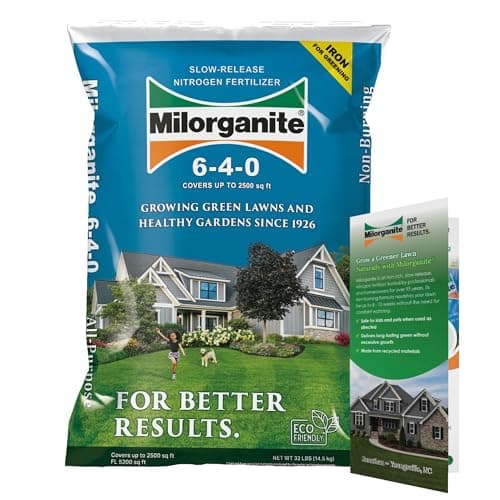
Compost-based soil improvement can support sandy lawns, but compost and organic fertilizers still add nutrients. Always calculate actual nitrogen per 1,000 sq ft. Milorganite Lawn and Garden Nitrogen Fertilizer 6-4-0 is best for homeowners who want a slow-release organic nitrogen option, but its phosphorus content means soil testing is important before repeated applications.
Fertilizer Products to Avoid on Centipede Grass
The fertilizer products to avoid on centipede grass are high-nitrogen turf builders, unsafe weed-and-feed products, starter fertilizers without a soil test, high-phosphorus bloom boosters, and repeated acidifying nitrogen sources without pH monitoring. These products often solve the wrong problem.
High-nitrogen products made for Bermuda grass are especially risky. For example, a 32-0-5 high-nitrogen lawn food fits fast-growing warm-season lawns such as Bermuda better than centipede. For centipede, “best” usually means balanced, light, and safe rather than strongest.
Florida Centipede Fertilizer Schedule: When to Fertilize Centipede in Florida
The Florida centipede fertilizer schedule should follow active growth, full green-up, and regional climate rather than a fixed calendar date. Centipede should not receive nitrogen during dormancy or during early spring transition when roots are not ready to use it.
The timing data we track puts centipede’s peak growth from May through September and dormancy from November through March. That means the main feeding window is late spring through summer, with little to no fall nitrogen. Always check local county fertilizer rules before applying nitrogen or phosphorus.
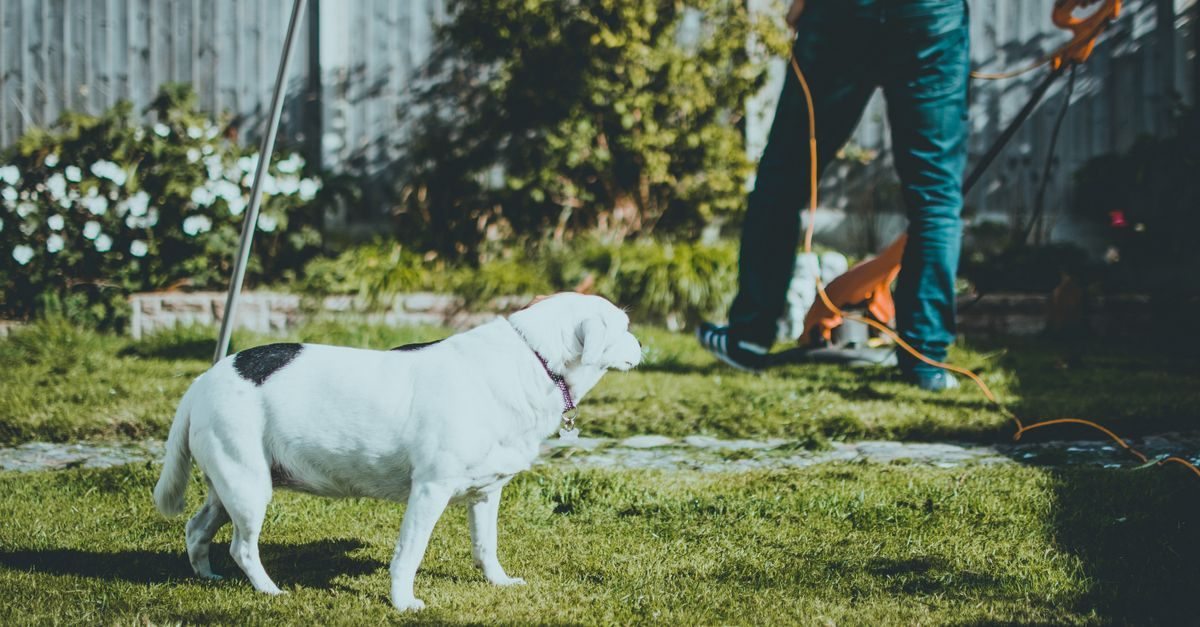
2026 Seasonal Fertilizer Calendar
The 2026 centipede grass fertilizer calendar for Florida starts after spring green-up and ends before fall growth slows. The lawn should be actively growing, recently mowed, and not drought-stressed before any feeding.
This table summarizes the practical schedule for most Florida centipede lawns:
| Season | Fertilizer Action | Best Practice |
|---|---|---|
| Late winter | No nitrogen | Wait for active growth, not just warm afternoons. |
| Spring | First light feeding after full green-up | Use 0.25 to 0.5 lb nitrogen per 1,000 sq ft. |
| Early summer | Main feeding window | Use low nitrogen with potassium and iron. |
| Late summer | Optional light feeding | Apply only if growth and color justify it. |
| Fall | Avoid late nitrogen | Use potassium only if soil testing supports it. |
| Winter | No nitrogen | Do not fertilize dormant or semi-dormant centipede. |
North Florida Timing
North Florida centipede usually should be fertilized first in late April to May after full green-up. A second light application can be made in July or early August if color, density, and growth justify it.
Avoid fertilizing too early in March because frost risk and cool soil slow root uptake. Nitrogen after late August or early September can increase winter injury risk. North Florida lawns often need patience in spring because centipede recovers slower than St. Augustine.
Central Florida Timing
Central Florida centipede is usually fertilized first in April or May, then lightly again in July or August if needed. This region has a longer growing season than North Florida, but timing still depends on active growth and rainfall.
Some counties restrict fertilizer during summer rainy periods, so label directions are not the only rule to follow. If a blackout period applies, shift the feeding earlier or later while staying within centipede’s active growth window.
South Florida Timing
South Florida centipede should be fertilized lightly during active growth, but the grass is less ideal in areas with high-pH soil. Persistent yellowing in alkaline soil often requires iron and micronutrient management rather than more nitrogen.
The warm season may extend from spring into early fall, but disease pressure, rainfall, and soil chemistry matter. Use light applications, monitor for patchy decline, and avoid assuming that a pale lawn needs stronger fertilizer.
How Much Fertilizer to Apply Per 1,000 Square Feet
Centipede grass generally needs about 1 to 2 lb nitrogen per 1,000 sq ft per year, with light applications of 0.25 to 0.5 lb nitrogen per 1,000 sq ft at a time. Our Grass Database recommends 1 lb of nitrogen per 1,000 sq ft annually for centipede grass, with a seasonal split of 40% in spring, 60% in summer, and 0% in fall and winter.
Use this calculation before spreading any product:
- Find the first number on the fertilizer bag, such as 15 in 15-0-15.
- Convert it to a decimal: 15% becomes 0.15.
- Divide the desired nitrogen rate by that decimal.
- Example: 0.5 lb nitrogen ÷ 0.15 = 3.3 lb fertilizer per 1,000 sq ft.
Measure lawn square footage before spreading. Guessing the area is one of the fastest ways to overfeed centipede.
How to Apply Fertilizer to Centipede Grass Correctly
Fertilizer should be applied to centipede grass only when the lawn is actively growing, evenly watered, and ready to use nutrients. Correct application matters as much as choosing the right fertilizer.
Professional crews approach this differently - the spreader is calibrated, the pattern is overlapped, and hard surfaces are cleaned before irrigation starts. Homeowners can use the same method at a smaller scale.
Step-by-Step Application Process
The correct fertilizer application process for centipede grass starts with confirming active growth and ends with monitoring the lawn for 2 to 4 weeks. Do not apply fertilizer to drought-stressed, dormant, diseased, or newly herbicide-injured centipede.
- Confirm the grass is fully greened up and actively growing.
- Check local Florida fertilizer rules and seasonal restrictions.
- Mow 1 to 2 days before fertilizing if the lawn needs mowing.
- Calibrate the spreader using the product label.
- Apply half the product in one direction and half perpendicular.
- Blow granules off sidewalks, driveways, and patios back into the turf.
- Water in according to label directions unless rain is expected soon.
- Monitor color and growth for 2 to 4 weeks before deciding on more fertilizer.
Granular vs. Liquid Fertilizer for Centipede Grass
Granular fertilizer is best for the main centipede feeding because it is easier to spread evenly and more likely to include slow-release nitrogen. Liquid fertilizer is best for quick color correction, iron applications, or targeted micronutrients.
Liquid products act quickly, but they also increase burn risk if overapplied or sprayed during heat stress. The best approach is granular low nitrogen centipede fertilizer for scheduled feedings and liquid iron when the lawn is pale but otherwise growing normally.
Watering After Fertilizer
Watering after fertilizer activates granular nutrients, lowers burn risk, and moves fertilizer into the root zone. Light irrigation is usually enough unless the label gives different instructions.
Avoid applying fertilizer before heavy storms. Florida thunderstorms can move nutrients off-site or leach them below centipede’s root zone. Based on our regional dataset, centipede has a 9-inch root depth, so shallow, frequent irrigation and heavy rain both affect how efficiently fertilizer is used.
Pet and Child Safety After Fertilizing
Pets and children should stay off fertilized centipede grass until the product has been watered in and the lawn is dry, or until the label’s reentry directions are met. This reduces tracking, contact exposure, and granule movement.
Store fertilizer in a dry, secure location. Iron products deserve extra care because they can stain concrete, patios, paws, shoes, and light-colored surfaces.
Soil Testing, pH, and Advanced Nutrient Management
Soil testing is the best way to choose centipede fertilizer because it separates true nutrient deficiency from pH, irrigation, disease, and root problems. Fertilizer decisions become more accurate when pH, phosphorus, potassium, calcium, magnesium, and micronutrients are known.
Test every 2 to 3 years for stable lawns and yearly for struggling lawns. This is especially important in Florida, where sandy soil, reclaimed irrigation water, rainfall, and coastal conditions can shift nutrient behavior.
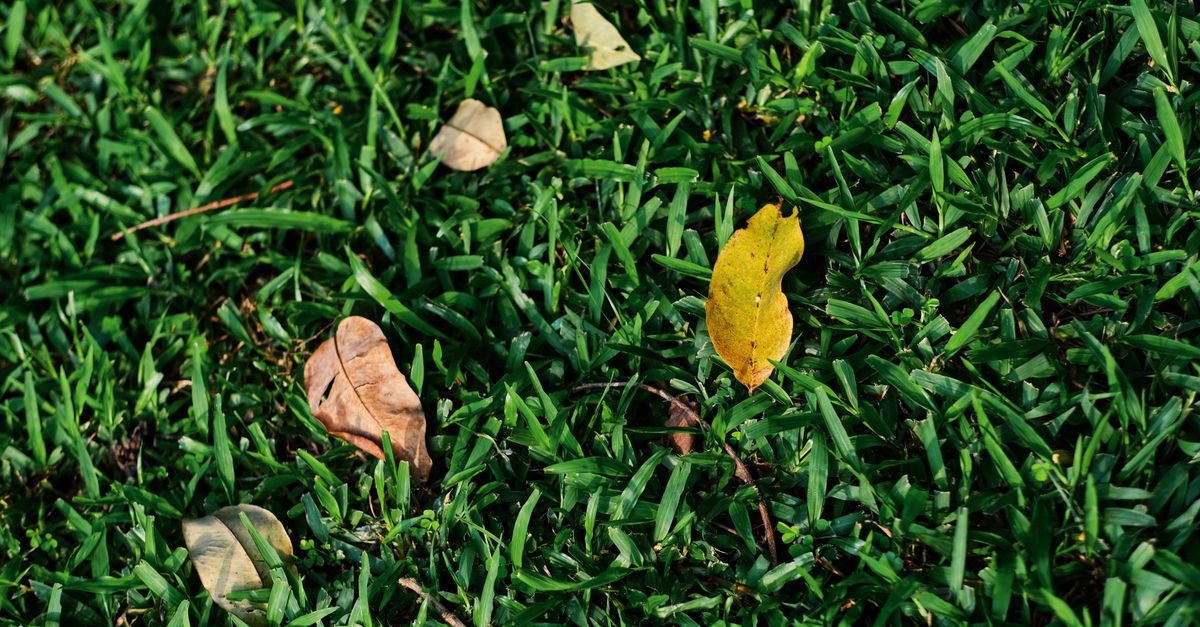
Why Soil Testing Matters Before Choosing Fertilizer
Soil testing matters because phosphorus, potassium, and pH cannot be diagnosed reliably by color alone. A pale lawn may need iron, not nitrogen. A thin lawn may have nematodes, poor irrigation coverage, or compaction.
Many established lawns do not need phosphorus unless a test confirms deficiency. Soil testing also prevents repeated use of the wrong fertilizer. Related topics such as How to Test Your Lawn's Soil, How to Improve Soil pH for Grass, and Best Fertilizers for Lawns all start with the same principle: measure first, then treat.
Understanding pH for Florida Centipede Grass
Centipede grass prefers acidic soil, and high pH can lock up iron even when nutrients are present. The target range in our Grass Database is 5.0 to 6.0, which is lower than many homeowners expect.
Do not lime centipede automatically. Lime is appropriate only when a soil test recommends it. In coastal or South Florida soils with naturally high pH, full correction may be difficult or impractical, so iron and micronutrient management may be the more realistic strategy.
Iron, Potassium, and Micronutrients
Iron, potassium, and micronutrients often matter more than extra nitrogen for Florida centipede grass. Iron improves color without pushing growth, while potassium supports heat, drought, cold, and disease tolerance.
Magnesium and manganese may matter in certain sandy or high-pH soils. The best fertilizer is not always the highest nitrogen fertilizer; centipede grass often benefits more from balanced potassium and iron. Organic vs Synthetic Fertilizers and Composting for a Healthier Lawn are useful topics when deciding whether the soil needs feeding, conditioning, or both.
When Fertilizer Is Not the Real Fix
Fertilizer is not the real fix when centipede decline is caused by irrigation gaps, compaction, nematodes, disease, herbicide injury, shade stress, or thatch buildup. These problems can mimic nutrient deficiency but respond poorly to more nitrogen.
If yellowing appears in irrigation patterns, run an irrigation catch-can test before feeding. If patches are circular, greasy, matted, or spreading, compare symptoms with Lawn Fungus Identification Guide. If turf pulls up easily or roots are short and damaged, investigate nematodes or root decline before fertilizing. How to Fix Yellow Grass, How Often to Water Your Lawn, Best Grass for Florida Lawns, Centipede Grass vs St. Augustine Grass, and How to Get Rid of Weeds in Florida Lawns all connect to these diagnostic steps.
Buying Checklist: How to Choose the Best Centipede Grass Fertilizer in 2026
The best centipede grass fertilizer in 2026 is the product that matches your soil test, lawn condition, Florida timing window, and local fertilizer rules. The label should confirm that the product is safe for centipede and appropriate for the season.
Do not buy based only on “greens fast” marketing. Fast color from heavy nitrogen can create soft growth, more mowing, more thatch, and weaker stress tolerance.
Label Checklist Before You Buy
The fertilizer label should show a low nitrogen formula, low or zero phosphorus, potassium, and clear application directions. Slow-release nitrogen and iron are strong advantages for centipede.
- Labeled safe for centipede grass
- Low nitrogen formula
- Zero or low phosphorus unless soil test says otherwise
- Potassium included
- Iron or micronutrients for color
- Slow-release nitrogen percentage listed
- Clear spreader settings
- Compatible with Florida fertilizer rules
Best Fertilizer Match by Lawn Condition
The best fertilizer match depends on whether the lawn is pale, thin, sandy, high-pH, newly established, or weedy. A healthy but pale lawn often needs iron with light nitrogen, while a thin lawn needs diagnosis before feeding.
Sandy lawns benefit from slow-release fertilizer with potassium. High-pH lawns need iron and micronutrient management instead of automatic nitrogen. Newly established centipede should follow establishment guidance and soil testing before heavy fertilization; our database lists centipede establishment at 28 to 42 days. Weedy centipede should be corrected with mowing, fertility, and safe weed control rather than unsafe weed-and-feed products.
Quick Decision Framework
The quickest way to choose centipede fertilizer is to test soil first when the lawn is struggling and fertilize lightly only when the grass is actively growing. This prevents the most common centipede decline pattern: treating every symptom with nitrogen.
- If soil has not been tested in 2 or more years, test before buying fertilizer.
- If grass is fully greened up and actively growing, apply low nitrogen centipede fertilizer.
- If grass is yellow but not growing poorly, try iron and check pH.
- If grass is declining in patches, inspect irrigation, disease, insects, and nematodes before fertilizing.
- If it is late fall or winter, do not apply nitrogen.
Common Mistakes to Avoid
The most common centipede fertilizer mistakes are feeding too early, using fertilizer made for faster-growing grasses, treating yellow grass without diagnosis, and applying before heavy rain. These mistakes show up often because centipede responds differently than other Florida turfgrasses.
What many guides miss is the confirmation step. A fertilizer recommendation is only useful if the grass is actively growing, the soil chemistry fits, and the problem is actually nutritional.
Fertilizing Too Early in Spring
Fertilizing too early in spring stresses centipede because shoots may green before roots are ready to use nitrogen. Early fertilizer can also encourage weeds before the lawn thickens.
Wait for full green-up and consistent active growth. In North Florida, that may be late April or May. In Central Florida, April or May is common. In South Florida, timing may be earlier, but soil pH and disease pressure still matter.
Using High-Nitrogen Fertilizer Made for Other Grass Types
High-nitrogen fertilizer made for Bermuda or St. Augustine often causes centipede to grow too fast and weaken over time. This can lead to more thatch, shallow rooting, disease pressure, and poor winter performance.
The safer approach is low nitrogen centipede fertilizer applied in smaller amounts. If the lawn does not respond within 2 to 4 weeks, confirm irrigation, pH, potassium, disease, and root health before adding more.
Skipping Confirmation Tests Before Treating Yellow Grass
Skipping confirmation tests before treating yellow grass leads to wrong applications because yellow centipede can be caused by pH, iron lockout, nematodes, disease, overwatering, or root decline. Nitrogen is only one possible cause.
Confirm with a soil pH test, nutrient test, irrigation check, and pest or disease inspection. If yellowing is even and the lawn is growing normally, iron is often the first correction. If yellowing is patchy or spreading, investigate non-fertility causes first.
Applying Fertilizer Before Heavy Rain or Ignoring Local Rules
Applying fertilizer before heavy rain wastes nutrients and increases runoff or leaching risk. Florida summer thunderstorms make timing more important than in many other regions.
Check county fertilizer ordinances before applying nitrogen or phosphorus. Sweep granules off hard surfaces, water in correctly, and avoid applying when storms are forecast. This also reduces staining from iron-containing products.
Conclusion
The best fertilizer for centipede grass in Florida in 2026 is typically a low-nitrogen, low- or zero-phosphorus fertilizer with potassium, iron, and slow-release nitrogen. Centipede should be fed lightly, not forced.
Fertilize only during active growth, usually from spring through summer depending on whether the lawn is in North, Central, or South Florida. Avoid winter nitrogen and be cautious with late fall feeding. Use soil testing, measured square footage, and applications of 0.25 to 0.5 lb nitrogen per 1,000 sq ft instead of aggressive green-up programs.
Next, measure your lawn, test your soil, choose a low nitrogen centipede fertilizer, and apply it at the correct seasonal rate. For deeper troubleshooting, use How to Fix Yellow Grass, How Often to Water Your Lawn, Best Grass for Florida Lawns, and Lawn Fungus Identification Guide to confirm whether fertilizer is truly the fix.
Top Picks
 Milorganite 6-4-0 Slow-Release Nitrogen Fertilizer (32 lb)Check price on Amazon
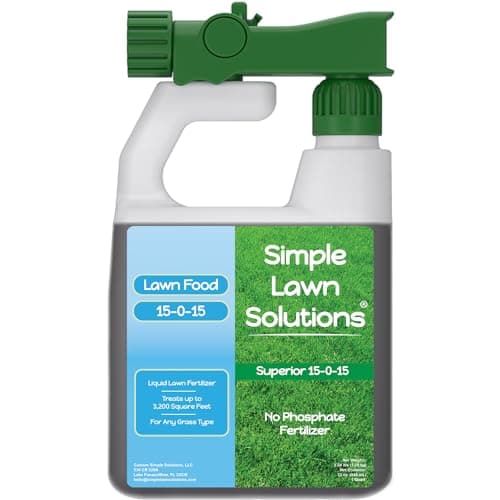
 Simple Lawn Solutions Superior 15-0-15 Liquid Fertilizer (32 oz)Check price on Amazon
As an Amazon Associate we earn from qualifying purchases.
Free Lawn Care Tools
The best fertilizer for centipede grass in Florida is usually a low-nitrogen, low- or zero-phosphorus fertilizer with potassium and iron. Look for ratios near 15-0-15, 12-0-12, or 10-0-10 and apply only during active growth.
Fertilize centipede grass after full spring green-up, not during winter dormancy or early transition. North Florida often starts in late April to May, while Central Florida commonly starts in April or May.
Apply 0.25 to 0.5 lb nitrogen per 1,000 sq ft at one time. Many centipede lawns need about 1 lb nitrogen per 1,000 sq ft per year, so measure your lawn and calculate the bag rate before spreading.
Yellow centipede after fertilizing may indicate high soil pH, iron lockout, overwatering, disease, nematodes, or excess nitrogen stress. Test soil pH and check irrigation coverage before applying more fertilizer.
You can use 16-4-8 only if the lawn actually needs that nutrient profile and the rate is kept light. Many centipede lawns do better with lower-nitrogen, zero-phosphorus formulas unless a soil test shows phosphorus is needed.
Iron is often a good first step when centipede grass is yellow but still growing normally. It improves green color without forcing the fast growth that excess nitrogen can cause.
Photos: Chris wade NTEZICIMPA / Pexels, Lisa from Pexels / Pexels, tu nguyen / Pexels

Beat weeds and brown spots from your phone
Snap a photo, get the fix, and follow a plan timed to your soil and weather. Free on iPhone.