

Brown Spots in Your Lawn This Summer: Drought, Disease, or Grubs?
 Sarah MitchellLawn Diagnostics Specialist | 12 Years
As an Amazon Associate we earn from qualifying purchases.
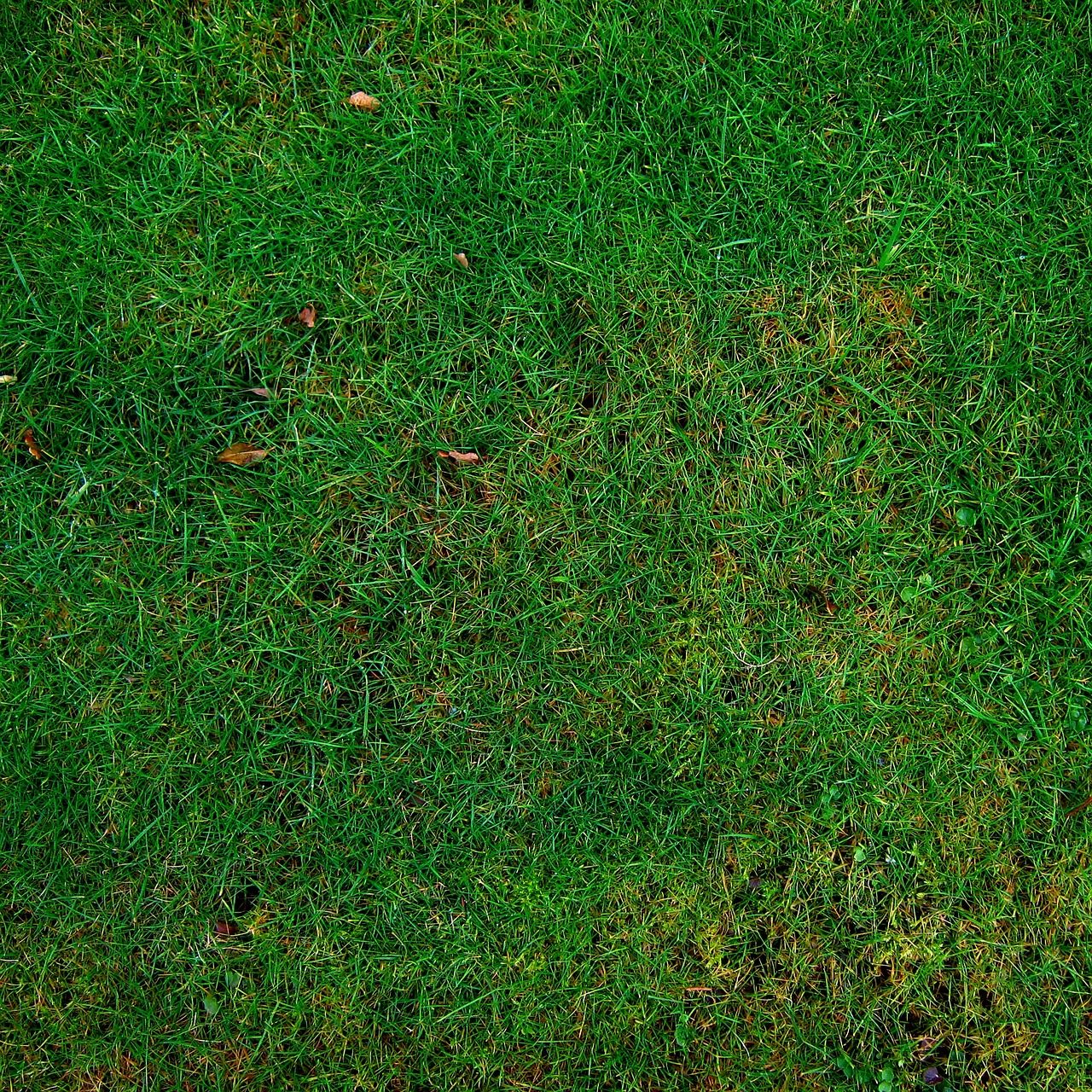
You watered all week, you mowed at the right height, and there it is anyway: a patch of brown grass that was not there in May. Maybe it is one ugly circle near the fence. Maybe it is a dozen irregular splotches scattered across the back yard. The question every homeowner asks me in July is the same one. Are those brown spots in my lawn this summer a sign it is dying, or is it just stressed, and what on earth caused it?
In my years diagnosing turf, I have learned that the brown patch itself rarely tells you the cause. Drought, fungal disease, grubs, dog urine, and fertilizer burn can all paint the same brown color on your grass. The trick is reading the pattern, the timing, and what happens when you tug. This page is the umbrella guide that helps you figure out which cause you are dealing with, then points you to the deep-dive page for the fix.
Summer brown spots almost always trace back to one of five causes: drought stress, fungal disease, grubs, dog urine, or fertilizer burn. You can usually narrow it down in about five minutes with three tests. Tug the grass (does it peel up like a loose carpet?), check the shape (sharp-edged circles versus soft irregular blobs), and line up the timing against your last deep watering, feeding, or heat wave.
Drought-stressed grass is dry, firmly rooted, and usually recovers with water. Disease tends to spread in rings or patches during warm, humid nights. Grubs leave spongy turf that lifts away because the roots are chewed off underneath. Dog urine and fertilizer burn make small, sharp spots, often with a telltale green halo or a pattern that follows your spreader path. Match your symptoms to the table below, then click through to the page for your specific cause.
Start Here: The Brown-Spot Differential Table
Before you spend money on fungicide or grub killer, spend two minutes with this table. Most people skip straight to a product, treat the wrong cause, and watch the spots spread anyway. Find the row that matches what you are seeing in your own yard.
| Likely cause | What it looks like | When it shows up | 5-second test | Bounces back? |
|---|---|---|---|---|
| Drought / heat stress | Whole areas fade to straw, worst on slopes, edges, and near hot pavement; footprints stay flattened | Hot, dry, windy stretches; south-facing spots first | Grass is firmly rooted; blades fold and feel papery and dry | Yes, with deep watering, unless it is fully dead |
| Fungal disease | Roughly circular patches or rings, sometimes a darker smoke-ring edge; can spread overnight | Warm days with humid nights, heavy dew, or overwatering | Roots still hold; you may see fine cobweb-like growth at dawn | Often, once conditions change and the spread stops |
| Grubs | Irregular brown areas that feel spongy underfoot; turf rolls back like loose sod | Late summer into fall; birds or skunks digging at night | Tug test: turf lifts up with no roots holding it down | Only after treating; chewed roots will not regrow |
| Dog urine | Small round dead spots ringed by a band of extra-green grass | Anytime, clustered where pets relieve themselves | Dead center with a lush green halo just outside it | Yes, after flushing and reseeding the center |
| Fertilizer burn | Yellow-brown streaks or spots that match your spreader or mower path | Days after feeding, especially in heat | Pattern follows straight application lines, not random | Slowly, after flushing the soil with water |
Got a candidate? Good. Now read the matching section below to confirm it, because two of these causes can hide behind a third. Stressed, thin turf invites disease, and disease-weakened roots make drought damage worse. When you are unsure, or when more than one row seems to fit, that is exactly when a photo check earns its keep. You can upload a picture for a free AI diagnosis that weighs the pattern against what is actually active in your zip code and season.
Drought and Heat Stress: The Most Common and Most Reversible
This is where I tell people to start, because it is the most common summer culprit and the cheapest to rule out. When soil dries out and air temperatures climb, grass protects itself by going dormant. It pulls resources down to the crown and lets the blades brown out to conserve water. That straw color is alarming, but dormant grass is not dead grass.
The tells are pattern and feel. Drought damage shows up first on slopes, along sidewalks and driveways where heat radiates, and on south-facing slices of the yard. The grass stays firmly anchored when you pull it, and the blades feel dry and papery rather than slimy. A classic field test: walk across it and look back. If your footprints stay pressed flat instead of springing up, the turf is short on water.
The fix is water, applied deeply and less often, plus easing off mowing and traffic until temperatures break. The bigger question people wrestle with is whether the brown is recoverable at all. I wrote a full walkthrough on that, so if you are staring at crispy turf and bracing for the worst, read is my grass dead or dormant to run the crown test before you panic. For a complete summer playbook on watering depth, timing, and mowing through heat, see our guide to summer heat and drought strategies.
Fungal Disease: Circles, Rings, and Morning Webbing
Disease is where homeowners most often misdiagnose, usually because the patches look a lot like drought at a glance. The difference is in the geometry and the conditions. Fungal patches tend to be roughly circular, sometimes forming rings or arcs, and they can expand noticeably from one day to the next. Several common warm-weather diseases leave a darker, water-soaked-looking border, the so-called smoke ring, around the edge of an active patch.
The single best time to catch disease is at dawn, while dew is still down. Get on your hands and knees and look for fine, cobweb-like strands on the blades, and note whether the spread lines up with low spots, shade, or areas you tend to overwater. Disease thrives on the combination of warm days, humid nights, and leaf surfaces that stay wet too long. That is why watering in the evening is such a reliable way to invite trouble.
Because brown patch and dollar-spot-type diseases are their own deep topic, I am keeping this section short on purpose. If your symptoms match (circular patches, fast spread, morning webbing, especially in fescue), head to the dedicated walkthrough on brown patch disease diagnosis and organic treatment options for cultural fixes and treatment timing. The reason I do not want you reaching for a fungicide on day one is simple: if the real problem is drought or grubs, the spray does nothing and you have lost a week.
Grubs: The Tug Test Tells All
Grubs are the cause that the tug test was built for, and it is the most satisfying diagnosis to confirm because the evidence is unmistakable. White grubs are the larvae of beetles, and they live in the top inch or two of soil where they feed on grass roots. When enough of them are working a patch, they sever the roots from below, so the turf sits on the soil like a rug with nothing holding it in place.
Here is the test. Grab a handful of brown turf at the edge of a patch and pull, or slide a flat shovel under it and lift. If it peels back in a sheet with little or no root resistance, fold it open and look. You are searching for C-shaped, cream-colored larvae in the soil. A few are normal in any healthy lawn. It is when you find a cluster under a square foot that grubs become the prime suspect. Two other clues: turf that feels spongy when you step on it, and animals like skunks, raccoons, or birds tearing up the lawn at night to eat the larvae.
Treatment timing and product choice matter a lot here, and getting them wrong wastes money, so I send people to the focused guide. Read how to control grubs in your lawn for the dig-test threshold and the difference between preventive and curative approaches. The key thing to remember from a diagnosis standpoint: grubs do not fix themselves, and the roots they ate will not regrow, so this patch needs reseeding after the grubs are handled.
- Damage thresholds for treatment are usually expressed as a count of grubs found per square foot of turf, and that threshold varies by region and grass type. Confirm the local number with your county cooperative extension office rather than treating on sight of a single larva.
- Curative grub products and preventive products work on different timing windows, generally tied to beetle egg-laying and larval stages in your area. Application rates are printed on the label and differ by formulation, so follow the label and your extension's regional calendar.
- Disease pressure and the most effective cultural controls vary by the specific pathogen and your grass species. Your extension can identify the disease from a sample and recommend the safest, lowest-input fix for your area before you consider any chemistry.
Recommended products
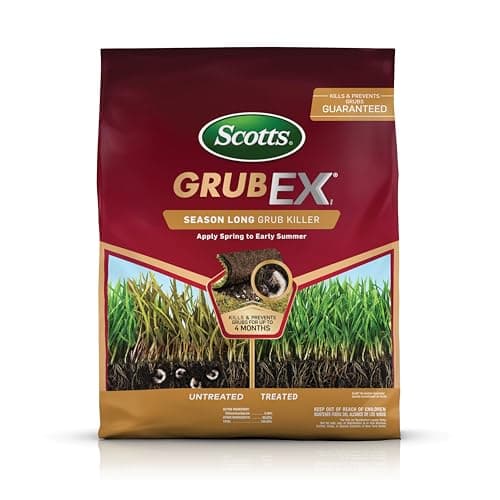
Scotts GrubEx1 Season Long Grub Killer
A preventive granular grub control applied before larvae reach damaging size.
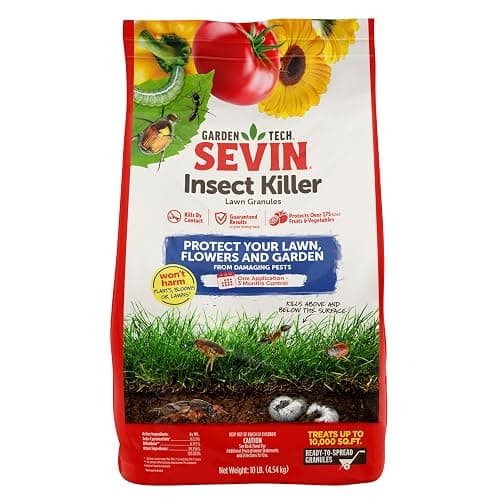
Sevin Insect Killer Granules
A fast-acting granular insecticide for surface feeders like chinch bugs and sod webworms.
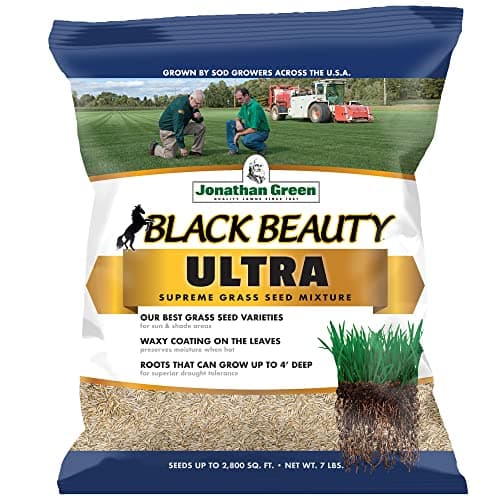
Jonathan Green Black Beauty Ultra Grass Seed
A cool-season blend for reseeding the patch once the grubs are handled.
Dog Urine: Small Spots With a Green Halo
This one is easy once you know the signature. Dog urine spots are small, round, and dead in the center, but they are ringed by a band of grass that looks greener and lusher than the rest of the lawn. That halo is the tell. The nitrogen and salts in the urine are concentrated enough to scorch the grass at ground zero, while the diluted edge gets a fertilizer-like boost.
Location confirms it. These spots cluster wherever your dog tends to go, often along a favorite path or a corner of the yard. They are not random, and they do not spread outward the way disease does. The fix is to flush the spots thoroughly with water to dilute the salts, then reseed or plug the bare centers once the soil is rinsed. If you are seeing a broader yellowing rather than discrete burn spots, the cause may be different, and our guide to why your lawn is turning yellow walks through nutrient and watering issues that mimic this.
Fertilizer Burn: When Your Spreader Leaves a Map
Fertilizer burn is the most self-inflicted cause on this list, and it has the most obvious fingerprint: the damage follows the pattern of how you applied the product. If you see yellow-brown streaks in straight lines, or a heavy concentrated patch where you stopped to refill or turned the spreader around, you are almost certainly looking at burn rather than disease or drought.
It happens when too much fertilizer, especially a fast-release nitrogen product, draws moisture out of the grass and the soil, particularly during hot weather. The fix is to water deeply and repeatedly to flush the excess salts down past the root zone, then wait. Mild burn recovers; severe burn in the worst streaks may need reseeding. The prevention lesson is to apply at the labeled rate, water it in, and avoid feeding during a heat wave. Because the symptoms overlap with nutrient stress, the yellowing causes and fixes guide is a useful companion when the color is more sickly-yellow than crispy-brown.
What Most Brown-Spot Guides Miss
Almost every article on this topic hands you a list of causes and stops there, as if your lawn read the list and picked exactly one. In the field, that is not how it works, and there are three things the typical guide leaves out.
First, causes stack. Heat stress thins the canopy and weakens roots, which opens the door for disease, which weakens the plant further, which makes the next dry spell hit harder. By the time you are looking at a brown patch in August, you may be seeing the third domino, not the first. That is why I diagnose in order of cost and reversibility: rule out the free, reversible causes (drought, dog urine, fertilizer pattern) before you spend on fungicide or grub control. Treating the visible symptom while the real driver keeps working is how people burn a whole summer.
Second, the calendar is a diagnostic tool, and most guides ignore it. What you did to the lawn in the days before the spots appeared is evidence. Spots three days after feeding point to burn. Spots after a humid week with evening watering point to disease. Spots during a dry, windy heat wave point to drought. Spots in late summer with night-time animal digging point to grubs. Write down the timeline before you write off a cause.
Third, the look-alike trap is real, and confidence is the enemy. The reason I lean on a photo check is not laziness, it is that pattern recognition across thousands of lawns catches the subtle tells a single homeowner sees once. If you want a second opinion that factors in your region and the current season, a free AI photo diagnosis will weigh those signals for you in seconds, and if you decide you want the full fix, a personalized 12-month care plan tells you the exact week to water, feed, and apply preventives for your specific zip code and grass type, so you stop reacting to brown spots and start preventing them.
Your 5-Minute Brown-Spot Diagnosis Plan
Here is the exact order I work through a mystery patch. Do it in this sequence and you will land on the right cause far more often than starting with a product.
- Reconstruct the timeline. Write down what you did to the lawn and what the weather did in the 7 to 10 days before the spots appeared. Recent feeding, evening watering, a heat wave, or animal digging each point to a different cause.
- Read the shape and edges. Sharp circles and rings lean disease. Soft, irregular fades on slopes and edges lean drought. Straight streaks lean fertilizer. Small spots with green halos lean dog urine.
- Run the tug test. Pull a handful of brown turf. If it lifts like loose carpet with no roots, suspect grubs and dig to confirm with C-shaped larvae. If it holds firm, cross grubs off the list.
- Do the dawn check. Look at the patch early while dew is down. Fine webbing and a darker advancing edge confirm disease.
- Check your irrigation. Confirm the spot is actually getting water. A clogged head or a dry shadow from a tree can fake every symptom on this page.
- Confirm, then treat the cause, not the color. Match your findings to the table, click through to the deep-dive page for that cause, and if two causes still seem possible, run a free photo diagnosis before you buy anything.
Brown spots feel like a verdict, but they are really just a symptom asking you a question. Answer it in the right order, treat the actual cause, and most summer patches recover faster than you would expect. When in doubt, take the photo first. It is free, it takes ten seconds, and it keeps you from spraying the wrong fix on the wrong problem.
Top Picks
- Scotts DiseaseEx Lawn FungicideCheck price on Amazon
- BioAdvanced Fungus Control for LawnsCheck price on Amazon
As an Amazon Associate we earn from qualifying purchases.
Free Lawn Care Tools
Look at the shape and feel first. Drought damage shows up as soft, irregular fading on slopes, edges, and near hot pavement, and the grass stays firmly rooted and feels papery. Disease tends to form roughly circular patches or rings that can spread overnight, often with fine webbing visible at dawn while dew is down. If the patch is getting bigger day to day and has a sharp circular edge, lean toward disease; if it is broad, dry, and tied to a heat wave, lean toward drought.
Grab a handful of brown turf at the edge of a patch and pull, or slide a flat shovel underneath and lift. If the turf peels back in a sheet with little or no root resistance, grubs are the likely cause, because their larvae sever the roots from below. Fold the lifted turf open and look for C-shaped, cream-colored larvae in the top inch or two of soil. If the grass holds firm and the roots stay attached, you can usually rule grubs out.
A small dead spot ringed by extra-green grass is the classic signature of dog urine. The concentrated nitrogen and salts scorch the grass in the center, while the diluted edge gets a fertilizer-like boost that turns it greener. These spots cluster where pets go and do not spread outward like disease. Flush the spots with water to dilute the salts, then reseed the bare centers.
Often it is dormant, not dead, especially in summer heat. Dormant grass browns out to conserve water but keeps a living crown at the base, so it greens back up once it gets a deep soak and temperatures ease. To check, look at the crown where the blade meets the soil; if it is still firm and slightly green or white, the plant is alive. A fully dead patch pulls up easily and the crown is brittle and brown throughout.
No, not as a first move. Brown patches from drought, grubs, dog urine, or fertilizer burn look similar to disease but will not respond to a fungicide at all, so spraying before you confirm the cause wastes time and money. Work through the pattern, timing, tug test, and dawn check first. Only treat for disease once you have confirmed circular spreading patches with webbing, and consider confirming the specific pathogen with your local cooperative extension office.
Yes, and this is one of the most common reasons a single treatment fails. Heat stress thins the canopy and weakens roots, which invites disease, and disease-weakened turf takes drought damage harder. By August you may be seeing the result of two or three overlapping problems. Diagnose in order of cost and reversibility, ruling out the free fixes first, and use a photo diagnosis when more than one cause seems to fit.

Your lawn plan, in your pocket all season
Grass ID, a season plan, soil-timed reminders, and a lawn journal that remembers what you did. Free on iPhone.
Related Articles
 Problem Solving
Dog Urine Spots on Your Lawn: How to Repair the Burn and Prevent It
Jun 27, 2026•11 min read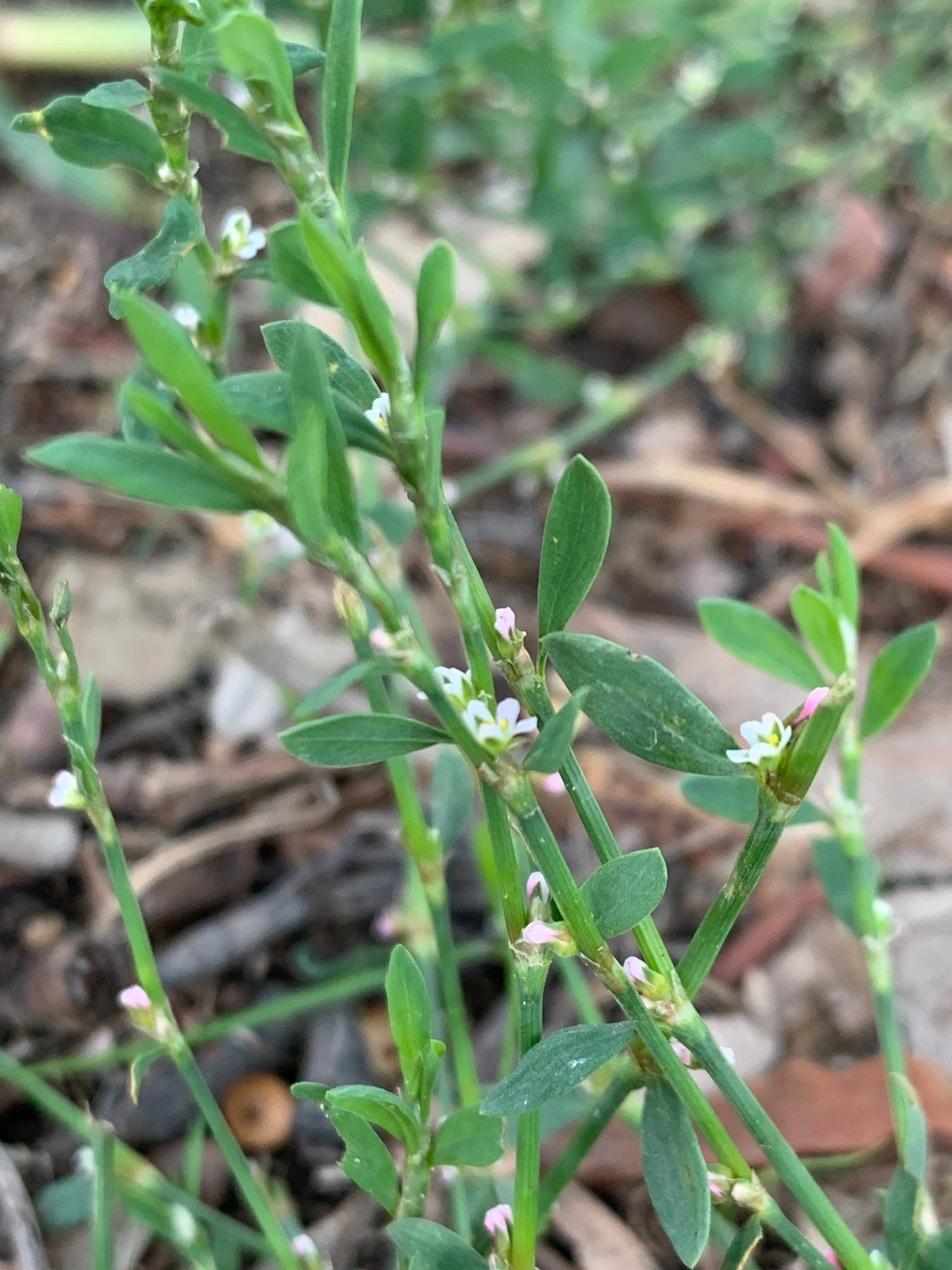 Problem Solving
Prostrate Knotweed in a Lawn: How to Identify It and Clear a Patch
Sep 24, 2026•3 min read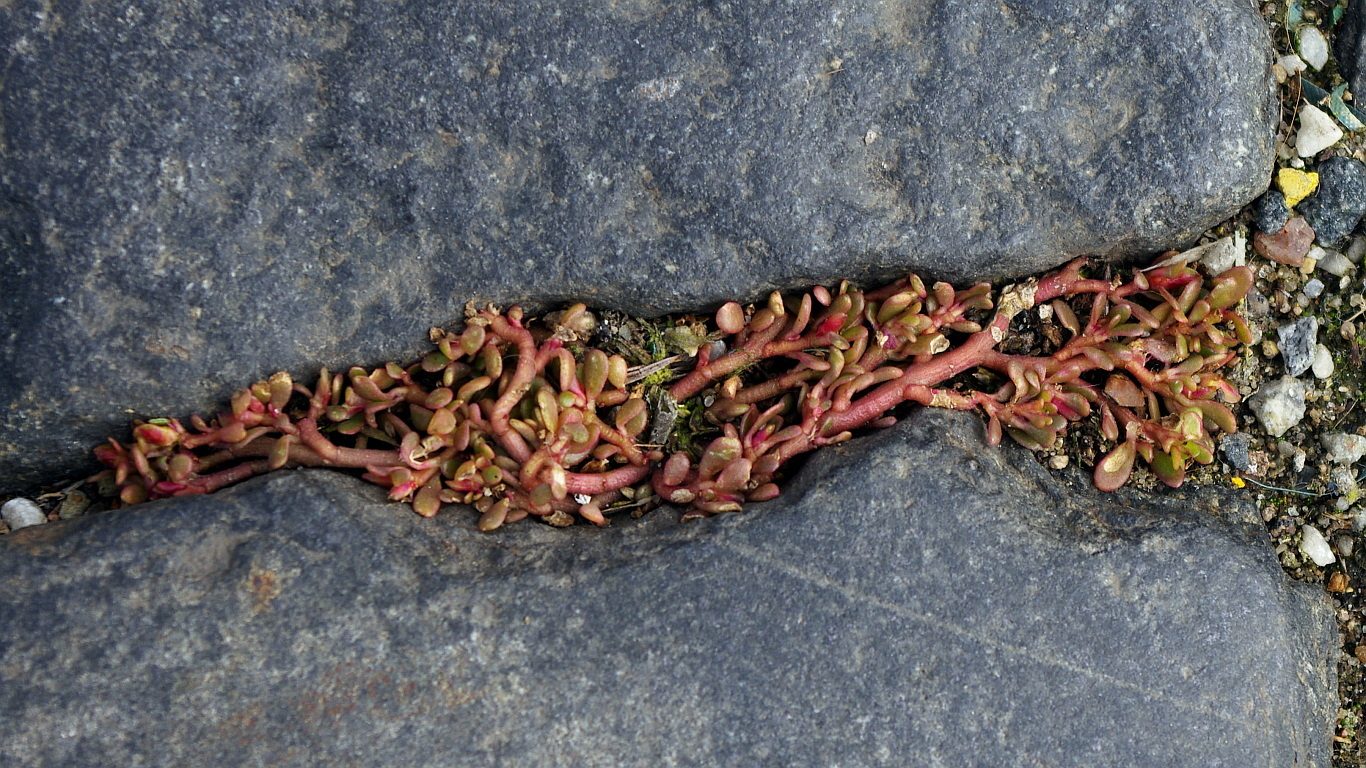 Problem Solving
Common Purslane in a Lawn: How to Identify It and What to Check First
Sep 22, 2026•4 min read

