Dog Urine Spots on Your Lawn: How to Repair the Burn and Prevent It
 Sarah MitchellLawn Diagnostics Specialist | 12 Years
As an Amazon Associate we earn from qualifying purchases.
You let the dog out, you glance across the yard, and there they are again: those maddening round patches where the grass has gone crispy brown, often with a suspiciously lush green ring hugging the edge. If your dog uses the same few spots every day, you already suspect the culprit. The good news is that dog urine lawn spots are one of the most fixable problems I see, and once you understand the chemistry you can both repair the burn and keep new ones from showing up.
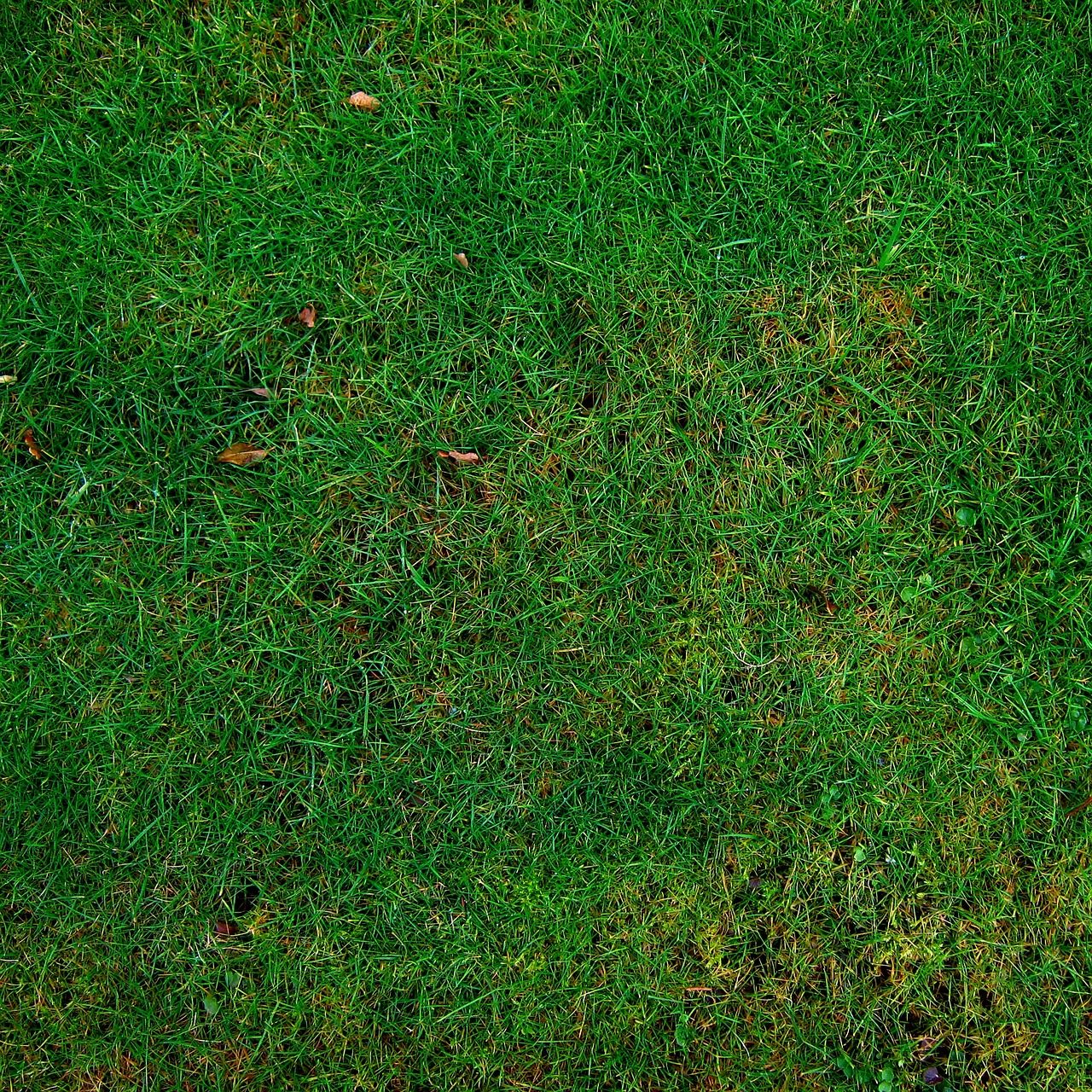
Dog urine kills grass because it dumps a concentrated load of nitrogen and salts onto one small spot, essentially over-fertilizing and dehydrating the turf at the same time. The classic clue is a dead or yellow center ringed by a band of extra-green, fast-growing grass, where the dose was diluted enough to feed rather than burn.
To fix dog urine spots on a lawn, flush the area heavily with water as soon as you can, rake out the dead thatch, then reseed or patch with a matching grass type and keep it moist until it fills in. To prevent new burns, water the spot right after your dog goes, encourage more drinking, and train a designated potty zone away from your showcase turf.
How to read the damage: the green-ring-around-brown-center clue
In my years diagnosing turf, the urine pattern is one of the easiest to confirm because the grass tells you the story. A single urine event lands a slug of nitrogen on a patch the size of a dinner plate. Right at the center, where the concentration is highest, the grass gets scorched. A few inches out, where the same nitrogen has been thinned by soil and moisture, the grass throws a party and grows greener and faster than everything around it. That two-tone bullseye is your fingerprint.
Before you assume every brown spot is the dog, compare what you see against the common look-alikes. Misreading the pattern is the number one reason people pour money into the wrong fix.
| What you see | Likely cause | Tell-tale detail |
|---|---|---|
| Brown center with a bright green ring | Dog urine | Concentrated nitrogen burns the middle, feeds the edge |
| Uniform yellowing across larger areas | Hunger, drought, or heat stress | No sharp ring; fades gradually, not a tight circle |
| Irregular tan patches that lift like a carpet | Grubs or root pests | Turf peels up easily; you may see white larvae below |
| Circular patches with a darker smoke ring | Fungal disease | Often appears in humid weather; webbing at dawn |
| Straight brown lines or sharp edges | Spilled fertilizer or chemical | Geometric shape that follows a spreader path |
If your spots match row one, you are dealing with urine and the rest of this guide is for you. If they look more like uniform yellowing, my colleague's piece on why a lawn turns yellow and how to fix it will steer you better. And when you are genuinely unsure, do not guess. Upload a clear photo to the free diagnosis tool and let it weigh the pattern, your grass type, and the season at once.
Why dog urine burns grass: nitrogen and salt, not pH
There is a stubborn myth that female dogs damage lawns more because their urine is somehow more acidic. The real driver is dose, not gender and not pH. Dog urine is rich in nitrogen from the breakdown of dietary protein, plus dissolved salts. Nitrogen is the same nutrient in your fertilizer bag, which is exactly the problem: it is a fertilizer being applied at a wildly uneven, super-concentrated rate to one spot, with no spreader to even it out.
Two things happen at once. The salt pulls moisture out of the grass roots, dehydrating them, while the nitrogen overload scorches the blades the way a spilled handful of fertilizer would. Females often leave worse spots only because they tend to empty the bladder in one squat rather than marking in small amounts, so the dose per square inch is higher. Bigger dogs and dogs on very high-protein diets concentrate more nitrogen per event. None of this is about acid. It is about how much landed and how fast you diluted it.
Understanding that distinction matters, because it tells you the single most powerful intervention is water. Dilution is the whole game, both for damage that already happened and for the burn you can still head off.
How to repair existing dog urine spots, step by step
Here is the sequence I walk homeowners through. Work top to bottom and resist the urge to skip the flushing step even on spots that look beyond saving.
| Step | What to do | Why it matters |
|---|---|---|
| 1. Flush | Soak the spot and a wide margin with plenty of water | Dilutes and drives the salt and nitrogen down past the roots |
| 2. Assess | Tug the grass; if it stays rooted and green at the crown it may recover | Living crowns regrow; fully dead thatch will not |
| 3. Rake | Scratch out the dead brown thatch and loosen the top of the soil | New seed needs contact with soil, not a mat of dead blades |
| 4. Amend | Work in a thin layer of fresh topsoil or compost if the soil is salty or compacted | Fresh soil dilutes residual salt and gives seed a clean bed |
| 5. Seed or patch | Apply matching grass seed, or drop in a plug or piece of sod | Matching the type keeps the repair from looking like a patchwork quilt |
| 6. Water and protect | Keep the spot consistently moist and keep the dog off it while it establishes | Seedlings die fast if they dry out or get re-hit |
Flush first, and flush generously
If you catch the deed within a few hours, a heavy soak can rescue grass that has not fully died yet. Even on older spots, flushing clears the salt that would otherwise sabotage your new seed. Picture rinsing a salty sponge: a quick splash does little, a long drench actually carries the salt away. Give it more water than feels necessary.
Rake out the dead, then reseed with the right type
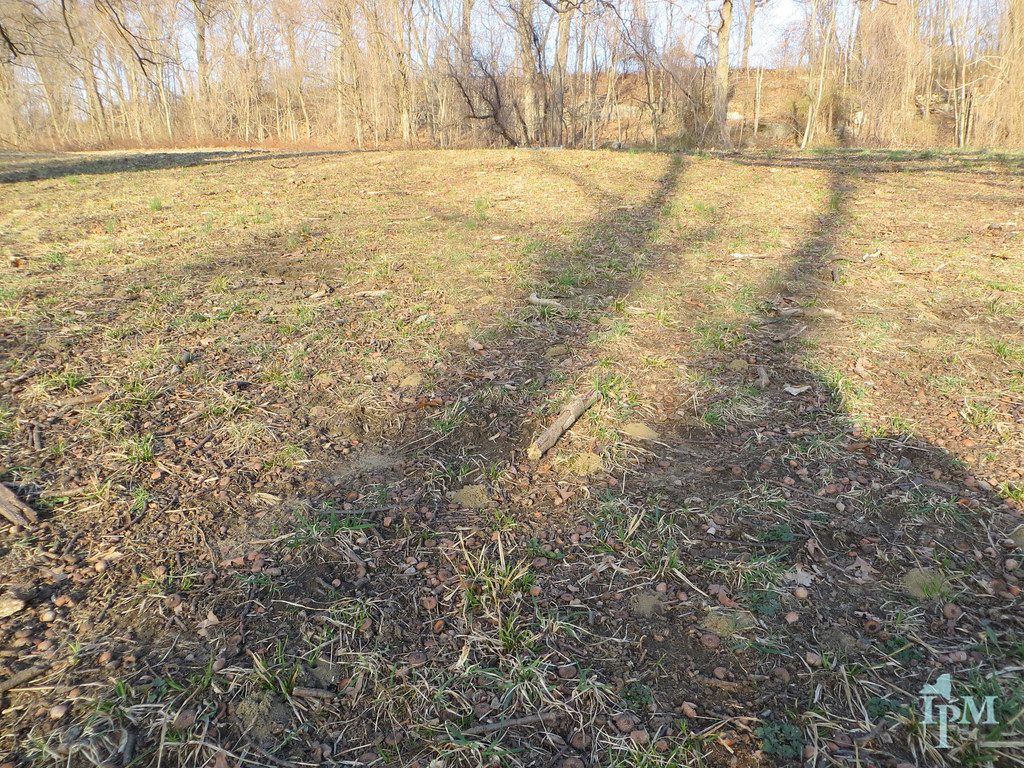
Once you have flushed and the spot is clearly dead, rake out the crispy thatch down to soil. This is the same groundwork I cover in our walkthrough on how to repair bare patches in your lawn, and the urine spot is really just a bare patch with a salty history. Loosen the top quarter inch of soil so seed makes real contact, scatter seed that matches your existing grass, and press it in. If you have no idea what you are growing, that is worth settling first, because cool-season and warm-season grasses are seeded in completely different windows.
Timing is the part most people get wrong
Seed only goes when soil temperature is in the grass's favor. Throw cool-season seed down in the heat of summer and it will sprout, then fry. Drop warm-season seed in a cool snap and it just sits there and rots. This is exactly where a generic calendar fails you and a plan tuned to your lawn pays off. A personalized 12-month care plan tells you the exact week to overseed and the exact week to fertilize for your zip code and grass type, so your repaired urine spots establish instead of washing out, and so you are not stacking extra nitrogen on a lawn that already gets a daily dog-delivered dose. If you are tired of guessing whether this weekend is the right one, that single piece of timing is the difference between a patch that knits in and one you redo next month.
- Repair products marketed as urine spot fixes usually bundle seed, a mulch, and sometimes a soil treatment. They can work, but read the label for your grass type rather than trusting the photo on the front.
- Soil amendment rates and the amount of topsoil to add vary with how salty and compacted your spot is. Ranges are wide, so confirm with your local cooperative extension office before assuming a number.
- Seeding windows differ by hundreds of miles and by grass species. Cool-season grasses generally favor early fall, warm-season grasses generally favor late spring into early summer, but your exact window depends on local soil temperatures. Your extension office publishes the dates for your county.
- Be cautious with any product or supplement claiming to neutralize urine through your dog's diet. Discuss anything you add to a pet's food or water with your veterinarian first, since hydration and kidney health matter more than your grass.
Recommended products

GS Plant Foods Kelp and Yucca Wetting Agent
A yucca-based wetting agent that helps flush water through the spot so salts move below the root zone.
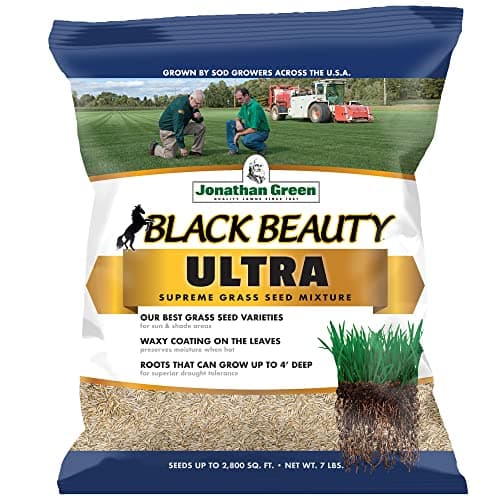
Jonathan Green Black Beauty Ultra Grass Seed
A tall fescue blend for reseeding the dead center of a burn spot in cool-season lawns.
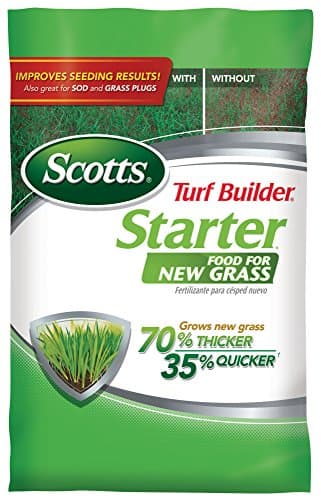
Scotts Turf Builder Starter Food for New Grass
A starter fertilizer that gets patched spots rooting before the dog returns to the area.
How to prevent new dog urine lawn burn
Repair is reactive. Prevention is where you actually win back your weekends, and it comes down to a handful of habits that all trace back to dilution and behavior.
Water the spot right after, every time you can. A watering can or a hose left near the door turns a daily ritual into your single most effective prevention. A good drench within a few hours dilutes the dose before it can scorch. This one habit, done consistently, prevents more spots than any product I have tested.
Encourage more drinking. A well-hydrated dog produces more dilute urine, which means less nitrogen and salt per square inch. Fresh water bowls, a second bowl outside in warm weather, and a bit of moisture in the diet all push concentration down. This is a chemistry lever, not a gimmick, but always run diet changes past your vet.
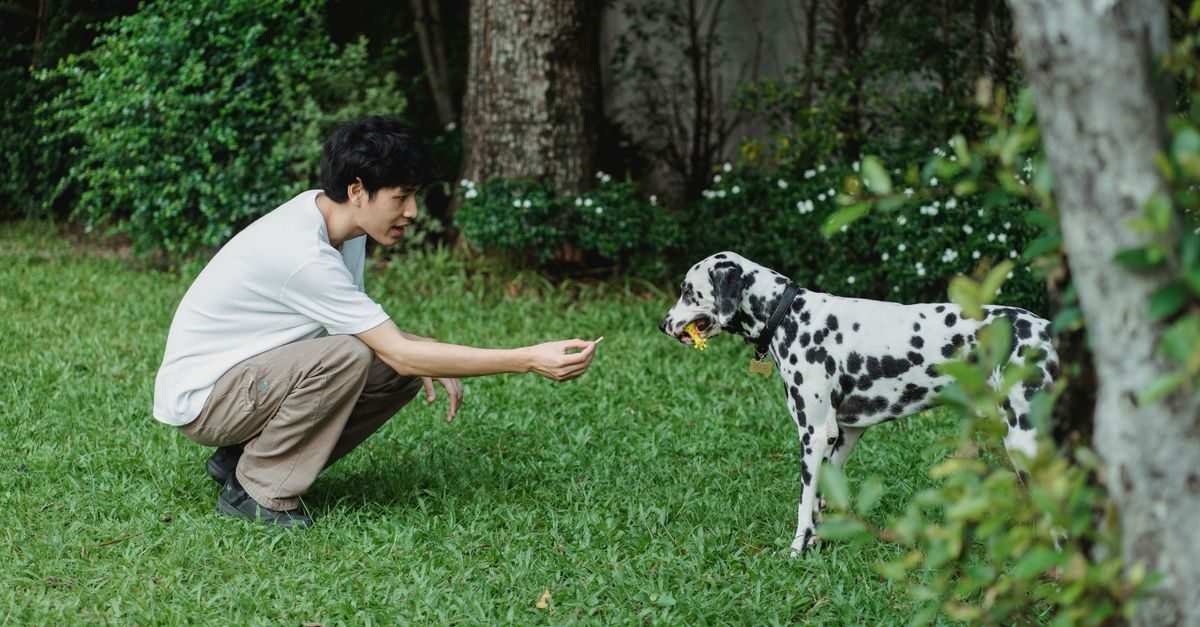
Create a designated potty zone. The most durable fix is teaching the dog to go in one mulched or gravel area away from your showcase turf. It takes patience and consistent rewards, but a dedicated spot concentrates the damage somewhere it does not matter. Lead the dog there on leash after meals and praise the result until it becomes the default.
Mow a little higher and keep the lawn healthy. Taller grass with deeper roots tolerates a nitrogen hit better than scalped, stressed turf. A vigorous, well-fed lawn simply recovers faster, so the spot that would have died on a struggling lawn just shrugs it off on a strong one.
Consider re-grassing high-traffic zones with tolerant types. If your dog and your lawn are locked in permanent battle, some grasses genuinely handle urine and traffic better than others. I will not rehash grass selection here, but our guide to the best grass for dogs and the most pet-friendly picks covers which species shrug off paws and pee if you are ready to overseed with something tougher.
What Other Guides Miss
Most articles stop at "flush it and reseed," and they leave out the two ideas that change your outcomes the most.
The first is that the bright green ring is not just a clue, it is a warning. That lush halo means the surrounding grass is being lightly fertilized by the diluted edge of every event. If you then go fertilize your whole lawn on the bag's schedule, you are double-dosing the very zones your dog visits, which is why some dog-heavy lawns develop a mottled, uneven green even where nothing died. The fix is to treat your dog as a part-time fertilizer applicator and ease off blanket nitrogen in the areas she frequents. Almost nobody connects those dots, and it is exactly the kind of cross-cause interaction I look for when a lawn does not respond to the obvious fix.
The second is that chasing individual spots forever is a losing strategy. Homeowners spend a whole season reseeding the same three patches because the dog keeps returning to them. Dogs are creatures of scent and habit, so a spot that smells like a bathroom invites a repeat. Breaking the cycle means neutralizing the scent and redirecting the behavior, not just regrowing grass for the dog to kill again next week. Repair treats the symptom; rerouting the dog treats the cause. Pair them or you will be raking dead thatch every Saturday until fall.
Your dog urine spot action plan
Here is the order I would tackle this in if it were my yard, starting today.
- Confirm the cause. Check for the brown-center, green-ring pattern. If you are not certain, run a free photo diagnosis before you spend a dollar on seed.
- Flush every fresh spot. Keep a watering can by the door and soak the area within a few hours of your dog going.
- Rake and reseed the dead patches. Clear the thatch, loosen the soil, and patch with seed or a plug that matches your grass, in your correct seeding window.
- Lock in prevention habits. Increase your dog's water, water the spot after each visit, and start training a designated potty zone.
- Ease off blanket nitrogen where the dog goes. Let the diluted edge do part of the feeding and avoid double-dosing those zones.
- Get your timing right. Use a care plan keyed to your zip and grass type so reseeding and fertilizing land in the weeks that actually work, instead of fighting the same patches all season.
- Re-grass if the battle never ends. When repair cannot keep up, overseed the worst zones with a more tolerant, dog-friendly grass.
Dog urine spots feel personal because they show up right where you and your dog spend the most time. But they are a chemistry problem with a clear answer: dilute the dose, repair the damage at the right time of year, and reroute the habit. Do those three things and the bullseyes stop coming back.
Top Picks
- Premium Lawn Top Dressing Coco Coir MixCheck price on Amazon
- BioAdvanced Fungus Control for LawnsCheck price on Amazon
- Scotts EZ Seed Patch and Repair Sun and ShadeCheck price on Amazon
As an Amazon Associate we earn from qualifying purchases.
Free Lawn Care Tools
Dog urine delivers a concentrated dose of nitrogen and salt to one small spot. At the center the dose is high enough to scorch and dehydrate the grass, but a few inches out it is diluted enough to act like fertilizer, which makes that band grow greener and faster. That brown-center, green-ring bullseye is the classic fingerprint of urine damage.
Flush the spot heavily with water as soon as you can to wash the salt and nitrogen down past the roots. If the grass is fully dead, rake out the brown thatch, loosen the top of the soil, and reseed or patch with a grass type that matches your lawn. Keep the area consistently moist and keep your dog off it until the new grass establishes.
Not because of pH, which is the common myth. Females often leave worse spots simply because they empty the bladder in one squat rather than marking in small amounts, so the nitrogen dose per square inch is higher. Larger dogs and dogs on very high-protein diets also concentrate more nitrogen per event. The damage is about dose and dilution, not gender or acidity.
Yes, this is the single most effective prevention habit. A heavy soak within a few hours dilutes the nitrogen and salt before they can scorch the grass. Keeping a watering can or hose by the door makes it easy to do every time, and consistent dilution prevents more spots than any repair product.
If you catch a fresh spot and flush it quickly, lightly affected grass can recover in a couple of weeks. Fully dead spots that you reseed depend on your grass type and the season, and they only establish well when soil temperatures are right for seeding. Reseeding in the wrong window is the main reason patches fail to fill in, so timing matters as much as the repair itself.
Encouraging more water intake helps because a well-hydrated dog produces more dilute urine with less nitrogen per square inch. Be cautious with supplements or diet changes marketed to neutralize urine, and always discuss them with your veterinarian first, since your dog's hydration and kidney health matter far more than your grass. Behavior changes and watering the spots are safer first moves.

Your lawn plan, in your pocket all season
Grass ID, a season plan, soil-timed reminders, and a lawn journal that remembers what you did. Free on iPhone.