Summer Lawn Dormancy: Why Cool-Season Grass Browns in the Heat
 Marcus GreenTurf Management Pro | 18 Years
As an Amazon Associate we earn from qualifying purchases.
You spent spring babying a thick green lawn, and now it is the middle of July and the whole thing has gone brown, stiff, and crunchy underfoot. Your first instinct is panic: the lawn is dying, you did something wrong, you need to dump water and fertilizer on it before it is too late. Take a breath. If you have tall fescue, Kentucky bluegrass, or ryegrass, that brown lawn is almost certainly not dead. It is doing exactly what it is built to do in summer heat, and the worst thing you can do right now is treat it like an emergency.
Cool-season grasses (tall fescue, Kentucky bluegrass, perennial ryegrass) naturally go dormant when summer heat and dry soil arrive. The grass pulls its energy down into the crown and roots, lets the blades brown, and waits out the heat. This is a survival mechanism, not a death sentence, and a healthy lawn is usually very much alive under the brown.
The one-line plan: leave it mostly alone. Mow high and infrequently, skip the fertilizer entirely, limit foot traffic, and give it only light maintenance watering to keep the crowns hydrated. Do not try to force it green and then let it brown again, which stresses it far more than full dormancy ever would.
What summer dormancy actually is
Dormancy is a survival strategy, not a malfunction. Cool-season grasses evolved in climates with cool, moist springs and falls and they do their best growing when air temperatures sit in a comfortable range and the soil stays moist. When summer pushes temperatures up and rain becomes scarce, those grasses face a choice: keep trying to grow and burn through water reserves they do not have, or shut down top growth and ride out the heat.
They choose to shut down. The plant stops putting energy into producing new green blades and instead protects the crown, the small node at the base of each plant just above the roots where new growth originates. The existing blades brown out because the plant is no longer spending water keeping them green, but the crown stays alive underground, waiting for conditions to improve. When cooler nights and fall moisture return, the crown pushes out fresh green growth and the lawn recovers on its own.
This is the same instinct that lets these grasses survive in the wild without anyone watering them. Your lawn is not broken. It is being a plant.
Which grasses do this, and which do not
Summer dormancy is a cool-season grass behavior. If you have any of these, browning in peak summer heat is normal and expected:
- Tall fescue is the most heat-tolerant of the cool-season grasses and often holds its color longer than the others, but it will still go dormant under enough heat and drought stress.
- Kentucky bluegrass is the classic summer-dormant lawn grass. It browns readily in heat and is famous for greening right back up when conditions cool.
- Perennial ryegrass goes dormant under heat stress as well, often a bit sooner than fescue.
- Fine fescues (creeping red, chewings, hard fescue) are very prone to summer dormancy, especially in sunny, dry spots.
Warm-season grasses (Bermuda, zoysia, St. Augustine, centipede) are the opposite. They love summer heat and do their dormancy in winter cold instead. If your lawn browns in summer and you actually have a warm-season grass, that is a different problem and usually points to a real issue rather than normal dormancy. Not sure which type you have? A free photo diagnosis identifies your grass type first, which matters because the whole "is this normal?" question depends on it.
How to confirm it is dormant, not dead
This is the question that keeps people up at night, and there is a simple field test you can do in about two minutes. The key is to stop looking at the brown blades, which tell you almost nothing, and look at the crown and roots instead.
- The tug test. Grab a small handful of brown grass and pull gently. Dormant grass resists and stays anchored because the roots and crown are alive. Dead grass pulls out easily with no resistance.
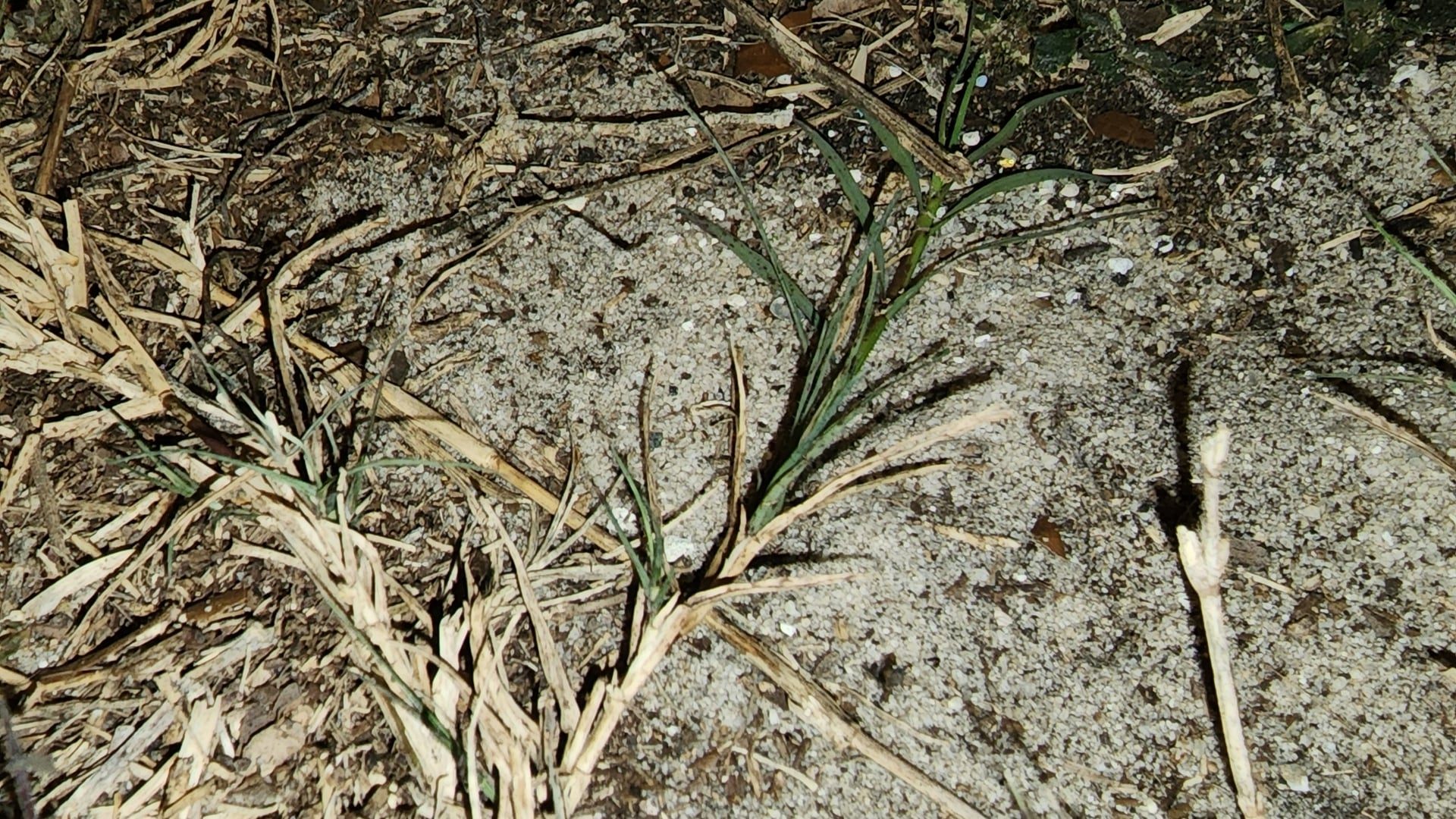
- The crown check. Part the grass at the soil line and look at the base of the plants. A dormant crown is firm and pale, somewhere between white and cream. A dead crown is shriveled, brown, and brittle all the way down.
- The patchwork pattern. Dormancy usually browns the lawn fairly evenly, or follows sun and slope (the hottest, driest spots brown first). Sharp-edged dead patches, perfect circles, or streaks often point to disease, grubs, or pet urine instead of dormancy.
- The water test. Pick a small test area and water it thoroughly for several days. Dormant grass will often start to show green at the crown within a week or so. If a spot shows zero response after consistent watering, that section may genuinely be dead.
If you would rather not guess, this is exactly what the free AI photo diagnosis is for. It looks at your lawn against what is active in your region and season and tells you whether you are looking at normal dormancy or something that needs attention, before you waste water or money treating the wrong problem.
The minimal-care rules during dormancy
The whole philosophy here is restraint. A dormant lawn does not need your help to survive; it needs you to stop interfering. Here is what minimal, crown-protecting care looks like.
Water to keep the crowns alive, not to green it up
There is an important distinction between maintenance watering and revival watering. Maintenance watering is a light, infrequent drink intended only to keep the crowns from drying out completely so the plant survives until fall. Revival watering is the heavy, consistent watering you would use if you wanted to actually pull the lawn out of dormancy and make it grow again.
During dormancy you want the first kind, not the second. A deep but occasional soak every couple of weeks is usually enough to keep crowns hydrated without sending the signal to wake up and grow. The exact amount and frequency depend heavily on your soil, your climate, and how intense the heat is, which is why a tool like the Watering Schedule Calculator is useful for getting a realistic baseline for your situation rather than guessing. Soil temperature also drives a lot of this, and you can check where yours sits with the Soil Temperature Tool.
Mow high and mow rarely
If your lawn is fully dormant and not growing, it does not need mowing at all, and you should keep off it as much as possible (more on traffic below). If it is only partially slowing down and still putting up some growth, raise your mower to its highest setting. Longer blades shade the soil and the crowns, keeping them cooler and conserving moisture. Scalping a heat-stressed lawn short is one of the fastest ways to turn dormancy into actual death. The Mowing Calculator can help you dial in the right height for your grass type during summer.
Do not fertilize
This one is non-negotiable. Fertilizing a dormant or heat-stressed cool-season lawn is asking for trouble. Nitrogen tells the plant to push out tender new growth, which is exactly what it cannot support when it has no water and the temperatures are at their peak. At best you waste the fertilizer; at worst you burn the lawn or set it up for disease. Hold all feeding until the cooler temperatures of early fall when the grass is actively growing again.
Limit traffic
Dormant grass is brittle and cannot repair itself the way actively growing grass can. Foot traffic, parked cars, kids playing, and dragging hoses across a dormant lawn crush the crowns and leave paths that may not recover until reseeding. Treat a dormant lawn as a do-not-disturb zone as much as you reasonably can.
- Survival-watering amounts and frequency vary widely by region, soil type, and grass species. A common starting point people use for crown maintenance is a deep watering on the order of every week or two during extended heat, but your local cooperative extension office can give you the right figure for your exact area and conditions.
- The temperature thresholds at which your specific grass goes dormant, and how many weeks it can safely stay dormant before crown damage sets in, are region-specific. Your extension office tracks this for local conditions far better than any general rule of thumb.
- If you are deciding whether to maintain dormancy or push green-up, your extension can advise based on your climate, your water restrictions, and what your lawn realistically can support through the rest of the season.
Recommended products
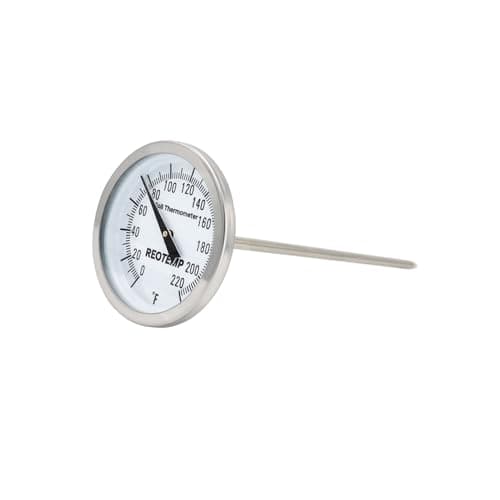
REOTEMP Waterproof Soil Thermometer
A five-inch stem thermometer for reading soil temperature at the root zone.

RAINPOINT 3-in-1 WiFi Soil Moisture Sensor
A wireless probe that reports root-zone moisture on your phone through the survival watering stretch.
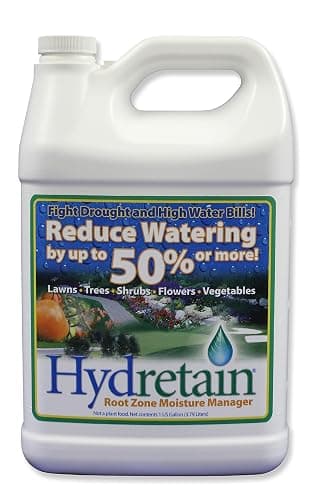
Hydretain Root Zone Moisture Manager
A humectant that holds soil moisture near the root zone between waterings.
The signs it is real damage, not dormancy
Dormancy is the common case, but it is not the only thing that turns a summer lawn brown. Watch for these signals that something beyond normal dormancy is going on:
- Grass pulls up in chunks like loose carpet. This often means grubs have eaten the roots underneath, and no amount of watering will fix it.
- Sharp-edged patches, rings, or spreading spots. Lawn diseases create distinctive patterns that do not look like the even, gradual browning of dormancy.
- Zero response to a watering test. If you thoroughly water a test area for a week and see no green at all at the crowns, that area is likely dead rather than dormant.
- Damage that keeps spreading. True dormancy stabilizes; it does not creep outward day after day. Spreading brown usually means disease, pests, or another active problem.
If your lawn is showing these signs, or if the heat stress has clearly tipped past dormancy into genuine struggle, that is when an active recovery plan makes sense rather than the hands-off approach. We have separate guides for exactly that situation: see Revive Your Summer Lawn with Ease for general recovery, and How to Revive Bermuda Grass After Summer Heat Stress if you are dealing with a warm-season lawn that has been pushed too far. For the watering side of recovery specifically, Beat the Summer Heat: Watering Tips for Your Grass Type and How Long to Water Lawn in Summer cover how to water for green-up rather than just survival. This post is the opposite path: if your lawn is simply dormant and healthy, you do not need any of that yet.
What Other Guides Miss
Most summer lawn advice online jumps straight to "here is how to revive your brown lawn," which quietly assumes the lawn has a problem that needs fixing. The thing they miss is that the halfway approach is the actual danger. A lawn that is fully dormant is stable and safe. A lawn that you fully water and keep green through summer is also fine, if water-hungry. The trouble lives in the middle.
When you water a dormant lawn just enough to coax it partway out of dormancy, then stop, then water again, then stop, you put the grass through repeated wake-up and shut-down cycles. Each cycle costs the plant stored energy it would rather be conserving, and breaking dormancy is metabolically expensive. Do this a few times across a hot summer and you can genuinely weaken or kill a lawn that would have sailed through the heat untouched if you had simply left it dormant.
So the real decision is not "water or do not water." It is "pick a lane." Either commit to full dormancy with light crown-maintenance watering and accept a brown lawn until fall, or commit to keeping it green with consistent, adequate watering all summer. The one thing you should not do is flip-flop between the two. Cheap, brown, and alive beats expensive, patchy, and stressed every time.
And here is where knowing your specifics pays off. A free photo diagnosis tells you which grass you have and whether it is dormant or damaged, and a personalized care plan goes a step further: it tells you the exact survival-watering schedule for your grass type and your zip code, so you keep the crowns alive through the heat without wasting water trying to force a green-up the lawn does not want anyway. That removes the guesswork that leads to the harmful halfway watering in the first place.
Your summer dormancy action plan
- Confirm it is dormant, not dead. Do the tug test and crown check, or run a free photo diagnosis to be sure before you change anything.
- Pick your lane. Decide now whether you are letting the lawn stay fully dormant or committing to keeping it green. Do not drift between the two.
- If staying dormant, water lightly for crown survival only. A deep soak every week or two during extended heat, tuned to your conditions with the Watering Schedule Calculator, is enough. The goal is hydrated crowns, not green blades.
- Stop fertilizing until fall. No nitrogen on a heat-stressed lawn, period.
- Mow high or not at all, and stay off it. Tall blades shade the crowns; foot traffic crushes them. Treat the lawn as a rest zone.
- Watch for true damage. Loose carpet, sharp patches, spreading spots, or no response to a water test mean it is time to switch to a recovery plan instead.
- Wait for fall. When nights cool and rain returns, healthy dormant grass greens up on its own. Save your reseeding, feeding, and heavy work for then.
For more on the timing side of all this, see our companion guides Is My Grass Dead or Dormant? and When Does Grass Go Dormant?. The short version: a brown summer lawn is usually a healthy lawn taking a nap. Let it sleep.
Free Lawn Care Tools
Most of the time it is dormant, not dead. Dormant fescue keeps a firm, white-to-cream colored crown at the base of the plant even when the blades are brown and crispy. Tug gently on a handful of grass: if it resists and the crown is still plump and pale, it is alive and resting. If it pulls out with no resistance and the crown is shriveled and gray, that section may be dead. A free photo diagnosis can compare your lawn against what is active in your region right now.
Cool-season grasses like tall fescue, Kentucky bluegrass, and perennial ryegrass evolved for cool, moist springs and falls. When soil and air temperatures climb into the heat of summer, the plant slows or stops top growth and pulls its energy down into the crown and roots to survive. The brown blades you see are the plant protecting itself, not failing. It is a built-in drought and heat survival mechanism.
Generally no. Once cool-season grass has committed to dormancy, repeatedly forcing it green and letting it brown again stresses it more than leaving it fully dormant. The safer approach is light maintenance watering every couple of weeks to keep the crowns hydrated without triggering a full green-up. If you genuinely want to push green-up, do it consistently rather than halfway, and follow a revival plan instead.
Healthy cool-season grass can typically survive several weeks of summer dormancy and recover when temperatures drop and rain returns in early fall. The exact survivable window depends on your climate, soil, and how much heat and drought stress the lawn is under, so your local extension office can give the most reliable range for your area. The longer and more extreme the heat, the more important occasional crown-hydration watering becomes.
No. Fertilizing dormant cool-season grass in peak summer heat is one of the most common ways to damage it. Nitrogen pushes the plant to produce tender new growth at exactly the time it has the least water and the most heat stress, which can burn the lawn or invite disease. Wait until the cooler temperatures of early fall, when the grass is actively growing again, to feed it.
In most cases, yes. If the crowns stayed alive through the heat, dormant cool-season grass greens back up on its own once nighttime temperatures fall and fall rains arrive, with no reseeding required. Thin or bare patches that do not recover by mid-fall are the spots that may need overseeding. If you are unsure whether your lawn is recovering or genuinely damaged, a photo diagnosis can tell you what is actually happening.

Your lawn plan, in your pocket all season
Grass ID, a season plan, soil-timed reminders, and a lawn journal that remembers what you did. Free on iPhone.