

Pythium Blight: The Fast-Moving Lawn Disease That Strikes in Heat
 Sarah MitchellLawn Diagnostics Specialist | 12 Years
As an Amazon Associate we earn from qualifying purchases.
Most lawn diseases give you time. You notice some spots, you read up, you adjust your watering, and over a week or two things turn around. Pythium blight does not work that way. In the right hot, muggy weather it can take a thriving lawn and turn it into greasy, collapsing turf in a single day. If there is one disease where I tell homeowners to drop everything and act, this is it.
Pythium blight is the fastest moving lawn disease there is, capable of destroying large patches of turf in 24 to 48 hours during hot days paired with warm, humid nights. Look for dark, greasy or water-soaked spots that quickly merge into irregular streaks, especially running along drainage paths and mower lines. On humid mornings you may see fluffy white cottony growth on the blades. It hits cool-season grasses hardest, with perennial ryegrass being especially vulnerable.
This is the one disease where speed matters and a fungicide is often justified. Stop watering in the evening, avoid mowing wet or infected turf so you do not streak it across the lawn, improve drainage and airflow in the affected area, and apply a fungicide specifically labeled for pythium if an outbreak is active. With other diseases I push cultural fixes first; with pythium, you correct the conditions and treat at the same time because the turf may not survive a slower approach.
What Pythium Blight Actually Is
Here is the first thing that trips people up: pythium is not really a fungus in the usual sense. The organisms in the genus Pythium are water molds, a group called oomycetes that are biologically closer to algae than to true fungi. That distinction is not just trivia. It is the reason this disease behaves so differently from brown patch or dollar spot, and the reason that ordinary lawn fungicides often do not touch it.
Water molds love free water. They produce swimming spores that move through films of water on leaves, in saturated thatch, and across wet soil. Give pythium a hot, soaked, stagnant lawn and it spreads like spilled liquid, which is exactly how an outbreak looks when you catch it in motion. Many old timers call it grease spot or cottony blight, and both nicknames describe what you actually see in the yard.
The disease attacks the leaves and crowns of the grass plant directly. Unlike a disease that only bleaches leaf tips and lets the plant regrow, severe pythium blight can kill the entire plant, crown and all, which is why recovery from a bad outbreak is slow and patchy. You are not waiting for damaged leaves to be mowed off. In the worst spots you are reseeding dead ground.
Why Pythium Is the Scariest Lawn Disease
I have diagnosed a lot of turf problems over my 12 years, and pythium blight is the only one that genuinely scares me on a hot July afternoon. The reason is speed. Under ideal conditions, the disease can move from a few small spots to broad collapsed areas in 24 to 48 hours. You can mow a lawn that looks perfect on a Saturday evening and find ruined streaks across it Sunday morning.
That pace flips the usual lawn-disease playbook. With most diseases, the right answer is patience: fix your cultural practices, give the grass a couple weeks, and let a healthy plant outgrow the problem. Pythium does not give you those two weeks. By the time the cultural changes would have taken effect, the turf in the hot spots is already dead. This is the exception where reacting quickly, including reaching for a fungicide, is often the correct and responsible call rather than a shortcut.
The other reason it is so dangerous is how readily it travels. Because the pathogen rides in water, anything that moves water or wet clippings moves the disease. Surface runoff after a storm, a sprinkler throwing water from a sick area to a healthy one, and especially a mower rolling through wet infected turf can all spread it. That last one is why pythium so often shows up as long streaks rather than tidy circles.
How to Identify Pythium Blight
The Signature Greasy, Water-Soaked Patches
The classic early symptom is small spots, roughly 1 to 3 inches across, that look dark, water-soaked, and greasy. The grass in these spots often appears slimy and matted down rather than crisp and dry. If you have ever seen grass clippings clump into a wet, dark mass, that is close to the texture pythium-blighted turf takes on. As the spots expand they run together into larger irregular blotches and streaks, and the dead turf eventually fades to a light tan or straw color.
This wet, greasy look is the single most useful identification clue, especially in the morning. Dollar spot and many other diseases look dry and bleached from the start. Pythium looks like the grass got soaked and is rotting, because in a sense it is.
Cottony White Mycelium in the Morning
On humid mornings when dew is heavy, freshly active pythium often produces visible cottony white or grayish growth on the blades, a cobwebby fluff sometimes described as looking like spider webbing or a light cotton fuzz. This is the mycelium, and it is most obvious right at the advancing edge of a spot before the sun dries the turf. By midday it usually disappears, which is why early morning is the best time to inspect a suspected outbreak. If you see that white fuzz on dark, greasy, expanding patches during hot humid weather, pythium moves to the top of the suspect list fast.
Streaking Along Drainage and Mower Paths
Because the pathogen moves with water and equipment, pythium has a telltale habit of forming long streaks that follow the direction of water flow or the path of a mower. You will often see the damage tracing the low line where water drains across a yard, or running in straight lines that match the way the lawn was last mowed. When I see disease arranged in streaks rather than scattered round patches, in hot weather, I am thinking pythium until proven otherwise. Round, evenly scattered spots point elsewhere.
Pythium vs Brown Patch vs Dollar Spot
Getting the diagnosis right matters more than usual here, because the treatment urgency and even the fungicide chemistry differ. Here is how I separate the three diseases people most often confuse.
- Versus brown patch: Brown patch, caused by Rhizoctonia, also shows up in hot, humid weather and can form a smoke-ring margin in the morning, but its patches are usually more rounded and it spreads far more slowly. Brown patch typically blights leaf tissue while the plant survives and recovers. Pythium looks greasier and darker, forms streaks rather than circles, and can kill entire plants in a day or two.
- Versus dollar spot: Dollar spot makes small, dry, bleached, silver-dollar-sized circles with tan leaf lesions that have reddish borders, and it favors slightly cooler conditions with low nitrogen. It is slow and rarely deadly. Pythium is the opposite in almost every way: wet-looking instead of dry, fast instead of slow, streaky instead of round, and it strikes in peak heat rather than mild weather.
- The mycelium tell: Both dollar spot and pythium can show webby growth on dewy mornings, but pythium's is denser and cottony and sits on dark, greasy, rapidly enlarging spots, while dollar spot's wisps sit on small, dry, bleaching circles.
If you are unsure, do not guess on this one. The cost of misreading pythium as a slower disease is a dead lawn. Snap a photo for a free AI diagnosis and compare it against what is actually active in your area and season. For broader disease identification on specific species, our guides on bermuda grass diseases, St. Augustine grass diseases, and zoysia grass diseases can help, and if you suspect a dry, bleaching disease instead, see our piece on the causes of dollar spots.
The Conditions That Trigger Pythium Blight
Pythium blight is, more than almost any other turf disease, a weather disease. It needs a fairly specific and intense combination of heat, humidity, and standing moisture, which is why it tends to explode during the most oppressive stretches of summer.
Hot Days and Warm, Humid Nights
The most dangerous setup is daytime highs above the mid 80s Fahrenheit combined with nights that stay warm and muggy, generally above about 68 to 70 degrees, with high humidity. Many turf programs talk about this in terms of a high nighttime temperature plus high humidity index. The cool nights that slow down most diseases simply do not arrive, so the pathogen stays active around the clock. When you get several days of that pattern in a row, especially with afternoon thunderstorms or heavy irrigation keeping things wet, you are in prime pythium territory.
Poor Drainage, Low Spots, and Stagnant Air
Because this is a water mold, anywhere water lingers is a high-risk zone. Low spots that pond after rain, poorly draining clay soils, and areas at the bottom of a slope where runoff collects are usually where I see the first outbreaks. Add in stagnant air, the kind you get in a fenced corner, between two houses, or under low tree canopy where the turf never quite dries, and you have created an ideal pythium incubator. Prolonged leaf wetness is the common thread. The longer the grass stays wet, the more time the swimming spores have to move and infect.
Lush, Over-Fertilized Turf
Pythium has a particular appetite for soft, succulent growth. Lawns that have been pushed hard with nitrogen, especially heading into a hot humid stretch, grow lush, tender tissue that the pathogen colonizes easily. This is one of the few diseases where I actively warn people not to fertilize heavily in summer. Going into the worst heat with a lawn full of soft, fast growth is like setting a table for pythium.
Which Grasses Get Pythium
Pythium blight is primarily a cool-season grass disease, and it hits some species much harder than others. Perennial ryegrass is the most susceptible of the common lawn grasses, and dense ryegrass stands can be devastated almost overnight. Bentgrass, annual bluegrass, and tall fescue, particularly young seedling fescue, are also vulnerable. Newly seeded lawns are at especially high risk, because the crowded, constantly watered, tender seedlings are exactly what pythium wants.
Warm-season grasses like bermuda, zoysia, and St. Augustine are far more resistant to the explosive foliar blight, but they are not entirely off the hook. They can suffer from pythium root rot, a related problem caused by Pythium species attacking the roots and crowns. Root rot looks different: instead of a dramatic overnight collapse, you get gradual thinning, yellowing, and weak, declining turf in chronically wet areas. It is slower and sneakier than the blight, but it traces back to the same core issue of too much standing water.
Managing an Active Pythium Outbreak
This is the section where pythium earns its reputation as the exception. With nearly every other disease I lead with cultural corrections and treat chemical control as a last resort. With an active pythium outbreak in hot weather, the turf may not survive long enough for cultural changes to help on their own, so you do both at once and you do them now.
Why Fast Action and Fungicide Are Often Justified Here
Given how fast pythium kills, a properly chosen fungicide is frequently the right move rather than an overreaction. The catch is that because pythium is a water mold and not a true fungus, most general lawn fungicides do not control it. You need a product specifically labeled for pythium control, which uses different active ingredients than the products you would reach for against brown patch or dollar spot. This is a place where reading the label for the words pythium is not optional. Applying the wrong fungicide wastes time you do not have while the disease keeps spreading.
Because product availability, legal labeling, and resistance management all vary by region, I am not going to name specific products or rates here. This is precisely the situation where a quick call to your local extension office pays off, because they can tell you which pythium-labeled products are currently recommended and legal for home use in your state.
Stop the Spread While You Treat
Alongside any treatment, your immediate job is to stop helping the disease move. A few rules I give homeowners during an active outbreak:
- Stop evening and nighttime watering completely. You want the grass to dry out, not stay wet overnight. Shift all irrigation to early morning so the lawn dries quickly, and review your watering schedule to cut total volume in saturated areas.
- Do not mow wet or infected turf. A mower rolling through wet pythium will streak it across the entire lawn in one pass. If you must mow, wait until everything is bone dry, do the healthy areas first and the infected areas last, then clean the deck and tires.
- Keep foot traffic out of infected, wet areas. Shoes carry the pathogen just like equipment does.
- Improve drainage and airflow now. Break up standing water in low spots, and if a shaded corner is the epicenter, opening up airflow is part of the cure, not just prevention.
- Contact your local extension office during an active outbreak and ask which pythium-labeled fungicides are currently recommended and legal for home lawns in your state, along with their guidance on rates and timing for your grass type.
- Ask for their pythium blight diagnostic and prevention sheet, including local thresholds for the nighttime temperature and humidity conditions that signal high pythium risk in your region.
Preventing Pythium Blight
The good news is that pythium, for all its drama, is highly preventable, because it depends so heavily on conditions you can influence. Break the wet, hot, stagnant chain and the disease rarely gets a foothold.
- Water early in the morning, never at night. Letting the lawn go into a hot night already wet is the single most common mistake that invites pythium. Water deeply and infrequently in the early morning so the surface dries fast.
- Fix drainage and low spots. Regrade or topdress areas that pond, and address compacted, poorly draining soil with core aeration during active growth so water moves through instead of sitting.
- Improve air movement. Prune low tree branches and thin out shrubs around problem corners so the turf can dry and humid air can escape.
- Go easy on summer nitrogen. Avoid pushing lush growth heading into hot humid weather. Lean, steady feeding produces tougher tissue that resists infection.
- Mow at the right height with a sharp blade. Proper, clean mowing reduces stress and gives fewer wounds for the pathogen to enter. Check your ideal cut with our mowing height calculator, and never mow when the grass is wet.
- Be careful seeding in summer heat. Because tender seedlings and constant watering are a pythium magnet, lean toward seeding in the cooler shoulder seasons when you can, and if you must establish turf in summer, watch new stands closely.
- Manage thatch. A thick, spongy thatch layer holds moisture at the canopy and harbors the pathogen, so keep it in check through aeration and proper cultural practices.
Recommended products

Rachio 3 Smart Sprinkler Controller (8-Zone)
An eight zone controller that locks every cycle into the early morning window.
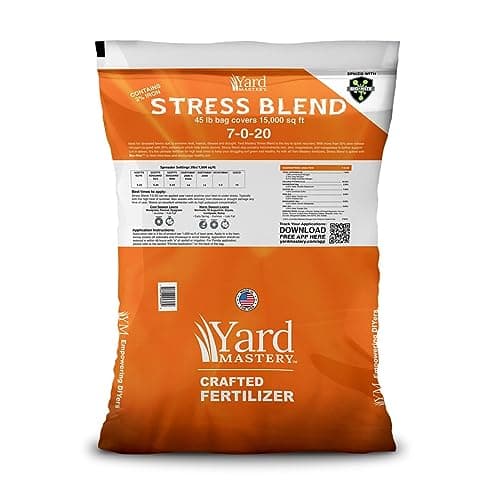
Yard Mastery Stress Blend 7-0-20 (45 lb)
A low-nitrogen, high-potassium granular for feeding through hot, humid weather.
Greenworks 13 Amp Corded Electric Dethatcher
A corded dethatcher for holding the thatch layer that traps canopy moisture under half an inch.
What Other Guides Miss
Most pythium articles describe the symptoms and then hand you a generic fungicide recommendation, and that is where they fail people. A few things I rarely see explained clearly enough:
Pythium is not a true fungus, and that changes everything. Plenty of homeowners spray a fungicide they already own, see no improvement, and assume the disease is unstoppable. The real problem is that the product was never going to work, because it was not labeled for water molds. The single most important practical fact about pythium is that it requires pythium-specific control, and most guides bury that or skip it entirely.
The streaking pattern is a diagnostic gift, not just a curiosity. When you understand that streaks follow water and mowing, you can not only confirm the diagnosis but also immediately identify how it is spreading and shut that path down. Round-patch diseases do not give you that information.
This is the disease that breaks the usual go-slow advice. So much good lawn-care guidance, including most of what I write, is about patience and letting healthy turf recover on its own. Applying that mindset to pythium gets lawns killed. Knowing when speed is warranted is as important as knowing the cultural fixes, and pythium is the clearest case where the answer is to act fast.
Warm-season owners are told they are immune, and they are not. The foliar blight is rare on bermuda or St. Augustine, but pythium root rot quietly thins warm-season lawns in chronically wet areas. If you have a soggy, declining patch that never seems to recover, the same drainage fixes that prevent blight apply.
Your Pythium Action Plan
If you suspect pythium blight right now, work through this in order:
- Confirm it fast. Check for dark, greasy, water-soaked spots merging into streaks, cottony white growth on dewy mornings, and damage following drainage or mower lines in hot, humid weather. When in doubt, snap a photo for a free AI diagnosis rather than waiting.
- Stop the spread immediately. Shut off evening watering, stay off the wet infected turf, and do not mow it until it is dry, healthy areas first and infected last.
- Get the right fungicide. Confirm with your local extension office which pythium-labeled product is recommended and legal for home use in your area, since general lawn fungicides will not control a water mold.
- Correct the conditions at the same time. Improve drainage in low spots, open up airflow in stagnant corners, and shift all watering to early morning.
- Back off summer nitrogen. Hold heavy feeding until the heat breaks so you are not fueling lush, vulnerable growth.
- Rebuild for the long term. Once the outbreak is controlled, address the underlying drainage, airflow, and watering habits, and reseed dead areas in the cooler shoulder season with attention to more resilient grass choices.
Pythium blight is intimidating, and honestly it should be respected, because it is the one lawn disease that can ruin turf faster than you can read about it. But it is also one of the most preventable. Keep your lawn dry going into hot nights, keep air moving, go easy on summer feeding, and know the warning signs well enough to act within hours rather than days. Do that, and the scariest disease in turf becomes one you rarely have to fight.
Free Lawn Care Tools
Pythium blight is the fastest lawn disease I deal with. Under hot days, warm humid nights, and prolonged leaf wetness, it can collapse large areas of turf in 24 to 48 hours. The pathogen is a water mold, not a typical fungus, so it moves through wet turf far faster than diseases like brown patch or dollar spot. That speed is exactly why this is the one disease where quick action genuinely matters.
It starts as small, dark, water-soaked or greasy looking spots, usually about 1 to 3 inches across, that quickly run together into larger irregular streaks. Affected grass often looks slimy and matted rather than dry. In humid early mornings you may see fluffy white or gray cottony growth, called mycelium, on the blades. The blighted turf later fades to a light tan or straw color as it dies.
Avoid mowing infected turf while it is wet, because mowers spread the pathogen along their path and you can streak the disease across a whole lawn in one pass. If you must mow, wait until the grass is fully dry, mow the healthy areas first and the infected areas last, and clean the deck and tires afterward. During an active outbreak the safest move is to hold off mowing the affected zones entirely until the disease is under control.
Pythium blight thrives when daytime highs climb above the mid 80s, nighttime temperatures stay warm and muggy (roughly above 68 to 70 degrees Fahrenheit), and humidity keeps leaves wet for long stretches. Poor drainage, low spots that hold water, heavy shade with little air movement, and lush over-fertilized turf all raise the risk. It is essentially a hot, wet, stagnant-air disease.
They are caused by related Pythium species but show up differently. Pythium blight is the explosive foliar disease that blights leaves and crowns in hot humid weather, most common on cool-season grasses like perennial ryegrass. Pythium root rot attacks roots and crowns, causes gradual thinning and yellowing rather than fast collapse, and can affect warm-season grasses too. The blight is the dramatic, fast-moving one this guide focuses on.
This is the rare lawn disease where a properly chosen fungicide is often justified, because cultural fixes alone may not work fast enough to save the turf. Pythium is a water mold, so it requires specific products labeled for pythium rather than general lawn fungicides. Pair that with draining wet areas, improving airflow, stopping evening watering, and not mowing wet infected turf. Long term, the cultural changes prevent it from coming back.

Your lawn plan, in your pocket all season
Grass ID, a season plan, soil-timed reminders, and a lawn journal that remembers what you did. Free on iPhone.