Smutgrass in Lawns: How to Identify and Remove Small Clumps

Is one wiry grass clump standing above the rest of your lawn? Smutgrass is one possibility. Check the leaf junction and the young leaf before you remove a plant that could be part of your turf.
Fast Answer: Smutgrass (Sporobolus indicus) is a perennial bunch grass. Penn State describes a fringe of hairs at the leaf junction, no clasping appendages, and leaves rolled in the bud. Use those features together to narrow the identification.
Photograph the whole clump, an intact leaf junction and a seed head. Ask your local Extension office to confirm an uncertain identification. For a few confirmed clumps, manual removal may be practical; a larger infestation needs a plan matched to your lawn grass and state.
Which features point to smutgrass?
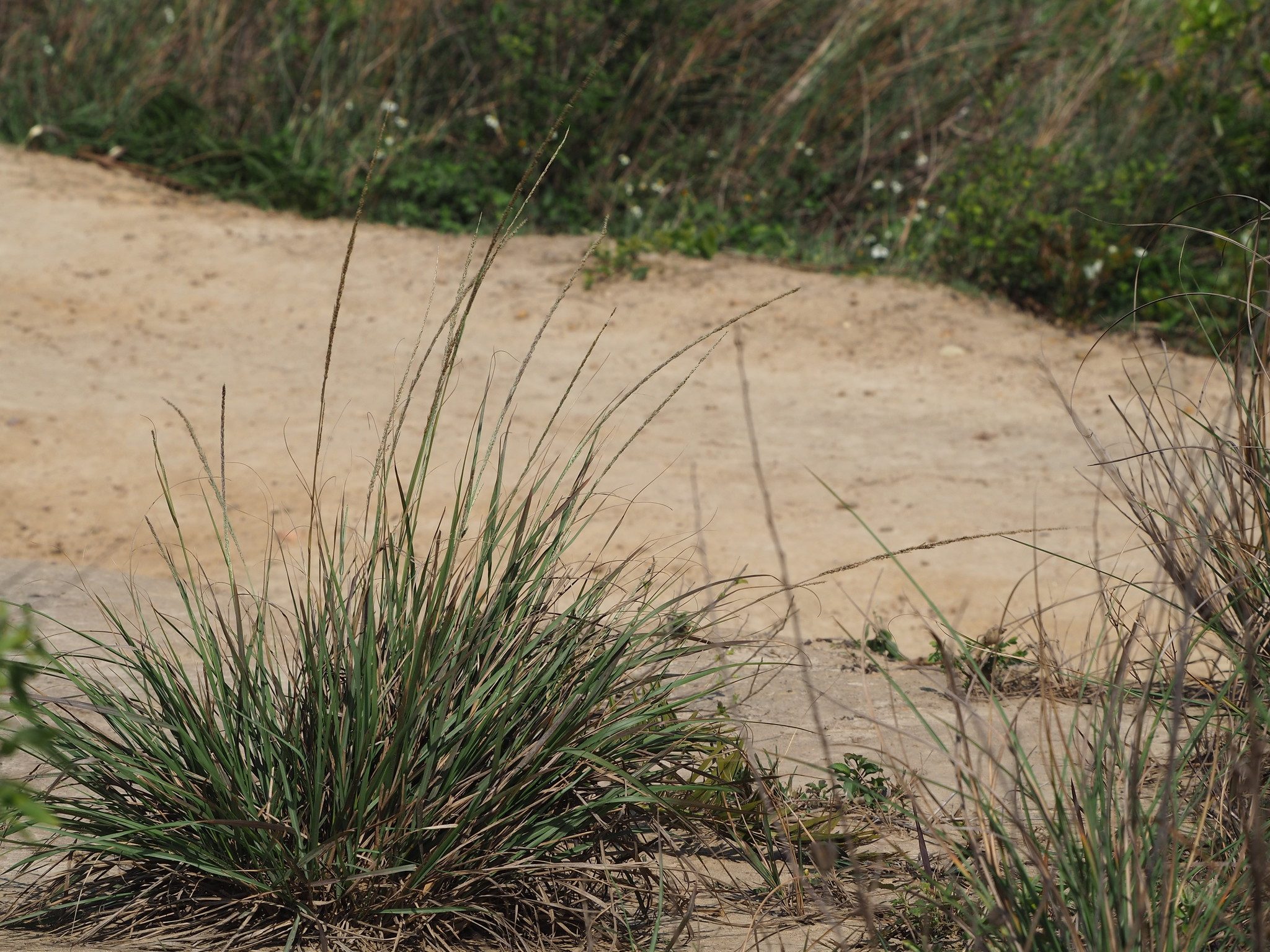
Does the plant grow as a distinct clump? Penn State's smutgrass record lists bunch growth and fibrous roots. Its other common name is West Indian dropseed. A clump alone leaves several grass species possible.
Find the junction where a leaf blade meets its sheath, the part wrapped around the stem. Bend the blade gently away from the stem without tearing this junction. Use a phone close-up or a hand lens to inspect it.
- Look for the ligule, a small structure on the inside of that junction. Smutgrass has a fringe of tiny hairs.
- Check the sides for auricles, small appendages that can clasp the stem. Penn State lists these as absent in smutgrass.
- Inspect a young, emerging leaf. Penn State describes it as rolled in the bud.
If the junction is torn, blurred or too small to see, record that feature as unknown. Avoid forcing an identification from the overall color. Use the weed identification guide to consider other lawn weeds, then send close photos to Extension.
Could it be perennial ryegrass?
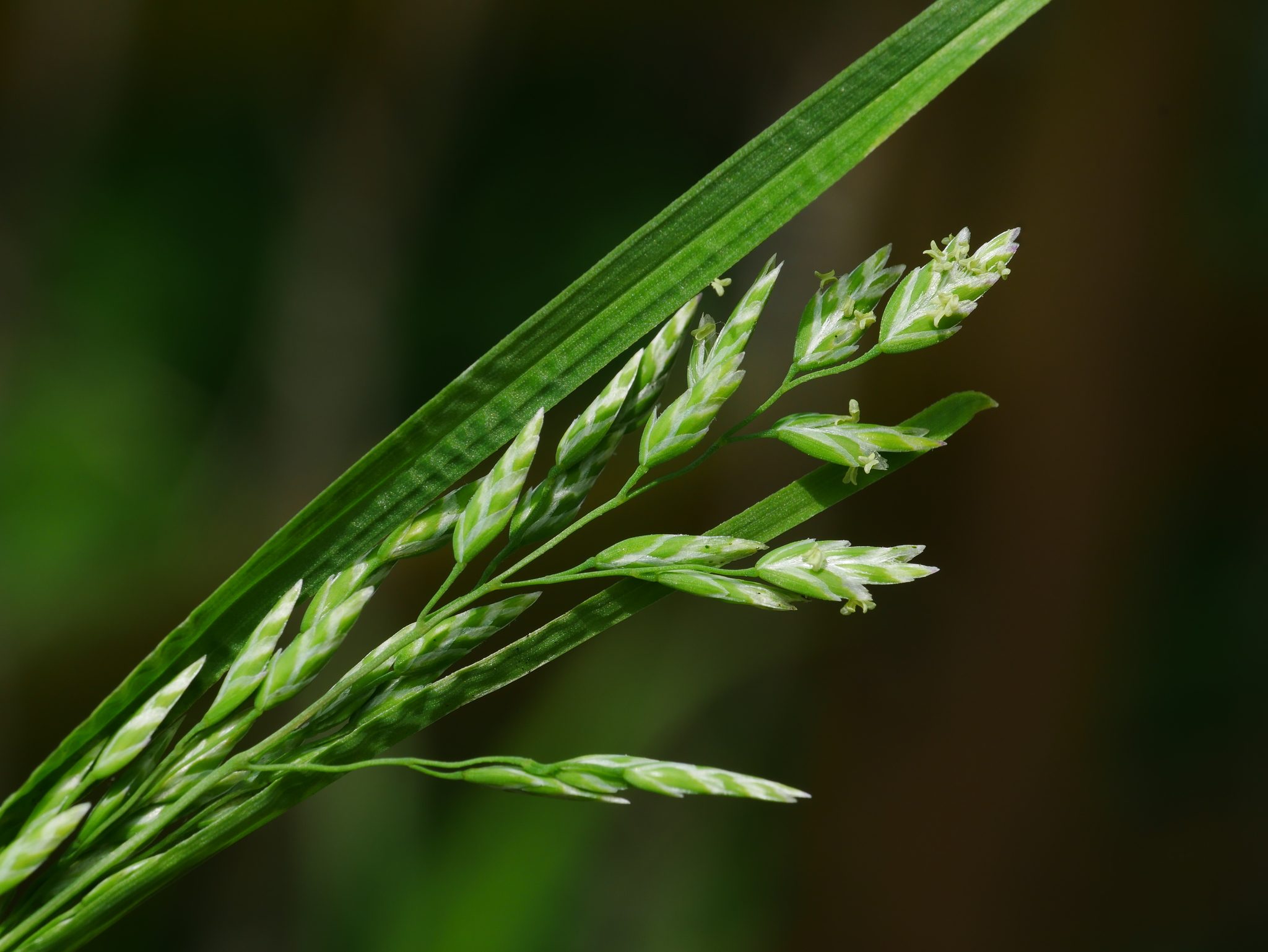
Are you looking at a turf grass that also forms clumps? Penn State lists perennial ryegrass as a similar species. The University of California's perennial ryegrass guide gives features you can compare at the same leaf junction.
| Feature to inspect | Smutgrass | Perennial ryegrass |
|---|---|---|
| Young leaf in the bud | Rolled, per Penn State. | Folded, per UC IPM. |
| Auricles at the leaf junction | Absent, per Penn State. | Usually present and clasping the stem, per UC IPM. |
| Growth pattern | Bunch type, per Penn State. | Bunch type, per UC IPM. This feature alone cannot separate them. |
If a young leaf is folded and the collar has clasping auricles, check ryegrass first. If it is rolled and the ligule is hairy, smutgrass remains possible. These checks compare two species; other grasses can share individual features. Ask Extension to resolve a mixed or unclear result.
Does smutgrass always have black seed heads?
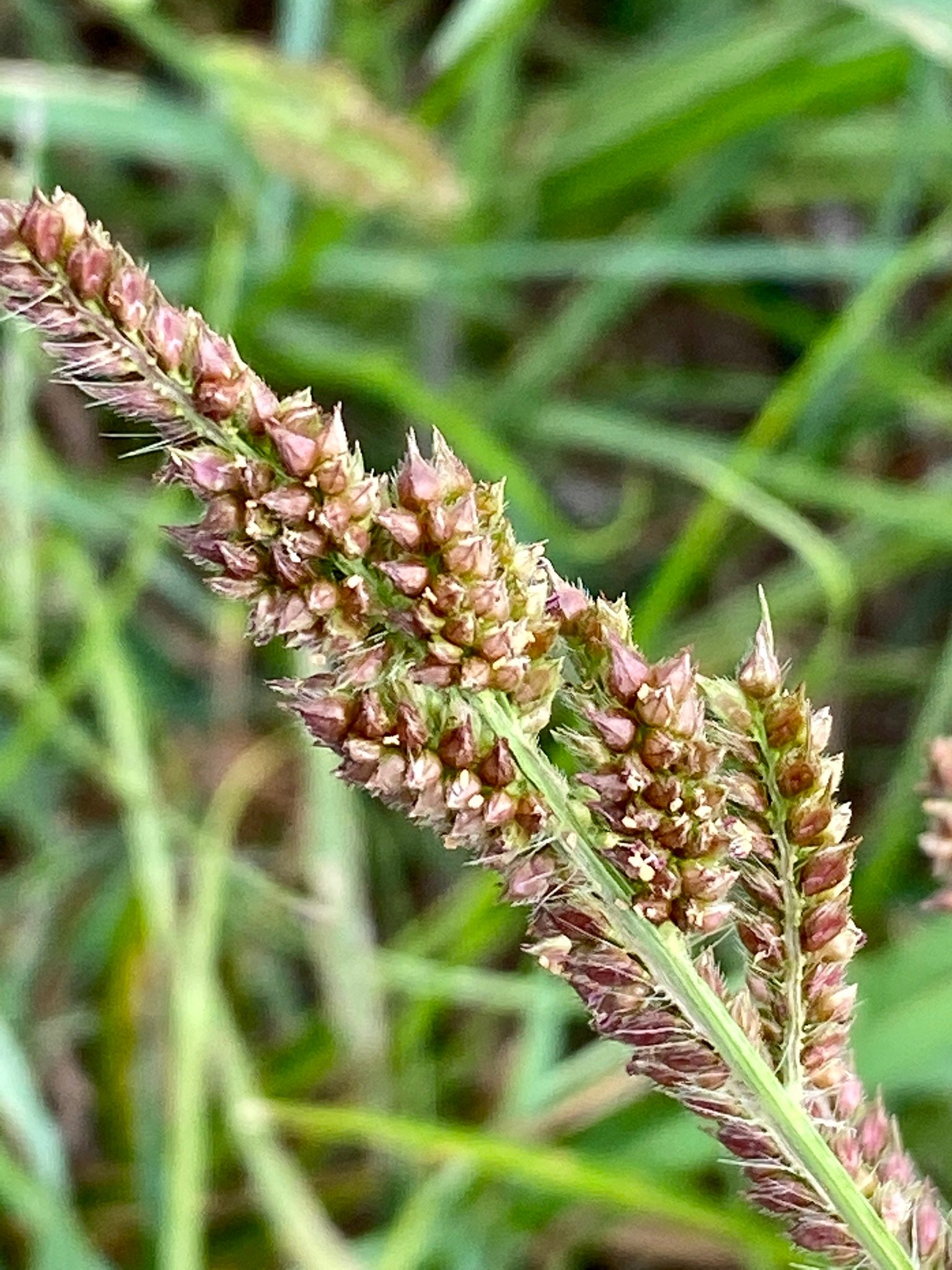
Is the seed head dark, pale or still green? UC IPM's smutgrass description says a black smut fungus sometimes infects flower clusters and upper leaves. Black growth can be a clue, but its absence cannot exclude smutgrass.
UC IPM describes tough, wiry stems and dense flowering branches. Photograph the entire head as well as a close detail. Its listed flowering months and distribution describe California; use local guidance for seasonal timing elsewhere.
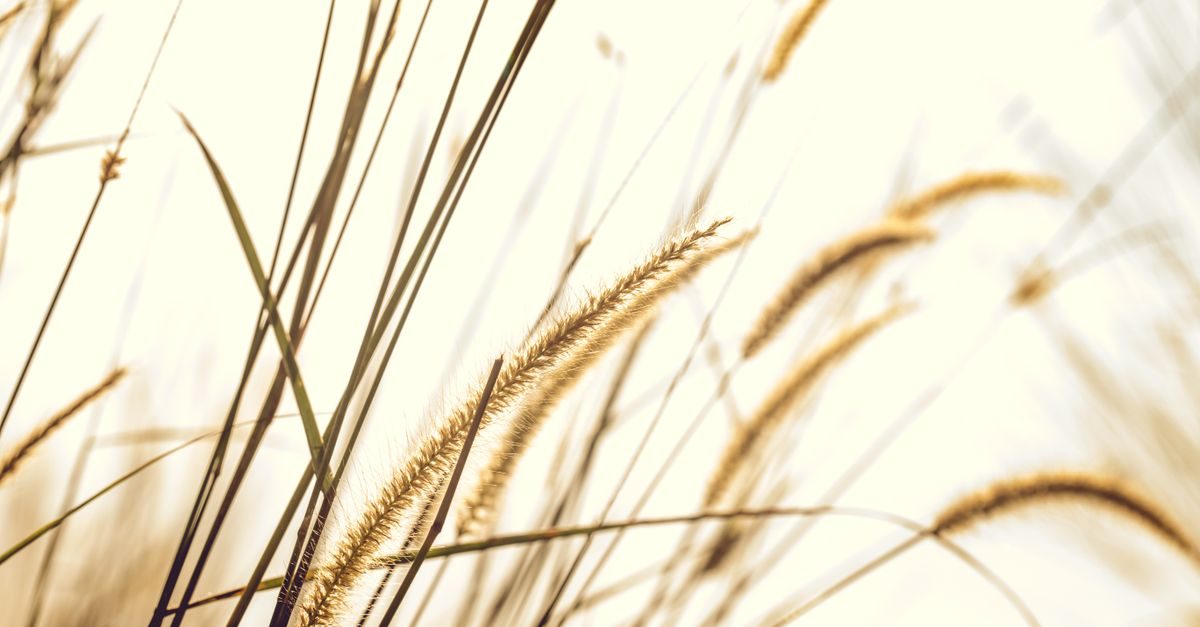
The hero photograph shows a clump beside a path. It helps illustrate the growth form. It cannot show the tiny leaf-junction features needed to identify the plant in your lawn.
What can you do after the identification is confirmed?
Are there a few separate clumps, or plants across much of the lawn? Start by recording their locations. The UF/IFAS Weed Management Guide for Florida Lawns recommends manual removal when feasible, including roots and other underground parts. Its general weed-removal advice supports this option for a small, manageable number of confirmed plants.
- Photograph the plant before removal and retain the identification details.
- If you can remove an isolated clump without extensive lawn disturbance, lift the plant with its roots. A small shovel may help. Avoid breaking off only the leaves.
- Collect the removed plant and seed-bearing material. Ask local Extension about disposal; keep loose seeds away from unaffected turf.
- Clean soil and plant material from tools before moving to another part of the lawn.
- Check the marked location for surviving growth or new seedlings. Ask Extension how to repair the opening with your existing grass.
UC IPM reports that smutgrass reproduces by seed and that wet seeds can travel on shoes, tools and equipment. If plants are widespread or removal would leave extensive bare ground, get local management advice before starting a large removal job.
Review the surrounding turf as well. UF/IFAS links weed invasion to thin turf and unsuitable mowing, watering or other growing conditions. Use a grass-specific mowing height. Correct a verified irrigation or drainage problem without assuming that every smutgrass clump proves overwatering.
Tell your county Extension office your state, lawn grass, approximate number of clumps and identification results. Ask whether manual removal fits the infestation and how to restore the turf. If chemical control is proposed, verify the current product label for the weed, lawn grass and application site. Pasture directions and an active-ingredient list do not establish a suitable residential-lawn treatment.
Which treatment assumptions should you check?
Does a product list name an ingredient without identifying your turf or the application site? Keep the treatment decision open. UF/IFAS explains that grassy weeds are difficult to control selectively and that pesticide labels determine permitted use. No exact herbicide product or rate is recommended here.
Keep the weed identification separate from the lawn's overall health. For help with the surrounding turf, upload a lawn photo. A personalized lawn care plan can organize routine care after your grass and conditions are established. Confirm an uncertain smutgrass identification with Extension before treatment.
Your smutgrass diagnosis checklist
- Photograph the clump, intact leaf junction, emerging leaf and seed head.
- Record whether the ligule is hairy, auricles are absent and the young leaf is rolled. Leave unclear features unknown.
- Compare a possible ryegrass plant using its folded young leaf and usually clasping auricles.
- Send the photos, county, state and lawn grass to Extension when the result is uncertain.
- After confirmation, choose manageable manual removal or a locally supported control and repair plan.
This procedure uses published Extension identification and lawn-management guidance. No site inspection, removal trial or herbicide test was performed for this article.
Display crops vary by screen.
Free Lawn Care Tools
Penn State lists bunch growth, a hairy ligule, absent auricles and a young leaf rolled in the bud. Photograph the intact leaf junction and seed head. Ask local Extension to confirm unclear features before removal.
UC IPM says black smut fungus sometimes affects the flower clusters and upper leaves. Its absence cannot exclude smutgrass. Check the leaf-junction features as well.
Penn State describes smutgrass as rolled in the bud with absent auricles. UC IPM describes perennial ryegrass as folded in the bud with auricles usually clasping the stem. Both can form clumps, so growth habit alone does not distinguish them.
For a few confirmed clumps, manual removal may be practical. UF/IFAS recommends removing roots and other underground parts when manually removing lawn weeds. If removal would leave extensive bare ground, ask Extension for a control and repair plan.
The choice depends on a confirmed weed identification, your lawn grass, application site and current label. UF/IFAS notes that selective control of grassy weeds is difficult. Ask local Extension for a suitable plan; no exact product or rate is qualified for this article.
Sources (4)
Photos: 葉子 (leaf0605) / iNaturalist · CC0 1.0

Beat weeds and brown spots from your phone
Snap a photo, get the fix, and follow a plan timed to your soil and weather. Free on iPhone.