

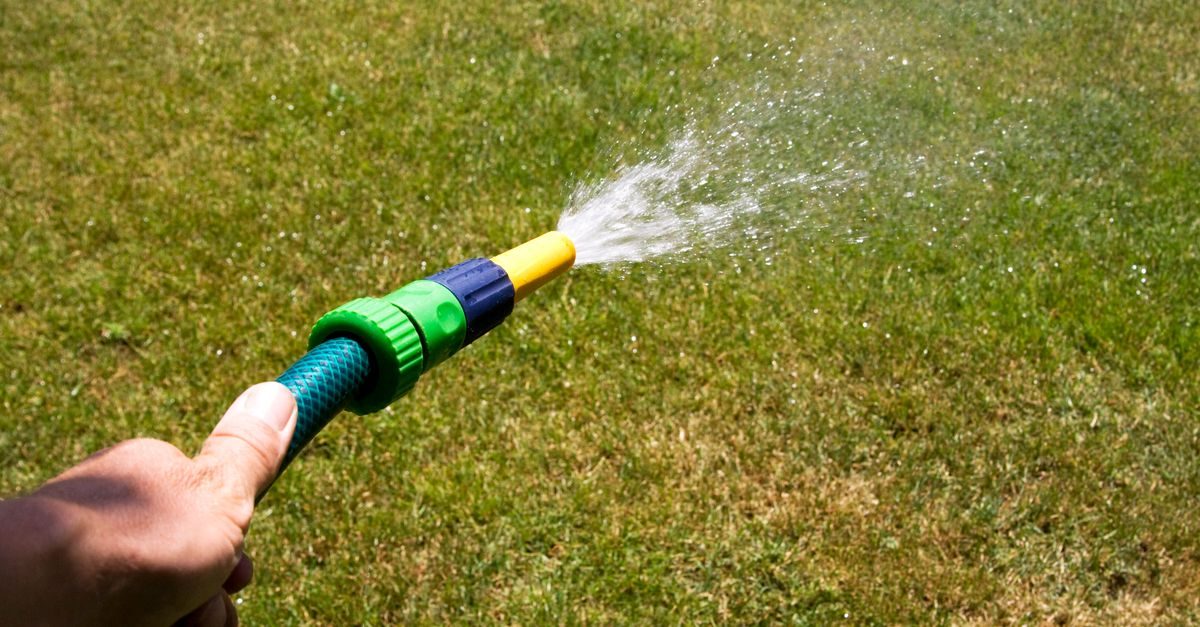
Best Drought-Tolerant Grass Types (Ranked by Water Use)
 Marcus GreenTurf Management Pro | 18 Years
As an Amazon Associate we earn from qualifying purchases.
If your water bill spikes every July and the lawn still goes crispy by August, the problem might not be how you water. It might be the grass itself. Some grass types are built to coast through weeks of heat with almost no irrigation, while others need a drink every few days just to stay green. Picking the right species for your climate is the single biggest lever you have on how much water your lawn drinks.
Drought advice changes completely depending on whether you are working with a warm-season or cool-season lawn. Snap a photo for a free AI grass identification and we will tell you what you are growing before you decide whether to overseed, replace, or just water smarter.
The most drought-tolerant common lawn grasses are buffalograss and bermuda among the warm-season types, and tall fescue among the cool-season types. Buffalograss uses the least water of any turfgrass and goes dormant rather than dying when it dries out. Bermuda and bahia survive deep heat through aggressive deep roots and summer dormancy. Tall fescue is the best choice in cool climates because its roots reach far deeper than bluegrass or ryegrass, while fine fescues win on low water use in shade.
Warm-season grasses survive drought mostly by going dormant (browning out but staying alive). Cool-season grasses survive by rooting deep enough to reach moisture lower in the soil. Match the mechanism to your climate first, then worry about watering technique. For exactly how to water during a dry spell, see our watering guide rather than guessing.
How Grass Actually Survives Drought
Before ranking anything, it helps to understand that drought tolerance is not one trait. Different grasses survive dry weather through completely different strategies, and the right strategy depends on where you live.
The first mechanism is deep rooting. Grasses like tall fescue and bermuda push roots far deeper into the soil than shallow-rooted species, so they can pull moisture from depths that stay damp long after the surface bakes dry. This is the strategy that keeps a lawn green and growing through moderate drought rather than just surviving it.
The second mechanism is dormancy. Buffalograss, bermuda, and bahia can shut down, turn brown, and wait out a dry spell, then green back up once rain returns. A dormant lawn looks dead but is not. This is why a bermuda lawn in a Texas summer can look terrible in August and bounce back beautifully in September with a single good rain.
The third mechanism is low baseline water use. Some grasses simply transpire less water to begin with. Buffalograss and the fine fescues fall here, sipping rather than gulping, which is why they hold up in regions where supplemental irrigation is restricted or expensive.
Most truly drought-tough grasses combine two of these. Buffalograss has low water use AND goes dormant. Bermuda has deep roots AND goes dormant. Knowing which mechanism a grass relies on tells you what to expect: a deep-rooter stays greener but needs occasional deep watering to reach its potential, while a dormancy specialist will brown out and that is fine.
Drought-Tolerant Grass Types Compared
Here is the head-to-head. The table ranks the common lawn grasses from most to least drought-tolerant, with the survival mechanism, rough water appetite, the regions where each makes sense, and a seed pick where we have a verified product. Use it as a shortlist, then read the species notes below before you commit.
| Grass | Season | Drought Mechanism | Water Need | Best Region | Notes / Seed |
|---|---|---|---|---|---|
| Buffalograss | Warm | Low water use + dormancy | Very low | Great Plains, high desert, mountain West | Lowest-water turfgrass; native; goes dormant fast. No verified seed product in our catalog yet, so buy from a regional supplier. |
| Bermuda | Warm | Deep roots + dormancy | Low | South, Southwest, transition zone (sun) | Aggressive deep roots; loves heat and full sun. Seed: Scotts Turf Builder Grass Seed Bermudagrass, Lawn Seed with Grass Fertilizer and Soil Improver, Drought-Tolerant, Covers up to 4,000 sq. ft., 4 lb. |
| Bahiagrass | Warm | Deep roots + dormancy | Low | Gulf Coast, Florida, coastal Southeast (sandy soil) | Extremely deep, coarse root system; thrives on infertile sand. No verified seed product in our catalog; source locally. |
| Zoysia | Warm | Dormancy + slow water use | Low to moderate | South, transition zone | Dense and slow-growing; browns out in deep drought but recovers. Usually established from plugs or sod, not seed. |
| Tall Fescue | Cool | Deep roots | Moderate | Transition zone, Northeast, Pacific Northwest | The most drought-tough cool-season grass; deepest roots of the cool group. Seed: NightShift (Formerly Blackout) Turf Type Tall Fescue Grass Seed (25 lbs) or, for a deep-rooting blend, Jonathan Green (10322) Black Beauty Ultra Grass Seed - Cool Season Lawn Seed (7 lb) |
| Fine Fescue | Cool | Low water use (shade) | Low to moderate | Northern shade, low-input lawns | Sips water and tolerates shade, but weaker in full-sun heat than tall fescue. Often sold in blends; no standalone verified product in our catalog. |
One quick note before the deep dives: warm-season grasses (the top four) and cool-season grasses (the bottom two) are not interchangeable. A buffalograss lawn will struggle in a cold, wet Northeast climate, and tall fescue will melt in a Phoenix summer. Drought tolerance only matters once the grass is suited to your climate in the first place.
Warm-Season Drought Champions
Buffalograss: The Lowest-Water Lawn
If you live in the Great Plains, the high desert, or the mountain West and want the absolute lowest water bill, buffalograss is hard to beat. It is a North American native, evolved on the dry shortgrass prairie, and it uses less water than any other turfgrass commonly grown as a lawn. It greens up in late spring, stays a soft blue-green through summer with minimal irrigation, and goes dormant early once cool weather or drought arrives.
The trade-offs are real, though. Buffalograss is thin and slow to fill compared to bermuda, it does not handle heavy foot traffic or shade well, and it browns out earlier in fall than most homeowners expect. It is a specialist, not an all-purpose lawn. But in the right climate, nothing sips water like it. We do not currently carry a verified buffalograss seed product, so source it from a regional native-seed supplier rather than grabbing an unverified listing.
Bermuda: Deep Roots and Full-Sun Toughness
Bermuda is the workhorse drought grass of the South and Southwest. It survives dry weather with a one-two punch: an aggressive, deep root system that reaches moisture other grasses cannot, plus the ability to go dormant and brown out when conditions get truly brutal. Give it full sun and a little water and it stays green and dense through summers that would kill most cool-season lawns.
The catch is that bermuda is a sun lover and a spreader. It thins out badly in shade, and its runners will creep into flower beds and neighboring lawns if you let them. For a sunny, hot, water-conscious lawn, though, it is one of the best choices available. A solid seeded option is Scotts Turf Builder Grass Seed Bermudagrass, Lawn Seed with Grass Fertilizer and Soil Improver, Drought-Tolerant, Covers up to 4,000 sq. ft., 4 lb., which bundles starter fertilizer and a soil improver into the seed coating. If you are weighing bermuda mostly for its sun tolerance, our roundup of the best grass types for full sun goes deeper on that angle.
Bahiagrass: Built for Sandy, Infertile Soil
Bahiagrass is the drought answer for the Gulf Coast, Florida, and the sandy coastal Southeast. Its root system is among the deepest of any lawn grass, which lets it mine moisture from sandy soils that drain almost instantly. It tolerates poor, infertile ground that would starve other grasses, and it asks for very little once established.
The downsides are cosmetic and practical: bahia has a coarse texture, throws up tall seed stalks that need frequent mowing in summer, and is more of a functional ground cover than a manicured carpet. For a low-input lawn on sand in a hot, humid climate, though, its drought resilience is excellent. We do not carry a verified bahia seed product, so buy from a regional Southeast supplier.
Zoysia: Dense, Slow, and Patient
Zoysia rounds out the warm-season group. It is dense, slow-growing, and survives drought primarily by going dormant, browning out during extended dry spells and recovering once rain returns. Its water use is a bit higher than bermuda or buffalograss, but it makes up for it with a thick, weed-resistant canopy and better shade tolerance than bermuda. Most homeowners establish zoysia from plugs or sod rather than seed, since seeded zoysia is slow and finicky to start.
Cool-Season Drought Options
Tall Fescue: The Best of the Cool Group
In cooler climates where warm-season grasses will not survive winter, tall fescue is the clear drought champion. It does not have the dormancy trick that warm-season grasses use; instead it roots far deeper than Kentucky bluegrass or perennial ryegrass, reaching moisture well below the surface and staying green through dry spells that brown out its neighbors. Modern turf-type tall fescues are also finer-bladed and denser than the old pasture types, so they look like a proper lawn rather than a hayfield.
For a straight tall fescue stand, NightShift (Formerly Blackout) Turf Type Tall Fescue Grass Seed (25 lbs) is a multi-cultivar blend built for deep color and density. If you want a broader deep-rooting cool-season blend that fills bare spots fast, Jonathan Green (10322) Black Beauty Ultra Grass Seed - Cool Season Lawn Seed (7 lb) leans on tall fescue genetics known for unusually deep roots. Tall fescue is also a strong pick for anyone prioritizing low upkeep, which is why it shows up in our guide to the best low-maintenance grass types.
Fine Fescue: The Quiet Water-Sipper
Fine fescues (creeping red, chewings, hard, and sheep fescue) are the understated members of the drought group. They use little water, tolerate shade better than almost any other cool-season grass, and thrive in low-input, low-fertility lawns. Where they fall short is full-sun heat: they are happiest in northern climates and shadier spots, and they thin out in hot, exposed sites where tall fescue or bermuda would shrug off the stress. Fine fescues are usually sold inside blends rather than on their own, and we do not currently carry a standalone verified fine fescue product, so look for a quality blend from a trusted seed brand.
Matching Grass to Your Region
The single most common mistake in drought-grass selection is choosing a species that is famous for drought tolerance somewhere else. Bermuda is a drought legend in Texas and a winterkill statistic in Minnesota. Buffalograss is a marvel on the Great Plains and a disappointment in humid Florida.
The shortcut is to start with your season type. If you are in the warm South or Southwest, you are choosing among bermuda, bahia, zoysia, and (in dry interior regions) buffalograss. If you are in the cool North, tall fescue is almost always the right drought answer, with fine fescue for shade. The transition zone in the middle is the hardest, because both warm and cool grasses are at the edge of their range there; tall fescue and zoysia are the usual transition-zone drought picks.
Cold-climate readers have a special case worth its own deep dive. If you are dealing with hard winters AND dry summers, the species shortlist narrows considerably, and our breakdown of drought-resistant grass for Wisconsin lawns walks through exactly which cool-season grasses survive that combination. Whatever your region, once your existing summer is in full swing, the seasonal playbook in summer lawn care heat and drought strategies covers how to carry any of these grasses through the worst of it.
Drought Resistant Grass vs Drought Tolerant Grass: Picking the Toughest Type
People search for "drought resistant grass" and "drought tolerant grass" interchangeably, and for lawn purposes they mean the same thing: a grass that stays alive, and ideally stays presentable, on far less water than a typical lawn. Whichever phrase you use, the most drought resistant grasses share two traits. They send roots deep enough to reach moisture after the surface dries out, and they use less water per day to begin with. Among the warm-season types, bermuda, zoysia, buffalograss, and bahiagrass lead the pack, while tall fescue is the most drought tolerant common cool-season grass thanks to roots that can reach two to three feet down. Fine fescues round out the cool group as low-input water sippers for shade. The comparison table above ranks all of them, so use it as your drought resistant shortlist.
Best Grass for Dry Climates, Desert, and Low-Water Lawns
If you garden in a genuinely dry climate, the species list narrows fast. For hot, low-rainfall regions and true desert conditions, the standouts are buffalograss and bermuda. Buffalograss is a native, low-water option built for the dry plains and interior West, and it survives long dry spells by sipping very little water and going dormant. Bermuda is the go-to for the desert Southwest because its deep roots and heat tolerance let it hold color in full sun with minimal irrigation. For dry areas with sandy soil along the Gulf and Southeast, bahiagrass mines moisture other grasses cannot reach, and zoysia is a denser option for dry transition-zone lawns that still get some water.
The picture shifts for dry hot climates that also get cold winters. There, warm-season grasses can winterkill, so the best grass for heat and drought becomes turf-type tall fescue, whose deep roots carry it through dry summers while it still survives the cold. For shaded, low-water lawns in the north, fine fescues use the least water of the cool-season group. Exact watering rates for any of these depend heavily on your soil and local weather, so route the specifics to your local extension rather than trusting a one-size-fits-all number.
Best Drought Tolerant Grass Seed: Which of These You Can Actually Plant
Not every drought champion is practical to start from seed, which matters if you are reseeding rather than laying sod. Among the best drought tolerant grass seed options for drought conditions, bermuda is the easiest warm-season grass to establish from seed for sunny southern and desert lawns. Turf-type tall fescue is the strongest seeded choice for cool and transition-zone climates, and many fescue blends are bred specifically for deep roots and drought tolerance. Buffalograss and bahiagrass seed both exist but usually come from regional suppliers rather than big-box shelves. Zoysia is technically sold as seed but is slow and finicky, so most people plug or sod it instead. Whatever you choose, match the seed's season type to your climate first, because drought tolerance only helps once the grass can survive your winters and summers. The seed picks in the comparison table above point to the verified products we currently recommend.
What Other Guides Miss
Most drought-grass roundups stop at "plant bermuda" or "plant buffalograss" and call it a day. Two things get glossed over that change the outcome more than the species choice itself.
First, dormancy is not failure. A huge number of homeowners panic when their warm-season lawn browns out in a dry July and start watering heavily, which actually undermines the grass's natural drought strategy and wastes water. A dormant bermuda or buffalograss lawn is doing exactly what it evolved to do. The right move is usually to keep it lightly alive, not to force it green. Knowing whether your grass survives by dormancy or by deep rooting tells you whether brown is an emergency or a feature.
Second, the grass is only half the equation. Even the most drought-tolerant species will struggle if it is watered shallow and frequent, which trains roots to stay near the surface where the soil dries first. The species sets the ceiling; your watering technique decides whether you reach it. We deliberately do not rehash watering schedules here because we cover the deep-and-infrequent method, dormancy watering, and dry-spell triage in detail in the watering guide. Read that alongside this page and you will get far more out of whichever grass you pick.
- Exact water requirements, root depths, and dormancy timing vary widely by soil type, local climate, and cultivar. Your state's cooperative extension service (for example Texas A&M AgriLife, University of Florida IFAS, University of Nebraska, or your local land-grant university) publishes drought-tolerance ratings and irrigation guidelines calibrated for your county.
- Many western and southwestern water districts publish approved low-water turf lists and offer rebates for converting to species like buffalograss or bermuda. Check before you buy seed.
- Before assuming a grass is drought-tolerant in your yard, confirm it is adapted to your USDA hardiness zone and season type. A grass outside its climate range will never reach the drought performance it shows in its home region.
- Soil tests and local extension recommendations should guide establishment fertility and seeding rates; the figures on seed bags are starting points, not local prescriptions.
Your Drought-Lawn Action Plan
- Identify what you already have. Drought strategy depends entirely on whether your lawn is warm or cool season. If you are not sure, get a free AI grass identification from a photo before doing anything else.
- Match species to your region and sun. Use the comparison table above to shortlist the grasses suited to your climate, then narrow by sun exposure and how much foot traffic the lawn takes.
- Measure the area you are seeding or converting. Run the numbers with the lawn size calculator so you buy the right amount of seed instead of over- or under-ordering.
- Establish during the right window. Warm-season grasses go down in late spring to early summer; cool-season grasses in early fall. Seeding off-season is the most common reason a drought lawn fails to take.
- Water deep, then back off. Train deep roots with infrequent, deep watering, following the method in the watering guide, and let dormancy-type grasses brown out rather than fighting it.
- Build a year-round plan for your specific grass. A personalized care plan tells you the exact weeks to seed, feed, and adjust irrigation for your zip code and grass type, so you stop guessing. Start with a free photo diagnosis and let it build the schedule around the lawn you actually have.
Drought tolerance starts with the right species, but it is finished by the right care. Pick the grass that fits your climate from the table above, then let a free photo diagnosis and personalized plan handle the timing so your lawn drinks less and stays greener through the dry months.
Free Lawn Care Tools
Among common lawn grasses, buffalograss is the most drought tolerant (or drought resistant, as many people call it) overall because it uses the least water of any turfgrass and goes dormant rather than dying during dry spells. In the South, bermuda is the toughest all-purpose drought grass thanks to its deep roots and heat tolerance. In cooler climates, tall fescue is the most drought resistant grass choice because its roots reach far deeper than bluegrass or ryegrass.
Buffalograss needs the least water of any turfgrass commonly grown as a lawn, which is why it is popular across the Great Plains and dry interior West. Fine fescues are the lowest-water option among cool-season grasses, especially in shade. Both survive partly by simply transpiring less water than thirstier species like Kentucky bluegrass or perennial ryegrass.
Yes. Drought-resistant seed is widely available for bermuda (a warm-season choice for sunny southern lawns) and turf-type tall fescue (the best cool-season option). Many tall fescue blends are specifically bred for deep roots and drought tolerance. Buffalograss and bahiagrass seed exist too but are usually sold through regional suppliers. Always match the seed's season type to your climate, since drought tolerance only helps if the grass survives your winters and summers.
Yes, bermuda grass is one of the most drought-tolerant lawn grasses. It survives dry weather two ways: an aggressive deep root system that reaches moisture other grasses cannot, and the ability to go dormant and turn brown during severe drought, then green back up when rain returns. A brown bermuda lawn in midsummer is usually dormant, not dead, and forcing it green with heavy watering wastes water and undercuts its natural strategy.
Tall fescue is the best drought-tolerant grass for cool northern climates. Unlike warm-season grasses, it does not survive by going dormant; instead it grows much deeper roots than Kentucky bluegrass or perennial ryegrass, letting it reach moisture lower in the soil and stay green through dry spells. Fine fescue is the better low-water pick for shaded northern areas, though it is weaker than tall fescue in full-sun heat.
Buffalograss, bermuda, bahiagrass, and zoysia all use dormancy as a major survival strategy, browning out during dry spells and recovering when rain returns. Bermuda and bahia also combine dormancy with very deep roots. Cool-season grasses like tall fescue rely almost entirely on deep rooting rather than dormancy. Knowing which mechanism your grass uses tells you whether summer browning is normal (dormancy) or a sign of trouble (a deep-rooter running out of accessible moisture).
Drought resistant and drought tolerant mean the same thing for lawns, so the most drought resistant grass depends on your climate. In the warm South and Southwest, bermuda is the best all-around drought resistant grass, with buffalograss the lowest-water pick for the dry plains and interior West. In cool northern climates, turf-type tall fescue is the most drought resistant choice because its roots reach far deeper than bluegrass or ryegrass. Match the grass to your region first, since a drought champion grown outside its climate range will never perform the way it does at home.
For a genuinely dry or desert climate, buffalograss and bermuda are the top picks. Buffalograss is a native low-water grass suited to the dry plains and interior West, while bermuda thrives in the desert Southwest thanks to deep roots and heat tolerance, both surviving long dry spells on minimal irrigation. In dry areas with sandy soil, bahiagrass is a strong low-input option. If your dry climate also has cold winters, switch to turf-type tall fescue, which handles heat and drought while still surviving the cold.
The best drought tolerant grass seed depends on your season type. For sunny southern and desert lawns, bermuda is the easiest warm-season grass to establish from seed. For cool and transition-zone climates, turf-type tall fescue is the strongest seeded option, and many fescue blends are bred for deep roots and drought tolerance. Buffalograss and bahiagrass seed exist but usually come from regional suppliers. Always match the seed season type to your climate, since drought tolerance only helps if the grass survives your local winters and summers.

Your lawn plan, in your pocket all season
Grass ID, a season plan, soil-timed reminders, and a lawn journal that remembers what you did. Free on iPhone.
Related Articles
 Grass Types
What Type of Grass Do I Have? Identification Chart with Pictures (2026)
May 15, 2026•7 min read Climate & Regional Tips
7 Types of Grass in New Mexico and How to Tell Them Apart
Sep 2, 2026•8 min read Climate & Regional Tips
6 Types of Grass in Utah and How to Tell Which You Have
Aug 30, 2026•7 min read

