Virginia Buttonweed: How to Identify It and What to Check First

As an Amazon Associate we earn from qualifying purchases.
Virginia buttonweed is a low, mat-forming perennial weed that usually favors wet or thin turf in the Southeast. First confirm opposite, stalkless leaves and small white four-pointed flowers. Then improve the wet or compacted spot and use only a treatment labeled for your exact grass.
UGA and Clemson Extension report that established patches often need repeat work. A single spray or quick pull is rarely the whole answer.
How can you tell if it is Virginia buttonweed?
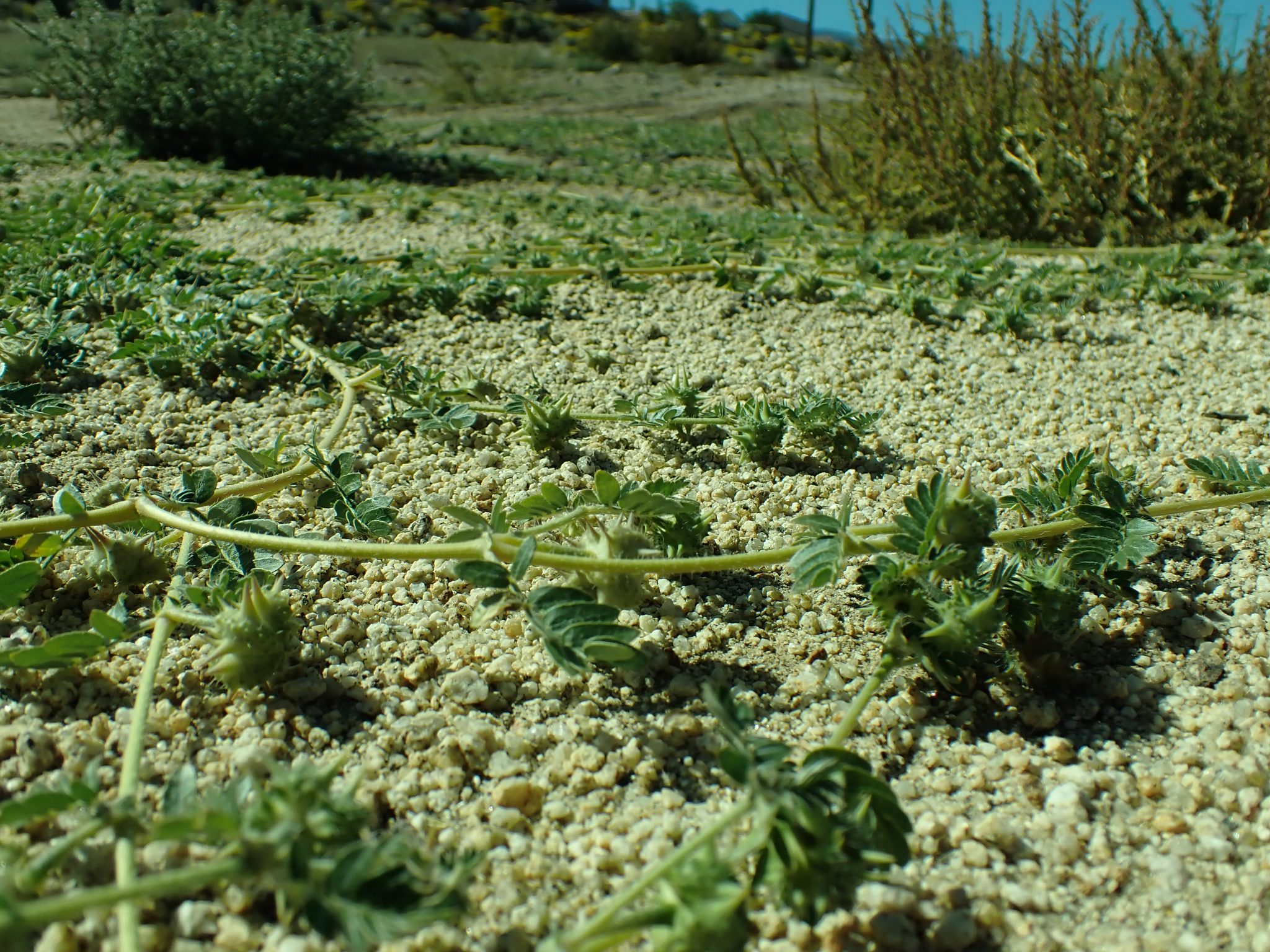
Virginia buttonweed, Diodia virginiana, stays low enough to tolerate mowing and can spread into a dense mat. UGA describes opposite leaves with no leaf stalk, spreading stems, and white flowers with four star-shaped petals. The leaves can look dark green and slightly thickened. Clemson notes that late-summer foliage can become yellow-green and mottled.
| What you see | What it can mean | Useful next check |
|---|---|---|
| Opposite, stalkless leaves and white four-pointed flowers | Consistent with Virginia buttonweed | Photograph leaves, stem joints, and flowers before choosing a product |
| Low mat in a wet area | Buttonweed is possible, but other weeds also like wet turf | Check drainage and identify the plant |
| Blue or purple flowers | Not the usual buttonweed flower | Do not assume the same control plan fits |
Do not rely on one feature. A wet lawn can support several weeds. A clear close photo can help you compare the leaf arrangement and flower before you spend money or risk turf injury.
Why is Virginia buttonweed growing in this spot?
This weed often takes advantage of a weak spot in the lawn. Clemson and UGA both point to excess moisture, poor drainage, compaction, and thin turf as conditions that can favor it. Look at the problem area after rain or irrigation. Does it stay wet longer than nearby grass? Does foot traffic, mower scalping, or bare soil keep the turf from filling in?
Start with the site. Correct drainage problems where practical. Water in a way that supports the grass instead of keeping the surface wet all the time. Mow at the correct height for your grass species and avoid scalping. Use soil-test guidance for fertilizer and lime. These steps will not erase a mature mat on their own, but they can make the lawn a harder place for the weed to return.
Why does it return after pulling or mowing?
Pulling a small plant can be useful for inspection, but it is not a reliable control method for an established patch. Clemson and UGA warn that remaining roots or stem pieces can regrow. Mowing can also move stem fragments around a moist lawn. If you remove a small patch by hand, collect loose pieces and dispose of them instead of leaving them in the turf.
Virginia buttonweed is a perennial. Established infestations can need repeated work across more than one growing season. That is a reason to set expectations early, not a reason to apply more product than the label permits.
What control plan fits your grass and site?
There is no single herbicide answer for every lawn. Product safety and effectiveness depend on the grass species, weed growth stage, temperature, site, and product label. Clemson and UGA describe postemergence control as a repeat-treatment process in many lawns, especially for established plants. Some products that are tolerated by warm-season turf can injure tall fescue or other grasses.
- Identify your turfgrass and confirm the weed.
- Read the current product label. Check that it lists your turfgrass, Virginia buttonweed or the relevant broadleaf weed use, and your site.
- Follow the label for timing, application method, temperature limits, repeat-treatment limits, and protective measures.
- Do not treat drought-stressed, newly seeded, or otherwise vulnerable turf unless the label clearly allows it.
- Recheck the area and repair the wet or thin-turf condition that helped the weed establish.
A local extension office can help with a turf-specific choice when the label language is unclear.
What should you check before next season?
Early attention matters. Clemson recommends beginning control when plants have tender new growth in spring because older plants become harder to manage later in the season. If you see a patch now, identify it, reduce the site stress, and record where it is. That record helps you inspect the same area as growth starts next season.
Keep the goal realistic: reduce the existing patch, prevent it from spreading, and build dense turf where it was thin. If the lawn is mostly weeds with little remaining turf, get local advice before starting a renovation or nonselective treatment.
Frequently asked questions
What does Virginia buttonweed look like?
UGA and Clemson describe opposite, stalkless leaves, low spreading growth, and small white flowers with four petals. Stems can be hairy, and older leaves may look mottled yellow-green.
Does Virginia buttonweed prove that my lawn has a drainage problem?
No. It can suggest excess moisture or poor drainage, but it does not prove either condition. Check how long the area stays wet and whether compacted or thin turf is also present.
Why does it come back after pulling?
Clemson and UGA report that roots and stem fragments can remain and establish new plants. Pulling alone is often not enough for an established patch.
Can one herbicide treatment control Virginia buttonweed?
Not reliably in every lawn. UGA and Clemson describe repeat treatments as common for established plants. Use the exact label for your grass, site, and conditions.
After you identify the weed and grass, get a 12-month lawn care plan for seasonal tasks based on your ZIP code.
Free Lawn Care Tools

Your lawn plan, in your pocket all season
Grass ID, a season plan, soil-timed reminders, and a lawn journal that remembers what you did. Free on iPhone.