Best Fertilizer for Centipede Grass in Georgia (2026 Top Picks)
 Marcus GreenTurf Management Pro | 18 Years
As an Amazon Associate we earn from qualifying purchases.
If you grew up anywhere in middle or south Georgia, you already know centipede grass. It is the pale, apple-green lawn that creeps along the curb in Macon, the carefree turf out back in Valdosta, the stuff your granddad in Albany never seemed to do anything to. Folks call it the "lazy man's grass" for a reason. It asks for almost nothing, and that is exactly where most Georgia homeowners go wrong with it.
Here is the trap. We are wired to treat lawns like teenagers: feed them more and they grow up green and thick. That logic works fine on bermuda and St. Augustine. On centipede it is poison. Centipede did not evolve to gulp nitrogen. Push it the way the bag tells you to, drop a high-nitrogen weed-and-feed on it in the wrong week, and you do not get a lusher lawn. You get thin, yellow, dying patches that spread every season. That slow collapse has a name down here, and we will get to it.
This guide is built specifically for Georgia centipede in our red clay, our heat, and our long growing season. Not the generic national advice that lumps every warm-season grass together. The single most important thing I can tell you up front is that with centipede, less fertilizer is the strategy, not the cop-out. If you are not 100% sure the grass you have is actually centipede, run a photo through our free grass identifier before you buy a single bag. Feeding a centipede program to a bermuda lawn (or the reverse) is how good intentions turn into a wrecked yard.
Why Georgia Centipede Is Different
Centipede grass (Eremochloa ophiuroides) is a low-input, slow-spreading warm-season turf that thrives across Georgia's coastal plain and piedmont. It tolerates poor, sandy, acidic soil better than almost anything else we can grow, which is precisely why it dominates the southern half of the state. But its low appetite is the whole game. A bermuda lawn might want four or five pounds of nitrogen a year. Centipede wants one. That ten-to-one mental adjustment is the thing most Georgia homeowners never make, and it is why the same fertilizer that makes the neighbor's bermuda glow will quietly kill your centipede.
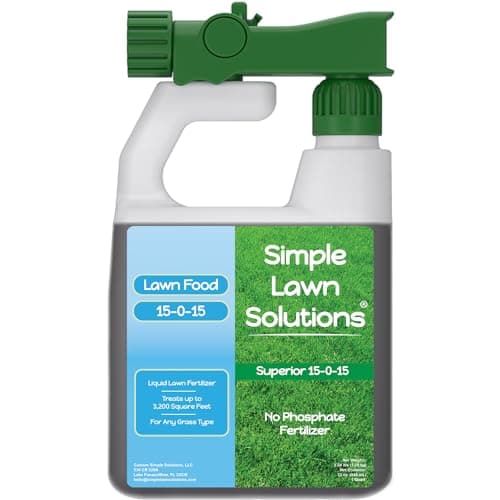
Three things make Georgia centipede its own animal. First, it is genuinely phosphorus-sensitive and prone to a decline syndrome when overfed. Second, it wants acidic soil (pH 5.0 to 6.0), and our red clay loves to drift the other way and lock up iron. Third, our growing season is long and hot, which tempts people to keep feeding right through the year when they should have stopped. The fertilizers below are chosen to respect all three. If you want a quick look at what I keep on the shelf for centipede clients, here are the three that do the most work for Georgia lawns.
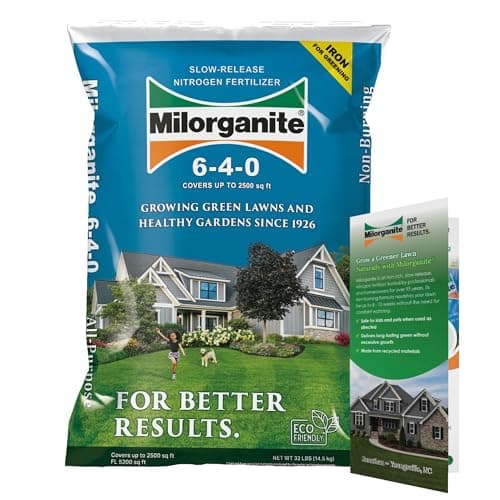
- Best overall (gentle slow-release): Milorganite All-Purpose Slow-Release Nitrogen 6-4-0 Fertilizer
- Best for yellowing (granular iron): Ironite II by Pennington Mineral Lawn Supplement 1-0-0
- Best fast color fix (liquid iron): Southern Ag Chelated Liquid Iron
NPK Targets for Georgia Centipede
Every fertilizer bag carries three numbers, the N-P-K: nitrogen, phosphorus, and potassium. For centipede, those numbers matter more than they do for any other Georgia turf, because the grass punishes you for getting them wrong.
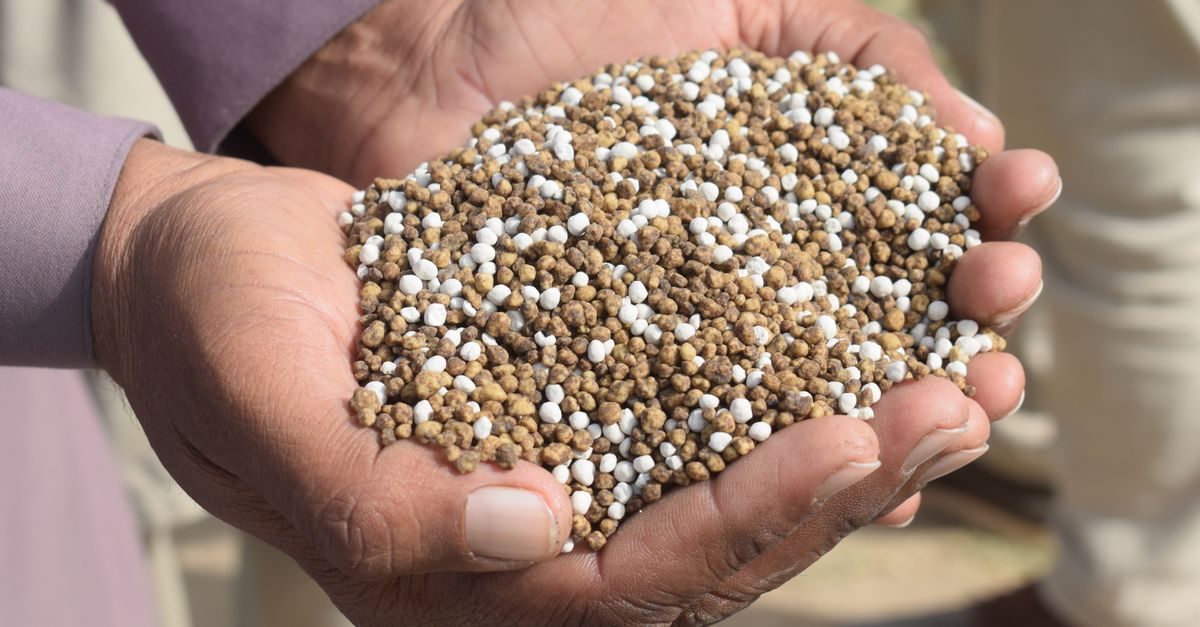
Nitrogen (the N): Aim for about 1 pound of actual nitrogen per 1,000 square feet, for the whole year. Not per application. Per year. Split it into a spring feeding around green-up and a half-rate summer feeding. That is it. If your bag is a 6-4-0 like Milorganite, you need roughly 16 to 17 pounds of product to put down 1 pound of nitrogen over 1,000 square feet, so a single bag goes a long way. High-nitrogen quick-release products (the 29-0-4 and 32-0-5 bags marketed for bermuda) force a flush of top growth that centipede cannot support, and that flush is the first domino in decline.
Phosphorus (the P): Keep it low or zero, and never add it without a soil test. Centipede is unusually sensitive to excess phosphorus, and most Georgia soils that have been fertilized before already have plenty. Milorganite's small "4" of phosphorus is slow-release and organic, which is fine, but you should not go reaching for a high-P "starter" blend on established centipede.
Potassium (the K): A little potassium helps with stress, cold, and drought tolerance, which matters when a hard Georgia winter shows up. You do not need much. A soil test through UGA Extension will tell you whether your lawn actually needs supplemental potassium or whether you are good.
One more number that is not on the bag: soil pH. Centipede wants 5.0 to 6.0. When our red clay creeps above 6.0, iron gets chemically locked in the soil and the grass turns yellow even though the dirt is full of iron. That is iron chlorosis, and the fix is iron and lower pH, never more nitrogen. If a soil test shows pH over 6.0, elemental sulfur applied over time will gently bring it back down. Timing your feedings to soil temperature instead of the calendar also helps. You can check current ground temps for your area with our soil temperature tool so you are not feeding cold, dormant grass.
Top Fertilizers for Georgia Centipede (2026)
I picked these for one reason: they fit centipede's low-and-slow appetite instead of fighting it. Nothing here is a high-nitrogen bermuda blend dressed up for warm-season lawns. The lineup leads with a gentle slow-release feed, backs it with two iron supplements for the yellowing that Georgia clay causes, offers two organic options for folks who want to skip synthetics, and includes one easy big-box pick for when you just want to grab a bag at the store (used at a reduced rate). Here is how they compare.
| Product | N-P-K | Type | Best For | Buy |
|---|---|---|---|---|
| Milorganite All-Purpose Slow-Release Nitrogen 6-4-0 Fertilizer | 6-4-0 | Slow-release organic | Gentle main feeding for the whole lawn | Top pick |
| Ironite II by Pennington Mineral Lawn Supplement 1-0-0 | 1-0-0 | Granular iron supplement | Greening yellow lawns without forcing growth | Iron pick |
| Southern Ag Chelated Liquid Iron | Chelated iron | Liquid iron (foliar) | Fast color rescue on chlorotic turf | Fast fix |
| Espoma Organic All Season Lawn Food | Organic | Organic granular | Low-input organic program | Organic pick |
| Safer Brand Lawn Restore Hose-End Spray | Organic | Liquid organic (hose-end) | Easy organic spray for small lawns | Organic spray |
| Scotts Southern Turf Builder Lawn Fertilizer | Southern blend | Synthetic granular | Easy big-box pick at a reduced rate | Store pick |
Milorganite 6-4-0 (the gentle editor's pick)
This is the one I reach for first on Georgia centipede. The nitrogen is slow-release and organic, so it feeds the grass gradually instead of spiking growth the way a synthetic quick-release does. That slow curve is exactly what centipede wants. It also carries iron, which means a single product handles both the modest feeding and a good chunk of the color you are after, and it is nearly impossible to burn the lawn with it. Put it down at green-up and again at a lighter rate in summer and most centipede lawns are perfectly happy.
Ironite II 1-0-0 (granular iron for yellowing)
When a centipede lawn yellows on alkaline clay, the problem is almost never nitrogen. It is iron. Ironite is a granular iron supplement with essentially no nitrogen (1-0-0), so it darkens the green without pushing the top growth that gets centipede into trouble. This is the right tool when your lawn is pale despite a normal feeding schedule. Spread it, water it in, and watch the color deepen over a week or two without any growth flush.
Southern Ag Chelated Liquid Iron (the fast color rescue)
If you need green this weekend, not next month, go liquid. Southern Ag's chelated iron is sprayed onto the blades and taken up through the leaf, so the response is fast, often within a few days. Chelated means the iron stays available even in our higher-pH clay where ordinary iron would lock up. It is my go-to before a graduation party or a closing photo. The trade-off is that foliar iron is temporary, so pair it with fixing the underlying pH if chlorosis keeps coming back.
Espoma Organic All Season Lawn Food (organic granular)
For folks who want to keep the program fully organic, Espoma is a clean, slow-feeding granular that fits centipede's low appetite naturally. Organic nitrogen releases slowly as soil microbes break it down, which dovetails with everything centipede wants. It will not green you up overnight, but over a season it builds a steady, healthy lawn without any risk of the over-feeding trap.
Safer Brand Lawn Restore Hose-End Spray (easy organic spray)
This is the grab-and-go organic option for smaller Georgia lawns. It connects right to your garden hose, so there is no spreader to calibrate and no granules to water in. For a typical front yard in a Savannah or Macon neighborhood, a hose-end organic feed is about as low-effort as a real fertilizer program gets, and it keeps you safely on the gentle end of the spectrum.
Scotts Southern Turf Builder (the easy big-box pick, at a reduced rate)
I will be honest: this is here because plenty of you are going to grab a bag at the big-box store on a Saturday, and Scotts Southern is the most sensible thing on that shelf for a warm-season lawn. The one rule if you use it on centipede: cut the rate. Use roughly half the bag's recommended application so you stay near that 1-pound-of-nitrogen annual target. The label is written for the average southern lawn, not for centipede's tiny appetite, so the full rate is more nitrogen than your grass should ever see. A full-rate synthetic complete fertilizer is one of the most common causes of centipede decline in this state, so go light.
Application Schedule by Georgia Region (2026)
Georgia is a long state, and centipede green-up happens weeks apart between Valdosta and the mountains. Feed by soil temperature and green-up, not by a date on the calendar. The rule of thumb: wait until the lawn has fully greened up and is actively growing (soil temps consistently in the mid-60s Fahrenheit), then feed. Stop all nitrogen by late summer. Never feed in late fall or winter. Below is how I time it by region.
Middle and South Georgia centipede belt (Macon, Albany, Valdosta)
This is the heart of centipede country and where the grass performs best. Green-up usually lands in April. Put down your main Milorganite feeding once the lawn is fully green and growing, typically mid-to-late April in Valdosta and Albany, a touch later in Macon. Apply the second, lighter half-rate feeding in mid-summer, around late June into July, and then you are done with nitrogen for the year. If the lawn yellows during the heat of summer, that is your cue for an iron supplement, not another nitrogen pass. Stop feeding by August so the grass can harden off before any cold snap.
Coastal Georgia (Savannah, Brunswick)
The coast warms early and stays warm late, and the sandy soils here are a natural fit for centipede. Green-up can come a little ahead of inland Georgia, often early-to-mid April in Savannah and Brunswick. Sandy coastal soil drains and leaches fast, so the slow-release approach matters even more here. Stick with the spring and summer split, but keep an extra eye on iron, since sandy, salty coastal ground often shows chlorosis. A liquid iron pass is a quick fix when the lawn pales between feedings. As with the rest of the state, no nitrogen past late summer.
North Georgia (a note, not a schedule)
Up in the mountains and the northern piedmont, it gets cooler and centipede is much less common. The growing season is shorter, hard freezes are more likely, and centipede's marginal cold tolerance makes it a gamble north of roughly Atlanta. Plenty of north Georgia lawns are fescue, bermuda, or zoysia instead. If you do have centipede up there, push your spring feeding later (green-up may not arrive until May) and be even more conservative with nitrogen, because a stressed, overfed centipede lawn is far more likely to suffer winter kill in a cold north Georgia winter. For region-specific timing around the metro, the Atlanta lawn care guide walks through what actually works at that latitude.
Common Georgia Centipede Problems
Problem: Centipede decline
This is the big one, and it is almost always self-inflicted. "Centipede decline" is the gradual thinning, yellowing, and dying-out of a centipede lawn, usually appearing in spring as patches that fail to green up and then spread. The leading causes are over-fertilizing (too much nitrogen), excess phosphorus, soil pH that has climbed above 6.0, and thatch buildup. The fix is restraint. Cut your nitrogen back to that 1-pound-per-year target, stop adding phosphorus, get a soil test, and correct pH if it is high. Decline is a management disease, which is the good news: change the management and the lawn usually recovers.
Problem: Yellowing (iron chlorosis) on red clay
Your lawn is pale or yellow despite a normal feeding schedule. The instinct is to add nitrogen, and that instinct is wrong. On Georgia red clay that has drifted above pH 6.0, iron gets locked up and unavailable even though it is sitting right there in the soil. The grass yellows from iron deficiency, not nitrogen deficiency. The fix is iron, not more nitrogen. A granular iron supplement like Ironite for a steady fix, or chelated liquid iron when you need fast color, will green the lawn back up. Long term, a soil test and elemental sulfur to nudge the pH back into the 5.0 to 6.0 range stops the chlorosis from returning.
Problem: Soil pH too high
Centipede simply does not like alkaline soil, and our clay tends to drift that way over the years, especially where lime has been applied for other crops or gardens. Above pH 6.0 you get locked-up iron, weak growth, and a lawn that never looks quite right no matter how you feed it. The fix is to lower pH gently with elemental sulfur, guided by a UGA Extension soil test so you know exactly how far you need to move. Sulfur works slowly over months, which is the right speed. Whatever you do, do not lime a centipede lawn unless a soil test specifically tells you the pH is too low.
Problem: Weed-and-feed timing mistakes
Combination weed-and-feed products are a common Georgia centipede killer because they tempt you to fertilize on the herbicide's schedule instead of the grass's. Many are high in nitrogen, and applying them in early spring before centipede has fully greened up (or late in the year) stresses the grass exactly when it is weakest. The fix is to separate the two jobs. Handle weeds with the right product at the right time, and feed centipede on its own gentle low-nitrogen schedule. If you must use a weed-and-feed, choose a low-nitrogen formulation and apply it only when the lawn is fully green and actively growing, never on dormant or stressed turf.
Problem: Late-season feeding and winter kill
Feeding centipede in late fall or winter feels productive but invites disaster. Late nitrogen pushes tender new growth right as the grass should be hardening off for cold, leaving it vulnerable to winter kill and decline the following spring. The fix is a hard stop on nitrogen by late summer. After that, let the grass slow down and toughen up on its own. A little potassium earlier in the season helps cold tolerance; late nitrogen actively hurts it.
Application Tips for Georgia Conditions
- Soil test first. Before you buy anything, get a soil test through UGA Extension. It tells you your pH, your phosphorus level, and whether you need potassium. On centipede, this single step prevents most of the expensive mistakes, because so many centipede problems trace back to pH and over-feeding.
- Feed by green-up, not by date. Wait until the lawn is fully green and actively growing before the first feeding. Feeding dormant or half-green grass wastes product and can stress the lawn. Use the soil temperature reading for your area to confirm the ground is warm enough.
- Split the year's nitrogen in two. One spring feeding, one lighter summer feeding, and that is the whole nitrogen program. Resist the urge to add a third pass just because the lawn looks like it "could use it." If it looks pale, reach for iron, not nitrogen.
- Water it in. After a granular application, water lightly to move the nutrients off the blades and into the soil. This is especially true for iron granules, which can stain hardscapes if left dry on the surface.
- Mow high and leave the clippings. Centipede does best mowed at about 1.5 to 2 inches. Returning clippings recycles a small amount of nitrogen back into the lawn, which on a low-appetite grass like centipede is genuinely meaningful and lets you feed even less.
- Mind the thatch. A thick thatch layer contributes to decline and holds moisture against the crowns. If your centipede has built up a spongy layer, address it rather than feeding through it.
- When in doubt, do less. This is the centipede mantra. The lawns that fail in Georgia are almost never the under-fed ones. They are the loved-to-death ones. Trust the grass to be lazy, because that is its superpower.
Conclusion
Georgia centipede is one of the easiest lawns in America to keep, right up until you start treating it like a bermuda lawn. Get the program right and it practically takes care of itself: a low-nitrogen, low-phosphorus feed like Milorganite 6-4-0, about a pound of nitrogen per 1,000 square feet for the whole year split spring and summer, iron instead of nitrogen whenever it yellows, soil pH held between 5.0 and 6.0, and a hard stop on feeding by late summer. Do that and you sidestep centipede decline, the one problem that wrecks more of these lawns than everything else combined.
If you want the full national breakdown of centipede fertilizers, rates, and timing beyond Georgia, our complete centipede fertilizer guide goes deeper on every product and rate. And if you have any doubt that the grass you are feeding is actually centipede, settle it in ten seconds with our free grass identifier before you spend a dime on fertilizer. Match the program to the grass, and your Georgia centipede will reward you by asking for almost nothing.
Free Lawn Care Tools
Wait until the lawn has fully greened up and is actively growing, which is usually April in middle and south Georgia and a bit earlier on the coast. Apply your main feeding then, and a second lighter half-rate feeding in mid-summer. Stop all nitrogen by late summer, and never feed in late fall or winter, because late nitrogen invites winter kill and decline.
Centipede wants low nitrogen and low or zero phosphorus, with a small amount of potassium for stress tolerance. A slow-release blend like 6-4-0 works well. Target only about 1 pound of actual nitrogen per 1,000 square feet for the entire year, split into two feedings, which is far less than bermuda or St. Augustine needs.
Yellowing on Georgia red clay is usually iron chlorosis, not a nitrogen shortage. When soil pH climbs above 6.0, iron gets locked up and the grass pales even though the soil has plenty. The fix is iron (a granular iron supplement for a steady fix or chelated liquid iron for fast color), plus lowering pH over time with elemental sulfur. Do not add more nitrogen.
Be very careful. Many weed-and-feed products are high in nitrogen and tempt you to fertilize on the herbicide's schedule rather than the grass's, which stresses centipede and can trigger decline. It is safer to handle weeds and feeding as separate jobs. If you must use a combination product, pick a low-nitrogen formula and apply it only when the lawn is fully green and actively growing.
About 1 pound of actual nitrogen per 1,000 square feet per year, total. That is roughly a tenth of what a bermuda lawn wants. Split it into a spring feeding and a summer half-rate feeding. More nitrogen than that is the single most common cause of centipede decline in Georgia.
Go gentle. New centipede is even easier to over-fertilize than established turf, so skip heavy starter blends and high-phosphorus products. Get a soil test first, keep pH between 5.0 and 6.0, and use a light, slow-release feed once the grass is established and actively growing. Water consistently to establish roots, and hold off on any real fertilizer program until the new lawn has knit in.

Your lawn plan, in your pocket all season
Grass ID, a season plan, soil-timed reminders, and a lawn journal that remembers what you did. Free on iPhone.